BACKGROUND AND OBJECTIVES:In Japan, cord blood is used for more than half of all unrelated stem cell transplantations. The public cord blood banks (CBBs) have been collecting information on cord blood transplantation-related adverse events from physicians on a voluntary basis, without common definitions of the adverse reactions. The aims of this study were to compare two classification systems to improve the reporting system and to clarify the actual risk from cord blood infusion, which can then provide the impetus to take appropriate measures to reduce adverse events.MATERIALS AND METHODS:We classified the reports according to existing criteria; one is the Proposed Standard Definitions for Surveillance of Non-Infectious Adverse Transfusion Reactions by the International Society of Blood Transfusion (ISBT) Working Party on Haemovigilance, and the other is the Common Terminology Criteria for Adverse Events (CTCAE). There were 140 cases with adverse events reported from April 2014 through March 2019.RESULTS:Twelve cases, such as donor-derived leukaemia/myelodysplastic syndromes (MDS) and chromosomal aberrations reported after engraftment, were excluded from this analysis. Of the 128 cases with adverse events at cord blood infusion, the CTCAE and ISBT criteria could not classify 6 cases and 68 cases, respectively. Classifying by the CTCAE, the most common side effect was hypertension in 35 cases, followed by anaphylaxis, allergic reactions, nausea, urticaria, etc. Serious adverse events (grades 4 and 5) were mainly anaphylaxis, with a frequency of 0.23%.CONCLUSION:It is necessary not only to provide information on adverse events but also to standardize the reporting of adverse events to support measures to reduce them.
The combined effects of HLA-allele matching at six-loci (HLA-A, -B, -C, -DRB1, -DQB1, and -DPB1) and CD34(+) cell dose on clinical outcomes were analyzed in 1,226 adult cases with single-unit unrelated cord blood transplantation. In the six-loci analysis, low HLA-allele matches did not significantly increase the overall mortality compared to higher matches, whereas in the five-loci analysis excluding HLA-DPB1, they caused a higher overall mortality (HR 1.42, p = .002), possibly due to the graft-versus-leukemia effect of HLA-DPB1 mismatches. A lower CD34(+) cell dose (<.50 x 10(5)/kg) resulted in higher mortality and lower engraftment; these inferior outcomes were offset by high HLA-allele matches (7-10/10 match), while the inferior outcomes of low HLA-allele matches were improved by increasing the CD34(+) cell dose. Consideration of the combined effects of the CD34(+) cell dose and HLA matching may expand the options for transplantable units when HLA matching or the CD34(+) cell dose is inadequate.
In umbilical cord blood transplantation (UCBT), the number of cluster of differentiation (CD)34+ cells and colony‑forming units (CFUs) in the cord blood (CB) graft positively correlate with patient survival. Therefore, these parameters are currently used for quality assessment of the cryopreserved CB cells in the attached segment that is considered representative of the CB in the main bag prior to UCBT. Since aldehyde dehydrogenase (ALDH) activity is high in hematopoietic stem cells, the number of ALDH‑bright (ALDHbr) cells was examined in comparison with the number of CD34+ cells and CFUs for the quality assessment of CB units. In the cryopreserved main bag, the number of ALDHbr cells in the CB unit exhibited positive correlation with the number of CD34+ cells, and with CFU‑granulocytes/macrophages and total CFU counts. Furthermore, the concentration of ALDHbr cells in the cryopreserved attached segment was not significantly different compared to that of the main bag, suggesting that the attached segment is representative of the main bag. In conclusion, the present study suggested that ALDHbr cell counts in the cryopreserved attached segments may serve as a quality assessment indicator for CB units prior to UCBT.
Clinical application of induced pluripotent stem cells (iPS) in autologous settings has just begun. To overcome the high time and cost barriers in the individual production of autologous iPS, the use of allogeneic iPS with a homozygous human leukocyte antigen (HLA) haplotype (HLA‐homo HP) has been proposed. Cord blood transplantation (CBT) is a suitable model for evaluating the allogeneic immunogenicity of iPS transplantation from HLA‐homo donors. We analyzed 1,374 Japanese single cord blood transplant pairs who were retrospectively typed as HLA‐A, ‐B, ‐C, ‐DRB1, ‐DQB1, and ‐DPB1. Among these, six pairs with donor HLA homo—patient‐HLA hetero (homo‐hetero) were found, all of which showed favorable neutrophil engraftment. Multivariate analysis revealed a significantly elevated engraftment risk (HR = 1.59) compared with hetero‐hetero pairs with HLA 1‐2 locus mismatch (789 pts) and comparative risk (HR = 1.23) compared with hetero‐hetero pairs with 0 mismatch (104 pts). These results for CBT with HLA‐homo HP cord blood carry an important implication, namely the possibility that HLA‐homo iPS transplantation results in favorable engraftment. Furthermore, we obtained detailed information on HLA alleles and haplotypes of HLA‐homo. All donor HLA‐homo HPs had a common specific ethnicity and high conservation of the HLA region, and one of two patient heterogeneous HPs invariably shared the same HP as donor HLA‐homo HP, and another non‐shared patient HP was mismatched with 1 to 4 HLA alleles of HLA‐A, ‐B, ‐C, and ‐DRB1 loci in the GVH direction. These findings indicate that patients possessing a single common HLA haplotype have a higher chance of yielding HLA‐homo iPS. Stem Cells Translational Medicine 2018;7:173–179
ハプトグロビン(Hp)抗体を保有するHp欠損患者に,血漿タンパク質成分を含有した血液製剤を輸血後,重篤なアナフィラキシーショックを起こすことがいくつか報告されている.我々は,Hpdel遺伝子ホモ接合体のHp欠損患者2人を経験した.これら2人の患者は,2回洗浄した赤血球の輸血により副作用を起こさなかった.そこで我々は,洗浄回数と血液製剤中に残ったHpの濃度を検討した.洗浄赤血球(WRC),解凍赤血球(FTRC),洗浄血小板(WPC)の各5製剤中のHp濃度を測定した.洗浄前の赤血球製剤(RBC)のHp濃度の平均値は98.800μg/ml,1回洗浄WRCの平均値は3.044μg/ml,2回洗浄WRCの平均値は0.233μg/ml,3回洗浄WRCの平均値は0.038μg/mlであった.1回,2回,3回洗浄後WRCの有意差は,それぞれp=0.0089,p=0.0019,p<0.0001であった.FTRCのHp濃度の平均値は5.116μg/mlであった.血小板製剤(PC)の血漿Hp濃度の平均値は656.600μg/ml,1回洗浄WPCの平均値が7.262μg/ml,2回洗浄WPCの平均値が0.463μg/mlであった.1回,2回洗浄後WPCの有意差は,それぞれp<0.0001,p=0.0016であった.これらの結果に基づき,我々はHp抗体を保有するHp欠損患者には,2回洗浄のWRCやWPCを輸血することが望ましいと考える.
The risks of HLA-A,-B,-C,-DRB1,-DQB1 and -DPB1 allele disparity for transplant-related events in cord blood transplantation (CBT) have not been fully analyzed. We conducted cooperative research to elucidate the impact of each HLA locus in allele level in patients facilitated by 7 cord blood banks in Japan. As HLA-DPB1 disparity induces not only graft-versus-leukemia (GVL) effects but also a risk of severe acute graft-versus-host disease (GVHD) and shows no beneficial advantages in survival rate in unrelated donor stem cell transplantation, we especially focused on HLA-DPB1 effect for hematological relapse after transplantation. HLA-A,-B,-C,-DRB1,-DQB1, and -DPB1 alleles at the field 1 and field 2 level were retrospectively typed in 1424 patient and cord blood donor pairs transplanted with a single unit CB. We selected first time transplanted Japanesepatients with hematological malignancies : acute myeloblastic leukemia (n=690), acute lymphoblastic leukemia (n=278), myelodysplastic syndrome (n=152), and other malignancies (n=304). Donors were all Japanese and less than three antigen mismatched at HLA-A,-B, and -DR loci. Early death (<7days) cases were excluded. The primary end point was the effect of HLA-DPB1 disparity on relapse incident, and acute GVHD and survival were also evaluated. Multivariate analyses were performed by Cox proportional hazard regression and Fine-Grey hazard regression methods. HLA-DPB1 mismatch in GVH direction showed significant reduction of leukemia relapse (hazard ratio (HR) 0.69, 95%CI (0.54-0.88), p=0.003) (Fig.1A). This GVL effect was independent from disease, patient age, total nucleated cell numbers, or transplantation period (Table 1). No significant effects of HLA-DPB1 mismatches were observed in GVHD incident or neutrophil engraftment. Significant reduction of overall mortality was seen in HLA-DPB1 mismatched compared with matched patients (HR 0.82, 95%CI (0.70-0.97), p=0.017) (Fig.1B) in GVH direction. The HRs of HLA locus mismatch other than HLA-DPB1 for acute GVHD, relapse, and mortality were not significant (Table 2). HLA-DPB1 disparity has beneficial effects in CBT. Reduction of relapse rate and overall mortality were observed in HLA-DPB1 mismatched patients. Selection of HLA-DPB1 mismatched donor might be preferable choice for CBT.Table 1subgroup analysis of HLA-DPB1 mismatch effects on leukemia replasesubgroupNo of PatientsHR(95%CI)PtotalDPBI - mismatchall patients142410750.69(0.54 – 0.88)0.003Child/ Adult child1931300.60(0.33 – 1.08)0.087 adult12319450.73(0.55 – 0.96)0.024Disease AML6905240.70(0.50 – 0.98)0.037 ALL2782060.51(0.30 – 0.88)0.015 MDS1521160.33(0.13 – 0.82)0.018 Other3042291.24(0.56 – 2.73)0.590TNC <2.5×10⁷ /kg5404090.73(0.47 – 1.14)0.160 2 5×10⁷kg≤8496400.67(0.49 – 0.90)0.007CD34 <0 8×10⁵/kg6034510.64(0.42 – 0.99)0.043 0 8×10⁵ kg≤7855960.69(0.50 – 0.96)0.026Transplantation year 1999–20085714250.81(0.56 – l.20)0.300 2009–20128536500.62(0.45 – 0.86)0.005 Open table in a new tab Table 2Effect of HLA locus matching on mortality, leukemia relapse and aGVHDHLAGVH directionnOverall mortality (5yr)Relapse incident (5yr)aGVHD(grade.2–4)HR(95%CI)PHR(95%CI)PHR(95%CI)PAmatch6441.001.001.00mismatch7870.95(0.82–1.10)0.4800.90(0.71–1.14)0.3901.06(0.92–1.32)0.290Bmatch4251.001.001.00mismatch10061.12(0.93–1.35)0.2381.06(0.80–1.40)0.6801.15(0.90–1.46)0.260Cmatch3521.001.001.00mismatch10791.08(0.89–1.32)0.4260.86(0.65–1.14)0.2900.97(0.75–1.25)0.800DRB1match4011.001.001.00mismatch10301.25(0.97–1.62)0.0891.00(0.68–1.46)0.9900.93(0.75–1.15)0.490DQB1match4601.001.001.00mismatch9710.88(0.69–1.12)0.3070.87(0.61–1.25)0.4601.02(0.75–1.39)0.890DPB1match3511.001.001.00mismatch10800.83(071 - 0 98)0.0260.69(0.54 - 0 88)0.0031.18(0.85–1.65)0.320 Open table in a new tab
Abstract INTRODUCITON: We reported the outcomes of double-unit cord blood transplantation (dCBT) after myeloablative conditioning performed in a prospective multicenter phase II study (C-SHOT0507) (Biol Blood Marrow Transplant 19, 2013: 812-819). However, the benefit of using double unit compared to single unit was not clearly shown. We performed matched control analysis to compare dCBT and single-unit CBT (sCBT), using C-SHOT0507 data of dCBT and registry data of sCBT. METHODS: Between Apr.2006 and Jan.2010, 61 cases of dCBT in C-SHOT0507 phase II clinical study and 932 cases of sCBT were performed in Japan. Because all cases of dCBT perfomed by TBI12Gy containing myeloablative conditioning (CA/Cy/TBI +/- G-CSF for myeloid and Cy/TBI for lymphoid) and uniform GVHD prophylaxis (CSA/MTX), we excluded reduced intensity conditioning and myeloablative conditioning without TBI 12 Gy from the cases of sCBT. Finally 307 sCBT patients who had hematological malignancies (AML170, ALL80, MDS24, CML14 and ML20) were extracted. All the sCBT recipients received uniform preconditioning described above and same GVHD prophylaxis (CSA/MTX), selected as a matched control cohort of dCBT C-SHOT0507 study. All statistical analyses were performed using EZR (Kanda Y, Saitama Medical Center, Jichi Medical University), a graphical user interface for R (The R Foundation for Statistical Computing, version 2.13.0). RESULTS: Median observation period of survivors was 1431 (106-2315) days post-transplant. Backgrounds of dCBT group and matched-control sCBT group were comparable except gender: (dCBT:M/F = 53 /8 versus sCBT:M/F = 154/153). Median age were 37 (10-54) in dCBT and 40 (14-54) in sCBT. Disease risk included standard 27, advanced 34 cases in dCBT, and standard 142, advanced 165 cases in sCBT. sCBT were grouped according to infused TNC number; 148 cases of low TNC (<2.5x10⁷/kg) group (lowTNC) including 35 cases of <2.0x10⁷/kg, and 159 cases of high TNC (>=2.5x10⁷/kg) group (highTNC). Cumulative incidence (C.I.) of neutrophil engraftment were 87.2% (69.5-95.0) in dCBT, 84.7% (76.2-90.3) in sCBT of low TNC and 86.8% (79.3-91.7) in those of high TNC (n.s.) [Figure] and median days of engraftment were 25, 23, 22 days, respectively. 3yEFS were 44.3% (31.8-56.7), 41.6% (33.5-49.7), 44.0% (36.1-51.9) [Figure], and 3yOS were 52.3% (39.7-64.8), 48.7% (40.5-56.9), 51.0%(43.1-59.0), respectively. There were no statistically significant differences in both of them. C.I. of NRM were 24.1% (13.9-35.7), 31.0% (22.0-40.3), 40.0% (18.0-61.3), acute GVHDII-IV were 30.8% (18.2-44.4), 41.9% (33.1-50.4), 54.8% (45.5-63.1), acute GVHDIII-IV were 10.8% (3.2-23.6), 12.7% (6.8-20.6), 19.0% (11.4-28.1), chronic GVHD were 31.6% (19.8-44.1), 41.4% (32.6-50.0), 33.8% (26.2-41.6), and relapse incidences were 24.6% (14.6-36.1), 24.5% (17.7-31.8), 26.3% (19.6-33.5), respectively. All parameters assessed showed no significant differences between dCBT, sCBT, sCBT of low TNC and high TNC, except C.I of acute GVHDII-IV and NRM. In multivariate analysis, disease risk was an only significant factor affected on EFS (HR0.58; 95%CI: 0.400-0.833, P=0.003). DISCUSSION: Although this is a retrospective analysis, double-unit use for CBT showed no statistically significant impact on engraftment rate and transplant outcomes compared to single-unit use of CBT even in patients of TNC number lower than 2.5x10⁷/kg after myeloablative conditioning in Japan. Since more than 90% of the transplant candidates can find single CB unit >2x10⁷/kg TNC, advantage of adding another CB unit may be quite limited in Japan both scientifically and financially, until meaningful benefit is demonstrated by randomized phase III study such as BMT-CTN 0501. Figure 1 Figure 1. Figure 2 Figure 2. Disclosures No relevant conflicts of interest to declare.
In the present study, we analyzed the kinetics of serum soluble interleukin-2 receptor (sIL-2R) using data from 77 patients undergoing HLA-haploidentical transplantation using reduced-intensity conditioning (RIC), who were at an advanced stage or at high risk for relapse, to clarify the usefulness of sIL-2R as a biomarker of acute graft-versus-host disease (GVHD). Anti-T-lymphocyte globulin and methylprednisolone were used as GVHD prophylaxis. While the median sIL-2R in 38 patients not developing GVHD was suppressed at levels <740 U/ml, sIL-2R in 25 patients developing severe GVHD peaked on day 11 (1,663 U/ml), and thereafter decreased to <1,000 U/ml after day 30. The occurrence of GVHD was not limited to times of high sIL-2R level, but occurred at any time point on the sIL-2R curve. Most patients developing GVHD, however, experienced a higher sIL-2R level early in their transplant course. The combination of RIC and glucocorticoids sufficiently suppressed sIL-2R levels after HLA-haploidentical transplantation. In a multivariate analysis to identify factors associated with GVHD, day 7 sIL-2R >810 U/ml was the only factor significantly associated with the occurrence of severe GVHD ( p = 0.0101).
We analyzed the outcomes of 61 patients with hematologic malignancies who underwent double-unit cord blood transplantation (dCBT) after myeloablative conditioning performed as part of a prospective multicenter phase II study. The conditioning regimen for dCBT included total body irradiation, cyclophosphamide, and granulocyte colony-stimulating factor combined with cytosine arabinoside for myeloid malignancies and with total body irradiation and cyclophosphamide for lymphoid malignancies. The cumulative incidence of neutrophil engraftment after dCBT was 85% (95% confidence interval [CI], 73%-92%). All 51 of the patients who engrafted had complete chimerism derived from a single donor by day +60. Only the degree of HLA disparity in the host-versus-graft direction had an impact on unit dominance. The cumulative incidence of grade II-IV acute graft-versus-host disease was 25% (95% CI, 15%-37%), and that of chronic graft-versus-host disease was 32% (95% CI, 20%-44%). The 1-year cumulative incidence of relapse was 23% (95% CI, 13%-34%), and that of transplantation-related mortality was 28% (95% CI, 17%-39%). With a median follow-up of 41 months, event-free survival was 48% (90% CI, 37%-58%) at 1 year and 46% (90% CI, 35%-56%) at 3 years. Event-free survival at 3 years was 67% (95% CI, 46%-81%) for patients with standard risk and 29% (95% CI, 15%-45%) for those with advanced risk. This study suggests that dCBT after myeloablative conditioning is a promising alternative for adults and large children with hematologic malignancies who need stem cell transplantation but lack a suitable adult donor or an adequate single-unit cord blood graft.
We investigated the efficacy of cord blood transplantation (CBT) for adult acute lymphoblastic leukemia (ALL) by reviewing medical records of 256 patients reported to the Japan Cord Blood Bank Network between June 1997 and August 2006. Cumulative incidence of neutrophil engraftment at day 100 was 78%. Infused CD34-positive cell dose (>1 × 10⁵ cells/kg) was associated with successful neutrophil engraftment. Cumulative incidence of grade II–IV acute graft-versus-host disease (GVHD) at day 100 was 37%. A 2-year disease-free and overall survival (OS) rates were 36% and 42%, respectively. Multivariate analysis showed that age (51 or older vs younger than 50) (hazard ratio 1.9, 95% confidence interval (CI), 1.3–2.8, P=0.001), disease status (non-remission vs remission) (hazard ratio 2.2, 95% CI, 1.5–3.2, P<0.0001), grade III–IV acute GVHD (hazard ratio 2.0, 95% CI, 1.2–3.2, P=0.006) and absence of chronic GVHD (hazard ratio 2.4, 95% CI, 1.1–5.1, P=0.02) were negatively associated with OS. CBT is effective for some patients with advanced ALL. It is worth considering for further evaluation.
Allogeneic hematopoietic cell transplantation (HCT) is an effective treatment for adult T-cell leukemia (ATL), raising the question about the role of graft-versus-leukemia effect against ATL. In this study, we retrospectively analyzed the effects of acute and chronic graft-versus-host disease (GVHD) on overall survival, disease-associated mortality, and treatment-related mortality among 294 ATL patients who received allogeneic HCT and survived at least 30 days posttransplant with sustained engraftment. Multivariate analyses treating the occurrence of GVHD as a time-varying covariate demonstrated that the development of grade 1-2 acute GVHD was significantly associated with higher overall survival (hazard ratio [HR] for death, 0.65; P = .018) compared with the absence of acute GVHD. Occurrence of either grade 1-2 or grade 3-4 acute GVHD was associated with lower disease-associated mortality compared with the absence of acute GVHD, whereas grade 3-4 acute GVHD was associated with a higher risk for treatment-related mortality (HR, 3.50; P < .001). The development of extensive chronic GVHD was associated with higher treatment-related mortality (HR, 2.75; P = .006) compared with the absence of chronic GVHD. Collectively, these results indicate that the development of mild-to-moderate acute GVHD confers a lower risk of disease progression and a beneficial influence on survival of allografted patients with ATL.
BACKGROUND: Granulocyte mobilization and harvesting, the two major phases of granulocyte collection, have not been standardized.STUDY DESIGN AND METHODS: The data on 123 granulocyte collections were retrospectively investigated for the effect of the mobilization regimen and the harvesting technique. After a single subcutaneous dose (600 µg) of granulocyte–colony‐stimulating factor (G‐CSF) with (n = 68) or without (n = 40) 8 mg of orally administered dexamethasone, 108 granulocyte donors underwent granulocyte collections. Moreover, 15 peripheral blood stem cell (PBSC) donors who had received 400 µg/m2 or 10 µg/kg G‐CSF for 5 days underwent granulocyte collections on the day after the last PBSC collections (PBSC‐GTX donors). Granulocyte harvesting was performed by leukapheresis with (n = 108) or without (n = 15) using high‐molecular‐weight hydroxyethyl starch (HES).RESULTS: Granulocyte donors who received mobilization with G‐CSF plus dexamethasone produced significantly higher granulocyte yields than those who received G‐CSF alone (7.2 × 10¹⁰ ± 2.0 × 10¹⁰ vs. 5.7 × 10¹⁰ ± 1.7 × 10¹⁰, p = 0.006). PBSC‐GTX donors produced a remarkably high granulocyte yield (9.7 × 10¹⁰ ± 2.3 × 10¹⁰). The use of HES was associated with better granulocyte collection efficiency (42 ± 7.8% vs. 10 ± 9.1%, p < 0.0001).CONCLUSION: G‐CSF plus dexamethasone produces higher granulocyte yields than G‐CSF alone. Granulocyte collection from PBSC donors appears to be a rational strategy, since it produces high granulocyte yields when the related patients are at a high risk for infection and reduces difficulties in finding granulocyte donors. HES should be used in apheresis procedures.
As the first step of UCB banking, UCB collection has an important role in banking procedures. The aim of this study was to reveal the current status of UCB collection and discuss the management of the UCB bank. We conducted a questionnaire survey at medical centers collecting UCB, followed by semi-structured interviews with some respondents. Out of 38 institutes, 11 respondents (28.9%) thought that collection of UCB in addition to their routine medical services puts a burden on physicians. The obstetricians involved in the UCB collection are generally willing to participate in the procedure under current circumstances at medical institutes.
Recent advances in unrelated cord blood transplantation (UCBT) and high-resolution typing of human leukocyte antigen (HLA) from an unrelated donor have increased choices in alternative donor/stem cell source selection. We assessed HLA-mismatched locus-specific comparison of the outcomes of 351 single-unit UCB and 1,028 unrelated bone marrow (UBM) adult recipients 16 years old or older at the time of transplantation who received first stem cell transplantation with myeloablative conditioning for acute leukemia or myelodysplastic syndromes. With adjusted analyses, HLA 0 to 2 mismatched UCBT showed similar overall mortality (relative risk [RR] = 0.85, 95% confidence interval [CI], 0.68-1.06; P = .149) compared with that of single-HLA-DRB1-mismatched UBMT. UCBT showed inferior neutrophil recovery (RR = 0.50, 95% CI, 0.42-0.60; P < .001), lower risk of acute graft-versus-host disease (RR = 0.55, 95% CI, 0.42-0.72; P < .001), and lower risk of transplantation-related mortality (RR = 0.68, 95% CI, 0.50-0.92; P = .011) compared with single-HLA-DRB1-mismatched UBMT. No significant difference was observed for risk of relapse (RR = 1.28, 95% CI, 0.93-1.76; P = .125). HLA 0 to 2 antigen-mismatched UCBT is a reasonable second alternative donor/stem cell source with a survival outcome similar to that of single-HLA-DRB1-mismatched or other 7 of 8 UBMT.
The outcome of cord blood transplantation following reduced-intensity conditioning is suboptimal because of fatal infection triggered by prolonged neutropenia and graft-versus-host disease (GVHD) in addition to graft rejection. Intrabone marrow injection (IBMI) may improve the outcome by providing better hematopoietic engraftment and less GVHD. We therefore evaluated IBMI safety in reduced-intensity stem cell transplantation. Furthermore, we used unwashed cord blood to avoid stem cell loss. Ten patients (median age = 61 years old) were enrolled. Cord blood cells were thawed at the bedside and injected into 4 iliac bone sites (2 at each hemipelvis). The procedure was well tolerated with no injection-related complications. Nine patients achieved donor engraftment. The median time to neutrophil recovery (>0.5 × 10(9)/L) was 17 days, and platelet recovery was achieved in 8 patients. Early full donor chimerism was achieved (median of 15 and 20 days in T cells and myeloid cells, respectively). Three of 9 evaluable patients developed grade II to III GVHD, and 5 of 10 patients died of treatment-related toxicities. The probability of survival at 1 year was 46.7%. IBMI of unwashed cord blood following reduced-intensity conditioning is safe, well tolerated, and may lead to an increased donor engraftment rate.
Abstract Abstract 3071 Objective: Double-unit cord blood transplantation (dCBT) has been widely applied for patients with less dose single-unit cord blood (sCB) because of a higher engraftment failure. Although several reports have suggested that dCBT may have impact on increasing GVHD incidence and reducing disease relapse, pre-transplant conditioning and GVHD prophylaxis varied too much to read the results. We therefore conducted a prospective multi-center phase II study assessing safety and efficacy of dCBT by using relatively uniform myeloablative conditioning and GVHD prophylaxis in Japan. Methods: From Apr. 2006 to Jan. 2010, patients younger than 55 years with hematological malignancies who lack any adequate unrelated and related donors and without prior history of transplantation were prospectively enrolled. Thirty-nine centers participated following approval by each institutional review board (Trial identifier: UMIN :C000000359, C-SHOT0507). Patients were eligible when there is no single unit with total nucleated cell (TNC) dose of > 2.5 × 10⁷ /kg available, and at least 2 units available that have combined TNC > 2.5 × 10⁷ /kg, with one of each > 1.5 × 10⁷ /kg and the other < 2 × 10⁷ /kg. CB units mismatched at 0–2 antigen in HLA-A, -B, -DR between unit and patient were selected. Preparative regimens were 12 Gy of TBI, Ara-C (12 g/m2) combined with G-CSF, and 120 mg/kg of CY for myeloid diseases, while TBI + CY for lymphoid diseases (S.Takahashi, et al. Blood 109;1322, 2007). GVHD prophylaxis was short term MTX and CsA. Results: Seventy patients were enrolled and 61 patients (AML 29, ALL 17, CML 6, MDS 6, ML 3) received dCBT. Nine patients did not receive dCBT due to disease progression (n=7) and other SCT (n=2). Disease status at dCBT was 27 in standard (CR1, CP1) and 34 in advanced (beyond CR1 or CP1). The median age was 37 years (range; 10–54) and median weight was 70.5kg (50.1–129.8). Median total and CD34+ cell doses (both units combined) at cryopreservation were 3.52 × 10⁷ /kg (2.25 – 4.43) and 1.04 × 10⁵ /kg (0.39 – 2.67), respectively. Median TNCs of larger and smaller unit were 1.90 × 10⁷ /kg (1.47 – 2.48) and 1.60 × 10⁷ /kg (0.74 – 1.97), respectively. Cumulative incidence of neutrophil recovery (NR, >0.5 × 10⁹/L) was 67%(53–77) at day28, and 85%(73–92) at day 50. The median time to NR was day 26 (18–50) and median time to transfusion-independent platelet recovery (>20 × 109/L) was day 53 (32–98). Four died early before day 30 (2 on day8, 1 each on day11 and day 29) and 6 received 2nd transplantation due to engraftment failure (on day30, 33, 37, 42, 50, 54). Among engrafted 51 patients, all 50 patients assessed for chimeric status showed single donor-derived engraftment; 27 were from larger unit and 23 from smaller dose of TNC. Number of TNC of engrafted smaller unit was ranged from 0.74 – 1.96 × 10⁷ /kg, including 6 that were even less than 1.5 × 10⁷ /kg. There is no correlation between unit dominance and the number of TNC, CD34+ cell dose, CFU-GM dose, degrees of HLA/sex/ABO mismatches between units and recipients, and graft viability. Acute GVHD progressed in 33 (65%) of 51 evaluable patients (29% grade II-IV), and chronic GVHD was observed in 18 (36%) of the 50 evaluable patients (18% extensive). Actual EFS, RFS and OS at 1y and 3y was 48%(37–58) and 46%(35–56), 49%(36–61) and 47%(34–59), 57%(44–69) and 54%(40–65), respectively. Median follow-up period of survivors (n=32) are 1226.5days (365–1721). EFS at 1y of standard and advanced status patients was 67%(46–81) and 32%(18–48), respectively (p=0.023). Dose of TNC, CD34 and HLA disparity did not significantly affect on survival. Cumulative incidence of day100-TRM was 26%, and relapse late at 3y was 16.3%. Cause of death were disease progression in 11 and TRM (infection and organ failures) in 18. Discussion: Myeloablative dCBT can be a safe and effective alternative option for those who only have insufficient sCB available (less than 2.5×10⁷/kg of TNC). So far, parameters assessed, such as the engraftment kinetics, survival rate, cumulative incidence of GVHD and relapse in dCBT seem to be comparable to our historical data of sCBT. Determinants of engrafting units after dCBT are still unclear. Disclosures: Off Lavel Use: G-CSF at pre-conditioning for myeloid malignancies is an off-label use in Japan. This study was supported by a Research Grant for Tissue Engineering (H17-014) and a Research Grant for Allergic Disease and Immunology (H20-015) from the Japanese Ministry of Health, Labor and Welfare. Disclosures: Off Label Use: G-CSF at pre-conditioning for myeloid malignancies is an off-label use in Japan. Kato:Research Grant for Tissue Engineering (H17-014) and a Research Grant for Allergic Disease and Immunology (H20-015) from the Japanese Ministry of Health, Labor and Welfare.: Research Funding.
Allogeneic hematopoietic stem cell transplantation (HSCT) is increasingly used as a curative option for adult T-cell leukemia (ATL), an intractable mature T-cell neoplasm causally linked with human T-cell leukemia virus type I (HTLV-I). We compared outcomes of 386 patients with ATL who underwent allogeneic HSCT using different graft sources: 154 received human leukocyte antigen (HLA)-matched related marrow or peripheral blood; 43 received HLA-mismatched related marrow or peripheral blood; 99 received unrelated marrow; 90 received single unit unrelated cord blood. After a median follow-up of 41 months (range, 1.5-102), 3-year overall survival for entire cohort was 33% (95% confidence interval, 28%-38%). Multivariable analysis revealed 4 recipient factors significantly associated with lower survival rates: older age (> 50 years), male sex, status other than complete remission, and use of unrelated cord blood compared with use of HLA-matched related grafts. Treatment-related mortality rate was higher among patients given cord blood transplants; disease-associated mortality was higher among male recipients or those given transplants not in remission. Among patients who received related transplants, donor HTLV-I seropositivity adversely affected disease-associated mortality. In conclusion, allogeneic HSCT using currently available graft source is an effective treatment in selected patients with ATL, although greater effort is warranted to reduce treatment-related mortality.
 Shunichi Kato (加藤俊一)合作论文数Department of Cell Transplantation, School of Medicine, Faculty of Medicine, Tokai University25H Hara合作论文数24
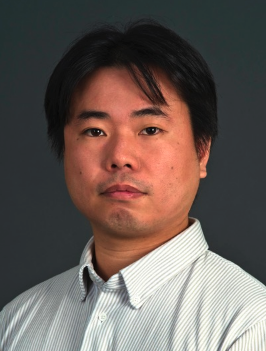 Kei Nagai合作论文数Department of Physics and Materials Science, University of Memphis17Minoko Takanashi合作论文数17H Ifuku合作论文数16
 Shuichi Taniguchi合作论文数Department of Hematology, Toranomon Hospital;Department of Hematology, Hamanomachi Hospital16A Kanamaru合作论文数15Koji Kato合作论文数15Masaya Okada合作论文数14M Misawa合作论文数13
 Yuichiro Ohe合作论文数13
 Nagamura-Inoue Tokiko (長村登紀子)合作论文数The Institute of Medical Science, The University of Tokyo12Masatoshi Kohsaki合作论文数11Hiroyasu Ogawa (小川啓恭)合作论文数Faculty of Medicine, Department of Medicine, Hyogo College of Medicine10Yoshihiro Fujimori合作论文数10Hisashi Sakamaki合作论文数10Yoshiko Atsuta (熱田由子)合作论文数Japanese Data Center for Hematopoietic Cell Transplantation10S Fujita合作论文数9Hiroshi Hara合作论文数9
 Satoshi Takahashi合作论文数The Institute of Medical Science, The University of Tokyo9
 Yasuo Morishima合作论文数Aichi Medical University9Mahito Misawa合作论文数9
 Hiroshi Azuma合作论文数Asahikawa Medical University8T Okamoto合作论文数7T Hamano合作论文数6K Noguchi合作论文数6Y Shinohara合作论文数6Keisuke Nishioka合作论文数6Yokiko Ohe合作论文数6Takeyoshi Itsukuma合作论文数5Tetsuo Mori合作论文数5Fujimori Y合作论文数5Aotsuka Nobuyuki合作论文数5Masahiro Satake合作论文数5Eizo Kakishita合作论文数5Tokiko Nagamura合作论文数5Yoshinobu Takemoto合作论文数5Fumihiro Azuma合作论文数5Akira Kokubunji合作论文数4Kayoko Matsumoto合作论文数4Takeshi Orihara合作论文数4Yasushi Kouzai合作论文数4Masami Inoue合作论文数4N Inoue合作论文数4Eto Tetsuya合作论文数4Masaharu Kasai合作论文数4
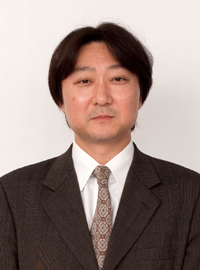 Takuhiro Yamaguchi合作论文数Clinical Research, Innovation and Education Center, Tohoku University Hospital;Clinical Research Data Center, Division of Biostatistics, Graduate School of Medicine, Tohoku University4




