STATEMENT OF PROBLEM:Printing parameters may influence the fit of additively manufactured dental restorations. However, the effect of small incremental build angles on the marginal and internal fit of stereolithography (SLA)-printed definitive 3-unit fixed partial dentures (FPDs) has not been sufficiently investigated. PURPOSE:The purpose of this in vitro study was to evaluate the effect of small incremental build angles (0°, 10°, 20°, and 30°) on the marginal and internal fit of SLA-printed definitive 3-unit FPDs. MATERIAL AND METHODS:A typodont maxillary first premolar and first molar were prepared to serve as abutments for a 3-unit FPD. After digital scanning, restorations were designed using dental CAD software and fabricated from a definitive resin using an SLA printer. Forty FPDs were produced at four different build angles (0°, 10°, 20°, and 30°) (n = 10). Marginal and internal fit were evaluated using microcomputed tomography. Gap measurements were obtained at five reference points for each abutment. Data were analyzed using one-way analysis of variance followed by Tukey honestly significant difference post hoc tests (α = 0.05). RESULTS:Build angle significantly affected the marginal and internal fit (p < 0.05). For both molar and premolar supports, the highest fit was achieved with 30°, followed by 20°. Differences between 20°-30° and 0°-10° were not statistically significant (p > 0.05). The marginal discrepancy was higher than the internal discrepancy. CONCLUSIONS:Within the limitations of this in vitro study, build angle influenced the marginal and internal fit of SLA-printed 3-unit FPDs. Among the orientations tested, the 30° build angle generally produced the smallest gap values.
Removing a fractured implant screw, though a relatively rare occurrence, presents a significant challenge for clinicians. Protecting the internal surface of the implant from damage during the retrieval of the fractured fragment is critical to avoid additional complications. A novel, cost-effective, and conservative technique for retrieving fractured implant screws using a small-diameter dental prophylactic brush is described.
The Journal of Prosthetic Dentistry was founded in 1951 to provide a means for the interchange of ideas among individuals to advance the skill and knowledge of prosthodontics.Based on a critical review process and guided by the foremost authorities in all disciplines of prosthetic and restorative dentistry, The Journal of Prosthetic Dentistry will continue to communicate the standard for prosthetic and restorative care of patients.
In over 70 years of publication, the Journal of Prosthetic Dentistry has moved from strength to strength and is recognized as the most influential journal for those practicing and researching prosthetic and restorative dentistry. In the last 10 years, the number of manuscripts received each year has increased from fewer than 500 in 2011 to over 1400 in 2021, and in 2020, we received 1630 manuscripts. At the same time, the Journal Impact Factor has increased from 1.324 in 2011 to our current 4.148, placing the JPD in the top quartile of all dentistry journals. Such success has brought challenges. The rejection rate has necessarily increased with the increased submission, and we have been forced to decline some excellent work that does not quite meet the necessary high standard. Nevertheless, the backlog between accepting an article and its inclusion in a JPD issue has increased to the point where we now have over 400 accepted articles awaiting publication. While all these articles are available on the jpd.org website and on research databases such as PubMed as “Online ahead of print,” we recognize that the backlog is frustrating for authors who are anxious to see their outstanding work in print and to readers who expect their printed JPD issue to contain the latest information.
The Journal of Prosthetic Dentistry was founded in 1951 to provide a means for the interchange of ideas among individuals to advance the skill and knowledge of prosthodontics.Based on a critical review process and guided by the foremost authorities in all disciplines of prosthetic and restorative dentistry, The Journal of Prosthetic Dentistry will continue to communicate the standard for prosthetic and restorative care of patients.
The Journal of Prosthetic Dentistry was founded in 1951 to provide a means for the interchange of ideas among individuals to advance the skill and knowledge of prosthodontics.Based on a critical review process and guided by the foremost authorities in all disciplines of prosthetic and restorative dentistry, The Journal of Prosthetic Dentistry will continue to communicate the standard for prosthetic and restorative care of patients.
January 2022 will see the publication of the first edition of JPD Digital: A Multimedia Resource from The Journal of Prosthetic Dentistry. This innovative video resource is edited by Dr Jonathan Ferencz and was developed by the Editorial Council of The Journal of Prosthetic Dentistry, guided by Council Chair Dr Arun Sharma and Council Members Drs Mathew Kattadiyil, Carlo Marinello, and Tom Salinas with close collaboration with consultants Drs Brian Goodacre, Sarah Lee, Nelson Silva, George Tysowski, and Lee Culp CDT and James Cowherd.
 William M. Johnston合作论文数College of Dentistry, The Ohio State University15
 Mohamed Ayad合作论文数15
 Ag Gegauff合作论文数13
 Henry W. Fields合作论文数12Il Denry合作论文数8Ja Holloway合作论文数6
 Allen R. Firestone合作论文数College of Dentistry, Ohio State University6Michael Beck合作论文数6
 Robert G Rashid合作论文数6Martin F. Land合作论文数5Elaine Davis合作论文数4
 Carol Lefebvre合作论文数4Junhei Fujimoto合作论文数4San Francisco合作论文数3North Haven合作论文数3New Buffalo合作论文数3Rodger California合作论文数3Amara Abreau合作论文数3Loma Linda合作论文数3New York合作论文数3SS PORTER合作论文数3M F Land合作论文数3
 Abdul Basir Barmak合作论文数3Bahannan Salma A合作论文数3
 Ange Brittany L合作论文数College of Dental Medicine, Georgia Regents University;Medical College of Georgia, Georgia Regents University;College of Dental Medicine, Georgia Regents University;College of Dental Medicine, Georgia Regents University;Medical College of Georgia, Georgia Regents University3Mike Beck合作论文数3Robert R. Seghi合作论文数3
 Steven J Sadowsky合作论文数Bainbridge Island3New Ohrbach合作论文数2Thomas Salinas合作论文数2lowell whitsett合作论文数2Ka Laurell合作论文数2Rg Rashid合作论文数2Arun Sharma合作论文数2
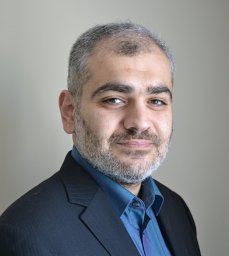 Jaafar Abduo合作论文数Associate Professor in Prosthodontics, Convenor of Postgraduate Diploma in
Clinical Dentistry (Implants), Melbourne Dental School, Melbourne University,
720 Swanston Street, Melbourne, VIC 3010, Australia2
Jaafar Abduo合作论文数Associate Professor in Prosthodontics, Convenor of Postgraduate Diploma in
Clinical Dentistry (Implants), Melbourne Dental School, Melbourne University,
720 Swanston Street, Melbourne, VIC 3010, Australia2 Mathew Kattadiyil合作论文数Department of Restorative Dentistry, Loma Linda University School of Dentistry2
 Vasiliki Koidou合作论文数2Chan Richard合作论文数2Ker A J合作论文数2Herbert T. Shillingburg合作论文数2
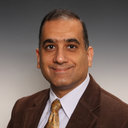 Shereen S Azer合作论文数2Sumiya Hobo合作论文数2James C. Christensen合作论文数Research psychologist, Air Force Research Laboratory2Jin-Keun Dong合作论文数2
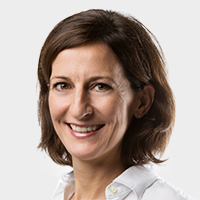 Irena Sailer合作论文数Division for Fixed Prosthodontics and Biomaterials, University Clinics for Dental Medicine, University of Geneva2Robert York合作论文数1Canada Toronto合作论文数1Baldwin Marchack合作论文数1Jacinthe Paquette合作论文数1




