Globally-negotiated gender equality norms are articulated in international conventions and frameworks and subsequently institutionalised and adapted by organisations working in diverse sociocultural, religious, political, and legal settings. Drawing on past theoretical and empirical work on norm diffusion and adaptation, this article examines the interaction among global norms, organisational characteristics, organisational policies, and local contexts in humanitarian health responses. We analysed how global gender equality norms are engaged with in the policy and program documents of two structurally distinct humanitarian organisations - the International Federation of Red Cross and Red Crescent Societies (including three National Societies) and the International Rescue Committee (including three country offices). We found that despite their structural differences, both organisations demonstrated remarkable coherence with global gender norms, although their approaches to gender varied among sectoral documents and across country offices, particularly within the more decentralised IFRC. In addition, we found the relationship between global and organisational norms to be multi-directional, as organisations engaged with, sought to advance, and advocated for alignment with global commitments, while also using different mechanisms to integrate local feedback into organisational norms. Despite substantial buy-in to global norms among our case organisations, their documents suggested a complex balance among the goals of aligning with organisational gender commitments, adapting to local gender norms and power structures, and prioritising the needs and safety of the communities they worked with, raising complex questions about the value of global and organisational coherence versus local particularity in gender norm adaptation.
The emergence and spread of antimicrobial resistance is driven by multiple interconnected factors, including antimicrobial use and misuse across human, animal, and environmental settings. Livestock production represents an important contributor to global antimicrobial consumption, accounting for approximately two-thirds of antimicrobial use. Effective policy interventions are essential to promote prudent antimicrobial use, protect public health and sustain livestock production. However, policymakers often lack guidance on contextually appropriate strategies, particularly in rapidly developing livestock systems. We conducted a qualitative descriptive study with 12 antimicrobial resistance policy experts from all five World Organization for Animal Health regions. Semi-structured interviews explored real-world policy initiatives, barriers to implementation, and expert perspectives to inform a conceptual framework. Targeted literature searches were conducted to independently triangulate findings. Data were analysed using directed content analysis, guided by the Behaviour Change Wheel framework, organizing interventions into seven policy categories. Expert interviews identified recurring interventions across regulatory, legislative, guideline, service provision, communication, fiscal, and environmental/social planning domains. Common barriers included inadequate surveillance, outdated legislation, and lack of industry buy-in. Contextual factors such as governance stability, cultural norms, and industry structure were critical determinants of policy feasibility. Using expert insights, we developed a conceptual framework that organizes AMU policy initiatives (and potential barriers) into three practical pathways: (1) strengthening animal health systems, (2) regulating antimicrobial supply chains, and (3) promoting guidance, training, and stewardship. No single policy is sufficient to improve antimicrobial stewardship; instead, multi-pronged, context-sensitive strategies are required. Effective interventions combine regulatory, service, and educational measures, with stakeholder engagement and equity-focused implementation. This framework provides a practical, evidence-informed foundation for policymakers to design, implement, and monitor AMU policies in livestock systems worldwide, while considering local capacities and resource constraints.
Global legal epidemiology aims to study how international laws, policies and norms influence global health and equity. As the field builds on established legal epidemiology methods, researchers can face practical challenges when scaling up the frame of analysis from the national to the global level. We review three case studies that illustrate these challenges and share authors' experiences in developing strategies to address them. Case 1 focuses on harmonising international dietary guideline data; Case 2 demonstrates a multidisciplinary approach to evaluating treaty compliance theories; and Case 3 details quasi-experimental methods that can be used in evaluating global impacts without counterfactuals or control groups. Researchers' experiences are synthesised to demonstrate how global legal epidemiology can produce rigorous, policy-relevant insights. We conclude with a call for methodological innovation, stronger transdisciplinary collaborations and improved data infrastructure to support this emerging field.
Gender equality is a norm and aspiration that is increasingly reflected in the policies of humanitarian organisations worldwide. However, tensions exist between the push for alignment with global frameworks and the need for norm localisation and adaptation. This study compares how two organisations - the International Federation of Red Cross and Red Crescent Societies (including three National Societies) and the International Rescue Committee (including three country offices) - integrated and adapted global gender norms into their humanitarian responses. We conducted 30 semi-structured interviews with key informants working at headquarters and in Iraq, Sierra Leone and Uganda. We found that the organisations' approaches to gender equality were consistent with global norms. They also used similar strategies to balance these normative commitments with contextual relevance - including local consultation, staffing considerations, strategic framing and programme modification. At the same time, the organisations' structural differences influenced the ways in which high-level gender policies were negotiated and implemented locally. Numerous challenges existed within the adaptation process, including the trade-off between facilitating gender-related programming in challenging contexts and effecting transformative change; missed opportunities to integrate local feedback into high-level policies; and the intensive time, resource and relationship investments necessary to implement locally acceptable, gender-transformative programmes while supporting staff wellbeing.
Antibiotic resistance (ABR) poses a significant global health and development threat from increasing globalization of travel, trade, and animal and human migration. ABR impacts refugees and migrants in unique ways due to increased exposure to infections and inequitable access to healthcare. The objective of this review is to synthesize the evidence on access to and appropriate use of antibiotics by migrants and refugees, identify the barriers they may experience in accessing and using antibiotics, and reflect on global policy entry points to modify such barriers considering the persistent globalization-related impacts on ABR. A global rapid scoping review was conducted to collect evidence on barriers to access and appropriate use of antibiotics among migrants and refugees. MEDLINE (Ovid), Scopus, Web of Science, CABI Global Health and the IGO Custom Search Engine were searched for academic and grey literature published in English, French, or Spanish from inception until September 22nd, 2025. A conceptual framework structured data extraction and thematic analysis of barriers to antibiotic use along the access pathway, including approachability, acceptability, availability, accommodation, affordability, and appropriateness. This review included 125 studies from an array of geographic locations. Migrants and refugees experience barriers along the continuum of care from both the patient and health-system side, impacting access to, and appropriate use of antibiotics. Limited access to resources, prevalence of certain social norms and values, health literacy and beliefs, and autonomy, can impact healthcare seeking and utilization. Health system barriers, such as location and affordability of services or language barriers, can also limit access and appropriate use of quality-assured antibiotics. Migrants and refugees face structural, financial, and systemic barriers in accessing and using antibiotics. While globalization processes have shaped the barriers migrants and refugees experience when accessing health services, access pathways are heterogeneous and influenced by the health systems of the host countries, and other contextual, non-health policies and factors. Potential policy solutions to mitigate these barriers include initiatives to address country-of-origin norms and values and improving language accessibility. Improved global policy coordination can also address access challenges for migrants and refugees, as tackling ABR requires collective global action. Not applicable.
Funding: This work is supported by the Social Sciences & Humanities Research Council [#895-2022-1015] and the Wellcome Trust [222422/Z/21/Z]. This work was also supported, in part, by a Novo Nordisk Foundation Grant for a scientifically independent International-Collaborative Bioscience Innovation & Law Programme (Inter-CeBIL) programme (#NNF23SA0087056 & #NNF17SA0027784).
Gatekeeping is a common method of addressing rising suicide rates throughout the world. Unfortunately, research suggests that suicide stigma is high among Latino populations, potentially blocking the use and benefits of gatekeeping. The purpose of this study was to assess how stigma of suicide among Mexican parents and children influences gatekeeping behaviors. We hypothesized that: (1) Parents’ suicide stigma would be associated with their gatekeeping behaviors, and (2) parents and their children would have a reciprocal influence on their attitudes and behaviors toward suicide. Parent/child dyads in each Mexican state were recruited via email (373 parent–child dyads; N = 746). Dyadic analyses were conducted using distinguishable dyad actor-partner interdependence modeling (APIM) where parent and youth reports of suicide stigma predicted parent and youth gatekeeping behaviors. Results suggest that there is a reciprocal influence between children and their parents in terms of suicide perceptions, norms, and stigma. Specifically, parents' and children’s suicide stigma influence each other’s likelihood of intervening and self-efficacy. Our findings underscore the potential importance of the family context in promoting gatekeeping behaviors. Considering the bidirectional nature of parent–child relationships, intervention strategies aimed at reducing stigma of mental health treatment and suicide might benefit from working within family contexts.
What constitutes state`s global power to shape access to medicines? How was it distributed between states and how did this change from 2000 to 2019? In this comparative case study, we explored the powers of China, India and the United States, and discuss whether our findings from the pre-pandemic era were reflected in the global COVID-19 response related to pharmaceuticals. We used an analytical framework from the international relations literature on structural power, and assessed the following power structures after adapting them to the context of access to medicines: finance, production, financial protection, knowledge, trade and official development assistance. We found that from 2000 to 2019 there had been a power-shift towards China and India in terms of finance and production of pharmaceuticals, and that in particular China had increased its powers regarding knowledge and financial protection and reimbursement. The United States remained powerful in terms of finance and knowledge. The data on trade and official development assistance indicate an increasingly powerful China also within these structures. During the COVID-19 pandemic, we found that the patterns from previous decades were continued in terms of cutting-edge innovation coming out of the United States. Trade restrictions from the United States and India contrasted our findings as well as the limited effective aid from the United States. Building on our findings on structural powers, we argue that both structural power and political decisions shaped access to medical technologies during the COVID-19 pandemic. We also examined the roles and positions of the three states regarding developments in global health governance on the COVAX mechanism, the TRIPS Agreement waiver and the pandemic accord in this context. From 2000-2019, China and India increased their structural powers to shape global access to medical technologies. The recent COVID-19 pandemic demonstrated that both structural power and political decisions shaped global access to COVID-19 technologies.
Effective global action against antimicrobial resistance (AMR) relies on the successful synthesis and translation of rigorous scientific evidence into policy and practice. Despite a call in 2019 by the Interagency Coordination Group on AMR to establish a policy-science interface, and the reaffirmation to establish a scientific panel in the 2024 Political Declaration on Antimicrobial Resistance, no authoritative entity currently exists that synthesizes the scientific evidence on AMR and outlines policy options based on the best scientific insight. A Scientific Panel on Evidence for Action against AMR (SPEA) could address this gap, as well as contribute to additional governance gaps in the space of AMR, by facilitating better global coordination and cooperation; establishing real-time evidence to guide policy actions; and monitoring progress towards any globally agreed upon AMR goals and targets. In this essay, we argue that SPEA has the potential to fulfill several governance functions, and we explore two design options for such a scientific panel to promote equitable and evidence-informed policy implementation. We first reflect on how the successes and failures of the Intergovernmental Panel on Climate Change (IPCC) should inform the SPEA. Building on these lessons, we then highlight the key functions of the SPEA, before proposing two models for how it could function in the context of the existing global governance of AMR. Finally, we reflect on the challenges inherent to each proposed governance model. The recent reaffirmation by the United Nations General Assembly to establish a scientific panel in the area of AMR represents a critical opportunity to enhance global AMR governance, promote evidence-based policy implementation, and foster international cooperation in combatting AMR.
The use of health rights litigation as a parallel decision-making venue to bypass health technology assessments (HTA) has resulted in unintended inequitable impacts on Latin American health systems since the 1990s. Brazil created a new HTA body in 2011 to promote a transparent and evidence-informed process in the Ministry of Health´s decisions about treatment coverage, but its impact on the judicial system’s provision of specific treatments to patient litigants has not yet been quantitatively evaluated. We leverage a unique dataset of 3,774 judicial claims for ten of Brazil’s most frequently litigated treatments to conduct the first quasi-experimental evaluation of treatment-specific changes in judicial decisions providing treatments through the national health system. Interrupted time series analyses using ordinary least-squares and logistic fractional response regressions were used to determine if an HTA recommendation was significantly associated with a change in court decisions in favour of litigants following a positive or negative recommendation for national coverage for the ten most litigated treatments in the country. We find no evidence of a statistically significant change in court decisions using ordinary least-squares regression and decreases of smaller than 2.1
Antimicrobial resistance (AMR) causes over 1.27 million deaths annually, making it one of today's most urgent health threats. Given its urgency, there are often calls for large-scale global initiatives to address AMR. However, theories of collective action have yet to be applied to the problem in a systematic and holistic manner. Fuller engagement with collective action theory is necessary to avoid three risks, namely: mischaracterizing the kinds of challenges that AMR presents; over-simplifying the problem by reducing it to a single type of collective action problem while ignoring others; and overstating the ability of collective action theory to formulate effective solutions. This article relies on the work of Elinor Ostrom to develop an analytical framework for collective action problems around public and common goods. When analyzed through this framework, we find that AMR poses at least nine distinct collective action problems. This more granular framing of AMR provides, in our view, a better basis to develop policy solutions to address this multifaceted challenge. We conclude with proposals for future research.
AbstractThe Bellagio Group for Accelerating AMR Action met in April 2024 to develop the ambitious but achievable 1–10-100 unifying goals to galvanize global policy change and investments for antimicrobial resistance mitigation: 1 Health; 10 million lives saved; and 100% sustainable access to effective antimicrobials. High profile political goals such as the Paris Agreement’s objective to keep global warming well below 2° Celsius compared to pre-industrial levels, UNAIDS’ 90–90-90 goal, and the Sustainable Development Goals challenge global norms, direct attention towards relevant activities, and serve an energizing function to motivate action over an extended period of time. The 1–10-100 unifying goals propose to unite the world through a One Health approach to safeguard human health, animal welfare, agrifood systems, and the environment from the emergence and spread of drug-resistant microbes and infections; save over 10 million lives by 2040 through concerted efforts to prevent and appropriately treat infections while preserving the vital systems and services that depend on sustained antimicrobial effectiveness; and commit to ensuring that antimicrobials are available and affordable for all, used prudently, and secured for the future through innovation. Compared to existing technical targets, these unifying goals offer advantages of focusing on prevention, encouraging multisectoral action and collaboration, promoting health equity, recognizing the need for innovation, and integrating with Sustainable Development Goals. By committing to 1 Health, 10 million lives saved, and 100% sustainable access to effective antimicrobials, we can protect lives and livelihoods today and safeguard options for tomorrow.
Suicide negatively impacts societies worldwide. A particular area of concern is the prevalence of suicide among Latinx youth, as research indicates that suicide behaviors among Latinx in the United States and youth in Latin America have increased drastically over the last decade. Reducing suicide stigma is a key factor in promoting youth help-seeking behaviors regarding suicidality. Previous research suggests that a relationship with a trusted adult may influence the likelihood of an adolescent contacting a suicide crisis line. Our study seeks to further the research of how parents can influence youth perceptions of suicide by studying the relationship between parent and child suicide stigma. Data were collected from parent-child dyads throughout Mexico. The Stigma of Suicide Scale Short Form was used to measure suicide stigma among adult and youth participants independently. Results suggest that parent suicide stigma was a significant predictor of youth suicide stigma, that male youth in our sample had higher suicide stigma than female youth, and that access to healthcare services was associated with lower suicide stigma. Results are discussed considering unique cultural factors in Mexico such as familismo. If future research reinforces the findings of this study, suicide stigma programs might be more effective if targeted at the entire family unit rather than just adolescents.
Antimicrobial resistance (AMR) is a natural process where microbes develop the ability to survive the antimicrobial drugs we depend upon to treat and prevent deadly infections, such as antibiotics. This microscopic evolution is further propelled by human activities, where each use of an antimicrobial drug potentially induces AMR. As microbes can spread quickly from animals to humans and travel around the world through humanity’s global circuits of movement, the use of any antimicrobial drug has potentially global consequences. As human-induced AMR occurs, mortality and morbidity increase due to increasingly or sometimes completely ineffective antimicrobial treatments. This article considers AMR as a product of the evolving and complex interplay between human societies and invisible microbial worlds. It argues that as a political challenge, AMR requires robust institutions that can manage human–microbial interactions to minimize the emergence of drug resistance and maximize the likelihood of achieving effective antimicrobial use for all. Yet, current governance systems for AMR are ill-equipped to meet these goals. We propose a conceptual paradigm shift for global AMR governance efforts, arguing that global governance could better address AMR if approached as a socioecological problem in need of sustainable management rather than solely as a medical problem to be solved. In biodiversity governance, institutions are designed to fit the biological features of the ecosystems that they are attempting to manage. We consider how a similar approach can improve global AMR governance. Employing the concept of ecological fit, which is defined as the alignment between human social systems and biological ecosystems, we diagnose 18 discrepancies between the social institutions that currently govern AMR and the ecological nature of this problem. Drawing from lessons learned in biodiversity governance, the article proposes five institutional design principles for improving the fit and effectiveness of global AMR governance.
Few studies have looked at the impact of parental cohabitation changes on adolescents’ dating behaviors and relationship quality. Using data from the Fragile Families and Child Wellbeing Study, we examined whether mother’s cohabitation changes with the child’s biological father over the first nine years of life were associated with adolescents’ dating behaviors at age 15. Data analysis included ordinal logistic, logistic regression and ordinary least square regression models to test the relationship between maternal-reported cohabitation changes with the biological father and adolescent dating behaviors. Our findings suggest that the type of maternal cohabitation stability, as well as the amount of cohabitation instability, are associated with whether adolescents had ever dated, the number of romantic partners they had, and whether they ever had sex. Cohabitation stability and instability were not associated with adolescents’ perceived relationship quality with their current partner. We conclude that researchers and practitioners should consider how the dating behaviors children observe from their parents at a young age can affect their romantic relationships in adolescence. Relationship programs and interventions already in place can be enhanced by focusing specifically on the impact of participants’ past experiences with parental break-ups and new partnerships.
Adolescent dating violence is a national public health issue and research suggests that aggressive parenting may predict the likelihood that a child will subsequently experience abuse. The purpose of this study is to examine the effect of parent physical and psychological aggression on adolescent dating violence perpetration and victimization. Data derived from the Future of Families and Child Wellbeing Study resulted in a racially and ethnically diverse sample of adolescents in dating relationships at the age of 15 years (N = 952). Utilizing both parent and adolescent data which assessed parenting practices at ages 3, 5, 9, and 15, and adolescent dating violence victimization and perpetration at age 15, we analyzed the data using a latest class analysis. Youth were typologized into three classes: the non-physically aggressive parenting, nonaggressive dating class (Class 1; 16% of youth), the aggressive parenting, nonaggressive dating class (Class 2; 76% of youth), and the aggressive parenting, aggressive dating class (Class 3; 8% of youth). Parents across all three classes utilized high levels of psychologically aggressive parenting. An important finding from this study is that parents' use of both physically and psychologically aggressive parenting only predicted subsequent dating violence victimization and perpetration among a small portion of adolescents. Findings suggest that additional risk factors, including household income and adolescent impulsivity, may help to elucidate pathways to adolescent dating violence. There is also a need to further explore the resiliency factors at play for youth who, despite having experienced both psychologically and physically aggressive parenting across the lifespan, did not experience dating violence victimization or perpetration.
Research suggests that health literacy (HL) is critical in preventing and managing health problems. However, over half of adults in Mexico report having inadequate health literacy. Research suggests the parent-child relationship can be a key predictor of developmental competencies; however, little research has examined how dyadic family interactions relate to HL. This study examined whether parent-child relationship conflict was associated with adolescent health literacy among families living in Mexico. Data from a parent-child dyads in Mexico were gathered using online surveys (N = 746, 373 parent-child dyads). Our findings suggested that child-reported family conflict-but not parent-reported family conflict - was associated with lower adolescent health literacy. Researchers and practitioners should consider how parent-child conflict may impact adolescent health outcomes, and prioritise child reports in data collection.
The Montreal Protocol has played a critical role in promoting global collective action to phase out the use of ozone-depleting substances, ultimately preventing millions of cases of skin cancer, cataracts and other health issues related to ultraviolet radiation exposure. This success entails transferable lessons for coordinated action required to improve the global governance of other challenges. Like ozone depletion, antimicrobial resistance (AMR) is a challenge of the global commons, requiring coordinated actions across human, animal and environmental sectors. We identify equity, flexibility and accountability as three core governance principles that underlie the success of the protocol and employ the 3-i framework to understand how interests, ideas and institutions contributed to the protocol’s success. Equity-promoting strategies consisted of an inclusive negotiation process, supporting developing countries with multilateral funding and a progressive compliance model. Flexibility was built into the protocol through the development of country-specific strategies, reorienting incentive structures for industry and facilitating regular amendments in response to emerging scientific evidence. Accountability was promoted by mobilising public advocacy, establishing targets and enforcement mechanisms and conducting independent scientific and technical assessments. Applying our proposed principles presents an opportunity to improve the global governance of AMR. Finally, we acknowledge limitations to our analysis, including our focus on a single environmental treaty, significantly greater funding requirements and multifacetted stakeholder involvement in the case of AMR, differing market and incentives structures in antibiotic development and distribution, and ethical concerns with using trade restrictions as a policy tool.
Objective: Exploration of the relationship between mental health constructs and physical health constructs can help practitioners better understand the mental health of vulnerable populations, such as college students in the United States. The purpose of this exploratory study was to investigate the connection between mental well-being and health literacy of US college students. Participants: The sample included 410 undergraduate students (63% white; 71% female) attending universities across the United States. Methods: Participants completed the All Aspects of Health Literacy Scale and the Warwick-Edinburgh Mental Well-being Scale. Univariate and bivariate statistics were observed for all study variables, and three linear regression models were run to see whether functional, communicative, and/or critical health literacy scores predicted mental well-being. Conclusions: Findings suggest that health literacy was associated with improved mental well-being among US college students, which has implications for health programming at US universities, such as the coordination of physical and mental healthcare.
 Susan Rogers Van Katwyk合作论文数35
 John-Arne Røttingen合作论文数Wellcome Trust30Isaac Weldon合作论文数Department of Politics, York University18
 Patrick Fafard合作论文数13
 Flavio Francisco Marsiglia合作论文数School of Social Work, Arizona State University13
 John N.Lavis合作论文数Faculty of Health Sciences, McMaster University13
 Roojin Habibi合作论文数Faculty of Health Sciences, McMaster University12
 Mathieu Poirier合作论文数Department of Global Health, University of South Florida12Lathika Sritharan合作论文数10
 Prativa Baral合作论文数Johns Hopkins Bloomberg Sch Publ Hlth, Johns Hopkins Univ10
 Kevin Outterson合作论文数School of Law, Boston University9Marc Mendelson合作论文数Department of Medicine;University of Cambridge;Addenbrooke ' s Hospital;Addenbrooke ' s Hospital, University of Cambridge8
 Creatore Maria I合作论文数Dalla Lana School of Public Health, University of Toronto7
 Trygve Ottersen合作论文数Department of Global Public Health and Primary Care, University of Bergen7
 Gian Luca Burci合作论文数Geneva Graduate Institute7
 Lawrence O. Gostin合作论文数O’Neill Institute for National & Global Health Law;Georgetown University7
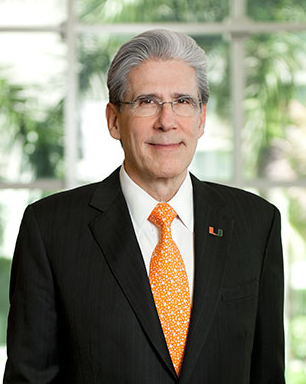 Julio Frenk合作论文数Leonard M. Miller School of Medicine, University of Miami/Department of Health Sector Management and Policy, Miami Business School, University of Miami/Department of Sociology, College of Arts and Sciences, University of Miami/School of Nursing and Health Studies, University of Miami7
 Lauren Beasley合作论文数Univ Tennessee6
 Ali Tejpar合作论文数Global Strategy Lab, York Univ6
 Nathan A Shlobin合作论文数Department of Neurological Surgery, Northwestern University Feinberg School of Medicine6
 Mark Eccleston-Turner合作论文数Sch Law, Keele Univ6
 Jeffrey W Clark合作论文数Harvard Cancer Center, Harvard Medical School;Dana-Farber/Partners Cancer Care, Massachusetts General Hospital;Cancer Center Protocol Office, Massachusetts General Hospital6
 Lisa Forman合作论文数Centre for Global Health, Dalla Lana School of Public Health, University of Toronto6
 Rizvi Zain合作论文数Yale Law School, Yale University6
 Heidi Adams Rueda合作论文数6
 Claas Kirchhelle合作论文数School of History, University College Dublin6
 Ramanan Laxminarayan合作论文数Department of Global Health, University of Washington;One Health Trust;High Meadows Environmental Institute, Princeton University6Michael H. Epstein合作论文数6
 Alexandra L. Trout合作论文数6
 Harkanwal Randhawa合作论文数5
 Ranjana Nagi合作论文数5Brooke Campus合作论文数5
 Gigi Lin合作论文数Dahdaleh Institute for Global Health Research, York University5
 Nanyangwe-Moyo Tina合作论文数Global Strategy Lab, York Univ5Adèle Cassola合作论文数5
 Benjamin Mason Meier合作论文数Center for Interdisciplinary Research on Antimicrobial Resistance, Columbia University5
 Alberto Giubilini合作论文数CAPPE, University of Melbourne5
 Allyn Taylor合作论文数School of Law, University of Washington5
 Jeremy Grimshaw合作论文数Department of Medicine, University of Ottawa;Ottawa Hospital Research Institute5Dagron Stéphanie合作论文数5
 Alicia Ely Yamin合作论文数Harvard Law School, Harvard University5
 Sharifah Sekalala合作论文数School of Law, Faculty of Social Sciences, The University of Warwick5
 Julian Savulescu合作论文数Centre for Biomedical Ethics, Yong Loo Lin School of Medicine, National University of Singapore;University of Oxford5
 Mark Harrison合作论文数Centre for the History of Science, Medicine, and Technology, University of Oxford5
 Gorik Ooms合作论文数Médecins Sans Frontières5
 Danwood Chirwa合作论文数5Charlie Tan合作论文数4
 Timo Minssen合作论文数Faculty of Law, University of Copenhagen4Elliot Gunn合作论文数4




