Acute and chronic liver diseases are rising contributors of the worldwide healthcare burden. Inflammation plays a key role in progression of both acute and chronic disease, and effective treatments are limited. Macrophages, a diverse population of professional phagocytes, are required for the timely resolution of tissue injury and are an emerging target to treat acute and chronic liver disease. Colony stimulating factor 1 (CSF1), promotes differentiation and survival of macrophages, which are essential in epithelial regeneration, but the CSF1 protein is rapidly eliminated in vivo. We therefore fused human CSF1 genetically to a modified mouse IgG2a Fc region and transiently expressed this in HEK293-6E cells. The protein was purified from culture supernatant to obtain > 97
Abstract Early-phase clinical trials of therapies for acute organ injury are typically small, uncontrolled, and must infer treatment activity using only tissue-damage biomarker changes over time. Interpretation is confounded by the temporal overlap of ongoing tissue damage and biomarker clearance. We address this with a Bayesian deconvolution framework that fits individual patient biomarker trajectories with an exponentially-modified Gaussian model. This model separates injury kinetics (peak release rate, injury duration, time to peak) from biomarker clearance, using a historic cohort as a null distribution. In a simulated phase 1 dose-escalation regenerative therapy trial, the framework reduces the minimum detectable treatment effect from 67.5% to 24.5% (a 2.76-fold improvement) and supports dose selection. Applied to published case-series data for another therapeutic, the framework recovers per-patient pharmacodynamic signatures consistent with pre-clinical mechanistic studies and supports smaller prospective clinical trial design. With indication-specific recalibration, the framework architecture conceptually transfers to other acute organ injuries where serum biomarkers reflect tissue damage. This offers a route to significantly reducing clinical trial sizes, supporting therapy dose-finding in non-controlled clinical trials, and identifying pharmacodynamic signatures.
Liver cirrhosis is a major contributor to global morbidity and mortality, and transplantation remains the only cure for end-stage disease. Preclinical studies have indicated that macrophage injections reduce inflammation, resolve fibrosis, and stimulate liver regeneration. The phase 1/2 Macrophage Therapy for Liver Cirrhosis trial (MATCH01; ISRCTN10368050) demonstrated the safety and potential efficacy of autologous monocyte-derived macrophage therapy in cirrhosis. Following MATCH01, participants were re-enrolled in a long-term follow-up (LTFU) study, extending observation to up to 4 years from randomization. Macrophage-treated patients in MATCH01 phase 2 demonstrated a significantly lower risk of death or transplant within the LTFU period (30.8%) compared with standard medical care (58.3%); macrophage-treated patients had an additional 252 days of restricted mean survival time within the LTFU period. There was no evidence of increased serious adverse events attributable to cell therapy. These results support the continued advancement of macrophage-based regenerative strategies as a promising therapeutic option for end-stage liver disease.
BACKGROUND:Alcohol-related hepatitis (AH) is characterised by acute cholestasis and liver dysfunction in patients consuming alcohol. AIMS:To define the bile acid (BA) profile in AH compared to decompensated alcohol-related cirrhosis (DC) and healthy controls (HC). METHODS:Serum and faecal BAs were measured by UHPLC-MS; FGF19 by ELISA; RNA-sequencing data obtained from liver biopsies; serum cytokines and growth factors quantified by multiplex immunoassay. Hepatocyte growth factor (HGF) was applied to primary human hepatocytes (PHH) and BA transporter expression was assessed by RT-qPCR. RESULTS:In two cohorts (Cohort 1: 164 AH, 63 DC, 36 HC; Cohort 2: 94 AH, 175 DC, 72 HC), total serum BAs were highest in AH (median concentration 186.0 μM vs. 64.5 DC vs. 5.0 HC), driven by elevated conjugated primary BAs (182.0 μM vs. 54.0 vs. 2.2). Unconjugated primary BAs were highest in DC. Serum BAs distinguished AH from DC (Cohort 1 AUROC 0.964; Cohort 2 0.922; p < 0.001). Faecal BAs were reduced in AH (0.47 mg/g vs. 1.11 DC vs. 2.64 HC); serum FGF19 elevated (5835 pg/mL AH vs. 865 jaundiced DC [bilirubin > 80 μmol/L]). Serum conjugated BAs correlated negatively with NTCP expression (n = 25, Spearman's rho -0.432, p = 0.031). CYP7A1 was below the limit of detection. HGF was elevated in AH (7899 pg/mL vs. 2607 DC, p < 0.001). HGF treatment reduced PHH BSEP expression. CONCLUSION:Serum conjugated primary BAs accumulate in AH. Elevated HGF may detrimentally affect the hepatoprotective adaptive reduction in NTCP/increase in BSEP seen in cholestasis, contributing to the AH BA profile.
Our aging population is reshaping transplantation medicine. As demand for liver transplantation continues to rise, an aging donor pool presents unique challenges, with marginal organs becoming increasingly prevalent and representing a critical yet underexploited opportunity. Current selection criteria, such as chronological age, may not fully capture organ quality. A multidimensional approach that better reflects true biological aging is now more crucial than ever. Increasing evidence indicates that senescence, a hallmark of aging, influences multiple stages of transplantation, including organ procurement and preservation. Assessing senescence could provide an objective metric for evaluating organ quality. Importantly, senescence quantification could both define organ quality and guide interventions aimed at mitigating this phenomenon. This review explores the contribution of senescence to the transplant process and evaluates emerging opportunities for senescence-based assessment and therapeutic intervention. We also highlight the potential to integrate these strategies with ex vivo machine perfusion to quantify senescence burden, deliver targeted interventions, and functionally recondition marginal grafts, thereby expanding the donor pool and improving outcomes in an aging population.
Liver fibrosis is a chronic condition that often leads to organ failure. Currently, no effective treatment exists for advanced liver fibrosis. De-repression of the transcription factor Nrf2, by inhibition of the ubiquitin ligase substrate adaptor Keap1, is a promising strategy to treat liver fibrosis because Nrf2 augments cytoprotection and blunts the profibrotic TGF-β pathway. Herein, Nrf2 is reported to control matrix metalloproteinase (MMP) expression during chronic liver injury, and more specifically in macrophages, which play a key role in the resolution of fibrosis. We found impaired expression of Mmp8, Mmp9, Mmp12, and Mmp14 in the livers of Nrf2-knockout (Nrf2-ko) mice compared to wild-type (WT) mice, both basally and following CCl4 damage. Investigation of bone-marrow-derived macrophages (BMDMs) revealed profoundly impaired expression of Mmp8 and Mmp12 in Nrf2-ko BMDMs and a concomitant hyper-expression in Keap1-knockdown (Keap1-kd) BMDMs, which were corroborated by siRNA knockdown of Nrf2 and macrophage-specific conditional knockout of Nrf2. This trend was observed under basal conditions and post-efferocytosis. Total MMP activity was also found to be highest in the conditioned medium of Keap1-kd post-efferocytosis BMDMs. ChIP-seq revealed Nrf2-binding sites upstream of Mmp12, which also showed the strongest expression response to Nrf2. Lastly, through pharmacological de-repression of Nrf2, using TBE-31 to inhibit Keap1, upregulation of MMP expression was observed in BMDMs and livers of mice following acute liver injury. In conclusion, Nrf2 has been shown to be a regulator of MMP expression and activity in stimulated macrophages, which reveals a new mechanism by which Nrf2 regulates macrophage function.
Clinical translation of novel therapies can be hindered by heterogeneity-driven sample size inflation in late-stage trials. In acetaminophen-induced liver injury (APAP DILI), many patients recover spontaneously, diluting investigational drug efficacy signals. We developed a prognostic enrichment tool to identify patients with worsening injury trajectories for more efficient trial designs. Biomarker model discovery and evaluation used serum samples from three UK cohorts: the MAPP2 APAP DILI biobank (n = 147), an independent pre-intervention evaluation cohort from the ongoing MAIL trial (n = 34), and healthy controls (n = 13). We measured 63 biomarkers and evaluated 321,682 combinations using kernel naïve Bayes classification to predict liver injury trajectory (ALT rising vs. falling). Sensitivity analysis using patient-level grouped cross-validation showed combining multiple biomarkers while constraining collinearity was necessary to maximize performance. A four-biomarker model (MCSFR, WBC, Sodium, K18) achieved AUC 0.868 (derivation) and 0.854 (evaluation). When optimized for prognostic certainty, the model yielded a Positive Likelihood Ratio of 14.4, increasing the Positive Predictive Value for worsening injury from a baseline of 29.4% to 85.7%. Time-dependent cost-minimization modeling for a hypothetical phase 3 trial identified an application threshold (sensitivity 80.0%, specificity 91.7%, Number Needed to Screen 3.4) as the global economic optimum, resulting in an illustrative trial cost reduction from $39.0 M to $8.3 M. This proof-of-concept demonstrates multidimensional biomarker models can resolve signal dilution. Distinguishing patients destined for injury progression reduces sample size requirements, which could de-risk novel therapy development.
Abstract Primary human hepatocytes (PHHs) are the gold standard for toxicology and drug metabolism studies in industry. However, their limited availability, substantial batch-to-batch variability, and high cost restrict their use. Here, we report a novel culture condition that reprograms PHHs into a proliferative state. These proliferating cells, termed precursors of chemically expanded hepatocytes (pre-cHep), expand over 10 6 -fold within 30 days while retaining liver repopulation capacity comparable to PHHs. pre-cHep can further differentiate into chemically expanded hepatocytes (cHep) as three-dimensional (3D) spheroids within 7 days in vitro , exhibiting global gene expression profiles, albumin production, and cytochrome P450 (CYP) activities similar to 3D-cultured PHH spheroids (3D PHH). Efficient genetic manipulation of pre-cHep using CRISPR/Cas9 is also achievable. Together, pre-cHep and cHep represent a promising alternative to high-quality PHHs, providing a more affordable, reproducible, and scalable source of human hepatocytes for toxicology, drug metabolism studies, disease modelling, towards precision drug development.
Ductular reactions (DRs) are dynamic and complex multicellular responses that occur as a result of various hepatic injuries. Precise identification and quantification of the extent of DRs is a cornerstone of pre-clinical modelling of liver disease, with links to inflammation, fibrosis, regeneration, and disease severity. Here, we apply a deep learning model, Deep Understanding Convolutional Kernel (DUCK-Net), to the automated detection and segmentation of DRs in whole-slide histopathological images of murine models of liver damage. Following annotation of a training dataset by a specialist liver histopathologist, we demonstrate accelerated performance and accurate detection, achieving a mean Dice coefficient (model-expert segmentation overlap) of 85.4% and a specificity of 98%, indicating minimal false positives. Evaluation of model validity and utility was achieved with a histological time course of cholestatic injury and recovery using 3,5-diethoxycarbonyl-1,4-dihydrocollidine diet (DDC) in mice. When assessed against a multiple linear regression model incorporating core epithelial and stromal components of the DR as quantified using immunohistochemistry (IHC), DUCK-Net predicted the spatiotemporal response to injury and repair/resolution with a coefficient of determination (R2) of 0.88. Moreover, DUCK-Net kinetics strongly correlated with published spatial transcriptomic (Stereo-seq) analysis of the DDC model, demonstrating that H&E-based segmentation captured molecular DR dynamics comparable to or exceeding that of individual IHC markers without the need for immunostaining. DUCK-Net provides a novel and accessible platform for rapid, accurate histological quantification of liver injury reflective of the matrix-rich, multicellular regenerative niche observed in DRs. © 2026 The Author(s). The Journal of Pathology published by John Wiley & Sons Ltd on behalf of The Pathological Society of Great Britain and Ireland.
Acute liver failure is a rapidly progressing, life-threatening condition most commonly caused by an overdose of acetaminophen (paracetamol). The antidote, N-acetylcysteine (NAC), has limited efficacy when liver injury is established. If acute liver damage is severe, liver failure can rapidly develop with associated high mortality rates. We have previously demonstrated that alternatively, activated macrophages are a potential therapeutic option to reverse acute liver injury in pre-clinical models. In this paper, we present data using cryopreserved human alternatively activated macrophages (hAAMs)—which represent a potential, rapidly available treatment suitable for use in the acute setting. In a mouse model of APAP-induced injury, peripherally injected cryopreserved hAAMs reduced liver necrosis, modulated inflammatory responses, and enhanced liver regeneration. hAAMs were effective even when administered after the therapeutic window for NAC. This cell therapy approach represents a potential treatment for APAP overdose when NAC is ineffective because liver injury is established.
BACKGROUND AND AIMS:Alcohol-associated hepatitis (AH) is an acute form of alcohol-related liver disease (ALD) with high mortality rate. AH is histologically characterised by cellular processes, including steatosis, inflammation and cell death. Apoptosis is the most studied form of cell death in AH; however, the role of cellular senescence, another response to cellular injury, in AH is unknown. Here, we explore the mechanisms of ALD pathophysiology and describe the role of senescence in AH. METHODS:We performed RNA sequencing and bioinformatics analysis of 0- and 28-day transjugular liver biopsies (n=65) from patients with AH participating in the IL-1 Signal Inhibition In Alcoholic Hepatitis (ISAIAH) clinical trial. Additional bioinformatics reanalysis of existing AH transcriptomic datasets was conducted to confirm our findings. We also performed multiomic analysis of an in vitro model of AH with ethanol-treated hepatocytes overexpressing ethanol-metabolising enzymes. RESULTS:Our longitudinal analysis revealed that senescence and inflammation were reduced at transcriptomic level following AH resolution; the expression of hepatocyte markers was increased. We identified two senescence-associated protein complexes, cytochrome c oxidase and the proteasome, which may act as senescence-induction mechanisms. We confirmed that senescence markers and pathways were increasingly expressed in hepatocytes as ALD progressed towards AH; this was partially reversed following AH resolution. Our in vitro model revealed that ethanol directly induces senescence and was dependent on ethanol metabolism. CONCLUSIONS:Our results suggest a possible pathogenic role for senescence in AH and indicate cellular senescence as a potential therapeutic target in early ALD to limit AH severity.
This article has been retracted: please see Elsevier Policy on Article Withdrawal (https://www.elsevier.com/about/policies/article-withdrawal). This article has been retracted at the request of the authors over questions of data integrity and reproducibility. Following an investigation undertaken by the University of Liverpool into research misconduct by Dr Daniel Antoine (https://news.liverpool.ac.uk/2018/07/06/research-misconduct-update/), the remaining authors elected to reanalyze independent samples of the human serum from the patient cohorts originally studied. The human serum analysis had been undertaken by Daniel Antoine at the University of Liverpool for this manuscript (REF PMID: 26344055). The coauthors were unable to reproduce the findings of the human serum analysis (doi: https://doi.org/10.1101/2021.04.02.437789) and therefore no longer have confidence in the human data component of this manuscript. The authors requested that this paper be retracted in 2019, and the Editors of Gastroenterology agree that this manuscript should be retracted. Dr Daniel Antoine played no part in any other aspects of this manuscript, and the authors have confidence in all other data.
BACKGROUND & AIMS:Hepatocyte transplantation has shown promise for genetic diseases of the hepatocytes but to date has shown limited efficacy for non-genetic forms of severe liver injury. Limited cell engraftment and poor function of donor hepatocytes in recipient livers impacts the clinical utility of hepatocyte cell therapy. The mechanisms underpinning this are poorly understood. We explored this in a liver injury model, where predictable levels of injury and hepatocyte senescence were induced in AhCreMdm2fl/fl mice through genetic excision of hepatocyte Mdm2. METHODS:Freshly isolated mouse or human cryopreserved hepatocytes were delivered via intrasplenic injection into AhCreMdm2fl/fl (immune competent and deficient strains) mice. Engraftment kinetics, donor cell engraftment and host liver function were assessed. Paired transcriptomic and proteomic analyses were performed on healthy vs. senescent mouse hepatocytes. RESULTS:We found inhibition of host hepatocyte proliferation and liver injury is a requirement for donor hepatocyte engraftment and long-term repopulation, improving liver repair and function, but excessive senescence inhibited this process, causing a decline in graft function due to transmission of senescence from host to donor cells. Paired proteomic and transcriptomic analyses of healthy vs. senescent hepatocytes reveal a unique senescent signature associated with paracrine senescence. Modification of the host niche prior to transplantation with the senotherapeutic drug ABT737 improved donor cell proliferative capacity. CONCLUSIONS:The host niche impacts the initial engraftment and long-term function of transplanted hepatocytes. Targeting paracrine senescence may be a way to improve donor hepatocyte function, optimise therapy and guide translation into the clinic. IMPACT AND IMPLICATIONS:Hepatocyte transplantation has shown promise for genetic diseases but has limited efficacy for acute and severe liver injury. Poor engraftment and functionality have prevented large-scale clinical application. We show that host senescence provides the required non-competitive niche for donor hepatocytes to repopulate the recipient liver, but can, paradoxically, negatively impact donor function. These findings demonstrate a requirement for a clear understanding of the host niche prior to cell transfusion. This has significant implications not only for hepatocellular therapies, but also when developing and optimising any preclinical and clinical cell therapies.
We have developed a single-cell assay that combines Cell Painting-a morphological profiling assay-with trajectory inference analysis. We have applied this morphological trajectory inference to the bi-potent HepaRG liver progenitor cell line allowing us to track liver cell fate and map small-molecule-induced changes using a morphological atlas of liver cell differentiation. Our overarching goal is to demonstrate the potential of Cell Painting to study biological processes as continuous trajectories at the single-cell level, enhancing resolution and biological understanding. This work has identified small-molecule Src family kinase inhibitors that promote the differentiation of HepaRG cells toward a hepatocyte-like lineage as well as primary human hepatic progenitor cells toward a hepatocyte-like phenotype in vitro. These findings could significantly advance research on liver cell regeneration mechanisms and facilitate the development of cell-based and small-molecule therapies.
Cirrhosis is a major cause of morbidity and mortality; however, there are no approved therapies except orthotopic liver transplantation. Preclinical studies showed that bone-marrow-derived macrophage injections reduce inflammation, resolve fibrosis and stimulate liver regeneration. In a multicenter, open-label, parallel-group, phase 2 randomized controlled trial ( ISRCTN10368050 ) in n = 51 adult patients with compensated cirrhosis and Model for End-Stage Liver Disease (MELD) score ≥10 and ≤17, we evaluated the efficacy of autologous monocyte-derived macrophage therapy (n = 27) compared to standard medical care (n = 24). The primary endpoint was the difference in baseline to day 90 change in MELD score (ΔMELD) between treatment and control groups (ΔΔMELD). Secondary endpoints included adverse clinical outcomes, non-invasive fibrosis biomarkers and health-related quality of life (HRQoL) at 90 d, 180 d and 360 d. The ΔΔMELD between day 0 and day 90 in the treatment group compared to controls was −0.87 (95
 John Iredale合作论文数University of Bristol71
 Jack Cuzick合作论文数Cancer Research UK, Barts Cancer Institute, Queen Mary University of London64
 Luke Boulter合作论文数50
 Alan S. Coates合作论文数School of Public Health, University of Sydney49
 Wei-Yu Lu合作论文数Centre for Inflammation Research, Institute for Regeneration and Repair, The University of Edinburgh39
 Richard D. Gelber合作论文数Harvard Medical School, Harvard University;Dana-Farber Cancer Institute;Department of Biostatistics, T.H. Chan School of Public Health, Harvard University38
 Sofia Ferreira-Gonzalez合作论文数Univ Edinburgh, MRC Ctr Regenerat Med, 5 Little France Dr, Edinburgh EH16 4UU, Midlothian, Scotland36
 Aron Goldhirsch合作论文数Department of Medical Oncology, University of Bern36
 Man Tak Yung合作论文数35Karen N. Price合作论文数34
 David Hay合作论文数Centre for Regenerative Medicine, Institute for Regeneration and Repair, The University of Edinburgh33
 Alastair M. Kilpatrick合作论文数33
 Alison Mackinnon合作论文数MRC Centre for Inflammation Research, Edinburgh Medical School,The University of Edinburgh32
 Ivana Sestak合作论文数Queen Mary School of Medicine and Dentistry, University of London28
 Aman U. Buzdar合作论文数Department of Breast Medical Oncology, Division of Cancer Medicine, The University of Texas MD Anderson Cancer Center27A Howell合作论文数26
 Victoria Gadd合作论文数23
 Rachel V Guest合作论文数MRC Ctr Regenerat Med, Univ Edinburgh23
 Beat Thürlimann合作论文数Breast Center, Cantonal Hospital St. Gallen;University of Basle23
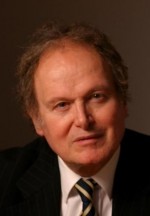 Nicholas Wright合作论文数Cancer Research UK City of London Centre23
 Philip Starkey Lewis合作论文数22
 Owen Sansom合作论文数School of Cancer Sciences, University of Glasgow;Institute of Cancer Sciences, Beatson Institute for Cancer Research22
 Stephen J. Wigmore合作论文数Department of Surgery, The University of Edinburgh22
 Malcolm R Alison合作论文数22
 Dwyer Benjamin J合作论文数School of Biomedical Sciences, Curtin University21J. Collins合作论文数19Pellicoro Antonella合作论文数18
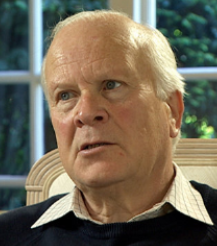 Michael Baum合作论文数Department of Surgical Biotechnology, University College London;Division of Surgical Sciences, University College London;University College London Hospitals18M. Castiglione-Gertsch合作论文数18
 Tariq Sethi合作论文数18Lara Campana合作论文数18
 Tim Kendall合作论文数Centre for Inflammation Research, Institute for Regeneration and Repair, The University of Edinburgh;Department of Pathology, The University of Edinburgh18Jurij Lindtner合作论文数18Malcolm R. Alison合作论文数17Daniel Rodrigo Torres合作论文数Centre for Regenerative Medicine, University of Edinburgh17Kay Samuel合作论文数17C.-M. Rudenstam合作论文数17
 Philip Newsome合作论文数School of Immunology and Microbial Sciences, Faculty of Life Sciences and Medicine, King’s College London;Roger Williams Institute of Hepatology, King’s College London17
 Neil Mcgowan合作论文数16Rhona E. Aird合作论文数15
 Hans-Jorg Senn合作论文数15Andrew Robson合作论文数Department of Primary Industries and Fisheries15
 Eoghan O'Duibhir合作论文数Univ Edinburgh, MRC Ctr Regenerat Med, Edinburgh EH16 4UU, Midlothian, Scotland14
 Jonathan Fallowfield合作论文数MRC Centre for Inflammation Research, Edinburgh Medical School,The University of Edinburgh14Aucott Rebecca L合作论文数14
 Franco Cavalli合作论文数Hopital de Bellinzone;Universites de Varese;Institute of Oncology Research;Universites de Berne14M. Dowsett合作论文数14
 Prakash Ramachandran合作论文数MRC Centre for Inflammation Research, Edinburgh Medical School,The University of Edinburgh13
 Anthony Howell合作论文数Division of Cancer Sciences, School of Medical Sciences, Faculty of Biology, Medicine and Health, The University of Manchester;The Christie NHS Foundation Trust;Genesis Breast Cancer Prevention Centre, University Hospital of South Manchester NHS Foundation Trust13




