Workflows are structured sequences of tasks that define how a process is executed. Manually creating a workflow from a given natural language description is challenging and time-consuming. One potential solution is to automate this process using a Transformer model. However, translating text into a particular workflow format with Transformers could be challenging due to the structural complexity of the target format and a diverse vocabulary, which can reduce accuracy. A data-centric method (Text-to-SSF-Workflow) is proposed to improve Transformer-based Text-to-Workflow translation by simplifying the output structure and reducing vocabulary size through abstraction without modifying the Transformer's architecture. In the absence of publicly available Text-to-Workflow datasets, this study utilizes a Text-to-Source-Code dataset, where the source code is converted into workflow represented by a JSON format and a Simplified Structured Format (SSF). The conversion from source code is achieved through Abstract Syntax Tree (AST) parsing, followed by node-level abstraction using FAISS K-Means Clustering. A domain-adapted tokenizer, based on BERT, is also introduced to better handle code-like syntax in workflow formats for Transformer model training. Preliminary experiments of this research show that training a standard Transformer model with a simple-format dataset can significantly improve translation accuracy.
New Zealand is facing immense pressure for urban expansion as populations grow and demand for housing increases. Located on some of the most highly productive soils, New Zealand cities are expanding into these productive hinterland landscapes, with valuable soil resources indefinitely lost. This chapter explores how digital tools can be used to engage stakeholders with the issue of peri-urban land use change, and how these tools can be utilised to consider and evaluate alternative futures. Outlining two case studies, this chapter presents methods and outcomes of two participatory processes for engaging with the peri-urban land use conundrum. The first case presents a site-scale project where digital design outputs were used to engage with multiple stakeholder groups. The second case presents a landscape-scale project where local government was engaged in an alternative futures scenario-based activity where GIS mapping was used to create the scenario plans. Communication benefits and constraints for bridging viewpoints between different stakeholders are illustrated and discussed.
Cane pruning is used in most New Zealand Sauvignon blanc vineyards to manage yield, vine balance (relationship between vegetative growth and fruit growth) and fruit primary and secondary metabolites. The source–sink ratio (TLA/FM—total leaf area to fruit mass or ELA/FM—exposed leaf area to fruit mass), the fruit mass to pruning mass (FM/PM), the fruit mass to cane mass (FM/CM) and fruit composition provide an assessment of the vine performance and balance. The interpretation of these metrics (i.e., TLA/FM, ELA/FM, FM/PM, FM/CM) requires their comparison with known optimal ranges specific to cultivars, locations and growing conditions. More often, such context- and cultivar-specific optimal ranges do not exist, thus warranting research to investigate them. To understand the influence of retained node numbers on the vegetative and fruit development of Sauvignon blanc, grapevines were pruned across three vineyard sites (two in Marlborough—Site 1 and 2, and one in Waipara—Site 3) over two growing seasons, retaining 10, 20, 30, 40 and 50 nodes on one to four canes (each cane carrying ten nodes, with 50-node vines carrying on average 12.5 nodes on each of the four canes). The accumulation of soluble solids (TSS) generally increased at lower node numbers and vine yields, reflecting an increase in ELA/FM, with 50-node vines having the least TSS concentration at harvest. The average berry mass, titrable acidity (TA) and pH were unaffected by node numbers over the two seasons. A low source–sink ratio induced by high node numbers not only reduced the vine capacity to ripen the current crop but also reduced the following season’s bunch number per shoot (from 1.8 to 1.6 bunches per shoot; p < 0.05), average bunch mass (from 82.0 ± 6 g to 67.7 ± 3 g; p < 0.01) and bunch mass per shoot (from 153.5 ± 15 g to 106.7 ± 9 g; p < 0.05). When compared to 50-node vines, 10-node vines had a two-fold increase in the average cane mass (from 30.1 ± 3.9 g to 69.2 ± 8.7 g; p < 0.001) and average old cane mass (from 82.4 ± 6.9 g to 163.8 ± 21 g; p < 0.001). The ELA/FM and TLA/FM required for optimal TSS accumulation were 0.75 m2 kg-1 and 2.0 m2 kg-1, respectively, across all sites. A source–sink ratio above these values resulted in high average cane mass and average old cane mass (an indication of excess vigour), while lower values indicated reduced vigour and slowed TSS accumulation. This research provides useful optimal ranges to compare and interpret vine balance metrics measured at those sites.
Society is increasingly aware of the connection between the health of the land, of animals and of humans. Visions of ‘foodscapes’ and ‘healthscapes’ are eclipsing the conventional view of landscapes focussed solely on production. Livestock production farming systems must co-evolve with this thinking. Lincoln University has designed and is implementing the Integral Health Dairy Farm (IHDF) to test and communicate these new and transformational systems views. Its objective is to innovate, to demonstrate and to manage a tangible transition from current practices to a system designed to enhance health, from the ground up. This includes measured improvements in soil, plant, animal, human and community health. In this ‘comment’, we focus on applied scientific integration of the ‘One health approach’ into agricultural systems of livestock, presenting our initial design and prototyping processes, as well as how it continues as the project moves from the drawing board to implementation, benefiting from a growing network of supporters and collaborators.
Peri-urban areas are vitally important to the function and value of our communities, our environment, and the economy. They often epitomise the relationship between a community and the landscape, providing essential eco-system services for the receiving settlement. With the expansion of cities and the resulting urban sprawl, the ability of peri-urban zones to sustain food provision is threatened in Aotearoa New Zealand. This study reports and reflects on a workshop facilitated by the Centre of Excellence: Designing Future Productive Landscapes, Te Whare Wānaka o Aoraki | Lincoln University, with the Canterbury Mayoral Forum, to explore alternative land use topologies for the peri-urban areas of Waitaha | Canterbury region. The focus of this paper is on the application of a ‘design-thinking methodology’, to explore this issue, and the opportunities for engagement and solution ideation that it promoted. Workshop participants were engaged in three activities designed to provoke alternative and innovative thinking about the spatial relationship between urban growth (housing) and agricultural land (production). Key findings illustrate the strengths of the methodology to elicit alternative responses to land use within the peri-urban zone, with results indicating a desire to rethink how we plan and design the edges of cities to better protect and enhance their ability to produce food and support other essential eco-system services alongside urban expansion.
The objective of this study is to determine the relationship between body condition score (BCS) and body carcass fat (BCF) of ewes at two key stages of the production cycle. Data were collected from 88 Coopworth ewes including BCS measurements manually evaluated by the farm manager, BCF measurements determined by computerized tomography (CT) and body parameter measurements automatically determined by an image processing application. Artificial neural network (ANN) statistical analysis method was used to develop a relationship between the body parameters and the BCF with an r2=0.96 and RMSE=1.01 using all top and side variables.
The Internet of Things (IoT) enables smart devices to connect, share and exchange data with each other through the internet. Since an IoT environment is open and dynamic, IoT participants may need to collaborate with unknown entities with no proven track record. To ensure successful collaboration among these entities, it is important to establish a mechanism that ensures all entities operate in a trustworthy manner. We present a trust and reputation model that can be used to select the best service provider in an IoT environment. Our proposed model, IoT-CADM (Comprehensive Agent-based Decision-making Model for IoT) is an agent-based decentralised trust and reputation model that can be used to select the best service provider for a particular service based on multi-context quality of service. IoT-CADM is developed using a smart multi-agent IoT environment where information about entities is collected and evaluated using a trust and reputation algorithm. We evaluated the performance of the proposed model against some other well-known models in a simulated smart factory supply chain system. Our experimental results showed that the proposed IoT-CADM achieved the best performance.
The creation of more sustainable land use strategies is paramount to designing multifunctional agricultural landscapes that allow grasslands to continually deliver multiple ecosystem services. A mapping modelling approach would provide us with a tool for system diagnosis to better assess the value of a landscape and define place-based practices for designing more context-adjusted systems that are in synergy with the complexity of grasslands. To assess the potential capability of a high-country pastoral livestock production system in New Zealand in delivering ecosystem services, this work uses a geospatial model as a decision support tool to identify management practices that enhance grassland health. The model uses national, climatic, soil, and landcover data to assess the agricultural productivity, flood mitigation, C sequestration, erosion, and sediment delivery capacity of a case study high-country station in New Zealand. Model outcomes suggest that the station has the potential for increased agricultural productivity although varying spatially, a high flood mitigation capacity, a high capacity for C sequestration, a moderate risk of erosion, a capacity to reduce sediment delivery to streams, and overall, a low to moderate nitrogen and phosphorus accumulation. Output maps display a spatial visualisation of ecosystem services associated with the landscape topography, soil, and vegetation patterns that allow the identification of neglected areas and planning of best place-based management practices strategies to enhance the health of grasslands.
Farmers are continually looking for new, reliable, objective, and non-invasive methods for evaluating the conditions of ewes. Live weight (LW) and body condition score (BCS) are used by farmers as a basis to determine the condition of the animal. Body composition is an important aspect of monitoring animal condition. The body composition is the amount of fat, muscle, and bone; knowing the amount of each is important because the information can be used for better strategic management interventions. Experiments were conducted to establish the relationship between body composition and body parameters at key life stages (weaning and pre-mating), using measurements automatically determined by an image processing application for 88 Coopworth ewes. Computerized tomography technology was used to determine the body composition. Multivariate linear regression (MLR), artificial neural network (ANN), and regression tree (RT) statistical analysis methods were used to develop a relationship between the body parameters and the body composition. A subset of data was used to validate the predicted model. The results showed a correlation between fat, muscle, and bone determined by CT and the fat, muscle, and bone weight estimated by the live weight and body parameters calculated using the image processing application, with r2 values of 0.90 for fat, 0.72 for muscle, and 0.50 for bone using ANN. From these results, farmers can utilize these measurements to enhance nutritional and management practices.
More sustainable pastoral livestock production systems are required to face the challenge of reconciling agricultural production and environmental impact. Although the need for more holistic approaches, such as systems thinking and design theory, is acknowledged, systemic research applying those theories to create healthier systems remains underexplored. A multiple steps holistic approach involving modelling, geographic information systems, and decision-making analysis was used to design, assess, and contrast alternative scenarios that represent distinct grazing management to the current grazing management of a high-country station in New Zealand used as a case study to enhance grassland health. Three alternative scenarios were created, and five main parameters used to assess grassland health were obtained from the evaluation of the designed scenarios. From all the parameters, soil erosion control and increased production were ranked as the most and least important, respectively, to be considered in the design process. A multi-criteria evaluation defined that the best-compromise scenario to enhance grassland health is the scenario with lower soil erosion, as a result of applying adaptive and flexible management at the paddock level, the lower total emission of greenhouse gases (only sheep herd grazing), and greater profitability (due to production costs reduction, as cattle were removed from the station), compared to the ‘status quo’. Our design methodology produced a variety of alternatives that enhanced the health of grasslands in different parameters while still maintaining or increasing profitability. The use of multi-criteria evaluation facilitated the decision of the most contextualised and best-compromise scenario for New Zealand high country grasslands.
The Internet of Things (IoT) facilitates the provision of sophisticated services by linking an extensive array of diverse smart objects. As IoT devices become more intelligent, they will have the ability to communicate and cooperate with each other. As such, it is important to maintain effective cooperation among network deployed devices and ensure that they operate in a reliable and dependable fashion. In this paper, we describe IoT-CADM, an IoT agent-based decentralized trust and reputation model to select the best service provider for a particular service based on multi-context quality of services. We evaluated the performance of our model in a simulated smart factory environment against three widely-known models ReGret, SIoT and R-D-C and the result showed that our model outperformed these models.
As people age, maintaining and improving their Quality of Life becomes increasingly important. To understand the impact of smartphone technology and communications applications on Quality of Life, a quasi-experimental study was conducted with elderly people living in Shiraz-Iran. The study population included all the registered senior in public health centers in Shiraz, Fars, Iran during 2018 and 2019. Overall, 119 elderly people participated in the study. The study randomly categorized participants into intervention (59 participants with mean age 66.19±2.73) and control (60 participants with mean age 66.67±3.00) groups. They were asked to answer the validated Persian version of the Control, Autonomy, Self-realisation, Pleasure scale (CASP-19) scale questionnaire for Quality of Life assessment. A significant mean difference was observed by the paired t-test between pre-and post-test (t= -8.61, p<0.00), post-and follow-up-test (t= -2.24, p=0.02), and pre-test and follow-up test (t= -8.42, p<0.00) in the intervention group. The results of paired t-test for the control group showed no significant mean difference between pre-test and post-test (t= 1.35, p=0.18), post-test and follow-up test (t= 0.38, p=0.70) and pre-test and follow-up test (t= 1.94, p=0.06) for Quality of Life. The rationale for this study, along with the educational training associated with it, was to help families, and the aging field practitioners to understand the importance of modern communication technology teaching to promote a greater Life Quality in the community of the elderly.
Grazing management to reduce soil erosion is paramount for preserving and enhancing grassland health under pastoral livestock production systems. However, as the focus of these production systems is to increase productivity, the inclusion of the soil and its complexity in grazing management has been usually neglected. Detailed consideration of the soil spatio-temporal susceptibility to erosion may be best approached with simulation modelling. To understand and explore the spatio-temporal impact of grazing strategies on soil surface erosion, this work used a geospatial model approach in a high-country pastoral livestock production system in New Zealand as a case study. We modelled 45 scenarios characterized by different stock densities and occupation periods applied for each season of the year and for different livestock types: sheep, beef, and deer, producing a total of 540 scenarios. In addition, we included scenarios to represent ungrazed pastures for each season and the current grazing management of the case study station as the baseline for comparisons (resulting in a total of 545 scenarios). Spatio-temporal variation of natural soil superficial erosion from ungrazed pastures appears to be more relevant than the impact of manipulating grazing intensity and indicates that paddocks in our study area have different capacities to support grazing which also changes during seasons. Increases in occupation period seem more detrimental to soil erosion compared to increases in stock density, and cattle are the most detrimental stock type compared to sheep and deer. Our results suggest that grassland health can be enhanced in LUMGS by applying context-adjusted grazing management strategies according to the station spatio-temporal heterogeneity and susceptibility to erosion.
Agile software development methods were introduced to minimize problems faced using traditional software development approaches. There are several Agile approaches used in developing software projects, these include Scrum, Extreme programming and Kanban. An Agile approach focuses on collaboration between customers and developers and encourages development teams to be self-organizing. To achieve this there are different Agile practices teams choose to use in their projects. Some teams only use one practice whilst others use a combination of practices. The most common practices used are stand-ups, user stories, Burndown chart/Burnup chart, pair programming, Epic and User stories. This paper reports on the analysis of the data collected from people involved in Agile software development teams and identifies that the combination of practices in Agile software development have an impact on the communication in the team, project requirements and project priorities, with more practices being adopted correlating with better project outcomes.
The Internet of Things (IoT) provides advanced services by interconnecting a huge number of heterogeneous smart things (virtual or physical devices) through existing interoperable information and communication technologies. Due to its tenuous nature, IoT is vulnerable to different types of attacks, which usually lead to exposure of secrets from the node to the attacker, and compromises the authenticity, integrity, and real-time delivery of data. As such, it is important to have a trust and reputation model to evaluate the trustworthiness of the different players in IoT settings. Trust-based reputation models have been developed for this purpose, but to date, no attempts have been made to compare their performance in an IoT setting. The objective of this work is to implement a multi-agent framework to simulate a smart factory supply chain using IIOT and evaluate the performance of three well-known models: ReGreT, S-IoT, and R-D-C in terms of trustworthiness and cash utility. Based on our experiments, ReGreT performed the best among the three models in terms of evaluating trustworthiness and R-D-C gained the most cash utility.
In the context of precision livestock management, data visualisation systems are designed to work concurrently with sensors to present key information to the end-user. It is critical that these systems are optimised for end-users, to enable them to understand the situation as reported by the sensors and then make informed decisions. In this study, a calving alert platform (CAP) was developed using data from multiple sensor platforms developed on 39 extensively grazed cows. This platform was presented to six extensive beef producers and evaluated through a series of semi-structured interviews. The aim of this paper was to firstly present the CAP as developed and then explore producer preferences around the features embedded within the CAP, including data visualisation, alerting format and frequency, and management of false alerts. This research proposes a series of potential applications for the CAP, as suggested by the producers, the most common of which was for dystocia detection. In terms of challenges and limitations to the proposed CAP, producers expressed concern around connectivity, and highlighted a need for a CAP that could be customised to suit their production system and operating style. The results of this research could be used by commercial CAP developers to ensure that the data visualisation and alert notification is optimised to meet the needs and expectations of the end-users.
In established vineyards, node number retention at winter pruning is the first step to achieving and maintaining vine balance. Balanced vines exhibit timely and quasi-uniform 100 percent budburst. To understand how vine capacity and balance are expressed before flowering, mature Sauvignon blanc vines were pruned according to a 5 [total node numbers on canes: 10, 20, 30, 40, 50] x 3 [total node numbers on spurs: 1, 2, 3] factorial design in one site, and in two other sites according to a 5 [total node numbers on canes: 10, 20, 30, 40, 50] x 2 [total node numbers on spurs: 1, 2] factorial design. Two spurs of one, two or three nodes each were retained on either side of the vine. The number of canes laid down per vine was one, two, three and four canes each of 10 nodes for the 10-, 20-, 30- and 40-node treatments, and four canes averaging 12.5 nodes for the 50-node treatment. The budburst percentage was calculated on the whole vine, canes, and spurs. Blind nodes, count shoots, non-count shoots and double shoots were counted and mapped along canes and spurs. Many non-count shoots were measured on the vine head of 10-node vines (29.5 ± 3.0 shoots, p < 0.001), compared to 50-node vines (2.8 ± 1.9 shoots, p < 0.001). 50-node vines had an overall budburst of 100 %, despite having the highest number of blind nodes (7.6 ± 0.3 nodes, p < 0.001). These were mainly located at the canes’ proximal sections relative to the vine head and were likely caused by correlative inhibition and primary bud necrosis. Cane budburst provided a more accurate assessment of the vine response to node loading than vine budburst. The number of double shoots was not associated with the vine node load, as they appeared on both low-node and high-node vines. Three-node spurs developed more blind nodes than one-node and two-node spurs (p < 0.001). Based on the findings of this research, we recommend a composite metric (cane percent budburst, cane blind node count and head shoot count) to assess vine capacity and balance between budburst and flowering, and the practice of retaining one- or two-node spurs at cane pruning is also justified.
Grasslands and ecosystem services are under threat due to common practices adopted by modern livestock farming systems. Design theory has been an alternative to promote changes and develop more sustainable strategies that allow pastoral livestock production systems to evolve continually within grasslands by enhancing their health and enabling the continuous delivery of multiple ecosystem services. To create a design framework to design alternative and more sustainable pastoral livestock production systems, a better comprehension of grassland complexity and dynamism for a diagnostic assessment of its health is needed, from which the systems thinking theory could be an important approach. By using systems thinking theory, the key components of grasslands—soil, plant, ruminant—can be reviewed and better understood from a holistic perspective. The description of soil, plant and ruminant individually is already complex itself, so understanding these components, their interactions, their response to grazing management and herbivory and how they contribute to grassland health under different climatic and topographic conditions is paramount to designing more sustainable pastoral livestock production systems. Therefore, by taking a systems thinking approach, we aim to review the literature to better understand the role of soil, plant, and ruminant on grassland health to build a design framework to diagnose and enhance grassland health under pastoral livestock production systems.
This qualitative study aimed to investigate the effects of using smartphone’s communication apps on Quality of Life (QoL) of elderly people living in Shiraz-Iran. The population of the study was all the senior residents registered with local public health centers located in Shiraz, Fars, Iran in 2018-2019. Overall, 20 participants volunteered to join the study, from the intervention and control groups (10 in each). Data were collected via semi-structured face to face interviews and analyzed using open-coding. The findings of this study and the educational training are intended to help families, practitioners in the aging field to pay more attention to teaching modern communication technology in order to promote healthier elderly and community.
The development and application of the fence was one of the earliest forms of agricultural technology in action. Managing the supply of animal protein required hunter gatherer communities to be able to domesticate and contain wild animals. Over the ages the fence has become ingrained in the very fabric of society and created a culture of control and ownership. Garett Hardin's article titled “The Tragedy of the Commons” suggested that shared land, typified by access to a fenceless common resource, was doomed to failure due to a human instinct for mistrust and exploitation. Perhaps the fence has created an ingrained societal cultural response. While natural ecosystems do have physical boundaries, these are based on natural environmental zones. Landscapes are more porous and resilience is built up through animal's being able to respond to dynamic changes. This paper explores the opportunity for remote monitoring technologies to create open fenceless landscapes and how this might be integrated into the growing need for humans to access animal protein.
 David Budgen合作论文数University of Durham;Department of Computer Science12
 Patricia Anthony合作论文数School of Engineering and Information Technology, Universiti Malaysia Sabah10
 Mark Turner合作论文数Case Western Reserve University10
 Barbara Ann Kitchenham合作论文数School of Computing and Mathematics, Keele University10
 PEARL BRERETON合作论文数School of Computer Science and Mathematics, Keele University9
 Pablo Gregorini合作论文数DairyNZ Ltd.8
 Stephen Linkman合作论文数7
 Carol M.S. Smith合作论文数5Fabiellen C. Pereira合作论文数5
 Malcolm C. Munro合作论文数Department of Computer Science;Science Laboratories5Shirley Gibbs合作论文数Computer Studies Department, Napier University5
 Thomas M R Maxwell合作论文数Fac Agr & Life Sci, Lincoln Univ4Mohammad Al-Shamaileh合作论文数3
 Dipendra Ghimire合作论文数Aspire2 International3Chris Logan合作论文数3
 Shannon Davis合作论文数Ctr Excellence, Lincoln Univ3Michael C. T. Trought合作论文数2
 James Eggers合作论文数2David L. Swain合作论文数2O. J. Schelezki合作论文数2
 Paul Epee合作论文数Precis Agr Grp, Lincoln Agritech Ltd2
 Guanyu Chen合作论文数2
 bernard otinpong合作论文数Dept Enterprise & Digital Innovat, Ara Inst Canterbury2
 Amber Parker合作论文数Dept Wine Food & Mol Biosci, Lincoln Univ2
 Rainer Hofmann合作论文数Ctr Viticulture & Oenol, Lincoln Univ2
 Mitchell Donovan合作论文数2John Bailey合作论文数2
 Nigel Thomas合作论文数School of Computing Science, Newcastle University2
 Pearl Brereton合作论文数School of Computing and Mathematics, Keele University2
 Majeed Safa合作论文数Department of Physics, Durham University2Alan E Mckinnon合作论文数2
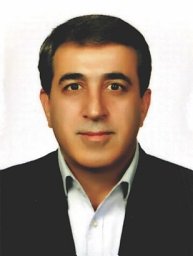 Seyed Ebrahim Hosseini合作论文数Engineering Department;Moallem University of Sabzevar;Engineering Department, Moallem University of Sabzevar2
 Shannon Page合作论文数2
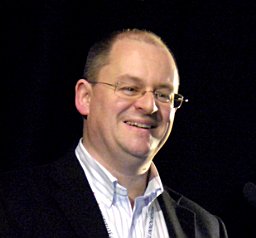 Nicolas S. Holliman合作论文数e-Science Research Institute, University of Durham2
 Armin Werner合作论文数Centre for Agricultural Landscape and Land Use Research;Institute of Land Use Systems and Landscape Ecology;Institute of Rhizosphere Research and Plant Nutrition;Institute of Land Use Systems and Landscape Ecology, Institute of Rhizosphere Research and Plant Nutrition2
 Peter C. Almond合作论文数2
 Sadeepa Jayathunga合作论文数1Richard Morris合作论文数1Ns Holliman合作论文数1
 Anita Fleming合作论文数1
 Andre M. Mazzetto合作论文数Lincoln Res Ctr, AgResearch Ltd1
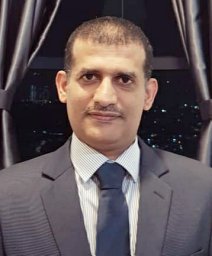 Abdulsalam K. Alhazmi合作论文数1
 Cheng Zhang (章程)合作论文数School of Computer Science and Technology of Anhui University1
 Jie Xu (徐杰)合作论文数School of Computing, University of Leeds1
 Iain Gordon合作论文数Lincoln University1Keith Bennett合作论文数Duke University1Amnart Pohthong合作论文数1Nassiriah Shaari合作论文数1Penny Carnaby合作论文数1




