Brassica vegetables are widely recognized as nutrient-dense “superfoods”, yet they rapidly lose market value during postharvest storage due to weight loss, yellowing, and nutrient degradation. This study systematically investigated the impact of postharvest photosynthetically active radiation (PAR) and ultraviolet-B (UV-B) on secondary metabolites, antioxidant enzymes and gene expression in broccoli and red cabbage during six-day cold storage. Light treatments induced species-dependent metabolic reprogramming that developed dynamically during the storage period. Broccoli exhibited greater sensitivity to light-induced weight and chlorophylls loss, particularly under UV-B alone and combined with PAR. PAR + UV-B induced a rapid activation of the phenylpropanoid pathway, enhancing flavonoid biosynthesis and antioxidant activity, with peak at mid-to-late storage. In contrast, red cabbage showed greater structural and compositional stability, maintaining higher initial levels of flavonol glycosides and exhibiting more sustained antioxidant and enzymatic stability, with more temporally coordinated response to light. These findings demonstrate that light quality critically shapes postharvest metabolic response, especially induces increases of 21–77% in flavonol glycosides and 7–20% in antioxidant activity. A single PAR + UV-B exposure can pre-condition broccoli to achieve peak antioxidant potential during storage, whereas energy-efficient PAR alone is sufficient to preserve the superior nutritional status of red cabbage. Tailoring light spectra and application timing provides a scalable, chemical-free approach to maintain color, nutritional quality, and functional value of Brassica vegetables during refrigerated distribution.
Handheld devices have become popular to determine epidermal contents of UV-A absorbing compounds in intact leaves. For the comparability of the results between different labs, it is important that all instruments show the same or at least similar results. Therefore, the signals from seven different Dualex Scientific optical leaf clips from five laboratories were compared to each other, alongside a prototype of an LSA-2050 leaf state analyzer and a UV-A-PAM fluorometer. The values of the Flav index, which is used to quantify epidermal UV-A absorbing compounds such as flavonoids, corresponded well with each other (r2 > 0.989), except for one instrument. A higher variability among instruments was found for the chlorophyll (Chl) index, again with one instrument showing a significant offset. Although one Dualex instrument showed an excellent linear calibration for the anthocyanin (Anth) index relative to extract concentrations when red hazelnut leaves were investigated (r2 = 0.969), the Dualex instruments had all an offset against each other and at Chl index values below 30, erroneous Anth index values were observed. While Flav index results appeared quite reliable, it is recommended to calibrate a Dualex instrument against leaf extracts for exact determination of chlorophyll and anthocyanin contents. Simple tests for the functionality of a Dualex instrument are suggested.
This study provides a direct comparison of UV-B radiation (0.5 kJ m-2 d-1) and low temperature (10/12 °C) on secondary metabolites and enzyme activities in kale and pak choi, assessing both carotenoids and phenolics and including Arabidopsis wild type and uvr8 mutant under identical conditions for mechanistic validation. UV-B induced rapid accumulation of lutein, β-carotene, chlorophyll a, chlorophyll b and kaempferol glycosides in kale, while in pak choi, long-term low temperature or UV-B treatments (3-5 days) triggered similar responses. Notably, combined stress triggered synergistic accumulation of specific phenolic compounds in both species. Low temperature increased antioxidant activity and UV-B enhanced the activities of phenylalanine ammonia-lyase and peroxidase in both species; however, the interactive effects differed between species. Arabidopsis validation demonstrated the regulatory role of the UVR8 photoreceptor in mediating antioxidant responses and secondary metabolism under UV-B and low temperature. Taken together, exposure to UV-B radiation and low temperature according to species-specific responses could be a biotechnological tool to optimize the accumulation of bioactive compounds in Brassica vegetables, especially effective for vertical farming approaches.
This study investigated the effects of combined low-temperature and UV-B (LT&UV-B) treatments applied at three different stages: preharvest (PRE), combined preharvest and postharvest (PP), and postharvest (POST). The effects on weight loss, pigments, phenolics, antioxidant activity, and antioxidant enzyme activities were evaluated in kale during 12 days of storage at 6 degrees C. Both PRE and POST treatments significantly reduced weight loss and delayed senescence, while the PP treatment showed weaker effects. However, the PP treatment induced a transient recovery of chlorophylls and carotenoids after 6 d of storage, which was accompanied by increased SOD and POD activities during early storage, suggesting an enhanced enzymatic antioxidant response. The PRE and PP treatments significantly enhanced the accumulation of hydroxycinnamic acid derivatives, flavonoid glycosides, and anthocyanins, leading to higher total phenolic content and antioxidant activity. Mantel test analysis revealed that phenolic compounds, especially quercetin derivatives, were the main contributors to antioxidant activity. Overall, the timing of LT&UV-B application critically determines the secondary metabolic and antioxidant responses of kale, and optimal treatment may depend on the specific postharvest goals. Our study suggests that PRE treatment may be suitable for maximizing phytochemical content in short-term supply chains, whereas PP treatment offers a potential benefit for prolonged storage where delaying chlorophyll loss is essential for consumer acceptance.
Ultraviolet (UV) radiation is an important regulator of secondary metabolism in Brassica vegetables, yet species-specific responses to different UV wavebands remain insufficiently understood. We investigated how full-spectrum UV (+UV), UVA only (+UVA), and strongly UV-reduced (–UV) conditions affect pigments, phenolics, glucosinolates, and antioxidant activity in kale (Brassica oleracea var. sabellica) and pak choi (Brassica rapa ssp. chinensis). Biomass production was unaffected in both species. In kale, +UV enhanced chlorophylls, carotenoids, and flavonoid glycosides, resulting in the highest antioxidant capacity. Glucosinolate profiles responded divergently, with +UVA increasing total glucosinolates while +UV reduced them. Pak choi showed only modest UV effects on pigments and phenolics but clear modifications in specific aliphatic glucosinolates. These results reveal contrasting metabolic strategies in the two Brassica species and highlight the potential of wavelength-targeted lighting to selectively enhance nutritionally valuable metabolites in controlled-environment agriculture.
Drought and salinity are significant challenges to tomato production under climate change. A 2-year experiment (2023-2024) with Solanum lycopersicum cv. Resi evaluated the effects of drought (25%, 12.5%, and 6.25% of soil weight) and salinity (0.5% and 1.0% NaCl), applied individually and in combination, on yield, mineral uptake, and secondary metabolism. Drought reduced yield by 28%, salinity by 17%, and their combination by 27%. Moderate drought and salinity increased potassium (K+) uptake, whereas severe stress reduced calcium (Ca2+) concentration and disrupted overall ionic homeostasis. Lycopene and β-carotene decreased under combined stress, whereas chlorogenic acid and naringenin chalcone increased, indicating enhanced antioxidant metabolism. Antioxidant activities (TEAC, DPPH, and TPC) rose under moderate stress, particularly in the warmer 2024 season. Correlation analysis showed that magnesium (Mg2+) accumulation was positively associated with antioxidants and carotenoids, supporting redox balance under stress conditions. Overall, these findings indicate that tomato adaptation to drought and salinity relies on coordinated ionic regulation and antioxidant adjustments, both influenced by environmental conditions.
Wild garlic (Allium ursinum) is a wild plant growing in Middle and Eastern Europe that has been traditionally applied in local cuisine and herbal medicine practices. The leaves of the plant contain numerous bioactive compounds, i.e., flavonols, flavanols, phenolic acids, and thiopolysulfides. The aim of the study is to present the antioxidant, anti-inflammatory, and antimicrobial properties of this plant. The leaves of Allium ursinum possess strong antioxidant activity, which varies depending on extractant use and plant origin. The plant has limited capacity for ferric ion reduction in a FRAP test, as well. The previous studies showed that the high content of phenolic compounds was prevalently responsible for the high antiradical capacity. On the other hand, the thiopolysulfides present in the plant are responsible for its anti-inflammatory effect, observed as inhibition of TNF-α and interleukins, and as a bactericidal effect against skin pathogenic microflora. Wild garlic has a negative effect on cancer cell line viability, while it enhances the viability of non-cancerogenic tissue cells. All these effects clearly show that wild garlic is an interesting and potent raw material that should be more often applied in todayʼs functional foods, as well as a novel additive for dietary supplements, herbal remedies, or materials with topical anti-bacterial action.
INTRODUCTION:Faba bean (Vicia faba L.) leaves are edible; hence, they are primarily used as animal feed in agriculture. Additionally, seed pods and other plant tissues are considered edible and are used as green vegetables in many parts of the world. OBJECTIVES:Flavonol glycosides are well-known in faba bean leaves; accordingly, in this study, we followed a targeted metabolomic approach to explore glycosylated flavonols and their concentrations in response to contrasting levels of selenium (Se) and sulfur (S) enrichment under faba bean-Rhizobium symbiosis. METHODS:Faba bean plants were cultivated under growth chamber conditions and enriched with different levels of selenium and sulfur under Rhizobium inoculation. Their leaves were extracted using 70% methanol to quantify glycosylated flavonoids. Sample leaves were analyzed through a targeted method using high-performance liquid chromatography combined with a diode array detector (HPLC-DAD) and electrospray ionization-quadrupole-time-of-flight tandem mass spectrometry detection (HPLC-ESI-Q-ToF-MS/MS). RESULTS:The analysis led to semi-quantifying 11 flavonol glycosides. Analysis of the metabolites of the different faba bean leaf extracts confirmed that selenium has a considerable impact on the accumulation of flavonol glycosides, especially under sulfur availability, possibly because it induces chalcone synthase and other enzymes for flavonols' biosynthesis. CONCLUSION:To the best of our knowledge, this is the first report to investigate the impact of selenium and sulfur enrichment on the accumulation of faba bean flavonols under atmospheric nitrogen (N2) fixation conditions. This study highlights the medicinal and nutritional benefits of legumes as an essential source of protein in plant-based foods.
UV light is an important stimulator for bioactive secondary plant metabolites. Short-term postharvest applications are thought to enhance their concentration. Postharvest treatments with PAR light (control), UV-B (310 nm for 0.5 h, to 2 h), and two UV-A wavelengths (340 nm and 365 nm for 1.5 h, to 6 h) were applied to baby leaves of lettuce and chicory. Short-term UV-B (0.5 h and 1 h) and UV-A (1.5 h and 2 h) treatments achieved the highest accumulation of phenolic acids e.g. chicoric acid and sesquiterpene lactones e.g. 11(S),13-dihydro-8-deoxylactucin, in both lettuce and chicory. In chicory, chlorogenic acid levels increased with prolonged UV-A radiation. In addition, flavonoid glycosides were induced by both UV-B and UV-A light in chicory. These changes were accompanied by enhanced antioxidant activity after short-term postharvest UV treatments. UV-B (1 h) and UV-A (2 h) resulted in the highest levels of lutein and beta-carotene in both lettuce and chicory. These findings underscore that short-term UV-B and UV-A treatments effectively modulate the concentration of bioactive compounds. Changes in sesquiterpene lactone concentrations may also have an impact on taste and consumer acceptance. Postharvest UV treatment can be applied as more cost effective and reliable than preharvest treatments, making them a real opportunity for commercial applications.
Strawberries rapidly lose nutritional quality after harvest. Ultraviolet (UV) light provides a residue-free alternative to chemical treatments, but wavelength-dependent physiological effects remain underexplored. While UV-C is well recognized for its antimicrobial action, UV-B can stimulate phenolic metabolism and antioxidant defenses yet has been rarely examined in postharvest. Here, pre-storage UV-B and UV-C, with or without photosynthetically active radiation (PAR), were applied to strawberries for 7-day storage. UV-B increased anthocyanins after day 1, enhanced antioxidant activity, maintained sugar-to-acid ratio, and promoted key fruity esters. In contrast, UV-C lost 24-40 % more weight than control and delayed phenolic accumulation until day 7, particularly with PAR. Multivariate analysis revealed strong correlations among anthocyanins, antioxidant activity, sugars, and aroma, indicating coordinated light-regulated metabolic responses. Overall, UV-B outperformed UV-C in preserving strawberry quality, bridging a critical gap in wavelength-specific postharvest responses and highlighting UV-B as a promising non-chemical strategy for light-based preservation.
This study determines the functional role of the plant ultraviolet-B radiation (UV-B) photoreceptor, UV RESISTANCE LOCUS 8 (UVR8) under natural conditions using a large-scale 'synchronized-genetic-perturbation-field-experiment'. Laboratory experiments have demonstrated a role for UVR8 in UV-B responses but do not reflect the complexity of outdoor conditions where 'genotype × environment' interactions can mask laboratory-observed responses. Arabidopsis thaliana knockout mutant, uvr8-7, and the corresponding Wassilewskija wild type, were sown outdoors on the same date at 21 locations across Europe, ranging from 39°N to 67°N latitude. Growth and climatic data were monitored until bolting. At the onset of bolting, rosette size, dry weight, and phenolics and glucosinolates were quantified. The uvr8-7 mutant developed a larger rosette and contained less kaempferol glycosides, quercetin glycosides and hydroxycinnamic acid derivatives than the wild type across all locations, demonstrating a role for UVR8 under field conditions. UV effects on rosette size and kaempferol glycoside content were UVR8 dependent, but independent of latitude. In contrast, differences between wild type and uvr8-7 in total quercetin glycosides, and the quercetin-to-kaempferol ratio decreased with increasing latitude, that is, a more variable UV response. Thus, the large-scale synchronized approach applied demonstrates a location-dependent functional role of UVR8 under natural conditions.
Ready-To-Eat (RTE) salads conveniently preprepared in bags can promote the intake of natural bioactive compounds, including antivirals such as quercetin. However, the content of these compounds in the species used for RTE salads is usually low due to limited solar UV exposure under tunnels and greenhouses in which they are usually cultivated. To address this, we treated commercial fresh-cut lettuce (Lactuca sativa L.) and wild rocket (Diplotaxis tenuifolia L.) leaves using a narrow-band UVB lamp directly through sealed polypropylene bags during storage (5-6 degrees C, 80% RH). The bagged leaf samples were kept under 20 mu mol m- 2 s- 1 of white light with a 12 h photoperiod for 6 d. Half of the samples were additionally treated, 9 h d-1, during the first 3 d by UVB narrow-band lamps delivering 2.8-3.6 mu mol m- 2s- 1 of UVB and 0.8-1.0 mu mol m- 2s- 1 of UVA radiation. The effects of the UVB treatments on epidermal phenolics, chlorophyll and photosynthetic parameters were monitored daily by non-destructive fluorescence sensors over a 6-d storage period. At the end of the experiment, destructive HPLC-DAD analysis of phenolics and photosynthetic pigments, antioxidant capacity assays and fresh weight loss determinations were conducted. The UVB-treatment increased the epidermal phenolics (EPhen) Index with respect to unirradiated controls, while not affecting chlorophyll and carotenoids levels as well as photosynthetic efficiency. For both species, the EPhen Index changes were detected 15 h after the first UVB application. Then, wild rocket responded faster than baby-leaf lettuce and reached the maximal phenolic level with less than 1/3 of the energy dose needed by lettuce. UVB-treated samples exhibited higher flavonoid concentrations (mainly quercetin derivatives) compared to controls (48-67% and 37-66% in lettuce and wild rocket, respectively). Leaf chlorophyll and carotenoid contents were not affected by both UVB treatment and storage. We proved, for the first time, that it is possible to treat RTE salad leaves using through-packaging UVB radiation and enhance their total phenolic and quercetin derivative contents. We also provided more insights concerning the dynamics of the UVB-elicitation of phenolic compounds in postharvest leaves. Our results are propaedeutic for the optimization of potential UVB-treatments; selection of the most efficient wavelengths, intensity, single/multiple doses and proposals for application in the food industry.
Cumin seeds are frequently utilized in herbal infusions and as flavoring agents in home cuisine. Nevertheless, studies have demonstrated that spices are frequently contaminated with pathogenic bacteria, including bacterial spores. The aim of this study was to assess the effectiveness of a new decontamination method called “Intensification of Vaporization by Decompression to the Vacuum” (IVDV) on intentionally contaminated Cuminum cyminum seeds. The study also examined the impact of this treatment on the color and oil profile of the treated samples. The untreated samples were inoculated with Escherichia coli (ATCC 25922) and Salmonella Typhimurium (ATCC 14028) and then subjected to IVDV treatment. Response surface methodology was employed to obtain safe, high-quality cumin seeds presenting a balance between microbial load, color, and oil profile. The optimal IVDV conditions were achieved at a pressure of 3.5 bar and a time of 133.45 s, resulting in typical 4 log reductions observed with 99.99% of Escherichia coli and Salmonella Typhimurium inactivation. The treated spices presented a mild color modification compared to the untreated ones, manifested by a darker shade (decreased L* value), reduced greenness (increased a* value), and heightened yellowness (increased b* value). The GC-MS analysis detected the existence of seven compounds in the treated cumin, with cuminaldehyde being the primary compound (83.79%). Furthermore, the use of IVDV treatment resulted in an increase in the total content of essential oils in some samples, whereby six monoterpenes were identified in the untreated sample compared to seven monoterpenes in IVDV-treated samples. This innovative technology demonstrated high efficacy in decontaminating C. cyminum seeds, improving the extractability of the essential oils while only slightly affecting the color.
Date palm fruit (Phoenix dactylifera L.) is a well-known fruit that has become increasingly popular among consumers due to its pleasant flavor, nutrient-dense content, and nutraceutical characteristics. Date seeds are the main by-product of date fruit consumption and processing. Date seeds are usually incorporated in animal feed; however, their application in human contexts, such as food products, remains minimal. Nonetheless, they contain significant amounts of bioactive phenolic compounds, primarily flavonoids, which possess potential health benefits. The current study investigated and compared the phenolic profile, antioxidant, and antibacterial activities of aqueous extracts of nine different date seeds varieties. The phenolic profile, analyzed using high-performance liquid chromatography (HPLC-DAD-ESI-MS), showed that total phenolic compounds ranged from 1.05 to 1.24 mg/g in Reziz and Naghal varieties, respectively, with flavan-3-ols predominating in all varieties. Results of the ABTS and DPPH assays revealed that the antioxidant activities against free radicals were directly correlated with the overall phenolic content, particularly for caffeic acid. Indeed, all date seeds possessed antibacterial capabilities, with a stronger effect observed on Listeria monocytogenes than Escherichia coli. Additionally, date seeds demonstrated a promising source of oil rich in oleic and lauric acids, both of which are considered beneficial for health. According to our findings, date seeds are a significant source of bioactive compounds, which renders them ideal candidates for potential inclusion in human diets as food additives and nutraceuticals.
One of the main priorities of current food systems is to develop new and healthy foods to overcome food shortages considering consumer’s expectations. Algae are receiving increasing attention as nutritious and sustainable food, though studies are limited mainly to Arthrospira and Chlorella species and cross-national research is scant. This study aims to investigate European consumers’ liking and perception of crackers added with powders from Arthrospira platensis (green Spirulina), isolated proteins from Arthrospira platensis (blue Spirulina), Palmaria palmata, Saccharina latissima, Lithothamnium calcareum and a control cracker. Belgian, German, Italian, and Swedish participants (n = 413, 18–69 years, 59.8
Date seeds, which are the main by-products of date fruit consumption, were shown to possess promising biological activities and health benefits with minimal human use. The present investigation analyzed and compared the phenolic content of six date seed varieties from four different origins (Khudari, Sakai, and Safawi from Saudi Arabia, Majdool from Jordan, Zahdi from Iraq, and Kabkab from Iran). The aqueous extracts were examined for possible antioxidant, antibacterial, and anti-tumor potential. Date seed oil was extracted, and fatty acid profiles were compared. The results revealed that date seeds are a rich source of polyphenols, which have been linked to biological activities. Furthermore, the phenolic content seemed highly dependent on the variety, where Kabkab had the highest TPC value (271.2 mg GAE/g DM) while Majdool had the lowest value (63.2 mg GAE/g DM). Antioxidant activities of all varieties were highly correlated with the total phenolic content. The antibacterial investigation demonstrated that the Sakai variety possessed the dominant activity, whereas Majdool showed no activity. The results further indicated the sensitivity of both Staphylococcus aureus and Bacillus cereus, with a stronger effect against B. cereus, while no effect was observed against Gram-negative strains (Salmonella Typhi and Escherichia coli). All varieties were able to decrease colon and lung cancer cell viability, especially Khudari and Sakai, with stronger effects against colon cancer cells. Analysis of date seed oil showed high oleic acid content, especially in Sakai. The findings suggest that date seeds are promising candidates for future pharmaceutical applications as nutraceuticals to help combat certain illnesses, as well as functional foods and natural additives that boost the nutritional value of food products, increase their shelf lives, and improve the overall health of consumers.
Apple pomace, a by-product of apple juice production, is typically discarded as waste. Recent approaches have focused on utilizing apple pomace by extracting beneficial bioactive compounds, such as antioxidant phenolic compounds (PCs). Before these PC-rich extracts can be used in food products, they must undergo food preservation and processing methods. However, the effects of these processes on the composition, stability, and properties of the PC remain insufficiently understood. The present study aimed at investigating the effects of a thermal treatment (TT), a high-pressure thermal treatment (HPTT), and a pulsed electric field treatment (PEF) on the composition and antioxidant activity of PC-rich apple pomace extracts (APEs). Major PCs, including phloridzin, chlorogenic acid, and epicatechin, as well as minor compounds, were identified by liquid chromatography–tandem mass spectrometry (LC-MS/MS) and high-performance thin-layer chromatography (HPTLC). As a stability indicative property, the antioxidant activity was analyzed by a Trolox equivalent antioxidant capacity assay (TEAC), electron paramagnetic resonance spectroscopy, and the Folin–Ciocalteu reagent assay. The results showed that TT at 80 °C increased phloridzin content, likely due to the hydrolysis of bound forms, while higher temperatures and HPTT resulted in a substantial PC conversion. The PEF treatment also caused notable PC conversion, but generally, it had a milder effect compared to TT and HPTT. Hence, low temperatures with and without high pressure and PEF seem to be the most promising treatments for preserving the highest content of major PC in APE. Antioxidant activity varied among the analytical methods, with HPTT showing minor changes despite PC loss compared to the untreated APE. This suggests that other antioxidant compounds in the extracts may contribute to the overall antioxidant activity. This study demonstrates that apple pomace contains valuable PC, highlighting its potential as a health-promoting food additive and the impact of conventional preservation and processing methods on PC stability.
 Monika Schreiner合作论文数Agrarsysteme der Zukunft;Leibniz Institute of Vegetable and Ornamental Crops65
 Sascha Rohn合作论文数Institut für Lebensmittelchemie, Fachbereich Chemie, Universität Hamburg23
 Susanne Baldermann合作论文数Graduate School of Science and Technology20
 Melanie Wiesner-Reinhold合作论文数Leibniz Inst Vegetable & Ornamental Crops11
 Marcel Jansen合作论文数School of Biological, Earth and Environmental Sciences, University College Cork11
 Hanschen Franziska S合作论文数Institute of Food Technology and Food Chemistry, Technische Universität Berlin10Angelika Krumbein合作论文数10
 Antonella Castagna合作论文数9
 Annamaria Ranieri合作论文数9
 Éva Hideg合作论文数Institute of Plant Biology;Biological Research Center;Hungarian Academy of Sciences;Institute of Plant Biology, Hungarian Academy of Sciences8Tobias Poehnl合作论文数7
 Laura Llorens合作论文数7
 Benard Ngwene合作论文数7
 Rebecca Klopsch合作论文数Programme Area of Plant Quality and Food Security, Leibniz Institute of Vegetable and Ornamental Crops (IGZ),6
 David Schröter合作论文数Inst Getreideverarbeitung GmbH6
 Pedro Jose Aphalo合作论文数Joensuu Research Station;Finnish Forest Research Institute;Joensuu Research Station, Finnish Forest Research Institute6
 Javier Martinez-Abaigar合作论文数Departamento de Agricultura y Alimentación, Universidad de La Rioja6Ronald Maul合作论文数6Layla Engelhardt合作论文数5
 Tuba Esatbeyoglu合作论文数Institute of Food Chemistry, Technische Universität Braunschweig5
 Dolors Verdaguer合作论文数5
 Luis Orlando Morales合作论文数5
 Evelyn Lamy合作论文数5
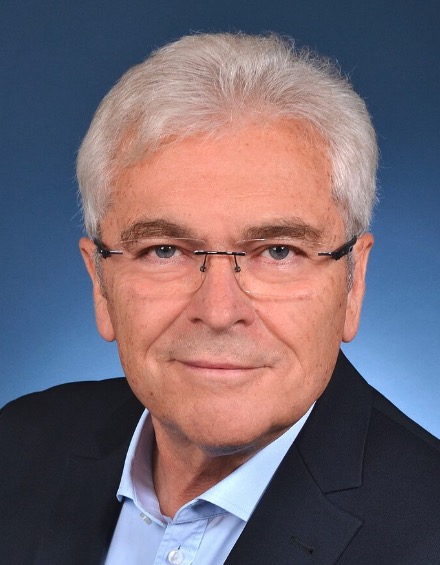 Lothar W. Kroh合作论文数Fachgebiet für Lebensmittelchemie und Analytik, Institut für Lebensmitteltechnologie und Lebensmittelchemie, Technische Universität Berlin5Petra Majer合作论文数4
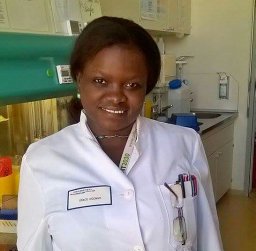 Grace Akinyi Odongo合作论文数World Hlth Org, Int Agcy Res Canc4Marco Santin合作论文数Dept Agr Food & Environm, Univ Pisa4
 Paul Barnes合作论文数School of Built Environment, Faculty of Arts, Design & Architecture, The University of New South Wales4
 Neha Rai合作论文数4
 Bußler Sara合作论文数4Schlotz Nina合作论文数Limnological Institute, University of Konstanz4Katja Witzel合作论文数4
 Oliver Schluter合作论文数Department of Horticultural Engineering, Institute of Agricultural Engineering (ATB), Max-Eyth-Allee 100, D-14469 Potsdam, Germany4
 Filip Vandenbussche合作论文数4
 Rita Zrenner合作论文数Institut fiir Pflanzengenetik und Kulturpflanzenforschung4
 Gaetano Zipoli合作论文数4
 Otmar Urban合作论文数3Alexander Voss合作论文数3Sabrina Groth合作论文数3Maren Vollmer合作论文数3
 Christoph Budke合作论文数3
 Johannes Glaab合作论文数Ferdinand Braun Inst FBH3
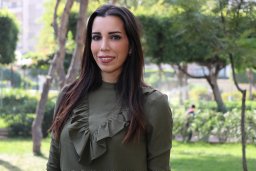 Nada El Darra合作论文数Faculty of Heath Sciences, Beirut Arab University3Ole Rechner合作论文数3
 Gareth Jenkins合作论文数School of Molecular Biosciences, University of Glasgow3Groenbaek Marie合作论文数3
 Marek Živčák合作论文数Department of Plant Physiology, Slovak University of Agriculture;Institute of Plant and Environmental Sciences, Slovak University of Agriculture3
 Sylvia Duncan合作论文数Rowett Institute, School of Medicine, Medical Sciences and Nutrition, University of Aberdeen3
 Johann Martinez-Luscher合作论文数France Universidad de Navarra, France University of Bordeaux3




