One of the most important parasites which frequently causes blindness in humans is the cysticercus cellulosae. Cysticercus cellulosae, the larval form of the pork tapeworm Taenia solium, is the causative organism of cysticercosis, in which humans are the intermediate hosts in the life cycle. Cysticercus cellulosae may become encysted in various bodily tissues, usually the eyes, central nervous system, and subcutaneous tissues. An immunologic reaction with fairly intense inflammatory signs and symptoms may be produced, and the surrounding structures may be compressed. Acquired strabismus, diplopia, recurrent redness, and painful proptosis are some of the clinical signs in patients with orbital cysticercosis. Diagnosis of cysticercosis is based mainly on orbital imaging because of its highly specific appearance. Medical therapy is the main stay of treatment.
In the Himalayan regions of complex terrains, such as Himachal Pradesh, the occurrence of extreme rainfall events (EREs) has been increasing, triggering landslides and flash floods. Investigating the dynamics and precipitation characteristics and improving the prediction of such events are crucial and could play a vital role in contributing to sustainable development in the region. This study employs a high-resolution numerical weather prediction framework, the weather research and forecasting (WRF) model, to deeply investigate an ERE which occurred between 8 July and 13 July 2023. This ERE caused catastrophic floods in the Mandi and Kullu districts of Himachal Pradesh. The WRF model was configured with nested domains of 12 km and 4 km horizontal grid resolutions, and the results were compared with global high-resolution precipitation products and the fifth-generation European Centre for Medium-Range Weather Forecasts atmospheric reanalysis dataset. The selected case study was amplified by the synoptic scale features associated with the position and intensity of the monsoon trough, including mesoscale processes like orographic lifting. The presence of a western disturbance and the heavy moisture transported from the Arabian Sea and the Bay of Bengal both intensified this event. The model has effectively captured the spatial distribution and large-scale dynamics of the phenomenon, demonstrating the importance of high-resolution numerical modeling in accurately simulating localized EREs. Statistical evaluation revealed that the WRF model overestimated extreme rainfall intensity, with the root mean square error reaching 17.33 mm, particularly during the convective peak phase. The findings shed light on the value of high-resolution modeling in capturing localized EREs and offer suggestions for enhancing disaster management and flood forecasting.
The study investigated the seasonal variability, bioaccessibility, and human exposure risks associated with potentially toxic elements (PTEs) in indoor dust of Durgapur, one of the largest industrial cities in West Bengal State of India. Indoor dust samples from over 80 households in 15 residential areas were collected over three seasons of the year and the samples were analyzed for the PTEs by inductively coupled plasma optical emission spectroscopy (ICP-OES). The annual average concertation was found to be high for Fe (50331 ± 9017 mg kg-1) followed by Mn (1571 ± 895 mg kg-1), Zn (303 ± 214 mg kg-1), Cu (139 ± 67 mg kg-1), Cr (111 ± 65 mg kg-1), Pb (70.4 ± 55 mg kg-1), Ni (40.0 ± 23 mg kg-1), Cd (2.66 ± 2.3 mg kg-1). The total PTEs content in the dust was found to be higher in the winter. The bioaccessibility of PTEs was found to vary from 6.5% to 62.1%, in the order of Zn > Cu > Cd > Pb > Ni > Cr > Mn > Fe. The bioaccessibilities of Cr, Fe, Ni, and Zn were higher during the monsoon, while Cu and Mn exhibited high bioaccessibilities in the summer, and Cd and Pb were most bioaccessible during the winter. Geo-accumulation Index (Igeo) was higher for Cd, followed by Pb and Zn. Principal component analysis coupled with XRD results revealed two potential sources for PTEs viz iron and steel industries (Cr, Fe, Mn and Ni) and vehicular emission (Cd, Cu, Pb and Zn). Both empirical and probabilistic approaches to assessing human health risk showed that there is no potential exposure risk from these elements. The probabilistic approach is more conservative than the empirical method. Among the different PTEs, Fe had a higher hazard quotient but was within the limit. The use of bioaccessible fractions for risk assessment had marginally decreased the hazard quotient. Therefore, it is recommended to use a conservative risk assessment, employing total PTEs with a probabilistic model.
Daily living physical activities of rural pregnant women, across most continents in the world, involve adoption of high-flexion postures like deep-squat. Deep-squat elicits substantial activation of major trunk and lower extremity muscles. Adequate strength of trunk muscles is known to facilitate forward-downward propulsion of baby during labour. Therefore, current study aimed to explore influence of overall physical activity including squat exposure on trunk and lower-extremity muscle strength and labour outcomes in rural and urban primigravida women. Twenty-eight primi-gravida women were stratified into 2 groups: rural habitual-squatters (n=14) and urban non-squatters (n=14). Daily squat exposure was measured using MGM-Ground-Level-Activity-Questionnaire; lower-lumbar spine motion with modified-Schober-test; lower-extremity muscle strength using 30-sec-chair-raise-test, trunk muscle endurance with pressure biofeedback, calf muscle endurance was measured using calf raise test. Duration of second stage of labour and type of delivery was recorded. Habitual Squatters (average squat exposure=68.9±25.3 min) demonstrated lower waist: hip ratio (p=0.02); greater overall physical activity level (p=0.001), lumbo-pelvic mobility (p=0.02), lower-extremity muscle strength (p=0.001); and shorter duration of 2nd stage of labour (p=0.001) compared to non-squatters. Excellent positive correlation was observed between daily-squat exposure and back muscle endurance (Spearman's rho=0.98, p=0.001). Normal vaginal delivery was conducted in 83% squatters and in 71% non-squatters. Present findings indicate strong influence of habitual physical activity including squat exposure on improved trunk-lower-extremity strength, lumbo-pelvic mobility and shorter duration of second stage of labor.
Water-soluble inorganic ions (WSII), organic carbon (OC) and elemental carbon (EC), and metals in the residue of the water-soluble fraction were studied in fine (PM2.5) and coarse (PM2.5-10) particles during winter over two urban cities, Amritsar (AMS) and New Delhi (DEL), in northern India. The PM2.5/PM2.5-10 mass ratios at DEL and AMS were 3.6 and 2.79, respectively. ∑WSIIs was nearly 25
BACKGROUND Over the years, it has been noticed that some students struggle to excel in a specific specialty after enrollment, leading to potential depression and a requirement for psychiatric assistance. On the contrary, once a student has enrolled in a college or chosen a specialty, there is no provision for switching to a different specialty. This editorial aims to shed light on this issue and explore potential remedies. NEET-PG EXAMINATION The National Eligibility cum Entrance Test (NEET) for postgraduates (PGs) is one of the most challenging exams in our country when it comes to pursuing PG specialties and is considered very challenging and demanding due to its extensive syllabus and competitive nature. It requires thorough preparation and an in-depth understanding of all medical subjects from the first year to the final year, including clinical and paraclinical branches, irrespective of a candidate’s inclination or interest in a particular subject. The exam does not consider the candidate’s aptitude for the particular specialty. Attaining success requires approaching the exam with commitment, maintaining a regular study schedule, and having a meticulously organized study strategy. LACK OF INTEREST IN INTERNSHIP As the exam is slated to follow right after the internship concludes, numerous students initiate their exam readiness while interning. This dual focus often results in a compromised practical clinical experience as they prioritize extensive preparation for the multiple choice question (MCQ) exam, sidelining the hands-on components of their internship. FACTORS INFLUENCING THE CHOICE OF SPECIALTY DURING COUNSELING Once the student appears for this exam and results are declared, after a well-designed counseling process, the candidate is allotted the branch of choice at the institute of choice based on his score in the exam. Selecting a specific branch or specialization in NEET-PG involves considering various factors to align with one’s interests, career goals, and opportunities because this is the branch they will have to work in the rest of their lives. Such crucial and life-altering decisions shouldn’t be taken hastily. Neither should it be like crossing a Rubicon where they make an irreversible decision and reach a point of no return. COST OF OPTING OUT OF A SPECIALTY There should be a second option for students who feel they have opted for a branch that is, probably not meant for them. Sadly, in today’s scenario, once the student is admitted to a particular specialty, they have to continue in the same specialty for 3 years. There is no procedure for students to change their branch once they are allotted their respective seat post counseling. The only option they are left with is to surrender their seats. Moreover, candidates must pay the entire 3-year course fees if they leave the specialty. A year’s course fee in private medical colleges varies from 60 lakhs to 1.5 crore. Since most students are from middle-class families, the high fees deter the candidate from leaving the specialty and appearing again for the NEET-PG examination. THE REASONS WHY THE STUDENTS ARE UNHAPPY The reasons behind a candidate’s dissatisfaction with their chosen branch in the medical field can be multifaceted and deeply impactful. This dissatisfaction’s psychological toll on individuals and their families is considerable, potentially affecting their performance and well-being as future specialists. Addressing these concerns requires a holistic approach involving both introspection on the candidate’s part and support from educational institutions and mentors. Here are some potential strategies to consider: Self-assessment: Candidates should thoroughly self-reflect to understand their interests, values, and career aspirations. Tools like career assessments, counseling, or mentorship programs can aid this process. Exploration and exposure: Institutes could offer more extensive exposure to different branches during undergraduate studies. Rotations, workshops, and internships can help candidates gain a deeper understanding of various specialties before committing to one. Mentorship and guidance: Encouraging mentorship programs or career counseling sessions within medical schools can provide students with valuable guidance and support in making informed career decisions. Support systems: Establishing robust support systems within medical institutions, such as mental health services, counseling, and stress management programs, can assist individuals in dealing with the challenges and pressures of their chosen branches. Flexibility and options: Instituting flexibility within the curriculum or allowing transitions between branches without severe academic penalties can allow candidates to change paths if their initial choice doesn’t align with their expectations. Addressing societal pressures: Efforts to reduce external pressures from family or societal expectations by emphasizing the importance of individual passion and fulfillment in career choices could help alleviate undue stress on candidates. Encouraging open communication: Creating a culture where students feel comfortable expressing their concerns or dissatisfaction without fear of judgment is crucial. Institutions should have mechanisms in place to address these issues effectively. Continual evaluation: Regular evaluations and feedback mechanisms can help institutions understand their students’ evolving needs and concerns, allowing for adjustments in their programs accordingly. PG support: Establishing support programs for PGs who wish to transition to a different specialty could be beneficial, ensuring they receive the necessary guidance and resources during this phase. By addressing these aspects, individuals and educational institutions can work collaboratively to mitigate the challenges associated with dissatisfaction in chosen branches within the medical field, ultimately fostering happier, more fulfilled, and effective specialists. OPTION OF RECOUNSELING Recounseling shall provide a second option and chance of redemption for candidates who feel stuck in the wrong branch. They would get one opportunity to amend their choice earlier without heavy penalties and loss of academic years. This rational approach will help improve the lives of newly joined PGs and ultimately help us produce better clinicians for the country. PROPOSED SUGGESTIONS Students who wish to change their specialty due to feeling unsuitable for their current choice may apply for a specialty change within the first 2 months of their enrollment, subject to a counseling fee. These students must provide written consent to relinquish their seats, even if they are not successfully reassigned during counseling. An online, nationwide recounseling session may be conducted by the National Medical Commission (NMC) after 3–4 months of the initial enrollment period or at a suitable time. This counseling session should exclusively cater to initially selected students seeking to change their specialties. Successfully reassigned students may transition to the new specialty and institute within 6 months of the initial counseling, with their training commencing 6 months after the original batch. Final examinations for this group may also occur 6 months after the original batch. Students not reassigned through counseling will only be charged a fee equivalent to 6 months’ tuition by their current college and may opt to appear for the NEET exam the following year. Students successfully reassigned after the recounseling session must pay tuition fees for 6 months to their initial medical college and 3 years’ fees to the newly assigned medical college. The suggestions above present an alternative avenue for students to reconsider their specialty choices. These considerations could serve as initial steps leading students to select branches aligning more closely with their genuine interests, preventing them from ending up in fields that gradually diminish their passion for serving humanity. In a recent online survey conducted anonymously at a medical institute, 89% of residents expressed contentment with their chosen specialty. Compared to that, 11% expressed their wish to change specialties if allowed to recounsel. In a country with a shortage of medical professionals, 11% of dissatisfied doctors pursuing postgraduation in subjects they lack interest in have had a notable impact on the nation’s healthcare system. In essence, recounseling within the NEET-PG framework isn’t merely about rearranging seats; it’s about safeguarding the well-being and aspirations of medical students. Continuous reform is essential: recounseling should not be a one-off solution but part of an ongoing effort to enhance medical education in our country. Vigilance and advocacy for necessary reforms are paramount. Establishing an equitable and effective recounseling system necessitates collaboration among medical colleges, regulatory bodies, and the government. The aim should be an inclusive recounseling process, ensuring no deserving candidate is overlooked. Collectively, we can pave the way for a more promising future for aspiring medical professionals. Financial support and sponsorship Nil. Conflicts of interest There are no conflicts of interest.
Purpose In the paper, the authors study the simultaneous influence of incentive compatibility and individual rationality (IR) on a multi-echelon supply chain (SC) under uncertainty. The authors study the impact of contract sequence on coordination strategies of a serial three-echelon SC consisting of a supplier, a manufacturer and a retailer in an uncertain environment. Design/methodology/approach The authors develop a game-theoretic framework of a serial decentralized three-echelon SC. Under a decentralized setting, the supplier and the manufacturer can choose from two contract types namely, wholesale price (WP) and linear two-part tariff (LTT) and it leads to four different cases of contract sequence. Findings The study show that SC coordination is possible when both the supplier and the manufacturer choose LTT contract. This study not only identifies the influence of contract sequence on profit distribution among SC agents, but also establishes cut-off policies for all SC agents for each contract sequence. This study also examine the influence of chosen contract sequence on optimal profit distribution among SC agents. Research limitations/implications Three-echelon SC coordination under uncertain environment depends upon the contract sequence chosen by SC agents. Practical implications This study results will be helpful to managers of various SCs to take operational decisions under uncertain situations. Originality/value The main contribution of this study is that it explores the possibility of coordination by supply contracts for three-echelon SC in a fuzzy environment.
N. Ravichandran and S. Venkataramanaiah. 2023. Managing Social Organizations: Lessons from World’s Largest Pilgrimage Center. Wiley, xxiii + 255p, ISBN: 9789354643996
Aim: Reporting a rare case of mature cystic teratoma of spinal cord in an adult Background: Teratomas of the central nervous system are rare lesions accounting for less than 0.5-2% of all CNS tumors. Most of these are found in pediatric age group and favor sellar - suprasellar, pineal and sacro-coccygeal regions. Their occurrence in spinal cord in an adult is incredibly rare. Case presentation: A 22-year-old male presented with low back ache and weakness of both lower limbs. Clinical examination and radiological workup revealed presence of a cystic lesion causing diffuse enlargement of the cord from L1 to L5-S1. Histo-pathological examination of the excised lesion revealed it to be teratoma. Conclusion and clinical significance: Mature teratoma of the spinal cord in adults is extremely rare occurrence. However, this diagnosis should be kept in mind when evaluating a cystic lesion of cord even in adults. Maximal safe resection of the lesion results in prolonged deficit-free survival.
The renowned author Aldous Huxley captured global interest in the potential of laboratory-born babies rather than traditional childbirth with his iconic 1932 science fiction novel “Brave New World.”[1] While some initial progress has been made in this direction, his projections regarding human fertility largely remain within the realm of speculative fiction, eagerly awaiting the eventual realization. The idea of being able to overcome barriers in procreation has roots deep-seated back to 1890—when a British zoologist Walter Heape showed that it was possible to transfer embryos when he put Angora-fertilized eggs into a Belgian Hare doe rabbit, which gave birth to Angora offspring metaphorically an interspecies surrogacy. It was far later than this that the first birth of an in vitro fertilization (IVF) baby was witnessed in 1978. Robert Edwards and Patrick Steptoe published this report in The Lancet titled “Birth after Reimplantation of a Human Embryo.”[2] Since its clinical introduction, IVF has redefined the ability of the human species to procreate. From baby Louis to now 30 years later, about 3 million babies have been born with IVF. Even though IVF benefits infertile couples, about 10% of all the beneficiaries are not restricted to just them. Clinical indications for IVF have rapidly expanded to include medical and genetic conditions and fertility preservation.[3] An additional driver of IVF utilization is the growing societal acceptance of nontraditional families, including single and same-sex parents, and social media that has opened our minds to think beyond the conventional.[4] The Career driven society has the option of oocyte freezing available, which later form healthy embryos defying age bars and has revolutionized the modern concept of fertility assistance. IVF involves a series of steps, including controlled ovarian hyperstimulation, oocyte retrieval, fertilization, embryo culture, embryo selection, and embryo transfer. A significant limitation of this technique is the inability to enhance the quality of obtained oocytes or sperm. In response to this challenge, efforts have been directed toward augmenting the number of collected eggs or sperm.[5] Despite using expert and stringent morphological criteria to choose embryos, only 52.3% of 2.3 transferred embryos typically result in a live birth.[6] This creates a significant 48% margin of uncertainty that proves challenging to surmount, mainly attributed to the absence of techniques for enhancing gamete quality. Furthermore, the uncertain implantation outcome necessitates transferring more embryos to counterbalance this unpredictability. Using multiple embryos during transfer contributes to a significant rate of multiple births, reaching about 30% in patients undergoing assisted reproductive techniques (ARTs). This circumstance adds to the associated perinatal morbidity, resulting in implications such as preterm birth, prolonged stay in the neonatal intensive care unit (NICU), heightened vulnerability to infections, and compromised lung development. IVF involves controlled ovarian hyperstimulation, oocyte retrieval, fertilization, embryo culture, selection, and transfer. The central limitation of this approach lies in our incapacity to enhance the quality of obtained oocytes or sperm. However, this constraint is counterbalanced by increasing the quantity of retrieved eggs or sperm.[5] Despite using expert and stringent morphological criteria for embryo selection, only 52.3% of 2.3 transferred embryos yield a live birth.[6] Given the current lack of means to improve gamete quality, this leaves a substantial 48% margin that is challenging to bridge. Adding to this challenge, the uncertainty surrounding implantation success necessitates transferring more embryos to address this unpredictability. It employs multiple embryos during transfer, resulting in a notable rate of multiple births, reaching approximately 30% in ART patients. This contributes to the morbidity associated with the procedure, leading to significant perinatal implications such as preterm birth, extended stays in the NICU, susceptibility to infections, and compromised lung development. The selection of embryos relies on morphological attributes in conjunction with their developmental progress in culture.[7] Favorable selection criteria encompass factors like the blastomere count, absence of multinucleation, early cleavage to the two-cell stage, and a minimal proportion of cell fragments within embryos. The state of blastocoelic cavity expansion and the cohesion and count of inner cell mass and trophectodermal cells is pivotal in determining implantation and pregnancy rates. This traditional assessment, conducted by embryologists and clinical fertility experts, is on the brink of being replaced by an artificial intelligence (AI)-based sequential embryo evaluation model coupled with a computer algorithm for precise morphological embryo selection.[8-10] Furthermore, relying solely on the morphological assessment of embryos introduces room for error. To tackle this challenge, the incorporation of metabolomic profiling into the culture media of embryos has been adopted, utilizing proton nuclear magnetic resonance (1H NMR). The metabolomics profile exhibited a correlation with the reproductive potential of embryos. Analysis of the proton NMR spectrum revealed decreased levels of alanine, pyruvate, and glucose in embryo culture media, leading to successful pregnancies. Elevated levels of glutamate were observed compared with embryos that failed to implant, possibly stemming from its generation via α-ketoglutarate and ammonium, consequently reducing potentially harmful ammonium levels for developing embryos. Using 1H NMR, a sensitivity rate of 88.2% for identifying true implantations/pregnancies and a specificity rate of 88.2% for accurately predicting nonimplantations/pregnancies were achieved. The selection process that was once a “beauty contest,” simply evaluating embryo appearance, will soon include metabolic, protein, and genomic markers as assessment criteria.[11] Microfluidics is a multidisciplinary field of study and design whereby fluid behaviors are accurately controlled and manipulated with small-scale geometric constraints that yield dominance of surface forces over volumetric counterparts. Until yet, microfluidics has also been handled in a macro way: (2) precisely controlled fluidic gamete/embryo manipulations; (3) providing biomimetic environments for culture; (4) facilitating microscale genetic and molecular bioassays; and (5) enabling miniaturization and automation.[11] Adopting automated IVF systems will offer multiple advantages: standardization of workflow, reduction in errors, reduction in cost, reduction in contamination, and the potential for incremental system improvement via machine learning. Another area that has been difficult to manage is the elimination of certain genetic disorders. As carrier screening costs decrease and the number of detected mutations expands, a substantial new population of patients may get identified as carriers and pursue IVF with preimplantation genetic testing (PGT) to build their families. Indeed, population genomic screening of young adults may offer significant healthcare savings by preventing rare disorders and cancers. Future applications of PGT may expand to multifactorial diseases and whole-exome screening. However, current attempts at introducing embryo selection based on polygenic scores into clinical practice seem premature and fraught with ethical challenges. Recent improvements in micromanipulation techniques and the development of CRISPR-Cas9 gene-editing tools raise the prospect of germline genome modification (GGM) for severe monogenic disorders. Indeed, GGM has already been achieved in animal embryos. Mitochondrial replacement therapy for the prevention of heritable mitochondrial DNA diseases is even further developed than GGM, with clinical trials already underway in the UK. Now, even after selecting the best embryo, implantation is not guaranteed. After the advent of customized endometrial receptivity assay (ERA) transfer cycles, the future of the endometrial building will be drugs that actively help in opposition, adhesion, and implantation and imaging techniques that will tell us whether or not the embryos have implanted before measuring the B-hcg, thereby preventing cycles of wasted luteal phase support. Uterus-like dynamic environment with an optimal dynamic amount of oxygen and nutrients will be available externally, making the presumptuous embryo implantation more certain. In the time-lapse machine, we will actively see the embryos growing even beyond the blastocyst stage. A 3-D fetus with a desired genetic composition that eliminates the possibility of hereditary disorders with better intergenerational health, growing in an artificial dynamic womb-like environment—regulated by AI and all of this within ethical bounds—is the fertility future the world awaits. In closing, we wish to extend homage to the illustrious writer Aldous Huxley, whose renowned masterpiece “Brave New World,” penned in 1932, has been the impetus behind this article. We find ourselves drawing closer to his prescient visions of human fertility than ever before. His anticipation of genetic manipulation in human fetuses has transformed into a conceivable prospect through applying the “CRISPR” gene-editing technology, albeit currently restricted to animal models due to ethical constraints. Similarly, the author’s projection of nurturing fetuses external to the womb has achieved notable strides, as evidenced by the advancement of artificial placenta technology. Successful trials involving sheep and piglets have been conducted,[12] with human trials for extremely preterm infants also underway. Today, we witness that the science fiction woven by Aldous Huxley is no longer an implausible distance from actuality. Financial support and sponsorship Nil. Conflicts of interest There are no conflicts of interest.
The role of antenatal corticosteroids before 34 weeks has been extensively studied and proven to be effective. However of the 15 million preterm births annually worldwide an important segment, late preterm births that is birth between 34 weeks to 36.6 weeks remains unaddressed. While it is true that the incidence of respiratory complications is less in these babies the morbidity is still higher than term infants. The role of antenatal corticosteroids here is controversial as there needs to be a balance between respiratory complications and long term morbidity associated with antenatal corticosteroids. Background: Late preterm birth comprise 72% of preterm births yet adequate studies regarding this period are still lacking. We conducted this study at MGM medical College and Hospital, A tertiary care centre.Objectives: To determine effectiveness of antenatal corticosteroids in late preterm period. Methods: A total of 50 patients with gestational age between 34.1to 36.6 weeks were included in this study, they were divided into cases and controls of 25 patients each. Case group received antenatal corticosteroids and control group did not receive corticosteroids. Maternal and neonatal outcomes were then studied. Results: There was a significant reduction in neonatal respiratory morbidity in the case group over a short term period. Conclusion: Antenatal corticosteroids are effective in late preterm period in reducing short term respiratory morbidity however the possibility of long term effects should be weighed against the benefits. Decision to administer steroids should be made on a case by case basis.
Air quality improved due to a sudden reduction in the mass concentration of criteria pollutants (PM2.5, PM10, NOx, CO, SO2) except ozone (O-3) over cities of the world during the novel coronavirus diseases (COVID-19) lockdown. Such reduction in pollutants concentration during the lockdown period is an indicator of pollutants contributed from human-induced sources. The elevated ozone level during the lockdown period is explained by shifted NOx-mediated reaction towards volatile organic carbon (VOCs) mediated reaction. The reduction in pollutants concentration and improved air quality is not uniform for outdoor and indoor environments. The indoor air quality is quite poor compared to outdoor throughout the lockdown period. The degradation in indoor air quality is associated with increased human activities and the degree of ventilation inside the home. The number of active COVID-19 cases is associated with air quality over a region. The improved air quality helped in a reduction in COVID-19 virus transmission among the people. Present review articles provide detailed insight into current research progress, the impact of lockdowns on outdoor and indoor air quality in different cities of the world. Further, this review articles provide a detailed overview of an elevated O-3 level during the lockdown period and the mechanism of formation.
The incidence of ‘Caesarean scar ectopic pregnancy’ has been increasing in recent times. Probably the rising caesarean rate around the world responsible for it. We are reporting three cases of Caesarean scar ectopic pregnancies, suspected clinically and confirmed by sonography of the uterus. Each of the three cases was managed with different modalities of treatment. Case one was operated by open laparotomy, case two underwent laparoscopy and case three was managed with medical treatment without surgery. Uterus could be saved in all three cases.
INTRODUCTION: The American College of Obstetricians and Gynaecology dene cervical incompetence as "the inability of the uterine cervix to retain a pregnancy in the second trimester in the absence of clinical contractions, labour, or both". HISTORY: Cervical cerclage was rst proposed by Dr. Vithal Shirodkar in 1955 and the 'Shirodkar technique' was rst described by him in Bombay in 1955. This technique was modied by the Australian Gynecologist and Obstetrician, I.A. McDonald. TYPES OF CERCLAGE: Depending on the route of insertion of the stitch, cerclage can be classied into – transvaginal and transabdominal (laparoscopy or laparotomy). Arobotic approach has also been introduced recently. TYPE OF SUTURE MATERIALS: Multiple suture materials have been used to perform cervical cerclage. They can be divided into – monolament and multilament (braided) sutures. Common monolament sutures used include Nylon (Ethilon) and polypropylene (Prolene) whereas braided sutures include silk and Mersilene tape. Commonly, Mersilene tape is used by physicians because of its strength, decreased possibility of tearing through tissues and ease of removal. However, braided sutures have been associated with an increased infection rate, especially when used in contaminated surgical areas CERVICAL CERCLAGE IN PLACENTA PREVIA: The rst randomized control trial for using cerclage for management of placenta previa was conducted by Arias et al,25 patients from 24-30 weeks of gestation with the result of Cerclage patients having a signicantly better perinatal outcome by more advanced gestational age at the time of delivery, larger birth weight and fewer neonatal complications also maternal bleeding was more frequent and severe for patients in the control group CERVICAL CERCLAGE IN MULTIFETALPREGNANCY: According to RCOG green top guideline no. 60, 2011, placement of history or ultrasound indicated cervical cerclage in multifetal pregnancy is not recommended as it is associated with an increased risk of pregnancy loss and preterm delivery
 Rajesh Mahajan合作论文数Chandigarh10
 Mahendra KUMAR Yadav合作论文数Dept Appl Chem, Indian Sch Mines10
 Amit Handa合作论文数Dept Mech Engn, IK Gujral Punjab Tech Univ9
 Sudesh Yadav合作论文数9
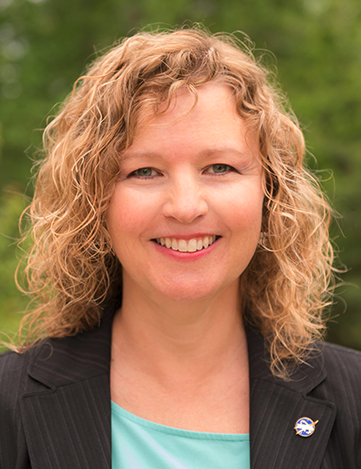 Christa Peters-Lidard合作论文数Schmidt Sciences9Rajneesh Misra合作论文数8
 Sandeep Sharma合作论文数8D. M. Mocko合作论文数7Ritwik Baidya合作论文数7Anshu Baser合作论文数7Sabrina Mhapankar合作论文数7
 Sinha Rohan合作论文数Department of Neurosurgery, St Stephen's Hospital7
 Omkarprasad S. Vaidya合作论文数7R T Awasthi合作论文数6
 Indra Bahadur合作论文数6Rahul Khatri合作论文数M.G.M. Medical College6
 Amit Garg合作论文数School of Electronics and Communication Engg, Shri Mata Vaishno Devi University6Bhoomika Jain合作论文数5Kk Aggarwal合作论文数5Z. K. Antony合作论文数5
 Jaiswal Awadhesh Kumar合作论文数Sanjay Gandhi Post Graduate Institute of Medical Sciences5
 Matthew Rodell合作论文数NASA Goddard Space Flight Center5
 Kristi Arsenault合作论文数Hydrol Sci Lab, Goddard Space Flight Ctr5Kallol Kumar Roy合作论文数5Vinod Kumar Grover合作论文数graduate Institute of Medical Education and Research Department of Anaesthesia, Post5
 Benjamin Zaitchik合作论文数Morton K. Blaustein Department of Earth & Planetary Sciences, Krieger School of Arts & Sciences, Johns Hopkins University5
 J. B. Sharma合作论文数Department of Obstetrics and Gynecology, All India Institute of Medical Sciences5Ajay Choudhary合作论文数4Akriti Gupta合作论文数4Salomi Singh合作论文数4
 J. K. Bana合作论文数Agr Expt Stn, Naysari Agr Univ4a kapur合作论文数4B. Li合作论文数4
 Deepak Kumar Jha合作论文数Dept Neurosurg, All India Inst Med Sci AIIMS4Yash Daultani合作论文数Indian Inst Management, Operat Management Grp, Lucknow, Uttar Pradesh, India4
 Pooja Abbey合作论文数4
 Anu Singla合作论文数4Desai Ashish合作论文数4
 Deresh Ramjugernath合作论文数School of Chemical Engineering, University of KwaZulu-Natal4Sheo Mohan Prasad合作论文数4
 Deepak Gopalani合作论文数4Shallu Jamwal合作论文数3k h kabade合作论文数3R. I. Bhatt合作论文数3R. K. Verma合作论文数3
 Kedar Joshi合作论文数3
 Vishalkumar G Sharma合作论文数3
 Rekha Kumari合作论文数Department of Anaesthesia, Katihar Medical College3
 Pravinkumar Ghoghari合作论文数3




