BACKGROUND:Healthcare professionals working in hospitals during armed conflict are exposed to extreme psychological stress while maintaining clinical duties. Although psychological distress is well documented, the biological mechanisms linking wartime stress to functional outcomes such as workability remain insufficiently characterized. OBJECTIVES:To investigate associations between psychological distress, perceived stress, workability, and inflammatory biomarkers among healthy hospital healthcare professionals working under acute wartime conditions. METHODS:A prospective observational study was conducted among 90 healthy healthcare professionals employed at a hospital in central Israel during the October 2023 missile attacks. Participants completed validated questionnaires assessing psychological distress, perceived stress, and workability. Blood samples were collected to measure inflammatory biomarkers. Associations between psychological measures, workability indices, and biomarker levels were analyzed using multivariable statistical models. RESULTS:Higher levels of psychological distress and perceived stress were significantly associated with reduced workability scores. Elevated stress measures correlated with increased levels of pro-inflammatory biomarkers, suggesting activation of inflammatory pathways. These biological changes partially mediated the relationship between psychological distress and impaired workability. CONCLUSIONS:Acute wartime stress among hospital healthcare professionals is associated with both psychological impairment and measurable inflammatory responses, which may contribute to reduced functional capacity. These findings provide insight into the biological embedding of extreme occupational stress and underscore the need for targeted psychosocial and organizational interventions to protect healthcare workers operating under conflict conditions.
OBJECTIVE:While parents of children with cancer experience increased levels of emotional distress, considerable variability in adjustment and distress is evident. The current study aimed to examine the feasibility, acceptability, and satisfaction of a semi-structured intervention protocol based on a three-factor theoretical model of coping and distress using a single-arm study design. The intervention focused on reducing the use of avoidance-focused coping techniques, expanding the repertoire of problem-, and emotion-focused coping techniques, and increasing flexibility in applying these techniques. METHODS:A sample of 22 mothers and 10 fathers (N = 32) of children undergoing active cancer treatment were recruited from a pediatric hematology-oncology department. The manualized intervention protocol consisted of six 1-hr sessions. Parents completed standardized measures at three time points: baseline, post-intervention, and 6-week follow-up. Parents also completed an acceptability measure and four brief open-ended questions evaluating their satisfaction and experience with the intervention. RESULTS:Of 48 eligible parents who were approached, 32 agreed to participate in the intervention (enrollment rate = 66.67%) and of these, 25 completed the intervention (retention rate = 78.13%), supporting the intervention's feasibility. Parents who completed the intervention provided positive feedback and high satisfaction ratings. Descriptive patterns across pre-, post-, and follow-up assessments reflected expected directions of change in coping and distress measures. CONCLUSIONS:These results support the feasibility and acceptability of a theory-driven intervention based on a three-dimensional model of parental coping and distress. Although preliminary descriptive changes were observed across assessment points, these should not be interpreted as evidence of efficacy. Larger controlled trials are necessary to rigorously evaluate the intervention's effectiveness.
Functional Somatic Disorders (FSD) significantly impact patients’ quality of life while placing a substantial economic burden on healthcare systems. Identifying which patients achieve reductions in healthcare costs through multidisciplinary care remains crucial for optimizing resource allocation. A retrospective analysis examined healthcare utilization and costs during the year preceding and the year following patients’ initiation of treatment at a specialized, multidisciplinary clinic in Israel. The clinic combined medical care with mind-body therapies - including cognitive behavioral therapy, hypnotherapy, and physiotherapy. Using baseline characteristics, patients were divided into Diagnostic Classification Groups (DCG). A multivariable analysis was performed to ascertain the impact of DCG on annual, average changes in healthcare utilization and costs after treatment. Data from N = 685 patients were analyzed. Reduced healthcare utilization and costs were observed among approximately 56
Hospital healthcare professionals working during military conflicts experience extreme psychological pressure, yet the accompanying inflammatory responses in such real-world high-stress settings remain poorly characterized. In October 2023, during nationwide missile attacks in Israel, hospital staff had to continue routine clinical duties. To examine the association between biological and psychological profiles of healthcare professionals during a stressful wartime. A prospective cohort study. Ninety healthy hospital employees from central Israel volunteered to participate. Psychological distress was measured using the Patient Health Questionnaire-4 (PHQ-4), and perceived stress was assessed using the Perceived Stress Scale-4 (PSS-4). Serum concentrations of interleukin-1 (IL-1), interleukin-6 (IL-6), and tumor necrosis factor-α (TNF-α) were quantified using ELISA assays. Associations between psychological measures and cytokine levels were evaluated using linear regression analyses. Multiple linear regression analysis showed that psychological distress was associated with IL-1 production (p = 0.0265; 95
Low back pain (LBP) is a common musculoskeletal disorder with distinct clinical features. Direct access to physiotherapy (PT), with physiotherapists (PTs) acting as primary care providers, can improve the management of individuals with LBP. However, clinician confidence may affect their willingness to provide primary care as well as their performance as primary care providers. The objectives of this study were: (1) to develop the Primary Care Confidence Scale (PCCS), and (2) to evaluate PTs’ confidence in managing LBP in primary care. The PCCS questionnaire was developed through a seven-stage Delphi process involving experts who modified an existing self-confidence scale. The questionnaire was completed by 314 PTs, 140 of whom completed it again after 2 weeks. Structural validity was evaluated using exploratory and confirmatory factor analysis. Reliability was assessed with Cronbach’s alpha for internal consistency and intraclass correlation coefficients (ICC) for test–retest reliability. Spearman tests assessed correlations between background characteristics and PCCS scores. Two independent t-tests estimated the effects of gender and post-graduate education. One-way ANOVA was used to evaluate the impact of the workplace. The PCCS had a multidimensional structure with three factors demonstrating an acceptable model fit and good reliability (α = 0.83, ICC = 0.78). The mean confidence level was 75
BACKGROUND:Clinical guidelines for the management of low back pain (LBP) emphasize the importance of reassuring patients, as this reduces concern and increases confidence in recovery. Although physiotherapists (PTs) often use reassurance strategies, the perception of the different reassuring messages remains unclear. OBJECTIVE:To investigate perceptions of confidence of different reassurance messages delivered by PTs to people with LBP. METHODS:A survey was conducted among 544 participants with LBP. The survey included 21 reassuring messages divided into six themes 'Prevalence and statistics', 'Red flag', 'Natural healing', 'Imaging', 'Treatment strategies', and 'Pain physiology'. Participants had to rate the extent to which each message increased their confidence using a 5-point Likert scale. Messages were categorized into four levels of perceived confidence based on participants' responses: high (≥80% rated the message as 'provide confidence' or 'significantly provide confidence'), moderate (60-79%), low (40-59%) and very low (≤40%). Correlation and non-parametric analyses examined the relationships between confidence ratings, demographic variables and personality traits. RESULTS:Messages that emphasized patient autonomy and the absence of red flags were perceived as particularly reassuring and received the highest ratings (≥80%). In contrast, messages that referred to natural healing and the neurophysiology of pain were perceived as less effective in providing confidence. Personality traits and background characteristics had minimal effects on perceived reassurance. CONCLUSIONS:Reassuring communication that emphasizes patient autonomy and the low likelihood of serious pathology can boost confidence in individuals with LBP and may be more impactful than patient-specific characteristics. These findings may help PTs refine their communication strategies and strengthen therapeutic relationships, potentially leading to better treatment outcomes. Future research should explore the implications of these findings in clinical settings in real-life interactions.
In the last two decades, the use of cannabis for medical purposes has become legal in many countries and its use is steadily increasing. One of the most frequently cited reasons for prescribing medicinal cannabis (MC) is management of chronic pain, and in recent years MC has also been used as a treatment of psychiatric conditions such as post-traumatic stress disorder (PTSD). However, little is known about patients' experiences of the long-term physiological and psycho-social effects of MC use. In this study, we focused on Israeli MC patients' experiences in order to gain further understanding of the long-term effects of MC and explore narratives evolving from chronic pain and PTSD patients regarding their MC treatment. In-depth semi-structured interviews were conducted among participants prescribed MC for chronic pain or PTSD (n = 25), predominantly men. Thematic analysis was applied to characterize content, semantics, experience, and narratives of participants regarding their MC use. Two main themes were developed: (1) Coping mechanisms related to the adverse effects of MC use, which included Concealment, Justification, Protective behavioral strategies, and Rejection of "pothead" identity; and (2) Utilization of MC's positive effects, which included Forget/Disconnect, Helplessness/Despair, and Camaraderie against authorities. MC patients described coping strategies with experienced negative effects of MC use and utilization of MC treatment for various psychiatric, psychological, and social needs.
INTRODUCTION:Health workers in the various fields of medicine such as physicians, nurses, physiotherapists and occupational therapists are exposed daily to difficult moral and ethical situations. The ten commandments preceded their time by establishing and setting guidelines to these daily dilemmas. Teaching these basic rules and their implementation in the daily practice, should already be initiated at the start of the medical education. They are important basic addendum to the armamentarium of knowledge and skills of the medical students. The aim of this manuscript is to review these commandments in lieu of current medical activities, and discuss their application in various medical fields.
Purpose: Direct access to physical therapy (PT) requires PTs to act as primary care providers, making differential diagnosis a critical component of patient assessment. We investigated how participation in postgraduate training in differential diagnosis and medical screening influences PTs' confidence, self-efficacy, attitudes and beliefs about treating patients with low back pain (LBP). Patients and Methods: This prospective, two-arm study involved 49 PTs in an intervention group and 70 in a control group. The intervention included 40-hours of training on medical screening and differential diagnosis, focusing on red flags, clinical reasoning and referral pathways, while the control group received no intervention. Clinical confidence, self-efficacy, attitudes and beliefs were measured before, immediately after, and 6-months after training. Outcomes included the Primary Care Confidence Scale (PCCS), which assesses confidence in primary care practice, detection of serious pathology, and medical screening; the Physiotherapy Self- Efficacy (PSE) questionnaire, evaluating clinical self-efficacy in assessing and treating patients with LBP; and the Attitudes to Back Pain Scale for Musculoskeletal Practitioners (ABS-mp), which measures clinicians' attitudes and beliefs about LBP. Results: The intervention group showed significant immediate improvements in PCCS scores (40.26 +/- 5.23 to 45.24 +/- 4.20, Cohens' d = 1.08, p < 0.001) and PSE scores (51.06 +/- 6.46 to 54.65 +/- 5.78, Cohens'd = 0.6, p < 0.001). At six-month, significant interaction effects were observed for PCCS (F = 17.49, Partial eta(2) = 0.131, p < 0.001) and PSE scores (F = 5.87, Partial eta(2) = 0.06, p < 0.05) and PSE scores (55.32 +/- 6.09, p < 0.05), with the intervention group maintaining improvements while the control group showed no significant changes. No significant changes were observed in ABS-mp scores. Conclusion: This study highlights the positive impact of training in medical screening and differential diagnosis on reducing concerns and increasing clinical confidence and self-efficacy.
BackgroundCognitive flexibility (CF) is defined as the ability to switch efficiently between different concepts or tasks. Empirical evidence of CF in individuals with bulimia nervosa (BN), offers conflicting conclusions, attributed to how CF is conceptualized and operationalized. The aims of the current study were to compare CF performance of women with BN to healthy controls, utilising a CF model that includes three subtypes termed: task switching, switching sets and stimulus-response mapping. In addition, to examine the association between CF subtypes and BN clinical characteristics.MethodsSixty-two women (twenty-eight with BN and thirty-four healthy controls) with a mean age of 24.4, completed a CF cognitive battery. Performance was measured by response time and accuracy.ResultsThe BN group's response time was worse only on task switching, but was significantly more accurate on stimulus-response mapping. There was no significant correlation between CF scores and BN clinical characteristics.ConclusionsWomen with BN present with an impairment only on higher CF demands, whereas their performance at lower-level CF tends to be more accurate. Additionally, CF is independent of clinical characteristics, thus supporting evidence that it may reflect a trait nature in BN.
Background and aimsCompulsive Sexual Behaviour (CSB), defined as a persistent failure to control repetitive sexual impulses, has been discussed as a pathological phenomenon for centuries. Various terms, such as excessive sexual behaviour, hyper-sexuality, compulsive sexual behaviour disorder (CSBD), or sexual addiction (SA), have been used to describe it, contributing to ongoing debates about its theoretical framework. The following three studies aim to empirically assess whether CSB exhibits key elements of behavioural addiction (mood-modification, sensitization/tolerance, and withdrawal).MethodThree studies, involving participants with and without CSB, were conducted. The mood-modification hypothesis was tested by exposing participants to short films inducing positive, negative, and emotionally neutral moods, followed by an evaluation of their craving for pornography. To test the sensitization hypothesis, participants viewed short films with varying levels of explicit sexual stimuli, and their level of actual wanting and liking were assessed through self-reports. For the withdrawal hypothesis, participants underwent a 10-day sexual abstinence, with self-reports of various symptoms, collected on pre-intervention, 3rd, 7th, and 10th days.ResultsContrary to previous studies of addiction, CSB participants didn’t show increased craving to mood induction and negative mood actually decreased craving for pornography. Secondly, they showed wanting to explicit sexual stimuli although it was not increased with explicitness. Finally, they demonstrated reduced withdrawal symptom during abstinence.ConclusionThe results of this study provide conflicting results concerning the model of behavioural addiction. There is supporting evidence for wanting in response to explicit pornography stimuli although it was not associated with increased explicitness. There is also evidence for reduced withdrawal during abstinence. Finally, there was no evidence that mood modification increases craving for pornography, negative mood actually decreased craving. Further research is needed to test the various models of CSB.
War is a chaotic situation for most of the public sectors in the countries involved. These sectors also include the medical systems, especially medical education, of which medical communication is often neglected or forgotten due to objective and subjective causes on either side of the involved countries. By planning lessons on various aspects of medicine for countries at war and close mentoring and utilization of modern communications technologies, these difficulties can be minimized without jeopardizing the quality of medical studies nor medical communication. In this perspective article, we describe the objective and subjective measures taken by our team to achieve these goals during the Iron Swords war in our region.
The use of Medicinal Cannabis (MC) for treating chronic pain is increasing, globally, yet the definition of problematic MC use remains unclear. Defining problematic use of cannabis in medical and non-medical contexts may be fundamentally different since individuals prescribed MC often experience physical dependence, which do not necessarily imply pathology. We aimed to conceptualize problematic use of MC and develop a brief questionnaire for identifying and quantifying problematic MC use. Content validation used a broad definition of problematic substance use, adapting and compiling an initial list of 36 items from various sources: (a) screening tools for assessing problematic prescription opioid medication use; (b) screening tools for problematic recreational cannabis use and (c) qualitative interviews with MC patients. 390 American self-identified chronic pain patients holding a MC card rated each item from the initial list on a 5-point frequency scale and filled out questionnaires assessing various clinical outcomes. Following initial item titration, a multi-group measurement invariance comparison strategy, using two external indicators: alcohol-related problems and depression, resulted a final eight-item list that met fit quality in a baseline model, presented excellent internal consistency reliability (α = 0.929), and significantly correlated with anxiety and low quality of life. Items in the final list related predominantly to negative consequences of MC use. Problematic use of MC is characterized by negative physiological, social, emotional and functional consequences. The final eight-item list was named the Medicinal Cannabis Negative Consequences Scale (MCNCS), emerging as a brief measure for problematic MC use and demonstrating preliminary reliability and validity, which could aid clinicians and researchers.
Cognitive flexibility (CF) has been proposed as a potential trait marker in anorexia nervosa (AN), although findings have been inconsistent. To address this inconsistency, we applied a model that distinguishes between three subtypes of CF: task switching, switching sets, and stimulus-response mapping, which we then assessed using a paradigm-based task battery. The aim of the study was to investigate how AN is associated with these three CF subtypes. Thirty-three women with AN and 37 age- and education-matched controls performed a battery of computerized cognitive tasks to assess the three CF subtypes. Compared to the control group, individuals with AN exhibited poorer performance on the task switching and switching sets subtypes, as measured by response time switch cost, but not on the stimulus-response mapping subtype. No differences were found between the groups in response accuracy. Furthermore, switching sets as compared to the task switching and stimulus-response mapping subtypes was found to better explain the differences between the groups. These findings indicate a domain-specific impairment in CF among patients with AN, reflecting deficits observed in subtypes related to the disorder's characteristics, particularly that associated with visual perception. Therefore, CF impairment in AN should not be viewed dichotomously, but rather as a relative impairment that varies depending on the specific CF subtype.
Research findings on cognitive flexibility (CF) functioning in women who recovered from anorexia nervosa (RAN) were found to be inconsistent. This was attributed to the multiple definitions of CF and the diverse measuring tools used to assess it. Applying a deductive approach to explore CF function may address these inconsistencies; thus, we used a model that divides CF into three subtypes, namely, stimulus-response mapping, switching sets and task switching. Additionally, we explored the association between CF subtypes and the disorder's clinical measures to assess the relation of CF to recovery. Forty-three RAN and 54 healthy controls performed tasks designed to assess CF subtypes based on the model's division, and the RAN group completed the Eating Disorder Examination Questionnaire. The results showed that the RAN group performed significantly worse than controls only in the stimulus-response mapping subtype. Additionally, there were no correlations between CF subtypes and clinical symptoms or the disorder measures - current and nadir body mass index, age of onset, time since recovery, and disorder duration. In conclusion, the study revealed CF impairment after recovery from AN, specifically in stimulus-response mapping. The variability in performance of the CF subtypes supports the application of a theory-driven perspective viewing CF as a modular ability in RAN. Additionally, CF is unrelated to clinical measures post-recovery and thus may not be used as a criterion for evaluating recovery.
AimThe study was aimed to assess whether leisure learners who engage in Torah/Bible studies report higher levels of spirituality than those who study other subjects, and whether higher levels of spirituality result in a higher meaning in life and greater psychosocial resources, specifically hope and quality of life.MethodsA survey of 234 participants, who study either Torah or other subjects in their leisure time. Participants completed self-report questionnaires to report their spiritual sources of motivation, features of the subject of study, evaluations of their learning experience, and their meaning in life, hope, and quality of life.ResultsQuantitative measures showed that higher quality of life among Torah learners was affected by meaning in life and by personal spirituality and hope, but was not affected by faith in God. Among non-Torah learners, personal spirituality and hope had stronger associations with quality of life and weaker associations with meaning in life, compared to Torah learners.ConclusionsTorah and other subject of study had different effects on learners' psychosocial resources. This study emphasizes the importance of generalizing the findings of sources of spirituality on learning among formal students as well as different social behaviors between Torah and other enrichment learners.
Purpose:The curriculum of the Adelson School of Medicine at Ariel University, the newly established sixth medical school in Israel, includes a simulation center-based extended course on physician-patient communication, aiming to help students master the core competency of interpersonal and communication skills. For more than a year following the emergence of the COVID-19 pandemic, the school suspended most face-to-face (F2F) encounters, transforming most teaching activities to remote platforms. The paper outlines the ways we adapted teaching of this course to these circumstances, the reactions of students and mentors to the changes and results of 1st year students' survey.Methods:During the lockdown in the first year 48 of 70 first-year students participated in a voluntary anonymous online evaluation of the course assessing motivation to become a physician; perceptions, feelings and attitudes towards the communication course, and advantages and disadvantages of online and F2F medical interviews.Results:46.1% of the responding students reported that the pandemic strengthened their desire to become physicians. 56.3% claimed that they were able to a relatively large extent to empathize with COVID-19 patients who were exposed to the virus; 79.1% viewed their mentors as positive role models of communication skills. The students were able to receive and offer social support to their peers. They evaluated very highly the short instructional videos produced by the faculty.Conclusion:During the lockdown, the respondents generally indicated positive attitudes towards the communication course, the mentors and the inclusion of physician-patient communication as a topic in medical education. The students and mentors reported many disadvantages and few advantages of remote learning. Yet inevitably remote learning including online-based simulations is a step towards preparations for future practice within virtual medical care and telemedicine. The limitations of this study include the cross-sectional design, small sample size and self-reporting.
The ancient, Biblical, holy Ten Commandments were presented to humanity to serve as guidelines for relationships between individuals and the deity they worship as well as a benchmark for living in civilized communities, irrespective of religious affiliation. The commandments are also embedded in medical education taught to medical students and other health professions throughout the world. Thus, the Ten Commandments are embedded in the medical communications curriculum at Adelson School of Medicine, Ariel University, Ariel, Israel. Unfortunately, most of these commandments were desecrated during the violent, hostile, merciless, and ruthless attack inflicted by the Hamas terror organization on villages, rural communities, and cities in southern Israel on 7 October 2023. We define the Ten Commandments in terms of medical education and describe their desecration by Hamas terrorists before and during the Iron Swords war.
 Gil Navon合作论文数School of Chemistry, Tel Aviv University22
 Bachner Yaacov G合作论文数Dept Sociol Hlth, Ben Gurion Univ Negev17
 Rafael Malach合作论文数10Yacov Itzchak合作论文数9J Ribak合作论文数7O Kaplan合作论文数7
 Kalanit Grill Spector合作论文数Department of Psychology, Stanford University7Ora Alkan合作论文数6
 Lilian Tzivian合作论文数6Samuel Melamed合作论文数Department of Environmental & Occupational Health, Sackler Faculty of Medicine, Tel-Aviv University;School of Behavioral Sciences, Academic College of Tel-Aviv-Yaffo6Ruth Malkinson合作论文数6
 Nitza Davidovitch合作论文数College of Judea;College of Judea;Kibbutzim School of Education;Kibbutzim School of Education, College of Judea6Shai Ashkenazi合作论文数6S. Harnof合作论文数5
 Zachi Grossman合作论文数Maccabi Healthcare Services5Konen E合作论文数5
 Shimon Edelman合作论文数Department of Psychology, Cornell University5Jonathan Kushnir合作论文数5
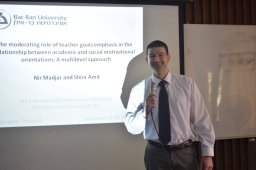 Nir Madjar合作论文数5
 Mark Weiser合作论文数Department of Psychiatry, Sackler School of Medicine, Sheba Medical Center;Stanley Medical Research Institute5Hana Castel合作论文数Faculty of Health Sciences, Ben-Gurion University of the Negev5Mally Ehrenfeld合作论文数4
 Barna Konkoly Thege合作论文数Department of Psychiatry, Temerty Faculty of Medicine, University of Toronto4
 Dardo Tomasi合作论文数National Institute on Alcohol Abuse and Alcoholism4Karni Avi合作论文数4
 Ahuva Golik合作论文数Department of Medicine “A” Assaf-Harofeh Medical Center4Herman Avner Cohen合作论文数4
 Shmuel Springer合作论文数Movement Disorders Unit Tel-Aviv Sourasky Medical Center4
 Michael Friger合作论文数Department of Epidemiology, Biostatistics and Community Health Sciences, Ben-Gurion University of the Negev;Department of Public Health, Ben-Gurion University of the Negev;Faculty of Health Sciences, Ben-Gurion University of the Negev4A. Livny-Ezer合作论文数4Rachel Natovich合作论文数3Ron Shavit合作论文数3
 Yaniv Nudelman合作论文数Dept Physiotherapy, Ariel Univ3Sharona Tzur-Peled合作论文数3J Barak合作论文数3Rahimi-Levene Naomi合作论文数3Harman-Boehm Ilana合作论文数3
 Silviu Brill合作论文数3
 Sharon Sznitman合作论文数Sch Publ Hlth, Univ Haifa3
 Arie Shirom合作论文数Faculty of Management, Tel Aviv University3
 Shaul Lev-Ran合作论文数Chaim Sheba Med Ctr, Addict Med Serv3Heled Eyal合作论文数The Day Treatment Rehabilitation Unit, Sheba Medical Center3
 Keren Dopelt合作论文数Ben-Gurion University of the Negev3
 Orly Sarid合作论文数Department of Social Work, Ben Gurion University of the Negev3
 Feingold Daniel合作论文数3
 Ben Hayman Amit合作论文数3
 Gideon Uretzky合作论文数3Anat Biegon合作论文数3




