Multi-view subspace clustering (MVSC) has been widely used to represent multi-view data as a union of subspaces for clustering. It generally learns either a view-specific representation for each individual view or a shared representation across all views. Some advanced studies consider jointly exploiting local structures and global information. However, most existing MVSC methods learn local and global representations separately and then seek their consensus, which may lead to imbalanced structure fusion. Moreover, the cubic time complexity restricts their applicability to large-scale clustering. Unlike existing MVSC methods, we design a global-local shared anchor learning and joint tensorized enhancement framework for multi-view subspace clustering (SATMSC). Specifically, we employ two data reconstruction terms: one is used to construct local and global representations, and the other aims to learn a global-local shared anchor matrix; these two terms utilize the same set of anchor projection matrices. Meanwhile, the shared anchor matrix and the local and global representations can guide each other’s learning via a fusion term. In addition, we incorporate a tensorized constraint to jointly enhance the local and global representations in the tensor space. With the anchor guidance mechanism, the proposed SATMSC achieves linear time complexity. Extensive experiments demonstrate its effectiveness and efficiency compared with state-of-the-art methods. The code is available at https://anonymous.4open.science/r/GSE7PT3K.
In the domain of Internet of Things, federated learning is gradually becoming a key technology for achieving safe and efficient implementation of artificial intelligence. Through distributed collaboration mechanisms, it enables edge intelligence while protecting data privacy and reducing communication costs. In the real federated learning system, clients usually exhibit variable levels of label noise, and local training tends to overfit the label noise resulting in decreased generalization performance of the model. Despite the existence of many research findings on the problem of data heterogeneity, these methods are not effective in dealing with label noise. Thus, tackling label noise problem is one of the keys to facilitating the development of federal learning. In the research, an adaptive framework FedDAL is proposed to combat federated learning with label noise. In the pre-training stage, the server identifies noisy clients by the unreliability score. The module named distance-sensitive truncation is designed to improve identification accuracy. In the federated learning stage, noisy clients train local models by dynamics-aware loss to mitigate the adverse effects of label noise. Finally, the server carries out loss normalization and weight adjustment aggregation taking into account the data volume and the aggregate class mean loss. Experimental results on multiple datasets demonstrate that FedDAL effectively addresses label noise overfitting, improves model generalization performance and outperforms state-of-the-art methods across multiple distributions of label noise. Our code is available at https://github.com/Donglin0730/FedDAL.
Anchor guidance mechanism has demonstrated strong scalability for clustering large-scale datasets, driving its widespread applications in multi-view clustering in recent years. Accordingly, a series of anchor-based multi-view subspace clustering methods have been proposed to improve computational efficiency. However, many of these methods suffer from three major limitations. First, they generally focus on the integrated or specific local structures, while ignoring global information. Second, the typical postprocessing with singular value decomposition and $k$-means incurs extra time burden and yields volatile clustering performance. Third, different views may contain noise and exhibit complex relationships, making crisp partitioning unreliable and thereby requiring robust, uncertainty-aware learning. To address these issues, a scalable dual fuzzy learning and structure fusion multi-view subspace clustering (DFFMSC) framework is proposed. Inspired by the effective uncertain data handling capability of fuzzy clustering, we incorporate fuzzy learning to enable more flexible and robust cluster partitioning. Unlike many multi-view fuzzy clustering methods involving intricate cooperative learning terms, we incorporate two concise fuzzy learning terms into a dual-facilitated fuzzy learning component. One integrates the separate compact representations to learn a unified fuzzy membership matrix, while the other simultaneously enhances it through global-local structure fusion learning. With a fast alternating optimization algorithm, the labels are directly obtained from the optimal fuzzy membership matrix. Overall, the proposed DFFMSC not only adequately fuses the local and global structures, but also achieves one-step clustering without postprocessing. Extensive experiments on nine popular multi-view datasets validate its effectiveness and efficiency.
A hybrid algorithm integrating a couple of individual evolutionary algorithms (sub-algorithms) is widely recognized as an effective approach to enhance both robustness and optimization performance. Nevertheless, such integration often destroys the structure of the sub-algorithm and makes it difficult to incorporate additional evolutionary algorithms. To address these limitations, this study introduces a novel framework, the Heterogeneous Alternating Evolutionary Algorithm (HAEA), designed to integrate multiple evolutionary algorithms while enabling the flexible addition, removal, and replacement of internal sub-algorithms. To facilitate the integration of a broad spectrum of sub-algorithms, this study draws inspiration from the particle swarm optimization algorithm to devise a suite of information indicators for the transmission of optimization information between sub-algorithms with disparate structures. Furthermore, HAEA is endowed with an adaptive mechanism that dynamically modifies the selection probabilities of its sub-algorithms based on their long-term and short-term performance throughout the evolutionary process. We conducted a comparative analysis of HAEA against all its sub-algorithms across three widely recognized function test sets: CEC2013, CEC2017, and CEC2022. Meanwhile, we applied the HAEA separately to basic metaheuristic algorithms and advanced evolutionary algorithms in recent years and conducted two comparative experiments. Both experimental results show that HAEA outperforms all sub-algorithms in terms of robustness and optimization performance. Its distinctive flexibility allows for the incorporation of additional superior evolutionary algorithms in the future, thereby enhancing its overall performance.
Latent representations have demonstrated significant effectiveness in multi-view subspace clustering (MVSC). However, existing latent MVSC methods usually suffer from high time complexity—typically O(n3) for n samples—which restricts their application to large-scale data. Moreover, the self-representation matrix relies heavily on the recovery quality of the latent subspace representation, potentially leading to insufficient learning of subspace structures across different views. To address these limitations, this paper proposes an Enhanced and Scalable Latent Multi-view Subspace Clustering method, termed ESLMSC. Specifically, ESLMSC constructs a compact representation matrix via anchor learning to replace the computationally expensive full self-representation matrix. Meanwhile, the compact representation matrix jointly learns subspace structures from both the recovered latent subspace representation and the original data matrix of each view, whereby its comprehensive representational ability is strengthened. Furthermore, multiple anchor projection matrices of different dimensions enhance the learning of complementary information in the recovered latent subspace representation through a hierarchical descent manner. Finally, with a fast alternating optimization algorithm, we can obtain an enhanced subspace representation matrix for clustering. Extensive experiments on diverse multi-view benchmark datasets, including several large-scale ones, demonstrate that ESLMSC consistently achieves superior performance over state-of-the-art MVSC methods.
As deepfake technology advances, detecting fabricated videos becomes increasingly difficult, posing serious risks such as misinformation and security threats. While hybrid CNN-Transformer models have improved detection capabilities, they face a dual challenge: forgery artifacts are becoming increasingly subtle and region-specific, and real-world datasets like DFDC exhibit severe class imbalance. In such scenarios, the sparse, subtle discriminative features are easily overshadowed by the dominant information from the majority class (authentic faces) or environmental noise. To address this, we propose the Refined Dual Fusion Model (RDFM). Specifically, RDFM introduces a Reinforcement-block inspired by Super Pixels. This module acts as a content-aware filter, explicitly enhancing these subtle, localized artifacts while suppressing irrelevant background noise to prevent the model from overfitting to the imbalanced data distribution. Furthermore, we employ a dual-branch structure combining Shifted Windows (Swin) and Vision Transformers (ViT) to capture multi-scale inconsistencies, integrated via a learnable fusion matrix. To further tackle the dataset imbalance, we introduce a Multi-Part-Processing training strategy that ensembles models trained on adaptive sample ratios. Experimental results demonstrate that RDFM achieves significant improvements in AUC and F1-Score on the DFDC dataset and exhibits strong generalization on Celeb-DF V2 and FaceForensics++ (FF++).
Label noise is one of the critical challenges that cannot be overlooked in Federated Learning (FL). However, existing approaches primarily focus on label noise in static data, with limited exploration of real-time network data. In real-time network environments, client data exhibits dynamic growth, which may continuously introduce new label noise. This degrades data quality over time and can gradually contaminate originally clean clients. In such environments, federated denoising methods based on static data become less effective, as they lack the adaptability to dynamic settings and struggle to handle the continuous shifts in data distribution and noise levels. In this paper, we propose the FedRnd framework to investigate the problem of label noise in Federated Learning under real-time network environments. Given the dynamic nature of data growth, FedRnd primarily employs a localization strategy. After fuzzily classifying real-time data based on historical data and storing it into clean and noisy datasets, the method performs data augmentation on the clean dataset to enhance data quality. Simultaneously, LogitClip technology is introduced to clip model outputs, further suppressing model overfitting to noisy data. Additionally, a compactness-loss consistency score is designed to optimize global model aggregation. Extensive experiments conducted in simulated environments demonstrate that FedRnd exhibits superior performance compared to state-of-the-art methods in handling label noise within real-time network data. Our code is available at https://github.com/Donglin0730/FedRnd.
Solar Insecticidal Lamps (SILs) are a green and efficient pest control method in modern agriculture, but their deployment must balance coverage efficiency, cost, and uniformity, especially in irregular and partitioned farmland. To address this challenge, this paper formulates the Solar Insecticidal Lamp Deployment Problem (SILDP) as a multi-objective optimization problem and proposes a Matrix-based Assisted Surrogate-Aided Multi-Objective Particle Swarm Optimization (MASA-MOPSO) algorithm. This method incorporates matrix computation to fully exploit the parallel computing capabilities of modern platforms. The Spatially-aware Crowding Distance (SCD) calculation is adopted to update the external archive and select leader particles, enhancing the diversity and uniformity of the solution set. During the particle swarm evolution process, a surrogate-guided mechanism is introduced to reduce the computational burden of the objective functions and assist in exploring potentially high-quality regions, thereby enhancing local search capabilities. Meanwhile, a new calculation method for smoothed coverage probability is introduced to address the hard-threshold issues in traditional coverage probability metrics. This improvement allows the incorporation of gradient information to adaptively adjust particle step sizes, thereby accelerating convergence and enhancing optimization accuracy. Experiments in complex farmland environments show that MASA-MOPSO significantly outperforms eight advanced algorithms in terms of deployment cost, coverage, overlap, variability, and runtime, demonstrating its strong effectiveness in solving the SILDP.
High-accuracy image steganography aims to conceal secret binary messages within a single cover image and recover them with minimal error. However, achieving this goal entails a fundamental trade-off: methods that excel in recovery often compromise visual quality and security. Existing one-shot deep learning approaches lack flexibility for fine-grained adjustment, whereas current iterative frameworks operate without perceptual guidance. Thus, both categories are limited in their ability to achieve accurate and imperceptible data embedding. To overcome these limitations, we propose a Frequency-Guided Iterative Network (FIS) that decouples embedding into two synergistic stages: iterative spatial refinement and explicit frequency-domain optimization. FIS comprises a flexible iterative encoder, a frequency perturbation module, and a decoder with a controlled obfuscation mechanism. The encoder iteratively refines the cover image to identify more suitable embedding locations, while the frequency perturbation module guides updates toward high-frequency regions where alterations are less perceptible. The decoder incorporates an obfuscation mechanism to enhance protection against unauthorized extraction. Experimental results across three datasets demonstrate that FIS achieves improved recovery accuracy, higher invisibility, and enhanced security.
Due to the different characteristics of heuristic and metaheuristic methods, an increasing number of hybrid algorithms have been designed to solve the flexible job shop scheduling problems (FJSPs). However, most existing hybrid algorithms employ metaheuristic methods that impose high standards on both convergence and diversity, which may lead to a waste of computational effort due to potential overlap with heuristics that primarily emphasize convergence. To achieve a more efficient cooperation between heuristics and metaheuristics—where the former focuses on convergence and the latter emphasizes diversity—this study proposes a population diffusion algorithm (PDA) for solving energy-efficient distributed flexible job shop scheduling problems (EDFJSPs). During population evolution, the convergence pressure is moderately relaxed to enrich the diversity of solutions, while a rough local search is applied to ensure the basic convergence of new solutions. Subsequently, a refined local search is performed on the elite archive to further enhance the quality of elite individuals. In addition, computational resources are dynamically allocated between heuristics and metaheuristics to improve overall efficiency. Experimental results on a series of problem instances demonstrate that the proposed PDA is promising for EDFJSPs.
Face recognition technology has advanced significantly with deep learning, particularly through convolutional neural networks and models like VGG-Face, FaceNet, and ResNet. These systems, combined with loss functions such as ArcFace, have significantly improved human face recognition accuracy by extracting high-dimensional features. However, applying these human-centric algorithms to cat face recognition poses unique challenges due to differences in facial structure, feature distribution, and data availability. Additionally, variations in posture, fur texture, and limited distinguishing features can reduce recognition accuracy. In this study, we propose an adaptive method specifically designed for cat face recognition. We introduce an adaptive self-learning smoothing mask that enhances low-frequency signal retention and augments high-frequency features, focusing on fine-grained textures and subtle facial variations. This approach improves the model’s ability to identify key facial regions, addressing the challenges of feature overlap and data sparsity. Experimental results demonstrate that our method enhances the recognition performance of cat faces, achieving an accuracy of 92.74 https://github.com/qxzheng/CatFace.
Time series classification (TSC) is a crucial research domain with significant applications across various real-world domains. Inspired by recent advances in Rocket-based algorithms and Hydra, we propose Kernel Grouping for time series classification with Multiple Transformations and Pooling operators (KG-MTP), the first method to jointly extract kernel response and pooling features from shared predefined-weight kernel groups, achieving top-ranked classification accuracy across 112 univariate datasets from UCR Archive while requiring only 0.22 % of the training time of HIVE-COTE 2.0. KG-MTP introduces a kernel group competing strategy that groups convolutional kernels by positive weight counts, enabling the simultaneous extraction of kernel response and pooling features. Additionally, a new pooling operator ZCR and an additional Hilbert transformation are incorporated for enhanced feature diversity. Compared to state-of-the-art (SOTA) algorithms, KG-MTP significantly outperforms all other SOTA algorithms (except HIVE-COTE 2.0) in classification accuracy, while demonstrating significantly better computational efficiency than the majority of SOTA algorithms.
The wireless signals emitted by base stations serve as a vital link connecting people in today's society and have been occupying an increasingly important role in real life. The development of the Internet of Things (IoT) relies on the support of base stations, which provide a solid foundation for achieving a more intelligent way of living. In a specific area, achieving higher signal coverage with fewer base stations has become an urgent problem. Therefore, this article focuses on the effective coverage area of base station signals and proposes a novel Evolutionary Particle Swarm Optimization (EPSO) algorithm based on collective prediction, referred to herein as ECPPSO. Introducing a new strategy called neighbor-based evolution prediction (NEP) addresses the issue of premature convergence often encountered by PSO. ECPPSO also employs a strengthening evolution (SE) strategy to enhance the algorithm's global search capability and efficiency, ensuring enhanced robustness and a faster convergence speed when solving complex optimization problems. To better adapt to the actual communication needs of base stations, this article conducts simulation experiments by changing the number of base stations. The experimental results demonstrate that under the condition of 50 or more base stations, ECPPSO consistently achieves the best coverage rate exceeding 95%, peaking at 99.4400% when the number of base stations reaches 80. These results validate the optimization capability of the ECPPSO algorithm, proving its feasibility and effectiveness. Further ablative experiments and comparisons with other algorithms highlight the advantages of ECPPSO.
With the increasing use of digital images in communication media and storage, the importance of image encryption has grown significantly for protecting privacy and ensuring data security. We introduce a hyper-chaotic image encryption algorithm that utilizes 3D bit-level permutation and noise-based diffusion method (HBPND) to enhance image encryption security and robustness. The proposed method employs a 6D hyper-chaotic system to generate two pseudo-random matrices. The first matrix is used to perform a 3D bit-level permutation on the plaintext image, creating the primary cipher image. The second matrix is transformed into a noise matrix, which is then used by the noise-based diffusion method to iteratively modify and superimpose the initial cipher image to produce the final cipher image. To improve the dynamic performance of encryption, pixel values are converted to a bit-level cubic matrix. The planes of this cubic matrix are randomly rearranged in three directions: front to back, left to right, and top to bottom, effectively breaking the connectivity between pixels. Multiple iterations of dynamical noise superposition in the noise-based diffusion method can efficiently remove information from plaintext images. Simulation outputs indicate that HBPND offers excellent performance on image protection. (c) 2025 SPIE and IS&T [DOI: 10.1117/1.JEI.34.4.043030]
Image manipulation localization (IML) is one of the hot topics in the community of media forensics. Deep learning approaches have shown their great power for IML in recent years. However, most of the approaches rely severely on network structures manually designed by experts. At the same time, the transformer has exhibited promise in computer vision tasks, but few works have considered applying it to IML. To bridge this gap, this paper introduces a neural architecture search (NAS) approach integrated with transformer [neural architecture search and transformer (NAST)] for IML. The proposed NAST framework incorporates three key components: (1) a fusion layer composed of a standard convolutional layer, a Bayar convolutional layer, and a steganalysis-rich model layer to capture multi-perspective features; (2) two NAS modules-one repeated six times and the other four times-automatically constructed from a pool of neural operators; and (3) a Vision Transformer block positioned between the two NAS modules for enhanced feature processing. Experimental results demonstrate that the proposed NAST achieves excellent localization performance on multiple datasets. The proposed NAST highlights the potential of combining NAS with transformer mechanisms, paving the way for further advancements in media forensics.
In the age of big data, information security has been garnering growing attention. As a widely used information carrier, images need to ensure their security throughout the entire process of generation, storage, and transmission. Image encryption is a direct and useful approach to achieve this goal. This paper proposes a novel color image encryption scheme based on a newly designed 5D fractional-order hyperchaotic system, cross-plane bit-level permutation, and eight-base DNA-level diffusion, termed FHBPDD. Given that fractional-order hyperchaotic systems generally have better nonlinearity to help image encryption, we analyze the complex dynamical characteristics of the presented fractional-order system using multiple metrics. Then, FHBPDD first generates a sufficiently long hyperchaotic sequence from the 5D fractional-order hyperchaotic system for consequent operations. Second, the input color image is converted to several bit-level planes, and the cross-plane permutation is performed for them. Third, the cross-plane diffusion is conducted on non-corresponding rows and columns of multiple eight-base DNA-level planes via dynamic DNA encoding and algebraic operations. Finally, DNA decoding is executed to yield the cipher image. It is worth noting that all encryption operations involve the participation of the hyperchaotic sequence. Various experimental results verify that FHBPDD has excellent security performance for color image encryption.
This paper proposes an improved multi-strategy particle swarm optimization algorithm with DNA sequence selection state (DSMPSO), aimed at addressing the issues of weak diversity and premature convergence in traditional particle swarm optimization (PSO). First, DSMPSO introduces a DNA-SDM search framework based on the DNA sequence similarity of particle dimensions, enabling the selection of suitable search paradigms through evolutionary state determination. Second, a neighborhood-based differential elite subpopulation optimization mechanism is incorporated to further enhance particle diversity and accelerate convergence. Finally, a modified skew-tent chaotic acceleration coefficient is employed to balance the search modes. In the CEC2022 benchmark test for complex problems, DSMPSO outperforms six state-of-the-art PSO variants and standard PSO, demonstrating exceptional performance when compared with three top algorithms. Moreover, DSMPSO showcases strong practicality in solving economic dispatch problem of microgrids and three real-world engineering problems.
Accurate citywide traffic flow forecasting is an essential task in intelligent transportation systems. Unlike single-step forecasting, multi-step traffic flow forecasting offers extended insights that support proactive traffic management and resource allocation over longer time horizons. This paper proposes a Multi-Step Multiscale Spatial-Temporal Transformer (MS-MSTformer) for citywide traffic flow forecasting, which leverages a multiscale patch mechanism to capture both local and global spatial dependencies while integrating temporal patterns of closeness, period, and trend. Two novel cross-attention modules, namely Patch-Temporal Cross-Attention (PTCA) and Region-Temporal Cross-Attention (RTCA) are presented. These modules utilize temporal information as the query, with PTCA and RTCA focusing on patches and regions, respectively, to effectively fuse diverse spatio-temporal features. Extensive experiments on the widely used New York City Taxi (NYCTaxi) and New York City Bike (NYCBike) datasets demonstrate the MS-MSTformer's capability to provide accurate multi-step citywide traffic flow forecasting. Specifically, the proposed model outperforms the baseline models in 11 out of 12 evaluation scenarios. On average, MS-MSTformer improves Root Mean Square Error (RMSE) by 31.13% and Mean Absolute Error (MAE) by 29.22% over the deep learning baselines. In addition, the ablation study demonstrates the contributions of both PTCA and RTCA to the proposed MS-MSTformer.
Federated learning, with its unique privacy protection mechanisms and distributed model training capabilities, provides an effective solution for data security by addressing the challenges associated with the inability to directly share private data due to privacy concerns. It exhibits broad application potential across various fields, particularly in scenarios such as autonomous vehicular networks, where collaborative learning is required from data sources distributed across different clients, thus optimizing and enhancing model performance. Nevertheless, in complex real-world environments, challenges such as data poisoning and labeling errors may cause some clients to introduce label noise that significantly exceeds ordinary levels, severely impacting model performance. The following conclusions are drawn from research on extreme label noise: highly polluted data severely affect the generalization capability of the global model and the stability of the training process, while the reweighting strategy can improve model performance. Based on these research conclusions, we propose a method named Enhanced Knowledge Distillation and Particle Swarm Optimization for Federated Learning (FedDPSO) to deal with extreme label noise. In FedDPSO, the server dynamically identifies extremely noisy clients based on uncertainty. It then uses the particle swarm optimization algorithm to determine client model weights for global model aggregation. In subsequent rounds, the identified extremely noisy clients construct an interpolation loss combining pseudo-label loss and knowledge distillation loss, effectively mitigating the negative impact of label noise overfitting on the local model. We carried out experiments on the CIFAR10/100 datasets to validate the effectiveness of FedDPSO. At the highest noise ratio under Beta = (0.1, 0.1), experiments show that FedDPSO improves the average accuracy on CIFAR10 by 15% compared to FedAvg and by 11% compared to the more powerful FOCUS. On CIFAR100, it outperforms FedAvg by 8% and FOCUS by 5%.
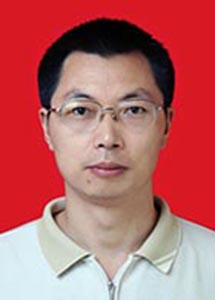 Jiang Wu (吴江)合作论文数SWUFE-UD Institute of Data Science Atswufe, Southwestern University of Finance and Economics60
 Changjie Tang (唐常杰)合作论文数College of Computer Science, Sichuan University22
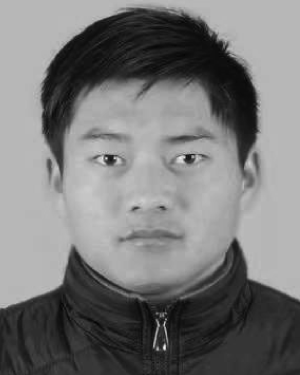 Donglin Zhu合作论文数17
 Duzhong Zhang合作论文数11
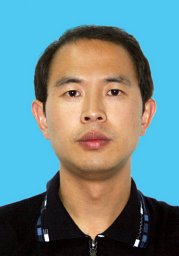 Changjun Zhou (周昌军)合作论文数College of Computer Science and Engineering, Dalian Minzu University10
 Jingwen Yan合作论文数Department of BioHealth Informatics,IU School of Medicine9Yue Jiang (姜玥)合作论文数8
 Li Shen合作论文数Division of Informatics, Department of Biostatistics, Epidemiology and Informatics, Perelman School of Medicine, University of Pennsylvania8
 Shannon L. Risacher合作论文数School of Medicine, Indiana University8Jiaxuan Xu合作论文数7Jiayi Shi合作论文数7
 Wu Deng (邓武)合作论文数7
 Andrew J. Saykin合作论文数School of Medicine, Indiana University;Department of Psychological and Brain Sciences, College of Arts & Sciences, Indiana University Bloomington7Yangyang Liu (刘洋洋)合作论文数7Sungeun Kim合作论文数College of Medicine, Kyung Hee University7
 Jing Wan合作论文数6Shaojie Qiao (乔少杰)合作论文数School of Software Engineering, Chengdu University of Information Technology6
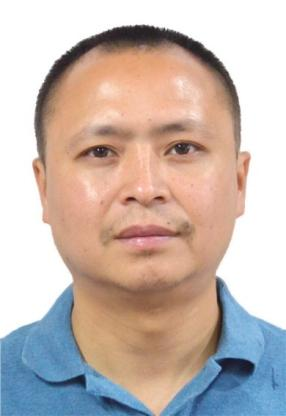 Xinsheng Li (李新胜)合作论文数College of Computer Science, Sichuan University6Ting He合作论文数4李自力合作论文数School of Economic Information Engineering, Southwestern University of Finance and Economics4
 Lei Duan (段磊)合作论文数College of Computer Science, Sichuan University4Shangyu Ye合作论文数4Gangqiang Hu合作论文数3Qingxiao Zheng合作论文数3Shengzhi Li合作论文数3Zhilong Xie合作论文数3Yingrui Zhou合作论文数3Chengtian Ouyang合作论文数Jiangxi Univ Sci & Technol, Sch Informat Engn, Ganzhou 341000, Jiangxi, Peoples R China3Bing FANG (方冰)合作论文数3Zijie Qian合作论文数3Min Zhou (周敏)合作论文数3
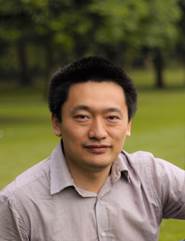 Fan Pan合作论文数3
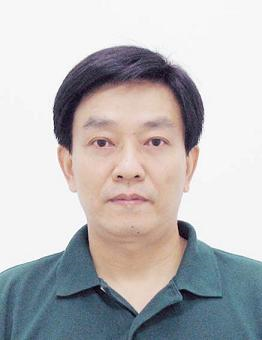 Jun Zhu (朱俊)合作论文数College of Physics, Sichuan University3
 Shi Cheng (程适)合作论文数School of Computer Science, Shaanxi Normal University3
 Tengfei Zhou合作论文数Peking University, Peking University3Hua Wang (王华)合作论文数3
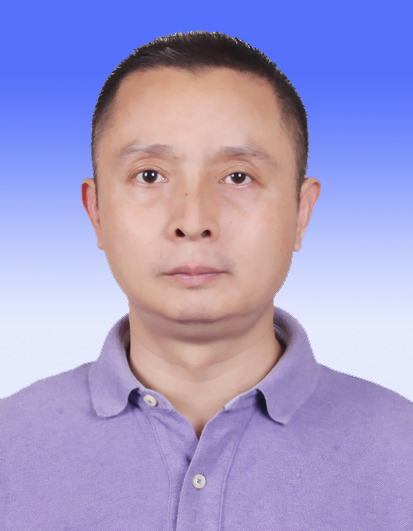 Jiangtao Qiu (邱江涛)合作论文数School of Computing and Artificial Intelligence, Southwestern University of Finance and Economics3Kwangsik Nho合作论文数Center for Simulational Physics;University of Georgia;Center for Simulational Physics, University of Georgia3
 Heng Huang合作论文数Department of Computer Science, Brendan Iribe Center for Computer Science and Engineering, University of Maryland, College Park;Department of Electrical and Computer Engineering, A. James Clark School of Engineering, University of Maryland, College Park3Jiaying Shen合作论文数2Chang Liao合作论文数2Lexing Chen合作论文数2Lin Xun合作论文数2Zhenda Hu合作论文数2Wen-bing QIN (秦文兵)合作论文数2Qian Luo (罗谦)合作论文数2
 Chuan Li (李川)合作论文数College of Computer Science, Sichuan University2Shucheng Dai (代术成)合作论文数College of Computer Science, Sichuan University2




