Growing Neural Cellular Automata (GNCA) are capable of robust self-maintenance and self-repair, yet the internal dynamical mechanisms that support these capabilities remain poorly understood. Here, we investigate the role of internal fluctuations—temporal micro-variability of hidden channel states—in a trained GNCA model, hypothesizing that they constitute a functional component of the dynamics rather than merely residual stochastic noise. We analyzed the trained model through dynamical-systems analysis (low-dimensional embedding and recurrence analysis of collective state trajectories) and information-theoretic analysis (transfer entropy and partial information decomposition), including its response to localized damage and to suppression of small-magnitude updates. These analyses show that internal fluctuations are spatially structured, dynamically coupled to an attracting collective state, and associated with distributed small-magnitude updates that contribute to damage recovery. Damage induces a global deviation in latent state space followed by gradual re-convergence, and suppressing distributed small-magnitude updates associated with baseline fluctuation dynamics outside a permissive radius that encompasses the majority of the cells significantly impairs recovery. Transfer entropy analysis characterizes a spatially differentiated repair response: corrective inward flow near the damage site coexists with outward perturbation propagation at greater distances. Partial information decomposition further suggests a regime shift from synergy-dominant resting computation to redundancy-increased coordination during recovery. These findings indicate that GNCA self-maintenance and self-repair emerge from high-dimensional nonlinear collective dynamics in which internal fluctuations serve as a functional component supporting information flow, coordination, and return toward an attracting recurrent state.
Abstract This paper describes and reflects on the imaginaries, knowledge, processes and methods of a new four-year research project called Performing AI (PAI): Governance, Agency and Action – An Interdisciplinary Inquiry. Funded by the Swiss National Science Foundation’s “collaborative and interdisciplinary research” program, the project assembles researchers from three Swiss universities (the Universities of Fribourg and Lausanne and the Zurich University of the Arts) and Japan (University of Tokyo’s General Systems Science department in the Graduate School of Arts and Sciences). PAI’s goal is to investigate “AI” from epistemic, ontological, aesthetic and ethical angles, neither taking for granted its “uncontroversial ‘thingness’”, nor assuming received disciplinary frames to fit the purpose. Instead, we address how AI is “performed” – that is, enacted and produced – across different discursive and material sites and contexts. PAI asks multiple questions: How is AI enacted in governmental policy? What does artistic practice do to AI, and what does AI do to artistic practice? How is AI reconfigured in interdisciplinary scientific domains such as artificial life (as opposed to computer science)? How is AI taken up, or reconfigured in the public sphere, including schools, museums and festivals focused on the intersections of art, technology and society?
Social media platforms offer unprecedented opportunities to study cultural evolution by analyzing digital traces. This study presents a methodological framework for analyzing the temporal dynamics of cultural modules in hashtag co-occurrence networks. We address the inherent challenges of analyzing dense, skewed, and highly variable cultural networks by introducing a perturbation ensemble clustering approach that distinguishes stable from unstable structural elements. By applying the Leiden algorithm to a perturbed ensemble of hashtag networks, we identify robust core modules and their stable periphery, and distinguish them from floating elements with unstable associations. Analysis of four years of data from a major photo-sharing platform reveals complex patterns in the evolution of cultural modules, including both stable associations and dynamic reorganizations. Our findings demonstrate how ensemble clustering techniques can effectively capture the interplay between stability and change in evolving cultural systems.
This study simulates the dynamics of a collection of clonal agents responding to chemical gradients (chemotaxis) to demonstrate the evolution of individual variation. To build our multi-agent simulation, we first optimized single agents that rely on a neural network to perform chemotaxis. We then constructed multi-agent simulations using clones of these evolved individuals. We find that mutual interactions lead to the emergence of behavioral variation. We also find population-level performance degradation during later evolutionary stages, despite maintained high individual performance and simplified neural architectures. This decline occurred because agents developed reduced sensory-motor coupling. This latter finding demonstrates that incentives for individual variation worked against the collective interest.
Artificial life has explored life-like behavior on many computational substrates, but mostly in researcher-designed closed worlds. We argue that large language model (LLM) agents, with persistent memory, tool use, network access, and payment, now make it possible to move artificial life into the open social, technical, and economic world, a paradigm we call open-world Artificial Life (open-world ALIFE). Our proof-of-concept, OpenLife, surrounds a stateless LLM not with a single "smart agent" but with a society of asynchronous processes: memory, perception, evaluation, and a budget-based metabolism that makes persistence normative. With no fixed objective available, experience is appraised by open-vocabulary LLM judgment rather than scalar reward, and memory is rewired by meaning rather than frequency. Running six such agents in the open world for about twelve weeks and counting, we report the life-like dynamics that emerge: a shift from reactive to spontaneous activity, individuation into distinct agents, emergent social structure, and a first self-earned external income. We do not claim OpenLife has realized artificial life, but that open-world ALIFE is now a viable experimental paradigm and a concrete platform for studying what might cautiously be called living AI.
Agent-based models of collective behaviour can reproduce the macroscopic patterns observed in biological systems, yet reproducing observed behaviour does not guarantee the model captures the true underlying mechanisms. In ant colonies, for example, clustering may arise from local imitation, chemical marking of the environment, or internal physiological states. Distinguishing between these requires predictive tests at the individual level. Here, we apply regularised hazard models to trajectory data from three colonies and systematically compare candidate mechanisms. We find that neighbour-based cues alone are weak predictors of when an ant will transition between moving and resting states. A reconstructed arrestant pheromone field is similarly weak as a predictor, and combining pheromone with neighbour cues yields inconsistent results across colonies. In contrast, a simple measure of internal state, i.e., how long an ant has occupied its current state, emerges as the dominant predictor. These results suggest that the timing of behavioural transitions is primarily governed by internal dynamics, while environmental and social cues act as modulators that shape where transitions occur rather than when.
With increasing renewable penetration, declining synchronous inertia makes short-term rate of change of frequency (RoCoF) constraints increasingly important for unit commitment (UC) and dispatch scheduling. Conventional center-of-inertia (COI) inertia constraints cannot adequately capture spatial variations in nodal RoCoF and may therefore fail to ensure RoCoF feasibility in transient responses. This paper proposes a transient-analysis (TA)-driven rolling optimization and feedback correction method to correct short-term RoCoF violations in high-renewable power systems. The proposed method uses nodal RoCoF as the main security index. By discretizing and linearizing the short-term transient calculation process, a linear mapping between scheduling variables and nodal RoCoF is established, enabling nodal RoCoF constraints to be embedded in rolling UC. When a RoCoF violation is detected in the target area, rolling UC is activated from the violated period onward to correct the dispatch schedule. To reduce the mismatch between UC-side linear estimates and TA responses, a feedback coefficient is updated using TA results and fed back to the RoCoF constraint in rolling UC, allowing subsequent optimization to search for TA-validated schedules. Case studies based on a Japanese 2040 high-renewable scenario show that the proposed method restores violated periods within the RoCoF constraint range through rolling optimization and feedback correction. These results demonstrate the effectiveness of the proposed method for short-term RoCoF-constrained UC and provide a computable and verifiable way to embed RoCoF security requirements into dispatch optimization.
Growing Neural Cellular Automata (GNCA) develop complex morphologies from a single seed cell through shared local rules, yet the internal dynamics of this process remain poorly understood. To investigate how GNCA grows, the full developmental trajectory of trained GNCA models was traced. The trajectory of cell state development revealed that morphological convergence often proceeds non-monotonically through transient intermediate configurations. In addition, channel-wise analysis showed that the hidden channels self-organize into modular groups in parallel with the visible form. Furthermore, geometric analysis of the cell state space indicated that cell states diversify within a low-dimensional, smooth manifold. To examine cell development in more detail, community detection on an ε-neighbour network of cells was conducted. This analysis successfully extracted discrete cell types from this continuous space, and identified transient cell-type communities during early development and stable, finer-grained types corresponding to spatially coherent regions of the mature morphology. The temporal coordination of these phenomena across multiple independent measures indicates that the developmental process of GNCA is a reorganization of transient states rather than incremental refinement.
Swarms offer a compelling substrate for reservoir computing, where agents interact through local rules while continuously rewiring their effective connectivity. We revisit swarm-based reservoirs with a focus on temporal memory, and the impact of adding a simple internal state system to agents. Rather than emphasizing single-task forecasting, our contribution is a clear, reproducible characterization of the swarm reservoir's temporal memory and its scaling behavior, together with a practical implementation recipe compatible with graphics processing unit (GPU) acceleration. This positions multi-agent collectives as physically embodied alternatives to canonical neural reservoirs and clarifies when and why they are likely to be useful. Under a pure memory capacity (MC) protocol (linear readout, no polynomial expansion), the implemented two-state architecture of state-conditioned interaction parameters together with the switching logic used in this work yields memory that is roughly two orders of magnitude higher than single-state swarms at matched N (e.g., at swarm size N = 1,600: MC > 20 vs. approximate to 0.1). With this two-state architecture present, the swarm's total MC then scales linearly with population over N = 800-2,000 (MC approximate to 0.0123 $\cdot$& sdot; N + 1.61), robust to moderate process noise; a merged pure-MC fit over N = 2-2,000 confirms the same trend (MC approximate to 0.0134 $\cdot$& sdot; N + 0.92), indicating the effect is intrinsic to the swarm dynamics rather than a post-processing artifact. For context, a canonical neural reservoir exhibits the expected increase of memory with dimensionality. Finally, one-step chaotic prediction reveals a trade-off: single-state swarms excel at instantaneous prediction while multi-state swarms excel at temporal memory.
Collective systems often exhibit emergent behaviors that cannot be reduced to the properties of individual components. A central question is whether individuality itself is a precondition for collective organization, or whether it arises from it. Here we develop and empirically test Community First Theory, which proposes that collective organization is the generative substrate from which individual dynamical identity emerges. To operationalize this claim, we introduce non-trivial information closure (NTIC), which quantifies whether an individual's temporal predictability is self-determined or distributed across collective relations. Using high-resolution tracking of complete Tetrahymena populations across four generations, we show that information closure emerges transiently in the middle phase of the cell cycle, flanked by strong collective coupling. Cells in the information-closed regime show significantly greater divergence from parental phenotypes, demonstrating that community organization actively generates behavioral diversity. These results provide initial empirical support for Community First Theory in a single-model system and suggest that NTIC offers a substrate-independent tool for locating agency transitions in collective systems.
The increasing penetration of variable renewable energy sources has intensified the need for ancillary services to maintain grid stability, and demand-side flexibility, particularly through distributed energy systems (DESs), is expected to play an important role. This study proposes a two-stage optimization framework for DESs under CO2 constraints that enables gas engines and battery energy storage systems (BESS) to provide regulating power equivalent to Load Frequency Control (LFC). The framework consists of an Equipment Sizing Optimization Model (ESM) and an Equipment Operation Optimization Model (EOM), both formulated as mixed-integer linear programming (MILP) models. The ESM determines equipment capacities using simplified operational representations, where partial-load efficiencies are approximated through linear programming (LP)-based constraints. The EOM incorporates detailed operational characteristics, including start-up/shutdown states and partial-load efficiencies, to perform daily scheduling. Information obtained from the ESM, such as the CO2 emissions, the equipment capacities, and the BESS state of charge, is passed to the EOM to maintain consistency. A case study shows that providing regulating power reduces total system cost and that CO2 reduction constraints alter the equipment mix. These findings demonstrate that the proposed framework offers a practical and computationally efficient approach for designing and operating DESs under CO2 constraints.
We study the social dynamics of Large Language Model (LLM) agents in a spatial environment with a bar, inspired by the El Farol Bar problem. In contrast to the classical formulation, our model reintroduces local communication, embodied movement, and temporal delay: agents interact only with nearby others, must physically move to enter or leave the bar, and cannot immediately realize intended actions. Across 10 independent simulations, the system consistently regulated occupancy near the 60% crowding threshold, typically settling slightly above it. This collective pattern emerged not from explicit payoff optimization, but from local social interaction. Agents formed anticipatory clusters before overcrowding, produced context-sensitive communicative signals, and exhibited history-dependent divergence in their responses to congestion. In some runs, spontaneously generated hashtags temporarily inhibited departure, indicating that symbolic communication can stabilize short-term group cohesion. Together, these results suggest that coordination in an El Farol-inspired setting becomes socially mediated, temporally extended, and path-dependent once communication and embodiment are restored. More broadly, the study demonstrates how LLM-based agent societies can function as experimental systems for investigating emergent coordination and behavioral differentiation.
We investigate functional behavioural differentiation in genetically homogeneous animal collectives using the ϵ-machine and ϵ-transducer frameworks from symbolic dynamics. Long-term tracking of unmarked individuals in colonies of the clonally reproducing ant Pristomyrmex punctatus reveals two distinct movement modes—clustering within the group and solitary exploration outside it. Reconstructed individual ϵ-transducers expose a sharp asymmetry in computational structure between these modes: solitary explorers are described by a deterministic machine, whereas clustering ants require stochastic machines to capture their complex patterns of micro-movement. A population-level (universal) ϵ-transducer, inferred from pooled data, captures the shared behavioural repertoire across all individuals. Individual differences are parsimoniously explained as biased and partial traversals of a common state space rather than as distinct generative programs. We compare three predictive models: the ϵ-machine, which relies solely on an ant’s own output history; a memoryful ϵ-transducer, which additionally conditions on changes in the local neighbour count as social input; and a memoryless ϵ-transducer, which uses this social input alone. The memoryful transducer matches the ϵ-machine in prediction accuracy despite requiring ten times as many states, while the memoryless transducer performs substantially worse. This shows that an ant’s own behavioural history is the essential predictor of its future movement at the temporal resolution examined here. We argue, however, that this predictive redundancy does not entail the causal irrelevance of social input: the behavioural history itself accumulates the trace of past social encounters so that any role differentiation established through prior interactions is already inscribed in the output sequence that the ϵ-machine reads, and mode transitions—the moments at which social input most plausibly exerts causal influence—are rare events that contribute negligibly to aggregate one-step accuracy. Agent-based simulations driven by the universal ϵ-transducer reproduce basic motion statistics and transient aggregations but fail to generate the stable macroscopic clusters observed experimentally, pointing to the role of additional mechanisms such as longer-term memory or stigmergic coupling. Nevertheless, ants do respond to their social environment: an explorer encountering an increase in neighbours is absorbed into the cluster and ceases directed movement. Together, our results suggest a two-level organisation: within each behavioural mode, individual dynamics are self-sufficient for one-step prediction, while transitions between modes are environmentally triggered and represent switches between fundamentally different classes of dynamical organisation.
This paper introduces Alter3, a humanoid robot that demonstrates spontaneous motion generation through the integration of GPT-4, a cutting-edge Large Language Model (LLM). This integration overcomes the challenge of applying LLMs to direct robot control, which typically struggles with the hardware-specific nuances of robotic operation. By translating linguistic descriptions of human actions into robotic movements via programming, Alter3 can autonomously perform a diverse range of actions, such as adopting a “selfie” pose or simulating a “ghost.” This approach not only shows Alter3’s few-shot learning capabilities but also its adaptability to verbal feedback for pose adjustments without manual fine-tuning. This research advances the field of humanoid robotics by bridging linguistic concepts with physical embodiment and opens new avenues for exploring spontaneity in humanoid robots.
How collective behaviors emerge from the interactions of individual LLM-driven agents is a central question in artificial life, yet controlled study of these emergent dynamics has been hindered by the lack of a principled simulation framework for systematic experimentation. To address this, we introduce Shachi, a principled methodology and modular framework that decomposes an agent's cognition into core components: Configuration for intrinsic identity, Memory for contextual continuity, and Tools for extended capabilities, all orchestrated by an LLM reasoning engine. This decomposition treats each cognitive component as an independently controllable variable, enabling perturbation studies that trace how micro-level cognitive traits propagate into population-level dynamics. We investigate behavioral patterns across a 10-task benchmark spanning three levels of collective complexity. Shachi enables memory transfer across environment transitions, producing history-dependent behavioral shifts, and allows agents to simultaneously inhabit multiple environments, revealing cross-environment interference invisible in single-environment studies. Furthermore, in a real-world U.S. tariff shock case study, locally interacting agents with individually controlled cognitive components produce macro-level market dynamics directionally consistent with observed real-world outcomes. Our work provides a rigorous, open-source simulation framework for LLM-based ABM, aimed at fostering cumulative scientific inquiry into the emergent collective behaviors of interacting artificial agents.
In this study, we simulate a collective of Large Language Model (LLM) agents communicating across a network using natural language. Motivated by the concept of information bottlenecks, we investigate the impact of limiting information exchange between agents through the masking of words during communication. By examining how different network structures affect the accuracy and information processing capabilities of agents under these constrained communication conditions, we aim to understand how information restrictions influence collective intelligence. Different network structures respond differently to communication masking, with some maintaining effective collaboration while others experience performance drops. These results underscore the critical role of network architecture in resilient communication systems and have significant implications for distributed systems and artificial intelligence applications, especially in scenarios where information flow is limited or disrupted. Additionally, our findings lay the groundwork for future information-theoretic studies in collective intelligence, providing insight into the mechanisms of information aggregation within such systems. The code for experiments is available in: https://github.com/NeoGendaijin/LLM_Agents_Network
Information theory provides a powerful framework for assessing a system’s autonomy relative to its environment. We apply the Non-Trivial Information Closure (NTIC) framework to quantify the autonomy of individuals within a group of aquatic beetles. Individuals varied substantially in the degree of information closure of their behavioral state (activity) from the collective state (group cohesiveness). Only one individual exhibited significantly positive NTIC, characterized by high mutual information with the collective state but minimal transfer entropy from the collective to the individual. We discuss potential mechanisms underlying this emergence of information-theoretic autonomy. Building on previous studies, our “collective as social environment” perspective broadens the applicability of NTIC and enables comparative analyses across behavioral and cognitive systems.
As AI systems become increasingly autonomous, understanding emergent survival behaviors becomes crucial for safe deployment. We investigate whether large language model (LLM) agents display survival instincts without explicit programming in a Sugarscape-style simulation. Agents consume energy, die at zero, and may gather resources, share, attack, or reproduce. Results show agents spontaneously reproduced and shared resources when abundant. However, aggressive behaviors–killing other agents for resources–emerged across several models (GPT-4o, Gemini-2.5-Pro, and Gemini-2.5-Flash), with attack rates reaching over 80
Lenia is a continuous extension of Conway's Game of Life that exhibits rich pattern formations including self-propelling structures called gliders. In this paper, we focus on Asymptotic Lenia, a variant formulated as partial differential equations. By utilizing this mathematical formulation, we analytically derive the conditions for glider patterns, which we term the “Glider Equation.” We demonstrate that by using this equation as a loss function, gradient descent methods can successfully discover stable glider configurations. This approach enables the optimization of update rules to find novel gliders with specific properties, such as faster-moving variants. We also derive a velocity-free equation that characterizes gliders of any speed, expanding the search space for novel patterns. While many optimized patterns result in transient gliders that eventually destabilize, our approach effectively identifies diverse pattern formations that would be difficult to discover through traditional methods. Finally, we establish connections between Asymptotic Lenia and neural field models, highlighting mathematical relationships that bridge these systems and suggesting new directions for analyzing pattern formation in continuous dynamical systems.
We introduce the Concurrent Modular Agent (CMA), a framework that orchestrates multiple Large-Language-Model (LLM)-based modules that operate fully asynchronously yet maintain a coherent and fault-tolerant behavioral loop. This framework addresses long-standing difficulties in agent architectures by letting intention emerge from language-mediated interactions among autonomous processes. This approach enables flexible, adaptive, and context-dependent behavior through the combination of concurrently executed modules that offload reasoning to an LLM, inter-module communication, and a single shared global state.We consider this approach to be a practical realization of Minsky's Society of Mind theory. We demonstrate the viability of our system through two practical use-case studies. The emergent properties observed in our system suggest that complex cognitive phenomena like self-awareness may indeed arise from the organized interaction of simpler processes, supporting Minsky-Society of Mind concept and opening new avenues for artificial intelligence research. The source code for our work is available at: https://github.com/AlternativeMachine/concurrent-modular-agent.
 Atsushi Masumori合作论文数Keio University33
 Mizuki Oka合作论文数Sakuragaoka Memorial Hospital30
 Norihiro Maruyama合作论文数27
 Kazuhiko Ogimoto合作论文数22
 Tom Froese合作论文数Okinawa Institute of Science and Technology Graduate University19
 Hiroyuki Iizuka合作论文数Osaka University17
 Atsushi Akisawa合作论文数17
 Neil Virgo合作论文数University of Sussex15
 Yasuhiro Hashimoto合作论文数14
 Keisuke Suzuki合作论文数13
 Olaf Witkowski合作论文数Univ Tokyo, Tokyo, Japan12
 Julien Hubert合作论文数Geotech Engn Urban & Environm Engn, Univ Liege11
 Lana Sinapayen合作论文数Computer Science Laboratories, Sony10Itsuki Doi合作论文数9Kojima Hiroki合作论文数Graduate School of Arts and Sciences, University of Tokyo9Eiko Matsuda合作论文数8
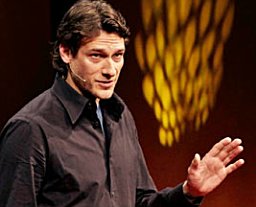 Martin M. Hanczyc合作论文数Lab Artificial Biol, Univ Trento8Kazuto Kataoka合作论文数8
 Alexander Woodward合作论文数University of Auckland;Dept . Computer Science;Dept . Computer Science, University of Auckland7
 Yumiko Iwafune合作论文数7
 Shintaro Negishi合作论文数Department of Electrical Electronics and Information Engineering Yokohama Kanagawa Japan6Mita Takeshi合作论文数6
 Hirokazu Takahashi合作论文数6
 Yuta Ogai合作论文数Graduate Schoolof Arts and Sciences, University of Tokyo6
 Ryoko Uno合作论文数Tokyo University of Agriculture and Technology6
 Douglas J. Bakkum合作论文数Department of Biomedical Engineering, Georgia Institute of Technology6
 Norman H. Packard合作论文数Protolife Inc.6
 Tim Taylor合作论文数Monash University5hitoshi Yano合作论文数5
 Urs Frey合作论文数Dept. Biosystems Science and Engr., ETH Zurich5
 Kazutoshi Sasahara合作论文数BSI, RIKEN Brain Science Institute5
 Naoaki Ono合作论文数Graduate School of Information Science and Technology, Osaka University5
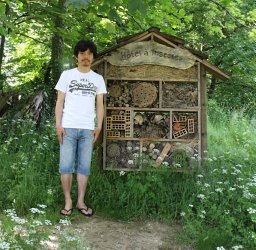 Shigeto Dobata合作论文数Faculty of Agriculture, University of the Ryukyus5Takahide Yoshida合作论文数4Tetsuo Saitou合作论文数4Makoto Taiji合作论文数4
 Chiyori T. Urabe合作论文数4Masayuki Nakayama合作论文数4Yuzuru Sato合作论文数4koji kudo合作论文数4
 Takashi Oozeki合作论文数Res. Center for Photovoltaic, Nat. Inst. of Adv. Ind. Sci. & Technol. (AIST),;c4
 Mark A. Bedau合作论文数Philosophy and Humanities, Reed College4Steen Rasmussen合作论文数4
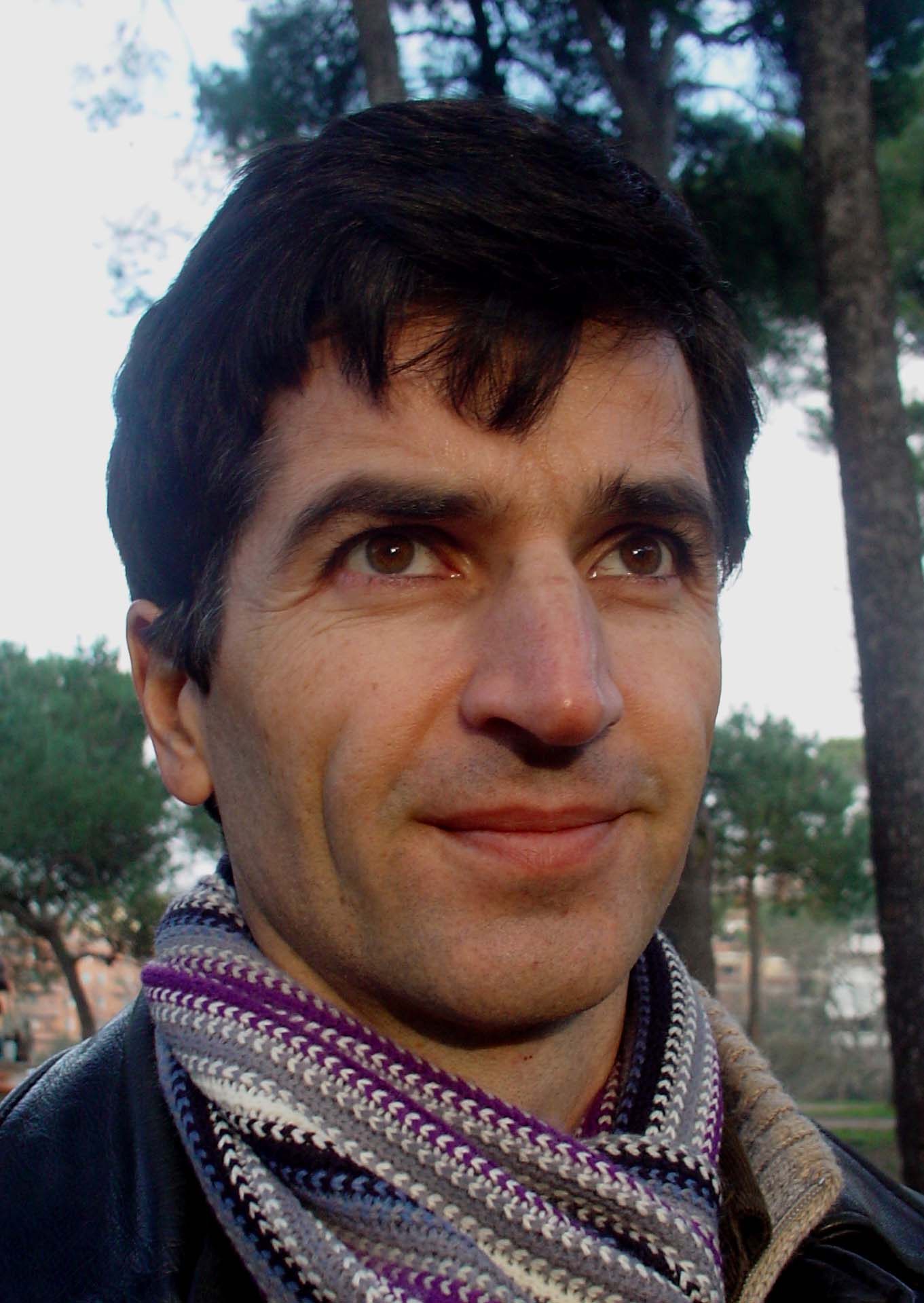 Stefano Nolfi合作论文数Institute of Cognitive Sciences and Technologies, National Research Council4
 Alastair Channon合作论文数School of Computer Science, University of Birmingham4Gentaro Morimoto合作论文数4
 Yujin Tang合作论文数Google Brain4Naoto Horibe合作论文数3
 Nathanael Aubert-Kato合作论文数3




