The high content of heavy components in coal pyrolysis tar constrains its high-value utilization. Although semi-coke-based catalysts are cost-effective and promising for catalytic upgrading, their performance needs further enhancement. In this study, a novel nickel chloride-lactic acid (NiCl2-LA) deep eutectic solvent (DES) was designed. Leveraging nickel-lactic acid coordination and the inherent hydrogen bond network of DES, it penetrates semi-coke to promote nickel-semi-coke reactions, anchor nickel species with good dispersion, and finally synthesize nickel-supported semi-coke-based catalyst (Ni/C) via carbothermal reduction. Characterization results indicated that the Ni/C catalyst possesses a hierarchical pore architecture dominated by mesopores, with an increased specific surface area, enhanced degree of graphitization, and well-dispersed Ni nanoparticles on the semi-coke support. Based on this, during catalytic pyrolysis, the semi-coke support and well-dispersed Ni active sites exerted a synergistic effect, promoting the release of coal pyrolysis volatiles and increasing the tar yield from 8.30 % to 10.90 %. Simultaneously, by facilitating the cleavage of C-H and C-C bonds, they drove the conversion of heavy tar components to light components, elevating the relative content of monocyclic aromatic hydrocarbons from 1.16 % to 3.96 %. Moreover, the proportions of light components (BP <= 360 degrees C) and light oil (BP <= 170 degrees C) reached 62.60 % and 18.15 %, respectively, both at relatively high levels. This study validates that the functional properties of DES can be harnessed for the targeted design and preparation of high-activity catalysts, providing a viable strategy for the upgrading of light components in coal pyrolysis tar.
Acidic electrochemical CO2 reduction (CO2RR) typically requires K+ ions to create a local H+-depleted microenvironment, suppressing competing hydrogen evolution reaction (HER). Excessive localized K+ causes salt precipitation, compromising electrolysis stability. Achieving stable operation with high Faradaic efficiency (FE) at low K+ concentrations remains a crucial challenge for conventional nanomaterials. Inspired by water-trapping function of sponges, we design a three-dimensional interconnected porous cubic SnO2 electrocatalyst (SnO2 sponge) that confines OH- within porous channels to consume proton influx from the bulk, enabling durable acidic CO2RR towards formic acid (HCOOH). Theoretical and experimental studies reveal the SnO2 sponge sustains substantially higher OH- concentration than dispersed SnO2 nanoparticles. At pH 1.82, the SnO2 sponge achieves 94.5% FEHCOOH at 800 mA cm-2. With only 0.075 M K+, it retains 95.2% FEHCOOH at 400 mA cm-2. Notably, it enables continuous HCOOH production at 400 mA cm-2 with 97.7% FEHCOOH for over 390 h without cleaning. This work provides a promising strategy for durable and efficient CO2RR in acidic media with low K+ concentrations.
Gel polymer electrolytes (GPEs) have attracted attention for improving the performance of lithium metal batteries, especially for safety and long cycle life. However, conventional poly (vinylidene fluoride-co-hexafluoropropylene) (PVDF-HFP)-based GPEs suffer from low ionic conductivity and limited lithium-ion transference number, restricting practical application. Herein, a functional metal–organic framework (UiO-66) is introduced as a multifunctional filler into the PVDF-HFP matrix. Lewis acid sites on UiO-66 Zr clusters strongly anchor TFSI− anions, promoting lithium salt dissociation and releasing abundant free Li+. Meanwhile, its ordered porous structure creates continuous and fast Li+ transport pathways within the polymer matrix. The composite achieves improved ionic conductivity (1.31 mS cm−1), enhanced Li+ transference number (0.38), and a broadened electrochemical stability window (4.7 V). Moreover, it exhibits excellent interfacial compatibility with Li metal anodes, enabling stable plating/stripping for over 500 h. When assembled in Li||LiCoO2 full cells, the GPE delivers superior cycling stability (86% capacity retention after 100 cycles at 0.5C) and remarkable rate capability. Post-cycling characterizations confirm the formation of a dense, uniform, and stable SEI layer on the Li anode, effectively inhibiting dendrite growth. This work provides a facile strategy for high-performance gel polymer electrolytes via rational MOF functionalization for advanced lithium metal batteries.
Regarding the safety risks caused by the high-temperature contraction and melting of traditional polyolefin separators in lithium metal batteries, an in-situ nanoencapsulated silica/polyvinylidene fluoride (ISE-SiO2/PVDF) composite separator with core-shell structure was prepared by electrospinning coupled low-temperature hydrolysis technology. The design uses PVDF fiber as the core, and the surface is uniformly coated with the thermally stable SiO2 nanolayer in situ. The SiO2 cladding synergistically strengthens the tensile strength of the separator (0.6 MPa -> 2.2 MPa). At the same time, the excellent heat/oxygen barrier properties of SiO2 are used to greatly enhance thermal stability (shrinkage rate at 150 degrees C, ISE-SiO2/PVDF: similar to 0%, PE: similar to 62%) and flame retardancy (touching the flame without burning), and build a thermal runaway barrier. More importantly, the inherent strong lithium ion affinity of SiO2 not only induces the formation of low-energy barrier and highly ordered lithium ion transport channels (t(Li+) = 0.45, sigma = 1.04 mS cm(-1)), but also provides uniformly distributed lithium nucleation sites, which synergistically promotes the uniform deposition of lithium ions and may efficiently inhibits the uncontrollable growth of lithium dendrites. The Li||Li battery based on ISE-SiO2/PVDF separator can undergo stable cycling for more than 250 times under the conditions of 1 mA cm(-2)/1 mAh cm(-2). The assembled LiCoO2 (active material load: 10.9 mg)||Li battery can also be stably cycled more than 300 times, and still maintains a capacity retention rate of 58.79% (PE is 36.16%) at a high current density of 5C. This in-situ nanopackaging strategy cleverly combines organic flexibility and inorganic functionality, providing a new efficient way to develop high-safety and high-performance lithium metal battery separators.
To achieve efficient upgrading and clean utilization of lignite-derived tar, an integrated zeolite modification strategy based on deep eutectic solvents (DESs) was developed, in which a Fe-based DES system was constructed with FeCl3.6 H2O and CF3COOH. This DES realized the simultaneous acid modification and metal incorporation of ultrastable Y (USY) zeolite, thereby simplifying the catalyst preparation process. Characterization results revealed that DES treatment at an optimal molar ratio of 1:9 preserved the structural integrity of the Faujasite framework while inducing a hierarchical "micropore-sacrifice/mesopore-compensation" architecture. Meanwhile, Fe species were introduced uniformly, leading to the reduction of Br & Oslash;nsted acid sites and the enhancement of Lewis acid sites, thereby constructing multifunctional catalytic centers with synergistic acidity and redox activity. Mechanistic analysis demonstrated that DES-induced mesoporosity enhanced mass transfer and diffusion, while the cooperation between Fe redox sites and Lewis acid sites facilitated C-C and C-O bond cleavage as well as aromatization reactions. In the fixed-bed pyrolysis of NMH lignite, the optimized catalyst exhibited superior catalytic performance: the light oil fraction in tar increased from 16.86 % to 27.94 %, the relative content of light tar reached 75.61 %, gas yield reached 21.53 %, and PAHs content dropped sharply. Furthermore, the catalyst was confirmed to possess superior reusability in successive runs. This study highlights DES as tunable functional media, serving as an efficient platform for the integrated regulation of zeolite structure, acidity, and activity. Consequently, it provides a novel strategy for fabricating high-performance modified molecular sieve catalysts, which are applicable to the clean and value-added conversion of coal pyrolysis tar.
The utilization of coal combustion supports the long-term stable development of the socio-economy, but slagging and ash deposition phenomena constrain its efficient utilization. This study employed a co-precipitation method to prepare a layered PO43--intercalated magnesium-aluminum hydrotalcite (MAP) additive to improve coal ash fusion characteristics. Combustion experiments demonstrated that the MAP additive significantly increased the ash fusion temperature of Naomaohu coal (NC) (the softening temperature rose from 1161 degrees C to 1393 degrees C) while reducing fine particulate matter generation. The mechanisms include: (1) solid-phase reconstruction: promoting the phase transformation of low-melting-point alkaline minerals (e.g., anorthite, nepheline, anhydrite) into high-melting-point crystals (e.g., akermanite, forsterite, magnesium calcium phosphate); (2) ion immobilization: layered phosphates capturing alkali metal ions (Na+, K+) through ion exchange. The dual mechanisms synergistically altered ash particle distribution: the peak particle size of fine particles (PM1) shifted from 0.03 mu m to 1.05 mu m, the proportion of coarse particles (PM2.5) increased by 48 %, and the peak distribution expanded from 2.46 mu m to 3.64 mu m. Concurrently, the surface adhesion of ash was reduced, enhancing dispersion efficiency and effectively inhibiting slagging and ash deposition. The MAP additive exhibits excellent potential for regulating ash fusion behaviour, providing a novel strategy for the clean and efficient utilization of coal.
This paper systematically reviews the preparation strategies of coal tar pitch (CTP)-derived porous carbon and its advanced applications in energy storage and conversion. First, the composition, molecular structure, and physicochemical properties of CTP are elucidated, forming the foundational knowledge for understanding its subsequent transformation and utilization. Subsequently, the carbonization mechanisms of CTP are explored in depth to clarify the intrinsic principles governing its transition from pitch to carbonaceous materials. Building on this, a comprehensive discussion is presented on advanced synthesis methods for CTP-based porous carbon, such as activation, templating, and heteroatom doping, providing technical insights for the customization of material fabrication. Particular attention is paid to its applications in supercapacitors and alkali-metal batteries, with a focus on the pivotal role of CTP-derived porous carbon in enhancing electrochemical performance via optimized pore architectures, surface chemistry, and conductive networks. By integrating recent advancements in the field, this review aims to establish a holistic framework linking the “composition-structure-performance” relationships of CTP-based porous carbon. The findings offer guidance for the rational design of next-generation porous carbon materials with superior energy storage capabilities, thereby bridging the divide between precursor engineering and functional material innovation.
Porous carbon materials are regarded as ideal electrode materials for supercapacitors due to their advantages such as tunable pore structure and good electrical conductivity. Therefore, this study activated commercial cotton cloth (CC) with three potassium salts (K2CO3, CH3COOK, and KHCO3) to investigate the effects of different salts on the microstructure and electrochemical performance of the obtained porous carbon fiber cloth. During carbonization, the potassium salts decompose and undergo redox reactions with carbon, generating gases such as CO2 and CO as well as active potassium. These products collectively contribute to gasification erosion and chemical etching of the cotton cloth, thereby constructing a hierarchical pore structure containing micropores, mesopores, and macropores. The results indicate that the sample activated by KHCO3 (denoted as KHCO3-0.3) exhibited optimal porosity characteristics, with a specific surface area reaching 911 m2 g-1 and a micropore volume of 0.39 cm3 g-1, significantly enhancing its charge storage capability. The material demonstrated a specific capacitance of 313 F g-1 at the current density of 0.2 A g-1, and even maintained 120 F g-1 at a high current density of 90 A g-1. A symmetric supercapacitor assembled based on KHCO3-0.3 achieved a specific capacitance of 121 F g-1 at 0.2 A g-1, with corresponding energy and power densities of 16 Wh kg-1 and 16 kW kg-1, respectively. It also retained 57% of its capacitance at 30 A g-1 and demonstrated that after 25,000 cycles, the capacitor still maintained 98% cycle stability. This potassium salt activation strategy is both environmentally friendly and economical, thus offering a promising route for valorizing cotton textiles into high-value energy storage materials.
Artificial photosynthesis that converts solar energy and CO2 into value-added chemicals such as CO represents a highly promising route for sustainable energy production. However, the inherent limitations of graphitic carbon nitride (g-C3N4), including the lack of efficient active sites and sluggish charge transfer, significantly hinder its photocatalytic CO2 reduction performance. Herein, a novel strategy is proposed in which amino-functionalized carbon dots (pCDs) mediate the construction of Co-N coordination active centers on g-C3N4 nanosheets (Co-5pCDs-g-C3N4). Advanced characterizations reveal that Co ions are anchored on the surface of the pCDs through Co-N coordination with amino groups, while the structural incorporation of the pCDs effectively reduces the lateral dimensions of the g-C3N4 nanosheets. This structural design markedly enhances charge-carrier separation within Co-5pCDs-g-C3N4, promotes charge migration toward the Co-N active centers, and enables highly selective CO2 to CO conversion. Notably, Co-5pCDs-g-C3N4 achieves a remarkable CO production rate of 616.1 mu mol & centerdot;g-1 & centerdot;h-1, 91 times higher than Co-g-C3N4 with a CO selectivity of 92%. Femtosecond transient absorption (fs-TA) spectroscopy provides crucial mechanistic insights into the improved performance. The incorporation of pCDs significantly prolongs the average lifetime of photogenerated charge carriers, whereas the introduction of Co further extends this lifetime by promoting charge separation and suppressing recombination. Owing to the dual functions of pCDs in modulating charge dynamics and tailoring the coordination environment, the resulting catalyst demonstrates markedly enhanced photocatalytic CO2 reduction performance, underscoring its strong potential for advanced solar-driven catalytic applications.
For achieving high-power and low-platinum direct methanol fuel cell (DMFC) under proton-exchange-membrane, we introduce the oxidation-state ruthenium species as H2O-activation centers stabilized on PtZn NPs to boost methanol-oxidation reaction (MOR). The Zn-regulated Ru centers, approaching bivalent states, enhance interfacial H2O-capture/dissociation and OH-transfer, enabling rapid CO* removal from adjacent Pt sites. It exhibits an outstanding mass activity of MOR at 2.71 A mgPt-1 and powers a DMFC with 191.2 mW cm-2 peak density (382.4 W gPt-1) while maintaining 125-hour stability, higher than documented results to date, essentially different from traditional alloy catalysts. Combined ab initio molecular dynamics simulations and in-situ spectroscopy reveal a dense O-down water network around Ru centers, where intermediate RuO(OH)2 structure significantly deceases the H2O-dissociation barrier. Kinetic isotope effect tests (CH3OH/H2O vs. D2O) show JH2O/D2O = 4.2 for RuOx-PtZn/C at 0.85 VRHE, versus 16.2 for RuOx-Pt/C, directly confirming superior water activation efficiency of RuOx-PtZn/C. We envision that the comprehensive understanding of high-performance MOR on RuOx-PtZn/C through experimental-theoretical approaches will contribute to the practical application of DMFC as early as possible. (c) 2026, Dalian Institute of Chemical Physics, Chinese Academy of Sciences. Published by Elsevier B.V. All rights reserved.
Li─O2 batteries (LOBs) offer an ultrahigh theoretical energy density but suffer from a large overpotential. Photocathodes can lower this overpotential, but most of them cannot achieve efficient charge separation, sufficient redox capability, and broadband photoresponse at the same time. Here, a plasmonic S-scheme heterojunction photocathode (W18O49/g-C3N4, WOCN) is constructed. W18O49 serves as the oxidation semiconductor of the heterojunction and a noble-metal-free plasmonic absorber, forming a continuous plasmonic heterointerface with g-C3N4. The intrinsic localized surface plasmon resonance (LSPR) of W18O49 originates from periodically arranged lattice-localized electrons in W5+ clusters. Photogenerated carriers with strong redox capability and LSPR-generated hot electrons are separated by the S-scheme carrier transfer pathway. Under AM 1.5G illumination, the WOCN-based LOBs exhibit an ultralow overpotential of 0.04 V and a round-trip efficiency of 98.75%. Even under NIR illumination, an overpotential of 0.34 V and a round-trip efficiency of 90.12% are achieved, demonstrating an effective NIR response in photo-assisted LOBs for the first time. This work opens a new avenue for designing plasmonic S-scheme heterojunctions toward next-generation energy storage systems with full solar spectrum utilization.
As a major component of lignocellulosic biomass, lignin supports sustainable biorefineries and the circular economy as a renewable feedstock for biofuels and high-value chemicals. Catalytic upgrading of lignin pyrolysis volatiles offers a promising pathway. This study investigated lignin pyrolysis with in-situ upgrading using CaO (basic), HZSM-5 (acid), and CaO-HZSM-5 relay catalysts at 550 degrees C with a lignin-to-catalyst weight ratio of 1:1. Raw tar contained H-type (phenol, alkylphenols, naphthalenols), G-type (methoxyphenols), and S-type (dimethoxyphenols) phenolics, esters, alkanes, alkenes and aromatics. CaO increased the total relative content of phenolics by 17.96%, favoring H- and G-type phenolics while reducing S-type phenolics and esters. HZSM-5 significantly promoted aromatics formation, raising the relative content of mono- and bicyclic aromatics by 11.21% and 23.86%, respectively. The relay catalyst simultaneously increased the relative content of phenolics and aromatics, achieving 69.96% selectivity for H-type phenolics among total phenolics and 80.23% combined selectivity for benzenes and naphthalenes within the aromatic fraction, with the lowest coke yield (4.02%). A synergistic catalytic mechanism is proposed, where primary tar undergoes decarbonylation and demethoxylation over CaO, followed by aromatization over HZSM-5. This integrated basic-acid strategy promotes production of light phenolics and aromatics while suppressing coke deposition, advancing efficient lignin conversion into value-added chemicals.
Lithium-carbon dioxide batteries (Li-CO2), featuring a high discharge voltage (∼2.8 V) and a high theoretical energy density (1876 Wh kg- 1), have garnered significant attention for their dual capability in energy storage and CO2 fixation. However, the complex reaction pathways across multiphase interfaces and sluggish discharge-charge kinetics result in poor reversibility, which severely hinders their practical application. Addressing these challenges necessitates the development of efficient cathode catalysts, whose activity is fundamentally governed by their electronic structure. In this review, we systematically elucidate the structure-performance-mechanism relationships of cathode catalysts in Li-CO2 batteries by first examining the underlying reaction mechanisms at the electrode-electrolyte interface. We then provide a detailed analysis of how the electronic structures of heterogeneous catalysts influence discharge-charge processes. Particular emphasis is placed on specific electronic structure modulation methods or their combinations, through strategies targeting active sites, surface morphology, and interface structure, as a pivotal route for constructing high-performance catalysts. Subsequently, we also discuss the underlying atomic-level origins of these modulation effects. Finally, we propose several future research directions aimed at advancing the fundamental understanding of Li-CO2 electrochemistry, optimizing electrocatalytic performance, and accelerating the practical implementation of Li-CO2 batteries.
Achieving mild-condition ammonia synthesis from dinitrogen (N2) reduction has been a longstanding challenge in heterogeneous catalysis, primarily due to the lack of catalysts capable of simultaneously breaking the N≡N bond and hydrogenating the atomic nitrogen with low energy barriers. Herein, we identify a fundamental trade-off between N≡N bond breaking and subsequent N–H bond formation steps across different molecular catalysts, which was not previously established in homogeneous catalysis. By balancing N≡N activation and N–H formation, our computational analysis not only effectively rationalizes experimentally observed activity trends among well-studied Mo-complexes but also offers a rationale for predicting new homogeneous catalysts. Based on this established theoretical structure-activity relationship, we further identified a 5,6-OCF3-substituted tungsten (W) complex as a promising catalyst for ammonia synthesis, overperforming all available complexes in the literature under the same reaction conditions. This work not only explains the trend in ammonia synthesis activity of metal complexes in available experiments but also provides theoretical guidance for the rational design of next-generation molecular catalysts for ambient nitrogen fixation.
Rapid and robust activation of iron-based catalysts is critical for industrial Fischer-Tropsch synthesis. This work introduces a multi-stage, counter-current continuous fluidized-bed system that enables uninterrupted catalyst activation, addressing key limitations of conventional batch fluidized beds. Compared with previous studies that mainly addressed batch activation or conventional fluidized-bed activation, the novelty of this work lies in the combined cold-flow, CFD, and hot-flow validation of a multi-stage counter-current continuous fluidized-bed reactor for iron-based catalyst activation. Cold-flow tracer-based RTD experiments were conducted in a transparent acrylic reactor, and hot-flow activation tests were performed in a stainless-steel reactor under syngas at 265 degrees C and 0.2 MPa. Cold-flow experiments show that the inter-stage overflow design ensures unidirectional particle transfer, markedly suppresses back-mixing, and improves plug-flow behavior. The dimensionless variance of the residence time distribution decreases from 1.0 to 0.475, while the fitted tanks-in-series number increases from 1.0 to 2.34. CFD simulations accurately reproduce the observed hydrodynamics and extend the analysis to operating limits, predicting an upper gas-velocity threshold of 0.29 m/s under cold-flow conditions. Hot-flow simulations based on the validated model identify a slightly lower limit of 0.27 m/s, which provides practical guidance for reactor design and scale-up. Hot-flow experiments confirm stable fluidization at 265 degrees C and 0.2 MPa with continuous catalyst feeding and withdrawal. The catalysts activated in the multi-stage continuous system exhibit CO conversions of 51 to 53% and CH4 selectivities of approximately 1% in a stirred-tank evaluation reactor, achieving performance comparable to that obtained with our batch fluidized bed activation method.
Designing the pore structure and distributing the heteroatoms rationally are crucial to enhancing the performance of carbon-based supercapacitors. Herein, based on the coordination chemistry between the active functional groups in histidine and Zn2+, we developed a synergistic activation strategy to successfully fabricate N, O-codoped porous carbon (CHC-2-800). Uniform coordination enables ZnCl2 to act as both a template and an activating agent during high-temperature carbonization, promoting the formation of a micropore-enriched structure, while ensuring a homogeneous distribution of N and O functional groups. The optimized CHC-2-800 exhibits a high specific surface area (1197 m2 g-1), balanced pore structure, and abundant active sites, delivering a specific capacitance of 227 F g-1 at 0.1 A g-1 and maintaining a specific capacitance of 95 F g-1 at 20 A g-1 in a three-electrode system. As a symmetric supercapacitor, it retains 95.7% capacitance after 40,000 cycles, demonstrating excellent cycling stability. This strategy effectively integrates a well-developed microporous structure with heteroatom modulation, offering a new approach for the design of high-performance carbon materials.
Green hydrogen production via anion exchange membrane water electrolysis (AEM-WE) promises cost-effective decarbonization, but faces durability and scalability constraints from chemically unstable AEM and the excessive use of superacid in polymerization. Here, we report a poly(aryl methylquinuclidinium) (PAMQ) synthesized via a superacid-reduced polyhydroxyalkylation approach employing aldehyde-functionalized quinuclidine monomers. This strategy reduces trifluoromethanesulfonic acid (TFSA) consumption by 62.5% versus ketone-based systems, while integrating sterically protected quinuclidinium cations that resist β-H elimination and nucleophilic substitution. Crucially, streamlined synthesis mitigates the risks of superacid polymer reactions during scale-up, enabling pilot-scale production and roll-to-roll membrane fabrication. PAMQ achieves benchmark hydroxide conductivity (170 mS cm-1 at 90 °C) with a low swelling ratio (13.16%) and exceptional alkaline stability, showing negligible degradation after 10,000 h in 1 mol L-1 KOH (80 °C), and an exponential fit indicates a 10% decay occurs over a decade. In fully non-platinum group metal AEM-WE, it achieved 7.70 A cm-2 at 2.0 V, operating stably for over 2500 h at 1 A cm-2 (80 °C) with a minor fading rate of 12.97 μV h-1. The performance and stability of PAMQ were validated at a kilowatt-level stack, demonstrating the transformative potential of PAMQ-based AEMs to advance the sustainable hydrogen economy.
Supercapacitors exhibit important application value in new energy vehicles, smart grids, and wearable devices due to their high-power density, long cycle life, and wide temperature adaptability. However, the core bottleneck lies in traditional carbon-based electrode materials suffering from inefficient pore structures, surface chemical inertness, and unsustainable preparation processes. Here, we successfully constructed Celosia cristata L.-like N, O co-doped porous carbon electrode materials by simple high-temperature pyrolysis, using histidine as both the carbon precursor and self-doping source, and combining with the structure directing agent (zinc acetate) to modulate homogeneous dispersion of Zn2+ through coordination chemistry. The optimized carbonaceous products exhibited mesoporous network structure (specific surface area of 1145 m2 g-1), with a high specific capacitance of 241 F g-1 at a current density of 0.1 A g-1. The assembled symmetric supercapacitor demonstrates excellent electrochemical performance, maintaining 80 F g-1 at a high current density of 20 A g-1 and a capacity retention of 96.7 % after 40,000 cycles at 5 A g-1. This strategy enables molecular-scale anchoring coordination of metal ions through precise design of biomass molecules, effectively solving the problem of pore structure damage caused by metal aggregation in traditional templating methods. It provides a universal solution for developing high-performance, low-cost, and eco-friendly supercapacitor electrode materials.
 Jianping He (何建平)合作论文数College of Materials Science and Technology, Nanjing University of Aeronautics and Astronautics87
 Dongling Wu (吴冬玲)合作论文数Institute of Applied Chemistry, Xinjiang University41
 Xianli Huang (黄现礼)合作论文数College of Materials Science and Technology, Nanjing University of Aeronautics and Astronautics39
 Gong Hao合作论文数Department of Materials Science and Engineering, Faculty of Engineering, National University of Singapore;Department of Physics, Faculty of Science, National University of Singapore34
 Yunjie Ding (丁云杰)合作论文数Dalian Institute of Chemical Physics, Chinese Academy of Sciences33
 Hairong Xue (薛海荣)合作论文数31
 Kun Chang (常焜)合作论文数College of Materials Science and Technology, Nanjing University of Aeronautics and Astronautics27
 Xiaoli Fan (范晓丽)合作论文数School of Materials Science and Engineering, Northwestern Polytechnical University;Queen Mary University of London Engineering School, Northwestern Polytechnical University25
 Lei Sheng合作论文数23
 Jinhua Ye (叶金花)合作论文数College of Physics Science & Technology, Hebei University;School of Materials Science and Engineering, Tianjin University21
 Li Song (宋力)合作论文数School of Environmental Science and Engiennring, Nanjing University of Information Science & Technology20Peng Li (李鹏)合作论文数18Gaojun Liu合作论文数18Yaozong Bai合作论文数18
 Dianzeng Jia (贾殿赠)合作论文数Institute of Applied Chemistry, Xinjiang University;Key Laboratory of Energy Materials Chemistry, Ministry of Education, Xinjiang University;Graduate School, Xinjiang University18
 Xianguang Meng (孟宪光)合作论文数Greater Bay Area University18
 Bin Gao合作论文数Department of Civil and Environmental Engineering, School of Engineering, Rensselaer Polytechnic Institute18
 Weimiao Chen (陈维苗)合作论文数Dalian Institute of Chemical Physics, Chinese Academy of Sciences;University of Chinese Academy of Sciences17
 Hejun Zhu (朱何俊)合作论文数Dalian Institute of Chemical Physics, Chinese Academy of Sciences;University of Chinese Academy of Sciences16Xin Xie合作论文数12Haoyu DONG (董浩宇)合作论文数12
 Xingxu Gao合作论文数11Luo Hongyuan合作论文数11Ling Yang合作论文数11
 Wei Xia (w xia)合作论文数School of Chemistry and Molecular Engineering, East China Normal University11Hu Guo合作论文数11
 Licheng Sun (孙立成)合作论文数School of Science, Westlake University;Center of Artificial Photosynthesis for Solar Fuels, Westlake University11Jianhua Zhou合作论文数11Xingyu YU (于星宇)合作论文数10
 Li Yan (严丽)合作论文数Dalian Institute of Chemical Physics, Chinese Academy of Sciences10
 Huabin Zhang合作论文数Physical Science and Engineering Division, King Abdullah University of Science and Technology;Advanced Catalysis of Sustainable Energy Lab, King Abdullah University of Science and Technology10
 Junjie Pan合作论文数College of Material Science and Technology, Nanjing University of Aeronautics and Astronautics9Jingjing Li合作论文数9
 Guigao Liu合作论文数Tianjin University, Tianjin Univ.9
 Zhe Chen (陈哲)合作论文数College of Environmental Science and Engineering, North China Electric Power University9Yunyun Xu合作论文数8Songtao Zhang合作论文数8
 Jing Tang (汤静)合作论文数School of Chemistry and Molecular Engineering, East China Normal University8
 Weiping Ding (丁维平)合作论文数School of Chemistry and Chemical Engineering, Nanjing University8Xiangen Song (宋宪根)合作论文数8Xiaochun Ding合作论文数8Gaomou Xu合作论文数7
 Biaobiao Zhang (张彪彪)合作论文数Center of Artificial Photosynthesis for Solar Fuels, School of Science, Westlake University7
 Jian Zhang (张健)合作论文数School of Materials Science and Engineering, Northwestern Polytechnical University7
 Huimin Liu合作论文数7
 Lequan Liu (刘乐全)合作论文数School of Materials Science and Engineering, Tianjin University7
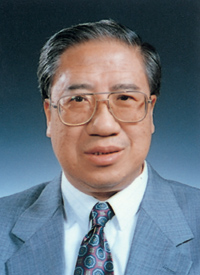 Liwu Lin (林励吾)合作论文数Dalian Institute of Chemical Physics, Chinese Academy of Sciences7
 Yuan Lu (卢渊)合作论文数Faculty of Information Science and Engineering, Ocean University of China7Wenda Dong合作论文数7




