Innovation programs in higher education advance professional development and meet evolving needs of both students and institutions. This article examines the lifecycle of various innovation programs in nursing education, including building, sustaining, and sunsetting of various recent initiatives developed in a college of nursing with robust innovation programming. Drawing on case studies such as the Master of Healthcare Innovation (MHI) program, the IDEA Workshop, and the Innovation Studio, the article explores how these programs were developed to meet specific gaps, strategies used to maintain their momentum, and sometimes challenges that led to their conclusion. The findings of our program review highlight the importance of interdisciplinary collaboration, feedback-driven program development, and the need for tailored approaches based on the unique needs of each organization. Lessons learned demonstrate that while innovation frameworks offer valuable guidance, they cannot simply be replicated across institutions without adaptation. Successful programs were those that evolved to reflect diverse perspectives and maintained flexibility in addressing emerging challenges. The article offers implications for education and practice and concludes with a recommendation that sustainable innovation in higher education requires a balance of structured leadership, ongoing stakeholder engagement, and adaptability to ensure long-term impact.
BACKGROUND:Nurses exemplify innovation as they navigate the dynamic and ever-evolving health care environment. The Three Cs of Innovation™-creativity, courage, and connection-are introduced as foundational competencies for fostering innovation in nursing. METHOD:This article presents a framework for embedding the three Cs into nursing education. The framework is explored through real-world examples and evidence-based practices, highlighting the role of creativity in problem solving, courage in challenging norms, and connection in team building. RESULTS:The framework supports the development of a mindset that enhances both innovation and well-being. Additionally, curiosity, introduced as a "fourth" C, plays a critical role in fostering inquiry and diverse perspectives. CONCLUSION:The Three Cs of Innovation provides a practical, streamlined approach to integrating innovation into nursing curricula. By nurturing these competencies, nurses are empowered to excel in practice, become more engaged, and promote resilience and well-being in health care teams.
Background:Nearly 70% of faculty experience very high levels of stress. Integrative Nurse Coaching (INC) can help by assisting clients in establishing goals and embarking on new lifestyle behaviors that help to decrease perceived stress, achieve work life integration, and enhance life satisfaction. Our goal was to evaluate a faculty coaching and fellowship program to support faculty well-being while developing innovation competency.Methods:We employed an INC paradigm to coach five faculty to build confidence and competence in innovation and enhance well-being. We offered monthly group and individual coaching and used a qualitative research thematic analysis to determine themes important for the fellow and group experiences, identify outcomes, and create recommendations for the future.Results:We identified the following themes as outcomes for our program: (1) enhanced connection, comradery, and support; (2) increased confidence and competence in navigating academia; (3) shift from a fixed mindset to an innovation mindset; and (4) increased ability to identify and manage stress and burnout. Fellows also experienced a shift from focusing on individual needs to addressing the needs of the community at the college.Conclusion:Nurse coaching is an effective strategy to address faculty stress and burnout. Additional research is needed to evaluate the Innovation for Well-being faculty fellowship program and its impact on the academic community.
BACKGROUND:The development of tools that could help emergency department clinicians recognize stroke during triage could reduce treatment delays and improve patient outcomes. Growing evidence suggests that stroke is associated with several changes in circulating cell counts. The aim of this study was to determine whether machine-learning can be used to identify stroke in the emergency department using data available from a routine complete blood count with differential.METHODS:Red blood cell, platelet, neutrophil, lymphocyte, monocyte, eosinophil, and basophil counts were assessed in admission blood samples collected from 160 stroke patients and 116 stroke mimics recruited from three geographically distinct clinical sites, and an ensemble artificial neural network model was developed and tested for its ability to discriminate between groups.RESULTS:Several modest but statistically significant differences were observed in cell counts between stroke patients and stroke mimics. The counts of no single cell population alone were adequate to discriminate between groups with high levels of accuracy; however, combined classification using the neural network model resulted in a dramatic and statistically significant improvement in diagnostic performance according to receiver-operating characteristic analysis. Furthermore, the neural network model displayed superior performance as a triage decision making tool compared to symptom-based tools such as the Cincinnati Prehospital Stroke Scale (CPSS) and the National Institutes of Health Stroke Scale (NIHSS) when assessed using decision curve analysis.CONCLUSIONS:Our results suggest that algorithmic analysis of commonly collected hematology data using machine-learning could potentially be used to help emergency department clinicians make better-informed triage decisions in situations where advanced imaging techniques or neurological expertise are not immediately available, or even to electronically flag patients in which stroke should be considered as a diagnosis as part of an automated stroke alert system.
Burnout in health care employees and leaders is at an all-time high. Strategies to address burnout can fall short of addressing the broad range of underlying causes, including both organizational culture and personal factors. The National Academies of Medicine has set forth recommendations to address health care burnout from a leadership-based systems level that focuses on the whole employee, body, mind, and spirit. Across generations and societies, there is a growing trend toward spirituality and meaning as a critical component of both personal life and work. Among the working-age millennials, values of purpose and greater societal good take precedent and impact work choices and behaviors. Spiritually based values such as a sense of purpose, the transcendence of the self and ego, and the acknowledgment of something greater than our collective selves, are present in both popular culture and research on transcendental models of leadership. This article presents a model of holistic transcendental leadership that can be leveraged in the health care workplace to enhance innovation and creativity, while placing a novel emphasis on the physical, emotional, and spiritual well-being at the individual, group, and organizational level.
Introduction: Mechanical thrombectomy (MT) has a time-dependent effect on clinical outcomes in acute ischemic stroke (AIS) patients with large vessel occlusions (LVO). Most AIS patients who need MT evaluation present to a spoke Emergency Room (ER) and require transfer to a comprehensive stroke center (CSC) hub. Delayed or incomplete interdisciplinary team communication are potential barriers to timely MT. The purpose of this quality improvement (QI) project was to evaluate team members’ fidelity and acceptability to a new handoff protocol and effect on treatment times. Methods: Our academic CSC has a hub-spoke telestroke model that includes 27 spoke ERs in Ohio. An LVO handoff protocol was designed to ensure a structured process that required the telestroke physician to a) communicate to the receiving in-house stroke team and endovascular team; b) hand-off standardized data from transferring hospital including last known normal, National Institutes of Health Stroke Scale, and neuroimaging findings, and c) communicate a pre-arrival plan. Fidelity was measured by a standardized checklist and Acceptability was measured by Acceptability of Intervention Measure (AIM) questionnaire. Door-to-Groin (DTG) times 4 months pre- and 5 months post- implementation were reviewed. Results: Among 83 AIS patients (28 pre- and 55 post-implementation) transferred from a telestroke ER for suspected LVO, the mean age was 70.4 (± 13.7) and 32 (39%) were female. Overall fidelity was 81% with the lowest scores noted on weekends. Acceptability among team members was 96%. Overall DTG mean time was 64.0 minutes (+/- SD 51) for the entire period. The mean DTG improved from pre-protocol to post-protocol period by 29.2 minutes (83.4 vs. 54.2 min, p = 0.0136). Conclusions: Standardized pre-arrival interdisciplinary team communication for AIS LVO patients transferred to CSC in a telestroke hub-stroke model was feasible and associated with improvement in DTG times. Further studied needed for sustainability and ongoing improvement.
Background: The interest in and demand for healthcare innovation has heightened amid the COVID-19 pandemic. Organizations are challenged to balance the goals of daily operations with innovation to stay relevant and compete in the market-place. Innovation is critical for not only the success and sustainability of organi-zations, but the well-being of the faculty, staff, and clients they serve. Purpose: In this article, we present an overview of several Nursing Innovation Cen-ters in the United States as well as examples of colleges without formal innova-tion centers but who are addressing innovation in their programs. Methods: We examined the subjective experience of nursing innovation in seven colleges of nursing using semi-structured intervieweds and thematic analysis. FIndings: We discuss four themes for creating an innovation center or innovation focus and six themes important for sustainability and impact. In addition, we provide a working model for these themes and provide lessons learned along with trends and recommendations for the future. Discussion: This information provides guidance and a framework for academic and practice organizations aspiring to create opportunities for innovation to flourish in their institutions. We also encourage leadership to critically evaluate and address biases in faculty hiring, research evaluation, publication practices, edu-cational opportunities and mentoring to overcome the diversity innovation paradox. Cite this article: Barr, T.L., Malloch, K., Ackerman, M.H., Raderstorf, T., & Melnyk, B.M. (2021, November/ December). A blueprint for nursing innovation centers. Nurs Outlook, 69(6), 969-981. https://doi.org/ 10.1016/j.outlook.2021.05.006.
Worldviews on Evidence-Based NursingVolume 17, Issue 4 p. 254-257 Editorial A Guide to Empowering Frontline Nurses and Healthcare Clinicians Through Evidence-Based Innovation Leadership During COVID-19 and Beyond Tim Raderstorf DNP, RN, Corresponding Author Tim Raderstorf DNP, RN Chief Innovation Officer [email protected] orcid.org/0000-0002-9687-6132 College of Nursing, The Ohio State University, Columbus, Ohio, USA *Address correspondence to Tim Raderstorf, The Ohio State University College of Nursing, 1585 Neil Avenue, Columbus, OH 43210; [email protected]Search for more papers by this authorTaura L. Barr PhD, RN, FAHA, Taura L. Barr PhD, RN, FAHA Entrepreneur-in-Residence orcid.org/0000-0002-3326-4593 College of Nursing, The Ohio State University, Columbus, Ohio, USASearch for more papers by this authorMichael Ackerman DNS, RN, FCCM, FNAP, FAANP, FAAN, Michael Ackerman DNS, RN, FCCM, FNAP, FAANP, FAAN Professor orcid.org/0000-0002-0595-8942 College of Nursing, The Ohio State University, Columbus, Ohio, USASearch for more papers by this authorBernadette Mazurek Melnyk PhD, APRN-CNP, FAANP, FNAP, FAAN, Bernadette Mazurek Melnyk PhD, APRN-CNP, FAANP, FNAP, FAAN Chief Wellness Officer orcid.org/0000-0002-4704-1198 College of Nursing, The Ohio State University, Columbus, Ohio, USASearch for more papers by this author Tim Raderstorf DNP, RN, Corresponding Author Tim Raderstorf DNP, RN Chief Innovation Officer [email protected] orcid.org/0000-0002-9687-6132 College of Nursing, The Ohio State University, Columbus, Ohio, USA *Address correspondence to Tim Raderstorf, The Ohio State University College of Nursing, 1585 Neil Avenue, Columbus, OH 43210; [email protected]Search for more papers by this authorTaura L. Barr PhD, RN, FAHA, Taura L. Barr PhD, RN, FAHA Entrepreneur-in-Residence orcid.org/0000-0002-3326-4593 College of Nursing, The Ohio State University, Columbus, Ohio, USASearch for more papers by this authorMichael Ackerman DNS, RN, FCCM, FNAP, FAANP, FAAN, Michael Ackerman DNS, RN, FCCM, FNAP, FAANP, FAAN Professor orcid.org/0000-0002-0595-8942 College of Nursing, The Ohio State University, Columbus, Ohio, USASearch for more papers by this authorBernadette Mazurek Melnyk PhD, APRN-CNP, FAANP, FNAP, FAAN, Bernadette Mazurek Melnyk PhD, APRN-CNP, FAANP, FNAP, FAAN Chief Wellness Officer orcid.org/0000-0002-4704-1198 College of Nursing, The Ohio State University, Columbus, Ohio, USASearch for more papers by this author First published: 30 July 2020 https://doi.org/10.1111/wvn.12451Citations: 13Read the full textAboutPDF ToolsRequest permissionExport citationAdd to favoritesTrack citation ShareShare Give accessShare full text accessShare full-text accessPlease review our Terms and Conditions of Use and check box below to share full-text version of article.I have read and accept the Wiley Online Library Terms and Conditions of UseShareable LinkUse the link below to share a full-text version of this article with your friends and colleagues. Learn more.Copy URL Share a linkShare onEmailFacebookTwitterLinkedInRedditWechat References Ackerman, M. H., Giuliano, K. K., & Malloch, K. (2020). The novation dynamic: Clarifying the work of change, disruption, and innovation. Nurse Leader, 18, 232–236. https://doi.org/10.1016/j.mnl.2020.01.003 10.1016/j.mnl.2020.01.003 Google Scholar Austin, T. (2020, April 17). TM 2020 pattern. Retrieved from https://www.universityhealthsystem.com/~/media/files/pdf/news/tm-2020-mask-pattern.pdf. Google Scholar Bahcall, S. (2019). Loonshots: How to nurture the crazy ideas that win wars, cure diseases and transform industries. New York, NY: St. Martin's Press. Google Scholar Centers for Disease Control and Prevention, Center for Preparedness and Response (2014). Crisis emergency risk communication 2014 edition manual. Retrieved from https://emergency.cdc.gov/cerc/ppt/cerc_2014edition_Copy.pdf. Google Scholar Dzau, V. J., Kirch, D. G., & Nasca, T. J. (2018). To care is human – Collectively confronting the clinician-burnout crisis. New England Journal of Medicine, 378(4), 312–314. https://doi.org/10.1056/NEJMp1715127 10.1056/NEJMp1715127 PubMedWeb of Science®Google Scholar Kishore, S., Ripp, J., Shanafelt, T., Melnyk, B. M., Roger, D., Brigham, T., … Dzau, V. (2018). Making the case for the chief wellness officer in America's health systems: A call to action. Health Affairs. Retrieved from healthaffairs.org/do/10.1377/ hblog20181025.308059 /full Google Scholar Chiok foong loke, J.(2001). Leadership behaviours: Effects on job satisfaction, productivity and organizational commitment. Journal of Nursing Management, 9, 191–204. https://doi.org/10.1046/j.1365-2834.2001.00231.x 10.1046/j.1365-2834.2001.00231.x CASPubMedGoogle Scholar Melnyk, B. M., Kelly, S. A., Stephens, J., Dhakal, K., McGovern, C., Tucker, S., … Bird, S. B. (2020). Interventions to improve mental health, well-being, physical health, and lifestyle behaviors in physicians. American Journal of Health Promotion. https://doi.org/10.1177/0890117120920451 10.1177/0890117120920451 PubMedWeb of Science®Google Scholar Melnyk, B. M., Orsolini, L., Tan, A., Arslanian-Engoren, C., Melkus, G. D., Dunbar-Jacob, J., … Lewis, L. M. (2018). A national study links nurses' physical and mental health to medical errors and perceived worksite wellness. Journal of Occupational & Environmental Medicine, 60(2), 126–31. 10.1097/JOM.0000000000001198 PubMedWeb of Science®Google Scholar Mills, G. R. (May 5, 2017). Mastering the five C's of influential communication. Forbes. Retrieved from https://www.forbes.com/sites/forbescoachescouncil/2017/05/05/mastering-the-five-cs-of-influential-communication/#218be0b421b6 Google Scholar Minor, D., Brook, P., & Bernoff, J. (2017). Data from 3.5 million employees shows how innovation really works. Boston, MA: Harvard Business School Publishing. Google Scholar Mosadeghrad, A. M., & Ferdosi, M. (2013). Leadership, job satisfaction and organizational commitment in healthcare sector: Proposing and testing a model. Materia Socio-medica, 25(2), 121–126. https://doi.org/10.5455/msm.2013.25.121-126 10.5455/msm.2013.25.121-126 PubMedGoogle Scholar Raderstorf, T., & Albert, N. (in press). Healthcare innovation: Bringing the buzzword to real world healthcare settings. In B. M. Melnyk, & T. Raderstorf (Eds.), Evidence-based leadership, innovation and entrepreneurship in nursing and healthcare. New York, NY: Springer Publishing Company. Google Scholar Raderstorf, T. C., Melnyk, B. M., Ackerman, M., & Bibyk, S. (2020). An outcomes evaluation of makerspace programming on interprofessional learning, job satisfaction and intent to stay among clinicians. JONA, 50(2), 109–114. 10.1097/NNA.0000000000000850 PubMedWeb of Science®Google Scholar Citing Literature Volume17, Issue4August 2020Pages 254-257 ReferencesRelatedInformation
Quick and accurate recognition of stroke during triage improves the probability of positive outcome, however the tools currently available to clinicians for prehospital and early in-hospital diagnosis of stroke are limited. The peripheral immune system is intricately involved in stroke pathology, and thus may be targetable for the development of immunodiagnostics. In this study, we sought to determine whether the circulating antibody pool is altered early in stroke, and whether such alterations could be leveraged for diagnosis. 100 uL of peripheral whole blood was sampled from 19 ischemic stroke patients, 17 hemorrhagic stroke patients, and 20 stroke mimics upon stroke team referral. A custom-fabricated high-density peptide array comprised of 125,000 unique probes was used to assess the binding characteristics of blood-borne antibodies, and a random forest-based approach was used to select a parsimonious set of probes with an optimal ability to discriminate between groups. The coordinate antibody binding intensities of the top 17 probes identified in our analysis displayed an ability to differentiate between stroke patients and stroke mimics with 92% sensitivity and 90% specificity, as well as detect hemorrhage with 88% sensitivity and 87% specificity, as determined using a same-set cross-validation. Our findings suggest that stroke-associated alterations in the circulating antibody pool may have clinical utility for diagnosis during triage, and that such a possibility warrants further investigation.
PhD Complications of endovascular thrombectomy limit its current utility to a subset of patients. Expanding the utility of mechanical thrombectomy is possible with the addition of blood biomarkers that could be used to identify patients who are at risk for complications related to reperfusion injury such as blood brain barrier (BBB) disruption and malignant edema. The objective of this pilot study was to identify an early pattern of gene expression in the peripheral immune system which could be used to predict post-stroke BBB disruption. Peripheral whole blood samples were obtained from acute ischemic stroke patients at emergency department admission, and BBB disruption was assessed via level of hyperintense reperfusion injury marker (HARM) on MRI at 24-hour follow-up. Microarray was used to transcriptionally profile admission blood samples, and a machine-learning technique known as genetic algorithm k-nearest neighbors (GA/kNN) was used to identify a pattern of gene expression which could optimally discriminate between patients who presented with mild HARM (n=8) and severe HARM (n=8) at follow-up imaging. GA/kNN identified ten genes ( LAIR2, IL8, CXCL5, RBP7, CCDC149, LY96, HPSE, DDIT4, E2F3, and ADAM15 ) whose coordinate expression levels could discriminate between groups with 94% accuracy (88% sensitivity, 100% specificity). Furthermore, functional annotation enrichment analysis suggested that top genes identified by GA/kNN were enriched for genes involved in chemotaxis, suggesting that the early differential expression of genes associated with cellular migration may be predictive of post-stroke BBB disruption. The pattern of gene expression identified in this study shows strong potential for helping to guide selection of patients for mechanical thrombectomy, and warrants further evaluation to determine its true clinical efficacy.
Our group recently identified a panel of ten genes whose RNA expression levels in whole blood have utility for detection of stroke. The purpose of this study was to determine the mechanisms by which these genes become differentially expressed during stroke pathology. First, we assessed the transcriptional distribution of the ten genes across the peripheral immune system by measuring their expression levels on isolated neutrophils, monocytes, B-lymphocytes, CD-4+ T-lymphocytes, CD-8+ T-lymphocytes, and NK-cells generated from the blood of healthy donors ( n = 3). Then, we examined the relationship between the whole-blood expression levels of the ten genes and white blood cell counts in a cohort of acute ischemic stroke patients ( n = 36) and acute stroke mimics ( n = 15) recruited at emergency department admission. All ten genes displayed strong patterns of lineage-specific expression in our analysis of isolated leukocytes, and their whole-blood expression levels were correlated with white blood cell differential across the total patient population, suggesting that many of them are likely differentially expressed in whole blood during stroke as an artifact of stroke-induced shifts in leukocyte counts. Specifically, factor analysis inferred that over 50% of the collective variance in their whole-blood expression levels across the patient population was driven by underlying variance in white blood cell counts alone. However, the cumulative expression levels of the ten genes displayed a superior ability to discriminate between stroke patients and stroke mimics relative to white blood cell differential, suggesting that additional less prominent factors influence their expression levels which add to their diagnostic utility. These findings not only provide insight regarding this particular panel of ten genes, but also into the results of prior stroke transcriptomics studies performed in whole blood.
Accurate stroke recognition during triage can streamline care and afford patients earlier access to life-saving interventions. However, the tools currently available to clinicians for prehospital and early in-hospital identification of stroke are limited. The peripheral immune system is intricately involved in stroke pathology and thus may be targetable for the development of immunodiagnostics. In this preliminary study, we sought to determine whether the circulating antibody pool is altered early in stroke, and whether such alterations could be leveraged for diagnosis. One hundred microliters of peripheral whole blood was sampled from 19 ischemic stroke patients, 17 hemorrhagic stroke patients, and 20 stroke mimics in the acute phase of care. A custom-fabricated high-density peptide array comprising 125,000 unique probes was used to assess the binding characteristics of blood-borne antibodies, and a random forest-based approach was used to select a parsimonious set of probes with an optimal ability to discriminate between groups. The coordinate antibody binding intensities of the top 17 probes identified in our analysis displayed an ability to differentiate the total pool of stroke patients from stroke mimics with 92% sensitivity and 90% specificity, as well as detect hemorrhage with 88% sensitivity and 87% specificity, as determined using a same-set cross-validation. These preliminary findings suggest that stroke-associated alterations in the circulating antibody pool may have clinical utility for diagnosis during triage, and that such a possibility warrants further investigation.
Background: The International Society of Nursing in Genetics (ISONG) fosters scientific and professional development in the discovery, interpretation, and application of genomic information in nursing research, education, and clinical practice. Objectives: Assess genomic-related activities of ISONG members in research, education and practice, and competencies to serve as global leaders in genomics. Design: Cross-sectional survey (21-items) assessing genomic-related training, knowledge, and practice. Settings: An email invitation included a link to the anonymous online survey. Participants: All ISONG members (n = 350 globally) were invited to partake. Methods: Descriptive statistics and Wilcoxon Rank Sum Test for between-group comparisons. Results: Respondents (n = 231, 66%), were mostly Caucasian, female, with a master's degree or higher. Approximately 70% wanted to incorporate genomics in research, teaching, and practice. More than half reported high genomic competency, and over 95% reported that genomics is relevant the next 5 years. Conclusions: Findings provide a foundation for developing additional educational programs for an international nursing workforce in genomics.
Animal models of human pathology are important to elucidate the underlying pathophysiological mechanisms and examine novel interventions with stroke. However, there is on-going controversy surrounding the validity of rodent models in inflammation mediated diseases. A number of successful rodent models have failed to translate the findings into clinical research. Epidemiological studies suggest the metabolic syndrome (MetS) is strongly associated with poor stroke outcomes. Our laboratory has demonstrated altered plasma arginase 1 (ARG1) expression in stroke patients. ARG1 has an important role in immune system regulation and is correlated with stroke outcome. However, how ARG activity is regulated after the stroke in a rodent model of stroke and if metabolic syndrome affects these processes are not well understood. PURPOSE: The purpose of this study was to determine plasma ARG activity pre, and at 4hrs and 24 hrs post-stroke in lean (LZR) and obese (OZR, a model of metabolic syndrome) zucker rats. We hypothesized that OZR have altered ARG1 activity compared to LZR after the stroke. METHODS: Stroke was induced by middle cerebral artery occlusion (MCAO) for 60 min in LZR and OZR. Laser Doppler flowmetry was used to detect regional cerebral blood flow during occlusion and reperfusion. Venous blood samples were drawn from rat rail vein before MCAO, 4 and 24 hrs post-MCAO. Plasma was isolated, and ARG activity was measured by enzyme linked immunosorbent assay. RESULTS: In the OZR, ARG activity (Unit/L: ± SD) decreased (p<0.05) from pre (31.4±6.9 unit/L) - to 24hrs (20.6±4.9 unit/L) post-stroke in the OZR. No differences were noted at 4hrs post-stroke (24.3±5.1 unit/L). In contrast, no significant differences were noted in ARG activity pre and up to 24hrs post-stroke in the LZR. However, LZR generally presented with lower ARG activity levels than OZR. CONCLUSIONS: These data suggest that ARG response in OZR appears to be different compared to LZR after experimental ischemic stroke insults. Further studies, a more stratified time course and biomarkers analysis of specific “inflammatory phase” of stroke in specific populations, are urgently required.
Precision health is an unrealized opportunity in the practice and care of stroke patients. To achieve truly person-centered care as the Precision Medicine Initiative (PMI) outlines, a new approach to stroke research is necessary. Multi-omic profiling of the immune system response to human stroke provides a significant advantage over single system and/or multibiomarker analyses. By combining powerful 'omic' technologies with machine learning and pattern recognition for interpretation of this multi-omic data, we are better able to understand the complexity of stroke physiology. These measurements allow for new methods in the diagnosis, treatment stratification, and design of personalized approaches to stroke recovery. The foundation by which these novel approaches can be utilized to understand human stroke complexity and translated into programs of research and clinical practice paradigms is being created, and will ultimately change the way we diagnosis and treat stroke patients. This review will briefly outline current approaches and how to leverage these discoveries to achieve person-centered stroke care.
Background: The Robert Wood Johnson Foundation Nurse Faculty Scholars program was conceptualized as not only promoting the growth and development of early-career faculty but as enhancing the research infrastructure of scholars' schools of nursing.Purpose: At the completion of the scholars' three years of support, deans/directors were asked to provide feedback regarding the institutional impact of the scholars' participation in the program.Methods: Phone interviews were conducted on the first five completed cohorts and a six-item questionnaire was developed to obtain some quantitative data.Discussion: The program was viewed as having accelerated the scholars' leadership and scholarship, and their influence within the school/university and regionally/nationally. Deans/directors generally agreed that the scholars' experience helped build the school's research portfolio.Conclusion: Looking back on how the participating schools of nursing fared, one can say that the program's institutional expectations were achieved most of the time. The program helped scholars build their own reputations and that in turn had consequences for the school's standing as a whole. A number of components are described that can be replicated singly or in various combinations by schools/universities interested in adopting aspects of this program.
Stroke is a life-changing experience. Current treatments focus on treating the condition, rather than the whole person. The goal of this report was to communicate the benefits of a holistic approach to the treatment and recovery of stroke. Our intent was to begin a conversation to transform our approach to stroke care to focus on the whole person, body, mind, and spirit. Wellness approaches are fiscally responsible ways of providing holistic care for patients and their family members to help them achieve optimal individualized recovery. Very few multidimensional programs for wellness exist for patients with stroke and brain injury. Given the changes in health care and the Call to Action set forth in the Institute of Medicine's 2010 report, it would behoove us to consider holistic approaches to stroke care and research programs. Nurses are uniquely positioned to implement multidisciplinary, innovative holistic approaches to address solutions for issues in stroke care. Wellness is a critically important area of stroke care and an opportunity for research. As advocates for patients, and nurses with personal experiences, we hope this commentary stimulates conversation around developing and testing multidimensional holistic programs of wellness for stroke prevention, treatment, and recovery.
ObjectiveTo assess the interspecimen variability associated with plasma DNA extraction in order to provide insight regarding the necessity to use an exogenous spike-in control when measuring cell-free DNA (cfDNA) levels using quantitative polymerase chain reaction (qPCR).MethodsPlasma specimens were obtained from 8 healthy individuals, 20 patients with cardiovascular disease risk factors, and 54 patients diagnosed with acute stroke. Specimens were spiked with an exogenous oligonucleotide fragment, and total DNA was extracted via automated solid phase anion exchange. We determined recovery of the exogenous fragment via qPCR and used this information to calculate DNA extraction efficiency.ResultsPlasma DNA extraction efficiencies varied dramatically between specimens, ranging from 22.9% to 88.1%, with a coefficient of variance of 28.9%. No significant differences in DNA extraction efficiencies were observed between patient populations.ConclusionsWe strongly recommend the use of an exogenous spike-in control to account for variance in plasma DNA extraction efficiency when assessing cell free DNA (cfDNA) levels by qPCR in future biomarker investigations.
Purpose: Nurses investigate reasons for variable patient symptoms and responses to treatments to inform how best to improve outcomes. Genomics has the potential to guide nursing research exploring contributions to individual variability. This article is meant to serve as an introduction to the novel methods available through genomics for addressing this critical issue and includes a review of methodological considerations for selected genomic approaches. Approach: This review presents essential concepts in genetics and genomics that will allow readers to identify upcoming trends in genomics nursing research and improve research practice. It introduces general principles of genomic research and provides an overview of the research process. It also highlights selected nursing studies that serve as clinical examples of the use of genomic technologies. Finally, the authors provide suggestions about how to apply genomic technology in nursing research along with directions for future research. Conclusions: Using genomic approaches in nursing research can advance the understanding of the complex pathophysiology of disease susceptibility and different patient responses to interventions. Nurses should be incorporating genomics into education, clinical practice, and research as the influence of genomics in health-care research and practice continues to grow. Nurses are also well placed to translate genomic discoveries into improved methods for patient assessment and intervention.
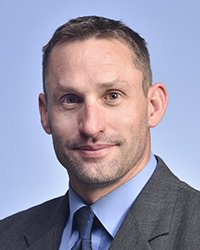 Paul D. Chantler合作论文数Gerontology Research Center, National Institute on Aging Intramural Research Program20
 Ashley Petrone合作论文数Center for Neuroscience, West Virginia University School of Medicine;Center for Basic and Translational Stroke Research, West Virginia University School of Medicine;West Virginia University School of Medicine, West Virginia University School of Medicine17
 Reyna L. VanGilder合作论文数17
 Grant O'Connell合作论文数Division of Exercise Physiology, West Virginia University School of Medicine16
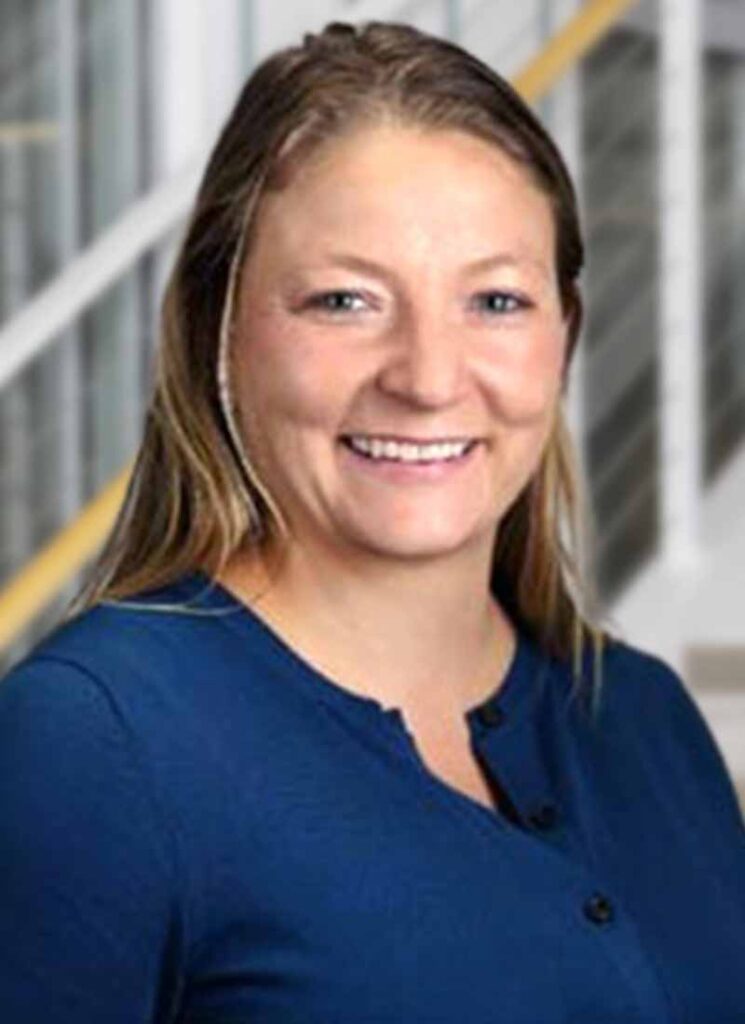 Jessica Gill合作论文数School of Nursing, The Johns Hopkins University;Department of Neurology, School of Medicine, The Johns Hopkins University;NIH;Center for Neuroscience and Regenerative Medicine13Stephanie L. Rellick合作论文数11
 Steven David Brooks合作论文数9
 Baxter Tristin合作论文数Madigan Army Medical Center9
 James W. Simpkins合作论文数Department of Physiology & Pharmacology9
 Vincent Mysliwiec合作论文数Department of Medicine, Madigan Army Medical Center9Connie S Tennant合作论文数8
 Noelle Lucke-Wold合作论文数8
 Laurie A Theeke合作论文数Health Sciences Center South, West Virginia University7Warach Steven J合作论文数7
 Hyunhwa Lee合作论文数College of Human Ecology, Inha University7
 Mar Matarin合作论文数6
 Jennifer Anne Mallow合作论文数Adult Health Department, School of Nursing, West Virginia University6
 Jason Huber合作论文数6Charles L. Rosen合作论文数School of Medicine, West Virginia University6Yvette P. Conley合作论文数6Doll Danielle N合作论文数5Madison B. Treadway合作论文数4Frisbee Jefferson C合作论文数4
 Ryan C Turner合作论文数The Center for Neuroscience, West Virginia University School of Medicine;Department of Neurosurgery, West Virginia University School of Medicine;West Virginia University School of Medicine, West Virginia University School of Medicine4
 Andrew B Singleton合作论文数Global Parkinson’s Genetics Program4Heinzelmann Morgan合作论文数National Institutes of Health National Institutes of Nursing Research4Shinichi Asano合作论文数Hitachi Zosen Technical Research Laboratory, Inc.4Bernard J. Roth合作论文数4
 Michael Regier合作论文数4Hyungsuk Kim合作论文数3Frances Peterson-Burch合作论文数3Stacey Culp合作论文数3Danielle Doll合作论文数3Tim Raderstorf合作论文数College of Nursing, The Ohio State University3
 Kyle Walsh合作论文数Department of Population Health Sciences, Duke University School of Medicine3
 Karin Reuter-Rice合作论文数PhD Program Faculty, School of Nursing, Duke University3Domico Jennifer合作论文数3
 Lee Hyunhwa合作论文数University of Nevada Las Vegas3
 Michael J. Ackerman合作论文数Children's Center, Mayo Clinic;Division of Heart Rhythm Services, Department of Cardiovascular Medicine, Mayo Clinic3
 Bernadette Melnyk合作论文数College of Nursing, The Ohio State University3
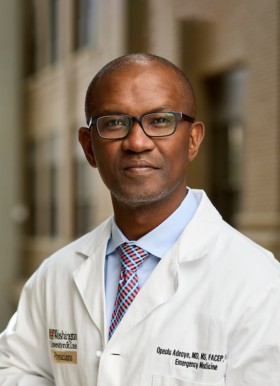 Opeolu Adeoye合作论文数Department of Emergency Medicine, School of Medicine, Washington University in St. Louis;Barnes-Jewish Hospital2Patricia Horstman合作论文数2Maha Sallam合作论文数2Alan Cantor合作论文数2Kyle R Stinehart合作论文数2Kyle Stinehart合作论文数2Yasser Kabbani合作论文数2Ann N. Lucke-Wold合作论文数2Kent Lemaster合作论文数2




