This study examines the relative water demand and potential streamflow impacts of cannabis cultivation, residential use, and non-cannabis agriculture in rural northern California watersheds. While cannabis has received much attention for its potential impact on sensitive aquatic species, the relative contribution to overall water demand in watersheds where cannabis is farmed remains poorly understood. Using spatial and temporal analyses across multiple watersheds, this study assesses how water use for cannabis cultivation compares to other major water users in terms of total demand, spatial distribution, and interannual fluctuations. Cannabis was more rarely the top water user in a given catchment (1.6% of observations) than were residential users (34.6%) or non-cannabis agriculture (29.8%). Cannabis water demand was more seasonal, with greater interannual variability, and more evenly spread among catchments than other water use types. Residential and non-cannabis agriculture had the potential to impair streamflow at annual timescales, while cannabis water use impacts was only evident at the monthly scale. Overall, findings suggest that water demand for residential and non-cannabis agriculture has a greater impact on streamflow than cannabis, but that demands from cannabis may cause additive impacts when all uses are considered. Additionally, the potential for cannabis demand to cause streamflow alteration varied year-to-year, with greater potential for impairment during dry years. Given these dynamics, we recommend adoption of holistic approaches that manage all human water uses to protect sensitive natural resources in cannabis-producing watersheds.
Environmental variation gives rise to species’ life history diversity, which is essential to population resilience. Here, we characterize diversity in juvenile emigration timing in an endangered Coho Salmon population and examine physical and biotic factors contributing to variation among streams and cohorts. Over 11 years, PIT-tagged, juvenile Coho Salmon from common family groups were released from a conservation hatchery into four tributaries of the Russian River, California, USA. We tracked the timing of fish leaving those streams (emigration) using PIT detection systems and used multistate emigration models to estimate the probability that individuals would emigrate in fall/winter (early) rather than during the typical spring smolt window (late). The probability of emigrating early was higher in streams with less valley bottom area and increased with streamflow, stocking density, stream temperature, and individual size. Both early and late emigrants contributed to adult returns. The life history plasticity observed suggests that the remnant population responds to environmental heterogeneity and that restoring and reconnecting a diversity of habitats could stimulate and support multiple emigration strategies and increase population abundance and resilience.
Declining streamflow from water management and climate change threatens fish migration. In coastal California, USA, we evaluated the effects of receding streamflow on the seaward migration of juvenile Coho Salmon (Oncorhynchus kisutch) in four streams over 10 years (2010-2020). We monitored the movement of juveniles tagged with passive integrated transponders and measured depths at riffle crest thalwegs (RCTs), the shallowest channel feature that fish must navigate. Each stream exhibited a unique relationship between RCT depth and flow, relating to its geomorphic characteristics, producing distinct ranges of water depths among streams. During the peak migration period, juveniles moved over a wide range of depths (interquartile range 5.8-19.2 cm), with greater depths occurring in wet years than in dry years. However, the depths at which fish were detected were significantly deeper than continuous, observed depth measurements during the same period. We found the greatest differences between depth-at-movement and observed depths when streams were shallowest (< 10th percentile of observed depths). The timing at which stream depths fell below a regional fish passage criterion (9.1 cm) was also significantly correlated with the end of juvenile migration. In dry years, we observed greater variation in migration timing among streams, highlighting stream-specific variation in the timing at which depths limit fish movement. Collectively, our study indicates that shallow depths impair salmon outmigration and that flow-RCT depth relationships can be used to assess flow needs for fish migration and to guide streamflow restoration.
During California's dry season, the natural recession of streamflow often coincides with declines in dissolved oxygen (DO) concentrations, impacting sensitive aquatic species such as salmon. Thus, understanding the relationship between DO and streamflow is important to evaluate risks and set water quality standards. We explored the relationship between minimum DO and riffle crest thalweg (RCT) depth, a proxy for streamflow. We analyzed daily data collected between May to October in 26 pools within streams in a northern California coastal watershed over a six-year period. We first developed statistical models to characterize the local relationship between DO and RCT depth at each pool and then developed a regional model using all observations to predict when DO falls below a critical threshold for salmonids (6.5 mg/L). Observations indicated a mean (range) daily minimum DO value of 7.33 (0.01-10.95) mg/L with a mean RCT of 9.07 (0.10 to 34.63) cm across all sites and pools. On average, the first date that minimum DO fell below the critical threshold was July 8th (May 13th to August 31st). The proportion of DO levels below the 6.5 mg/L threshold increased sharply once RCT fell below about 7 cm, and more than half of all DO measurements were below this threshold when RCT depth was between 3 and 6 cm. Our local model highlighted a significant, non-linear and positive relationship between DO and RCT depth at all sites (mean R2 = of 0.72). The regional model correctly predicted DO values above and below the threshold 78 % of the time, with a mean predicted first date below the threshold of August 5th at a mean RCT of 4.25 cm. In addition to RCT depth, we found that the day of the year, geology, and stream temperature were all important factors for explaining DO variability across watersheds and overtime. Our results can aid managers to predict the risk of DO falling below critical biological thresholds and maintain streamflow to support salmon and other sensitive aquatic species.
Intrapopulation variation in movement is common in nature but its effects on population dynamics are poorly understood. Using movement data from 3270 individually-marked fish representing nine cohorts of coho salmon (Oncorhynchus kisutch) in California, we show that bimodal intrapopulation variation in the timing of juvenile down-migration from their natal habitat and subsequent residence in non-natal habitat affects growth, emigration timing, and the abundance and stability of adult returns. Non-natal fish (early down-migrants) exhibited more variable growth and more variable but earlier emigration to the estuary than natal fish (late down-migrants). While natal rearing was more common, non-natal fish were overrepresented among adult returns, and total returns were 1.4 times more stable than natal returns alone. Our results demonstrate that variation in migratory behaviour bolsters population stability. However, non-natal rearing is reduced in low water years, suggesting that drought exacerbates population instability by reducing critical intrapopulation variation.
In California’s Russian River watershed, home to imperiled salmon and steelhead populations, an intensive long-term monitoring program plays an integral role in supporting species recovery. The program conducts life cycle and basinwide monitoring of natural- and hatchery-origin coho salmon using PIT antenna arrays, downstream migrant traps, snorkel counts, electrofishing, and spawner surveys paired with environmental monitoring. The program has also served as a foundation for targeted research by providing baseline data and monitoring infrastructure. Long-term and consistent tracking of population metrics has indicated modest but meaningful positive trends in abundance, but has also revealed unanticipated bottlenecks to population recovery, many of which are related to low streamflow. Monitoring has also revealed complex movement patterns of juveniles and adults throughout the watershed that have broadened our understanding of salmon life history diversity and the importance of managing for diversity as a key strategy for recovering salmon. Minor adaptations to the monitoring program have enabled evaluation of specific recovery actions, including genetic intervention, flow augmentation from off-channel storage, fish passage remediation, and physical habitat restoration projects. Critical to the effectiveness of the Russian River’s monitoring program has been the ability to manage and share data through a centralized database. This has facilitated development of data dashboards that are used for management decision-making and long-term recovery planning and prioritization. We reflect on the evolution of the Russian River monitoring program, including benefits and challenges of long-term and spatially-distributed monitoring in a hatchery-supplemented population and lessons learned that have relevance for salmon recovery efforts across their range.
California has experienced increasing frequency and intensity of wildfire, with the five largest fires on record since 2018. Over the same period, licensed cannabis production has grown to a high-grossing industry, while remaining an important source of rural livelihood. Importantly, the geography of cannabis production overlaps with high fire hazard areas more than any other crop in the state. We developed and deployed a state-wide survey of licensed outdoor producers to determine direct and indirect impacts of wildfire, as well as how producers have responded to these threats. Quantitative and narrative data were subjected to statistical and thematic analyses, demonstrating key findings around fire-related losses, mitigation tools and techniques, and perceptions of risk. Producers experienced a range of impacts beyond direct burning, including reduced light (affecting grow rates), ash deposition (with impacts on product quality and saleability), and production disruptions. Producer responses to the threat of fire and smoke varied, in part affected by the costs of mitigation, yet some common strategies emerged. However, while most growers reported impacts from fire, these were often outweighed by concerns over other pressures on production and profitability. Our hope is that these findings around the experiences and concerns of California's cannabis producers will inform future research directions and provide the first steps toward policy interventions to better address the challenges of living with wildfire.
Stream gauging stations that monitor the flow of water in rivers and streams provide critical information to water managers, but biases and gaps in gauge placement, compounded by gauge deactivations, limit our ability to track river flows and address global water challenges. Here we introduce an approach for identifying gauging sites to efficiently fill gaps in monitoring coverage within river networks while also addressing water management priorities, including reservoir operations, biodiversity conservation and hydroclimatic monitoring. Applying this approach to gauges in California, United States, we found substantial gaps in the stream monitoring network. Hypothetically reconfiguring gauges to locations that maximize coverage and representation of management objectives highlights the current network’s biases. Through the strategic reactivation and placement of additional gauges, we demonstrate how stream gauging networks can be designed to support sustainable water management. Effective water management requires reliable data on streamflow, but that hinges on the coverage provided by stream gauges. This study shows how current gauge networks fail to provide adequate coverage and explores how modified networks could support dam operation, biodiversity conservation and climate monitoring.
Stream drying is happening globally, with important ecological and social consequences. Most examples of stream drying come from systems influenced by dam operations or those with highly exploited aquifers. Stream drying is also thought to be driven by anthropogenic climate change; however, examples are surprisingly limited. We explored flow trends from the five recognized Mediterranean-climate regions of the world with a focus on unregulated (non-dammed or non-diverted) streams with long-term gauge records. We found consistent evidence of decreasing discharge trends, increasing zero-flow days, and steeper downward discharge trends in smaller basins. Beyond directional trends, many systems have recently undergone shifts in flow state, including some streams that have transitioned from perennial to intermittent flow states. Our analyses provide evidence of stream drying consistent with climate change but also highlight knowledge gaps and challenges in empirically and statistically documenting flow regime shifts. We discuss the myriad consequences of losing flow and propose strategies for improving detection of and adapting to flow change.
Mobile consumers track fluctuating resources across heterogeneous landscapes to grow and survive. In river networks, the abundance and accessibility of food and the energetic consequences of foraging vary among habitats and through time, providing a shifting mosaic of growth opportunities for mobile consumers. However, a framework integrating the spatiotemporal dynamics of growth potential within riverscapes has been lacking. We present the concept of foodscapes to depict the dynamic changes in food abundance, food accessibility, and consumer physiology that contribute to spatial and temporal variation of fish growth in rivers. Drawing on case studies of salmonid fishes from Alaska to California, we illustrate how foodscapes can provide a plethora of foraging, growth, and life history opportunities that potentially contribute to population resilience. We identify knowledge gaps in understanding foodscapes and approaches for stewardship that focus on restoring diverse foraging and growth opportunities for fish and other mobile consumers in river networks.
Streamflow regimes that maintain vital functions and processes of aquatic ecosystems are critical to sustaining ecosystem health. In rivers with altered flow regimes, restoring components of the natural flow regime is predicted to conserve freshwater biodiversity by supporting ecological functions and geomorphological processes to which native communities are adapted. However, the effectiveness of environmental flow restoration is poorly understood because of inadequate monitoring and uncertainty in ecological responses to managed changes in specific, quantifiable aspects of the annual streamflow regime. Here, we used time series models to analyze 25 years of fish assemblage data collected before and after environmental flow implementation in a dammed river in California, USA. We examined the response of the fish community to changes in individual components of the flow regime known to support ecosystem functions. We found that as functional flow components shifted toward their predicted natural range, the quasi-extinction risk (likelihood of population declines of >80%) decreased for the native fish assemblage. Following environmental flow implementation, observed changes toward natural ranges of dry season duration, fall pulse flow magnitude, and wet season timing each reduced quasi-extinction risk by at least 40% for the native assemblage. However, functional flow components that shifted away from their predicted natural range, including lower spring recession flows and higher dry season baseflow, resulted in greater quasi-extinction risk for native species. In contrast, non-native species decreased in abundance when flow components shifted toward predicted natural ranges and increased when components shifted away from their natural range. Although most functional flow components remained outside of their natural range following environmental flow implementation, our results indicate that even moderate shifts toward a natural flow regime can benefit native and suppress non-native fish species. Overall, this study provides the most compelling evidence to date of the effectiveness of functional environmental flows in supporting native fish recovery in a highly regulated river.
Despite rises in drought frequency and human water demands, streamflow regime shifts from perennial to non-perennial have not been evaluated in many arid/semi-arid regions. To document shifts, we created a methodology that classifies streams as naturally perennial or non-perennial. Our classification used historical, minimally disturbed-quality USGS streamflow gages (1950-2015) across California. The number of consecutive zero flow days (>= 5 days) was used to classify 61% (96/158) and 39% (62/158) of gages as perennial and non-perennial, respectively. We developed a random forest model to predict flow regime class based on climate and watershed characteristics. To identify regime shifts, we compared the observed class of contemporary (1980-2023) minimally disturbed and disturbed gages with their modeled, natural class. For most minimally disturbed gages, the observed and natural predicted classes were the same, but 13% (7/52) of gages had a modeled perennial regime with an observed non-perennial class, indicating a drying trend. Among disturbed gages, 22% (64/290) shifted from perennial to non-perennial and 7% (21/290) from non-perennial to perennial. Trends in the minimum 7-day moving average and number of zero-flow days provided further evidence of drying at minimally disturbed streams, but no pattern at disturbed gages. Our results indicate that few minimally disturbed perennial streams have become non-perennial to date, but many streams have experienced drying from climate. Streams impacted by human activities had greater drying rates, but regulation has caused some non-perennial streams to become perennial. By quantifying expected natural streamflow regimes, this work can help monitor, manage, and conserve stream ecosystems. Our approach classified 158 historical (1950-2015) minimally disturbed gages as perennial (61%) and non-perennial (39%) in California Among 52 active minimally disturbed gages, 13% transitioned to non-perennial (1980-2022), indicating a drying trend in response to climate For 290 disturbed gages, 29% showed shifts in both directions, highlighting distinct anthropogenic effects on streamflow
The global crises of biodiversity loss and climate change are interconnected in root cause and solutions. Targeted land conservation has emerged as a leading strategy to protect vulnerable species and buffer climate impacts, however, consistent methods to assess biodiversity and prioritize areas for protection have not yet been estab-lished. Recent landscape-scale planning initiatives in California present an opportunity to conserve biodiversity, but to enhance their effectiveness, assessment approaches should move beyond commonly used measures of terrestrial species richness. In this study, we compile publicly available datasets and explore how distinct biodiversity conservation indices -including indicators of terrestrial and aquatic species richness and of biotic and physical ecosystem condition -are represented in watersheds of the northern Sierra Nevada mountain region of California (n = 253). We also evaluate the extent to which the existing protected area network covers wa-tersheds that support high species richness and intact ecosystems. Terrestrial and aquatic species richness showed unique spatial patterns (Spearman R = 0.27), with highest richness of aquatic species in the low-elevation watersheds of the study area and highest richness of terrestrial species in mid-and high-elevation watersheds. Watersheds with the highest ecosystem condition were concentrated in upper-elevations and were poorly correlated with those with the highest species richness (Spearman R = - 0.34). We found that 28% of watersheds in the study area are conserved by the existing protected area network. Protected watersheds had higher ecosystem condition (mean rank-normalized score = 0.71) than unprotected areas (0.42), but species richness was generally lower (0.33 in protected versus 0.57 in unprotected watersheds). We illustrate how the comple-mentary measures of species richness and ecosystem condition can be used to guide strategies for landscape-scale ecosystem management, including prioritization of watersheds for targeted protection, restoration, monitoring, and multi-benefit management. Though designed for California, application of these indices to guide conser-vation planning, design monitoring networks, and implement landscape-scale management interventions pro-vides a model for other regions of the world.
[A]AbstractIn the Western United States, juvenile salmon and steelhead are especially vulnerable to streamflow depletion in the dry season. Releasing water from off-channel storage is a method of streamflow augmentation increasingly used to offset impacts of anthropogenic flow alteration. However, to date, no studies have evaluated the effects of these small-scale flow augmentations on salmonids. Here we quantify the effects of one such augmentation project on habitat connectivity, water quality, invertebrate drift, juvenile salmonid movement and survival. Our study took place in a Northern California stream and included an unusually wet summer (2019) and a more typical dry summer (2020). We found that differences in ambient streamflows between the two years mediated the physical and ecological effects of a 13.9 L/s augmentation treatment. In the dry year, flow augmentation significantly improved dissolved oxygen and habitat connectivity at sites > 1.5 km downstream from the point of augmentation and had a marginal warming effect on stream temperature. During the wet year, both dissolved oxygen and water temperature effects were negligible. In both years, augmentation had a small but positive effect on invertebrate drift. Inter-pool movement of juvenile steelhead (Oncorhynchus mykiss) and stocked Coho Salmon (O. kisutch) increased due to augmentation during the dry summer. Flow augmentation also increased the survival probability for salmonids, with a larger effect during the dry summer (24% higher survival for Coho and 20% higher for steelhead), than during the wet summer (when no effect was observed for steelhead survival and Coho Salmon survival increased by 11%). This study indicates that appropriately designed and timed flow augmentations can improve conditions for rearing salmonids in small streams, particularly during dry years. More broadly it provides empirical evidence that efforts to restore summer streamflow in small, salmon-bearing streams can yield significant ecological benefits.
Dam removals are occurring more frequently with the rising cost of maintaining aging infrastructure, public safety concerns, and growing interest in river restoration. So far, most dam-removals have been unsystematic in their approach. Given the several thousand dam removals expected over the coming decades, a systematic approach to plan future dam removals holds potential for aligning and delivering multiple benefits. Despite multi-sector factors driving decision-making, most existing prioritization frameworks tend to operate within single or related disciplines. Here we present a hierarchical, multi-disciplinary decision-support framework to prioritize dam removals based on opportunistic factors (Tier 1), hydro-ecological variables (Tier 2), and socio-cultural considerations (Tier 3). This framework integrates multiple decision criteria under data availability constraints, incorporates value-driven weights, and can be applied to a portfolio of dams at various spatial scales. The final output facilitates the identification of dam removal projects that align opportunistic, environmental, and social benefits. We recommend the application of this framework as a critical first step to identifying high-priority candidates for removal, recognizing that removal decisions will ultimately require detailed feasibility studies and stakeholder engagement. To illustrate its utility, we apply this framework to California's North Coast region and identify a small number of “good” candidates to be considered for removal. We conclude with recommendations for filling critical knowledge gaps and advancing systematic dam removal planning in the United States and beyond.
Illicit water use for irrigated agriculture can have substantial impacts on the environment and complicates water management decision-making. Water demand for illicit cannabis farming in California has long been considered a threat to watershed health, yet an accounting of cannabis irrigation has remained elusive, thereby impeding effective water policy for the state’s nascent legal cannabis industry. Using data obtained from both permitted and unpermitted cultivation operations, the current study applies novel water-use models to cannabis farms in Northern California to estimate their cumulative and relative water footprints. Our results indicated substantial variation in total water extraction volumes for cannabis farming between watersheds and that most cannabis water use was concentrated in a subset of watersheds, rather than evenly spread across the landscape. Water extraction volumes for unpermitted cannabis were consistently greater than permitted cannabis in the dry season, when streams are most vulnerable to impacts from water diversions. Results from scenario modeling exercises indicated that if all existing unpermitted farms were to become permitted and comply with regulations that prohibit surface water diversions in the dry season, nearly one third (34 of 115) of the study watersheds would experience a 50% reduction in dry season water extraction. In comparison, modest expansion of off-stream storage by all cannabis farms could reduce dry season extraction by 50% or greater in more than three quarters (96 of 115) of study watersheds. Combining diversion limits with enhanced storage could achieve dry season extraction reductions of 50% or greater in 100 of 115 watersheds. Our findings suggest that efforts to address the environmental impacts of unpermitted cultivation should focus on watersheds with greatest water demands and that programs that support expansion of off-stream storage can be helpful for reducing pressures on the environment and facilitating the transition of unpermitted farms to the regulated market.
California (USA) supports the largest legal cannabis market in the world, yet faces increasing risk from wildfire. While anecdotal evidence of impacts to cannabis crops has been documented during recent extreme fire seasons, the economic losses resulting from smoke exposure and other indirect effects (e.g., ash fall, mandatory evacuations, power outages) are not well understood. We conducted an online survey of licensed cannabis farms across the state, reporting wildfire impacts on cannabis crops from 2018 through 2021. We summarized regional variation in reported cannabis crop losses, fit a hierarchical multinomial model to assess the effects of proximity to fire and smoke exposure on crops, and trained a random forest model to make impact predictions for all state-licensed outdoor cannabis farms. We found that cannabis farms experienced wildfire-related crop losses across all cannabis growing regions in 2020, but that northern regions experienced particularly high crop loss across all four study years. We also found that exposure to wildfire smoke was a stronger predictor of reported impacts than proximity to wildfire. The output of our random forest model suggested substantial impacts for the cannabis industry in 2020, with predicted crop losses between 4.54% and 21.61% statewide, and between 9.09% and 42.83% in the northernmost counties. Estimated potential economic losses in 2020 and 2021 were as high as $1.44 billion and $970.04 million, respectively-losses which themselves exceed annual values of many of California's other agricultural commodities. Together our results indicate substantial impacts of wildfire for the California cannabis industry as a whole. We suggest that more attention be given to strategies for mitigating cannabis crop losses from wildfires, especially in light of increasing fire occurrence and severity under climate change.
Intermittent streams that cease to flow during dry periods represent more than half of the globalriver network, and are particularly common in arid and semi-arid regions. They are characterised by high spatial and temporal variability in aquatic habitat, forming a shifting habitat mosaic that supports diverse assemblages of native and endemic species. Climate projections for much of the world predict greater variation in precipitation and increasing drought severity, suggesting a need to better understand species' responses to habitat variability within intermittent stream ecosystems. Here we explored changes in the distribution and abundance of aquatic vertebrates in response to a wide range of annual hydrologic conditions within a Mediterranean-climate intermittent stream in California. We conducted wetted habitat and vertebrate abundance surveys during the dry season for 7 years, spanning both extreme wet and extreme dry annual precipitation conditions, and characterised the variation in the size, persistence, and spatial configuration of wetted habitats in relation to the observed abundance and composition of fishes, amphibians, and aquatic reptiles. We characterised the habitat mosaic using a k-means clustering approach, and identified three habitat types with distinct size, persistence, and connectivity distributions. We found that some wetted habitat units persisted across all years, regardless of antecedent precipitation, whereas others dried in all but the wettest years. We determined that persistent pools, a subset of wetted habitats present in the stream, supported diverse assemblages of native species even during extreme dry conditions, while transient pools acted as important habitat for particular species and life stages, including a young-of-year minnow species. Linear mixed models indicated that species' abundances were influenced by habitat quantity, quality, and connectivity. Our study - considers intermittent streams as shifting habitat mosaics and uss multi-year surveys to understand the ecological consequences of habitat variability within and across years to advance our understanding of intermittent stream ecology and the implications of climate change for spatial and temporal patterns of refuge habitat.
At the intersection of climate change and rural development, wildfire has emerged as a threat to agriculture in the Western United States. This nexus is particularly problematic for the rapidly developing cannabis industry in California, which includes farms located outside of traditional agricultural zones and within landscapes potentially more prone to wildfire. With the goal of determining whether cannabis is uniquely vulnerable to direct wildfire impacts (in terms of crop loss to burning), we integrated fire hazard severity zone (FHSZ) data, wildfire perimeters, and future burn regime projections in relation to the location and cultivated area of cannabis farming. We then applied descriptive statistics and generalized additive models (GAMs) to compare the location of licensed cannabis farms to other agricultural types in California, including grapes, pasture, and all other general crops combined. We found cannabis farming was located more often in high and very high FHSZs and closer to wildfire perimeters than any other agricultural type. GAM estimates of likelihood of occurrence in high and very high severity zones were highest for cannabis, even after accounting for spatial clustering of farm types, although there was no reliable difference in predicted distances to wildfire. Cannabis more often occurred in projected (from 2020 to 2100) wildfire hotspots than all other agricultural types, with GAM estimates affirming a reliably higher likelihood of cannabis in future hotspots than pasture or general crops. Our findings highlight cannabis' particular vulnerability to wildfire in California and may in fact underestimate wildfire risks given the potential indirect impacts of smoke to crops and farmworkers, which were not evaluated in this study. In light of the sector's growing economic importance in the state, these vulnerabilities should be considered in future cannabis and rural development policies.
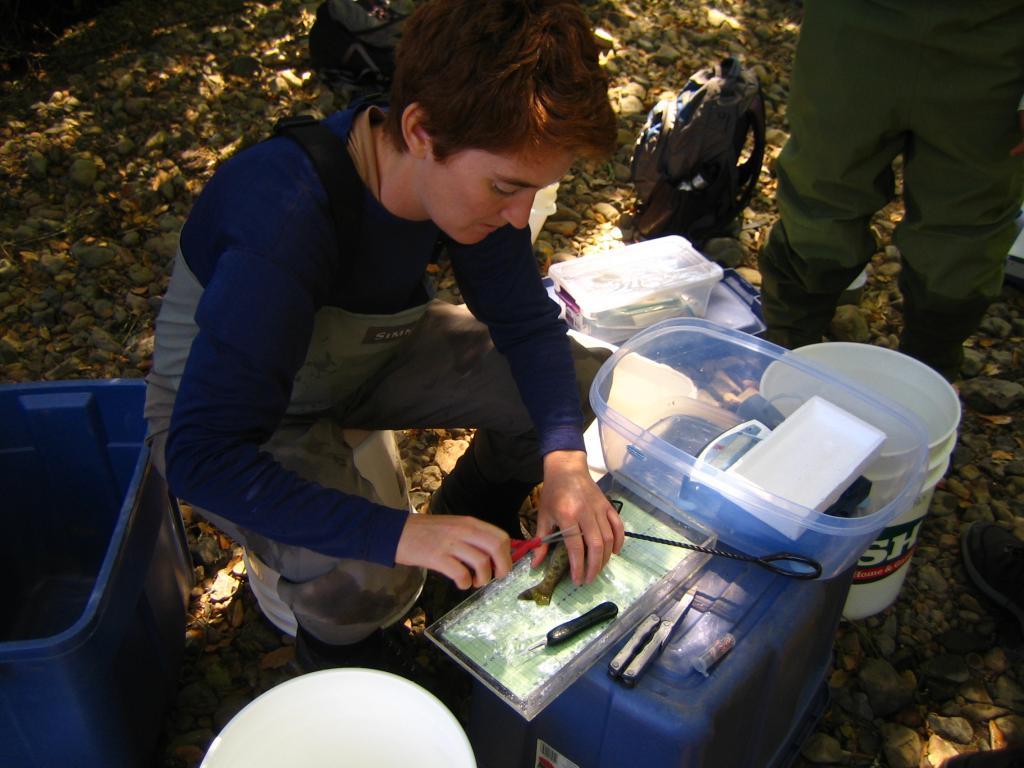 Stephanie M. Carlson合作论文数Department of Environmental Science, Policy and Management, College of Natural Resources, University of California, Berkeley11
 Daren M Carlisle合作论文数10
 Jeanette Howard合作论文数9
 Mariska Obedzinski合作论文数9Sarah M. Yarnell合作论文数8Christopher Dillis合作论文数7David Wolock合作论文数U. S. Geological Survey7
 Van Butsic合作论文数Department of Environmental Science, Policy and Management, College of Natural Resources, University of California, Berkeley6
 Robert A. Lusardi合作论文数6
 G. MAatt Kondolf合作论文数Department of Landscape Architecture & Environmental Planning, University of California Berkeley5
 Ken Eng合作论文数National Research Program, U.S. Geological Survey5
 Eric D. Stein合作论文数Water Research Project5
 Narcis Prat合作论文数Departamento de Ecología, Universidad de Barcelona5
 Gabriel J. Rossi合作论文数4
 Jessica R. Ayers合作论文数Dept Environm Sci Policy & Management, Univ Calif Berkeley4
 Jennifer Carah合作论文数4
 Julie Zimmerman合作论文数Center for Green Chemistry and Green Engineering, School of the Environment, Yale University;Department of Chemical and Environmental Engineering, School of Engineering and Applied Sciences, Yale University4Perrée Isabelle合作论文数4
 Miguel Canedo-Arguelles合作论文数University of Vic, Central University of Catalonia4
 Peter B. Moyle合作论文数Center for Watershed Sciences, University of California, Davis;Department of Wildlife, Fish, and Conservation Biology, University of California, Davis4
 Kurt A. Fesenmyer合作论文数4
 Joshua H. Viers合作论文数Department of Environmental Science and Policy;University of California , Davis;Department of Environmental Science and Policy, University of California , Davis4
 Alyssa Obester合作论文数Department of Fish and Wildlife, California3
 Belize Lane合作论文数Dept Civil & Environm Engn, Utah State Univ3
 Ryan A. Peek合作论文数Ctr Watershed Sci, Univ Calif Davis3
 Antonio Annis合作论文数Univ Foreigners Perugia3
 John A. Matthews (John Matthews)合作论文数Department of Geography, Faculty of Science and Engineering, University of Wales Swansea3
 Ryan R Morrison合作论文数3
 Fernando Nardi合作论文数Department of Civil Engineering and Computer Science, University of Rome Tor Vergata3
 Julie K. H. Zimmerman合作论文数Department of Fisheries, Wildlife, and Conservation Biology, University of Minnesota3
 Samuel Sandoval-Solis合作论文数University of Texas at Austin3Peter Culp合作论文数2Leon F. Szeptycki合作论文数2William T. Boucher合作论文数2Sarah Nossaman Pierce合作论文数2Guillermo F. Mendoza合作论文数2Season Martin合作论文数2
 Brian Kastl合作论文数2
 Leslie Sanchez合作论文数Friedman Sch Nutr Sci & Policy, Tufts Univ2
 Lucy Andrews合作论文数2Hana Moidu合作论文数Dept Environm Sci Policy & Management, Univ Calif Berkeley2jennifer natali合作论文数2
 Kristine T. Taniguchi-Quan合作论文数Biol Dept, Southern Calif Coastal Water Res Project2
 Bronwen Stanford合作论文数Water Branch, Calif Dept Fish & Wildlife2
 Jeff Vance Martin合作论文数Department of Environmental Science, Policy, and Management, University of California Berkeley2
 Hekia Bodwitch合作论文数Marine Affairs Program, Dalhousie University2
 Houston Wilson合作论文数Dept Entomol, Univ Calif Riverside2
 Ross Vander Vorste合作论文数Dept Biol, Univ Wisconsin La Crosse2
 Albert Ruhi合作论文数Department of Environmental Science, Policy and Management, College of Natural Resources, University of California, Berkeley2




