Growing demand for food coupled with climate commitments to reduce emissions will result in more land development for agriculture and renewable energy. Simultaneously, conserving land for biodiversity and nature's contributions to people (NCP) is imperative for achieving international climate, sustainable development, and biodiversity goals. Meeting these interconnected objectives requires efficient land allocation across sectors. Here, we present a flexible, multiple-objective framework for strategically allocating land to mitigate threats to biodiversity and NCP under climate change while supporting development. Application of this framework at a global scale through country-level targets shows that if future development is planned without consideration of nature, demands for land could impact nearly 1 million km2 of high-priority conservation areas. Multi-sector planning can mitigate potential conflict, reducing carbon loss and species exposure. Our findings underscore the need to conserve critical areas for nature, reduce land demand for food and energy, and intentionally coordinate land use across sectors.
This calculation tool is intended to help companies and other entities calculate the land occupation (LO) and COC (carbon opportunity cost) associated with agricultural products they produce or purchase. The tool allows users to calculate LO and COC for reporting, target-setting, and decision-making purposes.
Cutting carbon emissions in half every decade through 20501 has become a benchmark for global2, national and corporate target-setting that delivers the Paris goal of limiting global warming to 1.5°C above pre-industrial levels. However, with a rapidly shrinking remaining carbon budget3, here we show that halving fossil emissions every decade alongside scaling negative emissions technologies (NETs) to balance remaining fossil CO2 emissions by 2050, is no longer enough to avoid significant and lengthy overshoot past 1.5°C, unless improvements in ecosystem stewardship are also accelerated beyond levels currently assumed in most 1.5°C-aligned climate scenarios. We further show that a decadal acceleration of natural climate solutions, reaching net-zero emissions from agriculture, forestry and land use by 2030 and -7 gigatons CO2e per year of net removals by 2050, is both consistent with sectoral (or “bottom-up”) estimates of cost-effective potential and can keep the window to 1.5°C decisively open, if delivered alongside decadal halvings of fossil-fuel emissions and scaling of NETs. This “Carbon Law for Nature” mitigation pathway can feasibly be achieved through a transformation of humanity’s land and coastal stewardship: protecting remaining intact ecosystems, climate-smart management of agricultural and forestry lands, restoring natural ecosystems where appropriate, and reducing excess demand for land-intensive products. Crucially, following this pathway also minimizes the magnitude and length of time of temperature overshoot, reducing both the chronic impacts of climate change4 and the risk of exceeding tipping points in the earth system5.
Demand for land is increasing due to mounting energy and development needs. Growing demand for food coupled with climate policy commitments calling for reduced greenhouse gas emissions will result in more land being used for agricultural and renewable energy development. At the same time, conserving land for biodiversity and nature’s contributions to people (NCP) is imperative for achieving international climate, sustainable development, and biodiversity goals. Meeting these interconnected objectives requires the efficient and equitable allocation of land to different sectors. We present a flexible, multiple-objective framework for using integer linear programming to strategically allocate land under climate change to mitigate threats to biodiversity and NCP while supporting development. The application of the framework at a planetary scale shows that if agriculture and renewable energy development are planned without consideration of biodiversity and NCP, future demands for land (6.2 million km2 globally) could impact nearly 1 million km2 of high-priority areas for nature, habitats of 440 threatened vertebrate species, and 21 Gt of vulnerable carbon stocks. Multi-sector planning can mitigate potential land conflict, reducing the number of species exposed by 15% and the amount of carbon loss by 19%. If development proceeds without coordinated planning, there is insufficient land available to achieve conservation and development targets. Our findings underscore the need to ensure critical areas for biodiversity, carbon storage, and NCP are conserved; reduce land demand for food and energy; meet remaining demand more efficiently through spatial targeting; and coordinate land use across sectors more intentionally, such as through multi-functional landscapes.
Oil palm cultivation has become one of the world’s most important drivers of land use change in the tropics causing biodiversity loss and greenhouse gas emissions. The impact of climate change and rising carbon dioxide (CO 2 ) concentrations in the atmosphere on oil palm productivity is not well understood. If environmental change leads to declining palm oil yields in existing cultivation areas, cultivation areas may expand or shift to other regions. Here we assess climate change impacts on palm oil production using an extended version of the dynamic global vegetation model with managed land, LPJmL4, and a range of climate scenarios from the inter-sectoral impact model intercomparison project. We find increasing average yields under all future climate scenarios. This contradicts earlier studies, which did not consider the potential positive effect of CO 2 fertilization. If we do not account for CO 2 fertilization, future yields also decrease in our simulations. Our results indicate the potentially large role of rising CO 2 levels on oil palm cultivation. This highlights the importance of further applied plant science to better understand the impact of climate change and elevated CO 2 levels on oil palm growth and productivity.
Can the world meet growing demand for food while sharply reducing greenhouse gas emissions from agriculture – and without converting more forests into agriculture? In the World Resources Report: Creating a Sustainable Food Future, WRI set forth a challenging, global five-course menu of actions to do so. How should a country adapt this menu to its own agricultural context? A Pathway to Carbon Neutral Agriculture in Denmark answers this question for Denmark, a country whose major agricultural organizations have committed to become carbon neutral by 2050.
Earth’s biosphere, its extraordinary and complex web of species and ecosystems on land and in the oceans, drives the life-sustaining cycles of water and other materials that enable all life on Earth to thrive. The biosphere is also a principal driver of immense negative feedback loops in the Earth system that stabilize atmospheric CO2 concentrations and thereby global climate—including carbon sequestration by vegetation, soils, and the oceans. As such, Earth’s ecosystems have played a central role in keeping our planet’s climate system unusually stable throughout the last 11,700 years (i.e., the inter-glacial Holocene). During this epoch, global mean temperatures have oscillated only about 1 °C around the pre-industrial average, providing the unique conditions that allowed human civilizations to flourish. Today, ocean and land ecosystems remove around 50% of anthropogenic CO2 emissions from the atmosphere each year (1), an extraordinary biophysical feat, given that these emissions have risen from approximately 4 gigatonnes of carbon (GtC) per year in 1960 to around 11 GtC per year today. Put another way, half our “climate debt” is removed, for free, by the biosphere every year—a vast subsidy to the world economy. Safeguarding the biosphere from further degradation or collapse is an existential challenge for humanity. There are important steps we can take to contain the damage. Image credit: Shutterstock/Kritskiy-ua. The recent Working Group 1 report of the sixth assessment of the Intergovernmental Panel on Climate Change (IPCC) confirmed this major nature contribution to climate stability, estimating the cumulative carbon sequestration by land and oceans to be 56% of all human-caused emissions between 1850 and 2019 (2). All major global climate models whose simulations give us hope of meeting the target of the Paris Climate Agreement—to keep warming well below 2 °C—take the continued provision of this gigantic biosphere endowment for granted, merely … [↵][1]1To whom correspondence may be addressed. Email: johan.rockstrom{at}pik-potsdam.de. [1]: #xref-corresp-1-1
Non-technical summary. Global land is turning into an increasingly scarce resource. We here present a comprehensive assessment of co-occuring land-use change from 2000 until 2010, compiling existing spatially explicit data sources for different land uses, and building on a rich literature addressing specific land-use changes in all world regions. This review systematically categorizes patterns of land use, including regional urbanization and agricultural expansion but also globally telecoupled land-use change for all world regions. Managing land-use change patterns across the globe requires global governance. Technical summary. Here we present a comprehensive assessment of the extent and density of multiple drivers and impacts of land-use change. We combine and reanalyze spatially explicit data of global land-use change between 2000 and 2010 for population, livestock, cropland, terrestrial carbon and biodiversity. We find pervasive pressure on biodiversity but varying patterns of gross land-use changes across world regions. Our findings enable a classification of land-use patterns into three types. The 'consumers' type, displayed in Europe and North America, features high land footprints, reduced direct human pressures due to intensification of agriculture, and increased reliance on imports, enabling a partial recovery of terrestrial carbon and reducing pressure on biodiversity. In the 'producer' type, most clearly epitomized by Latin America, telecoupled land-use links drive biodiversity and carbon loss. In the 'mover' type, we find strong direct domestic pressures, but with a wide variety of outcomes, ranging from a concurrent expansion of population, livestock and croplands in Sub-Saharan Africa at the cost of natural habitats to strong pressure on cropland by urbanization in Eastern Asia. In addition, anthropogenic climate change has already left a distinct footprint on global land-use change. Our data- and literature-based assessment reveals region-specific opportunities for managing global land-use change.
Land-management options for greenhouse gas removal (GGR) include afforestation or reforestation (AR), wetland restoration, soil carbon sequestration (SCS), biochar, terrestrial enhanced weathering (TEW), and bioenergy with carbon capture and storage (BECCS). We assess the opportunities and risks associated with these options through the lens of their potential impacts on ecosystem services (Nature's Contributions to People; NCPs) and the United Nations Sustainable Development Goals (SDGs). We find that all land-based GGR options contribute positively to at least some NCPs and SDGs. Wetland restoration and SCS almost exclusively deliver positive impacts. A few GGR options, such as afforestation, BECCS, and biochar potentially impact negatively some NCPs and SDGs, particularly when implemented at scale, largely through competition for land. For those that present risks or are least understood, more research is required, and demonstration projects need to proceed with caution. For options that present low risks and provide cobenefits, implementation can proceed more rapidly following no-regrets principles.
Modeling of climate change impacts have mainly been focused on a small number of annual staple crops that provide most of the world’s calories. Crop models typically do not represent perennial crops despite their high economic, nutritional, or cultural value. Here we assess climate change impacts on global tea production, chosen because of its high importance in culture and livelihoods of people around the world. We extended the dynamic global vegetation model with managed land, LPJmL4, global crop model to simulate the cultivation of tea plants. Simulated tea yields were validated and found in good agreement with historical observations as well as experiments on the effects of increasing CO2 concentrations. We then projected yields into the future under a range of climate scenarios from the Inter-Sectoral Impact Model Intercomparison Project. Under current irrigation levels and lowest climate change scenarios, tea yields are expected to decrease in major producing countries. In most climate scenarios, we project that tea yields are set to increase in China, India, and Vietnam. However, yield losses are expected to affect Kenya, Indonesia, and Sri Lanka. If abundant water supply and full irrigation is assumed for all tea cultivation areas, yields are projected to increase in all regions.
In this Letter, the PANGAEA repository was referred to incorrectly in the ‘Code availability’ and ‘Data availability’ sections of Methods: the link should be https://doi.org/10.1594/PANGAEA.893761 instead of https://doi.org/10.1594/PANGAEA.877266 . In addition, the sentence, “However, the more commonly used system 2 (75 kg ha−1 yr−1) generates roughly the same benefits as system 1…” should read, “However, the more commonly used system 2 (75 kg ha−1 yr−1) generates roughly the same benefits as sugarcane ethanol…” These errors have been corrected in the online versions of the Letter.
The special issue Scaling up bioenergy? identifies major policy expectations attached to biofuels production worldwide, and it provides systematic reviews of actual biofuel performance and governance in these areas. Papers address the extent to which policy expectations related to climate change mitigation, energy security, rural livelihoods and risk mitigation have been achieved, and the effectiveness of public and private governance in advancing sector sustainability. Building on these findings, the synthesis paper asks, "What next?" for countries wishing to advance national biofuel programmes as one option for the necessary divestment from fossil fuels. Among other sine qua nons, the special issue highlights the urgent need to downscale global energy demand, and to stop treating biofuels as an isolated sector. Goldemberg et al. (2018) query several aspects of our approach, from research design, data collection, to our recommendation to apply the "precautionary principle" in research as well as policy making. Unfortunately, Goldemberg et al. (2018) incorrectly portray our main argument. Moreover, they claim bias in our approach and mistakes in our empirical evidence, however, without bringing forward an evenhanded critique of research philosophy, methodology or referencing different empirical literature. We fully stand behind our research philosophy and findings presented.
The most recent IPCC assessment has shown an important role for negative emissions technologies (NETs) in limiting global warming to 2 degrees C cost-effectively. However, a bottom-up, systematic, reproducible, and transparent literature assessment of the different options to remove CO2 from the atmosphere is currently missing. In part 1 of this three-part review on NETs, we assemble a comprehensive set of the relevant literature so far published, focusing on seven technologies: bioenergy with carbon capture and storage (BECCS), afforestation and reforestation, direct air carbon capture and storage (DACCS), enhanced weathering, ocean fertilisation, biochar, and soil carbon sequestration. In this part, part 2 of the review, we present estimates of costs, potentials, and side-effects for these technologies, and qualify them with the authors' assessment. Part 3 reviews the innovation and scaling challenges that must be addressed to realise NETs deployment as a viable climate mitigation strategy. Based on a systematic review of the literature, our best estimates for sustainable global NET potentials in 2050 are 0.5-3.6 GtCO(2) yr(-1) for afforestation and reforestation, 0.5-5GtCO(2) yr(-1) for BECCS, 0.5-2GtCO(2) yr(-1) for biochar, 2-4 GtCO(2) yr(-1) for enhanced weathering, 0.5-5 GtCO(2) yr(-1) for DACCS, and up to 5GtCO(2) yr(-1) for soil carbon sequestration. Costs vary widely across the technologies, as do their permanency and cumulative potentials beyond 2050. It is unlikely that a single NET will be able to sustainably meet the rates of carbon uptake described in integrated assessment pathways consistent with 1.5 degrees C of global warming.
Land-use changes are critical for climate policy because native vegetation and soils store abundant carbon and their losses from agricultural expansion, together with emissions from agricultural production, contribute about 20 to 25 per cent of greenhouse gas emissions 1 , 2 . Most climate strategies require maintaining or increasing land-based carbon 3 while meeting food demands, which are expected to grow by more than 50 per cent by 2050 1 , 2 , 4 . A finite global land area implies that fulfilling these strategies requires increasing global land-use efficiency of both storing carbon and producing food. Yet measuring the efficiency of land-use changes from the perspective of greenhouse gas emissions is challenging, particularly when land outputs change, for example, from one food to another or from food to carbon storage in forests. Intuitively, if a hectare of land produces maize well and forest poorly, maize should be the more efficient use of land, and vice versa. However, quantifying this difference and the yields at which the balance changes requires a common metric that factors in different outputs, emissions from different agricultural inputs (such as fertilizer) and the different productive potentials of land due to physical factors such as rainfall or soils. Here we propose a carbon benefits index that measures how changes in the output types, output quantities and production processes of a hectare of land contribute to the global capacity to store carbon and to reduce total greenhouse gas emissions. This index does not evaluate biodiversity or other ecosystem values, which must be analysed separately. We apply the index to a range of land-use and consumption choices relevant to climate policy, such as reforesting pastures, biofuel production and diet changes. We find that these choices can have much greater implications for the climate than previously understood because standard methods for evaluating the effects of land use 4 – 11 on greenhouse gas emissions systematically underestimate the opportunity of land to store carbon if it is not used for agriculture.
With the Paris Agreement's ambition of limiting climate change to well below 2 degrees C, negative emission technologies (NETs) have moved into the limelight of discussions in climate science and policy. Despite several assessments, the current knowledge on NETs is still diffuse and incomplete, but also growing fast. Here, we synthesize a comprehensive body of NETs literature, using scientometric tools and performing an in-depth assessment of the quantitative and qualitative evidence therein. We clarify the role of NETs in climate change mitigation scenarios, their ethical implications, as well as the challenges involved in bringing the various NETs to the market and scaling them up in time. There are six major findings arising from our assessment: first, keeping warming below 1.5 degrees C requires the large-scale deployment of NETs, but this dependency can still be kept to a minimum for the 2 degrees C warming limit. Second, accounting for economic and biophysical limits, we identify relevant potentials for all NETs except ocean fertilization. Third, any single NET is unlikely to sustainably achieve the large NETs deployment observed in many 1.5 degrees C and 2 degrees C mitigation scenarios. Yet, portfolios of multiple NETs, each deployed at modest scales, could be invaluable for reaching the climate goals. Fourth, a substantial gap exists between the upscaling and rapid diffusion of NETs implied in scenarios and progress in actual innovation and deployment. If NETs are required at the scales currently discussed, the resulting urgency of implementation is currently neither reflected in science nor policy. Fifth, NETs face severe barriers to implementation and are only weakly incentivized so far. Finally, we identify distinct ethical discourses relevant for NETs, but highlight the need to root them firmly in the available evidence in order to render such discussions relevant in practice.
The conversion of forests and other native habitats to agricultural use causes the release of large quantities of carbon otherwise stored in vegetation and soils, has contributed from one quarter to one third of extra carbon in the air, and continues to be a major contributor to climate change. Quickly phasing out these carbon losses is critical because virtually all strategies for stabilizing the climate at globally agreed temperatures rely on phasing out these emissions quickly, and many strategies rely on taking carbon out of the air through large-scale reforestation or other ways of using land for “negative emissions.” Yet the world is now also on a path to require greater than 50% increases in crop production by 2050, and even larger increases in meat and milk that use pasture lands. And global land area is fixed. Simultaneously using global land to maintain or store more carbon while also producing more food therefore requires greater efficiency in the use of land.
This comment raises concerns regarding the way in which a new European directive, aimed at reaching higher renewable energy targets, treats wood harvested directly for bioenergy use as a carbon-free fuel. The result could consume quantities of wood equal to all Europe's wood harvests, greatly increase carbon in the air for decades, and set a dangerous global example.
While some studies find no room for the dedicated use of land for bioenergy because of growing food needs, other studies estimate large bioenergy potentials, even at levels greater than total existing human plant harvest. Analyzing this second category of studies, we find they have in various ways counted the carbon benefits of using land for biofuels but ignored the costs. Basic carbon opportunity cost calculations per hectare explain why alternative uses of any available land are likely to do more to hold down climate change. Because we find that solar power can provide at least 100 times more useable energy per hectare on three quarters of the world's land, any “surplus” land could also provide the same energy and mitigate climate ~ 100 times more if 1% were devoted to solar and the rest to carbon storage. Review of large bioenergy potential estimates from recent IAMs shows that they depend on many contingencies for carbon benefits, can impose many biodiversity and food costs, and are more predictions of what bioenergy might be in idealized than plausible, future scenarios. At least at this time, policy should not support bioenergy from energy crops and other dedicated uses of land.
 Wolfgang Lucht合作论文数Potsdam Institute for Climate Impact Research;Department of Geography, Humboldt University Berlin;Geographical Institute, Humboldt University Berlin10
 Timothy Searchinger合作论文数Princeton School of Public and International Affairs, Princeton University;Center for Policy Research on Energy and the Environment, Princeton University9
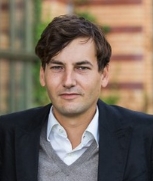 Alexander Popp合作论文数Potsdam Institute for Climate Impact Research;Kassel Institute for Sustainability, University of Kassel8
 Hermann Lotze-Campen合作论文数Potsdam Institute for Climate Impact Research;Department of Agricultural Economics, Humboldt University7
 Sibyll Schaphoff合作论文数Potsdam Inst Climate Impact Res6
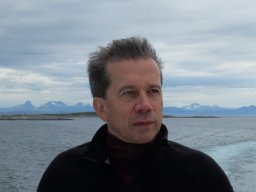 Stefan Wirsenius合作论文数Chalmers University of Technology, Göteborg University5
 Sabine Fuss合作论文数5
 Felix Creutzig合作论文数Department of Climate Economics and Policy - MCC Berlin, Potsdam Institute for Climate Impact Research4Patrice Dumas合作论文数4
 Nico Bauer合作论文数PIK—Potsdam Institute for Climate Impact Research4Ivonne Lobos Alva合作论文数3Ulf Weddige合作论文数3Yvonne Jans合作论文数3
 Michal Kulak合作论文数Unilever Safety & Environm Assurance Ctr, Colworth Sci Pk3
 Peter Smith合作论文数Institute of Biological and Environmental Sciences, School of Biological Sciences, University of Aberdeen3
 Christoph Müller合作论文数Institut für Pflanzenökologie, Justus-Liebig University Giessen;School of Biology and Environmental Science, University College Dublin3
 Jan Philipp Dietrich合作论文数Potsdam Institute for Climate Impact Research3
 Bronson Griscom合作论文数Center for Natural Climate Solutions, Conservation International3
 Jan C. Minx合作论文数School of Earth and Environment, Faculty of Environment, University of Leeds;Priestley International Centre for Climate, University of Leeds;Mercator Research Institute on Global Commons and Climate Change gGmbH;Evidence for Climate Solutions Working Group, Potsdam Institute for Climate Impact Research3Oscar Schmidt合作论文数2
 Jessica Zionts合作论文数2vivian schueler合作论文数2
 Julia Chatterton合作论文数2
 Marian Leimbach合作论文数2Maria del Mar Zamora Dominguez合作论文数2
 Ariane Goetz合作论文数International Agricultural Policy and Environmental Governance, Kassel University2alexander muller合作论文数2
 Michael Krause合作论文数2
 Max Callaghan合作论文数Priestley Int Ctr Climate, Univ Leeds2
 Wagner de Oliveira Garcia合作论文数2
 Thorben Amann合作论文数Institute for Geology, University of Hamburg2
 William F. Lamb合作论文数Mercator Research Institute on Global Commons and Climate Change2
 Rebecca Chaplin-Kramer合作论文数Woods Institute for the Environment, Stanford University;Woods Institute for the Environment, Stanford University2
 Patrick R. Roehrdanz合作论文数Bren School of Environmental Science and Management, University of California;Bren School of Environmental Science and Management, University of California2
 Schuster Richard合作论文数2
 Hilaire Jérôme合作论文数Potsdam Institute for Climate Impact Research2
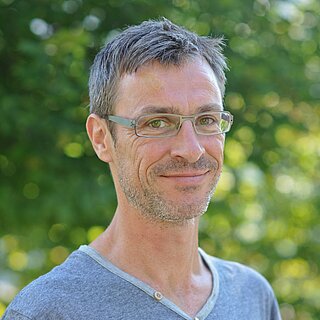 Daniel Müller合作论文数Department of Structural Development of Farms and Rural Areas, Leibniz Institute of Agricultural Development in Transition Economies;Department of Geography, Humboldt-Universität zu Berlin2
 Ottmar Edenhofer合作论文数Potsdam Institute for Climate Impact Research;Mercator Research Institute on Global Commons and Climate Change;Institut fur Landschaftsarchitektur und Umweltplanung, Fakultat VI Planen Bauen Umwelt, Technische Universitat Berlin2
 Pablo Marquet合作论文数Departamento de Ecologia, Facultad de Ciencias Biologicas, Pontificia Universidad Catolica de Chile;Santa Fe Institute2
 Helmut Haberl合作论文数Institute of Social Ecology, Department of Economics and Social Sciences, BOKU University2
 Ashley E Larsen合作论文数Bren Sch Environm Sci & Management, Univ Calif Santa Barbara2
 James R. Oakleaf合作论文数2
 Elke Stehfest合作论文数Department of Global Sustainability, PBL Netherlands Environmental Assessment Agency2
 Karlheinz Erb合作论文数Institute of Social Ecology, University of Natural Resources and Life Sciences2
 Jens Hartmann合作论文数Department of Earth System Sciences, Faculty of Mathematics, Informatics and Natural Sciences, Universität Hamburg2
 Jan Christoph Steckel合作论文数Potsdam Institute for Climate Impact Research2
 Gregory F. Nemet合作论文数Robert M. La Follette School of Public Affairs, University of Wisconsin–Madison2
 Gunnar Luderer合作论文数Energy Transition Lab, Potsdam Institute for Climate Impact Research;Department of Transformation Pathways, Potsdam Institute for Climate Impact Research;Technical University of Berlin2




