Paid sick and family leave policies provide employees the right to request paid time-off for personal illness or family demands. Yet, they can be underutilized, and their effects show mixed results. Research has underaddressed the disconnect between formal and informal work-family support, clarifying the role of supervisors as contextual resources supporting paid leave. Integrating research on job demands-resources theory, family supportive supervisory behaviors, and work-family policies, we evaluated training designed to increase supervisors' leave supportive supervisor behaviors (LSSB), defined as supervisor behaviors perceived as encouraging employees to access, use, and value paid leave as a resource for managing nonwork time-off demands. We conducted a 6-month field study at two U.S. universities, with random assignment to training (N = 293 managers, 630 employees), and wait-list control conditions (N = 252 managers, 293 employees). The intervention included voluntary online training, behavior self-monitoring, and a webinar. Compared to the control organization, employees in the trained organization reported higher LSSB, greater family leave use, higher job satisfaction, and stronger organizational commitment. Results showed that the intervention was more beneficial for women (higher commitment), employees with childcare demands (higher job satisfaction, improved general health, higher sick leave use), and sandwiched (both child and older adult/elder) caregivers (higher job satisfaction). Post hoc longitudinal analyses identified that the intervention increased supervisors' role modeling behaviors, which predicted higher employee job satisfaction and LSSB. We provide future implications on the criticality of pairing supervisor training with paid leave to strengthen supervisor support as a contextual resource to improve policy use, health, and work outcomes. (PsycInfo Database Record (c) 2026 APA, all rights reserved).
Purpose:Firefighters are at high risk for sleep disruption due to shift work. Use of alcohol, caffeine, and nicotine can also affect sleep. Thus, we evaluated daily, bidirectional associations between substance use and actigraphy-assessed sleep among firefighters. Patients and methods:Micro-longitudinal data were drawn from 120 firefighters participating in the Shiftwork in Firefighters (SWIFT) Study. Participants completed surveys on daily alcohol and caffeine use, current and lifetime tobacco use, and wore actigraphy devices to assess sleep timing, duration, and quality (2,617 observations). Multilevel models were used to examine both between- and within-person associations between substance use and subsequent sleep, and between sleep and next-day substance use. Models were adjusted for covariates (shift schedule, on-shift status, nighttime call volume, and naps). Results:Alcohol use demonstrated strong bidirectional associations with sleep. Greater within-person alcohol consumption predicted shorter sleep and earlier waketimes, while later sleep timing and shorter sleep predicted greater next-day alcohol use. Unexpectedly, greater caffeine consumption was associated with higher sleep efficiency and fewer nighttime awakenings at the between-person level and longer total sleep time at the within-person level. Current between-person use of smokeless tobacco was associated with approximately 30 minutes shorter total sleep time, whereas lifetime cigarette use showed no association with sleep outcomes. Conclusion:Substance use among firefighters exhibited substance-specific and temporally dynamic relationships with sleep. Nicotine and caffeine effects were largely person-dependent, whereas daily alcohol showed consistent bidirectional effects on sleep. These findings highlight potential intervention targets aimed at improving sleep and reducing alcohol-related risk among firefighters.
The effective socialization of newcomers into organizations is critical for employee and organizational success. As such, ensuring successful onboarding has become even more pivotal for newcomer adjustment, performance, and retention. The literature has seen significant growth and incorporated new theoretical perspectives, such as resource-based approaches since the most recent comprehensive meta-analytic review of the literature. Therefore, we extended earlier reviews by presenting an updated model of the socialization process, reviewing the literature, and examining this updated model via meta-analysis. In all, we identified 256 studies that met our meta-analytic inclusion criteria, and 183 with sufficient k across construct categories were included in our meta-analysis. At the correlational level, we analyzed antecedents to proximal adjustment indicators and proximal adjustment to distal outcomes. We examined a potential moderator, whether the study took place in a horizontal-individualistic (HI) versus vertical-collectivistic (VC) culture. Last, we analyzed a path model to identify unique relationships between specific antecedents (age, full-time work experience, organizational tenure, proactive personality, information seeking, organizational tactics, insider mentoring/supporting), proximal adjustment indicators (social acceptance, role clarity, task mastery, perceived fit), and distal outcomes (job satisfaction, organizational commitment, turnover intentions, other-rated performance, and well-being). Our analyses uncover the role of proactive personality and proactive newcomer behaviors in newcomer adjustment and the importance of social acceptance for newcomers. They also identify perceptions of fit as an important but relatively under-examined adjustment indicator and newcomer well-being as an additional socialization outcome. We develop future directions for socialization theory and research methods.
OBJECTIVE:To evaluate weight loss maintenance among truck drivers following an effective initial intervention and to test a priori hypotheses that social support and stress factors would moderate long-term success. METHODS:Commercial truck drivers enrolled in the Safety & Health Involvement For Truckers cluster-randomised controlled trial (22 terminal clusters; n=452) completed measurements at baseline, postintervention (6 months) and 1 year postintervention (18 months) in the USA in 2012-2015. The mobile health intervention was a group-based competition involving self-monitoring, feedback, incentives, online training and motivational interviewing. RESULTS:In an intent-to-treat analysis, the difference between groups at 18 months post-baseline in mean body weight was -0.92 kg (p=0.328; intervention=0.00, control=+0.92). Moderation analyses revealed a significant between-group intervention effect on body weight at 18 months for drivers with supervisors who engaged in higher levels of family supportive supervisor behaviours (p=0.033; group difference=-2.74 kg). Intervention effects on several diet and exercise outcomes at 18 months were also significantly moderated by social support and stress factors. Within the intervention group, high initial programme participation was associated with significantly greater 18-month weight loss than lower participation (p<0.001; -3.43 kg vs +2.17 kg). CONCLUSIONS:The intervention produced significant long-term weight loss for truck drivers with a supportive supervisor, providing further evidence for the broad health benefits of this workplace relationship. Additional findings highlight the value of initial programme participation and may inform future replications and extensions of similar health programmes for truck drivers. TRIAL REGISTRATION NUMBER:NCT02105571.
Social connection has been declining across the general population (i.e., the “loneliness epidemic”), though some groups, including military personnel, are experiencing particularly high rates. This has led to calls for a multilevel national strategy, including workplaces, to build social connection (U.S. Surgeon General, 2023). To answer this call, the present study draws on the wise intervention approach (Walton, 2014), multidimensional model of social connection (Holt-Lunstad, 2022), and models of the bidirectional relationship between sleep health and relationship functioning (Gordon et al., 2017; Troxel et al., 2007), to deliver a workplace intervention that builds social connection for military employees and their romantic partners ( N = 360 couples), using a cluster randomized controlled trial. The workplace intervention, combining supportive supervisor training (for family and sleep health) with personalized sleep feedback for employees, was found to improve social connection for both partners in the treatment group compared to the control group. Specifically, employees and romantic partners reported lower loneliness, and employees reported higher perceived partner responsiveness. We also investigated potential mechanisms of intervention effects, though significant indirect effects were not detected. Broadly, this work contributes to the loneliness intervention literature by demonstrating the efficacy of cultivating social support through one’s workplace supervisor, paired with individual sleep feedback. Clinical trial registry: NCT02946736.
Introduction Firefighters face frequent physical and psychosocial stressors, increasing their risk for hypertension. Rising call volumes with a stable workforce have heightened occupational burdens. To meet their occupational demands while increasing time off-duty, fire departments across the country have switched from a 24 hours on 48 hours off (termed ‘24/48’) work schedule to one that increases the number of consecutive days off (eg, 1 day on, 3 days off, 2 days on, 3 days off (termed ‘1/3/2/3’) or 48 hours on 96 hours off (termed ‘48/96’)). However, these schedule changes come at the expense of increasing time on-duty, which may have negative health and safety consequences. This paper provides the framework and methods to investigate how these schedules (24/48, 1/3/2/3 and 48/96) impact hypertension risk, well-being and safety among firefighters.Methods and analysis This quasi-experimental study assesses hypertension risk (primary outcome) markers, including 48-hour ambulatory blood pressure and safety (secondary outcome) using the psychomotor vigilance test and incidence of injuries. The study encompasses a cross-sectional analysis that examines three distinct schedules (24/48, 1/3/2/3 and 48/96) and a prospective analysis, capitalising on a pre-planned schedule transition from a 24/48 to a 1/3/2/3, as a natural experiment without any intervention from the study team. Additionally, the mediating role of sleep (assessed objectively using actigraphy and subjectively using questionnaires) and daily stress in the relationship between work schedule and hypertension risk or sustained attention is investigated to inform both mechanisms and general considerations for developing and promoting a healthy work design for firefighters. The feasibility and acceptability of the three schedules are assessed using validated surveys and qualitative interviews.Ethics and dissemination The study received approval from the institutional review boards of Oregon Health & Science University (IRB# 20553) and the University of Utah (IRB#165866) and engages fire departments in the Pacific Northwest and Utah. It leverages community engagement with these fire departments, offering an exceptional opportunity to examine the physical and mental impacts of firefighters’ work schedules. Aggregate findings will be disseminated through practical resources, benefiting both regional and national firefighting communities.
BACKGROUND:Sociodemographic status (SDS) including race/ethnicity and socioeconomic status as approximated by education, income, and insurance status impact pulmonary disease in people with cystic fibrosis (PwCF). The relationship between SDS and chronic rhinosinusitis (CRS) remains understudied. METHODS:In a prospective, multi-institutional study, adult PwCF completed the 22-Question SinoNasal Outcome Test (SNOT-22), Smell Identification Test (SIT), Questionnaire of Olfactory Disorder Negative Statements (QOD-NS), and Cystic Fibrosis Questionnaire-Revised (CFQ-R). Lund-Kennedy scores, sinus computed tomography, and clinical data were collected. Data were analyzed across race/ethnicity, sex, and socioeconomic factors using multivariate regression. RESULTS:Seventy-three PwCF participated with a mean age of 34.7 ± 10.9 years and 49 (67.1%) were female. Linear regression identified that elexacaftor/tezacaftor/ivacaftor (ETI) use (β = ‒4.09, 95% confidence interval [CI] [‒6.08, ‒2.11], p < 0.001), female sex (β = ‒2.14, 95% CI [‒4.11, ‒0.17], p = 0.034), and increasing age (β = ‒0.14, 95% CI [‒0.22, ‒0.05], p = 0.003) were associated with lower/better endoscopy scores. Private health insurance (β = 17.76, 95% CI [5.20, 30.32], p = 0.006) and >16 educational years (β = 13.50, 95% CI [2.21, 24.80], p = 0.020) were associated with higher baseline percent predicted forced expiratory volume in one second (ppFEV1). Medicaid/Medicare insurance was associated with worse endoscopy scores, CFQ-R respiratory scores, and ppFEV1 (all p < 0.017), and Hispanic/Latino ethnicity was associated with worse SNOT-22 scores (p = 0.047), prior to adjustment for other cofactors. No other SDS factors were associated with SNOT-22, QOD-NS, or SIT scores. CONCLUSIONS:Differences in objective measures of CRS severity exist among PwCF related to sex, age, and ETI use. Variant status and race did not influence patient-reported CRS severity measures or olfaction in this study. Understanding how these factors impact response to treatment may improve care disparities among PwCF. CLINICAL TRIALS:NCT04469439.
PurposeWe examined the impact of a leadership support training intervention implemented prior to the coronavirus (COVID-19) pandemic on support behaviors specific to COVID-19 during the pandemic. Primary intervention targets (i.e. family-supportive supervisor behaviors and sleep leadership behaviors) were explored as mediators between the intervention and supportive COVID-19 leadership behaviors.Design/methodology/approachA cluster randomized controlled trial intervention was implemented with service members and their supervisors in the Army and Air National Guard throughout 2017–2019. Follow-up survey data were collected after the intervention, including during the COVID-19 pandemic in 2020. Direct and indirect intervention effects were tested.FindingsA pre-COVID intervention targeting leader support for family and sleep health had a direct effect on leader support specific to the COVID-19 pandemic. Additionally, sleep leadership, but not family-supportive supervisor behaviors, mediated the intervention effects on supportive COVID-19 leadership. These findings suggest that certain leadership training interventions can transfer across knowledge domains and time.Practical implicationsFindings from this study demonstrate that training leaders on support behaviors improves their ability to support employees during the COVID-19 pandemic and may translate to crisis leadership in other contexts.Originality/valueWe examined the long-term effects of an intervention that was implemented approximately 1–2 years prior to the COVID-19 pandemic on leadership support behaviors specific to the pandemic. Our findings contribute to the leadership, training, and organizational intervention literatures, and have implications for how leaders can support employees during crises.
Objective Investigate new bus operators’ (N = 293) occupational and health backgrounds to inform how transit authorities can support their future health and job success. Methods New bus operators completed surveys and direct measurements that addressed demographics, work history, and 10 health risk factors. Results Participants averaged 42.76 years of age and were predominantly male (73.5%). Many (45.7%) came from minority backgrounds and most (66.3%) had no prior commercial driving experience. Transportation and material moving occupations were operators’ most common prior jobs followed by protective service, and sales and related occupations. Study-specific criteria classified operators as having low (49.5%), medium (37.9%), and high (12.6%) health risk levels. Conclusions About half of the sample had medium-to-high health risks and most lacked commercial driving experience. Such information may help employers proactively support new bus operators’ health and job success.
The high, and still rising, rate of loneliness is a threat to public health (Office of the Surgeon General, 2023), with negative mental and physical health consequences (e.g., Holt-Lunstad, 2021). Given that loneliness is a risk factor for poor mental health, efforts to address loneliness are urgently needed. Workplaces can facilitate an employee's social connection through supervisor support training, which can help mitigate loneliness. Among occupational groups, the military is at higher risk for mental health disorders, suicide, and loneliness (Fikretoglu et al., 2022; Naifeh et al., 2019). This study evaluated the efficacy of an evidence-based supportive-leadership training intervention targeting active-duty U.S. Army platoon leaders and targeting both proactive support behaviors that help bolster employee social connection and responsive support behaviors, including destigmatizing mental health. Ninety-nine platoon leaders (69.7% of eligible leaders) completed the 90-min training that consisted of both in-person and computer-based components. Using a cluster-randomized controlled trial design, intervention effects were tested using an intent-to-treat approach and revealed a significant effect, whereby loneliness of service members whose leaders were randomized to the intervention group (N = 118) was significantly reduced compared to loneliness reports for service members in the control group (N = 158). Additionally, service members with higher baseline loneliness were more strongly and positively impacted by the supervisor training, reporting higher levels of supportive behaviors from their leaders at 3 months postbaseline. In sum, these results suggest how workplaces, especially those that are considered high-risk occupations, and their leaders play a critical role in a national strategy to address Americans' well-being.
BACKGROUND:Chronic rhinosinusitis (CRS) is common in people with cystic fibrosis (PwCF). Rhinologic symptom prioritization and areas that influence CRS treatment choices, including pursuing endoscopic sinus surgery (ESS), remain understudied. METHODS:Adult PwCF + CRS were enrolled at eight centers into a prospective, observational study (2019-2023). Participants were administered the 22-SinoNasal Outcome Test (SNOT-22) survey and a modified SNOT-22 instrument examining symptom importance. We determined importance rankings for individual symptoms and SNOT-22 symptom importance subdomains in two sets of subgroups-those pursuing ESS versus continuing medical management (CMT), and those on elexacaftor/tezacaftor/ivacaftor (ETI) versus not on ETI. RESULTS:Among 69 participants, the highest priorities were nasal congestion (n = 48, 69.6% important), post-nasal discharge (32, 46.4%), facial pain (29, 43.3%), waking up tired (27, 39.1%), and fatigue (26, 37.7%). Those electing surgery (n = 23) prioritized sleep and psychological dysfunction symptoms compared to those pursuing CMT (n = 49) (sleep median score = 19.0 [interquartile range: 12.0, 25.0] vs. 4.5 [0.0, 12.8]; p < 0.0001; psychological = 17.0 [7.0, 26.0] vs. 7.0 [0.0, 15.8]; p = 0.002). ETI users had comparable SNOT-22 total symptom importance scores to non-ETI users (p = 0.14). Non-ETI users (n = 34) showed a trend toward prioritizing sleep symptoms compared to ETI users (n = 35) (13.0 [2.8, 22.3] vs. 6.0 [2.0, 17.0]; p = 0.055). CONCLUSIONS:Nasal congestion and post-nasal discharge were top priorities reported by PwCF + CRS. Those electing surgery prioritized sleep and psychological symptoms, highlighting their importance in pre-operative discussions. Non-ETI users' prioritization of sleep improvement may highlight their unique disease impact and therapeutic needs; however, additional investigation is required.
Introduction Cystic fibrosis (CF) is commonly complicated by chronic rhinosinusitis (CRS). Despite highly effective management options, CRS in people with CF (PwCF+CRS) may be refractory to medical therapy, eventually requiring endoscopic sinus surgery. The impact of sinus surgery on pulmonary, quality of life (QOL), and other outcomes in PwCF+CRS in the expanding era of highly effective modulator therapy has not been fully elucidated. This study aims to determine if endoscopic sinus surgery can offer superior outcomes for PwCF+CRS when compared to continued medical treatment of CRS. Methods and analysis This multi-institutional, observational, prospective cohort study will enroll 150 adults with PwCF+CRS across nine US CF Centers who failed initial medical therapy for CRS and elected to pursue either endoscopic sinus surgery or continue medical treatment. To determine if sinus surgery outperforms continued medical therapy in different outcomes, we will assess changes in pulmonary, CF-specific QOL, CRS-specific QOL, sleep quality, depression, headache, cognition, olfaction, productivity loss, and health utility value after treatment. The influence of highly effective modulator therapy on these outcomes will also be evaluated. This study will provide crucial insights into the impact of endoscopic sinus surgery for PwCF+CRS and aid with development of future treatment pathways and guidelines. Ethics and dissemination This study has been approved by each institution’s internal review board, and study enrollment began August 2019. Results will be disseminated in conferences and peer-reviewed journals. Trial registration This study was registered on ClinicalTrials.gov (NCT04469439).
Abstract Introduction Ambulatory blood pressure monitoring (ABPM) across 24 hours is recommended to confirm hypertension and, outside of a laboratory setting, is the only means to measure the extent of any nocturnal decrease in blood pressure (BP) i.e., nocturnal BP dipping. The ambulatory device is traditionally programmed to inflate every 20-30 minutes during awake and sleep. Despite diagnostic benefits, ABPM may disturb sleep and lead to reduced compliance in some individuals. Firefighters, an occupational group with a greater risk of developing cardiovascular disease, often note continued vigilance during sleep, possibly reflecting light sleep and/or frequent awakenings. This potential sleep disturbance may contribute to firefighters’ cardiovascular disease risk and may also impact ABPM data. Methods To assess the effect of ABPM on total sleep time (TST) and wake after sleep onset (WASO) in firefighters, we measured sleep using wrist actigraphy in 120 firefighters (91.3% male) from two different departments in Oregon. As part of a larger longitudinal study, participants’ sleep off-shift (as noted from daily survey) was recorded for up to 14 days at two different time points, two months apart. During two consecutive days off, participants completed 24-48 hours of ABPM with simultaneous actigraphy. Overall, there were 1273 measures of sleep, 206 with the cuff and 1067 without the cuff. Separate mixed models with cuff (on/off) as a fixed effect and participant as a random effect, were run for TST and WASO. Models were adjusted for total time in bed, department, and collection interval. Results Surprisingly, TST with the cuff on was significantly greater than nights without the cuff (marginal mean ± SE: 432.0±3.1 vs. 415.9±1.7 minutes respectively, p< 0.001). Increased TST was attributable to a lower WASO with the cuff than without the cuff (43.8±2.9 vs 59.8±1.7 minutes, respectively, p< 0.001). Conclusion Contrary to our expectations, ABPM was not associated with actigraphy measured disturbed sleep among firefighters. In fact, in these data, sleep appeared to be improved while wearing the cuff. Perhaps concerns around poor sleep when wearing the device may have led to improved sleep behaviors on those nights, but this hypothesis needs further investigation. Support (if any) U19OH010154, K01HL151745
Objectives: The Patient-Reported Outcomes Measurement Information System sleep disturbance measures were developed using item response theory assumptions of unidimensionality and local independence. Given that sleep health is multidimensional, we evaluate the factor structure of the Patient-Reported Outcomes Measurement Information System sleep disturbance 8b short form to examine whether it reflects a unidimensional or multidimensional construct.Methods: Six full-time working adult samples were collected from civilian and military populations. Exploratory and confirmatory factor analyses were conducted. Single-factor and two-factor models were performed to evaluate the dimensionality of sleep disturbance using the 8b short form. Sleep duration and subjective health were examined as correlates of the sleep disturbance dimensions.Results: Across six working adult samples, single-factor models consistently demonstrated poor fit, whereas the two-factor models, with insomnia symptoms (ie, trouble sleeping) and dissatisfaction with sleep (ie, subjective quality of sleep) dimensions demonstrated sufficient fit that was significantly better than the single-factor models. Across each sample, dissatisfaction with sleep was more strongly correlated with sleep duration and subjective health than insomnia symptoms, providing additional evidence for distinguishability between the two sleep disturbance factors. Conclusions: In working adult populations, the Patient-Reported Outcomes Measurement Information System sleep disturbance 8b short form is best modeled as two distinguishable factors capturing insomnia symptoms and dissatisfaction with sleep, rather than as a unidimensional sleep disturbance construct.(c) 2023 National Sleep Foundation. Published by Elsevier Inc. All rights reserved.
The high, and still rising, rate of loneliness is a threat to public health (U.S. Surgeon General, 2023), with negative mental and physical health consequences (e.g., Holt-Lunstad, 2021). Efforts to address loneliness are urgently needed. Workplaces can facilitate an employee’s sense of belonging and inclusion through leadership training, which can help mitigate loneliness. Among employee groups, service members are at higher risk for mental health disorders, suicide, and loneliness. This study evaluated the efficacy of an evidence-based supportive-leadership training intervention targeting active-duty U.S. Army platoon leaders aimed at increasing social connection and belongingness. Specifically, the goal of the training was to increase leaders’ provision of social support for psychological health and resilience, thereby increasing service members’ sense of social connectedness and decreasing their experience of loneliness. Ninety-nine platoon leaders (69.7% of eligible leaders) completed the 90-minute training that consisted of both in-person and computer-based components. Using a randomized controlled trial design, intervention effects were tested using an intent-to-treat approach and revealed a significant effect, whereby loneliness of service members whose leaders were randomized to the intervention group (N=118) was significantly reduced compared to loneliness reports for service members in the control group (N=158). Service members with higher baseline loneliness were more strongly and positively impacted by the supervisor training, reporting higher levels of emotional support and stigma-reduction behaviors from their leaders at 3 months post-baseline. In sum, these results suggest how workplaces and their leaders play a critical role in a national strategy to address Americans’ well-being.
BACKGROUND:It is unclear whether chronic rhinosinusitis (CRS) endotypes show a differential response to endoscopic sinus surgery (ESS). We explored patient mucous inflammatory cytokine expression and associations with patient-reported and clinically measured post-operative outcome measures. METHODS:Patients with CRS were prospectively recruited between 2016 and 2021 into a national multicenter, observational study. Mucus was collected from the olfactory cleft preoperatively and evaluated for 26 biomarkers using cluster analysis. Patient-reported outcome measures included the 22-item Sino-Nasal Outcome Test (SNOT-22) and Questionnaire of Olfactory Dysfunction (QOD). Additional clinical measures of disease severity included threshold, discrimination, and identification (TDI) scores using "Sniffin' Sticks" testing and Lund-Kennedy endoscopic score (LKES). RESULTS:A total of 115 patients were clustered into type 2 inflammatory, non-type 2 inflammatory, noninflammatory, and two indeterminate clusters based on individual protein levels. Overall, the type 2 inflammatory cluster was found to have the highest mean improvement in both SNOT-22 (-28.3 [standard deviation, ±16.2]) and TDI (6.5 [standard deviation, ±7.9]) scores 6 months after ESS. However, on average, all endotype clusters demonstrated improvement in all outcome measures after ESS without statistically significant between-group differences in SNOT-22 (p = 0.738), QOD (p = 0.306), TDI (p = 0.358), or LKES (p = 0.514) measures. CONCLUSIONS:All CRS endotype clusters responded favorably to surgery and showed improvements in patient-reported and objective outcome measures. Thus, ESS should be considered a more generalized CRS therapy, and benefits appear to not be limited to specific endotypes.
OBJECTIVE:This study aimed to test the feasibility and efficacy of an enhanced onboarding intervention to prevent weight gain and support the early job success of new bus operators.METHODS:Control participants ( n = 9) completed usual practice new employee training and onboarding. Intervention participants ( n = 14) completed five supplemental trainings and four online challenges during their first year. Primary outcomes were body weight, dietary behaviors, physical activity, and sleep duration/quality. Early job success was evaluated with measures of newcomer adjustment.RESULTS:The difference between intervention and control participants in body weight change at 12-month was -6.71 lb (Cohen's d = -1.35). Differences in health behavior changes were mixed, but newcomer adjustment changes favored the intervention group.CONCLUSIONS:Results support the feasibility of enhanced onboarding for bus operators to prevent worsening health while simultaneously advancing their success as new employees.
Background: Truck driving is a highly sedentary occupation that places workers at risk for chronic health conditions, such as obesity and high blood pressure. The primary purpose of this study was to objectively describe truck drivers' typical physical activity (PA) patterns.Methods: We used w7-10-day baseline PA actigraphy data samples from drivers in the Safety & Health Involvement For Truckers (SHIFT) study (n = 394). Driver PA patterns (e.g., average number of >= 10 minute Freedson bouts per week, time in bouts, and common days/times for PA) were summarized with descriptive analyses. We also compared objective accelerometer data to self-reports.Results: Drivers' weekly PA averaged 14.4 minutes (SD = 37.0), and most PA occurred between 5-6 pm on Tuesdays and Wednesdays. Drivers overestimated self-reported weekly exercise by over 60 min/week compared to accelerometer data.Conclusion: Our results suggest that objective PA assessment may be warranted over self-report when possible, and timing may be key in future PA intervention work with truck drivers.(c) 2023 The Authors. Published by Elsevier B.V. on behalf of Occupational Safety and Health Research Institute, Korea Occupational Safety and Health Agency. This is an open access article under the CC BY -NC-ND license (http://creativecommons.org/licenses/by-nc-nd/4.0/).
 Leslie B Hammer合作论文数Portland State University53
 Tori Crain合作论文数Department of Psychology, Portland State University24
 Ellen Ernst Kossek合作论文数Krannert School of Management, Purdue University19
 Donald M. Truxillo合作论文数Dept Psychol, Portland State Univ17
 Ryan Olson合作论文数Department of Radiology, Penn State Milton S. Hershey Medical Center and College of Medicine16Jess C. Mace合作论文数14
 W. Kent Anger合作论文数Oregon Institute of Occupational Health Sciences, Oregon Health Sciences University;School of Public Health, Oregon Health Sciences University13Alt Jeremiah A合作论文数12
 Wipfli Brad合作论文数12
 Cynthia D Mohr合作论文数University of Connecticut12
 Talya N. Bauer合作论文数School of Business, Portland State University12
 Orfeu M Buxton合作论文数Penn State Univ, University Pk10
 Krista Brockwood合作论文数10Zachary M. Soler合作论文数9
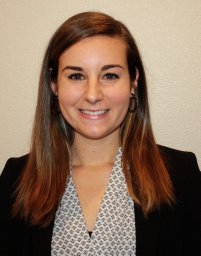 Rebecca Brossoit合作论文数Dept Psychol, Colorado State Univ8Chowdhury Naweed I合作论文数7
 Rodney J. Schlosser合作论文数Department Otolaryngology, College of Medicine, Medical University of South Carolina;Department Head and Neck Surgery, College of Medicine, Medical University of South Carolina7
 Timothy D Smith合作论文数School of Physical Therapy, Slippery Rock University/Carnegie Museum Of Natural History6
 Andrew W. McHill合作论文数Sleep and Chronobiology Laboratory, University of Colorado Boulder6Beswick Daniel M合作论文数6
 Phyllis Moen合作论文数Department of Sociology, College of Liberal Arts, University of Minnesota6
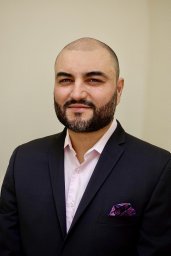 David Hurtado合作论文数Harvard School of Public Health6
 Peter H. Hwang合作论文数Otolaryngology, Head and Neck Surgery Department, Stanford University6Steven A. Shea合作论文数6
 Heather N Odle-Dusseau合作论文数6
 Anne Getz合作论文数5
 Jacquelyn M. Brady合作论文数Oregon Inst Occupat Hlth Sci, Oregon Hlth & Sci Univ5
 Sean P. M. Rice合作论文数Portland State Univ, Oregon Hlth & Sci Univ5
 Ginger Hanson合作论文数School of Nursing, Johns Hopkins University5DeConde Adam S合作论文数5Saavedra Milene T合作论文数5
 Rebecca Thompson合作论文数5Diane L. Elliot合作论文数5
 Adam J Kimple合作论文数Department of Pharmacology, The University of North Carolina at Chapel Hill5
 Diane Rohlman合作论文数Department of Occupational and Environmental Health, College of Public Health, The University of Iowa5
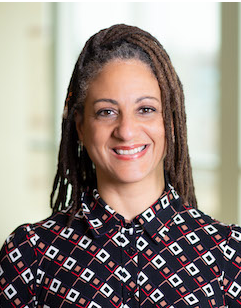 Jennifer L. Taylor-Cousar合作论文数Pulmonary Divisions,National Jewish Health;Departments of Internal Medicine and Pediatrics,University of Colorado Denver5Douglas A. Li合作论文数4Meghan Norris合作论文数4Grant A Turner合作论文数4Mackenna L. Perry合作论文数4Cameran Owens合作论文数4Karolin Markarian合作论文数4
 Ethan Han合作论文数4
 Shalene J Allen合作论文数4Nicole P Bowles合作论文数4
 Jennifer Rineer合作论文数4
 Jose Mattos合作论文数4Lee Jivianne T合作论文数and David Geffen School of Medicine, University of California Los Angeles4Poch Katie R合作论文数4




