Background Persistent gaps in efforts to end the HIV epidemic in the United States highlight the need for community-specific, evidence-based HIV testing strategies. This study investigated barriers and preferences around HIV testing among underserved populations, including Black, queer, and young adults in the St. Louis, Missouri area. Methods We conducted a Best-Worst Scaling (BWS) survey with adults (16+ years) recruited at community events, collecting responses electronically and providing a $25 incentive. The survey assessed the relative importance of 13 potential barriers to HIV testing such as stigma, structural barriers, and perceived HIV risk, chosen based on literature review and community input. Mean preference weights (MPWs) were derived from participants' most and least selected barriers in a set of 13 choice tasks and rescaled using Hierarchical-Bayes estimation. We applied latent class conditional logit models to explore variability in preferences among participants. Results Among 152 participants, 53% identified as women, 39% as men, and 7% as nonbinary; 49% identified as Black, with a median age of 29 years (IQR: 23-37). Additionally, 49% identified as nonheterosexual. The most prominent barrier to testing was low perceived risk for HIV (MPW: 13.9; 95% CI: 12.5-15.2). Black participants reported lack of trust in testing organizations and the absence of peer encouragement for testing as significant barriers compared to White participants (P = .03, P = .003). Queer participants identified stigma, limited access, and fear of a positive result as more critical barriers than their heterosexual counterparts (P < .001, P = .023, P = .004). Latent class modeling identified 2 distinct groups: (1) "Low-risk perceivers" (67%) who emphasized low perceived risk of HIV (MPW: 16.7, 95% CI: 15.4-18.1) and lack of healthcare provider recommendation (11.9, 95% CI: 10.7-13.2), and (2) "Stigma avoiders" (33%) who were concerned about stigma (17.1, 95% CI: 16.0-18.3) and fear of a positive diagnosis (16.1, 95% CI: 14.5-17.8). Conclusions This BWS analysis provides insights into HIV risk perception and testing barriers among affected communities in the St. Louis region, revealing that low perceived HIV risk and social stigma are substantial deterrents. Tailored HIV testing initiatives should be developed to address these barriers and improve testing uptake across diverse community members.
PurposeThis pilot study investigated how retailer training can enhance retailer confidence and participants' shopping experiences to increase WIC benefit redemption.DesignThree groups of retailers were randomized to (1) receive standard training, (2) receive training supplemented with a brief video, and (3) receive no training. Training groups were surveyed before and after training for confidence with WIC-related tasks.SettingWIC-authorized retailer locations in Missouri.Sample44 retailers participated.MeasuresRetailer confidence and total WIC items redeemed before and after training.AnalysisBefore and after training and within and between groups, Pearson's Chi-squared tests compared retailer confidence and analysis of variance and Tukey HSD post-hoc tests compared monthly averages of items redeemed overall and by WIC food category.ResultsConfidence improved for both training groups (standard training: 65% vs 94% (P < 0.00), video: 58% vs 92% (P < 0.00), though the increases in confidence were not different between groups (P = 0.59). Monthly average items redeemed were no different within or between stores or study groups before or after the training.ConclusionsIncreased retailer confidence post-training supports the continued implementation of training and technical assistance. Future programming and research could examine the effects of training on WIC participants' shopping experiences and meeting stocking requirements more specifically.
Translational products can help bridge the gap between research and practice by sharing scientific evidence in ways that non-academic audiences find accessible and useful. Here we present five translational design principles for dissemination of research evidence to public health practitioners and partners. The result of more than two decades of work in the development, production, revision, and continuous improvement of the Best Practices User Guides and supplemental reports, we illustrate the principles here using Tobacco Where You Live: Native Communities, a guide for tobacco prevention and control for American Indian and Alaska Native groups and their public health partners. The team developed the translational design principles through a multi-phase process: (1) conducting a multi-state evaluation and national advisory workgroup to identify translational features for communicating evidence, (2) applying findings to develop a set of translational products, CDC's Best Practices User Guides and Tobacco Where You Live Supplements, and (3) evaluating product quality through a national survey. Users find the evidence-based guides helpful, easy to understand, and actionable. The five principles contend that translational products should: (1) stem from evidence-informed sources, (2) include actionable information, (3) have a modular structure, (4) use language for an understandable delivery, and (5) come in accessible formats. Though the User Guides and the example here address tobacco use, researchers and practitioners can use the translational design principles to communicate evidence for various public health challenges and opportunities. Broad applications of the principles can help to increase intervention fidelity and the impact of public health evidence.
This case study examines the challenges and facilitators to implementation and enforcement of Tobacco 21 and Tobacco Retail Licensing policies in Cincinnati, Ohio, from 2019 to 2022. Cincinnati was part of a cohort of communities supported by Interact for Health to develop, implement, and enforce local Tobacco 21 and related policies. The City of Cincinnati policies were initially passed in 2018 after robust coalition-building efforts and the Cincinnati Health Department was tasked with implementation and enforcement. These processes met early challenges including enactment of state and federal Tobacco 21 laws prior to local implementation, the impact of the COVID-19 pandemic and response on local public health efforts, and retailer identification and monitoring limitations. Over time, the Cincinnati Health Department overcame these challenges to successfully implement and enforce the policies through nurturing partnerships with retailers, streamlined retailer tracking, and ongoing education efforts. Adaptability and flexibility were key to gaining traction in a challenging environment. The relationships built with retailers via education and one-on-one support helped ease the transition for local businesses, retailer and public support for the policies grew, and youth reported lower access to and use of tobacco. This case study is based on a 3-year evaluation that highlighted the voices of retailers, an often underrepresented partner in tobacco policy implementation, enforcement, and evaluation.
IntroductionEvaluating the impacts of translational science is crucial for demonstrating the quality, relevance, and societal benefits of research. This paper presents current results of efforts to expand the Translational Science Benefits Model (TSBM), a framework and toolkit originally developed at Washington University in St. Louis with 30 specific, real-world benefits across clinical, community, economic, and policy domains. In response to a growing emphasis on health and social equity, we have refined the TSBM to better address and integrate ideas of fairness and justice.MethodsOur methods included a literature scan to identify health equity gaps in the framework, community listening sessions in St. Louis, MO, and Madison, WI, and thematic analysis to incorporate equity into the TSBM.ResultsThe results introduce new dimensions within the existing TSBM domains that include 10 new benefits, all emphasizing themes of trust, power, and access.DiscussionOur aim is to enhance the relevance and utility of the framework and tools to researchers, practitioners, and those affected by implementations of findings from translational science and research. The integration of equity into the TSBM supports continued growth in the number of users and uses of the framework and toolkit to demonstrate health and social impact.
Multiple disparities exist in the built environment for retail tobacco. Disproportionate concentrations of retail outlets result in variation in the availability of tobacco products, consumer access, and exposure to tobacco marketing. Neighborhoods with higher tobacco retail density have higher tobacco use than neighborhoods with lower density. Local policies focused on reducing tobacco retail concentration can address systematic disparities in the built environment. Using census-based synthetic populations for 30 US cities and retail tobacco location data, we simulated the disparity-reducing potential of three retail reduction policies: capping the number of available retail tobacco sales licenses, and minimum distance requirements between schools and retail locations and between retail locations themselves. Outcomes included retail concentration in density (stores/km2) and proximity for residents (km to nearest retail). We investigated differences across seven demographic and structural indicators in the tobacco retail environment including social, economic, and political dimensions. All the measures for retail concentration and demographic and structural context have considerable variation within and between cities. All three policies addressed disproportionate concentrations to varying degrees. The minimum distance requirements-600m buffers around schools or retail locations-narrowed differences in the built environment for tobacco more so than halving the number of existing retail outlets through licensing caps. Policy effectiveness is context dependent. Buffer policies, for example, can be effective if retail locations are disproportionately concentrated near schools, near one another, or in low-income or racially/ethnically minoritized neighborhoods. Policy development should be informed not only by generalizable evidence but also by local data and familiarity with communities.
The Healthy, Hunger-Free Kids Act (2010) improved the nutritional quality of school meals in the U.S. by aligning the National School Lunch and Breakfast Programs with updated dietary guidelines. However, 2018 federal flexibilities in sodium, whole grains, and milk standards shifted key implementation decisions to local school districts. This created variability in uptake and potential inequities in diet quality and health outcomes, particularly among students from low-resource settings. Key drivers of differential uptake, and decision-making by local districts, is not well understood. In this three-phase study, we will use a mixed-method approach to examine the implementation of sodium, whole grains, and milk flexibilities across the many levels involved in implementing the National School Lunch and School Breakfast Programs and describe the impact of flexibility implementation on child health-related outcomes. In phase 1, we will conduct a nationally representative survey of school district food service directors to assess current flexibility implementation practices and determinants of decision-making. We will combine these primary data with publicly available state level and school district data to understand how decisions relate to school meal participation and health-related outcomes. Phase 2 involves interviewing school food industry actors to understand how National School Lunch and School Breakfast Programs policy changes influence decisions that change food supply and distribution. In phase 3, we leverage insights from the actors surveyed and interviewed in phases 1 and 2 to develop an agent-based model. We will use this model to analyze potential effects of different policy changes on child health, examination of ways to improve effective and equitable district-level implementation of the National School Lunch and School Breakfast Program, and to develop tools to inform real-world policymaking. This study offers critical insights into the complexity of school food systems, emphasizing the role of decision making by actors involved in National School Lunch and School Breakfast Program implementation. Results will inform evidence-based strategies to support equitable implementation of school nutrition policies, expand policy implementation science by providing insight into the mechanisms that shape variation in implementation and health-related outcomes, and contribute methodological innovation using an agent-based model as a virtual policy laboratory.
ObjectivePlaces with more tobacco retailers have higher smoking prevalence levels, but whether this is because retailers locate where people who smoke live or whether tobacco availability prompts tobacco use is unknown. In this study, we compare the role of consumer demand with that of tobacco supply in longitudinal, area-based associations of tobacco retailer density with smoking prevalence.MethodsWe merged annual adult smoking prevalence estimates derived from the USA Behavioural Risk Factor Surveillance System data with annual county estimates of tobacco retailer density calculated from the National Establishment Time Series data for 3080 counties between 2000 and 2010. We analysed relationships between retailer density and smoking in 3080 counties, using random intercept cross-lagged panel models and employing two measures of tobacco retailer density capturing the number of likely tobacco retailers in a county divided by either the population or land area.ResultsBoth density models provided evidence of significant demand and supply effects; in the population-based model, the association of smoking prevalence in 1 year with tobacco retailer density in the next year (standardised coefficient=0.038, p<0.01) was about double the association between tobacco retailer density with subsequent smoking prevalence (0.017, p<0.01). The reverse was true in the land area-based model, where the supply effect (0.042, p<0.01) was more than 10 times stronger than the demand effect (0.003, p<0.01).ConclusionsPolicies that restrict access to retail tobacco have the potential to reduce smoking prevalence, but pairing such policies with interventions to reduce consumer demand remains important.
INTRODUCTION:Evidence-based interventions to reduce tobacco-related morbidity and mortality are not widely or effectively implemented, thereby failing to equitably address disparities in tobacco-related health outcomes. Implementation science (IS) has the potential to advance the impact of tobacco control programs, but its use in this field has not been previously explored. To identify opportunities for expanding tobacco intervention impact, this scoping review investigated the use of IS tools in tobacco control research in the United States. METHOD:Using Arksey and O'Malley's approach, seven databases were searched to identify tobacco control studies published from 2000 to 2020 that included implementation frameworks, strategies, outcomes, or other relevant tools. Study titles, abstracts, and full texts were screened for eligibility using dual independent review. Data were extracted in duplicate regarding IS tools, intervention goals and characteristics, and health equity considerations. Results were categorized according to the research questions and then analyzed using descriptive statistics. RESULTS:A total of 58 papers representing 51 studies met inclusion criteria. The most frequently described IS tools were strategies (n = 51) and outcomes (n = 50), followed by models or frameworks (n = 37). Smoking cessation was the most frequent tobacco control goal (n = 45), followed by prevention (n = 10), and reducing secondhand exposure (n = 10). Twenty studies reported interventions with disadvantaged populations, including two in rural settings. CONCLUSIONS:IS tools were unevenly utilized in tobacco control research in the United States reported from 2000 to 2020. Expanded use of implementation frameworks, strategies, and consistent terminology, and prioritizing health equity could reduce disparities associated with tobacco use in the United States. IMPLICATIONS:This scoping review provides an overview of implementation science contributions during two decades of tobacco control research. We identified limited use of implementation science frameworks and insufficient information about implementation strategies, whereas attention to context and perspectives of key participants were reported more frequently. Greater integration of implementation science tools and attention to health equity in tobacco control research could enhance the effectiveness of tobacco control interventions and reduce health disparities. Clarifying details of intervention components and strategies could improve the ability to replicate studies and lead to significant improvements in tobacco control outcomes and the field of implementation science.
Retail tobacco policymaking is increasing in the United States. This is due, in part, to increased recognition that greater tobacco retail density is associated with higher commercial tobacco product use rates and contributes to health disparities. Tobacco control practitioners, researchers, and attorneys were asked their thoughts on the feasibility and impact of 10 retail tobacco policies at the local level in the US. Policies included, for example, capping the number of tobacco retail licenses in communities, setting minimum distance requirements between tobacco retail locations, and flavored tobacco product sales prohibitions. Respondents were asked to give ratings on six dimensions: overall effectiveness, legal feasibility, political feasibility, economic impact, equity impact, and ease of enforcement. Fifty-one professionals responded, and 40 of them had more than 5 years of experience in tobacco control work. Legal feasibility and equity impact were rated highest across policies, and political feasibility the lowest. Ending all tobacco sales received the lowest average ratings across dimensions of feasibility and impact. Establishing tobacco retail licensing programs with fees received the highest average ratings across dimensions of feasibility and impact. The high ratings for licensing with fees can help support localities considering implementing this foundational policy, which increases knowledge of the pervasiveness of tobacco retail locations, allows for self-funded enforcement of existing laws, and can be combined with other policies that address tobacco retail density, prices, and products. Researchers and practitioners alike can focus on identifying strategies to address the lack of local political will for certain tobacco retail policies.
OBJECTIVES/GOALS: The Translational Science Benefits Model offers an approach for evaluating the downstream health and social impact of research. Using the new Translating for Impact Toolkit of nine web-based tools, researchers can create free, secure accounts to plan, track, and demonstrate the impact of their work. METHODS/STUDY POPULATION: Development of the online toolkit includes 6 phases: 1) Review of existing tools, 2) Development of fillable PDF tool prototypes, 3) Pilot testing, 4) Development of web-based tools, 5) Usability testing, and 6) Refinement of web-based tools. First, we reviewed existing tools for measuring research impact. We then created prototypes of nine tools, published on the TSBM website, and pilot tested with researchers. Based on feedback and testing, we developed and launched web-based versions of the tools. We are currently conducting usability testing with researchers, which we will use to evaluate the ease-of-use and quality of the tools, identify areas for improvement, and refine the tools. RESULTS/ANTICIPATED RESULTS: Researchers can sign up for user accounts, create projects, invite collaborators and program administrators, and save progress as the complete the nine tools in the Translating for Impact Toolkit. The tools are divided into three steps: Plan (Roadmap to Impact, Benefits 2x2, Partner Mapper, and Team Manager), Track (Impact Tracker), and Demonstrate (Product Navigator, Case Study Builder, Impact Profile, and Dissemination Planner). The toolkit also includes a dashboard that provides a quick snapshot of translational impact for each project. The toolkit will help both individual translational scientists demonstrate the impact of their work and CTSA hubs evaluate impact of their projects. DISCUSSION/SIGNIFICANCE: The TSBM online toolkit is a free, secure, easy-to-use platform researchers can use to plan for, track, and demonstrate the impacts of their work. The toolkit provides a structured process that will help the next generation of scientists prioritize and promote translational impact in their work.
OBJECTIVES/GOALS: The Translational Science Benefits Model (TSBM) offers an approach for evaluating research impact on public health and society. Since its development in 2017, there has been an increased focus on science’s impacts on equity. This poster describes efforts to integrate equity into the TSBM. METHODS/STUDY POPULATION: Adaptation of the TSBM includes 3 phases: 1) literature scan of equity impacts, 2) community engagement listening sessions, and 3) model refinement. First, we conducted a scan of the clinical and translational sciences literature for articles that measured equity impacts associated with the TSBM. From the articles, we extracted both equity considerations related to existing TSBM benefits and potential equity-focused benefits. Next, we will present the dimensions of new and existing benefits to several community member panels engaged in research and evaluation. We will use their input to prioritize and refine adaptations to the model (phase 3). RESULTS/ANTICIPATED RESULTS: Our literature scan identified equity dimensions of the original 30 TSBM benefits and 15 potential benefits for inclusion in the model, including community partnerships, community capacity building, workforce development, and social determinants of health, among others. To ensure that community priorities also inform identification of equity impacts of clinical and translational research, we will review and refine the model through a series of community engagement sessions planned for Fall 2023. The sessions will inform final adaptations, which will result in an expanded approach evaluating the impact of scientific activities to include impacts on health equity. DISCUSSION/SIGNIFICANCE: The TSBM provides a framework for clinical and translational scientists to plan for, track, and demonstrate the broader impacts of their work. Including equity impacts can help increase consideration of equity in science and help to more clearly make the link between research and equity impact.
Among the consequences of systemic racism in health care are significant health disparities among Black/African American individuals with comorbid physical and mental health conditions. Despite decades of studies acknowledging health disparities based on race, significant change has not occurred. There are shockingly few evidence-based antiracism interventions. New paradigms are needed to intervene on, and not just document, racism in health care systems. We are developing a transformative paradigm for new antiracism interventions for primary care settings that integrate mental and physical health care. The paradigm is the first of its kind to integrate community-based participatory research and systems science, within an established model of early phase translation to rigorously define new antiracism interventions. This protocol will use a novel application of systems sciences by combining the qualitative systems sciences methods (group model building; GMB) with quantitative methods (simulation modeling) to develop a comprehensive and community-engaged view of both the drivers of racism and the potential impact of antiracism interventions. Community participants from two integrated primary health care systems will engage in group GMB workshops with researchers to 1) Describe and map the complex dynamic systems driving racism in health care practices, 2) Identify leverage points for disruptive antiracism interventions, policies and practices, and 3) Review and prioritize a list of possible intervention strategies. Advisory committees will provide feedback on the design of GMB procedures, screen potential intervention components for impact, feasibility, and acceptability, and identify gaps for further exploration. Simulation models will be generated based on contextual factors and provider/patient characteristics. Using Item Response Theory, we will initiate the process of developing core measures for assessing the effectiveness of interventions at the organizational-systems and provider levels to be tested under a variety of conditions. While we focus on Black/African Americans, we hope that the resulting transformative paradigm can be applied to improve health equity among other marginalized groups.
Background Public health programs are charged with implementing evidence-based interventions to support public health improvement; however, to achieve long-term population-based benefits, these interventions must be sustained. Empirical evidence suggests that program sustainability can be improved through training and technical assistance, but few resources are available to support public health programs in building capacity for sustainability. Methods This study sought to build capacity for sustainability among state tobacco control programs through a multiyear, group-randomized trial that developed, tested, and evaluated a novel Program Sustainability Action Planning Model and Training Curricula . Using Kolb’s experiential learning theory, we developed this action-oriented training model to address the program-related domains proven to impact capacity for sustainability as outlined in the Program Sustainability Framework. We evaluated the intervention using a longitudinal mixed-effects model using Program Sustainability Assessment (PSAT) scores from three time points. The main predictors in our model included group (control vs intervention) and type of dosage (active and passive). Covariates included state-level American Lung Association Score (proxy for tobacco control policy environment) and percent of CDC-recommended funding (proxy for program resources). Results Twenty-three of the 24 state tobacco control programs were included in the analyses: 11 received the training intervention and 12 were control. Results of the longitudinal mixed-effects linear regression model, where the annual PSAT score was the outcome, showed that states in the intervention condition reported significantly higher PSAT scores. The effects of CDC-recommended funding and American Lung Association smoke-free scores (proxy for policy environment) were small but statistically significant. Conclusion This study found that the Program Sustainability Action Planning Model and Training Curricula was effective in building capacity for sustainability. The training was most beneficial for programs that had made less policy progress than others, implying that tailored training may be most appropriate for programs possibly struggling to make progress. Finally, while funding had a small, statistically significant effect on our model, it virtually made no difference for the average program in our study. This suggests that other factors may be more or equally important as the level of funding a program receives. Trial registration. ClinicalTrials.gov, NCT03598114. Registered on July 26, 2018.
Introduction: Demonstrating the impact of implementation science presents a new frontier for the field, and operationalizing downstream impact is challenging. The Translational Science Benefits Model (TSBM) offers a new approach for assessing and demonstrating research impact. Here we describe integration of the TSBM into a mentored training network.Methods: Washington University's Clinical and Translational Science Awards TSBM team collaborated with a National Institute of Mental Health-supported training program, the Implementation Research Institute (IRI), a 2-year training institute in mental health implementation science. This partnership included three phases: (1) introductory workshop on research impact, (2) workshop on demonstrating impact, and (3) sessions to guide dissemination, including interactive tools and consultation with the TSBM research team. Fifteen IRI alumni were invited to participate in the pilot; six responded agreeing to participate in the training, develop TSBM case studies, and provide feedback about their experiences. Participants applied the tools and gave feedback on design, usability, and content. We present their case studies and describe how the IRI used the results to incorporate TSBM into future trainings.Results: The case studies identified 40 benefits spanning all four TSBM domains, including 21 community, 11 policy, five economic, and three clinical benefits. Participants reported that TSBM training helped them develop a framework for talking about impact. Selecting benefits was challenging for early-stage projects, suggesting the importance of early training.Conclusions: The case studies showcased the institute's impact and the fellows' work and informed refinement of tools and methods for incorporating TSBM into future IRI training.
Purpose To evaluate the trend of harm perception for e-cigarettes and the trend of the association between harm perception for e-cigarettes and for cigarettes among US youth from 2014 to 2019. Design, setting and subjects The National Youth Tobacco Survey is an annual, cross-sectional, school-based survey done among youth selected using three-stage probability sampling. Analysis Data were drawn from the 2014 to 2019 Surveys. A Multinomial logistic regression model was used to assess the association between harm perception for e-cigarettes and harm perception for cigarettes for each year. Results The percentage of youth who perceived e-cigarettes as harmless decreased from 2014 to 2019 (17.2% to 5.8%). From 2015 to 2018, the percentage of smokers who perceived e-cigarettes as a little harmful increased (33.6% to 41.2%). The positive association between harm perception for e-cigarettes and harm perception for cigarettes became stronger with time. In 2014, the odds of perceiving e-cigarettes as harmless relative to very harmful were 19.55 times greater for youth who perceived cigarettes as harmless, compared to those who perceived cigarettes as very harmful (OR = 19.55; 95% CI: 14.19-26.94). These odds increased to 77.65 times in 2019 (OR = 77.65; 95% CI: 41.48-107.85). Conclusion This study suggests a stronger relationship between perceived harm of cigarettes and e-cigarettes with time. Interventions to prevent smoking have the potential to change e-cigarette use.
OBJECTIVE:The overall goal of this work is to produce a set of recommendations (SoNHR-Social Networks in Health Research) that will improve the reporting and dissemination of social network concepts, methods, data, and analytic results within health sciences research. METHODS:This study used a modified-Delphi approach for recommendation development consistent with best practices suggested by the EQUATOR health sciences reporting guidelines network. An initial set of 28 reporting recommendations was developed by the author team. A group of 67 (of 147 surveyed) experienced network and health scientists participated in an online feedback survey. They rated the clarity and importance of the individual recommendations, and provided qualitative feedback on the coverage, usability, and dissemination opportunities of the full set of recommendations. After examining the feedback, a final set of 18 recommendations was produced. RESULTS:The final SoNHR reporting guidelines are comprised of 18 recommendations organized within five domains: conceptualization (how study research questions are linked to network conceptions or theories), operationalization (how network science portions of the study are defined and operationalized), data collection & management (how network data are collected and managed), analyses & results (how network results are analyzed, visualized, and reported), and ethics & equity (how network-specific human subjects, equity, and social justice concerns are reported). We also present a set of exemplar published network studies which can be helpful for seeing how to apply the SoNHR recommendations in research papers. Finally, we discuss how different audiences can use these reporting guidelines. CONCLUSIONS:These are the first set of formal reporting recommendations of network methods in the health sciences. Consistent with EQUATOR goals, these network reporting recommendations may in time improve the quality, consistency, and replicability of network science across a wide variety of important health research areas.
Abstract As seen in this book, numerous analysis and modeling tools that take into account the natural complexity of systems and dissemination and implementation processes are available, and the use of them is increasing over time. This chapter summarizes the characteristics, potential insights, and limitations of each modeling approach. It is important to note that modeling from a systems perspective, like all modeling approaches, requires assumptions about variables to include (or exclude), and hypothesized relationships dictate the quality of the model and the utility of the results. As such, using theory and empirical data to inform model design is paramount. Systems thinking and methods remain underutilized in dissemination and implementation despite demonstrations of the utility of incorporating systems thinking and methods into dissemination and implementation studies.
Background The Translational Science Benefit Model (TSBM) was developed to broadly capture systematic measures of health and societal benefits from scientific research, beyond traditional outcome measures. We aimed to develop a systematic process for the application of the TSBM and to then provide an example of a novel application of the TSBM to an ongoing Return-to-Learn (RTL) after youth concussion project involving partnerships with community stakeholders. Methods We invited investigators, project advisory board, and participants of the RTL project to participate in a modified Delphi process. We first generated a list of potential translational benefits using the indicators of the TSBM as guideposts. We then prioritized the benefits on an adapted Eisenhower matrix. Results We invited 35 concussion care or research experts to participate, yielding 20 ranked translational benefits. Six of these recommendations were ranked high priority, six were regarded as investments, and eight were ranked as either low yield or low priority. Discussion This study found that activities such as education and training of stakeholders, development of policy and consensus statements, and innovation in dissemination, were perceived as higher priority than other activities. Our approach using a modified Delphi process and incorporating the TSBM can be replicated to generate and prioritize potential benefits to society from research studies.
Preventative health measures such as shelter in place and mask-wearing have been widely encouraged to curb the spread of the COVID-19 disease. People’s attitudes towards preventative behaviors may be dependent on their sources of information and trust in the information. The aim of this study is to understand the relationship between trusting in COVID-19 information and preventative behavior in a racially and politically diverse metropolitan area in the United States. We conducted an online cross-sectional survey of residents in St. Louis City and County in Missouri. Individuals older than 17 years were eligible to participate. Participants were recruited using a convenience sampling approach through social media and email. The Health Belief Model (HBM) and the Socio-ecological Model informed instrument development, as well as COVID-19-related questions from the Centers for Disease Control and Prevention (CDC). We performed an ordinary least squares linear regression model to estimate social distancing practices, perceptions, and trust in COVID-19 information sources. Out of 1650 eligible participants, the majority (84%, n=1403) had sought or received COVID-19 related information from a public health agency (PHA), the CDC or both. Regression analysis showed a 1% increase in preventative behavior for every 12% increase in trust in governmental health agencies. At their lowest levels of trust, women were 64% more likely to engage in preventative behavior than men. Overall, 18-45 year-olds without vulnerable medical conditions were the least to engage in preventative behaviors. Trust in COVID-19 information increases an individual’s likelihood of practicing preventative behaviors. Effective health communication strategies should be used to effectively disseminate health information in disease outbreaks.
 Douglas Anthony Luke合作论文数Institute of Clinical and Translational Science, Washington University in St. Louis;Center for Public Health Systems Science, Washington University in St. Louis;Institute for Public Health, Washington University in St. Louis;George Warren Brown School, Washington University in St. Louis26
 Sarah Moreland-Russell合作论文数11
 Virginia Mckay合作论文数College of Public Health and Human Sciences, Oregon State University10
 Lisa Henriksen合作论文数Medicine Department, Stanford University8
 Bobbi J Carothers合作论文数George Warren Brown School of Social Work, Washington University in St. Louis7
 Kurt M. Ribisl合作论文数Department of Health Behavior, Gillings School of Global Public Health, University of North Carolina at Chapel Hill7
 Stephanie Andersen合作论文数5
 Laura Brossart合作论文数5
 Amy A Sorg合作论文数4
 Jenine Kinne Harris合作论文数Brown Sch, Washington Univ4
 Shelley Golden合作论文数Department of Health Behavior, Gillings School of Global Public Health, The University of North Carolina at Chapel Hill4Ross A. Hammond合作论文数Economic Studies Program, The Brookings Institution4
 Kimberly J Johnson合作论文数3Veronica L Chaitan合作论文数3Matt Kasman合作论文数3
 Ross C. Brownson合作论文数Institute for Public Health, Washington University in St. Louis;Brown School, Washington University in St. Louis;School of Medicine, Washington University in St. Louis3
 Elvin H. Geng合作论文数Division of Infectious Diseases, John T. Milliken Department of Medicine, School of Medicine, Washington University in St. Louis;Center for Dissemination and Implementation, Institute for Public Health, Washington University in St. Louis3
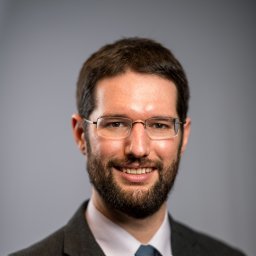 Joseph T. Ornstein合作论文数3
 Wang Xiaoyan合作论文数Molecular and Medical Genetics Department, Oregon Health and Sciences University3Doug Luke合作论文数2Austen Mack-Crane合作论文数2Timothy J Poor合作论文数2Margaret Mahoney合作论文数2Deena Brosi合作论文数2
 Mia T. Vogel合作论文数2
 Rebecca Selove合作论文数2
 Amanda Y Kong合作论文数The University of Oklahoma Health Sciences Center2
 Sara Malone合作论文数Washington University in St. Louis2
 Bradley Evanoff合作论文数2
 Carolyn Heckman合作论文数Division of Medical Oncology, Rutgers Cancer Institute of New Jersey2
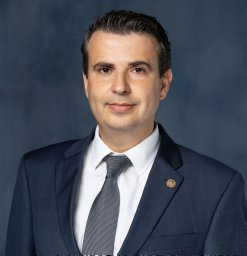 Salloum Ramzi G合作论文数Dept Hlth Outcomes & Policy, Univ Florida2Dolcini M Margaret合作论文数2Scheuermann Taneisha S合作论文数Department of Preventive Medicine and Public Health, University of Kansas School of Medicine2
 Jonathan Purtle合作论文数2Leng Jennifer合作论文数2
 Prusaczyk Beth合作论文数2
 Charles M. Macal合作论文数Argonne National Laboratory2Tamar Ginossar合作论文数2Katherine L. Nelson合作论文数1Tzy-Mey Kuo合作论文数1A. H. Gaur合作论文数1Sarah Dexter合作论文数1Meardith Pooler-Burgess合作论文数1Smriti Bajracharya合作论文数1Fletcher Fields合作论文数1Diana Bauer合作论文数1Shannon Casey合作论文数1Emily Kryzer合作论文数1Eliot Jost合作论文数1




