Although CO₂-baited BG-Sentinel traps are widely used for mosquito surveillance, their non-target bycatch can yield valuable faunistic information. We present the first assessment of Dolichopodidae (Diptera) collected inci-dentally using CO₂ traps across Slovakia in 2025. Of 290 weekly trap samples obtained at 16 localities, 45 (16%) contained dolichopodid specimens, representing a total of 400 specimens belonging to 13 species in five genera. Two species (Sybistroma impar (Rondani, 1843) and Systenus bipartitus (Loew, 1850)) are reported here for the first time in Slovakia. The most frequently recorded species were Systenus leucurus Loew, 1859, Medetera truncorum Meigen, 1824, and Sciapus platypterus (Fabricius, 1805), although their occurrence varied considerably among sites. The assemblage was dominated by species associated with arboreal and humid microhabitats, suggesting that CO₂-baited traps selectively capture only a subset of the local dolichopodid fauna. In addition, only male specimens were identified to species level, and therefore the reported species composition should be interpreted with caution. Our findings demonstrate that mosquito surveillance networks can provide valuable complementary faunistic infor-mation on non-target Diptera, including rarely recorded species. However, CO₂-baited traps do not yield a represen-tative sample of the dolichopodid fauna and should be considered as supplementary to targeted sampling methods. Integrating the analysis of bycatch into vector surveillance programs represents a low-effort approach to enhancing faunistic knowledge on Diptera in human-modified environments. Key words: biodiversity monitoring, bycatch, CO₂ trap, Diptera, Dolichopodidae, new records, Slovakia
Tick-borne viruses represent a significant and growing public health concern in Europe. This study investigated the minimum infection rates (MIRs) of tick-borne encephalitis virus (TBEV) and Tribeč virus (TRBV) in Ixodes ricinus ticks collected in Slovakia during 2016–2017 and 2023–2024. A total of 3,686 ticks (3,262 nymphs in 359 pools and 424 adults in 99 pools) from 13 sampling sites were screened for viral RNA. The overall MIRs were 0.38
This study reports the detection and genetic characterization of Tribeč virus (TRBV), a tick-borne orbivirus of zoonotic relevance. The virus was identified in Ixodes ricinus ticks collected from a goat using a newly developed RT-PCR assay. Goats grazing in the study area showed seroconversion, with low titre neutralization antibody response. The new isolate, designated 16.C/2016/Dubrava/SVK, was successfully cultured in Vero E6 cells and detected by immunofluorescence. Replication efficiency varied across rodent, human, and bovine cell lines. Whole-genome sequencing revealed that most genome segments shared high sequence identity with other TRBV strains and with Muko virus (MUKV) strains from Japan. In contrast, phylogenetic analysis based on the VP4 outer capsid protein indicated that the TRBV clade is more closely related to Kemerovo viruses from Russia. Segment 10 showed the highest variability, where strains from Slovakia and Romania formed sister clades with MUKV, and the Ukrainian strains with KEMV. Indication of a reassortment was observed in segment 4, encoding the NS1 tubule-forming protein, which appears to originate from the prototype TRBV isolated in Slovakia during the 1960s. Collectively, these findings highlight the genetic variability of TRBV and support the need for further studies on the ecology, evolution, and diversity of tick-borne orbiviruses.
The invasive mosquito Aedes (Hulecoeteomyia) koreicus (Edwards, 1917), originally native to East Asia, has recently established populations across several European countries. This study provides the first molecular confirmation of Ae. koreicus in Slovakia. Adult females were collected during nationwide mosquito surveillance conducted between June and October 2024. Morphological identification was confirmed by sequencing a fragment of the mitochondrial cytochrome oxidase I (COI) gene. Phylogenetic analysis revealed that Slovak Ae. koreicus sequences clustered with reference sequences from Italy, Hungary, Belgium, and Germany. BLAST analysis showed 98.4–100% nucleotide identity with European Ae. koreicus isolates. Two principal genetic clusters were detected—one related to Hungarian isolates and another to Italian isolates, suggesting multiple introduction pathways or regional spread from established populations in Central Europe. These findings confirm the ongoing expansion of Ae. koreicus in Central Europe.
This study presents the first comprehensive dataset of fungus gnats (Diptera: Bibionomorpha) collected with BG-Sentinel traps baited with CO2. Sampling was conducted from July to October 2023 in Zoo Košice, a semi-urban area in eastern Slovakia. In total, 121 species were recorded, including eight newly documented for the Slovak fauna, viz., Mycomya (Mycomyopsis) permixta Väisänen, 1984, Brevicornu intermedium Santos Abreu, 1920, Exechia repandoides Caspers, 1984, Exechiopsis (Xenexechia) seducta Plassmann, 1976, Mycetophila abiecta (Laštovka, 1963), Phronia coritanica Chandler, 1992, Trichonta icenica Edwards, 1925, and Trichonta comica Gagné, 1981. These results considerably broaden current knowledge of fungus gnat diversity in Slovakia and highlight the effectiveness of non-standard trapping methods in revealing hidden biodiversity within semi-urban habitats.
In this paper the results of a Phoridae collection from Košice Zoo in eastern Slovakia are reported. An unusual trap method was employed - BG-Sentinel 2 mosquito traps combined with CO2 as an attractant. Between July and October 2023, 73 species of the Phoridae family were recorded, 24 of which are new to the Slovak fauna (1 species from the genus Woodiphora and 23 species from the genus Megaselia). As a result, the total number of Phoridae species documented in Slovakia has increased to 254.
This study describes the first detection of Ixodes ventalloi in Slovakia. Two engorged females of I. ventalloi were collected from Dunnocks (Prunella modularis) captured in eastern Slovakia. The identification of females was based on morphological and molecular 16S rRNA gene features. Phylogenetic analysis revealed a classification of the females into distinct genogroups. Moreover, comparative morphological analysis highlighted variations between the two females, particularly in the curvature of the auriculae, the shape of coxa I, and the internal spur. These findings suggest the potential for varied phenotypes of I. ventalloi correlated with their genogroups. Nonetheless, I. ventalloi population establishment within Slovakia necessitates further investigation through flagging or drag sampling.
This study aimed to evaluate the immunomodulatory effect of the probiotic Limosilactobacillus reuteri L26 Biocenol (TM) (L26) and its purified exopolysaccharide (EPS) with respect to antiviral innate immune response. In our experiment, we used porcine epithelial IPEC-J2 cells as a model of the intestinal barrier in a homologous infection by porcine Rotavirus A strain OSU6 (RVA). The production of selected molecules of non-specific humoral immunity was evaluated at the mRNA level. The EPS alone significantly increased the level of interferon A3 (IFN-A3) mRNA in the non -infected IPEC-J2 cells ( P < 0.001). We also tested whether the treatment of IPECJ2 cells by L26 or EPS influences the replication of RVA by virus titration and real-time PCR. We found that a pre-treatment in combination with subsequent continuous stimulation has no influence on the RVA replication. However, both treatments significantly decreased the RVA-induced production of IFN-A3 ( P < 0.05) and the "SOS" cytokine interleukin 6 (IL -6; P < 0.01), already at the transcription level. In addition, the EPS treatment resulted in significantly increased IL -10 mRNA in the RVA-infected cells. In summary, we assume an immunoregulatory potential of L. reuteri L26 Biocenol TM and its EPS in the local intestinal antiviral immune response.
This study aimed to evaluate the immunomodulatory effect of the probiotic Limosilactobacillus reuteri L26 BiocenolTM (L26) and its purified exopolysaccharide (EPS) with respect to antiviral innate immune response. In our experiment, we used porcine epithelial IPEC-J2 cells as a model of the intestinal barrier in a homologous infection by porcine Rotavirus A strain OSU6 (RVA). The production of selected molecules of non-specific humoral immunity was evaluated at the mRNA level. The EPS alone significantly increased the level of interferon λ3 (IFN-λ3) mRNA in the non-infected IPEC-J2 cells (P < 0.001). We also tested whether the treatment of IPEC-J2 cells by L26 or EPS influences the replication of RVA by virus titration and real-time PCR. We found that a pre-treatment in combination with subsequent continuous stimulation has no influence on the RVA replication. However, both treatments significantly decreased the RVA-induced production of IFN-λ3 (P < 0.05) and the "SOS" cytokine interleukin 6 (IL-6; P < 0.01), already at the transcription level. In addition, the EPS treatment resulted in significantly increased IL-10 mRNA in the RVA-infected cells. In summary, we assume an immunoregulatory potential of L. reuteri L26 BiocenolTM and its EPS in the local intestinal antiviral immune response.
The influence of blood sera of some mammals and birds on the rate of pepsin-catalyzed hydrolysis of a low molecular weight substrate pGlu-His-Phe-Phe-p-NA at the optimal pH value of the reaction was studied. Two types of serum samples were used: non-treated, and acidified to pH 2.0. In the presence of both types of serum, the rate of the pepsin reaction was significantly reduced (p < 0.001). The strongest effect was detected in the presence of acidified serum of ruminants and carnivora with pepsin activity decreased below 5 ± 3% (goat) and 4 ± 2% (dog) of its original value. The effectiveness of sera to block pepsin reaction being expressed as the concentration of the total serum protein causing 50% decrease of the enzyme activity, IC50, was compared to the effectiveness of a potent aspartic proteases inhibitor pepstatin A IC50. In order to elucidate the origin of inhibition, the influence of serum antiproteases α1-antitrypsin, and α2-macroglobulin on the rate of pepsin reaction was examined. The influence of albumin – the major transporting serum protein was examined as well. Neither tested antiproteases nor albumin inhibited pepsin-catalyzed hydrolysis of the substrate at the pH value 4.7. Instead, a thermoresistent substance able to block pepsin activity was detected in blood serum of each of the studied species. Its effect on pepsin was found to be essentially independent of pH from 2.3 to 5.6.
The present study reports on serosurvey on the tick-borne encephalitis virus European subtype (TBEV; genus Flavivirus), and the tick-borne Kemerovo (KEMV) and Tribeč (TRBV) orbivirus (genus Orbivirus) infections in tick-infested and non-infested birds. No virus RNA was detected in the blood clots. Birds were infested mostly by Ixodes ricinus, but Haemaphysalis concinna and I. frontalis were observed too. TBEV, KEMV and TRBV neutralising antibodies (NAb) were detected in the screening microtitration neutralisation test (μVNT). Seropositive samples were further examined in simultaneous μVNT to distinguish TBEV infection from WNV and USUV. KEMV and TRBV infections were also further examined by μVNT against each other. The demonstrated results point to increased TBEV and TRBV seroprevalence in birds over the past several years. This is the first study on KEMV infection in the Slovak bird population, and seropositive juvenile birds suggest its occurrence in a new geographic area. The results indicate the significance of tick infestation rates, seropositivity and specific NAb titre. The reservoir role of birds for TBEV, KEMV and TRBV remains unclear. However, targeted monitoring of birds and vectors is an effective measure of surveillance of arbovirus introduction into new geographic areas.
Nowadays, the aquaculture industry is one of the fastest growing industries. Intensive aquaculture has a negative impact on fish health. Probiotic bacteria are often used due to beneficial effect to health of host, e.i. decrease of diseases outbreaks, immunomodulatory effect or better utilization of feed. The aim of this work was to study the influence of probiotic bacteria on the immune response of trout intestinal cells in primoculture infected with pathogenic bacteria. In the experiment, we tested the effect of pre-treatment of intestinal cells with an autochthonous strain of Lactobacillus plantarum R2 Biocenol™ (CCM 8674) following infection with the most serious salmonid pathogens - Aeromonas salmonicida subsp. salmonicida (CCM 1307) and Yersinia ruckeri (CCM 6093). Tested probiotic strain reduced inflammation after A. salmonicida infection through decreased expression of pro-inflammatory cytokines and increased expression of anti-inflammatory cytokines. In contrast, after infection with Y. ruckeri, which causes immunosuppression, the probiotic strain stimulated immunity by up-regulation of expression of proinflammatory cytokines and suppressed the expression of anti-inflammatory cytokines. These results are a prerequisite for the immunomodulatory potential of the strain, but its action must be confirmed in subsequent in vivo experiments.
This study reports on a fatal case of a captive great grey owl infected with the West Nile virus (WNV) in the zoological garden Košice, eastern Slovakia (Central Europe). The tissue samples of the dead owl were used for virus isolation and genetic characterization. The novel isolate is genetically closer to Hungarian, Greek, and Bulgarian strains from the central/southern European clade of lineage 2 than to the strains previously isolated in Slovakia. Interestingly, it carries NS3-249P, a molecular virulence determinant associated with higher neurovirulence, which has not previously been observed in Slovakia. Subsequent serological investigation of the captive owls revealed additional seropositive animals, indicating local WNV transmission. Although no WNV-positive mosquitoes were found, the presence of the WNV principal vector Culex pipiens complex together with the described fatal case and further serological findings indicate an endemic focus of bird-neurovirulent WNV variant in the area.
Background Despite the known circulation of West Nile virus (WNV) and Usutu virus (USUV) in Slovakia, no formal entomological surveillance programme has been established there thus far. Aim To conduct contemporaneous surveillance of WNV and USUV in different areas of Slovakia and to assess the geographical spread of these viruses through mosquito vectors. The first autochthonous human WNV infection in the country is also described. Methods Mosquitoes were trapped in four Slovak territorial units in 2018 and 2019. Species were characterised morphologically and mosquito pools screened for WNV and USUV by real-time reverse-transcription PCRs. In pools with any of the two viruses detected, presence of pipiens complex group mosquitoes was verified using molecular approaches. Results Altogether, 421 pools containing in total 4,508 mosquitoes were screened. Three pools tested positive for WNV and 16 for USUV. USUV was more prevalent than WNV, with a broader spectrum of vectors and was detected over a longer period (June–October vs August for WNV). The main vectors of both viruses were Culex pipiens sensu lato. Importantly, WNV and USUV were identified in a highly urbanised area of Bratislava city, Slovakias’ capital city. Moreover, in early September 2019, a patient, who had been bitten by mosquitoes in south-western Slovakia and who had not travelled abroad, was laboratory-confirmed with WNV infection. Conclusion The entomological survey results and case report increase current understanding of the WNV and USUV situation in Slovakia. They underline the importance of vector surveillance to assess public health risks posed by these viruses.
West Nile virus (WNV) is a mosquito-borne flavivirus (the genus Flavivirus) representing a medical and veterinary public health concern. Birds are the most important reservoirs. Culicine mosquitoes transmit WNV to vertebrate hosts (including horses and humans) and migratory birds play role in its long-distance transport. Slovakia is geographically localised at the crossroad of migration routes connecting South Europe and Africa with breeding localities in the Western, Northern, Central and Eastern Europe and Siberia. This review summarizes historical and present knowledge on WNV in Slovakia during a period of more than fifty years. Five European mosquito species capable to transmit WNV are native in Slovakia. Based on recent research results, the major role in the WNV transmission is attributed to Culex mosquitoes, which are also the most abundant species. Virus isolates from birds that succumbed to WNV infection are genetically close to Central European strains. Historical and recent results point out, that WNV circulates in the population of vectors, reservoirs and hosts for decades. Although West Nile fever epidemics in Slovakia were not reported yet, virus isolation, molecular detection and serological findings in reservoirs and hosts confirm that sporadic cases occur. Furthermore, the first autochthonous human case may indicate favourable conditions for WNV transmission to humans. The climate change and precipitation anomalies may favour to increase vector abundance, hence increase the chance of WNV epidemics. This review highlights an urgent need of a countrywide surveillance program aimed on the WNV occurrence in vectors and reservoirs in Slovakia. Keywords: West Nile virus; flavivirus; vector-borne pathogen; arbovirus.
The aim of this work was the genetic typing of RVA isolates originating from pigs and human patients in Slovakia. Seventy-eight rectal swabs from domestic pigs and 30 stool samples from humans were collected. The whole VP7 (G genotypes), VP6 (I genotypes) and partial VP4 (P genotypes) ORFs were amplified by RT-PCR. Genetic variability was higher amongst porcine sequences, where four G genotypes (G3, G4, G5, G11), two P genotypes (P[6], P[13]) and one I5 genotype were detected. Human RVA strains were represented by two G genotypes (G1, G3), two I genotypes (I1, I2), and one P genotype (P[8]). Genetic analysis did not show a relationship between Slovakian porcine and human RVA strains, but phylogenetic grouping of some Slovakian porcine sequences with Hungarian human sequences in both G and P genotypes was observed.
Zinc is an essential trace element effective at very low concentrations, but it is also an important environmental pollutant dangerous after excessive intake or exposure. The aim of this study was to evaluate in vitro nephrotoxicity of zinc sulfate heptahydrate ZnSO4 x 7H(2)O (1, 10, 50, 100, 200 mg/l) using rabbit epithelial kidney cells RK13 as the model cell line. The xCELLigence system (RTCA) for real-time monitoring of cell response and the end-point assays for determining metabolic activity (MTT test), cytotoxicity (LDH test), proliferation (BrdU test) and cell cycle analysis were compared. Exposure to zinc sulfate produced dose-dependent cytotoxicity. The inhibition concentration IC50 value for xCELLigence monitoring was 101.8 mg/l, for MTT test 135.9 mg/l and 197.4 mg/l for BrdU test. There was a significant correlation between used assays (p <= 0.05) except for the LDH test. Based on mean of IC50 values, the effect of zinc sulfate at 150 mg/l on cell cycle was evaluated. We observed the accumulation of cells in S phase accompanied with the reduction of cells in the G0/G1 phase. In conclusion, the mean of our IC50 values for kidney cells is relatively high in comparison to the recommended as well as therapeutic daily doses.
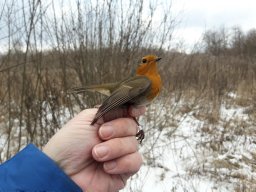
Searching for specific antibodies in bird serum could reveal arbovirus activity in certain localities. To date, no systematic surveillance for arbovirus infection in autochthonous population of wild birds has been conducted in Slovakia. Present study includes birds captured on spring migration and birds of the autochthonous nesting population of the Drienovská wetland (Slovakia). Serum samples were tested for West Nile virus (WNV), Usutu virus (USUV), Tick-borne encephalitis virus (TBEV) and Tribeč virus (TRBV) neutralizing antibodies (NAb). Blood samples were collected during 2017 spring migration (March – April) and from local breeders and hatched juveniles (May – July) caught by Constant Effort site ringing method. Specific NAb were detected by micro-titration virus neutralization test. WNV NAb were detected in 11.7% (18/153) of sampled birds. Ten WNV seropositive were migrants (Eurasian Robins, Eurasian Blackcap and a Great Tit), 5 were nesting adults (Song Thrush, White Throat, Eurasian Jay, Hawfinch and Eurasian Blackbird) and 3 were juveniles (Song Thrush, Common Starling and a Great Tit). There was not confirmed USUV infection in any of the examined birds. TBEV NAb were detected during breeding season in the adult Eurasian Blackcap, which means 1.1% (1/93) seropositivity. TRBV NAb was detected in 7.4% (5/68) of adult birds (Eurasian Blackbirds and a Common Starling) and in one juvenile Great Tit, which had also WNV Nab as well. These results suggest active transmission of at least two arboviruses in the autochthonous avifauna in Slovakia.
OBJECTIVE:The aim of this seroepidemiological study was to determine the current prevalence of antibodies against tick-borne encephalitis virus (TBEV) in the representative group of Slovak population with included potential risk factors for TBEV. METHODS:Representative group consisted of 428 persons (also with possible exposure to risk factors for tick bite or raw milk consumption). Serum samples were screened by commercial enzyme-linked immunosorbent assay (ELISA). The persons involved in the study completed questionnaires with general demographic, epidemiological and clinical data. During the analysis, we used linear regression to interpret the influence between selected variables. RESULTS:We detected 1.2% prevalence of positive IgG and 1.6% prevalence of positive IgM antibodies in all tested groups. Our results also confirmed that the following risk factors such as tourism, hunting, fishing, and consumption of raw milk are significantly associated with the prevalence of specific antibodies against TBEV. CONCLUSION:The results of seroprevalence obtained by this study confirm the possibility of infection with TBEV among respondents exposed to possible contact with ticks.
In central Europe, at least three flaviviruses circulate among vectors and vertebrate hosts. West Nile virus (WNV) and Usutu virus (USUV) are mosquito-borne viruses maintained in the nature by enzootic cycle between mosquitoes and birds. Tick-borne encephalitis virus (TBEV) is a flavivirus causing annual human cases in Slovakia. The aim of this study is the prevalence assessment of flavivirus infections in horses (n = 145) and birds (n = 109) by enzyme-linked immunosorbent assay (ELISA) and confirmation by neutralization test (VNT). WNV antibodies have been detected in 11.7% of tested horses and 11.9% of tested birds and confirmed in 6.9% of horse and 9.2% of bird samples. None of the WNV seropositive or dubious horses had WNV IgM (ELISA), and none of the tested horses had USUV neutralizing antibodies. Autochthonous WNV infections have been confirmed in 16.7% of horses without international travelling history. Most of them were from western Slovakia with known endemic WNV transmission. An autochthonous WNV infection in a horse from highland area of Kremnické vrchy (central Slovakia) with unknown data of WNV circulation and without travelling history was detected. TBEV antibody was detected in 6.2% of horses and in 3.4% has been confirmed. In two horses, WNV and TBEV infection could not be distinguished. Confirmed WNV seropositive were eight raptors showing nonspecific signs or suffering from trauma, one white stork, and one house sparrow. The sparrow was caught in a locality in eastern Slovakia, where WNV RNA had been previously detected in sparrows. USUV neutralizing antibodies were present in pooled sample from four Eurasian great tits. Because of insufficient volume, TBEV VNT was not carried out in birds. Results further prove the endemicity of WNV and other vector-borne flaviviruses in natural and accidental hosts in Slovakia, giving better insight in flavivirus epidemiology in European countries in general.
 Juraj Pistl合作论文数26
 Dagmar Mudronova合作论文数9Petra Schusterova合作论文数7
 Korytár L'uboš合作论文数7Polláková Jana合作论文数7
 Katarina Penazziova合作论文数6
 Jaroslav Legáth合作论文数Dept Toxicol & Pharmacol, Univ Vet Med & Pharm Kosice6Radomíra Nemcová合作论文数5
 Viera Spisakova Karaffova合作论文数5Mikuláš Levkut合作论文数5
 Lucia Borszekova Pulzova合作论文数5
 Mangesh Bhide合作论文数4
 Bencurova Elena合作论文数Bioinformatics &Medical Informatics Team, Academy of Athens;Laboratory of Biomedical Microbiology and Immunology, University of Veterinary Medicine and Pharmacy;Academy of Athens, University of Veterinary Medicine and Pharmacy4
 Stefan Vilcek合作论文数Department of Epizootiology, Parasitology and Protection of One Health, University of Veterinary Medicine and Pharmacy and Pharmacy, Kosice4Tamas Bakonyi合作论文数4N Kovalkovicova合作论文数4
 Andrea Busova合作论文数3
 Jana Diabelkova合作论文数3
 Viktoria Cabanova合作论文数3
 Petra Drzewniokova合作论文数3L Tkáciková合作论文数3
 Kvetoslava Rimarova合作论文数3Dorko Erik合作论文数3
 Mlynarcik Patrik合作论文数Laboratory of biomedical microbiology and immunology, University of veterinary medicine and pharmacy3Anna Ondrejkova合作论文数3Gancarčíková Soňa合作论文数University of Veterinary Medicine and Pharmacy Department of Microbiology and Immunology Komenského 73 041 81 Košice Slovak Republic.3Marcinčáková Dana合作论文数3Kšonžeková Petra合作论文数3Feketeova Eva合作论文数3M. Levkutová合作论文数3
 Viera Revajová合作论文数Institute of Pathological Anatomy, University of Veterinary Medicine in Košice3r mucha合作论文数2
 Jana Pollakova合作论文数2Ján Király合作论文数2Silvia Vlčková合作论文数2Dagmar Heinová合作论文数2
 Piotr Dziadczyk合作论文数2Ivana Cingeľová Maruščáková合作论文数2Vanda Hajdučková合作论文数2Tímea Rovenská合作论文数2Marcel Falis合作论文数2Zuzana Kostecká合作论文数2Terézia Mačák Kubašková合作论文数2Peter Major合作论文数2Róbert Čellár合作论文数2
 Jozef Obona合作论文数Faculty of Humanities and Natural Sciences, University of Prešov2
 Gyuranecz Miklós合作论文数Hungarian Acad Sci, Vet Med Res Inst2Herich Róbert合作论文数2Bhide Katarina合作论文数2




