Teacher burnout is assumed to impair the cognitive, motivational, and social functioning of teachers, thereby hindering their professional behavior. Although this is a rapidly growing field of research, a systematic research synthesis is still lacking. Therefore, we meta-analytically summarized primary studies on the work-related correlates of teacher burnout symptoms in terms of absenteeism, the quality of teacher-student interactions (i.e., emotional support, classroom management, and instructional support), and student motivation and achievement. Meta-analyses of 86 studies demonstrated negative associations between teacher burnout symptoms and teacher-student interactions, and student motivation and achievement, whereas absenteeism was positively related to burnout. Meta-regressions showed that the negative associations between teacher burnout, teacher-student interactions, and student motivation varied significantly depending on the rater perspective (i.e., teacher self-report vs external reports). Building on the meta-analytic findings, we propose directions for future research and highlight practical implications for intervention programs.
Various psychological theories agree that occupational well-being is influenced by both the work environment and individual characteristics. However, very few empirical studies have comprehensively investigated the role of teachers' work environment. Drawing on a broad conceptualization of school climate, we investigated the role that the relative associations between structural and social characteristics play in teachers' occupational well-being. We examined (a) how much teachers' occupational well-being (i.e., job satisfaction, positive affect, psychosomatic symptoms) varied between schools, and (b) how school characteristics, such as the social climate (e.g., leadership) contributed to teachers' occupational well-being beyond structural characteristics (e.g., school size) and individual variables (e.g., stressors). These questions were examined with reference to different countries as we aimed to obtain an indication of the generalizability of the psychological factors related to occupational well-being across different education systems. The study drew on the responses of 56,657 teachers from 4,100 schools across 17 countries, collected as part of the Programme for International Student Assessment (PISA) 2022 survey. Overall, much of the variation in teachers' occupational well-being was located within schools. However, our results also indicate that there were small but meaningful differences between schools in almost all countries. As expected, individual job demands (overload, stressors) were consistently related to teachers' occupational well-being. At the school level, a trustful school climate in particular explained teachers' occupational well-being. These results indicate that interventions that target factors of the social climate can be promising to foster teachers' occupational well-being and should be integrated into existing interventions that mostly focus on the individual.
Teacher burnout is theoretically and empirically assumed to impair their professional behavior. This could manifest itself in their communion (i.e., teacher friendliness) and interpersonal agency (i.e., social influence), as the two central dimensions of interpersonal teacher behavior, which in turn could negatively affect student outcomes. This study is one of the first to test this entire assumed process chain of effects. We extend prior research by considering (1) all three burnout symptoms rather than only emotional exhaustion, (2) both student and observer ratings of interpersonal teacher behavior, and (3) student-rated emotions and engagement as important affective-motivational student outcomes that have been understudied compared to cognitive learning outcomes. Drawing on data from N = 80 secondary school teachers and their N = 1748 students, multilevel analyses revealed that especially emotional exhaustion and reduced personal accomplishment were associated with less teacher communion, which was in turn associated with adverse affective experiences among students. These findings advance a more profound theoretical understanding of teacher burnout for their interpersonal behavior in class and for their students by demonstrating the hypothesized relationship for student-perceived communion while emphasizing the importance to consider all three burnout symptoms. Implications to support stakeholders in the education system to evaluate the value of interventions for reducing teacher burnout can also be derived.
Theoretical frameworks propose that teacher competence influences teacher behaviors in class, which then affect teacher-student relationships, in turn influencing student outcomes. However, longitudinal empirical evidence of these pathways in the domain of teacher-student relationships is still needed. Against this background, this study investigates how teachers’ relational competence (relational knowledge, relational self-efficacy, relational goals) (Time 1) affects teacher- and student-perceived socio-emotionally supportive behaviors of teachers (Time 2), in turn influencing students’ satisfaction with TSR (Time 3), ultimately shaping students’ subject-specific interest (Time 4). Using data from 60 mathematics classes (1,072 students) and 53 German classes (889 students), multilevel path models revealed that relational knowledge was not significantly related to supportive behaviors. However, teachers’ relational goals positively related to teacher-reported socio-emotionally supportive behaviors in mathematics (β = .51, p < .001) and German (β = .44, p = .01), as well as to student-reported socio-emotionally supportive behaviors in mathematics (β = .38, p = .02). Further, teachers’ relational self-efficacy positively related to teacher-reported socio-emotionally supportive behaviors in mathematics (β = .32, p < .02). For both subjects, higher student-reported socio-emotionally supportive behaviors positively related to subsequent student satisfaction with TSR in mathematics (β = .90, p < .001) and German (β = .60, p = .02), which in turn fostered students’ interest, but only in mathematics (β = .49, p = .002). While confirming theoretically described pathways, our findings particularly highlight the role of teachers’ relational goals and point towards rater- and subject-specific patterns.
Teachers' occupational well-being is crucial for teacher-student interactions and classroom management. Although research has demonstrated impaired well-being during the COVID-19 pandemic, less is known about its development afterward. Psychological theories such as set-point and conservation-of-resources theory differ on whether well-being should return to pre-pandemic levels or show lasting changes. This study examined teachers’ well-being development after the pandemic, and investigated whether occupational self-regulation and social resources explain interindividual differences in development. Using a longitudinal approach, 356 teachers were surveyed about emotional exhaustion and job satisfaction at four time points before, during, and post-pandemic. Latent change models revealed that the heightened emotional exhaustion decreased over time, but still remained higher than pre-pandemic levels. Job satisfaction did not change significantly. Principal support predicted lower emotional exhaustion post-pandemic. Teachers with more adaptive self-regulation reported lower exhaustion and higher job satisfaction. The results highlight the need for supporting occupational well-being, especially after critical events.
Using data from the Global Teaching InSights study in eight culturally diverse countries, this study examines the subtle relationships between teachers' emotions, indicators of their teaching quality, and student outcomes in mathematics (Organisation for Economic Co-Operation and Development, 2020a). We hypothesize that the considered indicators of teaching quality-classroom management, supportive teacher-student relationships, and cognitive activation-mediate the relationships between teacher emotions of enjoyment and anger and students' self-efficacy, interest and performance in mathematics. Using latent multigroup multilevel structural equation modeling, we analyze data from 679 teachers and over 17,500 students. The results indicate that teacher enjoyment is positively related to all three indicators of student-reported teaching quality, whereas teacher anger is negatively associated with them. In particular, classroom management mediated the relationship between teachers' enjoyment and anger and student interest. Supportive teacher-student relationships additionally proved to mediate the effect from teacher emotions to student interest and performance, whereas cognitive activation mediated the effect between teacher emotions and student self-efficacy and performance. Our study underlines the vital role of emotional dynamics in education and their impact on teaching quality and educational outcomes, highlighting the importance of supporting teachers' emotional well-being to improve student learning.
Teachers’ social and emotional competence (SEC) is critical for personal well-being, professional development, and building healthy relationships in the classroom. Recently, the Test of Regulation in and Understanding of Social Situations in Teaching (TRUST) was developed by Aldrup et al. (2020). This paper-based textual situational judgement test assesses two key SECs, namely emotion regulation (ER) and relationship management (RM). Recognising the power of comics to portray culture, context, and scenarios, TRUST text-version was adapted into a visually engaging comic-strip format to enhance ecological validity, cultural inclusiveness, and accessibility. In collaboration with a creative arts designer, comic strips representing each scenario of the TRUST text-version were designed ensuring ethnic diversity, simple language, and clear emotional expressions of both teachers and students. The adapted instrument was validated using data from an in-service Indian teacher sample (N = 1234, 32.7% female). The final version comprises 13 visual scenarios (7 assessing ER and 6 assessing RM). The theoretically assumed two-factor model was supported by confirmatory factor analysis (CFA) that demonstrated excellent model fit (CFI =.98, TLI =.97, RMSEA =.04). Internal consistency was high at the item-level (Cronbach’s αER =.90, αRM =.86) and satisfactory to high at the scenario-level (αER =.84, αRM =.77). The TRUST comic version offers a novel, culturally sensitive, scenario-based tool to assess SECs in educators, offering valuable opportunities for use in research and teacher training.
BACKGROUND:Field-specific ability beliefs (FABs) reflect the perception that success in academic fields depends on innate, unteachable abilities. These beliefs affect teaching practices and student motivation. However, little is known about their longitudinal development during teacher education. AIMS:This study examines how FABs evolve during university teacher education and whether longitudinal trajectories differ across academic disciplines, particularly between STEM and non-STEM subjects. SAMPLE:The sample included 1734 preservice teachers (22.11 years old on average in the first study year, 69.8% female) from a German university, studying across 21 subjects, categorized into six groups: languages; arts and philosophy; social sciences; physical education; biology, chemistry and computer science and mathematics-intensive subjects. METHODS:FABs were measured annually over four years using a validated scale. Applying latent growth modelling, we examined overall changes and differences in trajectories across subject domains, controlling for gender and prior academic achievement. RESULTS:FABs changed over time, with five of the six subject groups showing a decline. Mathematics-intensive subjects and physical education exhibited the highest initial FAB levels. While mathematics-intensive subjects showed the steepest decline, FABs in physical education increased. FABs in social sciences and languages remained relatively stable. Gender predicted initial FAB levels but was unrelated to changes over time. Prior achievement did not predict either initial levels or longitudinal changes in FABs. CONCLUSIONS:Teacher education appears to reduce FABs, particularly in STEM fields, yet persistent and increasing FABs in certain disciplines highlight the need for targeted interventions to foster growth-oriented beliefs in preservice teachers.
The integration of information and communications technology (ICT) in education is increasingly emphasised, with teachers' attitudes and self-efficacy regarded as pivotal for ICT use. This study explores ICT-related attitudes and self-efficacy among 1608 teachers in Germany. It examines how formal and informal teacher professional development (TPD) activities, along with personal and school characteristics, are associated with these factors. Teachers generally display moderately positive attitudes (M = 2.73, SD = 0.62) and self-efficacy (M = 2.73, SD = 0.66) in ICT use, measured on a 4-point Likert scale. Informal learning activities significantly predicted ICT-related self-efficacy (beta = 0.15), exceeding the impact of formal TPD (beta = 0.08). However, neither type of TPD strongly predicts ICT-related attitudes. The study highlights the potential of combining structured training with informal learning to support ICT use. These findings inform strategies to enhance teachers' digital readiness, address individual needs, and foster engagement with technology in education.
The COVID-19 pandemic might have lasting effects on university students' well-being and motivation. However, existing studies examining students' well-being and motivation have not covered the entire pre, during and post-pandemic period. This study investigated German university students' well-being (emotional exhaustion, study satisfaction) and motivation (dropout intentions, enthusiasm) from 2020 to 2023. Latent Change Score Models from 1967 students indicated increased emotional exhaustion and dropout intentions in 2021–2023 compared to 2020. Study satisfaction initially rose during the 2021 lockdown but declined subsequently, while enthusiasm remained stable. These findings emphasize the need for ongoing university support to mitigate pandemic-related student distress.
Teachers' emotional exhaustion is related to various detrimental outcomes, such as work absenteeism, intention to quit, impaired instructional quality, and lower student motivation. Since emotional exhaustion becomes evident as early as teacher training at university, the question is whether it would be possible to identify an individual disposition to this burnout symptom in student teachers. Accordingly, it is important to gain a deeper understanding of the genesis, stability, and trajectories of change of emotional exhaustion. In the present study, we have disentangled different components of longitudinal stability in emotional exhaustion by applying STable, AutoRegressive Trait, and State models to two longitudinal samples of German student teachers (Sample 1: N = 4,510; Sample 2: N = 2,034). Over the timespan of up to 6 years, we found that completely stable sources (Sample 1: 35%; Sample 2: 37%) and slowly changing factors (Sample 1: 46%; Sample 2: 36%) in student teachers' emotional exhaustion accounted for much of the total variance in interindividual differences; occasion-specific factors and measurement error accounted for the remaining variation (Sample 1: 23%; Sample 2: 30%). This variance composition applied equally to male and female students and indicated that student teachers' emotional exhaustion comprises a stable component but is predominantly characterized by malleable parts due to systematically changing and occasion-specific sources of variance. Our findings about the stability of emotional exhaustion contribute to the trait-state debate of psychological characteristics and point out that intervention measures should be employed at an early stage to mitigate the negative consequences of burnout in subsequent career steps.
Developing and maintaining constructivist beliefs and high levels of enthusiasm are important goals in the teaching profession. Therefore, in the present study, we investigated beliefs and enthusiasm of N = 856 German mathematics teacher (candidates) longitudinally. Results of latent growth curve modeling revealed that teachers’ constructivist beliefs declined, subject enthusiasm initially increased, and teaching enthusiasm remained stable over a 12-year period. Openness to experience buffered a decline in constructivist beliefs. Collaboration with colleagues and reflection were predictive of in-service teachers’ level of constructivist beliefs and their teaching enthusiasm, providing valuable implications about how to promote positive long-term developments.
Perceived Apprecation in University Teacher Education: Subject Differences and Effects on Well-Being and Intention to Quit Abstract. Perceived appreciation is an important social resource for academic performance, engagement and well-being in both work and higher education contexts. Students who feel valued by their lecturers learn more successfully and tend to drop out of college less often. Research has already shown that teacher candidates feel less valued by their lecturers compared to students in other subject areas. However, these studies did not control for intra-individual differences between subjects. Against this background, we examined how N = 1255 teacher candidates feel appreciated with regard to their competencies by the lecturers in their two subjects of study. Moreover, we investigated which personal and subject-specific factors affect this perception of appreciation. Multi-level analyses showed that the perceived appreciation varies mainly at the subject level, with teacher candidates in STEM subjects feeling less valued. On the basis of a longitudinal subsample (N = 436) we further investigated how the teacher candidates' perceived appreciation is associated with indicators of well-being, intention to drop out of college, and changes in these outcomes over the course of one year. According to the results, students who felt more appreciated by their lecturers were also more satisfied with their studies and courses, reported more subject enthusiasm, were less exhausted and were less inclined to drop out of college. In addition, students who felt appreciated developed more favorably with regard to these outcomes. We discuss our findings in the light of practice-related problem areas such as teacher shortage.
Zusammenfassung. Die wahrgenommene Wertschätzung stellt nicht nur im Arbeits- sondern auch im Hochschulkontext eine wichtige soziale Ressource für die akademische Leistung, das Engagement und Wohlbefinden dar. Studentinnen und Studenten, die sich in ihren Lehrveranstaltungen wertgeschätzt fühlen, lernen erfolgreicher und neigen seltener zu Studienabbruchsintentionen. Erste Untersuchungen zeigen, dass Studentinnen und Studenten mit dem Abschlussziel Lehramt sich im Vergleich zu Fachstudentinnen und -studenten weniger von ihren Dozentinnen und Dozenten wertgeschätzt fühlen, allerdings kontrollieren diese Studien nicht für intraindividuelle Unterschiede zwischen den Studienfächern. Vor diesem Hintergrund haben wir untersucht, wie sich N = 1255 Lehramtsstudentinnen und -studenten in ihren zwei Studienfächern hinsichtlich ihrer Kompetenzen wertgeschätzt fühlen und welche personenbezogenen und fachspezifischen Faktoren die wahrgenommene Wertschätzung beeinflussen. Die Ergebnisse der mehrebenanalytischen Modelle zeigten, dass die wahrgenommene Wertschätzung durch die Dozentinnen und Dozenten vor allem auf Ebene der studierten Fächer variierte, wobei in der MINT-Fächergruppe weniger Wertschätzung wahrgenommen wurde. Zweitens haben wir anhand einer längsschnittlichen Substichprobe ( N = 436) untersucht, inwieweit die wahrgenommene Wertschätzung mit Indikatoren des Wohlbefindens, der Studienabbruchsintention sowie Veränderungen in diesen Outcomes im Verlauf eines Jahres assoziiert ist. Anhand der Ergebnisse zeigte sich, dass Studentinnen und Studenten, die sich mehr wertgeschätzt fühlten, auch zufriedener mit ihrem Studium und ihren Lehrveranstaltungen waren, mehr Fachenthusiasmus berichteten, weniger erschöpft waren und seltener zu Studienabbruchsintentionen neigten. Zusätzlich war die wahrgenommene Wertschätzung mit der Veränderung in diesen Outcomes assoziiert. Die Befunde werden vor dem Hintergrund praktischer Problemfelder wie dem Lehrkräftemangel diskutiert.
The professional development of teachers is identified as a key element for supporting lower-performing students. The decision, about which professional development activities teachers attend, depends not only on the availability of the professional development activities but also on individual factors such as teachers' interest and their professional development needs. In order to create the best possible fit between teachers' professional development needs and professional development programs, it is important to gain knowledge about teachers' professional development needs. Against this background, the study investigates the professional development needs of in-service teachers who work at schools in socioeconomically disadvantaged areas, since this group of teachers faces particular challenges in their daily work. Based on a sample of 2923 teachers from 196 schools in socioeconomically disadvantaged areas, this study investigates in which interdisciplinary competence areas teachers indicate a need for professional development activities. Furthermore, the study examines which socio-demographic and motivational-emotional characteristics of teachers predict these needs. The results of latent structural equation modelling show that teachers perceive their professional development needs mostly in the area of learning support as well as digital media use. Moreover, the findings from open-ended questions show that teachers express professional development needs in the area of dealing with special educational needs of students and handling heterogeneity. Furthermore, the analyses show that both socio-demographic characteristics (gender, professional experience, and alternatively certifications of teachers) as well as motivational-emotional teacher characteristics (subjective competency assessments, emotional exhaustion, and attributions of student achievement) are relevant predictors of specific, interdisciplinary professional development needs. The article discusses possible consequences for the provision of professional development activities.
Research has demonstrated that preschool teachers are particularly prone to develop burnout symptoms, such as emotional exhaustion. However, which workplace conditions are particularly related to burnout symptoms in preschool teachers remains widely unknown. Hence, this study aims to disentangle personal characteristics (e.g. educational degree, working experience) and structural as well as social conditions of preschool teachers' work environment (e.g. teacher-child ratio, team climate) in relation to emotional exhaustion. We draw on data collected from a nation-wide sample of 1,394 preschool teachers nested in 204 preschools. Multilevel analysis demonstrated that center differences explained only 5.8% of the overall variance in levels of emotional exhaustion. Emotional exhaustion was strongly associated with social experiences at the workplace, but much less with structural or personal job conditions. Hence, practical interventions should also focus on social aspects, such as team cohesion and dealing with challenges in parent-teacher collaborations.
Lehrkräfte sind zentrale Akteur*innen im schulischen Alltag, die mit hohen Erwartungen konfrontiert werden. Eine wesentliche Voraussetzung, um diesen gerecht zu werden, ist neben dem professionellen Wissen und Können das berufliche Wohlbefinden. Verschiedene Studien zeigen jedoch, dass sich ein erheblicher Anteil der Lehrkräfte durch ihre Arbeit erschöpft und belastet fühlt. Dementsprechend ist das Interesse an wirksamen Fördermaßnahmen hoch. Allerdings fokussiert die Mehrheit der verfügbaren und evaluierten Angebote ausschließlich auf der Förderung individueller Kompetenzen der Lehrkräfte. Der vorliegende Diskussionsbeitrag möchte dazu anregen, die Bemühungen um das berufliche Wohlbefinden zu verstärken, indem sowohl die schulische Umwelt als auch die Bedarfe der Lehrkräfte selbst mehr Berücksichtigung bei Interventionsmaßnahmen finden.
Theoretical perspectives emphasize the relevance of teachers managing their emotions for positive teacher-student interactions and student outcomes (i.e., teaching effectiveness). Four largely distinct lines of research inspired by (1) Gross' process model of emotion regulation, the concepts of (2) coping, (3) emotional labor, and (4) emotional intelligence have tested this assumption empirically. Yet, the use of different terminology complicates reviewing the current state of knowledge. Thus, we suggest a theoretical integration and synthesize evidence across research traditions. A systematic literature search resulted in 68 relevant records. We identified typically adaptive external and internal strategies as well as expressive regulation and general regulation ability as the most prominent research topics across traditions. Our results revealed mostly negative relations between expressive regulation and teaching effectiveness, but in some instances expressive regulation appeared beneficial. We also found evidence of a positive correlation between teachers' external and internal regulation and their effectiveness, but most of these studies relied on teacher self-report questionnaires, hence, these results require cautious interpretation. In studies that went beyond teacher self-assessment and relied on student reports, classroom observations, or tests, general regulation ability also did not appear related to teaching effectiveness. Implications for theory and avenues for future research are discussed.
Usually, teachers and their work performance are often the subject of media coverage, ranging from positive examples to critical judgements. Accordingly, in the context of the COVID-19 pandemic, there was also controversial reporting on how teachers met the new challenges. The present study experimentally investigates the effects of media coverage on ( prospective) teachers' perceived professional recognition and activation of their metastereotypical perceptions. Respondents (N = 211) were randomly confronted with critical or positive articles from the print media or assigned to a control group before metastereotypes and perceived recognition were assessed. After being confronted with the critical articles, teachers stated that they felt perceived as less competent by society. The professional perception of recognition was also lower than for the group that had dealt with positive articles. In contrast, student teachers' reports didn't show any significant differences between the experimental conditions. In the discussion, the findings and their implications are considered.
We aimed to identify the levels of and changes in emotional exhaustion experienced by teachers and principals during the COVID-19 pandemic and pandemic-related stressors and resources. In a German sample of 2157 teachers and 374 principals, we found high levels and an increase of emotional exhaustion. Results from multi-group structural equation modeling analyses indicated that health concerns and workload were positively and social support negatively related to emotional exhaustion. Additional analyses of an open response question confirmed that teachers and principals experienced their work during the COVID-19 pandemic as predominantly stressful. These results indicate the importance of supporting both teachers and principals in reducing their exhaustion to help students overcome the consequences of the COVID-19 pandemic.
 Mareike Kunter合作论文数Pädagogische Psychologie Fachbereich, Goethe-Universität Frankfurt am Main/Leibniz-Institut für Bildungsforschung und Bildungsinformation54
 Oliver Lüdtke合作论文数Department of Educational Measurement and Data Science, Leibniz Institute for Science and Mathematics Education;Kiel University36
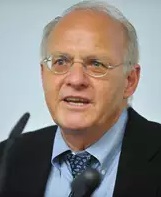 Jürgen Baumert合作论文数Max Planck Institute for Human Development;Humboldt University;Free University of Berlin;International Max Planck Research School of the Life Course36
 Ulrich Trautwein合作论文数Hector Research Institute of Education Sciences and Psychology, Department of Social Sciences, Faculty of Economics and Social Sciences, University of Tübingen25
 Dirk Richter合作论文数23
 Bastian Carstensen合作论文数19
 Karen Aldrup合作论文数Department of Educational Research and Educational Psychology, IPN – Leibniz Institute for Science and Mathematics Education19
 Stefan Krauss合作论文数Max Planck Institute for Human Development, Lentzeallee 94, 14195 Berlin, Germany11
 Michael Neubrand合作论文数10
 Werner Blum合作论文数Department of Mathematics, University of Kassel10
 Thamar Voss (Dubberke)合作论文数8
 Yvonne Anders合作论文数8
 Brunner Martin合作论文数university of luxembourg7
 Michaela M. Koller合作论文数6Yi-Miau Tsai合作论文数Max Planck Institute for Human Development, Berlin, Lentzeallee 94, 14195 Berlin, Germany6
 Alexander H. Jordan合作论文数Tuck Sch Business, Dartmouth Coll6Janina Roloff合作论文数5Göllner Richard合作论文数5
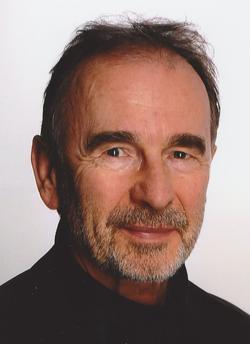 Ralf Schwarzer合作论文数Department of Psychology, Freie Universitat Berlin;Fachbereich Erziehungswissenschaft und Psychologie, Freie Universitat Berlin5Michaela Koeller合作论文数4Gyde Wartenberg合作论文数4
 Mareike Trauernicht合作论文数4janina roloff henoch合作论文数Leibniz Institute for Science and Mathematics Education, University of Kiel4
 Jens Möller合作论文数Institut fur Padagogisch-Psychologische Lehr- und Lernforschung, Christian-Albrechts-Universitat zu Kiel4Thamar Dubberke合作论文数4katrin lowen合作论文数3
 Christoph Lindner合作论文数Fac Educ, Univ Hamburg3
 Eric Richter合作论文数Univ Potsdam, Dept Educ, Karl Liebknecht Str 24-25, D-14476 Potsdam, Germany3
 Kira Elena Weber合作论文数Leibniz Institute for Science and Mathematics Education, Christian Albrecht Universität zu Kiel3
 Elisa Oppermann合作论文数Corresponding author.3Toni Ihme合作论文数rolf c hagen group3
 Grund Simon合作论文数Centre for International Student Assessment, Leibniz Institute for Science and Mathematics Education3Schwartz Katja合作论文数3Thilo Kleickmann合作论文数Westfälische Wilhelms, Universität Münster3
 Patrick Hawlitschek合作论文数2Johanna Seiz合作论文数2
 Wolfgang Wagner合作论文数2Hansen Julia合作论文数2
 Reiner Hanewinkel合作论文数IFT-Nord Institute for Therapy and Health Research2Christiane Lindemann合作论文数2
 Dieter Kleiber合作论文数2Gesine Schneider合作论文数2Lydia Fehm合作论文数2
 Friederike Zimmermann合作论文数Department of Psychology, University of Heidelberg2Christiane Bertram合作论文数1
 Karin Guill合作论文数1Juergen Hoyer合作论文数1Antonia Ladewig合作论文数1Christin Lucksnat合作论文数1




