Six 1,4-disubstituted pyrazoles linked to a benzenesulfonamide and a benzodioxane unit have been synthesized through a copper(I)-catalyzed formal [3+2] cycloaddition (32CA) reaction of alkynes with 3-arylsydnones. The Cu-catalyzed sydnone-alkyne cycloaddition (CuSAC) procedure has been optimized to promote the formation of the pyrazole ring and to deliver in three steps the six target compounds 5a-f, fully characterized by 1H/13C-NMR and mass spectrometry (EIMS). Ten solvent conditions were evaluated. The reaction proceeded most efficiently in the presence of copper(II) sulfate pentahydrate in aqueous t-butanol in the presence sodium acetate, to reach a yield of 96%. The mechanism of the Cu(I)-catalyzed reaction has been studied within the Molecular Electron Density Theory (MEDT). This rection is a domino process that consists in a Cu(I)-catalyzed formal [3+2] cycloaddition followed of an extrusion of CO2 yielding the final pyrazole. The capacity of heterocyclic compounds 5a-f to interact with human cyclophilin A (Cyp A), which is a host cofactor for hepatitis C virus (HCV) and human immunodeficiency virus 1 (HIV-1), and with the HIV-1 protein gp120-CD4 was evaluated using molecular docking. Compounds 5a,b,d,f showed a satisfactory protein binding capacity. The physicochemical and metabolic properties of the compounds were also evaluated in silico. These predictions provide important information to guide future design in this series of potential antiviral agents.
Several 1-(acetylamino)thioxanthones and thiochromeno[4,3,2-de]quinol-2-ones were synthesized to study some of their biological properties. Starting from 1-chloro-, 1-bromo, and 1-iodothioxanthones, either commercially available or prepared by deprotometalation, cross-coupling reactions were optimized to deliver the 1-(acetylamino)thioxanthones. Their cyclization was then performed to afford the expected thiochromeno[4,3,2-de]quinol-2-ones. The formation of 1-aminothioxanthones was also successfully achieved by coupling reaction with tert-butylcarbamate. The biological properties of representative compounds were finally evaluated, with promising results in the field of antibacterial and anti-cancer activities.
Cancer is an alarming health concern and economic burden in both developed and developing countries. Recently, there has been a growing demand for new alternative medications with more effectiveness and fewer harmful effects. During the past decades, a set of chemotherapeutic agents has been developed to fight against a large spectrum of cancer types. Unfortunately, their use is associated with a high level of toxicity; they are expensive, also, and their deployment is restricted by the emergence of cellular resistance. Plant-based components are garnering attention due to their low toxicity, selectivity, efficiency, and ease of accessibility. Alkaloids are one of these targeted compounds. Indeed, they are a highly diverse group with basic heterocyclic nitrogen-containing alkaloids that exhibit potent anticancer effects against a large panel of solid and liquid tumors, such as lung, breast, leukemia, liver, and colon cancer. The main molecular mechanisms involved in alkaloids’ anticancer effect are the induction of apoptosis via the extrinsic and intrinsic pathways, DNA damage, and the inhibition of cell cycle progression. Amazingly, these auspicious compounds exhibited strenuous inhibitory effects against a whole range of key enzymes involved in cancer progression and metastasis, such as Cytochrome P450 (CYP450), Cyclooxygenase-2 (Cox-2), Lysine-Specific Demethylase 1 (LSD1), Poly [ADP-ribose] polymerase (PARP), and topoisomerase, mainly through two action modes, namely irreversible and reversible inhibition. Furthermore, several conventional extraction methods have been developed to extract bioactive compounds from natural matrices, such as Soxhlet and hot water extraction. However, these techniques have many drawbacks, as they require a large amount of organic solvents, which not only affect human health but also generate severe environmental issues. To overcome these limitations, multiple eco-extraction techniques have emerged as potential alternatives to traditional extraction methods such as ultrasonic extraction, microwave-assisted extraction, and supercritical fluid extraction. In fact, they are considered eco-friendly and efficient technologies with less time and solvent consumption. Overall, this review aims to provide an updated overview of the most prominent anticancer alkaloids that have not been well reviewed already, as well as the main green extraction techniques relevant to the extraction of antineoplastic alkaloids.
Oligosaccharides that mimic heparan sulfate (HS) exhibit a variety of biological activities. One such oligosaccharide, λ-CO, a λ-carrageenan-derivative previously shown to inhibit cell migration, invasion, and heparanase 1 (HPA1), was evaluated for its anti-inflammatory properties. In LPS-stimulated macrophages, λ-CO significantly reduced Il-6 and Tnf-α production, as well as Erk and Akt phosphorylation, and Mmp-2/Mmp-9 secretion, independently of Hpa1 activity. In primary human keratinocytes stimulated with the psoriasis-mimicking M5 cytokine cocktail, λ-CO down-regulated cathepsin L and MMP-9 expression, as well as several M5-induced inflammatory genes. In vivo, λ-CO (1 and 10 mg.kg⁻¹) was administered in the imiquimod-induced mouse model of psoriasiform inflammation. Although no overt macroscopic improvement in skin lesions was evident, λ-CO at 10 mg.kg⁻¹ downregulated several inflammation-related genes in the skin and significantly reduced serum Mmp-9 levels. Taken together, these results suggest that λ-CO is a potential anti-inflammatory agent that selectively inhibits MMP-9 expression. This supports its further development as an adjunct to biotherapies for inflammatory skin disorders such as psoriasis.
In this study, we used comparative genomics and culture-based methods to investigate Biosynthetic Gene Clusters (BGCs) responsible for the production of antimicrobial peptides. Paenibacillus alvei strain 32 was isolated from a cystic fibrosis sputum. Its genome was sequenced using Illumina, showing a size of 6,584,590 bp with 239 contigs assembled in 26 scaffolds, an average coverage of 243X, and 6,832 coding sequences. ANI analysis and in silico DNA-DNA hybridization showed its affiliation inside Paenibacillus alvei, with a clear separation from other related strains, leading us to propose a distinct species-level genomic clade (genomospecies) within this group. AntiSMASH analysis predicted 22 putative BGCs in the genome of strain 32. Its culture supernatant exhibited inhibitory activity against Gram-positive pathogens, including methicillin-resistant Staphylococcus aureus (MRSA), Bacillus cereus, and Enterococcus faecalis. By comparing in silico BGC predictions with activities described in the literature, we propose that strain 32 harbours a specific 110-kb cluster (cluster 6.2) with five non-ribosomal peptide synthetase (NRPS) genes. These synthetases are predicted to direct the assembly of a 16-amino acid backbone that correlates with the structure of paenialvins, which are known anti-MRSA molecules. This study describes the putative biosynthetic pathway of the paenialvins and explains structural variations, bringing useful data on Paenibacillus secondary metabolism for future antibiotic development.
N,N‐dialkylbenzofuran‐ and N,N‐dialkylbenzothiophene‐2‐carboxamides were readily prepared from bare benzofuran and benzothiophene by deprotocupration followed by trapping with N,N‐dialkylcarbamoyl chlorides. They were reacted with 2‐benzofuryl‐ and 2‐benzothienyllithiums to form symmetrical and unsymmetrical diarylketones, or underwent deprotolithiation‐electrophilic trapping sequences at their 3 position. From 3‐iodinated derivatives, copper‐catalysed N‐arylation of azoles was performed, followed by lithium amide‐promoted cyclisation, to give ‘tripentone’ analogues. The diarylketones were also iodinated at their 3,3’ positions and then engaged in the copper‐promoted double N‐arylation of anilines, giving rise to a family of original pentacyclic derivatives. A preliminary assessment of their electrochemical and biological properties was carried out, showing promising results against the proliferation of melanoma cells.
Sulfur transfer reagents play an important role in organic synthesis, and sulfur chlorides, especially disulfur dichloride, are exceptional examples. Professor Charles W. Rees proposed novel strategies for preparing sulfur -nitrogen heterocycles from readily available organic substrates using disulfur dichloride. Together with his coworkers, he developed cascade transformations for synthesizing a wide range of heterocyclic systems, including 1,2-dithioles, 1,2,3,4,5-pentathiepins, 1,2,3-dithiazoles, 1,2,5-thiadiazoles, 1,4-thiazines, and 1,2,3,4,5,6,7-heptathiocanes. This review highlights Professor Rees's contributions to the chemistry of disulfur dichloride.
This study provides a comprehensive overview of the current knowledge regarding phototoxic terrestrial plants and their phototoxic and photosensitizing metabolites. Within the 435,000 land plant species, only around 250 vascular plants have been documented as phototoxic or implicated in phototoxic occurrences in humans and animals. This work compiles a comprehensive catalog of these phototoxic plant species, organized alphabetically based on their taxonomic family. The dataset encompasses meticulous details including taxonomy, geographical distribution, vernacular names, and information on the nature and structure of their phototoxic and photosensitizing molecule(s). Subsequently, this study undertook an in-depth investigation into phototoxic molecules, resulting in the compilation of a comprehensive and up-to-date list of phytochemicals exhibiting phototoxic or photosensitizing activity synthesized by terrestrial plants. For each identified molecule, an extensive review was conducted, encompassing discussions on its phototoxic activity, chemical family, occurrence in plant families or species, distribution within different plant tissues and organs, as well as the biogeographical locations of the producer species worldwide. The analysis also includes a thorough discussion on the potential use of these molecules for the development of new photosensitizers that could be used in topical or injectable formulations for antimicrobial and anticancer phototherapy as well as manufacturing of photoactive devices.
Our attempts to access these heteroatom-containing aromatic hexacycles are reported, as well as their photophysical properties, and ability to inhibit the activity of PIM 1 and 2 protein kinases.
THE FRANCO-BRAZILIAN NETWORK ON NATURAL PRODUCTS (FB2NP): A NEW NETWORK PROMOTING COOPERATION AND EXCHANGES IN NATURAL PRODUCTS RESEARCH
An entry from the Cambridge Structural Database, the world’s repository for small molecule crystal structures. The entry contains experimental data from a crystal diffraction study. The deposited dataset for this entry is freely available from the CCDC and typically includes 3D coordinates, cell parameters, space group, experimental conditions and quality measures.
Five strains of Pseudoalteromonas, isolated from oyster haemolymph, have exhibited antibacterial activity against several Gram-negative bacteria. Bioactive compounds have been identified in their cell-free supernatant and characterised as alterins, which are cyclolipopeptides comprising a heptapeptidic ring connected to a fatty acid chain. Using ultra-performance liquid chromatography-high-resolution mass spectrometry, this paper describes 37 structural analogues differing from each other by one or more amino acid residue, the length of the fatty acid chain, its hydroxylation and the presence of unsaturation.
An efficient and simple approach has been developed for the synthesis of unprecedented 4,5-diphosphonyldihydropyridazines and 3,4-diphosphonylpyrroles, through the condensation of bisphosphonylallenes with hydrazines and primary amines, respectively. The reactions proceed under operationally simple, mild, and catalyst-free conditions, for a wide substrate scope. The synthesized compounds were screened for their antiproliferative activity against melanoma cancer cells, and they showed promising growth inhibition.
For more than 40 years, marine microorganisms have raised great interest because of their major ecological function and their numerous applications for biotechnology and pharmacology. Particularly, Archaea represent a resource of great potential for the identification of new metabolites because of their adaptation to extreme environmental conditions and their original metabolic pathways, allowing the synthesis of unique biomolecules. Studies on archaeal carotenoids are still relatively scarce and only a few works have focused on their industrial scale production and their biotechnological and pharmacological properties, while the societal demand for these bioactive pigments is growing. This article aims to provide a comprehensive review of the current knowledge on carotenoid metabolism in Archaea and the potential applications of these pigments in biotechnology and medicine. After reviewing the ecology and classification of these microorganisms, as well as their unique cellular and biochemical characteristics, this paper highlights the most recent data concerning carotenoid metabolism in Archaea, the biological properties of these pigments, and biotechnological considerations for their production at industrial scale.
The regioselective iodination of different 2‐mono‐, 3‐mono‐ and 2,3‐disubstituted 6‐aminoquinoxalines, which takes place at their 5‐position, was rationalized on the basis of Hückel theory calculations. Oxazolo‐ and thiazolo[5,4‐f]quinoxaline analogues of reported disease‐related protein kinases inhibitors were synthesized from the obtained 6‐amino‐5‐iodoquinoxalines by using as key step copper‐catalyzed azole ring formation. Pyrazino[b,e]isatins were obtained, for the first time, from the same substrates by recourse to Sonogashira coupling, alkyne hydration, and oxidative cyclization. The absorption and emission properties of the most promising compounds were recorded. In addition, most of the synthesized polycycles were evaluated as protein kinase inhibitors and for their antiproliferative activity towards cancer cells.
N-Arylation of various 2-acylated anilines with different electron-rich heteroaryl iodides (2- and 3-iodothiophenes, 2- and 3-iodobenzothiophenes, 2-iodobenzofuran) was achieved by using activated copper and potassium carbonate in dibutyl ether at reflux. The reactivity of the different heteroaryl iodides and anilines employed was discussed and rationalized on the basis of their electronic features. Subsequent cyclization by aromatic electrophilic substitution easily took place in the case of C2-free (benzo)thienyl or C3-free (benzo)furyl derivatives, affording original tri- and tetracycles. The antiproliferative activity of most of them was evaluated in A2058 melanoma cells and revealed four chlorinated tetracycles as effective growth inhibitors.
By starting from a common substrate, 2-aminobenzaldehyde, both acridines and acridones were prepared. The former were generated in high yields by copper-catalyzed N-arylation followed by acid-mediated cyclization while the latter were obtained by double copper-catalyzed N-arylation followed by cyclization under the same reaction conditions. Moreover, acridine was subjected to deprotometalation by recourse to a lithium-zinc base and converted to the corresponding 4-iodo derivative, which was involved in copper-catalyzed couplings with pyrrolidinone and pyrazole. Finally, addition of pyrazole, indole and carbazole onto the 9 position of bare acridine was improved. While moderate biological activity was noticed in melanoma cells growth inhibition, the newly prepared compounds feature interesting photophysical properties which were evaluated in a preliminary study.
Melanoma is an aggressive tumor with invasive and metastatic potential, frequently exhibiting multidrug resistance mechanisms. In our continuous search for antimelanoma molecules, we have identified some effective marine compounds capable of not only inducing cell death, but also of sensitizing chemoresistant tumor cells to clinically used anticancer drugs. In this report, the cryptophyte Rhodomonas salina (Wislouch) D.R.A.Hill & R.Wetherbee, Pyrenomonadaceae, was chemically investigated in order to identify pigments efficiently inhibiting melanoma cells proliferation. All pharmacological tests were performed on A2058 cells expressing the oncogenic BRAF V600E mutation and resistant to dacarbazine treatment. Flash chromatography of R. salina ethanol extract led to purification of alloxanthin and crocoxanthin, which showed significant antiproliferative activity against A2058 cells, exhibiting IC50 = 29 and 50 μM, respectively. These carotenoids promoted growth inhibition, decreased cell migration, and induced apoptosis and sub-G1 cells accumulation after 72 h of treatment. In addition, alloxanthin potentiated the cytotoxic activity of vemurafenib (a BRAF inhibitor) and restored the sensitivity of A2058 cells to dacarbazine treatment.
The X-ray crystal structure of 6,7-dihydro-5a,7a,13,14-tetraaza-pentaphene-5,8-dione, a potential antiproliferative agent on A2058 melanoma cells, was established. It crystallizes in the monoclinic space group P21/c with cell parameters a = 24.879(3)A, b = 6.868(2)A, c = 26.068(4A, α = 90, β = 110.49(2), γ = 90, V = 4172.4(15)A3 and Z = 12. The crystal structure was refined to final values of R1 = 0.1353 and wR2 = 0.1936. An X-ray crystal structure analysis revealed that each molecule features intermolecular CArom.–H···O hydrogen bonds to form trimers.
 Thierry Besson合作论文数Département Pharmacie, Université de Rouen-Normandie49
 Laurent Picot合作论文数Département de Biotechnologie, La Rochelle Université38
 Florence Mongin合作论文数15
 Thierry Roisnel合作论文数Centre de Diffractométrie X, Institut des Sciences Chimiques de Rennes, Université de Rennes14
 Maria de Fatima Pereira合作论文数14
 Gérald Guillaumet合作论文数université d’Orléans de13
 Lisianne Domon合作论文数13
 Herve Rouillard合作论文数11
 Jean-rene Cherouvrier合作论文数10
 William Erb合作论文数9Dorcet Vincent合作论文数8
 Stephane Bach合作论文数Société Ma Santé Atout Prix8Gérard Coudert合作论文数8Stéphane Frère合作论文数8Ghenia Bentabed-Ababsa合作论文数8
 Jean-Baptiste Berard合作论文数7
 Antoine Bonnet合作论文数7
 Laurent Meijer合作论文数ManRos Therapeutics;Perha Pharmaceuticals7Charles W. Rees合作论文数7Olivier Lozach合作论文数Cell Cycle Group, CNRS7Alexandra Testard合作论文数7Floris Chevallier合作论文数6
 Jean-Marie Piot合作论文数Laboratoire de Biochimie, Faculté des Sciences de Reims6
 Jean-Paul Cadoret合作论文数Laboratoire PBA;Centre de Nantes;Laboratoire PBA|Centre de Nantes6
 Jean Guillon合作论文数5
 Romain Chevrot合作论文数5Delatouche Régis合作论文数5Deau Emmanuel合作论文数5Gagez Anne-Laure合作论文数5
 Raimundo Goncalves de Oliveira Junior合作论文数5Anne Beauchard合作论文数5
 Jackson Roberto Guedes Da Silva Almeida合作论文数Universidade Federal do Vale do São Francisco5Hadjila Chabane合作论文数5Sandrine Ruchaud合作论文数5Helene Laborie合作论文数5
 Melina Blairvacq合作论文数5Valérie Sopéna合作论文数4
 Olivier Mongin合作论文数4Isabelle Lanneluc合作论文数4Juin Camille合作论文数4
 Thomas Robert合作论文数4
 Nicolas Bridiau合作论文数4
 Christian Bailly合作论文数Oncowitan4
 Francois-Rene Alexandre合作论文数4
 Raphael Grougnet合作论文数4
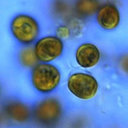 Raymond Kaas合作论文数4
 Marianne Graber合作论文数4Lucindo Jose Quintans Junior合作论文数3Audrey Fleury合作论文数3




