Approximately 18 million Ugandans (46 per cent of the total population) are under 15 years old. Of these, 2.5 million are young people with disability, with only 9 per cent attending school. The substantial gap in inclusive education highlights the stuckedness in Uganda's development. Paradoxically, this gap is itself a product of development. Yet, such an outcome does not sit comfortably with dominant notions that development inevitably leads to personal and societal transformation. Delays in personal fulfilment for young people with disabilities and their families reflect the nation's broader condition of liminality. As young Ugandans with disability navigate the unfulfilled promise of inclusive development and experience delays in their education, they remain stuck in a liminal space. Liminality, as the "stuckedness" experienced by young people with disabilities, points back to a broader national liminality, characterised by a persistent holding pattern between action and inaction.
Inclusive development encompasses social, environmental, and current generational development (Gupta et al., 2015). In this effort, all community groups must be actively involved, including youth within Indigenous communities. The Samin community is an Indigenous group whose principles support inclusive development. However, the role of youth in this context remains underexplored and requires further investigation. Therefore, this qualitative study aims to examine the role of youth in promoting inclusive development within the Samin Indigenous community. Data were collected through observation, in-depth interviews, and focus group discussions (FGDs). The findings revealed that youth participation in inclusive development remains limited. Consequently, strategic measures are needed to raise awareness among elders to involve youth, the presence of the Samin Cultural Gallery as a learning resource, and expanded networks to strengthen governance and tourism management, which positively affects the local economy
Persistent stereotypes of women's leadership in many societies are that they are lacking the equivalent capacity to their male counterparts, thus underpinning the extent that systematic sexism associated with structural discrimination is present across different professional settings. In relation to technological advancements that embody smart cities and e-government, women leaders are particularly likely to be perceived as periphery of digital transformation, exacerbating the level of existing intersectional inequalities. Women's leadership in the space of technological advancement, however, is significant. Women's leadership of digital technology advancement, their championing of "smart cities," e-government and e-governance, is most notable at local government level. This study adopts a qualitative approach to spotlighting the case studies of two women mayors in East Java, Indonesia, and delves into the modalities of their leadership to highlight the challenges and opportunities for advancing the nexus between technology and governance in their cities. Despite challenges experienced by the women mayors such as the lack of integrated data and centralized repository of information to make data-driven policy decisions, they exhibited resilience and innovation, leveraging ICT to revolutionize public services and govern their administration, leading to increasing public budgeting transparency and accountability, as well as participation following easy access to public services. These best practices demonstrate that women's e-leadership at the local government level is indisputably significant but also raise important questions about the need for policymakers to pay attention to the inherent gendered modalities of leadership in relation to digital transformation.
As part of an Early Childhood Development (ECD) strategy, the Jakarta Provincial Government introduced the Jakarta Child Card (Kartu Anak Jakarta-KAJ) to address low ECD participation and high malnutrition rates among children under five in low-income households. Using a qualitative case study and the Institutional Analysis and Development (IAD) framework, this paper analyses the effectiveness and sustainability of the KAJ program. It finds that increased participation and reduced malnutrition occurred where local communities, professionals, and especially mothers collaborated. Notwithstanding ongoing challenges relating to quality, the need for strategies of improvement, including the advancement of data infrastructure and the integration of big data, it is clear that increased community and paternal engagement a.k.a. co-production and parent education on ECD are crucial.
PurposeAgeing is a global concern that poses many challenges for governments, particularly in relation to the pressing issue of how to provide adequate social protection for the increasing number of elderly. Alongside rapid social and demographic transformation, Indonesia is especially challenged by the increasing number of elderly in need of formal care that is stretching the capacities of government and necessitates improvements in the social protection system. This study examines governance capacity in nursing homes and offers recommendations for improving the social protection system.Design/methodology/approachThe research presents a qualitative case study of government aged care centres in East Java and the experiences of residents and staff of three centres managed by the Provincial Social Service of East Java. The case study is based on ethnographic fieldwork, semi-structured interviews with 32 informants comprising directors, managers, staff and elderly residents of nursing homes.FindingsThe research finds that while social protection is in place, governance capacities at the provincial and local level are thinly stretched. The research highlights the tensions between existent governance capacities – in terms of mobility, decision-making, implementation and established local structures of governance and management – and the inability to meet the increasing demands for government elder care services and resources amidst broader societal transformations such as shifts in cultural framing of familial care of elderly. The findings point to the importance of understanding the dynamic relationship between governance capacity and the shifting terrains of elderly care due to societal transformation.Originality/valueThe research brings attention to the pivotal role that governance capacity plays in shaping the experiences and challenges of local government level elder care provision and the growing need for elder care in the face of an ageing population and shifts in kinship and family elder care arrangements. Elder care is not simply about addressing basic needs but also the quality and dignity of elderly and this is not easy to address where social protection systems are stretched beyond capacity. Recommendations are provided for enhancing government policy and expanding the scope for building cross-sectorial partnerships.
The link between international education and the extent to which it enhances women's leadership aspirations calls for a more situated and nuanced approach to internationalisation theory and practice. Although international education is a significant capacity-building investment and is typically assumed to advance individual and collective leadership, there is scant attention to modalities of leadership aspirations and experiences of women post-international study. The paper draws on our research exploring post-study experiences of a cohort of Indonesian women to highlight the complexities and challenges of navigating leadership post-study in Australia. The study design incorporated a mixed-method approach of individual semi-structured interviews, focused group discussions and an online survey of a diverse cohort of alumnae. The findings show that international education has the potential for advancing women's leadership aspirations where culture and individual women's characteristics and circumstances are considered. Indeed, alumnae report that consolidating and advancing leadership calls for successfully navigating between societal norms, family pressures and institutional contexts whilst also tapping into their international education experience.
Emerging evidence indicates that ayahuasca consumption may have beneficial mental health effects. This study undertakes the largest analysis to date of associations between naturalistic ayahuasca use and current mental health status via an online cross-sectional survey. The sample included 7,576 participants (average age 41, 47% female) who had consumed ayahuasca in religious, traditional, or non-traditional settings in over 50 countries. Bivariate analysis, multivariate linear regressions and generalized structural equation modeling were used to explore associations between ayahuasca use variables, current mental health (K10, SF-12 MCS), and psychological well-being change (PWG). The number of ayahuasca uses was found to be positively associated with current mental health status (all measures), and this remained highly significant in multivariate models, with little evidence of associations diminishing over time. Variables such as the strength of the mystical experience, self-insights, and community/social variables were also positively associated with current mental health and PWG, while acute extreme fear and integration difficulties were negatively associated. Findings suggest that naturalistic ayahuasca use is associated with better current mental health status and enhanced psychological wellbeing for individuals with and without a history of mental illness, independent of community effects, with certain variables contributing positively or negatively to these effects.
Elderly people are those who have reached the age of sixty years and above. Based on data from the Central Statistics Agency (BPS) in 2021, the number of elderly in Indonesia is 29.3 million, which makes up to 10.82 percent of the total population. This number will continue to increase, leading to one of the world's most emerging problems, namely aging society. The issue of elderly people is an issue that must be paid attention to. Facts show that many elderly still have to work to meet their living needs. The increasing need for formal elder care provisions puts intensive pressure on providing elderly services and paying attention to social protection systems and service delivery in government-owned nursing homes. This research presents and develops what policy instruments are used in effective nursing home management in East Java. Using qualitative observation and in-depth interviews, this research aims to determine what instruments the Provincial Government uses to manage nursing homes in East Java and what policy instruments can be developed to effectively manage nursing homes in East Java, Indonesia. This research finds that the sort of policy instruments employed by the Government to manage nursing homes effectively encompass family and community, voluntary organization, regulations, information and appeal, and subsidies—next is the development of policy instruments that should be carried out in a public enterprise.
Background: In the context of increasing scientific interest in the potential therapeutic use of psychedelic agents and their underlying psychotherapeutic mechanisms, we undertake the first detailed assessment of insights and life and lifestyle changes associated with ayahuasca consumption. Methods: An international cross-sectional study of ayahuasca drinkers in a variety of settings was performed (n = 8907). Bivariate analysis and multivariate linear and logistic regressions were used to explore associations between a range of covariates and insights, life changes and lifestyle changes. The least absolute shrinkage and selection operator variable selection method (LASSO) was used to select the variables most relevant for inclusion in models assessing broader wellbeing and mental health associations. Results: Insights are almost universally reported as part of the ayahuasca experience and are highly valued by drinkers and strongly predictive of subsequent beneficial life and lifestyle changes. A range of personal, vocational, religious/spiritual and health-related life changes (attributed to ayahuasca) are also commonly identified, as are various beneficial lifestyle and health behavior changes. Demographic and ayahuasca drinking variables that are predictive of such phenomena are reported, along with associations between insights, life and lifestyle changes and perceived growth in psychological wellbeing and current mental health status (Kessler 10 and SF-12 MCS). Conclusion: Insights and subsequent life and lifestyle changes appear to have a central role in the transformative effects reported by individuals consuming ayahuasca, with these occurring across contexts of use and demographic groups.
Ayahuasca is an Amazonian psychoactive plant medicine being explored for its potential therapeutic uses in Western contexts. Preliminary studies link ayahuasca use with improvements across a range of mental health indicators, but studies have not yet explored qualitative aspects of the post-treatment process known in the psychedelic literature as “integration”. This includes how participants make sense of their ayahuasca experiences and minimise harm/maximise benefits after ayahuasca use. A global online survey, conducted between 2017 and 2019, collected responses from 1630 ayahuasca drinkers (50.4% male, mean age = 43 years) to an open-ended question about their integration experiences after consuming ayahuasca. Inductive codebook thematic analysis was used to identify themes in participants’ integration experiences. Participants described integration experiences in three main ways. First, was an overall appraisal of the integration experience (e.g., as easy, challenging, or long-term/ongoing). Second, was describing beneficial tools which facilitated integration (e.g., connecting with a like-minded community and ongoing practice of yoga, meditation, journaling, etc.). Third, was describing integration challenges (e.g., feeling disconnected, going back to “old life” with new understandings, etc.). These findings suggest that integrating ayahuasca experiences can be challenging and take considerable time, though working through integration challenges may facilitate positive growth. Findings also challenge the role of individual psychotherapy as the primary integration tool in Western psychedelic therapy, suggesting that communal and somatic elements may also be useful. An expanded definition of psychedelic integration is proposed which includes working with integration challenges and adjusting to life changes.
This book uses organisational theory to explore how power and leadership operate in development organisations in different contexts and at different levels. Culture as a tool for enacting change is of particular importance within organisational and leadership analysis but often limiting. Notions of exceptionalism within the development sector mean that lessons from other organisational contexts are often disregarded or deemed irrelevant. In examining the way that culture operates in organisational and leadership analysis and in development thinking and approaches, the book invites closer attention to modes of organising and leading. The book examines development exceptionalism and the leadership fetishism that it evokes as a panacea for addressing disorder and crisis. The term organisationalism is deployed to capture the endeavours to control and manage, produce and reproduce organisation, and the manifestations, responses and imprints of 'seeing like an organisation'. The modes and manifestations of organisationalism are especially notable in times of crisis and disorder, accusations of wrongdoings, bad culture and bad leadership. This book makes an important contribution to debates on development exceptionalism and leadership and as such will be of interest to researchers in development studies and management studies and related disciplines across sociology, politics and global governance.
Introduction Ayahuasca is a plant-based decoction native to Amazonia, where it has a long history of use in traditional medicine. Contemporary ritual use of ayahuasca has been expanding throughout the world for mental health purposes, and for spiritual and personal growth. Although researchers have been conducting clinical trials and observational studies reporting medical and psychological benefits, most of these do not report ayahuasca's immediate or medium- term adverse effects, so these are underrepresented in the literature. With the expansion of ayahuasca ceremonies from their traditional contexts to countries around the world, there is an important public health question regarding the risk/benefit balance of its use. Methods We used data from an online Global Ayahuasca Survey (n = 10,836) collected between 2017 and 2019 involving participants from more than 50 countries. Principal component analysis was performed to assess group effects. Logistic regression analysis was performed to test for adverse effects associated with history of ayahuasca use, clinical, context of use and spiritual effect variables. Results Acute physical health adverse effects (primarily vomiting) were reported by 69.9% of the sample, with 2.3% reporting the need for subsequent medical attention. Adverse mental health effects in the weeks or months following consumption were reported by 55.9% of the sample, however, around 88% considered such mental health effects as part of a positive process of growth or integration. Around 12% sought professional support for these effects. Physical adverse effects were related to older age at initial use of ayahuasca, having a phys- ical health condition, higher lifetime and last year ayahuasca use, having a previous sub- stance use disorder diagnosis, and taking ayahuasca in a non-supervised context. Mental health adverse effects were positively associated with anxiety disorders; physical health conditions; and the strength of the acute spiritual experience; and negatively associated with consumption in religious settings. Conclusions While there is a high rate of adverse physical effects and challenging psychological effects from using ayahuasca, they are not generally severe, and most ayahuasca ceremony attendees continue to attend ceremonies, suggesting they perceive the benefits as out- weighing any adverse effects. Knowing what variables might predict eventual adverse effects may serve in screening of, or providing additional support for, vulnerable subjects. Improved understanding of the ayahuasca risk/benefit balance can also assist policy mak- ers in decisions regarding potential regulation and public health responses.
INTRODUCTION:Emerging evidence suggests that psychedelic compounds, including the Amazonian botanical decoction ayahuasca, may provide clinical benefit in the treatment of alcohol or other drug use disorders. This study investigates associations between ayahuasca consumption in naturalistic settings and current alcohol and other drug use.METHODS:Online cross-sectional study of people who have consumed ayahuasca in religious, traditional and non-traditional settings in over 40 countries. A total of 8629 participants (53% male, average age 40 years) were included in the analysis. Logistic regressions were used to explore associations between ayahuasca drinking variables and the current use of alcohol and other drugs, as well as the influence of confounding factors, such as church or community membership.RESULTS:The number of times ayahuasca had been consumed was strongly associated with increased odds of never or rarely drinking alcohol, never or rarely engaging in 'risky drinking' and having not consumed a range of drugs in the past month, with these effects greater for those with a prior substance use disorder compared to those without. The strength of ayahuasca drinkers subjective spiritual experience, number of personal self-insights obtained and drinking ayahuasca with an ayahuasca church were also associated with lower substance use in some models.DISCUSSION AND CONCLUSIONS:Consumption of ayahuasca in naturalistic settings is associated with lower self-reported current consumption of alcohol and other drugs for those with and without prior substance use disorders, with such effects present after adjusting for religious or social group effects.
•Psychoactive brew Ayahuasca may have antidepressant and anxiolytic activity.•We assessed effect of Ayahuasca on affective symptoms in a large cross-sectional survey.•Most reported symtoms of depression and anxiety ‘very much’ or ‘completely’ improved.•Ayahuasca users in this survey reported remarkable benefit in affective symptoms in response to the brew.
The medical use of psychedelic substances (e.g. psilocybin, ayahuasca, lysergic acid diethylamide and 3,4-methylenedioxymethamphetamine) is attracting renewed interest, driven by a pressing need for research and development of novel therapies for psychiatric disorders, as well as promising results of contemporary studies. In this Viewpoint, we reflect upon the ‘Clinical Memorandum on Psychedelics’ recently released by the Royal Australian and New Zealand College of Psychiatrists and note subsequent developments including the application for down-scheduling of psilocybin and 3,4-methylenedioxymethamphetamine presently being considered by the Therapeutic Goods Administration and approvals for access via the Special Access Scheme. We suggest that this field is worthy of rigorous research to assess potential benefits, address safety parameters and clarify therapeutic mechanisms. To this end, we outline recent research findings, provide an overview of current knowledge relating to mechanisms of action and discuss salient aspects of the psychedelic-assisted psychotherapy treatment model. The sum of this research points towards medicinal psychedelics as a potential new class of psychiatric treatments when used within a medically supervised framework with integrated psychotherapeutic support. However, before widespread translation into clinical use can occur, appropriately designed and sufficiently powered trials are required to detect both potential positive and negative outcomes. Unique safety and regulatory challenges also need to be addressed. As for any new medical therapy, psychedelic research needs to be conducted in a rigorous manner, through the dispassionate lens of scientific enquiry. Carte blanche availability to practitioners, without specific protocols and appropriate training, would be potentially harmful to individuals and detrimental to the field.
Ayahuasca is a traditional plant decoction containing N,N-dimethyltryptamine (DMT) and various β-carbolines including harmine, harmaline, and tetrahydroharmine, which has been used ceremonially by Amazonian Indigenous groups for healing and spiritual purposes. Use of the brew has now spread far beyond its original context of consumption to North America, Europe, and Australia in neo-shamanic settings as well as Christian syncretic churches. While these groups have established their own rituals and protocols to guide use, it remains unknown the extent to which the use of traditional or non-traditional practices may affect drinkers’ acute experiences, and longer term wellbeing and mental health outcomes. Hence, this study aimed to provide the first detailed assessment of associations between ceremony/ritual characteristics, additional support practices, motivations for drinking, and mental health and wellbeing outcomes. The paper uses data from a large cross-sectional study of ayahuasca drinkers in more than 40 countries who had used ayahuasca in various contexts ( n = 6,877). It captured detailed information about participant demographics, patterns and history of ayahuasca drinking, the setting of consumption, and ritualistic practices employed. Current mental health status was captured via the Kessler 10 psychological distress scale and the mental health component score of the SF-12 Health Questionnaire, while reported change in prior clinically diagnosed anxiety or depression ( n = 1276) was evaluated using a (PGIC) Patient Global Impression of Change tool. Various intermediate outcomes were also assessed including perceived change in psychological wellbeing, number of personal self-insights attained, and subjective spiritual experience measured via the spirituality dimension of the Persisting Effects Questionnaire (PEQ) and Short Index of Mystical Orientation. Regression models identified a range of significant associations between set and setting variables, and intermediate and final mental health and wellbeing outcomes. A generalized structural equation model (GSEM) was then used to verify relationships and associations between endogenous, mediating and final outcome variables concurrently. The present study sheds new light on the influence of ceremonial practices, additional supports and motivations on the therapeutic effects of ayahuasca for mental health and wellbeing, and ways in which such factors can be optimized in naturalistic settings and clinical studies.
The challenges of COVID-19 have particularly invited closer attention to localised impacts and the extent that intergovernmental coordination, policy capacity, and local autonomy are implicated in the effectiveness of government responses to the pandemic. Drawing on our case study of the implementation of social safety nets in Jakarta, we explore the tensions between national-local government arising from decentralisation unfold as disjunctures between mode of governance and institutional capacity. We argue that the human factor, individuals negotiating and navigating complex and problematic systems and processes, points to human agency being central for success in the implementation, execution, and delivery of services.
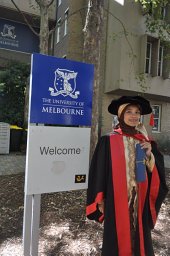 Sulikah Asmorowati合作论文数Dept Publ Adm, Univ Airlangga10
 Daniel F. Perkins合作论文数Pennsylvania State University9
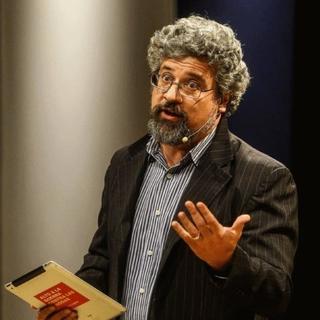 Luís Fernando Tófoli合作论文数Department of Psychological Medicine and Psychiatry, School of Medical Sciences, University of Campinas7
 Jose Carlos Bouso合作论文数Human Experimental Neuropsychopharmacology, IIB Sant Pau7
 Jerome Sarris合作论文数Department of Psychiatry, Melbourne Medical School, Faculty of Medicine, Dentistry and Health Sciences, The University of Melbourne6
 Emerita Satiro Opaleye合作论文数6
 Nicole Leite Galvao-Coelho合作论文数NICM Health Research Institute, Western Sydney University5Hana Simonova合作论文数4
 Eko Supeno合作论文数2
 Jusuf Irianto合作论文数Airlangga University2
 Helena Dorothea Aicher合作论文数Department of Psychiatry, Psychotherapy and Psychosomatics, University of Zurich2
 Miroslav Horák合作论文数Dept Languages & Cultural Studies, Mendel Univ Brno2
 David Castle合作论文数St Vincent’s Health;Centre for Addiction & Mental Health, Temerty Faculty of Medicine, University of Toronto;University of Melbourne2
 Milan Scheidegger合作论文数Hospital of Psychiatry, University of Zurich;Institute for Biomedical Engineering, University of Zurich and ETH Zurich;University of Zurich, University of Zurich2Lindy Joubert合作论文数2
 Martin L Williams合作论文数1Ayu Ningrum合作论文数1
 Dian Yulie Reindrawati合作论文数Vocat Studies, Univ Airlangga1
 Simon Ruffell合作论文数The Institute of Psychiatry, Psychology and Neuroscience, King's College London1
 Mary Mangai合作论文数Sch Publ Management & Adm, Univ Pretoria1Andreas Halman合作论文数1Sean Hood合作论文数1David Forbes合作论文数Paediatrics Division, Medical School, The University of Western Australia1Lachlan Cribb合作论文数Dept Psychiat, Univ Melbourne1
 Olivia Carter合作论文数Melbourne School of Psychological Sciences, Faculty of Medicine, Dentistry and Health Sciences, The University of Melbourne1
 Chris Davey合作论文数Department of Psychiatry, The University of Melbourne1
 Yvonne Bonomo合作论文数Department of General Practice, Melbourne Medical School, Faculty of Medicine, Dentistry and Health Sciences, The University of Melbourne1
 Richard Chenhall合作论文数Research Unit in Public Cultures, Research Units and Centres, Faculty of Arts, The University of Melbourne1
 Dan Siskind合作论文数School of Clinical Medicine, Faculty of Health, Medicine and Behavioural Sciences, The University of Queensland1
 Greg Murray合作论文数Swinburne University of Technology1
 Daniel Hoyer合作论文数The Translational Neuropharmacology Laboratory, School of Biomedical Sciences, University of Melbourne;Faculty of Medicine, Dentistry and Health Sciences, University of Melbourne;The Florey Institute of Neuroscience and Mental Health, University of Melbourne1
 Paul Liknaitzky合作论文数Turner Institute for Brain and Mental Health, School of Psychological Sciences, Monash University1
 Susan Rossell合作论文数School of Health Sciences, Swinburne University of Technology;Centre for Mental Health, Swinburne University of Technology1
 Colleen Loo合作论文数Black Dog Institute, University of New South Wales1Óscar Andión合作论文数1




