目的 探讨中度低温停循环颈内静脉氧饱和度(SjvO2)与近红外光谱监测局部脑氧饱和度(rSO2)的相关性.方法 选取自 2020 年 5 月至 2021 年 10 月在接受全主动脉弓置换联合人工象鼻支架植入手术治疗 90 例Stanford A型主动脉夹层患者为研究对象,分别在颈内静脉置管后(T1)、主动脉阻断后(T2)、恢复双侧脑灌注后(T3)、停机前 10 min(T4)抽取颈内静脉血液样品进行血气分析并记录SjvO2,同时,使用近红外光谱脑氧饱和度监测仪连续测量右侧rSO2,对各时刻SjvO2、rSO2 结果进行相关性分析.结果 本组 90 例患者中,术后死亡 3 例(3.3%),接受连续肾替代治疗 7 例(7.8%),再次插管3 例(3.3%),脑梗塞 4 例(4.4%).SjvO2 在各时刻(T1、T2、T3、T4)均显著高于rSO2,差异有统计学意义(P<0.05).T1 时刻,SjvO2 与rSO2 具有较好的相关性(r=0.749,P<0.05),其余时刻(T2、T3、T4),SjvO2 与rSO2 无明显相关性(r=0.170,P>0.05;r=0.003,P>0.05;r=0.132,P>0.05).结论 SjvO2 与rSO2 仅在未开始体外循环时具有相关性,维持rSO2 在 50%以上即可维持SjvO2 大于 50%,从而保证脑氧供需平衡.
目的 探讨胸骨上段小切口孙氏手术治疗急性Stanford A型主动脉夹层院内死亡的相关危险因素.方法 回顾性分析自2018年1月至2019年11月北部战区总医院心血管外科收治的207例行胸骨上段小切口孙氏手术治疗的急性Stanford A型主动脉夹层患者临床资料,对相关因素进行单因素分析及多因素Logistic回归分析,以筛选出与术后院内死亡密切相关的危险因素.结果 存活组与死亡组的术前血清肌酐、术后急性肾损伤、术后脑卒中、术后ICU停留时间、术后二次插管以及呼吸机支持时间比较,差异有统计学意义(P<0.05).多因素Logistic回归分析结果显示,术后脑卒中的发生是行胸骨上段小切口孙氏手术治疗的急性Stanford A型主动脉夹层患者院内死亡的独立危险因素(P<0.05).结论 术后脑卒中是急性Stanford A型主动脉夹层患者行胸骨上段小切口孙氏手术治疗术后院内死亡的独立危险因素.加强围术期的脑保护,预防术后脑卒中发生可能有利于降低术后院内病死率,改善预后.
目的 探讨经冠状动脉造影(CAG)评估的左主干(LMCA)口部狭窄的严重程度与使用血管内超声(IVUS)测量结果相比被高估的原因.方法 选取自2018年1月至2021年1月于北部战区总医院经CAG诊断为LMCA口部存在严重狭窄(目测直径狭窄程度≥50%)的62例冠状动脉粥样硬化性心脏病(CAD)患者为研究对象.根据IVUS测量的LMCA口部最小管腔面积是否≥6 mm2,将所有患者分为高估(OE)组(n=37)与未高估(NOE)组(n=25).比较两组患者使用定量冠状动脉造影(QCA)和IVUS测量的相关参数.结果 QCA相关参数比较:OE组的参考血管直径显著高于NOE组,组间比较,差异有统计学意义(P<0.05).两组患者的造影所显示的LMCA口部最小血管直径、狭窄程度及造影无返流的比例比较,差异均无统计学意义(P>0.05).IVUS相关参数比较:两组患者的LMCA口部斑块性质比较,差异均无统计学意义(P>0.05).OE组患者的LMCA口部最小管腔面积和外弹力膜面积大于NOE组,LMCA口部的斑块负荷程度、向心指数和血管重构比例均小于NOE组,差异均有统计学意义(P<0.05).多因素Logistic回归分析发现,血管重构、圆形开口和QCA参考血管直径是造成LMCA口部狭窄程度被高估的独立影响因素(P<0.05).结论 IVUS分析证实,圆形开口和血管重构有助于CAG对LMCA口部狭窄程度的准确判断,而中度程度狭窄(狭窄程度<50%)和较大的LMCA参考血管直径则会造成对LMCA口部狭窄程度的高估.
目的 探讨血流储备分数(FFR)在慢性完全闭塞病变(CTO)中的应用价值.方法 回顾性分析北部战区总医院自2020年9月至2021年2月收治的21例CTO患者的临床资料.分别在导丝通过闭塞病变时、血运重建后对CTO靶血管行FFR,收集患者的基线和经皮冠状动脉介入治疗(PCI)资料,分析各项指标与FFR之间的关系,比较CTO-PCI前后的FFR.结果 患者CTO-PCI术后平均FFR为(0.85±0.09),高于术前的(0.39±0.13),术前术后变化量为(0.45±0.14).单向和双向侧枝供血患者的术前FFR差异无统计学意义(P>0.05).远端血管直径≥2 mm和直径<2 mm患者术前FFR、术后FFR、术前术后变化量比较,差异均无统计学意义(P>0.05).合并室壁瘤和未合并室壁瘤患者术前FFR、术后FFR、术前术后变化量比较,差异均无统计学意义(P>0.05).术前FFR与Rentrop侧枝循环分级、供体血管狭窄程度无明显相关(P>0.05).结论 成功的CTO-PCI可使CTO靶血管FFR得到显著改善,但不能用侧枝循环的好坏作为评估开通CTO的标准和意义.
目的 探讨体外膜氧合(ECMO)在经皮冠状动脉介入治疗(PCI)循环辅助中的可行性与安全性.方法 回顾性分析2019年4月至2021年4月北部战区总医院心血管内科收治的34例高危冠心病患者的临床资料,其中男29例,女5例,年龄(62.2±14.8)岁,体重(78.8±11.5)kg,均在ECMO辅助下行PCI,记录患者病死率、ECMO辅助时间等围术期指标.结果 26例(76.5%)患者导管室内直接撤除ECMO,8例(23.5%)患者监护室内撤除ECMO,其中4例(11.8%)ECMO辅助8 h内撤除,4例(11.8%)进行长时间辅助并增加远端灌注,术中ECMO流量1.55(1.5,1.7)L/min,围术期死亡3例(8.8%).股动脉插管均选择15 Fr,股静脉插管以21 Fr为主.结论 ECMO可以安全的用于高危PCI辅助.15 Fr股动脉插管也可以用于绝大部分患者,1.55L/min的ECMO流量可以安全的用于绝大部分患者PCI过程中的辅助.
目的 探讨非透析慢性肾病(CKD)患者行冠状动脉介入治疗(PCI)术后发生使用对比剂后急性肾损伤(PC-AKI)的危险因素.方法 选取北部战区总医院心血管内科自2016年1月至2022年2月收治的116例行PCI的非透析CKD患者为研究对象.根据术前及术后48 h内血清肌酐结果,将其分为PC-AKI组(n=37)与非PC-AKI组(n=79).收集并比较两组患者年龄、性别、高血压病病程、糖尿病病程、是否伴有症状心力衰竭、体质量指数、左心室射血分数、单纯冠状动脉造影(CAG)患者数量、对比剂用量、术后校正水化量、肾小球滤过率、植入支架数量等一般临床资料.采用二分类Logistics回归模型分析CKD患者行PCI术后发生PC-AKI危险因素.结果 两组患者年龄、男性比例、高血压病程、糖尿病病程、体质量指数、左室射血分数、单纯行CAG患者数量、植入支架数量、对比剂用量及术后校正水化量比较,差异均无统计学意义(P>0.05).PC-AKI组患者有症状心力衰竭比例高于非PC-AKI组,肾小球滤过率低于非PC-AKI组,差异均有统计学意义(P<0.05).二分类Logistics回归模型显示,心力衰竭、低肾小球滤过率均为CKD患者行PCI术后发生PC-AKI的危险因素(P<0.05).结论 肾小球滤过率较低、心功能较差的非透析CKD患者行PCI术后更易发生PC-AKI.
目的 探讨选择性心脏灌注技术用于Stanford B型主动脉夹层手术的安全可行性.方法 2019年3月至2020年1月11例Stanford B型主动脉夹层患者采用选择性心脏灌注技术在心脏不停跳下行象鼻支架置入手术,回顾性分析围术期各种参数.结果 平均体外循环时间(118.45±26.11)min;心脏选择性灌注时间(28.91±9.04)min;停循环时间及选择性单侧脑灌注时间(22.55±3.59)min;术后呼吸机应用时间(23.64±7.87)h;术后重症监护室滞留时间(2.23±0.65)d;术后住院时间(12.4±2.8)d;围术期输血2例(18.2%);平均住院费用(13.76±0.82)万元;术后超敏肌钙蛋白T(246.33±86.52)ng/L.术后未出现二次开胸止血,切口完好,无围术期死亡.结论 选择性心脏灌注技术用于Stanford B型主动脉夹层手术是安全可行的.
随着经导管主动脉瓣置换术技术的发展,其已成为老年主动脉瓣狭窄患者的一线治疗手段。现报告一例冠状动脉闭塞高风险患者的经导管主动脉瓣置换术,应用血管内超声观察冠状动脉开口与瓣膜的关系是该病例的特点。该患者为老年男性,术前评估为急性冠状动脉闭塞高风险。充分评估患者手术风险\获益后,制订手术策略,术中先行经皮冠状动脉介入治疗,同时应用血管内超声观察冠状动脉开口与瓣膜的关系,预埋球囊进行冠状动脉保护,手术过程顺利。
急危重症主动脉瓣狭窄患者短期病死率高,给临床救治提出了巨大的挑战。随着经导管主动脉瓣置换术(transcatheter aortic valve replacement,TAVR)的发展,急诊TAVR为这些患者的救治带来了希望。该文报告了1例急诊TAVR病例。该患者为老年男性,既往接受过外科二尖瓣置换术,本次发病表现为急性心力衰竭;经充分的手术风险/获益评估后,患者接受了急诊TAVR;术后2个月随访患者状况良好。急诊TAVR对于急危重症主动脉瓣狭窄患者是一种很好的治疗手段。
目的探讨运用计算机断层扫描(CT)分析获得的最佳投照角度指导经皮主动脉瓣膜置换术(TAVI)术中导丝过瓣的可行性。方法选取自2016年5月至2020年6月于北部战区总医院心血管内科行TAVI且手术过程被完整录制的32例患者为研究对象。根据患者是否接受CT指导分析,将其分为常规组(n=19)与CT指导组(n=13)。比较两组患者过瓣时间。结果所有患者中,过瓣时间最长为461.0 s,最短为1.0 s,中位时间27.5 s。过瓣时间>5 min者有3例,均发生在常规组。应用CT指导导丝过瓣时间最长为62.0 s。CT指导组过瓣时间短于常规组,差异有统计学意义(P<0.05)。结论术前CT分析对于TAVI术中导丝过瓣有良好的指导作用,能缩短过瓣时间。
冠状动脉瘤(coronary artery aneurysm,CAA)是经皮冠状动脉介入治疗(percutaneous coronary intervention,PCI)术后的少见并发症.本报道解放军北部战区总医院近期2例支架置入术后支架段血管瘤样扩张患者,均置入聚四氟乙烯覆膜支架成功封堵瘤体,并对患者随访观察其疗效. 1 临床资料 病例1 患者男,69岁.因“反复胸痛10余年,再发半年”入住解放军北部战区总医院.既往高血压病史40余年,否认糖尿病、高脂血症病史.
Objective To investigate the characteristics in clinical, angiographic and percutaneous intervention (PCI) aspects of patients with chronic total occlusion (CTO) across different age groups, especially in young patients. Methods This study retrospectively analyzed 195 cases of CTO lesions admitted to the Department of Cardiology, General Hospital of Northern Theater Command from 2009 to 2014. These 1951 patients with CTO had undergone PCI and were divided into the young CTO group (≤44 years), the middle-aged CTO group (45-59 years) and the senior CTO group (≥60 years) according to their age. All patients had objective evidence of angina pectoris or myocardial ischemia before PCI. All the clinical features, coronary angiographic results, PCI related data and hospitalization outcome were all derived from our hospital PCI archives. Results There were significant differences in male ratio, body mass index, smoking and, drinking habit, creatinine clearance, triglyceride and LDL levels across the three groups (all P<0.05), and the highest values were found in the young patient group. The prevalence of unstable angina pectoris, hypertension and stroke were lowest in the young patient group (all P<0.05). The number of stenotic vessels and CTO occlusion time were less in young patients (all P <0.05). There was no significant difference among the three groups in CTO vascular distribution, coronary collateral Rentrop degree, CTO lesion length, CTO lesion diameter and CTO lesion characteristics (blunt CTO, CTO with bridging collateral and proximal branch of CTO lesion). There were no significant differences among the three groups in the volume of contrast agent used, CTO operation time, average stent number and average stent length (P>0.05). The procedural success rate of target vessels, races complete revascularization and mean stent diameter were highest in the young patient group (P<0.001).Conclusions Young CTO patients had typical risk factors of coronary heart disease with higher PCI success rate to target vessels and complete revascularization rate, which may be related to the short history of CTO.
目的 探讨45岁以下不同性别冠心病患者的临床特征,分析冠状动脉病变特点.方法 连续选取自2009年1月至2015年8月于沈阳军区总医院确诊为冠心病,行冠状动脉造影及经皮冠状动脉介入治疗的青年(年龄≤45岁)患者2976例为研究对象,依据性别将患者分为男性组(n=2768)与女性组(n=208).记录并比较两组患者临床特征及冠状动脉病变特点.结果 男性组患者年龄及脑血管病家族史患者比例低于女性组,而体质量、体质量指数以及吸烟、饮酒、糖尿病、高脂血症、陈旧性心肌梗死患者比例均高于女性组,组间比较,差异均有统计学意义(P<0.05).男性组患者肌酐清除率、左心室射血分数、血小板计数低于女性组,血糖、总胆固醇、低密度脂蛋白胆固醇、甘油三酯、血红蛋白高于女性组,组间比较,差异均有统计学意义(P<0.05).男性组ST段抬高型心肌梗死患者比例高于女性组,其中,下后壁梗死患者比例高于女性组,前壁梗死患者比例低于女性组;非ST段抬高型心肌梗死患者比例高于女性组,组间比较,差异均有统计学意义(P<0.05).女性组不稳定型心绞痛及其他类型冠心病患者比例高于男性组,组间比较,差异均有统计学意义(P<0.05).男性组经桡动脉路径患者比例低于女性组,应用糖蛋白Ⅱb/Ⅲa受体拮抗剂及低分子肝素患者比例高于女性组,组间比较,差异有统计学意义(P<0.05).男性组单支病变及左主干病变患者比例低于女性组,双支病变、三支病变患者比例高于女性组,组间比较,差异均有统计学意义(P<0.05).结论 45岁以下冠心病患者以男性为主,女性平均年龄大于男性.男性体质量、血糖、血脂等危险因素多于女性组.男性患心肌梗死、住院期应用糖蛋白Ⅱb/Ⅲa受体拮抗剂及围术期应用低分子肝素患者比例均高于女性.男性中多支病变患者比例高于女性,而女性左主干病变患者比例高于男性.
Objective To investigate the relationship between high platelet reactivity( HPR) and the degree of the coronary artery lesions in patients with stable angina. Methods A retrospective study was performed on 915 cases of patients with stable angina who were admitted and underwent percutaneous coronary intervention from January to June 2016. Platelet reactivity was detected by the Verify Now P2Y12,high platelet reactivity was identified by platelet response unit(PRU)≥230. Patients were divided into the normal reaction group(NPR group,n=467)and the high reactivity(HPR group,n=448). The degree of coronary artery stenosis,angiographic results and stent implantation,the risk factors of multiple lesions were compared between the two groups,the correlation between HPR and PCI perioperative myocardial infarction in the two groups were analyzed. Results Compared with NPR group,coronary artery stenosis degree of HPR group was more severe,the number and coronary artery disease and the number of stent were even more,and the difference was statistically significant ( P<0. 05 ) . Multiple factors analysis confirmed that HPR group of patients had a significantly higher incidence of perioperative myocardial infarction by detecting postoperative myocardial enzyme index;HPR was the independent risk factor of multivessel lesions and perioperative myocardial infarction in patients with stable angina. Conclusion High platelet reactivity and the degree of the coronary artery lesions and the perioperative myocardial infarction in patients with stable angina were correlated. The reinforced individualized antiplatelet treatment and routine detecting myocardial enzyme index for HPR patients in patients with stable angina are necessary.
目的探讨CYP2C19基因多态性与血小板高反应性(HTPR)对行经皮冠状动脉介入术(PCI)的急性冠状动脉综合征(ACS)患者临床缺血事件的影响。方法选取自2009年3月至2010年4月于沈阳军区总医院心血管内科住院治疗并接受了CYP2C19基因检测及PCI治疗的1 016例ACS患者为研究对象。所有患者均接受了标准双联抗血小板(阿司匹林100 mg/d+负荷剂量氯吡格雷600 mg)治疗,测定CYP2C19*2、*3多态位点携带情况及血小板聚集率,分析CYP2C19基因各基因型及血小板聚集率在ACS患者中的分布情况及与临床复合缺血事件(心血管死亡、非致死性心肌梗死、支架内血栓和缺血性卒中)的相关性。结果本研究1 016例患者中,A组携带2个多态位点的患者共140例,B组未携带或仅携带1个多态位点患者共876例。A组术后血小板聚集率、HTPR发生率、临床复合缺血事件发生率以及各缺血事件发生率(心血管死亡、非致死性心肌梗死、支架内血栓及缺血性卒中)均高于B组,两组间比较,差异均有统计学意义(P <0. 05)。携带CYP2C19基因2个多态位点且PCI术后合并HTPR患者临床缺血事件的发生率为29. 5%(23/78),显著高于未携带或仅携带1个多态位点且Non-HTPR患者的2. 1%(14/666),差异有统计学意义(P <0. 05)。结论携带CYP2C19基因2个多态位点且合并HTPR可能是PCI术后临床缺血事件发生的高危因素。
Stable coronary artery disease(SCAD) is one type of coronary artery diseases.The mechanism and pathologic basis of SCAD is different from that of acute coronary syndrome,so the therapy and management of SCAD has it's own characters.The aim of treatment is to prevent myocardial infarction and sudden death,alleviate syndrome,release angina and improve the life quality.Strategies of therapy for SCAD include medical therapy and revascularization.The medical therapy should be the optimal medical therapy.The revascularization includes the coronary artery bypass grafting and percutaneous coronary intervention,or combination of these two strategies.Indication of PCI has become more than before because of the advent of new-generation drug-eluting stent and more rational anti-platelet therapy.
To investigate the efficiency and safety of percutaneous coronary intervention (PCI) for left main disease combined with right coronary artery chronic total occlusion (CTO).This study was a retrospective study,which enrolled patients underwent percutaneous coronary intervention for left main disease combined with right coronary artery chronic total occlusion between January 2009 and August 2014.A total of 46 patients were enrolled.The mean number of stent used per patients was 2.3±1.3,the mean length of stents per patient was (29.52±6.98)mm and the mean stent diameter was (3.61±0.42)mm.The success rate of PCI for left main disease was 100%,while the success rate for right coronary artery CTO was 93.5%,the total success rate was 95.7%.There was no severe complication happened during the procedure,and no acute stent thrombosis or acute coronary artery bypass grafting.After the procedure,the cardiac function was improved.During the follow-up period (14.48±15.01) months,there were 7 target vascular reconstruction (TVR),among which 2 were CABG,the incidence of MACE was 15.2%.PCI for left main disease combined with right coronary artery CTO can improve the symptoms of patients,with no severe complication happened.Those results suggested that PCI was feasible for patients with left main disease combined with right coronary artery CTO.
Objective To investigate the clinical characteristics of patient with coronary heart disease and left ventricular dysfunction,and evaluate the prognosis of percutaneous coronary intervention(PCI).Methods A retrospective study was performed on 24 627 cases of patients who were diagnosed as coronary heart disease and underwent PCI from January 2011 to July 2014.According to the left ventricular ejection fraction (LVEF)value,patients were divided into the left ventricular dysfunction group(LVEF less than 50%)with 2 182 cases and the left ventricular normal function group(LVEF more than 50%)with 22 445 cases.Baseline data and the incidence rate of major adverse cardiovascular and cerebrovascular events(MACCE) 30 days and 12 months after PCI were compared between the two groups.Logistic multivariate regression analysis was used to evaluate the predictive value of the incidence rate of MACCE events 30 days and 12 months after PCI.Results The incidence rate of MACCE 30 days after PCI in the left ventricular dysfunction group was significantly higher than that of the normal left ventricular function group(2.4% versus 0.5%,P < 0.01);the incidence rate of MACCE 12 months after PCI in the left ventricular dysfunction group was higher than that of the normal left ventricular function group (6.6% versus 2.6%,P < 0.01).Logistic regression analysis showed that the LVEF value less than 50% was the independent predictor of MACCE.Conclusion Left ventricular dysfunction is one predictor of MACCE 30 days and 12 months after PCI.
目的:研究血管内超声(IVUS)指导下介入治疗前左降支(LAD)病变的疗效. 方法:选取自 2015-11 至 2016-07 沈阳军区总医院心血管内科 28 例冠心病患者,其 LAD 近段或中段接受了经皮冠状动脉介入治疗(PCI).比较利用冠状动脉造影指导下判定的拟置入支架的参数和应用 IVUS 指导下判定的拟置入支架的参数.以 IVUS 获得的参数作为最终置入支架参数.
Objective To evaluate the efficacy of bivalirudin on reperfusion of coronary artery in patients with acute myocardial infarction undergoing percutaneous coronary intervention. Methods In our study, we evaluated 245 patients with acute myocardial infarction who underwent percutaneous coronary intervention between April 2012 to May 2015. Based on the therapy during operation, bivalirudin were used in 122 patients and heparin was used in 123 patients. Study outcomes included immediate TIMI(thrombolysis in myocardial infarction)flow and CTFC(Corrected TIMI Frame Count)by angiogrophy once the target lesion was opened rates of ,in-hospital thrombocytopenia, bleeding events myocardial infarction, repeat revascularization and the incidence of MACE(major adverse cardiac events)in 30 days and 1 year. Results The mean heart rate was higher in the bivalirudin group(P=0.034). There was no significant difference between the two groups in laboratory results or interventional data(P>0.05). After the target vessel was opened, the effect of bivalirudin on slow/no-reflow in primary PCI has no difference between heparin in terms of TIMI blood evaluation or CTFC (P>0.05). Hospitalization data analysis showed that bivalirudin was able to obtain a higher activated whole blood coagulation time(ACT)value(P<0.001)with lower decrease in the number of platelets. Follow-up data of 30 days and 1 year showed no difference in the incidence of MACE and net adverse clinical events(NACE)between the two groups(P>0.05). Conclusions Bivalirudin has well efficacy and safety in patients with acute myocardial infarction in patients with acute myocardial infarction undergoing PPCI without increasing the incidence of slow/no-reflow.
 Yaling Han (韩雅玲)合作论文数School of Clinical Medicine, Tsinghua University;PLA Northern Theater Command General Hospital42
 Quanmin Jing (荆全民)合作论文数General Hospital of Shenyang Military Command40
 Geng Wang (王耿)合作论文数33
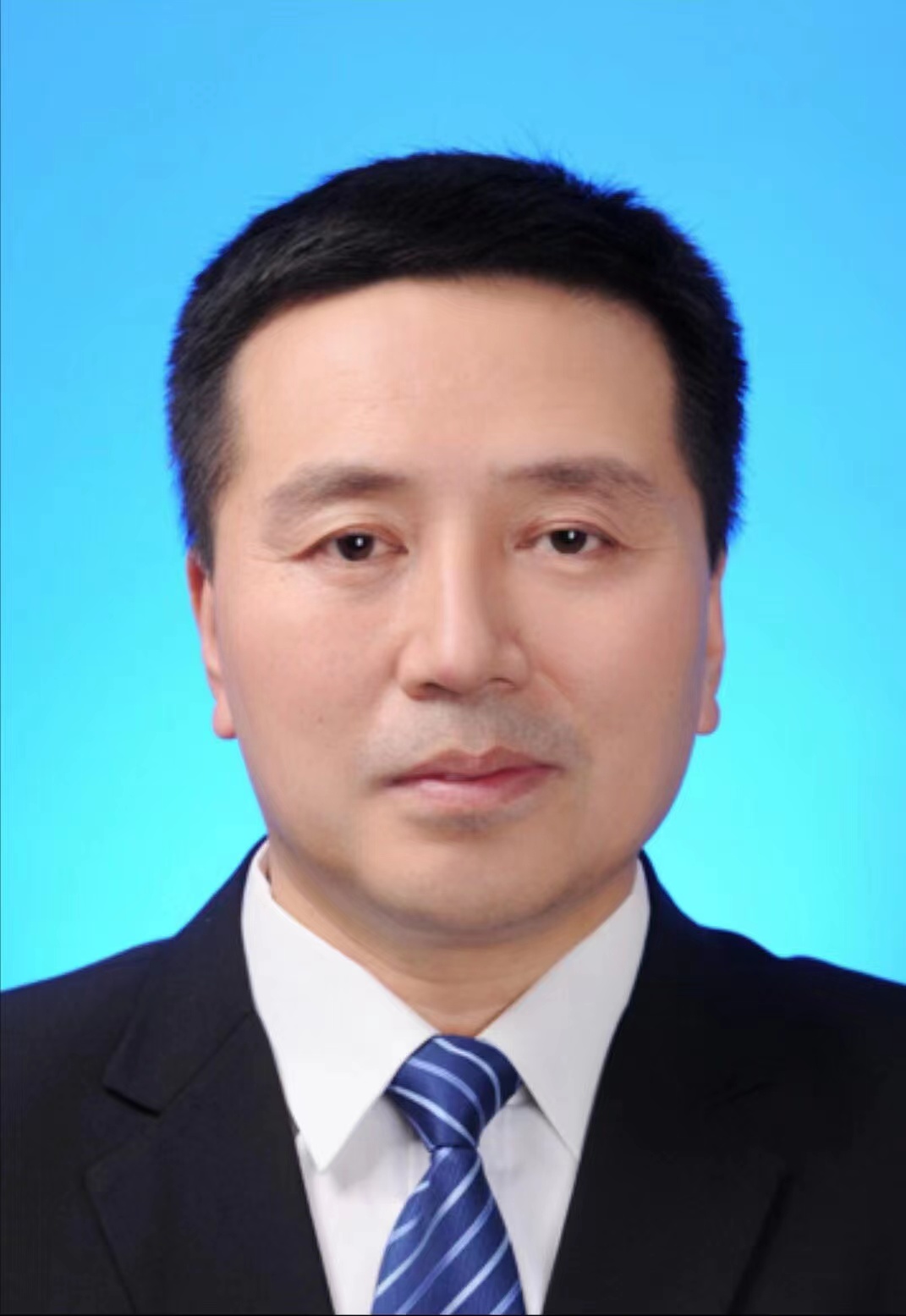 Xiaozeng Wang (王效增)合作论文数沈阳军区总医院心血管内科33YingYan Ma (马颖艳)合作论文数32Kai Xu (徐凯)合作论文数26HaiWei Liu (刘海伟)合作论文数23Jian Zhang (张剑)合作论文数12ShaoYi Guan (关绍义)合作论文数9Xin Zhao (赵昕)合作论文数9Zhenyang Liang合作论文数8Yi Li (李毅)合作论文数8
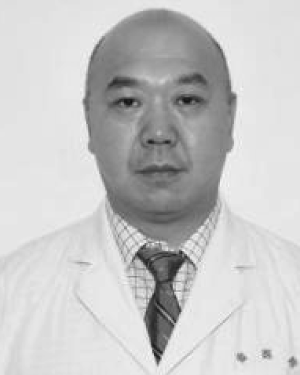 Bo Luan (栾波)合作论文数6
 Shouli Wang (王守力)合作论文数PLA Strategic Support Force Characteristic Medical Center6
 Yi Fang (方毅)合作论文数解放军总医院第五医学中心南院区内分泌科5Jie Deng (邓捷)合作论文数4Yun Shi (石云)合作论文数4Yu Liu (刘宇)合作论文数4Tao Jie合作论文数3Ling-fei ZHENG (郑凌飞)合作论文数3Yang Li (李洋)合作论文数3GUO Yi-bai (国一白)合作论文数2Xiong Xiao (肖雄)合作论文数2LI Zi-qi (李子琪)合作论文数2Zhi LI (李智)合作论文数2HeYang Wang (王贺阳)合作论文数2Fei Li (李菲)合作论文数2MeiLi Liu (刘美丽)合作论文数2Hui Jiang合作论文数2Yuhe Sheng合作论文数1Yingdong Wang (王颖东)合作论文数1Sun Junna合作论文数1XIAO Xiong (肖雄)合作论文数1Xue LIU (刘学)合作论文数1Jing Li合作论文数1Xuedong Zhao合作论文数1Ji-fu CUI (崔继福)合作论文数1Yun-qing LIU (刘韵情)合作论文数1Junxian QI (祁俊仙)合作论文数1HE Jia-qi (何佳奇)合作论文数1Zi-lan JING (经子兰)合作论文数1yingying chen (陈莹莹)合作论文数1Xuan WANG (王璇)合作论文数1Yan-bin SU (苏彦宾)合作论文数1Li Yi合作论文数1He ZHOU (周鹤)合作论文数1Yan-qiu WANG (王艳秋)合作论文数1SUN Lei (孙蕾)合作论文数1MingZi Guan (关明子)合作论文数1




