Rising global temperatures threaten rice yield, with the panicle stage being particularly sensitive to heat stress. Yet, the molecular mechanisms and key regulators underlying heat–induced reduction of seed setting remain largely unknown. We identified OsMATE16, a member of the multidrug and toxic compound extrusion (MATE) transporter family, as being significantly induced by heat stress. Knockout of OsMATE16 (OsMATE16-KO) mutants exhibited a pronounced reduction in seed setting rate compared with wild type plants, a phenotype that was further aggravated under heat stress. The OsMATE16-KO mutants displayed defective anther dehiscence, especially under heat stress. Phytohormone measurement revealed a significantly accumulation of indole-3-acetic acid (IAA) in the anthers of OsMATE16-KO mutants compared with WT. Moreover, the 9311 cultivar (OsMATE16Hap3) exhibits greater thermotolerance than the SSSL-OsMATE16Nip (OsMATE16Hap1), highlighting the potential of OsMATE16Hap3 as a valuable allele for breeding heat-tolerant rice. OsMATE16 regulates anther dehiscence by modulating auxin accumulation, thereby contributing to thermotolerance and stable seed-setting.
Cells must rapidly counteract heat stress-induced hyperfluidization of the plasma membrane to prevent membrane damage1,2, yet how cells achieve such early protection remains unknown. Here we show that in rice (Oryza sativa), the P4-ATPase OsALA5, together with its β-subunit OsALIS2, mediates a heat-responsive flipping of saturated phosphatidylcholines that rapidly stabilizes plasma membrane fluidity. Using leaflet-resolved lipidomics and complementary transport assays, we demonstrate that heat exposure induces a minute-timescale shift in OsALA5 transport activity that leads to selective enrichment of saturated phosphatidylcholines in the cytoplasmic plasma membrane leaflet. This OsALA5-mediated saturated phosphatidylcholine flipping prevents plasma membrane hyperfluidization upon heat stress, thus mitigating ion leakage and cell death. Our analyses of OsALA5 orthologues in Arabidopsis thaliana and yeast support functional conservation of a rapid heat-associated response within a subset of plasma membrane-localized, phosphatidylcholine-transporting P4-ATPases. We identified a rare haplotype of OsALA5 that confers both heat tolerance and yield stability in multi-year, multi-location field trials. Thus, beyond identifying this P4-ATPase-mediated flipping of saturated phosphatidylcholines in response to heat stress and providing genetic resources to advance breeding of heat-tolerant crops, our study reveals how cells counteract heat stress-driven plasma membrane hyperfluidization at an earlier stage than the previously known transcription-dependent lipid remodelling response.
Chinese cherry [Cerasus pseudocerasus (Lindl.) G.Don] is an economically important Rosaceae fruit crop in China. Massive fruit abscission in the majority of large-fruited Chinese cherry landraces leads to a catastrophic yield loss, hindering the development of the Chinese cherry industry. Herein, we performed systematic physiological analyses to comprehensively characterize the dynamic changes in auxin-centered phytohormones during fruit development across four Chinese cherry landraces exhibiting varying degrees of fruit abscission. These analyses, along with exogenous indole-3-acetic acid (IAA) rescue experiments, confirmed that the endogenous phytohormone imbalance triggered by reduced IAA accumulation in embryos is the core cause of young fruit abscission. Transcriptomic profiling revealed divergent expression patterns of genes associated with IAA synthesis and transport in the embryo, pedicel, and flesh at two critical fruit developmental stages. Weighted gene co-expression network analysis prioritized the rate-limiting YUCCA flavin monooxygenase encoding gene CpYUC10B. Transient overexpression of CpYUC10B elevated IAA levels and upregulated polar auxin transporter gene CpPIN1 expression in embryos, pedicels, and flesh, while repressing the expression of cell wall hydrolase genes in pedicels, consequently reducing fruit abscission. Conversely, VIGS-mediated silencing produced opposite effects. Meanwhile, ectopic overexpression of CpYUC10B in tomato delayed distal pedicel abscission after flower removal, accompanied by elevated IAA levels in the abscission zone, upregulated expression of SlPIN1, and downregulated expression of cell wall hydrolase genes (SlEXLB1, SlBGL12, SlPG, and SlPME7). Collectively, our findings provide a valuable theoretical foundation and practical reference for enhancing yield stability, and offer a new target gene for the genetic improvement of large-fruited cultivars.
Plant architecture and grain size are critical traits for rice breeding. Brassinosteroid (BR), a class of plant hormones, regulates these traits by modulating cell elongation, division, and differentiation. Therefore, exploring BR-related genes to leverage their pleiotropic effects is crucial for crop improvement. We identify a novel gene, Large Grain 2 (LG2), which encodes a Golgi-localized protein containing an NHL domain. This gene plays a crucial role in regulating both plant architecture and grain size in rice. Mechanistically, FUWA, a paralog of LG2, directly interacts with LG2 and enhances its protein stability. Furthermore, our findings indicate that LG2 is involved in BR signaling. Collectively, these results suggest that the LG2-FUWA module synergistically regulate plant architecture and grain size through the BR pathway in rice. Our study provides new insights into the function of NHL domain-containing proteins in plants and introduces a novel BR component for crop improvement. The LG2-FUWA module regulates plant architecture and grain size through the BR pathway in rice.
Transcription Factors (TFs) serve as master regulators of disease resistance in plants. Given the significant roles of trihelix TFs in model plants and their role in multiple disease resistance, current research was aimed at identifying and predicting their tentative function in grapevines. This study discovered 33 complete VvTH genes within the grape genome, categorized into five groups: GT-1 with 5 genes, GT-2 with 8 genes, GT gamma with 4 genes, SH4 with 4 genes, and SIP1 with 12 genes. The gene structures and conserved motifs of VvTHs in the same subfamily were highly consistent and contained similar domain patterns. Subcellular localization analysis exhibited that most VvTHs are present in the nucleus region. Chromosomal mapping revealed that VvChr08 and VvChr13 contain the highest number of trihelix family members. In addition, most cis elements found in promoter regions were related to biotic stress response and phytohormone related. ABA-responsive element (ABRE) was identified predominately among members. Dynamic expression profiling of all VvTH genes under various diseases and defense-related phytohormones suggests their involvement in defense regulation. Furthermore, qRT-PCR-based expression analysis revealed the crucial roles of VvTH08, VvTH12, VvTH13, VvTH15, and VvTH22 in anthracnose stress. Our study provides insights into the functions of trihelix transcription factors in grapevine response to multiple biotic stresses and presents new key genes for biotic stress-tolerance breeding.
Rice is a staple food for over half of the world's population. To feed the growing population, molecular breeders aim to increase grain yield. Grain size is an important factor for crop productivity, and it has been extensively studied. However, molecular breeders face a major challenge in further improving crop productivity in terms of grain yield and quality. Grain size is a complex trait controlled by multiple genes. Over the past few decades, genetic studies have identified various gene families involved in grain size development. The list of molecular mechanisms, and key regulators involved in grain size development is constantly expanding, making it difficult to understand the main regulators that play crucial roles in grain development. In this review, we focus on the major regulators of grain size, including G-protein signaling, the mitogen-activated protein kinase (MAPK) pathway, transcriptional regulation, the ubiquitin-proteasome degradation (UPD) pathway, and phytohormone signaling. These molecular mechanisms directly or indirectly regulate grain size. We provided a comprehensive understanding of the genes involved in these mechanisms and cross discussions about how these mechanisms are interlinked. This review serves as a valuable resource for understanding the molecular mechanisms that govern grain development and can aid in the development of molecular breeding strategies.
The heat stress (HS) response in plants involves complex processes at the molecular, cellular, and whole-organism levels. Sensitivity to HS differs based on the species and developmental stage of the plant, making it challenging to define HS and its impacts. Efforts to enhance HS tolerance by traditional breeding are constrained by limited genetic resources, but understanding the mechanisms that regulate HS responses can enable efforts to improve heat tolerance by precision breeding and gene editing. Here, we review recent research on the effects of HS on major cereal crops at different developmental stages and identify key genes potentially involved in the HS response, offering insight for precision molecular breeding. Additionally, we discuss the use of favorable natural variants and gene editing to improve crop tolerance to HS, emphasizing the value of alleles involved in thermomemory, combined stress tolerance, and the stress response–growth balance. This review aims to summarize recent advancements in understanding HS responses in crops, highlighting potential avenues for generating heat-tolerant crops.
Pentatricopeptide repeat (PPR) proteins, a large family of plant proteins, play critical roles in regulating various biological functions. However, their contributions to rice grain quality and high-temperature (HT) tolerance remain poorly understood. In this study, we identified OsPPR8, a canonical P-type PPR protein characterized by eight PPR motifs. Mutants of OsPPR8 exhibited compromised grain quality and reduced HT tolerance. Mechanistically, OsPPR8 was found to be dually localized in both the mitochondria and the nucleus, and it is involved in the cis-splicing of mitochondrial nad2 intron 3. Disruption of OsPPR8 resulted in abnormal mitochondrial ultrastructure, decreased complex I activity, and impaired ATP production, which is essential for starch synthesis in developing endosperm and for HT tolerance. Furthermore, natural variations in OsPPR8 appear to be associated with environmental temperature adaptation and the demand for grain quality during rice domestication. In conclusion, our findings highlight the significant role of OsPPR8 in maintaining mitochondrial function to provide energy for starch synthesis and HT tolerance, thereby offering a novel target for the coordinated improvement of grain quality and HT tolerance in rice.
Pomegranate is an important perennial fruit tree distributed worldwide. Reference genomes with gaps and limit gene identification controlling important agronomic traits hinder its functional genomics and genetic improvements. Here, we reported a telomere-to-telomere (T2T) gap-free genome assembly of the distinctive cultivar 'Moshiliu'. The Moshiliu reference genome was assembled into eight chromosomes without gaps, totalling ~366.71 Mb, with 32 158 predicted protein-coding genes. All 16 telomeres and eight centromeres were characterized; combined with FISH analysis, we revealed the atypical telomere units in pomegranate as TTTTAGGG. Furthermore, a total of 16 loci associated with 15 important agronomic traits were identified based on GWAS of 146 accessions. Gene editing and biochemical experiments demonstrated that a 37.2-Kb unique chromosome translocation disrupting the coding domain sequence of PgANS was responsible for anthocyanin-less, knockout of PgANS in pomegranate exhibited a defect in anthocyanin production; a unique repeat expansion in the promoter of PgANR may affected its expression, resulting in black peel; notably, the G → A transversion located at the 166-bp coding domain of PgNST3, which caused a E56K mutation in the PgNST3 protein, closely linked with soft-seed trait. Overexpression of PgNST3A in tomato presented smaller and softer seed coats. The E56K mutation in PgNST3 protein, eliminated the binding ability of PgNST3 to the PgMYB46 promoter, which subsequently affected the thickness of the inner seed coat of soft-seeded pomegranates. Collectively, the validated gap-free genome, the identified genes controlling important traits and the CRISPR-Cas9-mediated gene knockout system all provided invaluable resources for pomegranate precise breeding.
Modern cultivated rice plays a pivotal role in global food security. China accounts for nearly 30% of the world's rice production and has developed numerous cultivated varieties over the past decades that are well adapted to diverse growing regions. However, the genomic bases underlying the phenotypes of these modern cultivars remain poorly characterized, limiting the exploitation of this vast resource for breeding specialized, regionally adapted cultivars. In this study, we constructed a comprehensive genetic variation map of modern rice using resequencing datasets from 6044 representative cultivars from five major rice-growing regions in China. Our genomic and phenotypic analyses of this diversity panel revealed regional preferences for specific genomic backgrounds and traits, such as heading date, biotic/abiotic stress resistance, and grain shape, which are crucial for adaptation to local conditions and consumer preferences. We identified 3131 quantitative trait loci associated with 53 phenotypes across 212 datasets under various environmental conditions through genome-wide association studies. Notably, we cloned and functionally verified a novel gene related to grain length, OsGL3.6. By integrating multiple datasets, we developed RiceAtlas, a versatile multi-scale toolkit for rice breeding design. We successfully utilized the RiceAtlas breeding design function to rapidly improve the grain shape of the Suigeng4 cultivar. These valuable resources enhance our understanding of the adaptability and breeding requirements of modern rice and can facilitate advances in future rice-breeding initiatives.
Seed oil content (SOC) is a key quantitative trait in Brassica napus that strongly influences oil yield. However, despite its significance, the genetic basis of natural variation in SOC remains only partially understood. To this purpose, we identified a high-oil, orange-petal mutant (opm1) from an EMS-mutagenized Zhongshuang 11 (ZS11) population. Bulked segregant analysis pinpointed the causal locus for the flower-color phenotype to a single-nucleotide mutation in BnaC09.ZEP, which encodes zeaxanthin epoxidase. However, segregation and linkage analyses showed that the SOC increasement segregates independently of the BnaC09.ZEP mutation, indicating at least one additional causal factor for oil accumulation in opm1. Transcriptomic and enzymatic analyses of opm1 seeds revealed stage-specific reprogramming of lipid metabolism. At early developmental stages, genes involved in fatty acid synthesis and oil body formation were transcriptionally activated, supporting enhanced TAG production. During late maturation, expression of lipid catabolic genes, including GDSL-type esterases, was repressed, accompanied by reduced lipase activity. Despite unchanged oil body morphology, opm1 exhibited reduced seed coat content, collectively contributing to elevated seed oil accumulation. Overall, our findings provide new insights into the regulation of seed oil metabolism and identify a valuable genetic resource for improving oil content in rapeseed.
Shuguimei is a new early-ripening Chinese cherry [Cerasus pseudocerasus (Lindl.) G. Don] cultivar bred by Sichuan Agricultural University. The cultivar was derived from a cross between Hongfei and Nanzaohong in 2016. Through artificial cross pollination, approximately 200 hybrid seedlings flowered in 2019. The hybrid seedling HN880 was initially selected as an excellent individual in 2020 for its superior performance and high quality. The field trials were conducted at three sites in Sichuan Province (including Chengdu city, Suining city and Xichang city) from 2020 to 2023. It was approved as a new Chinese cherry cultivar by the Sichuan Provincial Non-major Crop Cultivar Certification Committee in January 2025, and named as Shuguimei. The young trees exhibit vigorous growth with a semiopen posture. The branchlets are grayish-brown, and the mature leaves are green and oblong-ovate with a long tail tip and a round base. The inflorescence typically consists of corymbs with 3-6 flowers. The flower buds are reddish, and the petals are white with a pink margin. Each flower has five round petals, one pistil, and 35-45 stamens with orange-yellow anthers. The fruit is primarily elliptical, with orangered peel. Its flesh is light yellow, juicy, and rich in flavor. Fruit mass ranges from 4.5 to 5.6 g. The average longitudinal diameter is 1.95 cm, the transverse diameter 2.11 cm, with a fruit shape index around 0.93. The average pit mass is 0.29 g. The fruit stalk is medium in length, averaging 2.33 cm. The total soluble solid (TSS) content ranges from 14.5% to 16.9%, and the titratable acid (TA) content is about 0.42%, giving a TSS/TA ratio of about 37.33. Glucose and fructose are the main components of soluble sugars, with contents of 392.48 and 301.67 g·kg-1, respectively. Malic acid is the predominant organic acid, at 84.59 g·kg-1. The overall eating quality is excellent. In Chengdu, Sichuan Province, the fruit development period lasts about 48-52 days, maturing in early to mid-April, which is 5-7 days earlier than its male parent, Hongfei. The vegetative growth period is about 310 days. Shuguimei bears fruit earlier and has good yield potential, with a small yield in the second year after planting and substantial fruiting in the fourth to fifth year. The average yield can reach 8400-8700 kg·hm-2. Young trees bear more fruit on middle and long branches, while adult trees predominantly bear fruit on boundary branches, short branches, and medium to long branches. The cultivar shows strong growth potential, adaptability, and resistance to diseases. It is suitable for planting in areas with ecological conditions similar to those found in the plains and hills of Sichuan Province. Shuguimei is best suited for planting in sandy loam with good drainage and deep soil layers. Spacing recommended is (2.5-3) m × (3.5-4) m. It is suitable to adopt open-center or central leader system.
BACKGROUND:Chinese cherry [Cerasus pseudocerasus (Lindl.) G.Don], an economically important fruit species native to southwestern China, plays a key role in regional agriculture. Organic acid composition is crucial for determining organoleptic quality of Chinese cherry, yet the underlying regulatory mechanisms remain unclear. RESULTS:In this study, we analyzed organic acid composition in mature fruits from 34 Chinese cherry accessions and tracked dynamic changes throughout fruit development in two landraces with distinct acidity levels (high and low), via HPLC and transcriptomics. Malic acid is the predominant organic acid component, which accounted for 73.66% of total acids. The high-acid landrace exhibited very rapid malate accumulation and relatively fast degradation, while the low-acid landrace showed minor changes in malate levels throughout fruit development. A total of 7,698 DEGs were clustered into six clusters, with DEGs from three clusters being significantly enriched in the "pyruvate metabolism" and "TCA cycle" pathways. Key genes involved in malate biosynthesis (cMDH, PEPC2) and transport (ALMT4, VHP) were up-regulated in the high-acid landrace, while NADP-ME, a gene associated with malate degradation, was down-regulated. Co-expressed network analysis highlighted strong correlations between key structural genes and transcription factors (MYB, ARF, AP2, and bHLH). Notably, CpODORANT1like and CpARF2Blike were identified as potential regulators of acidity, modulating NADP-ME and PEPC2 expression, respectively. These candidate genes were validated through an integrated analysis of phenotypic data and expression pattern of 34 genotypes. CONCLUSIONS:Our results suggest that malate accumulation in Chinese cherry is regulated at both the metabolic and vacuolar storage levels. This study deepens our understanding of the mechanisms regulating fruit acidity in Chinese cherry, which could inform future breeding efforts aimed at improving fruit flavor.
Plants diseases cause substantial crop yield loss and threaten food security. Enhancing plant genetic resistance is a major strategy to mitigate the impact of plant diseases on agricultural production. The leucine-rich repeat receptor-like protein RXEG1 recognizes the glycoside hydrolase 12 (GH12) protein XEG1 secreted by Phytophthora sojae to mount immune responses in Nicotiana benthamiana. Here, we found that RXEG1 broadly recognizes multiple GH12 proteins of oomycete and fungal pathogens. Structural modelling and mutagenesis analyses of critical interacting residues revealed that RXEG1 binds to the enzyme-activated pocket of different GH12 proteins through an amino-terminal and a carboxy-terminal loopout region (RXEG1ID), forming a conserved interface with various GH12 proteins. Furthermore, the binding of RXEG1 to the active-site groove of GH12 proteins inhibits their hydrolase activity. Heterologous expression of RXEG1 in soybean and cotton confers enhanced resistance against a wide range of oomycete and fungal pathogens without growth penalties. Our data reveal that leveraging the conserved recognition and inhibition functions towards GH12 proteins enables RXEG1 application in crops to enhance resilience against various economically significant pathogens.
Chinese cherry [ Cerasus pseudocerasus (Lindl.) G.Don] (syn. Prunus pseudocerasus Lindl.) is an economically important fruit crop native to China. The fruits are prone to softening and rotting after harvest, which significantly limits their marketability and hinders its rapid development throughout China. The MADS-box gene family, particularly the SEP subfamily, plays a crucial role in governing fruit ripening and softening. However, the molecular mechanisms underlying fruit ripening and softening in Chinese cherry remains unclear. Herein, we identified 92 MADS genes from the Chinese cherry genome and analyzed their physicochemical characteristics, chromosomal localization, phylogeny, gene structures, covariance, and cis-acting elements. Many cis-elements in the promoters of CpMADSs are implicated in fruit development, ripening and stress response. Using comparative transcriptomics and RT-qPCR analysis, we identified a key gene, CpMADS47, as a positive regulator of cherry fruit ripening. CpMADS47 is localized in both the nucleus and cell membrane and shows highly expression in flowers and mature fruits. Transient overexpression of CpMADS47 in cherry fruit demonstrated its role in mediating fruit ripening and softening by promoting reduction in fruit firmness, anthocyanin accumulation, depolymerization of cell wall components, enhancement of cell wall degradation enzyme activity, and ABA biosynthesis. Conversely, silencing CpMADS47 generated the opposite effect. Yeast one-hybrid and dualluciferase assays revealed that the CpMADS47 targets the promoters of cell wall degrading genes ( CpPME3 and CpXTH31) and ABA signal transduction genes ( CpPP2C12 ), thereby activating their transcription and promoting cherry fruit ripening. In summary, this study enriches our understanding of the transcriptional regulation of fruit ripening and softening in Chinese cherry.
Transcription factor DREB1A positively regulates plant chilling stress tolerance. However, its role in regulating seed germination at low temperatures has remained a mystery. Our research has unveiled that maize zmdreb1a mutant seeds exhibit decreased ZmMIPS2 expression and a lower germination percentage than the control under low temperatures. The overexpression of ZmDREB1A upregulated ZmMIPS2 expression, while the mutation of DRE motifs in the ZmMIPS2 promoter nullified the influence of ZmDREB1A on the target gene expression. In addition, we demonstrated that ZmDREB1A directly binds to the three DRE motifs in the promoter of ZmMIPS2 both in vitro and in vivo. Further investigation has shown that maize zmmips2 mutant seeds are more sensitive, while ZmMIPS2 overexpressing seeds are more tolerant of low temperatures during seed germination. These findings could be applied to develop new crop varieties that are more resilient to low temperatures during the vulnerable germination phase.
Rice hull color (HC) is crucial for improving the mechanization efficiency of hybrid rice seed production. However, the genetic resources for hull color currently available for practical production are limited, highlighting an urgent need to explore natural variations that can be utilized in breeding. In this study, we conducted a genome-wide association study (GWAS) on the hull color of 301 rice germplasm resources and identified a significant quantitative trait locus (QTL) qHC3.2 on chromosome 3. In this QTL, we identified a 7.3 kb natural structural variation (SV) in the Golden Hull 1 (GH1) promoter region, which suppresses the expression of GH1 and leads to the golden hull phenotype. We have screened seven germplasm resources that contain this natural variation. By introducing GH1™ into U1S, the hull color of U1S™ remains stable and is unaffected by drying time, demonstrating its potential value for breeding applications. Our study provides valuable natural variations and germplasm resources for the mechanized production of hybrid rice.
Chinese cherry [Cerasus pseudocerasus (Lindl.) G.Don] (syn. Prunus pseudocerasus Lindl.) is an economically important fruiting cherry species with a diverse range of attractive colors, spanning from the lightest yellow to the darkest black purple. However, the MYB transcription factors involved in anthocyanin biosynthesis underlying fruit color variation in Chinese cherry remain unknown. In this study, we characterized the R2R3-MYB gene family of Chinese cherry by genome-wide identification and compared it with those of 10 Rosaceae relatives and Arabidopsis thaliana. A total of 1490 R2R3-MYBs were classified into 43 subfamilies, which included 29 subfamilies containing both Rosaceae MYBs and AtMYBs. One subfamily (S45) contained only Rosaceae MYBs, while three subfamilies (S12, S75, and S77) contained only AtMYBs. The variation in gene numbers within identical subfamilies among different species and the absence of certain subfamilies in some species indicated the species-specific expansion within MYB gene family in Chinese cherry and its relatives. Segmental and tandem duplication events primarily contributed to the expansion of Chinese cherry R2R3-CpMYBs. The duplicated gene pairs underwent purifying selection during evolution after duplication events. Phylogenetic relationships and transcript profiling revealed that CpMYB10 and CpMYB4 are involved in the regulation of anthocyanin biosynthesis in Chinese cherry fruits. Expression patterns, transient overexpression and VIGS results confirmed that CpMYB10 promotes anthocyanin accumulation in the fruit skin, while CpMYB4 acts as a repressor, inhibiting anthocyanin biosynthesis of Chinese cherry. This study provides a comprehensive and systematic analysis of R2R3-MYB gene family in Chinese cherry and Rosaceae relatives, and identifies two regulators, CpMYB10 and CpMYB4, involved in anthocyanin biosynthesis in Chinese cherry. These results help to develop and utilize the potential functions of anthocyanins in Chinese cherry.
Citrus is one of the world's most economically important fruit crops cultivated by grafting. To support the growth of scion cultivars, rootstock is the primary source of resistance to various abiotic stresses. Herein, seedlings of two genotypes of Citrus junos Sieb. ex Tanaka (the novel rootstock 'Shuzhen No.1' and commonly used rootstock 'Ziyang Xiangcheng'), as well as three commonly used rootstocks including citrange (Citrus sinensis Osbeck. × Poncirus trifoliata Raf.), trifoliate orange (P. trifoliata), and red tangerine (Citrus tangerine Hort. Ex Tanaka), were used as testing materials. The seed characteristics were evaluated, and the rootstock seedlings were subjected to flooding, drought, alkaline, and freezing treatments. Over time, the contents of chlorophyll, soluble sugar, proline, malondialdehyde, and the activity of superoxide dismutase, peroxidase, and catalase in the leaves under different treatments were examined. Furthermore, five citrus varieties were grafted as scions onto one-year-old seedlings from the four rootstocks. Graft success, shoot growth, and leaf greenness were measured and compared. The physiological and biochemical changes in 'Shuzhen No.1' were found to be similar to those in 'Ziyang Xiangcheng'. 'Shuzhen No.1' exhibited greater tolerance to flooding, alkaline, and freezing stress compared to the other four widely used citrus rootstocks, as indicated by physiological and biochemical indexes and principal component analysis. Moreover, the five citrus varieties grafted onto 'Shuzhen No.1' demonstrated vigorous growth and tree vigor. These findings provide valuable insights for the application of 'Shuzhen No.1' and future research on citrus rootstock.
 Xiaorong Wang (王小蓉)合作论文数College of Horticulture, Sichuan Agricultural University26
 Qing Chen (陈清)合作论文数College of Horticulture, Sichuan Agricultural University26
 Haoru Tang (汤浩茹)合作论文数四川农业大学园艺学院25
 Yan Wang (王燕)合作论文数College of Horticulture, Sichuan Agricultural University25
 Wen He (何文)合作论文数Fruit and Vegetable Research Institute of Sichuan Agricultural University24
 Ya Luo (罗娅)合作论文数College of Horticulture, Sichuan Agricultural University24
 Yunting Zhang (张云婷)合作论文数College of Horticulture, Sichuan Agricultural University18
 Mengyao Li (李梦瑶)合作论文数College of Horticulture, Sichuan Agricultural University18Jing Zhang合作论文数17
 Zhenshan Liu (刘振山)合作论文数College of Agronomy, Northwest A&F University16Shaofeng Yang合作论文数13Hua Yuan (袁华)合作论文数13
 Peng Qin (钦鹏)合作论文数Rice Research Institute, Sichuan Agricultural University13
 Yuanxiu Lin (林源秀)合作论文数College of Horticulture, Sichuan Agricultural University12
 Shigui Li (李仕贵)合作论文数Rice Research Institute, Sichuan Agricultural University12Bin Tu合作论文数11WeiLan Chen合作论文数11Zhiwei Wu合作论文数9
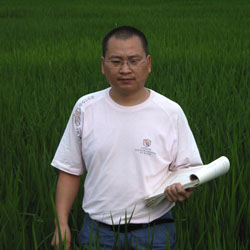 Bingtian Ma (马炳田)合作论文数四川农业大学水稻研究所9
 Yuping Wang (王玉平)合作论文数College of Agronomy, Sichuan Agricultural University;Rice Research Institute of Sichuan Agricultural University;State Key Laboratory of Crop Gene Exploration and Utilization in Southwest China, Sichuan Agricultural University9
 Ting Li (李婷)合作论文数College Of Resources, Sichuan Agricultural University9Rui Xie合作论文数8Jiufeng Chai合作论文数6陈涛合作论文数四川农业大学生命科学学院6Jingting Zhou合作论文数5
 Mingqing Gao (高明清)合作论文数School of Medicine, Northwest University5Hongxia Tu合作论文数4Lei Wang合作论文数4Xiuxiu Li合作论文数4
 Zhong Zhaohui (仲昭晖)合作论文数Dept Biotechnol, Univ Elect Sci & Technol China4
 Yong Zhang (张涌)合作论文数College of Veterinary Medicine, Northwest A & F University4
 Chengzhi Liang (梁承志)合作论文数中国科学院遗传与发育生物学研究所4Yan Ma合作论文数4Lan Ma合作论文数3Yan Feng合作论文数3Tai Tian (田泰)合作论文数3Liang Luo合作论文数3Xixi Wang合作论文数3Liu Congli合作论文数3
 Zhuo Chen合作论文数3
 Qiang Gao (高强)合作论文数School of Biomedical Sciences, Hunan University3Shaopei Qi合作论文数2Zhengyan Xu合作论文数2Qinqin Wu合作论文数2WANG ZhiYi (王旨意)合作论文数2
 Zhiqiang Chen合作论文数2Shijun Fan合作论文数2




