ABSTRACT Background Cardiovascular disease, chronic respiratory diseases, diabetes and cancer (referred to as NCD4), the four main groups of non‐communicable diseases (NCDs) and common mental disorders (CMDs) are key NCDs with shared risk factors, often established in youth. University students, known for their unhealthy lifestyles, represent a critical population for early intervention. However, few studies have examined their NCD risk profile. Aim To assess self‐reported NCD4, CMDs, metabolic and lifestyle risk factor prevalence and the latent risk profiles present in a South African university student population. Methods This cross‐sectional descriptive study used 2021–2023 data from the MaRooN Health Passport, an online health survey emailed to one university (n = 3252). Latent class analysis (LCA) identified naturally occurring subgroups based on NCDs, metabolic and lifestyle risk factor patterns. Results Most participants had a median age of 21, were women (59.7%), undergraduates (76.5%) and attended non‐medical faculties (82.2%). The overall NCD prevalence was 52.5%. Chronic respiratory diseases (34.7%), CMDs (31.2%), raised body mass index (35.4%) and various lifestyle risk factors were prevalent. LCA identified three latent risk profiles. Although poor nutrition and alcohol use were common across groups, stress‐related factors (psychological distress, poor sleep and CMDs) differentiated the moderate‐ (28.7%) and higher risk (14.8%) groups from the lower risk group (56.5%), with increased substance use uniquely marking the higher risk group. NCDs and lifestyle risk factor prevalence and profiles differed according to gender. Conclusion The characteristics of the latent risk profiles and NCD distribution identified in this study position university students as an ‘early‐risk’ population. Co‐occurring stress‐related factors and increased substance use characterised the higher risk group, whereas poor diet was common across profiles. Despite limitations, these findings highlight specific modifiable risk factors that can be addressed in this low‐resource setting by combining population‐level nutrition strategies with targeted, multi‐behavioural interventions focusing on stress‐related factors and substance use to improve student health.
BACKGROUND:Differences in maturity status between athletes may affect selection to development programmes. Data supporting this are limited for low- and middle-income countries. AIM:This exploratory study aimed to describe the maturity by country, sport and position/event, using data from a convenience sample of South African and German adolescents selected to competitive football (soccer) and athletics (track and field) programmes, and school learners from the same geographical area. SUBJECTS AND METHODS:We included skeletal age estimates from BAUSport ultrasound assessments of 233 girls (age 10-15 years) and 483 boys (age 10-17 years). RESULTS:South African boys in the athletics group were advanced in maturity compared to football players, who were advanced compared to school learners. Similar patterns could be seen for South African girls (data only available for athletics vs. school learners). German female football players were less mature than the athletics and school samples, with no apparent differences between German male groups. South African boys and girls were delayed in maturity compared to German participants. CONCLUSION:Our observations may inspire future research aiming to understand the maturity of athletes in development pathways in South Africa using more robust study designs. Such studies should include a suitable control group.
OBJECTIVES:To compare head acceleration between blind football players and non-disabled football players, and between anticipated and unanticipated conditions in blind football players. DESIGN:Laboratory-based exploratory study. METHODS:Participants were ten football players (five blind football, five non-disabled; 80% female). Standardized head perturbations were applied in flexion, extension, lateral flexion, and rotation using a custom-built apparatus, under both anticipated and unanticipated conditions. Peak linear (g) and angular (rad/s2) head accelerations were measured. RESULTS:Between-group comparisons did not reveal statistically significant differences; however, a descriptive pattern was observed for peak angular acceleration during rotational perturbations, with blind football players demonstrating higher values in both anticipated (44.75 ± 4.38 vs. 38.09 ± 7.20 rad/s2; p 0.12) and unanticipated (48.0 ± 4.8 vs. 40.9 ± 5.5 rad/s2; p 0.06) conditions. In blind football group, unanticipated perturbations produced higher accelerations than anticipated, with the largest descriptive differences observed in lateral flexion for both peak linear (0.25 ± 0.03 vs. 0.21 ± 0.03 g; p 0.00) and angular accelerations (21.73 ± 4.71 vs. 18.36 ± 6.45 rad/s2; p 0.24). CONCLUSIONS:Descriptively higher peak angular acceleration during rotational trials was observed in blind football compared to non-disabled football players, alongside consistently higher head accelerations in unanticipated than anticipated conditions. While the observed patterns suggest that anticipatory control may influence head acceleration responses, adequately powered studies are needed to confirm the observed directional trends in angular head acceleration between blind football and non-disabled football players and clarify their implications for sport-related concussion prevention strategies in blind football.
OBJECTIVES:Athletes competing in blind football have consistently been highlighted as at risk for injuries and potential concussions. This study described the incidence of injuries sustained by athletes competing in blind football (Football 5-a-side) at the London 2012, Rio 2016 and Tokyo 2020 Paralympic Games. This study described injury proportions and incidences by age, period of competition, onset and mechanism, anatomical area, final diagnosis, and anticipated time loss. METHODS:This study was a sub-study of the ongoing Paralympic Injury and Illness Surveillance studies conducted at the Paralympic Games. Frequencies, proportions, and univariate unadjusted incidences were reported per 1000 athlete days. RESULTS:Sixty injuries in 49 athletes were reported over the three Paralympic Games, with an incidence of 21.5 injuries per 1000 athlete days. The highest incidences were reported in athletes >35 years (25.8); during the competition period (25.0); and the lower limb (11.0). The second highest incidence was reported for the head, face, and neck injuries (4.4). Most injuries were acute sudden onset (16.0) with direct contact (56%), the main mechanism of injury. No confirmed concussions were reported. Diagnoses varied across anatomical areas and most injuries (61%) resulted in no time loss. CONCLUSIONS:This study shows that acute head and lower limb injuries occurring during the competition period are common in blind footballers. There is a need for targeted prevention strategies to mitigate the incidence of acute injuries during active competition. This is especially true for potential concussions, which are suspected to occur in blind football despite low recognition or reporting. Improvement in concussion detection and reporting protocols are crucial to safeguard athletes in the future.
OBJECTIVE:To describe the epidemiology of injuries and illnesses at the Paris 2024 Paralympic Games. METHODS:Injuries and illnesses were recorded daily via a web-based injury and illness surveillance system and local organising committee medical facilities. Adjusted incidences (injuries/illnesses per 1000 athlete days; 95% CIs), injury prevalence (IP; %) and injury burden (days lost per 1000 athlete days; 95% CIs) are reported. RESULTS:In total, 4450 athletes (1978 female; 2472 male) from 163 National Paralympic Committees were monitored prospectively during the 14-day Games period (62300 athlete days). A total of 535 injuries (IP=10.9%) were reported in 485 athletes, with an incidence of 8.6 (7.9-9.4). Taekwondo (27.3 (20.7-35.8)), football 5-a-side (22.3 (14.4-37.7)) and sitting volleyball (19.9 (14.8-26.7)) showed higher incidences of injury compared to other sports (p<0.001). Injury burden was 8.5 (6.5-11.1) and 19.1% of injuries resulting in time loss from training/competition. The highest burden was observed in taekwondo (64.3 (35.9-115.2)) and football 5-a-side (23.4 (6.2-88.3)). A total of 520 illnesses were reported in 467 athletes (IP=10.5%), with an incidence of 8.3 (7.6-9.1). Illness incidence for female athletes (10.6 (9.4-11.9)) was higher than recorded for male athletes (6.6 (5.7-7.5)); p<0.001 and higher in triathlon (18.2 (12.6-26.7)) compared to other sports (p<0.05). CONCLUSION:The incidence and burden of injury in taekwondo and football 5-a-side were significantly higher compared with other sports at the Paris 2024 Paralympic Games. The highest incidence of illness was observed in triathlon and female athletes had a higher illness incidence than male athletes.
Para Alpine skiing is one of the largest sports at the Paralympic Winter Games. Recent studies report high injury rates in this sport. However, limited evidence exists regarding sport-specific injury characteristics, which is essential for targeted prevention. The aim of this study was to describe the overall incidence proportion and incidence of injuries reported by athletes participating in Alpine skiing at the Sochi 2014, PyeongChang 2018, and Beijing 2022 Paralympic Winter Games, and to describe injuries by sex, age, impairment, competition period, onset (chronicity), anatomical area, and estimated injury burden. Prospective epidemiological data regarding injuries at the three Paralympic Games (including 486 athletes and 6002 athlete days) were reported by medical staff through the validated web-based injury and illness surveillance system (WEB-IISS) and Paralympic polyclinics. Data were coded and analyzed according to the IOC Para consensus statement using descriptive and analytical statistics (incidence, incidence proportion with 95% CIs, and generalized linear Poisson's regression modeling). The overall injury incidence was 29.4 (95% CI 24.9-34.6) injuries per 1000 athlete days, with an incidence proportion of 28.4%. Injury incidence was significantly higher in the pre-competition period (54.4; 95% CI 42.5-69.7) compared with the competition period (21.2; 95% CI 17.2-26.1). Acute injuries predominated, with 24% of athletes sustaining at least one acute injury during the Games. The head/face/neck (24%) and knee (20%) were most affected. Common mechanisms included collisions and loss of control. Ten percent of injuries resulted in > 28 days of expected time loss, and the overall injury burden was 70.6 days lost per 1000 days. No difference in injury incidence was found with regards to sex and age. Athletes with limb deficiency reported the highest injury proportions, followed by those with spinal cord injury. Across three Paralympic Games, nearly one-third of Para Alpine skiers sustained an injury. These findings highlight a need for enhanced prevention strategies, particularly those targeting the high-risk pre-competition period and focusing on mechanisms to protect the head/face/neck and knee.
ObjectiveLongitudinal health monitoring studies, including Para athletes, are lacking in low- and middle-income countries. This study aimed to introduce a surveillance program developed for Swedish Para athletes to high-level South African Para athletes and describe their self-reported health outcomes.DesignUsing a prospective cohort design, we distributed weekly electronic surveys to Para athletes for 88 wks. These included questions relating to training (e.g., volume, intensity), health (e.g., pain, injury, illness, symptoms of anxiety or depression), and lifestyle (e.g., diet, sleep).ResultsOf 28 recruited athletes, 21 responded to >= 1 survey (13 males and 8 females; 42.6% response rate). During an average week, 50% of athletes experienced mild-to-severe pain, 25% reported a new or ongoing injury or illness, 69% slept less than 8 hrs per night, and 20% reported symptoms of anxiety or depression. The overall injury incidence was 3.1 per 1000 hrs.ConclusionsLongitudinal health monitoring is challenging in low- and middle-income countries, and each setting's unique barriers and facilitators must be explored and acknowledged if such programs are to be sustained. Our data suggest that pain, injuries, illnesses, and symptoms of anxiety or depression are common among high-level South African Para athletes and efforts should be made to manage these.
OBJECTIVE:To qualitatively explore the perceptions of Para athletes, coaches and stakeholders of the implementation, use and effects of the health promotion intervention 'Safe and Healthy Para sport' (SHAPE). A secondary aim was to explore participants' perceptions of how safety and health in Para sport could be further developed. METHODS:As part of a process evaluation, this qualitative, descriptive study applied a thematic analysis approach. In total, 18 participants (athletes, coaches and staff) from Sweden and South Africa participated in three focus groups. RESULTS:Three themes were generated from the focus groups: 'how to reach every Para athlete in implementation and use', 'proactive athlete growth and support', and 'opportunities for sustainable Para sport'. Participants perceived that the SHAPE intervention was end-user friendly and that it was difficult to find health promotion material for Para athletes elsewhere. Athletes had used the health information to recover from injuries, and their awareness of mental health conditions had increased. Athletes also identified a need for more individualised content, but some athletes were not aware of the health platform. It was suggested that health promotion in Para sport could be better facilitated by peer support. The weekly athlete health monitoring fostered a sense of accountability both among athletes and within the sports organisation, but participants still perceived that medical evaluations are mostly neglected in Para sport and voiced a need to strengthen medical and economic support structures. CONCLUSION:Health promotion can be used to improve health and well-being among Para athletes. However, it was challenging to reach out to the individual athlete, suggesting that health promotion should be implemented in each layer of the socioecological model within Para sport.
The absence of agreed methods to diagnose Achilles tendinopathy impedes research and clinical practice. This gap results in heterogeneous and/or poorly described study samples, making it challenging to apply findings in clinical practice. The aim of this Delphi study was to define consensus on (1) diagnostic domains; (2) differential diagnoses; and (3) conditions requiring further medical attention, when assessing for Achilles tendinopathy.We conducted a sequential three-stage process which included: (1) identifying diagnostic domains, differential diagnoses and conditions requiring further medical attention based on existing scoping reviews and clinical practice guidelines; (2) developing Delphi survey questions; and (3) administering a five-round Delphi online survey. Consensus was defined as ≥70% agreement.52 participants completed the surveys. Four diagnostic domains were deemed essential and reached consensus (pain location (93%); pain during activity (97%); tests that provoke pain (87%); palpation to assess pain (83%)). 15 differential diagnoses reached consensus: 2 for both midportion and insertional (partial tear (80%); posterior ankle impingement (78%)), 6 for midportion (plantaris tendinopathy (84%); tibialis posterior or flexor hallucis longus tendinopathy/tenosynovitis (72%); flexor digitorum longus tendinopathy (77%); accessory soleus muscle (74%); paratendinopathy (86%); sural nerve neuropathy (81%)) and 7 for insertional (superficial (88%) and retrocalcaneal bursitis (86%); Haglund's/calcaneal exostosis (80%), intratendinous calcifications (73%); Sever's disease (78%); calcaneal stress reaction/fracture (80%); subtalar/ankle pain (71%)). Six conditions requiring further medical attention reached consensus: (Achilles tendon rupture (83%); systemic inflammatory joint disease (86%); metabolic syndrome (75%); familial hypercholesterolaemia (77%); endocrine and hormonal disorders (80%); drug reactions (77%)).This consensus identified essential diagnostic domains, differential diagnoses and conditions requiring further medical attention that should be considered when assessing for Achilles tendinopathy.
OBJECTIVES:Athlete self-reporting is a common approach for monitoring health problems in sports and the Oslo Sports Trauma Research Center Questionnaire on Health Problems v2 (OSTRC-H2) is a popular choice. The questionnaire was, however, not developed for adolescent athletes. This can limit the usefulness of the questionnaire in practice and compromise data quality in research studies. DESIGN:Adaptation of a self-report measure and qualitative data analysis. METHODS:Through cognitive interviews of South African athletes (seven boys and three girls, aged 10-18 years), we aimed to understand how adolescents comprehend the concepts included in the questionnaire and provide an adapted version of the OSTRC-H2 for adolescent athletes. RESULTS:Our findings indicated that although adolescents can provide relevant examples of injuries, illnesses and health problems, there is a variation in how these are understood. More severe health problems, and those with persisting symptoms at the time of responding, are more likely to be captured. Smaller, resolved and mental health problems are likely to be underreported. Not all concepts addressed in the questionnaire were fully comprehended by participants; these required text modifications and addition of specific examples. CONCLUSIONS:Whilst we embed new definitions and additional examples in our adapted questionnaire, we highlight the importance of explaining the purpose of the questionnaire, and the problems it aims to capture, when distributed to young athletes. The version we provide may be considered appropriate for other adolescent populations elsewhere, however, we encourage researchers and practitioners to further validate the questionnaire prior to use.
OBJECTIVE:To systematically review and synthesise the incidence and characteristics of injuries and illnesses among athletes participating in the Olympic, Youth Olympic and Paralympic Games. DESIGN:Systematic review and meta-analysis. DATA SOURCES:PubMed, Embase, CINAHL, Scopus and Web of Science were searched up to 2 July 2024, and Google Scholar, ClinicalTrials.gov and WHO International Clinical Trials Registry Platform up to 12 December 2023. ELIGIBILITY CRITERIA FOR SELECTING STUDIES:Cohort studies conducted during the Games reporting injuries and illnesses among athletes. Risk of bias was assessed using the Joanna Briggs Institute critical appraisal tool for prevalence studies, and certainty of evidence using the Grading of Recommendations, Assessment, Development and Evaluation framework. RESULTS:27 articles were included (10 Olympic, 4 Youth Olympic and 13 Paralympic Games). 23 articles had low, 3 moderate and 1 high risk of bias. Certainty of evidence was high to moderate for Olympic, high to low for Youth Olympic and low for Paralympic Games. Injury incidences per 1000 athlete-days were 6.5 (95% CI 5.9 to 7.2) during Olympic, 10.5 (95% CI 9.4 to 11.8) during Youth Olympic and 14.3 (95% CI 9.9 to 20.7) during Paralympic Games. Illness incidences per 1000 athlete-days were 3.6 (95% CI 2.8 to 4.7), 6.9 (95% CI 6.1 to 7.8) and 9.7 (95% CI 6.5 to 14.4), respectively. Lower limb injuries were frequent during Olympic and Youth Olympic Games, upper limb injuries during Paralympic Games and respiratory illnesses across all Games cohorts. CONCLUSIONS:Injury and illness incidences were highest in Paralympic Games, followed by Youth Olympic and Olympic Games. Incidences and patterns of injury and illness were sport and context specific, which could inform future prevention strategies. PROSPERO REGISTRATION NUMBER:CRD42023475334.
OBJECTIVE:The objective of the present study was to describe eye illness among athletes with disability. DESIGN:Prospective cohort study. SETTING:Sochi 2014 and Pyeongchang 2018 Paralympic Winter Games. PARTICIPANTS:Five hundred forty-seven athletes over 12 days (6564 athlete days) at Sochi 2014 and 567 athletes over 12 days (6804 athlete days) at Pyeongchang 2018 Paralympic Winter Games. INTERVENTIONS:All athletes with eye illnesses presented themselves to the team physicians via the WEB-IISS and/or polyclinic staff via the local polyclinic services (ATOS system). MAIN OUTCOME MEASURES:Incidence of eye illnesses per 1000 athlete days. Descriptive statistics, including the number and proportion of illnesses, broken down by sport, age, sex, type of impairment, medical diagnosis, medical decision, and anticipated time loss (in days). RESULTS:Seventy five percent of eye illnesses were reported in male Para athletes. Athletes participating in Ice hockey (61%) accounted for two-thirds of all eye illnesses across all sports reported during the 2 Winter Games. Most eye illnesses were reported in athletes with limb deficiency (66%), visual impairment (21%), and spinal cord injury (10%). Environmental eye illnesses (24%), allergic conjunctivitis (21%), corneal erosion (7%), and infective conjunctivitis (7%) were the most frequently reported diagnoses. CONCLUSION:Eye illnesses are prevalent in the Paralympic Winter Games across athletes of various ages and genders, with a higher incidence observed among male Para athletes. Ice hockey was highlighted as the sport with the highest reported cases of eye illnesses, with conditions affecting various anatomical areas of the eye.
Background The interest in elite athletes’ mental health has increased over the past decade. However, there is still a paucity in the literature concerning elite Para athletes’ mental health and its association with injuries and illnesses affecting athletes’ participation in sports.Objective To assess the weekly prevalence of mental distress and its association with injury, illness, sleep duration, hours of participation in sports and perceived exertion over a 44-week period in a cohort of Swedish elite Para athletes. A secondary aim was to describe the period prevalence of mental distress.Methods This was a prospective longitudinal study including 59 Swedish elite Para athletes with physical, visual and intellectual impairments. Each week athletes reported mental distress according to ‘The four-item Patient Health Questionnaire for Anxiety and Depression’ (PHQ-4), sleep duration, hours of sports participation, perceived exertion as well as any new injury or illness. Descriptive statistics and multilevel regression analyses were used to analyse data.Results The weekly prevalence was 15% for symptoms of anxiety, and 21% for depressive symptoms. The 44-week period prevalence was 58% for anxiety, and 42% for depressive symptoms. Multilevel logistic regression analyses revealed significant associations between reporting symptoms of mental distress with an ongoing injury, illness, and low sleep duration.Conclusion Elite Para athletes report a moderate rate of symptoms of anxiety and depression, and there were associations between reporting mental distress and experiencing an injury or illness affecting athletes’ participation in sports. The findings highlight the importance of longitudinal mental health monitoring and multidisciplinary support systems targeting those athletes reporting mental distress, injury or illness.
 Martin Schwellnus合作论文数103
 Runciman Phoebe合作论文数From the UCT/MRC Research Unit for Exercise Science and Sports Medicine, University of Cape Town;International Olympic Committee Research Centre;and Department of Sport Science, Stellenbosch University49
 Tim Noakes合作论文数Department of Applied Design, Cape Peninsula University of Technology46
 Cheri A Blauwet合作论文数Spaulding Rehabilitation Hospital and the Brigham and Women's Hospital, Harvard Medical School41
 Esme R Jordaan合作论文数Department of Statistics and Population Studies, University of the Western Cape40
 Nick Webborn合作论文数Ctr Sport & Exercise Sci & Med SESAME, Univ Brighton36
 Marelise Badenhorst合作论文数Institute of Sport and Exercise Medicine (ISEM) Division of Orthopaedic Surgery, Stellenbosch University30
 Jan Lexell合作论文数Lunds Universitet;Skånes Universitetssjukhus Med Medicinskt;Rehabilitation Medicine Research Group28
 Pierre Viviers合作论文数23
 Carolyn Emery合作论文数Faculty of Kinesiology, University of Calgary23
 Kristina Fagher合作论文数Department of Health Sciences, Lund University22
 Peter Van de Vliet合作论文数21
 James Brown合作论文数Leeds Beckett University19
 Martin Heine合作论文数Institute of Sport and Exercise Medicine, Stellenbosch University17
 Yumna Albertus合作论文数Physical Activity, Lifestyle and Sport Research Centre (HPALS),, University of Cape Town16
 Lars Engebretsen合作论文数Oslo University Hospital;Division of Orthopaedic Surgery, Institute of Clinical Medicine, Faculty of Medicine, University of Oslo16
 c nossel合作论文数14Dn Patel合作论文数14
 Mike Ian Lambert合作论文数Division of Exercise Science & Sports Medicine, Department of Human Biology, University of Cape Town14
 Lovemore kronos Kunorozva合作论文数Faculty of Science, University of Cape Town14
 Jaap Stomphorst合作论文数14
 Evert Verhagen合作论文数Department of Public and Occupational Health, Amsterdam University Medical Center14S Whitesman合作论文数13James Kissick合作论文数13
 Leslie Swartz合作论文数Department of Psychology, Stellenbosch University13Susan D. Hanekom合作论文数13Caroline F. Finch合作论文数13m dreyer合作论文数12Sonja Swanevelder合作论文数12
 Lauren Fortington合作论文数School of Medical and Health Sciences, Edith Cowan University;University of Sydney11
 Jason Bantjes合作论文数Department of Psychology, Stellenbosch University11
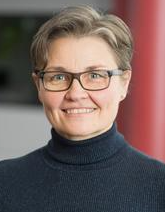 Kati Pasanen合作论文数Faculty of Kinesiology, University of Calgary;McCaig Institute for Bone and Joint Health, University of Calgary;Alberta Children's Hospital Research Institute, University of Calgary11
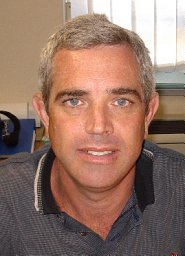 Malcolm Collins合作论文数UCT/MRC Research Unit for Exercise Science and Sports Medicine, South African Medical Research Council11Sean Surmon合作论文数10
 Lindsay Starling合作论文数10
 Nicola Sewry合作论文数International Olympic Committee (IOC) Research Centre10
 Stuart Willick合作论文数10
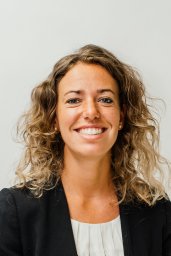 Eken Maaike M合作论文数MOVE Research Institute, VU University Medical Center;Heliomare Rehabilitation, Research and Development;MOVE Research Institute, VU University Medical Center10Claire Shackleton合作论文数8M. Emms合作论文数8
 Robert Evans合作论文数Physical Activity, Lifestyle and Sport Research Centre (HPALS),, University of Cape Town8Richard Weiler合作论文数8
 Richard Budgett合作论文数8
 Suzanne Ferreira合作论文数8Sacha J. West合作论文数Department of Human Biology, University of Cape Town8
 Babette M. Pluim合作论文数Medical Dept, Royal Dutch Lawn Tennis Association (KNLTB)8
 Alan St Clair Gibson合作论文数MRC/UCT Bioenergetics of Exercise Research Unit, Sport Science Institute of South Africa8
 Keith Stokes合作论文数Department of Sport and Exercise Science, University of Bath8




