The secure and efficient sharing of geographic spatial data is crucial for applications in urban planning, disaster management, and environmental monitoring. However, conventional access control systems face scalability, security, and transparency problems in a distributed environment. This paper proposes a new framework that marries attribute-based access control with blockchain technology and smart contracts for fine-grained, decentralized, and tamper-proof data sharing. This paper introduces a new framework which combines Attribute-Based Access Control (ABAC), blockchain technology, smart contracts, and an upgraded Black-winged Kite (UBK) algorithm. Access regulations and audit logs are stored on a private blockchain using a Proof-of-Authority consensus mechanism for immutability and transparency. Experimental results show that the proposed method reduces evaluation policy time by 70% and storage overhead by 52% compared to the traditional attribute-based access control, while achieving 98.2% accuracy in access decisions. The performance test shows evaluation time and storage increase linearly, thus proving appropriate large-scale deployment. The combination of blockchain and smart contracts guarantees security-auditable and automated enforcement of access policies without needing a central authority.
Lightweight block ciphers, with their advantages of low computational complexity and minimal storage overhead, have become a key technology to address the dual challenges of data security and resource limitations in IoT edge devices. However, due to the advancement of computing power and cryptanalysis techniques, they face severe security threats. In this case, we introduce Dawn, a lightweight block cipher with both design and implementation security. Design-wise, Dawn is the first to employ an involutory linear layer with optimal diffusion properties, enabling higher security with fewer rounds compared to existing designs. Specifically, it utilizes the lightest involutory MDS matrix on M4(4,F2) to achieve local optimal diffusion. To prevent diffusion from being constrained to fixed substructures, we model the ShuffleCells operation rules and then select those that are more immune to differential and linear cryptanalysis. For the nonlinear component of Dawn, we propose an involutory structure and select one with strong cryptographic properties and that is easy to implement. Additionally, we design a two-branch key schedule for Dawn. Implementation-wise, we provide a first-order masking scheme for Dawn’s S-box to break the statistical correlation between sensitive variables and physical leakages.
Lightweight block ciphers can effectively ensure communication security between devices in the Internet of Things (IoT). Differential cryptanalysis is a classical method for evaluating their security. Recently, there has been a notable rise in the use of deep learning techniques for cryptanalysis. To this end, we construct differential neural distinguishers with higher accuracy and stronger generalization ability for the classic cryptographic algorithms PRESENT and SKINNY. First, we combine convolutional neural networks (CNN) with multilayer perceptrons (MLP). This design significantly enhances the synergistic representation of local and global features by optimizing feature interaction mechanisms. Further, we propose a channel attention mechanism called GA-CAM (Global Average and Max pooling-Channel attention module) to improve the model's focus on critical channel features and better capture channel fine-grained information. In order to enhance the model's distinguishing capability, we introduce a refined training strategy that combines the RectifiedAdam optimizer with a cyclic learning rate (CLR). Experimental results indicate that our model achieves higher accuracy and, for the first time, obtains 8- and 9-round distinguishers for the SKINNY64/64 cipher. Importantly, our model also demonstrates stronger generalization ability, achieving better accuracy across various input differences.
With the increasing proliferation of Internet of Things (IoT) devices, resource-constrained devices such as wireless sensors have become widely used, and the transmission of sensing data is increasingly vulnerable to security threats. In response to these challenges, lightweight block cipher algorithms offer an effective solution. Involutive lightweight block cipher (IVLBC) is a novel involutory lightweight block cipher based on the substitutionpermutation (SP) structure proposed by Huang et al. (2022). In order to evaluate and enhance the security of the IVLBC algorithm in IoT sensor applications and ensure its effectiveness in withstanding potential attacks, this article conducts an in-depth study of its resistance to integral cryptanalysis. By improving the modeling method for complex linear layers and utilizing a mixed-integer linear programming (MILP) model based on bit-based division property to automate the search for division trails, a nine-round integral distinguisher for IVLBC was proposed for the first time. Furthermore, a ten-round integral distinguisher is developed by leveraging the structural characteristics of its binary diffusion layer. Based on this, this article conducts a 14-round key-recovery attack on IVLBC, with a data complexity of 263 chosen plaintexts and a time complexity of 271.197 times 14-round encryption. This represents the longest integral cryptanalysis on IVLBC to date. Our analysis shows that the 29-round IVLBC still provides a sufficient security margin for applications in IoT sensors.
With the rapid growth of the Internet of Things (IoT), designing lightweight block ciphers has become essential for securing resource-constrained devices. This necessitates a balance among low-cost implementation, diffusion, and security. To address this challenge, we propose a novel lightweight block cipher named LIBC, which has a 64-bit block size supporting 128-bit keys. In the nonlinear layer, we develop a four-round structure to design optimal 4-bit S-boxes, generating 8,832 S-boxes that provide excellent security and compact hardware overhead. To balance diffusion with resource efficiency, we use a 4 x 4 almost MDS matrix and introduce a type of optimal involutive nibble-based permutations based on SAT. This ensures that LIBC achieves full diffusion within the minimal rounds while providing the required security. Combining the above design, LIBC's encryption and decryption circuits become nearly identical, requiring only 24 additional XOR gates for decryption. Experimental results show that LIBC exhibits strong diffusion and avalanche characteristics, providing sufficient security against various known attacks. Regarding hardware performance, the single-round iteration of the internal state in LIBC occupies only 10.05 GE per bit, which is superior compared to the round-based implementations of Midori, PRESENT, RECTANGLE, etc.
At CRYPTO 2019, Gohr applied deep learning to differential cryptanalysis of SPECK32/64, achieving identification accuracy surpassing that of traditional differential distinguishers. This achievement offers new perspectives for data security and privacy protection in the Internet of Things (IoT). However, existing research still faces challenges such as limited model accuracy and excessive computational resource consumption. To address these issues, we propose a novel enhanced model of differential neural distinguishers that balances high accuracy with low computational overhead. Initially, an innovative data feature extraction strategy is designed by introducing the skip connection mechanism to effectively integrate both linear and non-linear features extracted from the raw data. This allows the model to better approximate the internal mechanisms of cryptographic algorithms. Subsequently, based on the positional relationships of non-linear components within round functions and the diffusion properties of linear components, an original input data format selection strategy is proposed. We employ the multi-pair data augmentation strategy, significantly improving the model’s identification accuracy and generalization capabilities. Additionally, we pioneer the integration of an Efficient Channel Attention (ECA) module, to curtail the number of residual blocks required, thereby effectively reducing computational load. Furthermore, leveraging the algebraic expressions of cryptographic ciphers and the propagation characteristics of differential features, we develop a fast neutral bit search algorithm that enhances the efficiency of the key recovery process. Taking SIMON32/64 as an example, we successfully demonstrate a key recovery attack for 16 rounds with an accuracy rate of 80%.
Lightweight block ciphers are proposed for Internet of Things (IoT) edge devices to ensure secure data transmission with limited resources. However, past research has been designed on ideal channel models, disregarding the possibility of ciphertext errors caused by channel interference during actual transmission. This omission poses difficulties in ensuring the reliability of the ciphertext, especially in the Internet of Medical Things (IoMT) where resources are limited and data accuracy requirements are high. Designing a highly secure and reliable lightweight block cipher for such situations is one of the most challenging tasks. Hence, we propose a lightweight block cipher ECLBC with error detection and correction mechanisms. For security, ECLBC not only achieves a certain security level in fewer rounds but also achieves a mode transition within AND-Rotation-XOR (AND-RX) lightweight block ciphers. This transition involves a shift from the Feistel to the Substitution-Permutation Network (SPN) and from half-round key XOR to full-round key XOR. For reliability, ECLBC supports detecting and correcting erroneous ciphertext due to channel interference. Given the resource-constrained nature of IoMT devices, we implement the detection and correction mechanism of ECLBC based on the linear block code. Finally, various classical cryptography methods are employed to analyze the performance and security of the ECLBC.
Along with the popularity of mobile Internet and smart applications, more and more high-dimensional sensor data have appeared, and these high-dimensional sensor data have hidden information about system performance degradation, system failure, etc., and how to mine them to obtain such information is a very difficult problem. This challenge can be solved by anomaly detection techniques, which is an important field of research in data mining, especially in the domains of network security, credit card fraud detection, industrial fault identification, etc. However, there are many difficulties in anomaly detection in multivariate time-series data, including poor accuracy, fast data generation, lack of labeled data, and how to capture information between sensors. To address these issues, we present a mutual information and graph embedding based anomaly detection algorithm in multivariate time series, called MGAD (mutual information and graph embedding based anomaly detection). The MGAD algorithm consists of four steps: (1) Embedding of sensor data, where heterogeneous sensor data become different vectors in the same vector space; (2) Constructing a relationship graph between sensors using their mutual information about each other; (3) Learning the relationship graph between sensors using a graph attention mechanism, to predict the sensor data at the next moment; (4) Compare the predicted values with the real sensor data to detect potential outliers. Our contributions are as follows: (1) we propose an unsupervised outlier detection called MGAD with a high interpretability and accuracy; (2) massive experiments on benchmark datasets have demonstrated the superior performance of the MGAD algorithm, compared with state-of-the-art baselines in terms of ROC, F1, and AP.
ABSTRACTShadow is a lightweight AND‐RX block cipher adapted for resource‐constrained devices. In this paper, software and hardware optimizations are proposed respectively for Shadow to enhance its implementation performance. For software optimization, this paper first proposes a data pre‐processing scheme based on the structural characteristics of the round function. It further improves the optimization effect of the barrel shifter instruction while simplifying the implementation process of the round function. Note that the optimization strategy is also applicable to other AND‐RX ciphers. Secondly, this paper proposes a new NX operation implementation scheme that can effectively reduce its instruction cycles. In round‐based architecture, experimental results show that our scheme effectively reduces code size by 24.7%, Flash consumption by 12.6%, and total instruction cycles by 25.1%. Meanwhile, in the fully unrolled architecture, our scheme reduces code size by 30.8%, Flash consumption by 29.8%, and total instruction cycles by 28.1%. For hardware optimization, this paper proposes a low‐resource implementation scheme by constructing a generic formula for NX operation. In ASIC implementation, our scheme reduces hardware resources by 72.3%. In FPGA implementation, the number of LUTs and Slices is reduced by 30% and 28.6%, respectively. Overall, the proposed optimization scheme for Shadow has better performance in hardware and software implementation.
Matrix multiplication computation (MMC) is one of the most important basic operations with a variety of applications in the scientific and engineering community, including linear regression, k-nearest neighbor classification and biometric identification. However, performing these tasks with large-scale datasets can result in significant computation beyond the capabilities of resource-constrained clients. As outsourcing intensive tasks to cloud server has become a promising method, many matrix-transformation-based privacy-protected schemes have been presented for certain outsourcing tasks, such as Lei et al's scheme for the outsourcing MMC task and Zhao et al's scheme for matrix determinant computation. Nevertheless, Lei et al's scheme suffers from inherent security flaws that reveal the statistical information of zero elements in the original data. Additionally, Zhao et al's scheme can only be applied to specific outsourced tasks and is not suitable for more universal situations, such as MMC, where the client needs to compute the inverse matrix of the secret key. Therefore, designing an invertible matrix is a difficult task that affects privacy security, efficiency, and universality of the matrix-transformation-based privacy-protected outsourcing computing scheme. To address this challenge, we propose a subtly designed invertible matrix (SDIM) and a privacy-protected outsourcing MMC scheme based on the SDIM to remedy the inherent security flaws of Lei et al's scheme. We also propose an optimized matrix-chain multiplication method to maintain high efficiency of the SDIM-based privacy-protected scheme. This optimization also allows the SDIM to be universally applied not only to MMC tasks but also to other related outsourced tasks such as linear regression. Theoretical analyses and experiments show that our methods are more secure in terms of data privacy, with comparable efficiency to the state-of-the-art scheme based on matrix transformation. This SDIM-based scheme has achieved a well-balanced trade-off between security, efficiency and universality.
A crucial area of study in data mining is outlier detection, particularly in the areas of network security, credit card fraud detection, industrial flaw detection, etc. Existing outlier detection algorithms, which can be divided into supervised methods, semi-supervised methods, and unsupervised methods, suffer from missing labeled data, the curse of dimensionality, low interpretability, etc. To address these issues, in this paper, we present an unsupervised outlier detection method based on quantiles and skewness coefficients called ISOD (Interpretable Single dimension Outlier Detection). ISOD first fulfils the empirical cumulative distribution function before computing the quantile and skewness coefficients of each dimension. Finally, it outputs the outlier score. This paper’s contributions are as follows: (1) we propose an unsupervised outlier detection algorithm called ISOD, which has high interpretability and scalability; (2) massive experiments on benchmark datasets demonstrated the superior performance of the ISOD algorithm compared with state-of-the-art baselines in terms of ROC and AP.
In the era of big data, one of the most critical challenges is ensuring secure access, retrieval, and sharing of linked spatiotemporal data. To address this challenge, this paper introduces a groundbreaking blockchain-enabled evolutionary indirect feedback graph algorithm for the secure management of interconnected spatiotemporal datasets. The algorithm utilizes a generative neural network model for data imputation, predicting and generating plausible values to improve dataset completeness and integrity. The core architecture utilizes blockchain technology to optimize data retrieval efficiency and uphold robust access control mechanisms. The algorithm incorporates indirect feedback mechanisms, allowing users to provide implicit feedback through their interactions, enhancing the relevance and efficiency of data retrieval. In addition. sophisticated graph-based techniques are used to model intricate relationships between data entities, facilitating seamless data retrieval and sharing in interwoven datasets. The algorithm’s data security approach includes comprehensive access control mechanisms, encryption, and authentication mechanisms, safeguarding data confidentiality and integrity. Extensive evaluations show significant enhancements in retrieval performance and access control precision, making the proposed model a promising solution for the secure management of expansive interconnected spatiotemporal data.
Geographic information data finds extensive applications at both the national and societal levels. The decentralized nature of blockchain technology facilitates trust among participants, eliminating the need for centralized institutions and offering a reliable database for many-to-many sharing of geographic information data. This data can be categorized into two parts: geographic data and their corresponding metadata. As of now, mainstream blockchain systems do not support the storage of excessively large data volumes on the blockchain. In contrast to the query functionality of traditional databases, existing blockchain systems are unable to directly query data fields within transactions, and their query methods are limited. This paper introduces a geographic information data query optimization solution based on blockchain technology. It involves the combined storage of both data parts using IPFS and blockchain, reducing on-chain storage redundancy, especially for metadata characteristics. Additionally, it incorporates Bloom filters and inverted index into a tamper-proof index structure, enhancing support for multi-keyword queries within the MPT tree. With this structure, users can access multiple relevant information, optimizing the query efficiency on the blockchain.
Anomaly detection is a classical problem in computer vision, namely the determination of the normal from the abnormal when datasets are highly biased toward one class (normal) due to the insufficient sample size of the other class (abnormal). We introduce a novel model that utilizes two decoders to share two encoders, respectively, forming two sets of network structures of encoder-decoder-encoder called EDE, which are used to map image distributions to predefined latent distributions and vice versa. In addition, we propose an innovative two-stage training mode. The first stage is roughly the same as the traditional autoencoder (AE) training, using the reconstruction loss of images and latent vectors for training. The second stage uses the idea of generative confrontation to send one of the two groups of reconstructed vectors into another EDE structure to generate fake images and latent vectors. This EDE structure needs to achieve two goals to distinguish the source of the data: the first is to maximize the difference between the fake image and the real image; the second is to maximize the difference between the fake latent vector and the reconstructed vector. Another EDE structure has the opposite goal. This network structure combined with special training methods not only well avoids the shortcomings of generative adversarial networks (GANs) and AEs, but also achieves state-of-the-art performance evaluated on several publicly available image datasets.
Outlier detection is an essential research field in data mining, especially in the areas of network security, credit card fraud detection, industrial flaw detection, etc. The existing outlier detection algorithms, which can be divided into supervised methods and unsupervised methods, suffer from the following problems: curse of dimensionality, lack of labeled data, and hyperparameter tuning. To address these issues, we present a novel unsupervised outlier detection algorithm based on mutual information and reduced spectral clustering, called MISC-OD (Mutual Information and reduced Spectral Clustering—Outlier Detection). MISC-OD first constructs a mutual information matrix between features, then, by applying reduced spectral clustering, divides the feature set into subsets, utilizing the LOF (Local Outlier Factor) for outlier detection within each subset and combining the outlier scores found within each subset. Finally, it outputs the outlier score. Our contributions are as follows: (1) we propose a novel outlier detection method called MISC-OD with high interpretability and scalability; (2) numerous experiments on 18 benchmark datasets demonstrate the superior performance of the MISC-OD algorithm compared with eight state-of-the-art baselines in terms of ROC (receiver operating characteristic) and AP (average precision).
Automatic source code summarization system aims to generate a valuable natural language description for a program, which can facilitate software development and maintenance, code categorization, and retrieval. However, previous sequence-based research did not consider the long-distance dependence and highly structured characteristics of source code simultaneously. In this article, we present a Transformer-based Graph-Augmented Source Code Summarization (GA-SCS), which can effectively incorporate inherent structural and textual features of source code to generate an effective code description. Specifically, we develop a graph-based structure feature extraction scheme leveraging abstract syntax tree and graph attention networks to mine global syntactic information. And then, to take full advantage of the lexical and syntactic information of code snippets, we extend the original attention to a syntax-informed self-attention mechanism in our encoder. In the training process, we also adopt a reinforcement learning strategy to enhance the readability and informativity of generated code summaries. We utilize the Java dataset and Python dataset to evaluate the performance of different models. Experimental results demonstrate that our GA-SCS model outperforms all competitive methods on BLEU, METEOR, ROUGE, and human evaluations.
Visual localization, i.e., the camera pose localization within a known three-dimensional (3D) model, is a basic component for numerous applications such as autonomous driving cars and augmented reality systems. The most widely used methods from the literature are based on local feature matching between a query image that needs to be localized and database images with known camera poses and local features. However, this method still struggles with different illumination conditions and seasonal changes. Additionally, the scene is normally presented by a sparse structure-from-motion point cloud that has corresponding local features to match. This scene representation depends heavily on different local feature types, and changing the different local feature types requires an expensive feature-matching step to generate the 3D model. Moreover, the state-of-the-art matching strategies are too resource intensive for some real-time applications. Therefore, in this paper, we introduce a novel framework called deep-learning accelerated visual localization (DLALoc) based on mesh representation. In detail, we employ a dense 3D model, i.e., mesh, to represent a scene that can provide more robust 2D-3D matches than 3D point clouds and database images. We can obtain their corresponding 3D points from the depth map rendered from the mesh. Under this scene representation, we use a pretrained multilayer perceptron combined with homotopy continuation to calculate the relative pose of the query and database images. We also use the scale consistency of 2D-3D matches to perform the efficient random sample consensus to find the best 2D inlier set for the subsequential perspective-n-point localization step. Furthermore, we evaluate the proposed visual localization pipeline experimentally on Aachen DayNight v1.1 and RobotCar Seasons datasets. The results show that the proposed approach can achieve state-of-the-art accuracy and shorten the localization time about five times.
In recent years, the geographic information industry has been thriving; however, this growth has also gradually revealed certain security issues, including improper access control, data tampering, and forgery. Thus, to solve these problems, we propose a blockchain-based off-chain extension model for geographic information data, which uses blockchain and Interplanetary file system (IPFS) to realize the storage and sharing of geographic information data. In our scheme, each transaction on the blockchain needs to be confirmed by multiple signatures, so we use an aggregate signature scheme to reduce the size of the signatures and enable batch verification. Access control during data sharing is achieved through Ciphertext policy attribute based encryption. In order to improve the query efficiency of the blockchain, we design an MPT-based organizational storage of geographic information data. The experimental results show that the scheme can effectively reduce the cost of storing data on the chain while ensuring secure data sharing.
Opinion summarization can facilitate user’s decision-making by mining the salient review information. However, due to the lack of sufficient annotated data, most of the early works are based on extractive methods, which restricts the performance of opinion summarization. In this work, we aim to improve the informativeness of opinion summarization to provide better guidance to users. We consider the setting with only reviews without corresponding summaries, and propose an aspect-augmented model for unsupervised abstractive opinion summarization, denoted as AsU-OSum. We first employ an aspect-based sentiment analysis system to extract opinion phrases from reviews. Then, we construct a heterogeneous graph consisting of reviews and opinion clusters as nodes, which is used to enhance the Transformer-based encoder–decoder framework. Furthermore, we design a novel cascaded attention mechanism to prompt the decoder to pay more attention to the aspects that are more likely to appear in summary. During training, we introduce a sentiment accuracy reward that further enhances the learning ability of our model. We conduct comprehensive experiments on the Yelp, Amazon, and Rotten Tomatoes datasets. Automatic evaluation results show that our model is competitive and performs better than the state-of-the-art (SOTA) models on some ROUGE metrics. Human evaluation results further verify that our model can generate more informative summaries and reduce redundancy.
With the widespread popularity of mobile devices, users continue to generate a variety of trajectory data in their daily activities. However, trajectory data often contains sensitive information of users, and direct disclosure of such data may lead to the leakage of user privacy. In order to solve the above problems, In this paper, we propose a Trajectory Privacy Protection Method Based on Sensitivity Analysis (TPPSA), combined with differential privacy-preserving strategies to improve data availability while ensuring privacy-preserving utility. In the data preprocessing stage, the data is segmented using temporal and spatial dimensions to effectively reduce noise injection. Semantic location and check-in frequency are introduced to construct a sensitivity analysis model for trajectory data, and the privacy budget is allocated according to the semantic relevance and sensitivity of historical trajectories to improve privacy protection effectiveness and data availability. By constructing a prefix tree, the data is hierarchically noised based on Markov probabilistic prediction model, and the noised trajectories and their counts are published. We verify the privacy and utility of this scheme by conducting experiments on real datasets.
 Xuexian Hu合作论文数63
 Jianghong Wei合作论文数Dezhou University, Dezhou University46
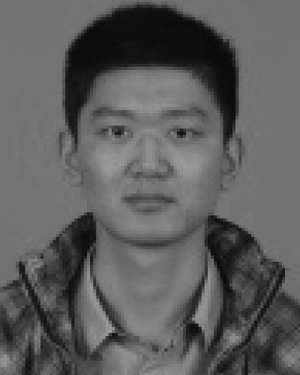 Qi-Hui Zhang合作论文数15
 Mengli Zhang合作论文数12
 Guang-Pu Gao (高光普)合作论文数State Key Laboratory of Mathematical Engineering and Advanced Computing, China12yan gao合作论文数11Wanting Yu合作论文数8
 Gang Zhou合作论文数Department of Computer Science, William & Mary8Yuehua HUANG (黄月华)合作论文数6ShiQu Li (李世取)合作论文数6Yongcan Lu合作论文数5Ningbo Huang合作论文数5Binyu Wang合作论文数5Ying Guo合作论文数Hengyang Normal Univ, Hunan Prov Key Lab Intelligent Informat Proc & Ap, Hengyang 421002, Peoples R China5
 Mao Ye (叶茂)合作论文数School of Computer Science and Engineering, University of Electronic Science and Technology of China;Center for Robotics, MoE, University of Electronic Science and Technology of China;Key Laboratory for NeuroInformation, University of Electronic Science and Technology of China5Song Li合作论文数4Ji Li合作论文数4
 Chun Liu合作论文数4Na Jian (那键)合作论文数4Di Chen合作论文数3Wen Chen合作论文数3Zhonglei Lu合作论文数3Yanfang Zhou合作论文数3Ya-zhou ZAN (昝亚洲)合作论文数3Zhi-yong DAI (代致永)合作论文数3Kunyu Yang合作论文数3Shu-wei ZHANG (张树伟)合作论文数3
 Yanbin Zheng (郑彦斌)合作论文数桂林电子科技大学计算机与信息安全学院3
 Xinyi Huang (黄欣沂)合作论文数College of Cyber Security, Jinan University3
 Saru Kumari合作论文数Department of Mathematics, Chaudhary Charan Singh University3
 Chunxiang Gu合作论文数3
 Claude Carlet合作论文数Département de Mathématiques, University of Paris 8;Selmer Center, Department of Informatics, University of Bergen3Xiyong Zhang (张锡永)合作论文数3Haoyang Jia合作论文数2MingHao Yu合作论文数2Xie-Li ZHANG (张协力)合作论文数2
 Yongzhong Huang合作论文数Guilin Univ Elect Technol, Sch Comp Sci & Informat Secur, Guilin 541004, Peoples R China2Zijie Lin合作论文数2Fu Wang合作论文数2
 Zhenfeng Zhang (张振峰)合作论文数Institute of Software, Chinese Academy of Sciences;University of Chinese Academy of Sciences2
 Mingwu Zhang (张明武)合作论文数湖北工业大学计算机学院2Yongtao Ming (明永涛)合作论文数2
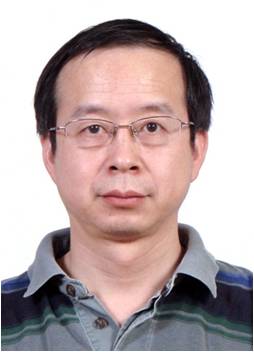 Dongdai Lin (林东岱)合作论文数University of Chinese Academy of Sciences;State Key Laboratory of Information Security, Institute of Information Engineering, Chinese Academy of Sciences2
 Jing Wang (王静)合作论文数Wuhan University2
 Xiaofeng Chen (陈晓峰)合作论文数School of Cyber Engineering, Xidian University2
 Fushan Wei合作论文数2Bin Yu合作论文数1Qingwen Yan合作论文数1




