Introduction Traumatic brain injury often requires neurologic care and specialized equipment, not often found downrange. Nonconvulsive seizures (NCSs) and nonconvulsive status epilepticus (NCSE) occur in up to 30% of patients with moderate or severe traumatic brain injury and is associated with a 39% morbidity and an 18% mortality. It remains difficult to identify at bedside because of the heterogeneous clinical manifestations. The primary diagnostic tool is an electroencephalogram (EEG) which is large, requires an external power source, and requires a specialized technician and neurologist to collect and interpret the data. Rapid response EEG (rr-EEG) is an FDA-approved device that is pocket sized and battery powered and uses a disposable 10-electrode headset. Prior studies have demonstrated the noninferiority of rr-EEG in the identification of NCSE and NCS as compared to conventional EEG in hospitals. An unanswered question is whether rr-EEG could be used in the identification of NCSE and NCS by medics.Materials and Methods In conjunction with the Critical Care Air Transport (CCAT) team, a simulation was created and implemented on a CCAT training mission. The simulation team included a neurology resident, who oversaw the simulation, a pulmonary critical care fellow, an intensive care unit nurse, and a respiratory therapy. A survey was provided before and after the simulation. The team was expected to review the rr-EEG to make clinical decisions during ground transport, takeoff, and landing. The neurology resident monitored and recorded the team's ability to distinguish between NCS and a normal EEG. In between, the neurology resident monitored the quality of the EEG for potential interference and loss of quality.Results The CCAT team was able to efficiently set up the rr-EEG on a patient manikin, correctly identify visual EEG wave forms of a patient in NCS, and utilize the proprietary audio program of a simulated patient in NCS. The team reported that the device was easily set up in the environment, and the data were interpretable despite vibration, aircraft auditory and electrical noise, and the ergonomics of the aircraft medical section.Conclusions This pilot study has validated a potentially revolutionary technology in medical transport. The rr-EEG technology is measurably user-friendly and will improve patient outcomes. This device and simulation can reduce time to an EEG by hours to days allowing for immediate treatment and intervention, which can significantly reduce morbidity and mortality.
INTRODUCTION: Work-related stress is common in pilots, with broad implications, including the potential development of mental health symptoms and sometimes even psychiatric disease. This commentary argues for the use of narrative as a tool to promote preventive health behaviors in pilots and combat misinformation about aeromedical certification related to mental health. Hoffman WR, McNeil M, Tvaryanas A. The untapped potential of narrative as a tool in aviation mental health and certification . Aerosp Med Hum Perform. 2024; 95(3):165–166.
The current regulatory approach to U.S. airline pilot mental health may have unintended negative consequences including healthcare avoidance and screening imprecision. An alternative approach should aim to address these factors while maintaining safety. The authors summarize the following related to mental health in U.S. airline pilots: 1) current regulatory approach and limitations, 2) available regulatory tools within the Sparrow fundamentals, and 3) a proposed novel regulatory approach.The authors propose the simultaneous utilization of multiple models to minimize the negative consequences of healthcare avoidance and screening imprecision. The proposed framework aims to address current limitations.
We present the case of a young adult who had lethargy and significant weight loss for the three weeks before his death. The history of the present illness suggested a prodrome of several weeks, with progressive weakness indicating an advancing metabolic decompensation. To our knowledge, this is the first study performed on human brain tissue with type 1 diabetes (T1D) and likely diabetic ketoacidosis (DKA) before treatment. We studied neuroinflammatory markers in an insulin-deficient state without treatment compared with those found in a treated patient with T1D/DKA of similar age and race who died shortly after treatment. The frontal cortex and hippocampus were stained for tight junction proteins, RAGE, NLRP3, and HMGB1. Other markers that can disrupt the blood-brain barrier, such as IL-17, IL-6, IL-1β, GFAP, and IL-10 were also tested. This case study reveals that neuroinflammatory markers are expressed in the DKA brain at a lower level before treatment than those found to be expressed in the brain after treatment. These findings suggest that in DKA, dehydration minimizes inflammation which could be exacerbated with fluids promoting neuroinflammation and cognitive deficits. These findings require further studies and could identify therapeutic targets to reduce the progression of neuroinflammation and brain edema.
INTRODUCTION:The reality of pilot health care avoidance behavior is often common knowledge to both pilots and aeromedical physicians, but the underlying factors leading to this behavior are less understood. In the current study, we conducted a qualitative assessment of a sample of U.S. Air Force (USAF) pilots to gather firsthand perceptions of the factors that encourage and discourage disclosure during aeromedical screening and use of mental and physical health care services, as well as recommendations to improve the USAF aeromedical health care system. MATERIALS AND METHODS:We conducted interviews with 21 USAF pilots on their perceptions of seeking medical care to identify factors that uniquely discourage or encourage disclosure and health care utilization to understand factors that aid the aeromedical provider/aviator relationship and to elicit interventions that could be prospectively researched. This work was reviewed by the Air Force Research Laboratory Institutional Review Board at Wright-Patterson Air Force Base and designated as exempt research, FWR20220103E. RESULTS:The most reported factors that discourage military pilot health care disclosure and health care utilization overall were medical revocation, stigma, and lack of trust in providers. Unit-embedded services, ease of access, and severity of condition were the most reported factors encouraging disclosure and utilization. Factor descriptions and exemplary quotes from pilots and pilot recommendations to encourage health care utilization and disclosure are provided. CONCLUSIONS:Results from firsthand interviews with pilots provide valuable information for flight surgeons to focus on building trust with their pilots to reduce health care avoidance.
Miranda, Elijah E. MS1; Hoffman, William R. MD1,2,3; Bongers, Herwin ATPL4; Snyder, Quay MD, MSPH5,6; Worley, Sandie Y. MD3; Yuan, Tony PhD, MS1,8; Tvaryanas, Anthony MD, PhD, MPH&TM7 Author Information
INTRODUCTION:Aviation safety sensitive personnel (SSP) function in highly complex environments. SSP mental health is thought to support safety, efficiency, and overall health. Research is needed to identify how to optimize and screen mental health across aviation SSP, but no consensus exists on the research priorities that need to be met. METHODS:The Aerospace Medical Association established the Mental Health Research Subgroup within the Mental Health Working Group comprising 53 aviation and aerospace medicine professionals representing 9 countries. A five-round Delphi method was employed to generate research priorities. RESULTS:Research priorities were identified under the following six topic areas: 1) Safety and Performance; 2) Mental Health Initiatives, Education, and Peer Support Programs; 3) Clinical Care, Pharmacology, and Return to Duty; 4) Epidemiology and Natural History; 5) Screening, Monitoring, and Emerging Technology; and 6) Special Considerations and Underrepresented Populations [Aerospace Medical Association Mental Health Research Subgroup Research Priorities Version 1.0 (current as of January 1, 2024)]. DISCUSSION:Research is needed to identify how to optimize and screen mental health across aviation SSP. This effort identified six key research priorities to achieve that aim. Hoffman WR, Tvaryanas A, Snyder Q, Spyropoulos BP, Garcia D, Schroeder D, Fahnenbruck G, Trottier K, Overbo S, Santilhano W, Brinks E, Ndoye A, Bongers H, O'Shaughnessy R, Miranda E; Aerospace Medical Association Mental Health Research Subgroup. Aerospace Medical Association proposed research priorities for mental health and safety in aviation. Aerosp Med Hum Perform. 2024; 95(11):845-850.
INTRODUCTION:U.S. military pilots are required to meet certain medical standards in order to maintain an active flying status. Military pilots face potential temporary or permanent loss of flying privileges in the setting of a new condition or symptom that does not meet required standards, which could result in negative social and occupational repercussions for the pilot. For this reason, it has been proposed that U.S. military pilots participate in health care avoidance behavior, but little evidence exists to characterize such a trend in this population.MATERIALS AND METHODS:We conducted a non-probabilistic Internet survey of the general population of U.S. pilots from November 1, 2019 through August 1, 2021. The current study is a sub-analysis of military pilots.RESULTS:A total of 4,320 pilots answered the informed consent question, and 264 selected one military pilot type and were included in this sub-analysis. There were 72% of military pilots who reported a history of health care avoidance behavior (n = 190), and no statistical difference was found between age groups, gender, and military pilot types. There were 55.5% of pilots who reported a history of seeking informal medical care (n = 147), 33.7% of pilots who have flown despite a new symptom they felt required medical evaluation, 42.5% of pilots who reported withholding information on aeromedical screening (n = 111), and 11.4% of pilots who reported a history of undisclosed prescription medication use (n = 30).CONCLUSIONS:U.S. military pilots may participate in health care avoidance behavior because of fear for loss of flying status.
Objective Canadian pilots may avoid health care and report inaccurate medical information due to fear of medical invalidation. We sought to determine if health care avoidance due to fear of certificate loss exists. Methods We conducted an anonymous 24-item Internet survey of 1405 Canadian pilots between March and May 2021. Responses were collected using REDCap, and the survey was advertised through aviation magazines and social media groups. Results Seventy-two percent of respondents (n = 1007) have felt worried about seeking medical care because it may impact their career or hobby. Respondents participated in various health care avoidance behaviors with the most common being having actually avoided or delayed medical care for a symptom (46%, n = 647). Conclusion Canadian pilots fear medical invalidation and consequently, avoid health care. This may be severely impacting aeromedical screening effectiveness.
Objective: The learner will describe: - Healthcare avoidance and three factors that influence pilot healthcare seeking behavior and disclosure - Implications of pilot healthcare avoidance in the care of the pilot patient with a neurological complaint - Methods to mitigate the impact of pilot healthcare avoidance Background: Aircraft pilots are required to meet certain medical standards in order to maintain an active flying status. If a pilot discloses a new symptom or condition during routine aeromedical screening, they run the risk of temporality or permanently losing their ability to fly. This can result in occupational, social and professional repercussions to the pilot. For this reason, it has been proposed that pilots face a barrier to seeking medical care that results in delayed presentation to care and healthcare avoidance. Select interventions for neurological diseases are limited by the duration of symptoms and a delay in care can result in poor health outcomes. Design/Methods: A cross sectional survey of 3,650 pilots in the United States showed that 56.1% of pilots reported a history of healthcare avoidance due to fear for aeromedical certificate loss. A subanalysis of military pilots, showed that 72% of US active duty military pilots had a history of healthcare avoidance due to fear for loss of flying status. Results: Pilots may delay presentation to care and/or participate in healthcare avoidance due to fear for aeromedical certificate loss. Select neurological interventions are limited by duration of symptoms (i.e. thrombolysis, etc). It is imperative for neurologists to be aware this phenomena. To achieve the same outcome, evaluation and intervention may be required more rapidly compared to non-pilot patients. This presentation will review select mitigation strategies to address pilot healthcare avoidance. Conclusions: A proportion of pilots participate in healthcare avoidance. Evaluation and intervention of pilots with a neurological complaints may be required more rapidly compared to non-pilot patients. Disclosure: The institution of Dr. Hoffman has received research support from United States Air Force.
Introduction The coronavirus disease 2019 (COVID-19) pandemic has precipitated change across the aviation industry, including aeromedical standards. U.S. pilot occupational behavior regarding COVID-19 infections and vaccinations have not been well-studied. Methods We conducted an anonymous survey of 661 U.S. pilots from September 1, 2021, through December 15, 2021. Results We found 23.8% of pilots reported a history of COVID-19 infection but only 20.5% of infected pilots reported this history to an aeromedical examiner (AME)/flight surgeon. Of uninfected pilots, 50.5% reported being either extremely unlikely or somewhat unlikely to disclose a new infection to an AME/flight surgeon. Seventy-nine point six percent (79.6%) of pilots received at least one dose of any COVID-19 vaccine and 89.6% of those who received a vaccine complied with the 48-hour no-flying policy. Of the unvaccinated pilots, 74.5% reported being either extremely unlikely or somewhat unlikely to receive a vaccine.
Leucine-Rich Glioma Inactivated Protein-1 (LGI1) autoimmune encephalitis was first described in 2001 as one of the syndromes caused antibodies against the voltage-gated potassium channels (VGKC) until it was discovered in 2010 that antibodies were instead being directed towards the protein LGI1. This often presents in males in their 60′s and is often associated with faciobrachial dystonic seizures, which have become path pneumonic for this disease process. 77-year-old female with history of hyponatremia, anxiety, hypertension, and lacunar infarct presented for a concern for seizures. She presented for multiple episodes of reported generalized tonic seizures and was eventually found to have right frontotemporal seizures with impaired awareness. Magnetic Resonance Imaging (MRI) was repeated multiple times but were significantly degraded due to motion artifact and read as limited. Further discussion with husband was concerning for memory loss over the past 4 months, but patients children disputed this with several years of memory loss. After neuropsychological testing which demonstrated significant decline across multiple domains. MRI was revisited which was concerning for bilateral mesial temporal hyperintensities on Fluid-Attenuated Inversion Recovery (FLAIR). Patient underwent lumbar puncture given unremarkable workup thus far. CSF and serum both demonstrated LGI1 autoantibodies for which the patient received a 5 days course of IV methylprednisolone, IV immunoglobulins, and was eventually transitioned to rituximab with complete recovery of long term memory. This case demonstrates the complexity of evaluating a patient for reported rapidly progressive dementia and some of the pitfalls involved in the workup. This case demonstrates that when the initial workup is unremarkable, the patient should be evaluated for uncommon causes, such as autoimmune encephalitis. We diagnosed an atypical presentation of autoimmune encephalitis and documented the initial treatment and response to both first line and second line treatment with future plans to titrate the anti-epileptic drugs.
INTRODUCTION: It has been proposed that pilots face a perceived barrier to seeking medical care due to what a change in health status might mean to their status as a pilot. While this is often common knowledge to pilots and some physicians, this phenomenon has limited research or characterization in the medical literature. In this commentary, we propose a definition for the barrier pilots face in seeking healthcare in hopes of focusing future research efforts.Hoffman W, Bjerke E, Tvaryanas A. Breaking the pilot healthcare barrier. Aerosp Med Hum Perform. 2022; 93(8):649-650.
Objective: To study healthcare avoidance behavior in pilots related to fear of aeromedical certificate loss. Methods: Voluntary participation in an anonymous survey distributed to U.S. pilots. Results: A total of 3765 pilots were included in the analysis. There were 56.1% of pilots (n = 2111) who reported a history of healthcare avoidance behavior due fear for losing their aeromedical certificate. There were 45.7% who sought informal medical care (n = 1721) and 26.8% who misrepresented/withheld information on a written healthcare questionnaire for fear of aeromedical certificate loss (n = 994). Conclusions: Aircraft pilots may participate in healthcare avoidance behavior related to fear of losing their aeromedical certificate. Further work is necessary to address pilot healthcare avoidance.
Mitochondrial injury plays a key role in the pathogenesis of diabetic cardiomyopathy, a risk factor for heart failure in diabetic populations. Dysfunctional mitochondria are eliminated through several coordinated mitochondrial quality control mechanisms including the autophagy-lysosome degradation pathway, a process termed mitophagy. Diabetic ketoacidosis (DKA) is a potentially life-threatening complication of type 1 diabetes. We have shown that adolescents and young adults with uncomplicated DKA mount a robust systemic inflammatory response which is associated with diastolic cardiac abnormality. However, it remains unknown if cardiac abnormality in patients with DKA is correlated with altered mitochondrial quality control processes. In the present study, using immunofluorescent labeling and confocal microscopic imaging, we examined a series of proteins involved in autophagy, mitophagy and mitochondrial dynamics in paraffin-embedded autopsy heart tissues from young people without or with fatal DKA. We found that the expression levels of beclin 1, microtubule-associated protein light chain 3 (LC3) and lysosome-associated membrane protein (LAMP) 1/2 are not changed, but that of p62 is increased in the heart of DKA patients, suggesting a decreased autophagy. Also, the expression levels and localization of Pink1, parkin and Rab9, three potential regulators of mitophagy, are markedly changed, indicating an altered mitophagy in the DKA heart. In addition, mitochondrial fusion and fission proteins (Mitofusin 2, Opa1, Drp1 and Fis1) are all altered to varying degrees in the DKA heart, which is accompanied by increased mitochondrial fragmentation, oxidative injury and apoptosis (TUNEL positive cells). Together, these findings demonstrate that the mitochondrial quality control mechanisms are not operating normally in the heart of patients with DKA. Therefore, therapeutic strategies that aim to improve the efficiency of the mitochondrial quality control may have the potential to reduce diabetic cardiac injury and heart failure in young type 1 diabetic patients.
 Gregory Passmore合作论文数Department of Radiologic Sciences, Medical College of Georgia14
 C. Lynne Burek合作论文数11Anthony Tvaryanas合作论文数7Joshua Luster合作论文数4
 Aden James K合作论文数4Carl G F合作论文数4Mark S. Litaker合作论文数4
 Mgf Gilliland合作论文数3Adam Willis合作论文数3Ashley Barasa合作论文数3PE Cornwell合作论文数3Rose Noel R合作论文数3
 Noel R. Rose合作论文数Johns Hopkins Bloomberg School of Public Health, Johns Hopkins University;Department of Pathology, Brigham and Women's Hospital, Harvard Medical School, Harvard University3Bernard Gutin合作论文数3Sandra W. Helman合作论文数3Ingrid M. Outschoorn合作论文数3Paule Barbeau合作论文数3JE Carroll合作论文数2Rory R Dalton合作论文数2Elizabeth A Sekul合作论文数2Sc Watson合作论文数2R Daniel Barbera合作论文数2Sh Stein合作论文数2Me Wierman合作论文数2Zn Yin合作论文数2
 Parth Kalpesh Patel合作论文数2Truemper Edward J合作论文数2Hobbs E合作论文数2Satoru Kobayashi合作论文数2
 Manuel F. Casanova合作论文数2Ryszard M. Pluta合作论文数2
 William F. Crowley合作论文数Surgical Intensive Care Unit, Spectrum Health2Anders A. F. Sima合作论文数2Mahmood Khichi合作论文数2
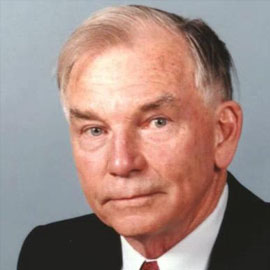 Ian Mackay合作论文数Monash University2
 Qiangrong Liang合作论文数School of Medicine, From the University of South Dakota2M. Zakarija合作论文数2Cornelia Cudrici合作论文数2
 Monica V Talor合作论文数Department of Pathology, Johns Hopkins University2
 Michael Oglesbee合作论文数Infectious Diseases Institute, The Ohio State University;Department of Veterinary Biosciences, College of Veterinary Medicine, The Ohio State University;Center For Retrovirus Research, The Ohio State University2
 Horea G Rus合作论文数1st Medical Clinic2AS Kulharya合作论文数2Merrill J. Rowley合作论文数2M C. Humphries合作论文数2CM Isales合作论文数1Timothy W Jones合作论文数1Ramon E Figueroa合作论文数1Tony T. Yuan合作论文数1J. Maxwell McKenzie合作论文数1




