Homozygous pathogenic glucagon receptor gene (GCGR) mutations cause a syndrome with pancreatic glucagon cell hyperplasia and neoplasia (GCHN) and hyperglucagonaemia without a glucagonoma syndrome named Mahvash disease. The disease follows an autosomal recessive course and is an exceptionally rare hereditary pancreatic neuroendocrine tumour (panNET) syndrome, with only seven cases documented in the literature. The study aims to elucidate the genotype-phenotype correlation in Mahvash disease and panNET development. Clinical features, molecular profile, pancreatic pathology, and follow-up were studied in detail in six of the 11 family members. The patients' medical records were reviewed up until November 2024. Eight family members were positive for the likely pathogenic GCGR c.455C>T (p.Ser152Phe) germline variant. Three of the family members were homozygous for the GCGR germline variant. Two homozygous patients showed GCHN in pancreatic resection samples, with one exhibiting lymphogenic and hepatic metastases. Three patients had a glucagon-positive tumour with distinct somatic mutations in the MEN1 gene. One family member, heterozygous for the GCGR variant, presented with three small panNET, with the one biopsied lesion showing glucagon immunoreactivity. We report the first study of a single family with multiple members presenting with GCNH caused by a novel germline GCGR variant. We are also presenting the first patient with liver metastases in GCHN and another patient with multiple small panNET heterozygous for the novel GCGR gene variant. Our observations highlight the malignant potential for GCHN and suggest that somatic MEN1 mutations may play a role in the development of glucagon-positive panNET from glucagon cell hyperplasia.
Midgut neuroendocrine tumors (NET) derive from enterochromaffin cells, which have a close interrelationship with intestinal microbiota. Recently, we have utilized 16S rRNA sequencing to uncover that midgut NET patients have a depleted gut microbiome and a specific fecal microbial signature. This study aims to validate these findings and to further characterize the role of microbes and microbial metabolic pathways in midgut NET patients with and without carcinoid syndrome (CS). Fecal samples from 60 midgut NET patients and 20 household-matched controls were subjected to whole metagenome sequencing. The gut microbial community composition of midgut NET patients differed from that of controls, with 2 genera, 17 species and 9 microbial pathways showing differential abundance (P < 0.001). No differences in the microbial composition were observed between midgut NET patients with and without CS (P > 0.05). However, we did observe changes in inter-genus correlations of Bacteroides, Odoribacter, Parasutterella, Klebsiella, Ruminococcus and Proteobacteria when comparing these two patient groups. A signature of 16 microbial species (area under the receiver operating characteristics (AUROC) curve 0.892) or 18 microbial pathways (AUROC 0.909) accurately predicted the presence of a midgut NET. Furthermore, a microbial signature consisting of 14 functional microbial pathways distinguished CS patients from non-CS patients (AUROC 0.807). Thus, this study confirms that the gut microbiome of midgut NET patients is altered at the metagenomic level, which is not related to the presence of CS. A fecal microbial signature could constitute a novel biomarker for the diagnosis of midgut NET or CS.
INTRODUCTION:Gastroenteropancreatic neuroendocrine tumours (GEP NET) are malignant neoplasms that impact survival. Somatostatin analogues (SSA) are used for treating hormonal symptoms caused by GEP NET and have antiproliferative effects. They are used as first-line therapy in patients with advanced GEP NET, but disease control is limited to a median progression-free survival (mPFS) of 14-32 months. Second-line treatment options include targeted therapy (everolimus or sunitinib), or peptide receptor radionuclide therapy (PRRT) with 177Lu-DOTATATE. In patients suffering from a NET-related hormonal syndrome, SSA is generally continued life-long. However, there is no consensus on whether it is beneficial to continue SSA in non-functional NET upon disease progression. Due to the ongoing activity of the somatostatin receptor pathway in GEP NET progressing on first-line SSA, we hypothesise that SSA have an added efficacy in second-line therapy. METHODS AND ANALYSIS:The SAUNA trial is an international, multicentre, open-label, randomised, controlled, pragmatic clinical trial. 270 patients with advanced, non-functional GEP NET and progression under first-line SSA will be included in substudy 1 (PRRT; n=142) or substudy 2 (targeted therapy (everolimus/sunitinib); n=128) per investigator's choice of second-line therapy and will be randomised (1:1) per substudy between SSA continuation or SSA withdrawal arms. Co-primary endpoints are the difference in progression-free survival (PFS) according to the RECIST (Response Evaluation Criteria In Solid Tumours) V.1.1 criteria and difference in time to deterioration (TTD) in quality of life (QoL) per substudy after initiating second-line therapy with or without SSA. Secondary endpoints include the PFS rate at 18 months, the difference in pooled PFS and TTD combining both substudies, overall survival, response rates, QoL, costs, cost-effectiveness and toxicity. The study design was developed in cooperation with the Belgium and Dutch patient organisations. ETHICS AND DISSEMINATION:The study has been approved on 31 May 2023 by the Ethical Committees and Regulatory Authorities of the concerned member states (EU CT number 2022-502703-30-00). Both the trial management group and the steering committee will oversee good governance of this trial. Results of the study will be published in peer-reviewed international journals and presented at international conferences. TRIAL REGISTRATION NUMBER:NCT05701241.
Neuroendocrine tumors (NETs) are malignant neoplasms that can be associated with specific hormonal syndromes. We describe a novel syndrome of postmenopausal vaginal bleeding and ovarian estradiol overproduction due to ovarian NET localizations. An extensive workup was performed for 2 index patients with ovarian metastases of small bowel neuroendocrine tumors and symptoms of postmenopausal vaginal bleeding. Clinically significant ovarian estrogen production was demonstrated by a combination of ovarian vein sampling and normalization of circulating estrogen levels after oophorectomy. Immunohistochemical analyses revealed marked aromatase immunoactivity in the ovarian NET cells, while CYP17A1 and SF-1 were detected in the adjacent ovarian stromal cells but not the NET cells. Ex vivo and in vivo endocrine tests were unable to identify a paracrine mechanism of ovarian estradiol overproduction by NET cells. A retrospective search of electronic medical records revealed that 21% (14/66) of postmenopausal patients with an ovarian NET localization reported symptoms of vaginal blood loss. Together, these findings support the presence of a novel NET-associated hormonal syndrome.
LBA588 Background: Currently, there is no universally accepted first line (1L) therapy for higher grade, well-differentiated gastroenteropancreatic neuroendocrine tumors (GEP-NETs) and an unmet medical need remains in these patients (pts). Radioligand therapy (RLT) is an innovative cancer treatment that crosses the traditional domains of systemic, radiation or surgical therapies. The Phase 3 NETTER-2 study (NCT03972488) evaluated [ 177 Lu]Lu-DOTA-TATE (hereafter 177 Lu-DOTATATE) as 1L treatment in pts with Grade (G) 2 and G3 advanced GEP-NETs. This is the first trial to assess 1L RLT in any solid tumor. Methods: Eligible pts were newly diagnosed with somatostatin receptor-positive high G2 or G3 (Ki-67 ≥10% and ≤55%) advanced GEP-NETs within the last 6 months prior to enrollment. Pts were randomized (2:1) to receive 4 cycles of 177 Lu-DOTATATE (4 × 7.4 GBq) plus 30 mg octreotide long-acting release (LAR) at 8-weekly intervals during 177 Lu-DOTATATE treatment then every 4 weeks ( 177 Lu-DOTATATE arm), or 60 mg octreotide LAR every 4 weeks (control arm), stratified by grade (G2 vs G3) and tumor origin (pancreas vs other). The primary endpoint was progression-free survival (PFS), centrally assessed using RECIST 1.1. Objective response rate (ORR), a key secondary endpoint, was tested hierarchically after PFS. Results: Overall, 226 pts were randomized to the 177 Lu-DOTATATE (n = 151) or control (n = 75) arms. Most tumors originated in the pancreas (54.4%) or small intestine (29.2%); G3 tumors were reported in 35.0% of pts. Median cumulative dose of 177 Lu-DOTATATE was 29.2 GBq, with 87.8% of pts receiving all 4 doses. Median PFS (95% confidence interval [CI]) was significantly prolonged by ~14.3 months from 8.5 months (7.7, 13.8) in the control arm to 22.8 months (19.4, not estimable) in the 177 Lu-DOTATATE arm; stratified hazard ratio 0.276 (95% CI: 0.182, 0.418; p < 0.0001). The ORR was significantly higher in the 177 Lu-DOTATATE arm (43.0%) vs the control arm (9.3%); stratified odds ratio 7.81 (95% CI: 3.32, 18.4; p < 0.0001). PFS and ORR results were consistent across all pre-specified demographic and prognostic subgroups. Among adverse events of special interest to RLT, G3/4 leukopenia, anemia and thrombocytopenia occurred in ≤3 pts each in the 177 Lu-DOTATATE arm. One case of myelodysplastic syndrome was reported ( 177 Lu-DOTATATE arm). Conclusion: 177 Lu-DOTATATE significantly prolonged PFS and demonstrated a clinically meaningful ORR, compared with high-dose octreotide LAR, in pts with newly diagnosed advanced G2 and G3 GEP-NETs. Safety was in line with the established profile of 177 Lu-DOTATATE. This is the first randomized study to demonstrate efficacy of RLT as 1L treatment in any malignancy and will change clinical practice. Further investigations of RLT as a therapeutic option in other settings is warranted. Clinical trial information: NCT03972488 .
Abstract Currently, the available literature provides insufficient support to differentiate between primary ovarian neuroendocrine tumors (PON) and neuroendocrine ovarian metastases (NOM) in patients. For this reason, patients with a well‐differentiated ovarian neuroendocrine tumor (NET) were identified through electronic patient records and a nationwide search between 1991 and 2023. Clinical characteristics were collected from electronic patient files. This resulted in the inclusion of 71 patients with NOM and 17 patients with PON. Histologic material was stained for Ki67, SSTR2a, CDX2, PAX8, TTF1, SATB2, ISLET1, OTP, PDX1, and ARX. DNA methylation analysis was performed on a subset of cases. All PON were unilateral and nine were found within a teratoma (PON‐T+). A total of 78% of NOM were bilateral, and none were associated with a teratoma. PON without teratomous components (PON‐T−) displayed a similar insular growth pattern and immunohistochemistry as NOM (p > 0.05). When compared with PON‐T+, PON‐T− more frequently displayed ISLET1 positivity and were larger, and patients were older at diagnosis (p < 0.05). Unsupervised analysis of DNA methylation profiles from tumors of ovarian (n = 16), pancreatic (n = 22), ileal (n = 10), and rectal (n = 7) origin revealed that four of five PON‐T− clustered together with NOM and ileal NET, whereas four of five PON‐T+ grouped with rectum NET. In conclusion, unilateral ovarian NET within a teratoma should be treated as a PON. Ovarian NET localizations without teratomous components have a molecular profile analogous to midgut NET metastases. For these patients, a thorough review of imaging should be performed to identify a possible undetected midgut NET and a corresponding follow‐up strategy may be recommended.
Searchable abstracts of presentations at key conferences in endocrinology ISSN 1470-3947 (print) | ISSN 1479-6848 (online)
Peptide receptor radionuclide therapy (PRRT) using [177Lu-DOTA0,Tyr3]octreotate (177Lu-DOTATATE) represents an established treatment modality for somatostatin receptor-positive, locally advanced or metastatic gastroenteropancreatic neuroendocrine tumours (GEP NET) of grade 1 or 2. The studies have demonstrated that four cycles of PRRT with 177Lu-DOTATATE prolongs progression-free survival and preserves quality of life, in patients with grade 1 and 2 advanced GEP NET. Notably, first-line PRRT using 177Lu-DOTATATE in grade 2 and 3 GEP NET patients has also shown efficacy and safety. Furthermore, PRRT can ameliorate symptoms in patients with NET-associated functioning syndromes. Although various studies have explored alternative radionuclides for PRRT, none currently meet the criteria for routine clinical implementation. Ongoing research aims to further enhance PRRT, and the results from large clinical trials comparing PRRT with other NET treatments are anticipated, potentially leading to significant modifications in NET treatment strategies and PRRT protocols. The results of these studies are likely to help address existing knowledge gaps in the coming years. This review describes the clinical practice, recent developments and future treatment options of PRRT in patients with grade 1 and 2 GEP NET.
About 500,000 patients with rare adult solid cancers (RASC) are diagnosed yearly in Europe. Delays and unequal quality of management impact negatively their survival. Since 2017, European reference networks (ERN) aim to improve the quality of care of patients with rare disease. The steering committee of EURACAN, including physicians, researchers and patients review here the previous actions, present objectives of the ERN EURACAN dedicated to RASC. EURACAN promoted management in reference centres, and equal implementation of excellence and innovation in Europe and developed 22 clinical practice guidelines (CPGs). Additionally, fourteen information brochures translated in 24 EU languages were developed in collaboration with patient advocacy groups (ePAGs) and seventeen training session were organized. Nevertheless, connections to national networks in the 26 participating countries (106 centres), simplification of cross-border healthcare, international multidisciplinary tumour boards, registries and monitoring of the quality of care are still required. In this Health Policy, evaluation criteria of the performances of the network and of health care providers are proposed.
Summary At the end of the 19th century, an 18-year-old lady gave birth to a well-proportioned, though very small, son. After delivery, the mother developed a full-grown beard, whereas the son always remained of small stature. The mother developed diabetes mellitus and died, aged 59, from a complicated severe cold. The son died at the age of 91 because of chronic kidney disease. The differential diagnosis in the son is isolated growth hormone deficiency. The mother might have suffered luteoma of pregnancy, polycystic ovary syndrome (PCOS), or Sertoli–Leydig cell tumor(s). The two cases are apparently coincidental/not related in pathophysiology. Learning points Hirsutism occurring directly postpartum can have several causes.Patients with isolated growth hormone deficiency can live a long life without the substitution of growth hormone.Coincidence does not necessarily imply correlation.In the past, patients with endocrine disorders like severe hirsutism or small stature were employed at circuses and fairs to entertain the audience as curiosities.
 Richard Feelders合作论文数Department of Endocrinology, Erasmus MC185
 Leo Hofland合作论文数Laboratory for Clinical and Experimental Neuroendocrinology, Erasmus Medical Center;Internal Medicine Laboratories, Erasmus Medical Center101
 Eric P Krenning合作论文数Department of Nuclear Medicine, Erasmus MC77Hofland Johannes合作论文数Department of Internal Medicine, Erasmus Medical Center63Dik J. Kwekkeboom合作论文数51Tessa Brabander合作论文数47
 Steven Lamberts合作论文数Erasmus Medical Center, Erasmus University Rotterdam38
 A.J. Van Der Lely合作论文数Department of Medicine, Erasmus University34Kam Boen L合作论文数33
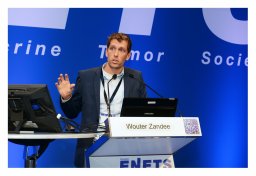 Zandee Wouter T合作论文数33
 Wiedenmann Bertram合作论文数Charité – Universitätsmedizin Berlin31Peter M. Van Koetsveld合作论文数31Gerlof D. Valk合作论文数30
 Diego Ferone合作论文数Department of Endocrinological & Medical Sciences and Center of Excellence for Biomedical Research, Università degli Studi di Genova30
 Jaap Teunissen合作论文数29
 Philippe Ruszniewski合作论文数Department of Gastroenterology-Pancreatology, Beaujon Hospital;Medicine School, Université de Paris28
 Gregory Kaltsas合作论文数First Department of Internal Medicine, National & Kapodistrian University of Athens;University Hospital Coventry and Warwickshire27
 Frank H de Jong合作论文数Department of Internal Medicine, Erasmus University Rotterdam26
 Olaf Dekkers合作论文数Faculteit Geneeskunde, Leiden University25
 Albert Beckers合作论文数Department of Endocrinology, Centre Hospitalier Universitaire de Liège25
 Peter Bisschop合作论文数Amsterdam University Medical Center24Gaston J H Franssen合作论文数23Peter van Koetsveld合作论文数23
 M. Drent合作论文数Faculty of Behavioural and Movement Sciences, Clinical, Neuro- & Developmental Psychology, Vrije Universiteit Amsterdam23Havekes Bas合作论文数23
 Kimberly Kamp合作论文数23
 Ronald de Krijger合作论文数Department of Pathology, UMC Utrecht23
 M.F. (Loes) Van Velthuysen合作论文数Department of Pathology and Clinical Bioinformatics, Erasmus University Medical Center23S.W.J. Lamberts合作论文数22
 Carla Pieterman合作论文数21Vriens Menno R合作论文数21S W J Lamberts合作论文数20
 Jaume Capdevila合作论文数Vall d'Hebron Institute of Oncology;IOB Institute of Oncology20
 Guido Rindi合作论文数Dipartimento di Scienze della vita e Sanità Pubblica, Faculty of Medicine and Surgery, Università Cattolica del Sacro Cuore20
 Falconi Massimo合作论文数Università Vita-Salute San Raffaele;Ospedale San Raffaele IRCCS20
 Annamaria Colao合作论文数Department of Clinical Medicine Surgery, University Federico II of Naples20
 Aurel Perren合作论文数Institute of Tissue Medicine and Pathology, Faculty of Medicine, University of Bern;Institute of Pathology, University of Bern19
 Marianne Pavel合作论文数Medizinische Fakultät, Friedrich-Alexander-Universität Erlangen-Nürnberg;Medizinische Klinik 1, Universitätsklinikum Erlangen;Division of Hepatology and Gastroenterology, Medical Department, Charité Universitätsmedizin Berlin18
 Kjell Öberg合作论文数Department of Medical Sciences, Medical Faculty, Uppsala University17Anouk van der Horst-Schrivers合作论文数Novicare17
 Esther Korpershoek合作论文数17
 Philippe Chanson合作论文数University Paris-Saclay;Bicêtre’s Hospital16Anders Sundin合作论文数16
 Dermot O'Toole合作论文数16
 Nicola Fazio合作论文数Gastrointestinal Medical Oncology and Neuroendocrine Tumors Unit, European Institute of Oncology16Maarten O. Van Aken合作论文数16Roelf Valkema合作论文数16
 Adrian F. Daly合作论文数Centre Hospitalier Universitaire de Liège;University of Liège16




