Seaweed aquaculture requires reliable hatchery protocols to ensure a consistent supply of seedstock for cultivation. Durvillaea spp. (order Fucales), are large canopy-forming brown seaweeds native to the cool waters of the southern hemisphere and have been identified as a promising candidate for cultivation. However, components of the hatchery methods remain poorly characterised. This study investigated key factors influencing fertilisation success in Durvillaea potatorum determining: 1) whether storing sperm on ice enhances sperm motility and fertilisation success, 2) the effect of sperm concentration and source (different males) on fertilisation success and, 3) how the timing and volume of sperm addition affects fertilisation success. First, sperm kept on ice were motile for longer and had higher fertilisation rates over 180 minutes compared to sperm stored at room temperature. Second, sperm concentration strongly affected fertilisation success and the highest concentrations of 10⁶–10⁷ sperm mL⁻1 resulted in much higher fertilisation rates compared to lower concentrations. There were also differences in fertilisation success among males suggesting that male-specific factors are important. Third, both the timing and volume of sperm addition affected fertilisation success. Generally, higher amounts of sperm added early (at 0 min) resulted in higher fertilisation compared to when higher amounts of sperm were later (at 10 minutes) reinforcing that fertilisation in D. potatorum is likely be constrained by sperm availability. Overall, our findings highlight four important factors that enhance fertilisation outcomes in D. potatorum, providing guidance for improving fertilisation protocols in the hatchery to support the development of a sustainable aquaculture industry.
The large fucoid alga Durvillaea potatorum (southern bull kelp) has been identified as a suitable species for offshore seaweed aquaculture due to its large size, preference for wave-exposed sites, and high levels of bioproducts. However, there is a limited understanding of its reproduction and early life-cycle biology and a lack of scalable nursery techniques. We conducted experiments assessing: 1) gamete release, fertilisation, survivorship and early growth of D. potatorum juveniles in the nursery across three months during the austral winter, 2) any differences in the density and size of juveniles seeded onto four distinct substrata: synthetic polymer twine, jute, granite, and glass microscope slides, and 3) any differences in the density and size of seeded juveniles between three similar substrata: synthetic polymer twine, synthetic polymer ribbon and polyvinyl alcohol (PVA) twine. Gamete release and fertilisation increased throughout winter (June—August) while survivorship and maximum juvenile length at 35 days post-fertilisation did not differ among months. Synthetic polymer twine was the best substratum amongst the four distinct substrata, having significantly higher densities of juveniles compared to granite and jute after 28 days post-fertilisation and these juveniles also grew to a larger size. Compared to synthetic polymer twine, synthetic polymer ribbon and PVA twine maintained higher densities of juveniles 56 days post-fertilisation. This study identified techniques to release and fertilise gametes and determined suitable twine substrates for nursery-seeding juvenile D. potatorum.
The southern bull kelp Durvillaea potatorum is a key habitat-forming macroalga in southeastern Australia and has been identified as a species of interest for sustainable seaweed aquaculture. However, the species is threatened by rising ocean temperatures and other anthropogenic factors. Assessing the thermal limits across different life stages of D. potatorum is therefore crucial for understanding its response to warming and optimizing future aquaculture practices. Using a full two-factorial design, we tested the effects of a wide range of temperatures (~3.5-30.0°C) and two light regimes (zero/low light: 0/~40, and high light: ~120 μmol photons · m-2 · s-1) on the reproductive and early life stages of D. potatorum from Eaglehawk Neck, Tasmania. Gamete release, fertilization, and early growth after 15 min, 24 h, and 7 days, respectively, were assessed. Thermal performance curves revealed that fertilization was the most thermally sensitive stage, exhibiting the lowest thermal optimum (Topt = ~12.85°C), and narrowest thermal breadth (Tbr = ~2.5°C) independent of light conditions. Temperature and light had little to no effects on egg and sperm release, whereas early germling growth exhibited thermal optima of 16.33 and 14.50°C under low and high light treatments, respectively. These results indicate that fertilization conditions need to be closely monitored during the hatchery phase of aquaculture. In addition, natural D. potatorum populations may become increasingly susceptible to ocean warming due to impaired fertilization, potentially leading to demographic shifts and range contractions toward cooler waters.
Durvillaea spp. (Fucales) occur on wave-exposed coasts in parts of the southern hemisphere. In Tasmania, Australia, a small but economically valuable industry (> US1.5 million GVP) harvests beach-cast Durvillaea potatorum, primarily for alginates and liquid plant biostimulants. Currently, demand for D. potatorum biomass exceeds supply, prompting interest in aquaculture to sustainably increase production. However, fundamental hatchery methods required for its cultivation are not well understood. We conducted a series of experiments to determine optimal conditions for gamete release, fertilisation, and juvenile growth in a hatchery setting. Releasing gametes for 10 min at 14 °C produced consistently high egg densities (mean ± SE: 12,720 ± 1020 cm−2 tissue) and fertilisation rates peaked (89 ± 4
Ocean alkalinity enhancement (OAE) is a widely considered marine CO 2 removal method. Ocean alkalinity enhancement works by converting seawater CO 2 into and by electrochemical methods or the addition of alkaline minerals. Although OAE does not require biology to remove CO 2 , the perturbations caused by OAE may affect marine organisms. Due to logistical challenges, it is likely that alkalinity additions will occur in coastal regions, yet the effects on coastal species are unknown. Along temperate coasts, kelp forests are important communities that provide habitat for numerous species. However, it is unclear how kelps will respond to OAE and whether responses differ across life stages. To address this, we conducted a laboratory culture experiment on adults of the kelp Ecklonia radiata . Individuals were exposed to control, +300, and +600 μ mol kg −1 alkalinity additions using NaOH as an alkalinity source. Following this, spores from reproductive adults cultured under control and +600 μ mol kg −1 alkalinity treatments were released into control, +300, and +600 μ mol kg −1 alkalinity conditions to determine the effect on the development of new recruits. Negative effects were only evident under extreme alkalinity enhancement conditions across both life stages. Adults displayed a decline in growth rates in the +600 μ mol kg −1 treatment and less recruits developed from spores released into +600 μ mol kg −1 alkalinity conditions. No negative effects were detected under +300 μ mol kg −1 alkalinity increases across both life stages. These findings suggest chemical OAE methods are unlikely to have substantial impacts on E. radiata except under extreme conditions.
We investigated whether increased water motion in the nursery enhances growth and subsequent at-sea cultivation performance of juvenile kelp (Ecklonia radiata, Lessonia corrugata, and Macrocystis pyrifera). Two 42-day nursery experiments compared a traditional static nursery method (aeration-driven water motion) with a treatment in which spools were additionally rotated at similar to 4 cm s(-1). The first experiment used side lighting for rotating spools and overhead lighting for the static treatment, while the second experiment provided surrounding light to both treatments to isolate the effect of water motion from light orientation. Juvenile sporophytes from the first experiment were subsequently deployed at sea for similar to 5.5 months to assess growth and density. Enhancing water motion by rotating the spools significantly increased sporophyte length for all species in both nursery experiments without affecting sporophyte density. Significant flow-on effects were detected during the at-sea phase, with the rotating treatment resulting in higher yields, sporophyte density, sporophyte weight, and larger holdfasts. The holdfast contribution to total sporophyte weight following the rotating nursery treatment varied among species: higher in L. corrugata, unchanged in E. radiata, and lower in M. pyrifera. Species-specific differences were observed in all response variables except density during the at-sea cultivation phase. L. corrugata showed the strongest response in the nursery phase, while M. pyrifera demonstrated superior performance during at-sea growth. These findings demonstrate the benefits of conditioning juvenile kelps by increasing water motion in nurseries, and further highlight the importance of species-specific nursery protocols to optimise kelp aquaculture.
Seaweed aquaculture is rapidly growing globally and offers environmental benefits such as reducing eutrophication and increasing biodiversity. Sweden has a long coast with favorable conditions for seaweed cultivation, but the current industry remains small. Over the past decade, several innovative research projects have explored and developed techniques tailored toward sustainable seaweed aquaculture. This study synthesizes recent advances in Swedish seaweed aquaculture research, highlighting innovations that support biomass yield and quality. We conducted a systematic review of 130 studies from the Thomson Reuters Web of Science, focusing on Swedish seaweed aquaculture research, and ultimately included 21 relevant publications from 1984 to 2025. The main seaweed species cultivated in Sweden are the brown seaweed Saccharina latissima and the green seaweed Ulva fenestrata . Key strategies to enhance biomass productivity, quality, and sustainability include optimizing land-based juvenile preparation, careful selection of cultivation sites, and strategic timing of sea-based harvests. Innovative approaches like the utilization of nutrient-rich process waters from food production offer sustainable methods to boost yield and protein content, aligning seaweed cultivation with circular economy principles. Future development and optimization of cultivation protocols for other protein-rich seaweed species (e.g., Palmaria palmata ) or species that tolerate lower salinity (e.g., Fucus vesiculosus or U. intestinalis ) will be critical to maximize the potential of Swedish seaweed cultivation, ensuring its effective contribution to food security and environmental conservation. As commercial interest in seaweed continues to grow, findings summarized here provide a robust foundation for the expansion of seaweed aquaculture in Europe and beyond.
Monitoring the seasonal reproductive cycles of seaweeds is crucial for effective population and ecosystem management, as well as mariculture seedstock collection. Traditional methods, such as visual monitoring by SCUBA diving or snorkeling, are costly, labor‐intensive, and limited in temporal and spatial coverage. This study explores substituting these methods with environmental DNA (eDNA) techniques for giant kelp ( Macrocystis pyrifera , order Laminariales). This laboratory study aimed to determine the minimum detectable concentration of zoospores and sporophyte tissue needed for detecting the reproductive phenology of M. pyrifera and to assess the ability and sensitivity to discriminate between life stages. The study involved syringe‐filtering seawater samples through 0.45‐μm pore‐size filters before quantitative polymerase chain reaction (qPCR) analysis with species‐specific primers. There was a strong positive correlation between zoospore concentration and eDNA copies per μL (ρ = 0.982, p < 0.001), and a weak correlation for sporophyte wet weight (ρ = 0.367, p = 0.134). There was a significant difference between zoospore and zoospore + sporophyte treatments ( p = 0.010), indicating the substantial influence of sporophyte tissue on detected eDNA quantity. Sporophyte tissue obscures the zoospore signal, especially at lower zoospore concentrations (<37 zoospores · mL −1 ), highlighting that eDNA analysis is suitable for monitoring reproductive peaks and broader patterns in seasonal reproduction cycles of giant kelp when zoospore concentrations are high.
Lessonia corrugata is found in moderate to high wave-exposed environments in Tasmania, Australia, and has recently become of commercial interest for aquaculture. However, knowledge about its fundamental biology is lacking. Here, we studied the reproduction of L. corrugata at three sites with different levels of wave exposure for five consecutive seasons. Temporal reproduction was assessed by determining the percentage of fertile blade tissue which was classified into four maturation stages: vegetative tissue, pre-mature sorus, mature sorus, empty sorus. Zoospore viability was evaluated by determining the number of spores released, their size and the length of time that they were able to swim. We found that L. corrugata was reproductive in all seasons except Austral spring. During winter, thalli exhibited a larger area of mature sori and released more zoospores than autumn and summer seasons, a trend that aligns with the seawater's elevated nutrient concentrations. After 8 h, more than 50% of zoospores stopped swimming, although swimming zoospores were observed up to 52 h after release, and those from the most exposed site swam longer than those from the sheltered sites. In conclusion, L. corrugata was found to be a 'seasonal anticipator' for reproduction, and this appears mediated by wave exposure. These findings provide critical insight that will enhance the collection of high-performing brood stock and facilitate the cultivation of this species.
Kelps have a long history of human use and exploitation. Knowledge of past harvesting practices offers insights into environmental baselines and the contemporary management and conservation of these critically important ecosystems. In Tasmania, Australia, giant kelp ( Macrocystis pyrifera ) was commercially harvested for alginate production from 1964 to 1973, but those forests have since undergone precipitous declines due primarily to climate change. We reviewed a collection of archival data and sources to describe the history, methods, and scale of this understudied and largely forgotten industry. We calculated that >65,000 tonnes (wet weight) of Macrocystis were harvested from eastern Tasmania over a decade (mean annual harvest = 6531 t), making it one of the largest wild harvest industries to ever exist in the region. However, the industry had challenges finding sufficient biomass to sustain operations, ultimately driving its closure in less than a decade. Feasibility surveys prior to harvesting suggested much greater kelp availability than was ultimately realized, perhaps motivating overexpansion. Against a backdrop of climate change in this ocean warming hotspot, harvest efforts grew wider and more intensive, and during summer months when stocks were lowest, almost all exploitable biomass was harvested. It remains unclear whether harvesting contributed to the decline of Tasmanian Macrocystis forests, but it may have reduced their resilience and exacerbated other stressors, particularly in heavily harvested areas. This historical review provides a rare opportunity to examine the past scale and use of now-endangered Macrocystis forests and also to help inform the contemporary management and conservation of seaweed resources.
Rapid ocean warming is affecting kelp forests globally. While the sporophyte life stage has been well studied for many species, the microscopic life stages of laminarian kelps have been understudied, particularly regarding spatial and temporal variations in thermal tolerance and their interaction. We investigated the thermal tolerance of growth, survival, development, and fertilization of Ecklonia radiata gametophytes, derived from zoospores sampled from two sites in Tasmania, Australia, throughout a year, over a temperature gradient (3-30°C). For growth we found a relatively stable thermal optimum at ~20.5°C and stable thermal maxima (25.3-27.7°C). The magnitude of growth was highly variable and depended on season and site, with no consistent spatial pattern for growth and gametophyte size. Survival also had a relatively stable thermal optimum of ~17°C, 3°C below the optimum for growth. Gametophytes grew to single cells between 5 and 25°C, but sporophytes were only observed between 10 and 20°C, indicating reproductive failure outside this range. The results reveal complex effects of source population and season of collection on gametophyte performance in E. radiata, with implications when comparing results from material collected at different localities and times. In Tasmania, gametophytes grow considerably below the estimated thermal maxima and thermal optima that are currently only reached during summer heatwaves, whereas optima for survival (~17°C) are frequently reached and surpassed during heatwaves, which may affect the persistence and recruitment of E. radiata in a warmer climate.
Farming extractive species such as macroalgae that take up nitrogen (N), with fed species (e.g., lobsters, finfish, prawns) is termed integrated multi-trophic aquaculture (IMTA). In recirculating aquaculture systems (RAS), high concentrations of nitrogenous waste can become toxic to the fed species and macroalgae offers a method of mitigating N waste. To utilise macroalgae as a biofilter for N waste, an understanding of their N ecophysiology of both the fed and extractive species is needed. In this study we first determine the ammonium and urea excretion rates for emerging aquaculture candidates the tropical rock lobsters, Panulirus ornatus (TRL) and slipper lobster, Thenus australiensis (SL). Using multiple flask uptake experiments, we then determined the N ecophysiology of the tropical brown macroalga, Sargassum siliquosum, to assess its potential use as a biofilter in a lobster RAS. Routine (basal) N excretion was predominantly ammonium with only a minor contribution of urea (8 and 13% for TRL and SL respectively). For both lobster species, ammonium and urea excretion substantially increased post-prandial, peaking at levels 3.6 times greater than basal amounts for TRL and 3.2 times greater for SL, and remained elevated for between 32 and 38 h. Uptake of both ammonium and nitrate by S. siliquosum showed saturating kinetics, where the kinetic parameter Vmax is the maximum rate of uptake, Ks is the half-saturation constant and the Vmax:Ks-ratio is a proxy for the algae's affinity of uptake for that respective nutrient: for ammonium Vmax = 110.9 mu moles g-1 dry weight (DW) h-1 and Ks = 37.9 mu M and for nitrate Vmax = 152.7 mu moles g-1 DW h-1 and Ks = 58.52 mu M. Urea uptake was highly variable with both positive and negative (i.e. urea release from tissue) rates recorded; when positive values were considered, Vmax = 55.5 mu moles g-1 DW h-1 and Ks = 17.65 mu M. We used uptake and excretion rates from our study to derive a unit mass stocking ratio of algae to lobster (algae: animal) to offset N pollution in RAS. The ratios of TRL to algae to offset NH4+ and urea post-prandial were 5.15E-04 and 3.09E-04 respectively and for SL, 4.46E-04 and 6.31E-04 respectively. The findings serve as a reference for future studies on integrating Sargassum species into RAS and IMTA systems.
Abstract Background and aims Kelp forests underpin temperate marine ecosystems but are declining due to ocean warming, causing loss of associated ecosystem services. Projections suggest significant future decline but often only consider the persistence of adult sporophytes. Kelps have a biphasic life cycle, and the haploid gametophyte can be more thermally tolerant than the sporophyte. Therefore, projections may be altered when considering the thermal tolerance of gametophytes. Methods We undertook thermal tolerance experiments to quantify the effect of temperature on gametophyte survival, relative growth rate (RGR) and sex ratio for three genetically distinct populations of Ecklonia radiata gametophytes from comparatively high, mid- and low latitudes (43°, 33° and 30°S). We then used these data to project the likely consequences of climate-induced thermal change on gametophyte persistence and performance across its eastern Australian range, using generalized additive and linear models. Key results All populations were adapted to local temperatures and their thermal maximum was 2–3 °C above current maximum in situ temperatures. The lowest latitude population was most thermally tolerant (~70 % survival up to 27 °C), while survival and RGR decreased beyond 25.5 and 20.5 °C for the mid- and low-latitude populations, respectively. Sex ratios were skewed towards females with increased temperature in the low- and high-latitude populations. Spatially explicit model projections under future ocean warming (2050-centred) revealed a minimal decline in survival (0–30 %) across populations, relative to present-day predictions. RGRs were also projected to decline minimally (0–2 % d−1). Conclusions Our results contrast with projections for the sporophyte stage of E. radiata, which suggest a 257-km range contraction concurrent with loss of the low-latitude population by 2100. Thermal adaptation in E. radiata gametophytes suggests this life stage is likely resilient to future ocean warming and is unlikely to be a bottleneck for the future persistence of kelp.
ABSTRACTKelp aquaculture is typically a two-stage process, with an indoor nursery phase and a grow-out phase at sea. For the successful development and implementation of commercial kelp aquaculture, production of viable seeded lines in the nursery is essential. This study investigated optimal nursery conditions of three kelp species native to Tasmania, Australia: Ecklonia radiata, Lessonia corrugata, and Macrocystis pyrifera. The interactive effects of temperature (12°C, 15°C, and 18°C) and light level (~30 µmol photons s−1 m−2, and ~ 60 µmol photons s−1 m−2) on sporophyte length, sporophyte density, and contamination of spools were examined over a 34-day period. The optimal temperature and light levels were 15°C and 30 µmol photons m−2 s−1 for E. radiata, 12°C and 60 µmol photons m−2 s−1 for L. corrugata, and 12°C and 30 or 60 µmol photons m−2 s−1 for M. pyrifera. Under these optimal conditions, the mean ± SEM sporophyte lengths after 34 days were 0.60 ± 0.02 mm, 1.04 ± 0.04 mm, and 0.60 ± 0.01 mm for E. radiata, L. corrugata, and M. pyrifera, respectively. The mean ± SEM sporophyte densities for each of these three species were 15.5 ± 6.2 sporophytes cm−1 of line, 10.8 ± 5.9 sporophytes cm−1 of line, and 19.3 ± 8.1 sporophytes cm−1 of line, respectively. Contamination increased with increasing temperature and was not significantly affected by light level. This work highlights the need for a species- and ecotype-specific approach in the nursery phase to ensure successful seaweed aquaculture outcomes in new regions of cultivation.
Global seaweed aquaculture production has more than tripled since 2002 and is dominated by Asian countries with farming operations that typically occur in relatively wave-protected, nearshore areas. To meet future demand, production must move to "non-traditional" regions and into less contested waters offshore. However, the technological complexities and uncertainties in the performance of seaweed cultivated in high-energy offshore environments are substantial and must be overcome. Here, we identify knowledge gaps and suggest a research roadmap to inform the advancement of a commercial offshore seaweed aquaculture industry using southern Australian species as case studies: (1) Durvillaea spp. (order Fucales); (2) four kelps (order Laminariales); and (3) the rhodophyte Asparagopsis. These groups lie along a spectrum of commercial viability and readiness for offshore aquaculture, and key knowledge gaps are cultivation technology and the suitability to offshore conditions. Cultivation of Durvillaea is restricted by a low level of biological and technical understanding, but there is high market potential and readiness. For laminarian kelps, commercial production in nearshore conditions is already occurring elsewhere, which make them the most likely candidate for offshore cultivation in the medium term. Asparagopsis is least suited to offshore conditions, with substantial gaps in general cultivation knowledge, and its cultivation is likely to be restricted to land-based systems or relatively sheltered nearshore waters. The knowledge gaps identified here will inform research and development programs to advance offshore seaweed aquaculture in southern Australia and globally.
We found that an innovative nursery approach, where Lessonia corrugata seeded spools were cultivated by spinning to increase the water motion relative to non-spinning spools, had higher growth in both the nursery and at-sea stages. Using this method, we compared the at-sea growth of sporophytes cultivated on spinning spools at different depths (1 m, 3 m, 5 m) and seasons (timing of out-planting). Finally, we compared the at-sea growth of sporophytes cultivated on spinning spools vs. non-spinning sporophytes at 3-m depth. In the nursery, sporophytes on spinning spools developed significantly faster than those on non-spinning spools: blade length was 4.6 and 2.5 cm, and holdfast area was 0.10 and 0.03 cm 2 for spinning and non-spinning spools, respectively. At-sea L. corrugata in spring had significantly greater biomass production at 3 m and 5 m (3.0 kg m −1 and 2.4 kg m −1 , respectively) and up to 96% survival. In summer, 100% of deployed kelps died at all depths. Growth was faster at 5 m (0.3 ± 0.06 kg m −1 ) in autumn and at 3 and 5 m (1.1 ± 0.1 kg m −1 and 0.8 ± 0.1 kg m −1 , respectively) in winter. At sea, sporophytes from the spinning spools grew significantly 60% larger, and survival was ~ 3 times greater over 3 months than sporophytes from non-spinning. Overall, this study shows that spinning seeded spools in the nursery improves the growth at sea, spring is the best season for out-planting L. corrugata , and 3 or 5 m depth is best for production.
Kelp forests provide vital ecosystem services such as carbon storage and cycling, and understanding primary production dynamics regarding seasonal and spatial variations is essential. We conducted surveys at three sites in southeast Tasmania, Australia, that had different levels of water motion, across four seasons to determine seasonal primary production and carbon storage as living biomass for kelp beds of Lessonia corrugata (Order Laminariales). We quantified blade growth, erosion rates, and the variation in population density and estimated both the net biomass accumulation (NBA) per square meter and the carbon standing stock. We observed a significant difference in blade growth and erosion rates between seasons and sites. Spring had the highest growth rate (0.02 g C · blade-1 · d-1 ) and NBA (1.62 g C · m-2 · d-1 ), while summer had the highest blade erosion (0.01 g C · blade-1 · d-1 ), with a negative NBA (-1.18 g C · m-2 · d-1 ). Sites exhibiting lower blade erosion rates demonstrated notably greater NBA than sites with elevated erosion rates. The sites with the highest water motion had the slowest erosion rates. Moreover, the most wave-exposed site had the densest populations, resulting in the highest NBA and a greater standing stock. Our results reveal a strong seasonal and water motion influence on carbon dynamics in L. corrugata populations. This knowledge is important for understanding the dynamics of the carbon cycle in coastal regions.
 Catriona Hurd合作论文数Institute for Marine and Antarctic Studies, Department of Botany, University of Tasmania15
 Jeffrey T. Wright合作论文数Institute for Conservation Biology and School of Biological Sciences, University of Wollongong13J.C. Sanderson合作论文数8
 Henrik Pavia合作论文数Department of Marine Sciences, University of Gothenburg8
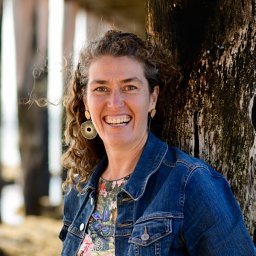 Alecia Bellgrove合作论文数School of Ecology and Environment, Deakin University7Nylund Göran M合作论文数Institute for Inorganic and Analytical Chemistry, Friedrich-Schiller-University Jena6
 Catriona MacLeod合作论文数Institute for Marine and Antarctic Studies, University of Tasmania;Australian Sustainable Seaweed Alliance;Marine Bioproducts CRC;New Zealand King Salmon6
 Allyson Nardelli合作论文数Oceanog Inst, Univ Sao Paulo4
 Cayne Layton合作论文数4Glenn Farrington合作论文数3Jakop Schwoerbel合作论文数3
 Matthew S. Hargrave合作论文数Swedish Mariculture Res Ctr SWEMARC, Univ Gothenburg3
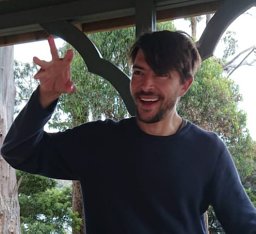 Lennart T. Bach合作论文数Helmholtz-Zentrum für Ozeanforschung (GEOMAR), Düsternbrooker Weg 20, 24105 Kiel, Germany.3
 Fredrik Gröndahl合作论文数Division for Water and Environmental Engineering, Department of Sustainable Development, Environmental Science and Engineering, School of Architecture and the Built Environment, KTH Royal Institute of Technology3
 Cecilia Biancacci合作论文数2
 Per Bergstrom合作论文数2
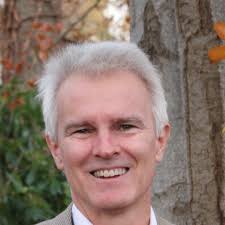 Martyn N. Futter合作论文数Department of Aquatic Sciences and Assessment, Swedish University of Agricultural Sciences2
 Victor Shelamoff合作论文数Institute for Marine and Antarctic Studies, University of Tasmania2
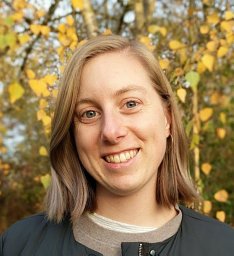 Veronica Tamsitt合作论文数Scripps Institution of Oceanography La Jolla CA USA2
 Holger Jänes合作论文数Marine Institute, University of Tartu2
 Bradley Evans合作论文数Donald Danforth Plant Science Center2Schut J合作论文数2
 Ilja Maljutenko合作论文数2
 Philip Boyd合作论文数Institute for Marine and Antarctic Studies, University of Tasmania;Antarctic Climate & Ecosystems Cooperative Research Centre2
 Peer van der Zwaal合作论文数2
 Ieva Barda合作论文数Department of Experimental Hydrobiology, Latvian Institute of Aquatic Ecology2Nelissen R G H H合作论文数2
 John Albert Raven合作论文数University of Dundee2
 S. Bennett合作论文数School of Marine and Tropical Biology, James Cook University2
 Jonne Kotta合作论文数Department of Marine Systems, Estonian Marine Institute, Faculty of Science and Technology, University of Tartu2Ants Kaasik合作论文数Institute of Ecology and Earth Sciences, University of Tartu2
 Jurriaan H. De Groot合作论文数2Ilmar Kotta合作论文数2
 Patrik Kraufvelin合作论文数Environmental and Marine Biology, Åbo Akademi University2Urmas Raudsepp合作论文数2Robert Aps合作论文数2
 PB De Witte合作论文数2Robert Szava-Kovats合作论文数2
 Gunilla Birgitta Toth合作论文数Tjärnö Marine Biological Laboratory, Göteborg University2Cecilia Rad Menendez合作论文数1I. Purina合作论文数1Matthias Schmid合作论文数1Anneliis Kõivupuu合作论文数1Damien N Stringer合作论文数1
 Peter Krost合作论文数1J. Craig Sanderson合作论文数1
 Kenneth Ritchie合作论文数1Ah Young Park合作论文数1
 Jan Michiels合作论文数1




