Background: Mental health issues in China are increasingly severe, with a significant rise in the number of inpatients with schizophrenia. Green spaces are strongly associated with health benefits, and virtual reality (VR) technology has emerged as an effective tool to connect patients with natural environments. However, research examining the role of urban greenways in the rehabilitation of schizophrenia patients remains limited. Objectives: This study aims to identify the virtual urban greenway environmental factors that influence the recovery of hospitalized schizophrenia patients and to determine their relative contributions. Methods: Field investigations and photography were conducted along the Chengdu Tianfu Greenway. Using deep learning-based image semantic segmentation technology, greenway environmental factors were quantified. A regression model, combined with scores from the Perceived Restorativeness Scale, was employed to identify key restorative factors. Subsequently, VR models of the greenway incorporating varying proportions of these factors were developed to determine the combinations that produce optimal restorative effects. Conclusions: The abundance of rest facilities (ARF), green view index (GVI), color richness (CR), and abundance of artificial facilities (AAF) were identified as the key factors influencing the restorative effects of urban greenways. Notably, a virtual greenway featuring a high green view index (over 50%) combined with a high abundance of rest facilities (over 15%) yielded the most significant restorative benefits for patients. Trial registration:The research protocol was reviewed and approved by the Academic Ethics Committee of Sichuan Agricultural University. It is consistent with the principles of the Declaration of Helsinki and relevant ethical guidelines, permitting the involvement of human participants. Ethical Approval Date: November 2024 .
As the issue of “Nature-Deficit Disorder” among urban children becomes increasingly prominent, it is crucial to explore definite, scientific and systematic models of nature education. This aims to strengthen children’s connection with nature, promote their physical and mental health, enhance their self-awareness and social cognition, and improve their interpersonal relationships and decision-making skills. Using the methods of EEG (Electroencephalogram) monitoring, scale questionnaireing and facial recognition technology, this study shows how different forms of nature education impact children’s immediate physiological and psychological restorativeness with 35 child participants involved in direct, indirect and symbolic contact with nature for experiments. The study confirms that both direct and indirect contact with nature can enhance children’s concentration and relaxation, with no significant difference between them. Both forms of contact with nature can improve positive emotions and alleviate negative emotions for children. However, special attention to the form of direct contact with nature is still warranted. The study also preliminarily explored the feasibility of using Google Vision facial recognition technology in nature education. All the research is dedicated to helping with the issues arising from children’s “Nature-Deficit Disorder,” promoting children’s wellbeing, fostering sustainable and continuous protection of nature, and cultivating future citizens with a strong sense of social responsibility and good adaptive capacity.
Antibacterial dressings are crucial for the prevention and treatment of wound infections. Silver nanoparticles (AgNPs), known for their high-efficiency and broad-spectrum antibacterial properties, are commonly used in such dressings. However, silver nanoparticles are easily agglomerated under light and environmental media, causing unstable silver ion release in these dressings. This restricts long-term antibacterial effectiveness and fails to meet clinical needs. To solve this problem, negatively charged cellulose nanocrystals (CNC) were used to enhance the dispersion of silver nanoparticles. Meanwhile, tannic acid (TA) was employed to reduce silver ions, while enhancing the complexation between CNC and silver nanoparticles, effectively alleviating the agglomeration of silver nanoparticles. Subsequently, these silver nanoparticles combined with CNC and TA were integrated into a PP (PVA-PEG) hydrogel matrix. Experimental results show that the hydrogel dressing exhibits excellent performance. Silver nanoparticle dispersion is greatly improved, and Ag+ release becomes sustained. The antibacterial rate against common pathogens is above 99%, and a high antibacterial rate is still maintained after one week of light exposure. In addition, the physical properties of the PP hydrogel are optimized. Our findings provide a new strategy for antibacterial dressings, aiming to enhance the therapeutic effect of wound dressings, offer a novel preparation method for nano‑silver antibacterial materials, and promote the development of green medical materials.
Soil chromium (Cr) contamination is escalating, and phytoremediation is optimal for its abatement. Cosmos sulphureus, an annual Asteraceae herb widely used in landscape greening and ecological restoration, has strong tolerance to heavy metals, but its Cr accumulation traits, stress response and molecular mechanisms remain unclear, limiting its application. Based on physiological measurements under four Cr concentration gradients (100–400 µM), combined with transcriptomic and metabolomic analysis at the critical stress concentration of 100 µM, this study systematically elucidated the physiological stress responses, tolerance mechanisms and early molecular expression profiles of C. sulphureus under varying Cr stress. Roots are the main Cr accumulation organ. 100 µM is the physiological tolerance threshold with high tolerance, low translocation and activated antioxidant system; Cell wall (CW) pectin serves as the main Cr immobilization site, and its Cr enrichment correlates strongly with PME-mediated demethylation, implying that low-esterified pectin might contribute to Cr detoxification through increased chelation sites; Transcriptome identified 26,505 upregulated and 14,791 downregulated genes: defense genes related to Cr-induced pectin modification and enzyme activity (PME29, PME2, GALE2, etc.) were induced, while growth-related genes involved in CW development and photosynthetic regulation (PMEU1, WAK1, LHCA3, etc.) were repressed. Metabolomics showed elevated defensive metabolites including organic acids, amino acids, flavonoids and sugars (GSH, Pro, AsA, etc.) and also promoted the enrichment of metabolites associated with the synthesis and modification of CW pectin and cellulose (L-arabinose, raffinose, etc.). These findings clarify the Cr accumulation characteristics of C. sulphureus roots and its remediation potential under Cr concentration ≤ 100 µM, confirming that the antioxidant system and pectin chelation detoxification are core tolerance mechanisms. Overall, C. sulphureus adopts a molecular response pattern of growth-to-defense transition. This study provides a basis for Cr remediation landscape plant breeding and plant Cr tolerance mechanism exploration.
Urban parks provide important ecological, health, and social benefits, yet access to these benefits is increasingly shaped by car-dependent travel and the associated carbon emissions. Although green travel is widely promoted to reduce emissions and improve environmental quality, research on park-related mobility remains limited. Moreover, existing studies largely focus on correlational analysis and lack integrated, policy-oriented frameworks that link behavioral mechanisms to intervention design and evaluation. To address this gap, this study develops an integrated analytical framework combining interpretable machine learning and agent-based modeling (ABM) to examine travel behavior for park visits and evaluate policy interventions. Using Chengdu, China, as a case study, it analyzes survey data from 375 park visitors to identify key park-level and individual-level determinants of travel choices. These results are then translated into quantitative policy parameters and embedded in an ABM to simulate and compare intervention scenarios. The findings show that: (1) park environmental quality, facilities, and public transport accessibility are nonlinearly associated with travel mode choice; (2) policy interventions based on mode-specific thresholds both single- and multi-policy promote green travel and reduce private vehicle use, with multi-policy portfolios exhibiting stronger interaction effects and greater shifts toward green travel; (3) multi-policy portfolios combining environmental and facility improvements achieve the most balanced mode transitions and largest carbon emission reductions. This study provides a reproducible framework for evaluating low-carbon travel strategies, reveals the role of urban parks as effective levers, and highlights that synergistic policies integrating ecological improvement and facility enhancement are key to achieving low-carbon mobility transitions.
Pocket parks are increasingly recognized as key components of micro-scale green infrastructure in dense urban environments, but assessments of spatial equity still rely mainly on single-dimensional metrics of accessibility. This study develops a multidimensional, scale-sensitive framework (3D–3S) that integrates walkability (WA), spatial vitality (SV), and landscape connectivity (LC) to evaluate pocket-park service potential. Recognizing that proximity-based use varies with walking distance, the framework is applied across three service-based walking catchments of 5, 10, and 15 min in central Chengdu, China. A multiscale quantitative evaluation combines multi-source spatial data, weighted indicators, cluster analysis, and spatial regression to construct a Service Potential Index (SPI) for 256 pocket parks. Results reveal clear scale-dependent differences: WA shows pronounced scale sensitivity, SV displays moderate but heterogeneous variation, and LC remains largely stable across distances. Cluster analysis identifies three service types, reflecting distinct spatial performance and functional roles. Spatial regression shows a significant positive association between population density and service potential at all scales, while housing price has no significant relationship. Overall, the study demonstrates the value of assessing pocket parks through multidimensional and scale-sensitive opportunity structures rather than relying solely on proximity-based measures. The 3D–3S framework offers a transferable analytical approach for recognizing pattern differentiation, supporting more equitable resource distribution, and guiding micro-scale green infrastructure planning in compact urban environments.
Pseudomyxoma peritonei (PMP) is characterized by progressive mucus accumulation, extensive stromal fibrosis, rare extraperitoneal metastasis, limited therapeutic options, and frequent recurrence. However, the microenvironmental ecosystem of PMP, particularly in metastatic lesions, remains poorly understood. Here, we integrated single-cell RNA sequencing, whole-exome sequencing, bulk RNA sequencing, and histopathologic validation to construct a high-resolution atlas of primary and paired metastatic tumors. Epithelial cells showed distinct functional states, including a TFF3+ mucus secretion-associated state and a MACC1+ malignant-associated state. Metastatic lesions showed coordinated microenvironmental reprogramming, including POSTN+ fibrosis-associated fibroblasts, CXCL5+ macrophages linked to local immunosuppressive signaling, and immune exclusion associated with a collagen-rich stromal barrier. We also observed extensive lipid metabolic activity and identified a candidate pro-angiogenic network involving POSTN+ fibroblasts, RSPO3+ pericytes, and endothelial cells, potentially mediated by VEGFA-VEGFR2 signaling. Retrospective observations from three recurrent PMP cases further suggested the potential therapeutic value of VEGFR2-targeted anti-angiogenic therapy. Overall, this study provides a comprehensive single-cell transcriptomic atlas of PMP and a resource for developing novel and combination therapeutic strategies.
Urban parks are often popular places for recreation and restorative experiences. While recreation involvement has been linked to human health, few studies have examined the role of recreation involvement in shaping users’ restorative experiences. To address this research gap, we conducted two empirical studies to test the hypothesis that recreation involvement may be an important pathway through which park environments affect individual restorative effects. Study 1 used a repeated-measures approach to investigate how recreation involvement moderates the effects of different urban park landscape types on physiological, emotional, and subjective recovery experiences. Study 2 collected survey data from urban park users to examine the mediating role of recreation involvement in the relationship between landscape elements and restorative effects. The results indicate that recreation involvement moderates the relationship between landscape types and subjective recovery. A high level of recreation involvement enhances personal subjective recovery in waterfront and open lawn spaces. Moreover, recreation involvement also partially mediates the effect of plants on subjective recovery, while fully mediating the effects of water and facilities on subjective recovery. Demographic and park visit characteristics moderated these relationships. Our study highlights the significant role of recreation involvement in enhancing the restorative effects of urban park environments. Future urban park design should prioritize the interaction between plants, water, facilities and recreation experiences, while focusing on the quality of these landscape features in rationality, naturalness and comfort, especially in open lawns and waterfront areas. This helps to improve the subjective recovery experience and overall well-being.
The high mobility and toxicity of cadmium (Cd) pose a serious threat to plant health, yet the mechanism by which methyl jasmonate (MeJA) regulates cadmium tolerance in Cosmos bipinnatus remains unclear. This study integrated physiological, ultrastructural, transcriptomic, and metabolomic approaches to systematically investigate the response mechanism of C. bipinnatus under exogenous MeJA (1.0 μmol/) treatment. The results showed that, compared with Cd-alone stress (30 μmol/), MeJA combined treatment increased cell wall thickness by 28.2% and primarily retained Cd within the cell walls, while shoot and root lengths increased by 9.6% and 12.0%, respectively. Meanwhile, the proportions of the FNaCl and FW fractions decreased by 41.2% and 28.4%, respectively. X-ray photoelectron spectroscopy confirmed increased abundances of COO⁻, CO, and C-O groups. In addition, the contents of hemicellulosic monosaccharides (except fructose) all increased, whereas xylan and xyloglucan decreased by 21.0% and 22.6%, respectively. At the molecular level, XTH and IRX genes were significantly upregulated, and their corresponding enzyme proteins—XTH26, XTH30, IRX9, and IRX7—increased by 17.12%, 20.62%, 7.6%, and 11.64%, respectively. Metabolomic analysis revealed elevated concentrations of osmoprotective sugars and sugar alcohols, along with enhanced activities of glycolysis and the oxidative pentose phosphate pathway, suggesting that the antioxidant defense mechanism relies on higher NADPH levels. Based on these findings, we reveal a dual strategy combining cell wall reinforcement and metabolic reprogramming, which not only restricts cytoplasmic Cd accumulation but also promotes biomass production to enhance stress tolerance, highlighting the potential of MeJA for optimizing industrial plant cultivation under heavy metal stress.
Mitigating the mismatch between the ecosystem service (ES) supply and demand is crucial for urban sustainable development. However, existing mismatch quantification has rarely considered the spatial relationship between ES supply and demand, which is determined by diverse ES flows. In this study, we quantified ES supply-demand mismatches by incorporating ES flows, delineated management zones, and analyze mismatch driving factors. These three analytical components are interlinked and form an integrated framework for informing ES supply-demand mismatch mitigation. We took the Eastern New Area of Chengdu, China, as a case study, and focused on four typical ESs (soil retention, crop pollination, flood regulation, and natural recreation). We found that: (1) The four ES supply-demand mismatches demonstrated heterogeneous distributions, and the integration of ES flows enhanced the accuracy of mismatch quantification; (2) Four distinct ES supply-demand management zones were delineated. The flood regulation-natural recreation mismatch zone accounted for the largest proportion of area (32.68%), while the ES match zone accounted for the smallest (5.93%); (3) The direction and magnitude of socio-ecological factors’ influence on ES supply-demand mismatches varied across zones. Overall, the green space proportion alleviated most ES supply-demand mismatches, whereas the population density, construction land proportion, and road density exacerbated them. This study advances the quantification of ES supply-demand mismatches, and more importantly, offers a practical analysis framework for mitigating mismatches in urbanized areas.
Nitrogen (N) addition enhances cadmium (Cd) tolerance and biomass performance in Cosmos bipinnatus, which was investigated using integrated morphological, physiological, microscopic and root transcriptome–metabolome analyses. Notably, under Cd stress, N supplementation led to significant improvements in the growth and biomass production of C. bipinnatus, while also enhancing the levels of nutrient elements in both its shoot and root tissues. This response is consistent with N-driven shifts in root traits and improved Cd handling capacity, indicating that N-induced physiological and structural homeostasis is closely linked to biomass recovery and that N addition enhances the potential of C. bipinnatus for industrial soil remediation in Cd-contaminated environments. Moreover, N supplementation restored growth and photosynthetic function, suppressed lipid peroxidation, and strengthened antioxidant and osmotic defense capacity. Microscopy showed recovery of root tips with thick, compact walls; fractionation confirmed that Cd was predominantly immobilized in the cell wall, with about 83% retained in low-mobility fractions, restricting root-to-shoot transfer. Transcriptome and metabolome analyses indicated coordinated activation of peroxisomal functions and the ascorbate–glutathione cycle, together with reinforcement of phenylpropanoid metabolism and cell-wall remodeling. The metal-transport network was reorganized across the ZIP, NRAMP, HMA, and YSL families, with tighter Fe and K homeostasis.These adjustments stabilized Cd within roots, reduced its mobility and reactivity, protected cellular structures, and sustained biomass accumulation and recovery. The findings provide a physiological and molecular rationale for N management that couples growth rescue with in situ stabilization and informs remediation strategies in C. bipinnatus and related ornamentals.
Hepatocellular carcinoma (HCC) is a major liver malignancy and a leading cause of cancer-related mortality worldwide. Given its rising incidence and poor prognosis, there is an urgent need to elucidate the molecular mechanisms driving HCC progression and to develop novel targeted therapies. In this study, we identify MAML1 as a key contributor to HCC development. Elevated MAML1 expression strongly correlated with disease severity, whereas its knockdown suppressed HCC progression. Functionally, MAML1 promoted tumor malignancy by regulating STAT3 activity. Mechanistically, MAML1 interacted with STAT3 and enhanced its acetylation in a p300-dependent manner. Inhibition of STAT3 with a specific inhibitor attenuated MAML1-driven HCC progression. Furthermore, signaling pathway analyses revealed that YAP is the principal transcription factor regulating MAML1 expression by directly binding its promoter. Importantly, depletion of MAML1 diminished YAP-induced HCC malignancy and STAT3 activation, suggesting that YAP, MAML1, and STAT3 form a coordinated signaling axis that drives HCC progression. Collectively, these findings uncover a novel MAML1-centered signaling pathway in HCC and provide a compelling rationale for the development of MAML1-targeted clinical strategies for disease management.
Jujube (Ziziphus jujuba Mill.) is a traditional fruit tree in China with immense economic and ecological value. Jujube fruits are abundant in polyphenolic secondary metabolites, particularly proanthocyanidins (PAs), which play a crucial role in enhancing the quality of jujube fruits. However, the mechanism underlying the biosynthesis of PAs remains unclear. The PA contents of sour jujube ‘Qingjiansuanzao’ and cultivated jujube ‘Junzao’ were compared at different developmental stages to unravel this mechanism. The PA contents of sour jujube were higher than that of cultivated jujube and decreased during fruit development. Combined with transcriptome analysis, a large number of differentially expressed genes related to PA biosynthesis were screened. Correlation analysis showed that ZjLAR and ZjANR played an active role in promoting the biosynthesis of PAs. Transient overexpression of ZjLAR and ZjANR in jujube fruits resulted in higher total PAs and monomeric catechin, but the PAs decreased after transient silencing. Overexpressing ZjLAR and ZjANR in Arabidopsis and tomato increased the content of PAs in Arabidopsis seeds and tomato fruits. These findings provide a new basis for further understanding of the biosynthesis of jujube PAs and are significant for improving the quality of jujube fruit.
Wheat natural resistance-associated macrophage protein 3 (NRAMP3) are manganese (Mn) transporters that can also transport unwanted cadmium (Cd). However, their roles in regulating grain Cd concentration are unknown. Here, we functionally characterised TpNRAMP3-7A and TpNRAMP3-7B cloned from dwarf Polish wheat (Triticum polonicum L., AABB) in them of their expression patterns, transcript localisations, metal transport activities, and associated phenotypes. Both TpNRAMP3-7A and TpNRAMP3-7B were expressed in the epidermis, endodermis, and xylem parenchyma cells of roots, the xylem parenchyma cells and phloem region of nodes and leaf sheaths, and the phloem region of leaf blades. Knockout of TpNRAMP3-7A and/or TpNRAMP3-7B not only limited grain Cd concentration, but also reduced Cd uptake, root-to-shoot translocation, and shoot-to-grain distribution. They also limited grain Mn concentration by inhibiting shoot-to-grain Mn distribution when grown in the field (high-Mn concentration), and decreased Mn uptake and root-to-shoot translocation under low-Mn stress. Position 192F in TpNRAMP3 was the core amino acid determining Cd and Mn transport activity. These results provide a valuable guide and target gene for limiting Cd concentration in wheat grains.
Radial transport of lead (Pb) within roots determines the extent of Pb loading into the xylem, facilitating its subsequent root-to-shoot translocation. However, the regulatory role and underlying mechanism of exogenous melatonin in modulating Pb radial transport in bermudagrass roots remain unclear. Here, morphological and molecular basis by which melatonin affects the Pb radial transport in bermudagrass were explored. Results revealed that exogenous melatonin (0-200 μM) altered Pb tolerance, accumulation and translocation in bermudagrass. Notably, a low-concentration melatonin treatment (4 μM) enhanced Pb uptake and translocation, resulting in a 1.65-fold higher Pb accumulation in the shoots compared to the only Pb stress treatment. Concerning the radial transport pathways, the symplastic transport dominated Pb radial transport across all melatonin concentrations. At 4 μM, melatonin upregulated key genes CdACBP1 and CdACBP4, facilitating Pb transport via the symplastic pathway. Concurrently, downregulation of lignin/suberin biosynthesis genes CdLAC3 and CdCYP86-B1 delayed Casparian strip and suberin lamellae formation. Melatonin also alleviated Pb-induced root growth inhibition, increasing root tip number by 80 %, thereby enhancing apoplastic Pb entry. The contribution of the apoplastic pathway significantly increased by 64 % compared to the only Pb stress treatment. Overall, this study is the first to confirm that melatonin promoted Pb radial transport and root-to-shoot translocation in bermudagrass by regulating the expression of Pb transporter genes, root growth, and root endodermal differentiation. These insights provided advance theoretical foundation for advancing the practical application of melatonin in phytoremediation of Pb-contaminated soils.
The restorative effects of various environmental factors within urban forests on physical and mental health exhibit significant differences. Specifically, vegetation types and topographical slope positions are key elements contributing to the environmental heterogeneity of urban forests. However, there is a lack of studies that have concurrently examined the health restoration effects of both factors. This study conducted an empirical experiment on university students in urban forests during the autumn season, investigating the effects of different vegetation types and slope positions on physiological and psychological restoration, and identifying the key environmental factors contributing to these effects. The results show the following: (1) Urban forests with different vegetation types exhibit varying restorative effects, with coniferous forests offering greater physiological restoration benefits than coniferous–broadleaf mixed forests. (2) Slope position affects both physiological and psychological restoration. In coniferous forests, the restorative effects on physical and mental health are greater at the top and midslope positions compared to the bottom slope position; in coniferous–broadleaf mixed forests, the best physiological restoration effects occur at the midslope position. (3) The key environmental factors influencing physiological restoration in urban coniferous forests are panoramic green coverage and elevation. (4) In urban coniferous–broadleaf mixed forests, temperature, humidity, and wind speed are the key factors affecting physiological restoration. This study reveals the restorative differences in urban forests under different vegetation types and slope positions, identifies the key environmental factors influencing health restoration, and provides a theoretical basis for further research on the impact of urban forests on human health. Future urban forest layout and design should fully consider the characteristics of different slope positions, optimize microclimate regulation, and maximize their role in promoting public health.
To alleviate the emotional stress in modern urban life, people are increasingly relying on restorative environments to retain their physical and mental well-being. The rural landscape is an underestimated potential restorative environment. This study took the traditional rural settlement “Linpan” in Chengdu as representative rural landscape, which was further divided into tourist and agricultural rural landscapes. A structural equation model was used to construct a restoration perception mechanism consisting of landscape elements perception, place attachment, recreational activity preference, and restorative perception. The results showed that the perception score of farmland and woodland in agricultural rural landscapes were the highest, and buildings in tourism rural landscapes were more effective. Landscape elements perception, place attachment, recreational activity preference all have a significant impact on restorative perception (P < 0.05), with place attachment being the most critical mediating factor affecting restorative perception (Standardized path coefficient = 0.805, P < 0.001). Gender (positive moderating effect for male), age (positive), professionalism and the degree of familiarity with the rural landscape (negative) had significant moderating effects (P < 0.05). The results of the study provide recommendations for rural landscape construction and tourism development, especially through the design of landscape elements and pro-natural activities to improve tourists' place attachment and further enhance restorative perception.
The increasing frequency and prominence of global public health threats put urban healthcare workers at risk of physical and mental illness. Forest therapy holds crucial importance in promoting human health as a non-material benefit obtained from ecosystems. Cultural ecosystem services (CES) profoundly influence human welfare. National parks, due to their rich biodiversity and other favorable conditions, can support forest therapy and provide CES. This study organized 32 urban healthcare workers to participate in a two-day, two-night forest therapy in the Giant Panda National Park (GPNP), which provides CES, and examined immediate changes in their physical and mental health before and after the intervention. Among these, physiological indicators encompass respiratory and circulatory system, immune system, neurotransmitter system, physical fitness development, and sleep quality. Psychological indicators include self-restore and preferences, sensory perception, transcendent experiences, and personal subjective wellbeing. The results indicate that both forest bathing and sensory therapy activities within the GPNP may yield varying degrees of relaxation and concentration benefits. Forest therapy in medium hydrodynamic landscapes may offer significant physiological relaxation benefits for high-stress groups such as urban healthcare workers, while sensory therapy in forest environment may positively enhance concentration levels. Activities such as observation and experiential learning within national parks characterized by pristine ecological environments may be more effective in evoking positive or even exhilarating emotions. This exploratory finding could potentially contribute to the rehabilitation treatment of individuals with depression. Research findings on respiratory and circulatory systems, immune systems, neurotransmitter systems remind us that culture and nature are not in conflict. Infusing cultural elements into sufficiently good ecological environments may bring greater benefits to humanity. This exploratory discovery could aid future selections of therapeutic microenvironments for sub-health populations and individuals with respiratory diseases. This study also found that the most contributing activities to the mental health of urban healthcare workers in different environments were not exactly the same, with Baduanjin, plant nameplates and mandalas, and meditation on positive thoughts being highly contributing to both types of environments, while the landscape of smell was more contributing in the waterside environment of a national park, and the activity of embracing trees was more contributing in the forested environment of a national park. Additionally, the mental health benefits derived from natural environments with cultural ambiance surpass those of forest bathing in purely natural settings, which aligns with our findings regarding physiological benefits. The exploratory findings of this study may provide scientific evidence for the comprehensive impact of national parks on human health, and to offer feasible nature-based solutions for the health and wellbeing of urban healthcare workers and the broader population.
Urban green spaces, vital public infrastructure, have received limited research on how their morphology affects visual perception preferences. Using data from ten parks, we generated green space maps from high-resolution satellite imagery and calculated indicators, such as quantity, fragmentation, connectivity, and shape complexity. By combining the Mask2Former image segmentation deep learning model with a multi-objective regression model and structural equation modeling, we analyzed the relationship between green space morphology and visual perception preferences, controlling for geographic and demographic factors. The results showed that green spaces with tighter connectivity, aggregation, continuity, and shape complexity led to more distinct visual perceptions. This relationship was mediated by the proportion of landscape elements. The distribution, shape, and connectivity of urban green spaces had an independent impact on individual visual perception, far exceeding the influence of quantity alone. The spatial morphology of urban green spaces should be incorporated into health-oriented urban space design, exploring the global interest in how green spaces impact urban human well-being, and providing valuable insights for urban green space planning and health-driven urban space design.
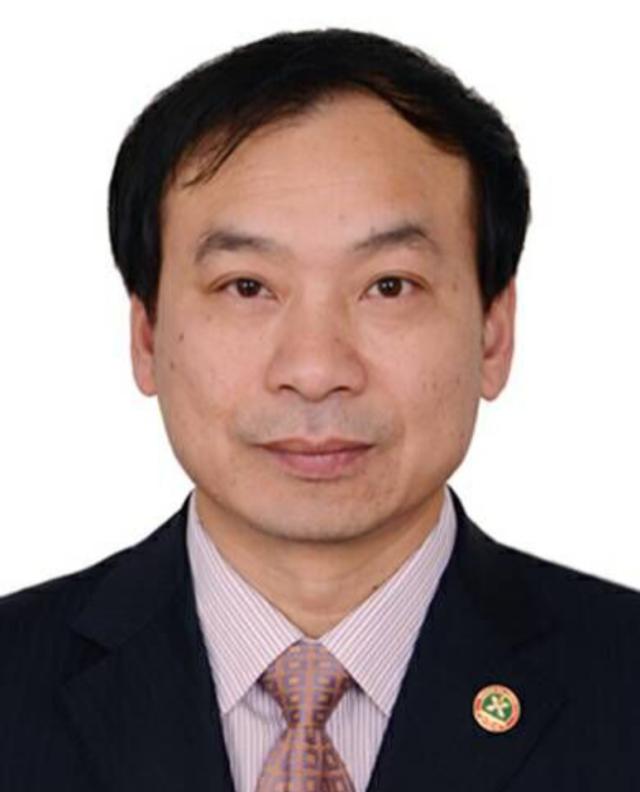 Zhaoqian Liu (刘昭前)合作论文数Institute of Clinical Pharmacology, Central South University;Xiangya Hospital, Central South University72
 Honghao Zhou (周宏灏)合作论文数Institute of Clinical Pharmacology, Central South University68
 Ji-Ye Yin (尹继业)合作论文数Institute of Clinical Pharmacology, Central South University;Xiangya Hospital, Central South University51
 Wei Zhang (张伟)合作论文数Institute of Clinical Pharmacology, Central South University46
 Lingxia Sun (孙凌霞)合作论文数College of Landscope Architedure, Sichuan Agricultural Unive rsity36
 Mingyan Jiang (江明艳)合作论文数College of Landscape Architecture, Sichuan Agricultural University35
 Jun Ma (马均)合作论文数College of Landscape Architecdure, Sichuan Agricultural University23
 Zhuo Huang (黄卓)合作论文数College of Landscape Architedure, Sichuan Agricultural University23
 Xiaofang Yu (余小芳)合作论文数College of Landscape Architecture, Sichuan Agricultural University22
 Qibing Chen (陈其兵)合作论文数College of Landscape Architecture, Sichuan Agricultural University20
 Erkang Fu (付而康)合作论文数College of Landscope Architedure, Sichuan Agricultural University19
 Xiao-Yuan Mao合作论文数Central South University China, Central South University18
 Bingyang Lv (吕兵洋)合作论文数College of Landscope Architedure, Sichuan Agricultural University16
 Han Yan合作论文数Cent S Univ, Xiangya Hosp, Dept Clin Pharmacol, Changsha 410008, Hunan, Peoples R China15
 Menggen Ma (马孟根)合作论文数College of Resources, Sichuan Agricultural University15
 Shizhen Cai (蔡仕珍)合作论文数College of Landscape Architecture, Sichuan Agricultural University14
 Tao Zhu (朱涛)合作论文数Tongji Hospital, Tongji Medical College, Huazhong University of Science & Technology13Lingli Peng合作论文数12
 Ting Lei (雷霆)合作论文数College of Landscape Architecture, Sichuan Agricultural University;College of Environmental Sciences, Sichuan Agricultural University12Chen-Xue Mao合作论文数11Baimeng Guo (郭白濛)合作论文数11Pan Xie合作论文数11Hanyu Wang合作论文数11Xiao Xue合作论文数11
 Lijuan Yang (杨丽娟)合作论文数College of Landscape Architecure, Sichuan Agricultural University11Shiliang Liu (刘柿良)合作论文数College of Landscape Architecture, Sichuan Agricultural University11Yehua He (何业华)合作论文数11XiangPing Li (李向平)合作论文数10Jun-Yan Liu合作论文数9Meiqin Mao合作论文数9
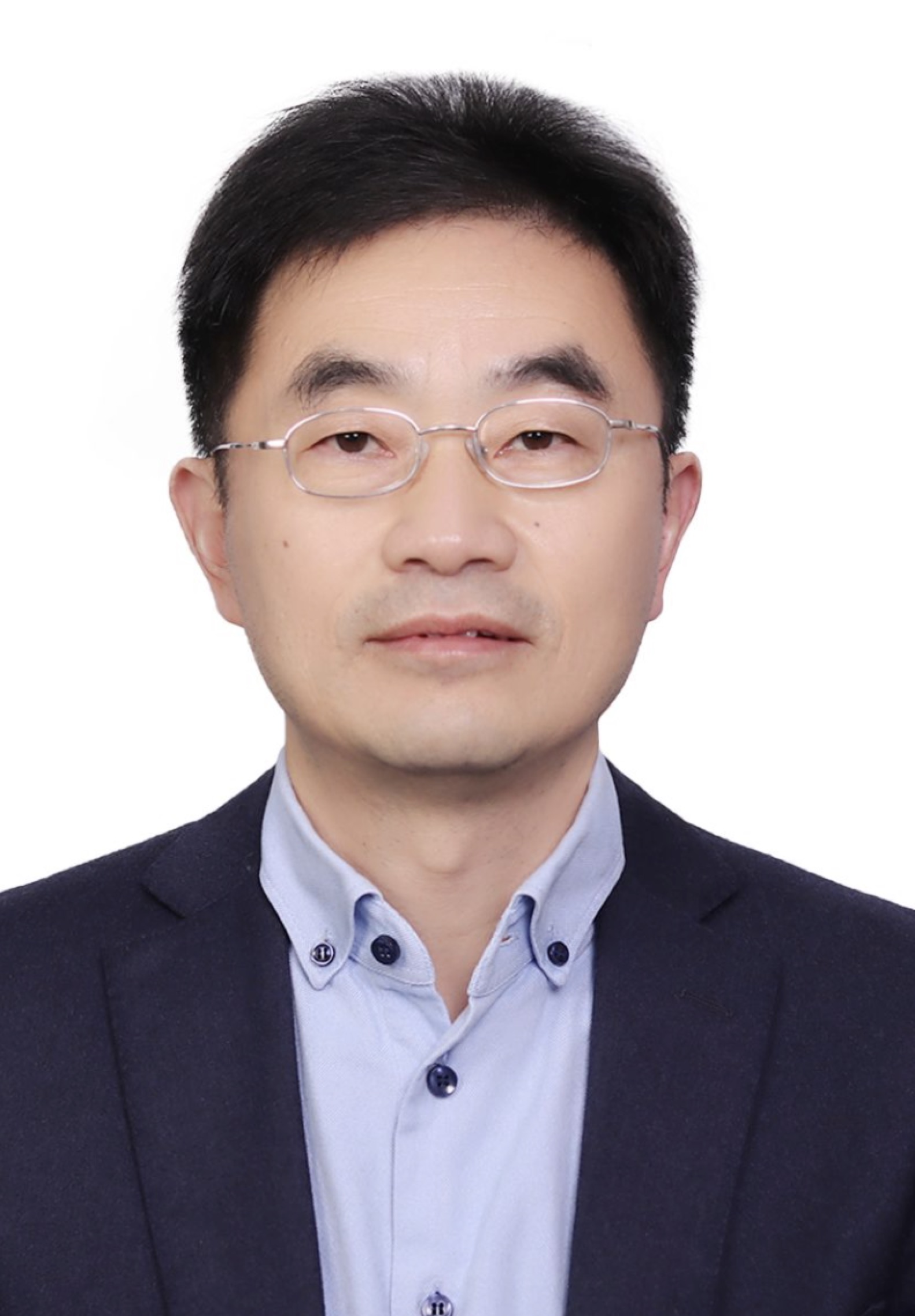 Yuanzhi Pan (潘远智)合作论文数College of Forestry, Sichuan Agricultural University9
 Qian Li (李倩)合作论文数College of Horticulture, China Agricultural University9
 Nian Li (李念)合作论文数College of Landscope Architedure, Sichuan Agricultural University9
 Quanju Xiang (向泉桔)合作论文数College of Resources, Sichuan Agricultural University9
 Yunfu Gu (辜运富)合作论文数College Of Resources, Sichuan Agricultural University9Xiaolin Kuang合作论文数8Yanbin Xue合作论文数8Kai Li合作论文数8
 Li Deng合作论文数8Gong Weijing合作论文数8
 Qiang Chen (陈强)合作论文数College of Resources, Sichuan Agricultural University8Juan Du合作论文数8
 Mingdong Ma (马明东)合作论文数College of Landscope Architedure, Sichuan Agricultural Unive rsity8
 Ke Zhao (赵珂)合作论文数College Of Resources, Sichuan Agricultural University8Xiaoxuan Zeng合作论文数7Wei Zheng合作论文数7Xinyi Cai合作论文数7
 Chengcheng Xie (谢程程)合作论文数7Lijun Feng合作论文数7




