Spaceborne active phased array antennas operating in Low Earth Orbit (LEO) are inevitably affected by extreme thermal environments. This leads to structural deformation and degradation of antenna performance. This paper proposes a temperature field model for spaceborne active phased array antennas in LEO conditions and establishes a theoretical model to predict their thermally induced warping deformation. Based on this, a rapid prediction method for thermal warping deformation of such antenna structures in LEO environments is developed. Through finite element analysis (FEA) and experiments on antenna prototypes at room temperature, we demonstrate that this prediction method can efficiently forecast out-of-plane thermal warping deformation of the laminated antenna structure using limited information. Under LEO conditions, the mean absolute percentage errors (MAPE) between the theoretical and simulation results for the transmitting and receiving arrays are 17.92 % and 17.05 %, respectively. Under laboratory conditions, the MAPE between simulation and experimental results are 9.16 % and 15.50 %, while those between theoretical and experimental results are 22.50 % and 19.90 %, respectively. This work can significantly guide the design of electrical and mechanical compensation for thermal warping deformation in spaceborne active phased array antennas. It contributes to shortening the antenna design cycle and reducing costs.
The failure behavior of alumina ceramic plates subjected to high-energy nanosecond pulsed laser irradiation with peak power densities ranging from 10.61 to 31.83 GW/cm2 was investigated through combined experiments and numerical simulations. Experimental results show that pulsed laser loading induces two distinct damage modes: the formation of a localized heat-affected zone on the laser-irradiated front surface and spallation damage on the rear surface. Among these, rear-surface spallation caused by the reflection of laser-generated shock waves is identified as the dominant failure mechanism governing the macroscopic structural integrity of the ceramic plates. Three-dimensional surface characterization of the spallation regions reveals that both the spallation depth and lateral extent increase moderately with increasing laser pulse energy. However, when normalized by laser energy, lower pulse energies produce a greater spallation depth per unit energy, indicating higher damage efficiency and highlighting the potential risk associated with repeated low-energy pulsed laser loading on ceramic protective structures. To further elucidate the spallation mechanism, a finite element model was developed to simulate laser-induced stress wave propagation and rear-surface spallation behavior. The numerical predictions show good agreement with experimental observations, with deviations within 15% for spallation depth and 10% for spallation radius. This study clarifies the dominant failure mode of alumina ceramics under high-energy pulsed laser shock loading and provides a quantitative basis for the evaluation and design of ceramic protective structures against pulsed laser threats.
Leveraging exceptional flexibility, wearability, and comfortability, flexible pressure sensors demonstrate significant application potential and broad development prospects across various fields such as healthcare, wearable devices, and robotics. Conventional pressure sensors typically infer object shapes indirectly through localized pressure variations, a method limited by their narrow deformation range and reliance on discrete pressure differentials. In this study, we developed a customizable pressure sensor by employing an inverse design approach to optimize the lattice structure, thereby tailoring the capacitance-pressure characteristic curve. The resulting sensor exhibits a wide sensing range of 1260 kPa and high linearity (R-2 = 0.997), enabling more conformal contact and a comprehensive assessment of surface features, which significantly improves recognition accuracy. Based on this sensor unit, a 10 & times; 10 sensor array was fabricated capable of detecting multidimensional object topographies. The system has been successfully integrated into a robotic arm for real-time object recognition and classification. This work offers a new technological pathway for the application of pressure sensors in smart wearables and robotic systems.
This research successfully developed a fabric sensor with an exceptional linearity and sensitivity based on Ecoflex/carbon composite ink, which holds significant potential for the field of intelligent wearable devices. The sensor's substrate is crafted from woven fabric, selected for its flexibility and breathability, making it an ideal choice for wearable applications. Incorporating Ecoflex/carbon composite ink as a functional material endows the sensor with a favorable linear resistance change rate and ensures its stability. Itis worth noting that the conductive network of the pressure-sensitive layer, made from Ecoflex/carbon composite ink, is firmly embedded within the elastic substrate rather than merely adhered to the fabric surface, thereby conferring superior mechanical strength to the pressure sensor. The fabric sensor exhibits a high linear resistance change rate ( R 2 = 0.9965) across a broad strain range (0%–100%) and maintains remarkable durability after 2000 cycles of cyclic stretching. In terms of application, the intelligent fabric sensor is integrated into a woven glove designed to monitor finger movements to control the navigation between different PowerPoint slides. This innovative application showcases the practicality of intelligent fabric sensors in human–computer interaction, particularly in enhancing the interactivity of presentations and educational settings. The demonstration of this smart glove reflects the sensor's potential applications in wearable electronic devices and paves new directions for the future development of intelligent interactive devices. Equipped with this smart glove, users can interact with electronic devices intuitively and naturally, enhancing operational convenience and opening up new possibilities for the application of innovative wearable technology.
Human mobility modeling and prediction are central research topics in GIScience. Although deep learning has led to significant advances in these fields, existing trajectory prediction models still face challenges in capturing the complexity of individual mobility behavior. Regression-based models often overestimate the diversity of human mobility, whereas classification models tend to underestimate it. This study attributes these biases to the models' limitations in recognizing the spatial relationships among activity locations and mobility heterogeneity across individuals. To address these challenges, we propose the Spatial Preference Map-based Transformer (SPM-Former), explicitly integrating spatial proximity and mobility heterogeneity to enhance trajectory sequence prediction. To capture individual mobility characteristics, SPM-Former utilizes the Spatial Preference Map (SPM) to represent individuals' spatial visitation preferences and adjacency relationships between locations. Then, we introduce two encoding modules to decode the information hidden within the SPM: one for encoding trajectory-level spatial-temporal information and another for embedding individual-level overall mobility features. Furthermore, we propose a novel optimization method, SPM-Loss, to assess prediction accuracy from the global spatial distribution perspective. Experimental results on a large-scale dataset from Japan demonstrate that SPM-Former outperforms state-of-the-art classification-based models, achieving approximately 3% and 20% improvements in trajectory sequence similarity and overall spatial feature similarity, respectively.
Intelligent regulation has emerged as a promising strategy for exploring novel applications of multifunctional metamaterials. Conventional regulation methods are generally constrained by fixed configurations, making achievement of the intended regulation effects difficult. This paper presents a reconfigurable metamaterial with tunable electromagnetic-absorbing and load-bearing performance. The metamaterial integrates highly stretchable fractal kirigami and bistable origami configurations, enabling 3D auxetic deformation. The synergistic deformation mechanisms are analyzed, and a prediction model is established to describe the variation in mechanical and electromagnetic performance during reconfiguration. Furthermore, an integrated genetic optimization is conducted to design a multiband radar stealth metamaterial, achieving an ultra-broad absorption band from 2.7 to 15.6 GHz, with superior electromagnetic performance as the wave incidence angles increase. The synergetic deformation achieves an in-plane strain of approximate to 40% and out-of-plane strain of over 182%, with a self-locking effect enhancing load-bearing capacity. Traditional origami techniques are leveraged for the innovative reconfigurable metamaterial, providing an available paradigm for tunable electromagnetic design.
Reconfigurable structures with programmable deformation behaviors present significant promise in fields of multifunctional antennas, flexible electronic device and soft robotics, for the capability of achieving multiple mechanical responses in a single structure. However, most previous researches have focused primarily on designing some basic deformation modes for the reconfigurable structures (i.e., shrinkage, expansion and simple shear deformation modes), which limits the exploration of a broader range of complex deformation modes in the reconfigurable structures. This study reports the design strategies for a class of reconfigurable three-phase lattice composite structures with programmable deformation modes under electrothermal actuation. The effective strain matrix is defined to characterize the finite deformation of the lattice composite structures. In addition to five basic deformation modes of the lattice composite structures, several coupled deformation modes are achieved in the lattice structures via specific actuation approaches, including bidirectional programmable shrinkage and expansion deformation, the coupled deformation modes of shearing and expansion or shrinkage. The two elements, and even three elements, of the effective strain matrices of the lattice structures are designed simultaneously, significantly enriching the deformation modes of the structures. A large deformation model is developed to describe the multiple deformation behaviors of the lattice composite structures, the accuracy of which is validated by the FEA and experimental results. Moreover, the experiments demonstrate that multiple deformation behaviors could be obtained in a single lattice composite structure by different actuation approaches. Therefore, this study offers insights for further studies into reconfigurable lattice structures with programmable deformation modes, and enhance the potential applications in fields of multifunctional antennas, flexible electronic device and reconfigurable soft robotic.
Origin-Destination (OD) flow, as an abstract representation of the object's movement or interaction, has been used to reveal the movement patterns of human activities and the coupling process of the human-land system. As a developing spatial analysis method, OD flow clustering can be used to identify the dominant trends and spatial structures of urban mobility. However, urban flow exhibits universal heterogeneity, which is mainly manifested in irregular shapes, uneven distribution, and obvious scale differences. The existing methods are constrained by specific spatial scales and sensitive parameter settings, making it difficult to reveal heterogeneous urban mobility patterns within travel OD data. In this paper, we propose an OD flow analysis method that integrates spatial statistics and density clustering. This method can determine parameter values from datasets without manual intervention and adaptively identify multi-scale mixed OD flow clusters. In the simulation experiment, the proposed method accurately detects all preset OD clusters with less noise. It outperforms the baseline methods in terms of Silhouette Coefficient, V-measure, and Fowlkes Mallows index. As a case study, this method is applied to OD data from Chengdu, China, extracting 63 representative flow clusters and revealing the trends of heterogeneous urban mobility across different lengths and densities for public transit optimization.
The thermal deformation of structure in non-uniform thermal environment in space is a critical factor affecting the imaging accuracy of remote sensing satellite. In this study, the thermal deformation theory of near-zero warping sandwich structure under non-uniform temperature field is established. A high-fidelity prediction method based on CT scanning and reconstruction of structural defects is proposed. Thermal deformation experiments show that this method can accurately characterize the ultra-low thermal deformation behavior of the near-zero warping sandwich metastructure, which is significant for the real-time correction of satellite imaging in orbit.
High-performance impact-absorbing structures that combine exceptional energy absorption capabilities with high reusability represent a significant advancement in protective engineering. In this work, we present the development of three-dimensional (3D) chiral metamaterials and a sophisticated inverse design methodology specifically engineered to achieve tailored impact-absorbing properties. By harnessing the multi-level rotational mechanisms-encompassing localized and global beam rotations, as well as the overall structural rotation-during compression, coupled with the shape memory effect of nickel-titanium (NiTi) alloy, the designed structures demonstrate outstanding reusability in energy absorption. Utilizing the AI-driven approach that integrates machine learning with genetic algorithms, we successfully engineered six distinct structures with plateau stresses ranging from 0.025 MPa to 0.7 MPa. Uniaxial compression tests revealed excellent alignment with finite element analysis (FEA) predictions, exhibiting an average deviation of only 8.75 % from the target stress-strain profiles, thereby validating the robustness and precision of our inverse design methodology. Notably, the structure with a plateau stress of 0.05 MPa achieved an exceptional shape recovery ratio of 97.9 % following 80 % effective compression, underscoring its superior reusability. These findings underscore the transformative potential of 3D chiral metamaterials with multi-level rotational capabilities and their inverse design strategy in advancing the development of reusable, high-performance impact-absorbing structures.
The development of mechanical metamaterials that replicate the anisotropic mechanical behavior of biological tissues is pivotal for applications in flexible electronics, tissue engineering, and biointegrated technologies. Existing efforts have primarily focused on replicating biomechanical responses under simple uniaxial tension, thereby limiting their applicability under realistic multiaxial deformation scenarios involving complex loading modes such as biaxial tension and shear. To bridge this gap, a class of Bionic Soft Anisotropic Metamaterials (BSAMs) is introduced, featuring a modular architectural strategy that enables tissue-like responses across diverse loading conditions. By combining a quasi-isotropic matrix with directional reinforcements, BSAMs achieve strain energy-level similarity with anisotropic soft tissues, thereby removing dependence on specific loading modes for mechanical compatibility. Numerical simulations and experimental validations demonstrate that BSAMs replicate a wide range of tissue mechanics-from soft organs such as the kidney (tens of kPa) to stiffer tissues like skin (approaching MPa)-and accurately capture varying degrees of anisotropy. Furthermore, the architectural tunability of BSAMs allows for the realization of spatially graded and regionally partitioned structures, enabling precise replication of biomechanical distributions at the organism level. These results highlight the potential of BSAMs as versatile platforms for next-generation prosthetics, soft robotics, and other biointegrated technologies.
This study presents a novel kind of variable-thickness curved-beam-based structure (VTCB) that significantly expands the design space for lateral displacement curves under large deformations. To efficiently and accurately achieve desired lateral displacement curves, we propose a two-step inverse design framework combining Particle Swarm Optimization (PSO) and the Broyden-Fletcher-Goldfarb-Shanno (BFGS) algorithm. This method effectively navigates the high-dimensional design space, achieving optimal solutions through an initial global search followed by fine-tuning while minimizing surrogate model-induced errors. Using this approach, we realize unconventional lateral displacement curves, including multiple directional reversals, V-shaped profiles, and trigonometric function-based curves-configurations difficult to achieve with traditional methods. Furthermore, leveraging VTCB's broad performance space, we develop a customizable quasi-static mechanical signal transformer capable of various signal conversions, such as waveform transformation (e.g., converting a sine wave into a triangular wave, quasi-square wave, or pulse signal), frequency multiplication, and wave rectification by inverting or blocking specific signal components. The proposed VTCB enables advanced nonlinear displacement transformations in mechanical systems and lays the foundation for future applications in mechanical computation, programmable materials and structures, robotics, and beyond.
The demand for precisely tailorable mechanical parameters of energy-absorbing structures is emerging. This paper proposes a machine learning-driven inverse design framework that resolves this multiobjective challenge through 181-dimensional parameter optimization. Our method integrates multimaterial compatibility (TPU/resin/NiTi/Al alloy) with topology-morphing body-centered cubic (BCC) lattices, where nodal coordinates, beam diameters, and material parameters are co-optimized. We delve into studying the effects of material parameters, nodal coordinates, and beam diameter variations on the structural compressive performances by conducting over 20,000 simulation experiments on randomly generated BCC lattice structures using a finite element analysis. Subsequently, the metamaterials with the specific platform stress values (from 0.015 to 4.05 MPa) and specific energy absorptions (from 0.049 to 23.377 J/g) can be inversely designed with the aid of the artificial neural networks and genetic algorithms to pinpoint optimized parameters from a 181-dimensional space. Noteworthily, the metamaterials in NiTi alloy presented a high-level reusability even after five compression cycles (over 50% recovery), demonstrating its advantage in realizing the reusable and desired energy-absorbing performances. This method has been rigorously validated through additive manufacturing and experimental characterization. This work bridges the critical gap between customizable energy absorption and structural reusability.
Metamaterials with tunable thermal-mechanical properties offer advantages in maintaining dimensional stability under thermal shocks. Previous studies relied on empirical finite element analyses (FEA) and simplified models, limiting design flexibility to specific directions and causing significant prediction errors for extreme deformations. This paper introduces a universal design methodology and a novel theoretical prediction method to analyze the isotropic, transversely isotropic, and orthotropic thermal-mechanical properties of the heterogeneous polyhedral metamaterial. Through the coordinate transformation of the theoretical model and the accumulation of its thermal-mechanical deformations, the accurate predictions of the coefficient of thermal expansion, specific compression modulus, and specific shear modulus along X-, Y-, Z- directions of representative polyhedral metamaterials are realized simultaneously. The fixed support incorporating the Timoshenko beam model to account for shear deformations during the construction of the mechanical model, more consistent with the actual boundary conditions but weaker assumption, leverages the significant agreements between the theoretical results, FEAs, and experiments in predicting thermal-mechanical performances of polyhedral metamaterials. Furthermore, the design principles for complex 3D metamaterials with isotropic, transverse isotropic, and orthotropic thermal-mechanical properties are presented, highlighting the advantages of our method in achieving the targeted thermal-mechanical properties along the X-, Y-, and Z-directions of complex 3D metamaterials.
As joint bending deformation is a primary feature of biological motions, measuring the joint angle variations of human is crucial, especially due to its significant spatial coordinate transformation and highly variable effective strain distribution across the section. The coupled deformation mode and the remarkable strain make the precious monitor of the joint motion challenging. In this study, we designed a monolithic flexible sensor with bi-side laser-induced graphene (BS-LIG) with a decoupling capability for tension and bending deformation modes. The sensor featured a PDMS substrate with sensing units on both surfaces can eliminate the contribution of tensile strain of the neural plane on the sensing value by utilizing the difference of the two-strain data, offering a reliable data in feedbacking the value of the real-time joint angle. Benefiting from the inherent softness and stretchability of PDMS, the BS-LIG sensor can withstand a tension of over 45
Mechanical metamaterials exhibiting unconventional Poisson's ratios hold significant promise for applications in flexible electronics, impact protection, medical devices, and shape-shifting structures. However, achieving complex Poisson's ratio behaviors-particularly nonlinear and directional-switching responses under large deformations-remains a considerable challenge. This study introduces a class of variable-thickness curved-beam metamaterials (VCBMs) capable of exhibiting intricate nonlinear lateral displacement responses, including direction-reversing behaviors, under large tensile strains. To enable the customizable design of VCBM unit cells with complex Poisson's ratio profiles, an inverse design framework integrating neural networks (NN) and particle swarm optimization (PSO) is proposed. This framework facilitates the precise tailoring of VCBM unit cells with nonlinear, sign-switching force-lateral displacement curves and enables the development of spatially heterogeneous metamaterials with unprecedented lateral deformation transitions. As a case study, the framework is applied to create metamaterials that transition from a flat configuration to a dumbbell shape and subsequently to a vase-like form under uniaxial stretching. Both numerical simulations and experimental validations confirm the effectiveness of this approach, highlighting the unprecedented lateral displacement mode transitions under tensile loading. The proposed methodology lays the foundation for developing advanced reconfigurable metamaterials with versatile applications in mechanical systems, soft robotics, programmable materials, and medical devices.
Due to the large geometric deformation capacity of curved beams, they are frequently employed as critical components in superstructure design and stretchable electronic technology. However, there is still a lack of an efficient method for monitoring and inverting the global deformation behavior of such structures under unknown loading conditions. In this study, the LIG-based customized strain sensors are used to capture the local strains of the curved beam structure. A finite deformation theory-based inversion framework is developed to reconstruct the large geometric deformation by correlating discrete strain measurements with the finite deformation analysis of the curved beams. This approach enables rapid inversion for the finite deformation of the curved beams under uniaxial tensile loads, and its validity has been confirmed by comparing with the experimental deformation results. The demonstration of global deformation inversion of lattice structures shows that this method provides direct and effective guidance for the design and optimization of mechanical metamaterial and stretchable electronic devices.
Accurate and robust road extraction with good continuity and completeness is crucial for the development of smart city and intelligent transportation. Remote sensing images and vehicle trajectories are attractive data sources with rich and complementary multimodal road information, and the fusion of them promises to significantly promote the performance of road extraction. However, existing studies on fusion-based road extraction suffer from the problems that the feature extraction modules pay little attention to the inherent morphology of roads, and the multimodal feature fusion techniques are too simple and superficial to fully and efficiently exploit the complementary information from different data sources, resulting in road predictions with poor continuity and limited performance. To this end, we propose a Bilateral Synergistic Fusion network with novel Dynamic Flow convolution, termed DF-BSFNet, which fully leverages the complementary road information from images and trajectories in a dual-mutual adaptive guidance and incremental refinement manner. First, we propose a novel Dynamic Flow Convolution (DFConv) that more adeptly and consciously captures the elongated and winding “flow” morphology of roads in complex scenarios, providing flexible and powerful capabilities for learning detail-heavy and robust road feature representations. Second, we develop two parallel modality-specific feature extractors with DFConv to extract hierarchical road features specific to images and trajectories, effectively exploiting the distinctive advantages of each modality. Third, we propose a Bilateral Synergistic Adaptive Feature Fusion (BSAFF) module which synthesizes the global-context and local-context of complementary multimodal road information and achieves a sophisticated feature fusion with dynamic guided-propagation and dual-mutual refinement. Extensive experiments on three road datasets demonstrate that our DF-BSFNet outperforms current state-of-the-art methods by a large margin in terms of continuity and accuracy.
Active metamaterials with specific deformation responses present great promise in fields such as multifunctional antennas, stretchable electronic devices and reconfigurable soft robots, due to their ability to switch between different operational states within a single system. However, the previous researches on active metamaterials with shear deformation responses exhibit two issues: inability to further enhance the shear deformation magnitude of the active metamaterials and inability to achieve precise customized design of the metamaterials, such as realizing simple shear deformation. Moreover, the inverse design of active metamaterials is challenging because theoretical models describing the finite deformation of active metamaterials under external-field actuation are lacking. To address the aforementioned issues, this study reports a design strategy for the electrothermally actuated lattice metamaterials to realize remarkable shear deformation with the maximum shear angle exceeding 26 degrees and the capability to precisely achieve desired mechanical responses of the active metamaterials. The shear angle of the electrothermally actuated lattice metamaterials reported in this paper has increased by approximately 82 % compared to that achieved in previous studies. Theoretical models for the electrothermally actuated metamaterials are established to describe the shear deformation behaviors. The theoretical models are demonstrated through both qualitative and quantitative comparisons with finite element analyses (FEAs) and experimental results. Theoretical models provide detailed predictions of the configuration after electric heating and offer analytical solutions for crucial mechanical quantities, such as the effective strains and shear angle for the electrothermally actuated lattice metamaterials exhibiting shear deformations. Moreover, experimental results and FEA calculations show that the simple shear deformation mode can be realized in the active metamaterials through the design strategies proposed in this paper, while it cannot be achieved in previous researches. This demonstrates the capability of the design strategies proposed in this paper to precisely realize required mechanical responses of the active metamaterials.
Fine-grained traffic forecasting is crucial for the management of urban transportation systems. Road segments and intersection turns, as vital elements of road networks, exhibit heterogeneous spatial structures, yet their traffic states are interconnected due to spatial proximity. The heterogeneity and interrelationships arising from different road network elements pose major challenges to accurate traffic forecasting. However, existing fore-casting studies focus solely on bidirectional road segments, disregarding the relationships between roads and turns. To achieve integrated traffic forecasting that considers both road segments and intersection turns, we propose a novel Spatio-Temporal Heterogeneous Graph Transformer (STHGFormer). For road network repre-sentation, we innovatively define a Heterogeneous Road network Graph (HRG), which provides a comprehensive depiction of the complete traffic network and emphasizes its inherent heterogeneity. Then, we propose a Het-erogeneous Spatial Embedding (HSE) module to encode road network information, including heterogeneous attributes and interactions in the HRG. Based on the spatial information encoded by HSE, a unified SpaFormer, serving as the spatial module of STHGFormer, captures the interdependencies between roads and turns across the entire traffic network. To mitigate the impact of high temporal fluctuation, we embed the Adaptive Soft Threshold (AST) module into TempFormer, which dynamically adjusts the threshold to enhance the analysis capability of complex temporal correlations. Experiments conducted on a real-world dataset from Wuhan, China, demonstrate that STHGFormer outperforms state-of-the-art methods, achieving a 6.1 % improvement in road forecasting and an 8.5 % improvement in turn forecasting.
 Yihui Zhang (张一慧)合作论文数Department of Engineering Mechanics, School of Aerospace Engineering, Tsinghua University;State Key Laboratory of Flexible Electronics Technology, Tsinghua University17
 Yonggang Huang合作论文数Department of Mechanical Engineering, McCormick School of Engineering, Northwestern University;Departments of Civil and Environmental Engineering, McCormick School of Engineering, Northwestern University15
 John Rogers合作论文数Department of Materials Science and Engineering, McCormick School of Engineering, Northwestern University14
 Hongshuai Lei (雷红帅)合作论文数Institute of Advanced Structure Technology, Beijing Institute of Technology14
 Daining Fang (方岱宁)合作论文数Beijing Institute of Technology14
 Huabin Yu合作论文数11
 Fan Zhang (张帆)合作论文数School of Mechanical Science & Engineering, Huazhong University of Science and Technology9
 Xuyang Li (李旭阳)合作论文数中国科学院西安光学精密机械研究所9
 Luliang Tang (唐炉亮)合作论文数State Key Laboratory of Information Engineering in Surveying, Mapping and Remote Sensing, Wuhan University8
 XueJu Wang合作论文数Dalian University of Technology, Dalian Univ. of Technol.7Xiaoyue Wang合作论文数6
 Bo Zhou (周博)合作论文数College of Pipeline and Civil Engineering, China University of Petroleum6
 Jinsong Leng (冷劲松)合作论文数Center for Smart Materials and Structures, Science Park of Harbin Institute of Technology, School of Astronautics, Harbin Institute of Technology6Zifen Zhao合作论文数5Haomiao Wang合作论文数5Yang Pan合作论文数5Panpan Liu合作论文数5
 Yanju Liu (刘彦菊)合作论文数Department of Astronautical Science and Mechanics, School of Astronautics, Harbin Institute of Technology;International Center for Applied Mechanics, Harbin Institute of Technology5
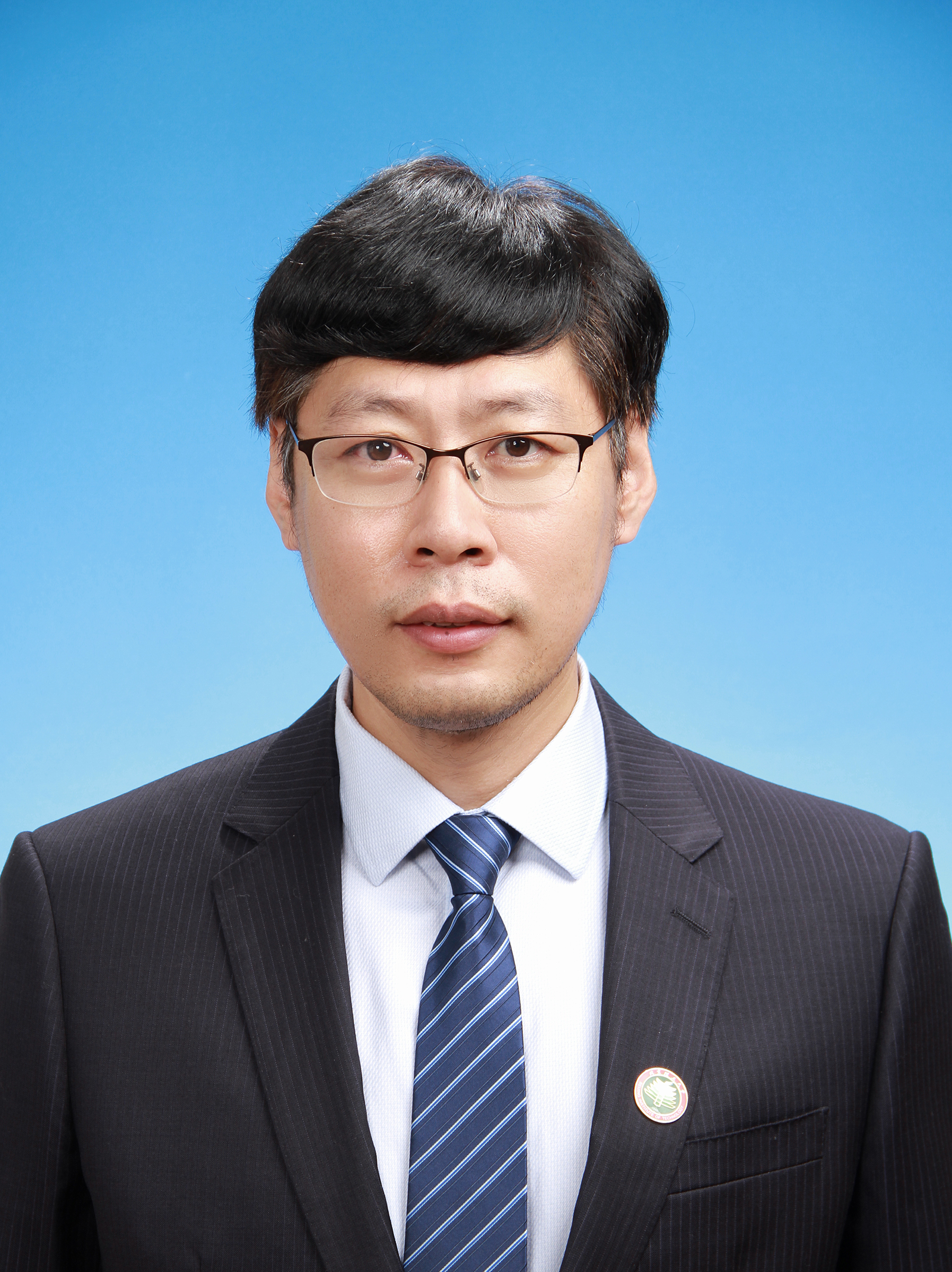 Kai Zhang (张凯)合作论文数School of Aerospace Engineering, Beijing Institute of Technology5
 Yixing Huang (黄怿行)合作论文数Institute of Advanced Structure Technology, Beijing Institute of Technology5Qihui Zhang合作论文数4
 Zhaoguo Xue (薛兆国)合作论文数Institute of Solid Mechanics, School of Aeronautic Science and Engineering, Beihang University4
 Yinji Ma (马寅佶)合作论文数School of Aeronautic Science and Engineering, Beihang University4
 Hao Zhou合作论文数Peking University, Peking University4
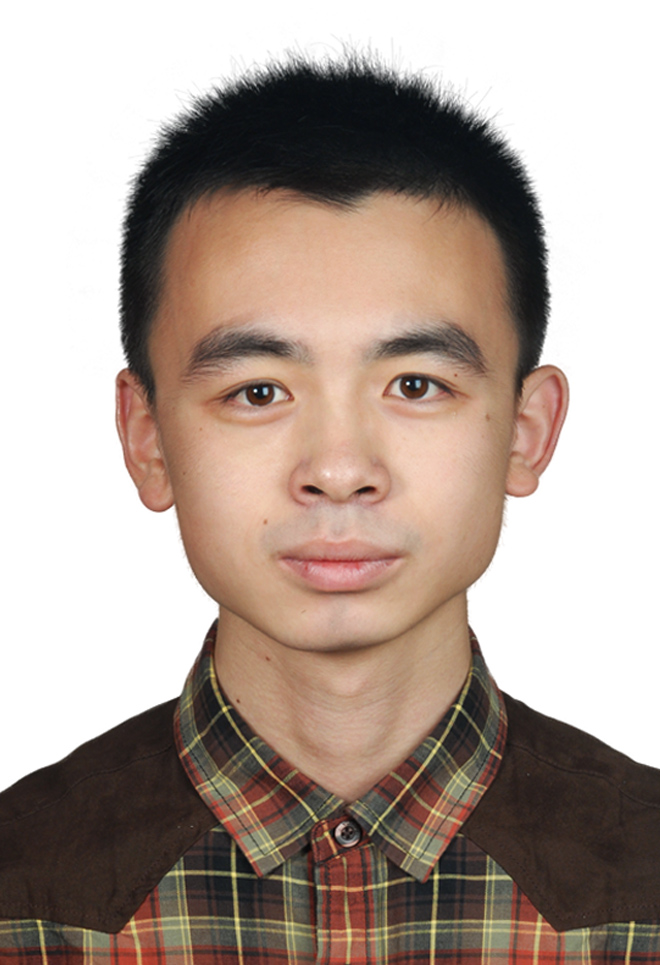 Zeang Zhao (赵则昂)合作论文数Institute of Advanced Structure Technology, Beijing Institute of Technology4
 Liwu Liu (刘立武)合作论文数School of Astronautics, Harbin Institute of Technology4
 Mingji Chen (陈明继)合作论文数Institute of Advanced Structure Technology, Beijing Institute of Technology4
 Hang Zhang (张航)合作论文数School of Mechanical Engineering, Xi'an Jiaotong University4Huazu Zhang合作论文数3
 Zilong Zhao合作论文数3Jilong Ye合作论文数3
 Kewang Nan (南科望)合作论文数School of Pharmacy, Zhejiang University3Jiahong Li合作论文数3Bo Liang合作论文数3
 Xiaoyue Ni合作论文数Department of Biostatistics and Bioinformatics, Duke University School of Medicine3
 Yan Shi (师岩)合作论文数College of Aerospace Engineering, Nanjing University of Aeronautics and Astronautics3
 Mengdi Han (韩梦迪)合作论文数Department of Biomedical Engineering, College of Future Technology, Peking University3Zhang Yi合作论文数3
 Haiwen Luan (栾海文)合作论文数Department of Mechanical and Aerospace Engineering, Jacobs School of Engineering, University of California, San Diego3
 Ying Li (李营)合作论文数Institute of Advanced Structure Technology, Beijing Institute of Technology;School of Naval Architecture, Ocean and Energy Power Engineering, Wuhan University of Technology3
 Hao Wang (汪浩)合作论文数College of Materials Science and Engineering, Beijing University of Technology3
 Yi Li (李宜)合作论文数School of Mechanical Engineering, Dalian University of Technology3Wubin Bai合作论文数2
 Zhixing Chen合作论文数2Guangyue Li合作论文数2
 Haiyang Yang合作论文数2
 Yun Bai合作论文数2
 Yuan Liu (刘渊)合作论文数School of Physics and Electronics, Hunan University2




