Knowledge graph completion (KGC) aims to infer missing facts by learning latent semantic patterns from observed triples. While existing methods learn superficial semantic co-occurrence through classical probabilistic frameworks, they struggle to capture non-classical semantic properties such as entanglements that govern intrinsic correlations between semantics. These entanglements, critical for disambiguating contextual semantics, cannot be represented in classical probabilistic spaces which lack mathematical tools to represent quantum-like properties. We address this gap with QIKGC, a quantum-informed KGC framework that (i) embeds entity semantics into Hilbert space to explicitly model entanglement, (ii) leverages matrix product states to approximate high-dimensional semantic structures with polynomial complexity, and (iii) treats relations as quantum measurements followed by tomography-based scoring to obtain context-specific entity representations. This is, to our knowledge, the first KGC model that unifies semantic entanglement modeling with trainable quantum operators while remaining efficient on classical hardware. Extensive experiments on four benchmarks demonstrate clear quantitative gains, for example increasing MRR from 0.511 to 0.537 on WN18RR and from 0.904 to 0.926 on Kinship over the best baselines.
Large language models (LLMs) are advancing rapidly in medical NLP, yet Traditional Chinese Medicine (TCM) with its distinctive ontology, terminology, and reasoning patterns requires domain-faithful evaluation. Existing TCM benchmarks are fragmented in coverage and scale and rely on non-unified or generation-heavy scoring that hinders fair comparison. We present the LingLanMiDian (LingLan) benchmark, a large-scale, expert-curated, multi-task suite that unifies evaluation across knowledge recall, multi-hop reasoning, information extraction, and real-world clinical decision-making. LingLan introduces a consistent metric design, a synonym-tolerant protocol for clinical labels, a per-dataset 400-item Hard subset, and a reframing of diagnosis and treatment recommendation into single-choice decision recognition. We conduct comprehensive, zero-shot evaluations on 14 leading open-source and proprietary LLMs, providing a unified perspective on their strengths and limitations in TCM commonsense knowledge understanding, reasoning, and clinical decision support; critically, the evaluation on Hard subset reveals a substantial gap between current models and human experts in TCM-specialized reasoning. By bridging fundamental knowledge and applied reasoning through standardized evaluation, LingLan establishes a unified, quantitative, and extensible foundation for advancing TCM LLMs and domain-specific medical AI research. All evaluation data and code are available at https://github.com/TCMAI-BJTU/LingLan and http://tcmnlp.com.
Edge-cloud collaboration is important for modern mobile applications. However, in real mobile-network environments, spatiotemporal workload imbalance, diverse latency sensitivity, and the limited visibility and performance variability of public clouds make efficient edge-cloud scheduling challenging. Most existing edge-cloud collaboration methods rely on intrusive control over cloud infrastructure and therefore cannot be directly applied to public-cloud scenarios, while existing non-intrusive methods do not sufficiently consider public-cloud performance variability or the need for edge-edge collaboration. To address this problem, this paper proposes BridgeScheduler, a nonintrusive sensing and collaborative scheduling algorithm for black-box public-cloud environments. BridgeScheduler performs non-intrusive sensing of cloud-service performance variability and network conditions through limited cloud-vendor interfaces, task execution records, and user-side components, then combines task-value evaluation, adaptive resource reservation, edge-edge collaboration, and edge-cloud collaboration to prioritize high-urgency tasks and reduce task timeouts and resource waste caused by uneven workload distribution. Experiments on a prototype built with local nodes and Alibaba Cloud Function Compute show that, compared with SkyPilot and SkyCap, BridgeScheduler reduces the total task cost by 68.4%∼93.8% under different workload conditions.
Temporal Knowledge Graph Completion (TKGC) faces significant challenges due to the facts in Temporal Knowledge Graphs (TKGs) undergoing complex changes over time. Existing TKGC studies struggle to adequately model these dynamic temporal changes. They also overlook the varying frequencies at which entities and relations change over time, leading to suboptimal performance. We propose Sensitivity Feature Perception Learning (SFPL). Leveraging the ability of Stochastic Differential Equations (SDE) to simulate continuous temporal changes, SFPL explores the unique characteristics exhibited by entities and relations over time. It further enhances the learning of their characteristic attributes through a spatiotemporal feature interaction approach. Specifically, SFPL represents the temporal change frequencies of entities and relations as ”sensitivity features”, which are modeled separately using SDE. To better represent the different influencing perspectives of time on entities and relations, SFPL utilizes Ito’s lemma and the Fokker-Planck equation. They allow SFPL to better reflect the states of entities and the strengths of relations. Additionally, SFPL facilitates interaction between the sensitivity features of facts and their intrinsic attributes. Thereby, it delves deeper into learning complex representations of characteristic attributes. Experiments show that SFPL demonstrates remarkable performance on six datasets. Compared to baseline models, it improves Mean Reciprocal Rank (MRR) by 25.1%.
Service recommendation systems play a crucial role in delivering personalized user experiences across various domains. However, capturing the heterophily patterns and the multi-dimensional nature of user-service item interactions poses significant challenges. To address these challenges, we propose a service recommendation model named H 2 O GNN (Hypergraph-based Heterophily-Aware Neural Network for Service Recommendation), which incorporates three key components: (1) a hypergraph disentangled contrast module that explicitly separates homophily and heterophily signals within hyperedges, enabling more accurate feature representation; (2) a heterophily-aware attention mechanism that dynamically adjusts information propagation weights based on node feature differences, enhancing interaction efficiency between heterophilic nodes; and (3) a dynamic multi-interest learning module that disentangles users' latent preferences into multiple interest vectors and activates relevant interests according to target service items, achieving fine-grained modeling of cross-category preferences. Extensive experiments on Steam, MovieLens, and Yelp datasets demonstrate the effectiveness of H 2 O GNN, with its Recall@20 metric outperforming the state-of-the-art baseline (HMGSR) by approximately 14.1% on Steam, 12.0% on MovieLens, and 13.9% on Yelp-and is consistently superior to the latest models across all datasets.
Speech-driven 3D motion generation has garnered increasing research attention. However, it faces significant challenges in achieving style controllability, primarily due to the scarcity of motion style annotations. To address this, we propose a novel diffusion-based framework for co-speech holistic motion generation that enables example-based style control from videos. Our approach integrates hierarchical speech encoding with rhythm-aware denoising to produce natural and synchronized gestures and expressions. For effective style guidance, we introduce a contrastive style encoder that captures discriminative style representations from reference clips without explicit labeling, enabling generalization to motion styles unseen during training. Furthermore, we design a neural mapper that aligns 2D and 3D gesture features in a shared embedding space, facilitating direct style extraction from in-the-wild videos and seamless transfer to 3D motion. Extensive experiments and user studies show that our proposed approach achieves state-of-the-art performance in both qualitative and quantitative evaluations, offering a flexible solution for controllable motion generation.
With the advancement of the microarray data, reduction in the data dimensions becomes a research hotspot. High-dimensional datasets need to be pre-processed using data reduction techniques. Features selection techniques are used to handle the dimensionality problem. Clustering techniques are also used to reduce the dimensions of data. It selects features highly correlated to the class labels, while less correlated among the features. In this paper, we proposed a new method called the Greedy Heuristic Fuzzy Clustering (GHFClust), which can be used in high dimensional datasets to improve the accuracy and reduce the high dimensionality problems. In this study, the minimum subset of features is selected using the greedy approach, in which interquartile range and relative covering analysis are used. For the remaining data, the fuzzy-c-means clustering technique is used. The results show that the GHFClust has a higher accuracy rate compared to the other methods using benchmark datasets.
Multimodal Sentiment Analysis (MSA) aims to infer users' emotional states by integrating information from multiple modalities, such as language, audio, and visual data. However, real-world multimodal data often presents two critical challenges: missing modalities and unaligned multimodal sequences. Missing sources can lead to information loss, while temporal misalignment introduces inconsistencies-both of which significantly degrade analytical accuracy. While a plethora of existing approaches effectively address each challenge in isolation, few can tackle both simultaneously without resorting to complex architectures or incurring substantial computational costs. To overcome these limitations, we propose SG-DTAM, a novel framework that combines staged generation with multi-head dynamic temporal alignment. In the first stage, conditional mutual information is employed to guide a hierarchical series of cross modal attention modules that sequentially reconstruct each missing modality. In the following alignment stage, a set of attention heads with adaptive weighting reconciles temporal discrepancies across all modalities without any reliance on external synchronization labels. Throughout the process, we innovatively introduce a dual supervision objective that combines an InfoNCE based contrastive loss and a reconstruction loss ensures both precise modality synthesis and the development of resilient feature representations. We evaluate SG-DTAM on four benchmark MSA datasets-CMU-MOSI, CMU-MOSEI, IEMOCAP, and MELD. Experimental results demonstrate that our framework achieves competitive or state-of-the-art performance with relatively few learnable parameters. Notably, SG-DTAM exhibits robust performance in scenarios involving both missing and misaligned modalities, underscoring its effectiveness in real-world multimodal sentiment analysis tasks.
Graph neural networks (GNNs) have shown great advantages in collaborative filtering recommender systems due to their capacity to model user–item relationships through information propagation. However, traditional GNN-based recommenders often fail to distinguish nodes with the same local structure, leading to identical representations after propagation. Some studies address this issue by introducing positional encoding. However, most existing positional encoding approaches break the permutation and orthogonal symmetries of graph representations and degrade generalization ability. To address this limitation, we propose EPCF (equivariant positional collaborative filtering), a novel GNN model for collaborative filtering that introduces an equivariant propagation mechanism for Laplacian positional features. The proposed mechanism preserves equivariance of positional features under orthogonal transformations while maintaining the permutation equivariance inherent to graphs, which can improve generalization. The equivariant positional features are further leveraged to guide node embedding propagation. Our experiments on real-world datasets show that EPCF achieves better average performance than the evaluated baselines, achieving average improvements of 7.01% in Recall@20 and 1.17% in area under the curve (AUC) over the strongest baselines. Furthermore, integrating EPCF as a plug-in mechanism into five different GNN backbone models achieves improvements of 23.13% in Recall@20 and 2.14% in AUC across five datasets, demonstrating its generalization capability.
Currently, uncertain missing modalities pose new challenges to multimodal intent recognition. To tackle this issue, this work proposes an Attention Bidirectional Gated Fusion Based Multimodal Intent Recognition model under Uncertain Missing Modalities (named ABGFMIR). Firstly, ABGFMIR extracts the features of each modality (text, audio, visual) with the LSTM network, respectively. Secondly, ABGFMIR narrows the distances between audio, visual and text modality based on Central Moment Discrepancy (CMD), and then performs multimodal feature fusion through an attention bidirectional gated fusion method. Then, corresponding attention level prompts are generated based on the uncertain missing modalities situations of the current sample. The fused multimodal features are then input into the Transformer encoder and decoder, and the prompts are injected into the keys and values of the multihead self-attention layer to guide the Transformer to focus on the missing modes and dynamically adjust the attention distribution, enhancing the robustness of ABGFMIR to different missing modes. Finally, the features produced by the Transformer are fed into the classification layer for intent recognition. Simultaneously, the pre-trained model (AGNN) that trained with the complete modality is employed in the classification layer to guide the main module of ABGFMIR. Two public benchmark datasets (MIntRec and EMOTyDA) are adopted for performance verification. Compared with the other five baseline models, on the MIntRec dataset, ABGFMIR improved accuracy by an average of 2.68 and improved F1 values by an average of 3.24. On the EMOTyDA dataset, ABGFMIR improved accuracy by an average of 2.28 and improved F1 values by an average of 3.44.
Graph motifs capture crucial structural patterns within user–item interaction graphs and offer meaningful semantics that are typically underutilised in conventional graph-based collaborative filtering. Existing contrastive learning methods in recommender systems rely primarily on simple perturbations, which limits their ability to leverage deeper motif-based structural information. To address this gap, we propose a novel motif-guided contrastive learning framework for recommender systems. To exploit complementary structural biases inherent to user–item interactions, our approach explicitly incorporates three distinct motifs into the construction of the contrastive view. By contrasting views that capture the structural differences among different motifs, our model learns meaningful group-level relationships and potentially suppresses noise arising from sparse or isolated interactions. Extensive experiments on four real-world recommendation datasets validate that our motif-based contrastive approach achieves the best overall performance, outperforming state-of-the-art baselines on three of the four benchmarks with statistically significant margins on the more skewed datasets, while remaining competitive on the fourth, which demonstrates notable robustness and improved accuracy.
Knowledge graph completion (KGC) aims to fill in missing parts of knowledge graphs (KGs) by predicting missing entities in triples. KGs embody rich and diverse real-world type information, which largely influences the representation patterns and semantic associations of entities and relations. Existing studies typically rely on dataset-specific external type information or rigid type constraints, which not only hinder their ability to adaptively track diverse type information, but also lack a mechanism to dynamically integrate type information into the embedding learning process. To address this issue, we propose a method called CTGAT. Specifically, we firstly extract entity features for clustering using a type feature extraction module. Next, we perform adaptive clustering based on the entity features of the KG and obtain cluster centroids as type features. After that, we dynamically aggregate cluster centroids with relation embeddings to capture type tendencies of entities connected with relations. Concurrently, we dynamically adjust type weights and triple weights to form a dual-attention mechanism, which distinguishes the impact of different type information on entity representations. Extensive experiments show that CTGAT achieves state-of-the-art performance on three public datasets. Particularly, Hit@1 improves by 9.0
This paper describes our submission for the ICASSP 2026 HumDial Grand Challenge. We propose Omni-SelfICL, a self-refining in-context learning (ICL) framework built upon Qwen3-Omni-30B-A3B. Our approach addresses the challenges of joint emotion inference and expressive response generation without parameter updates. The framework constructs a high-quality ICL (HQ-ICL) repository via self-evaluated scoring based on emotional appropriateness, linguistic fluency, and contextual coherence. These bilingual exemplars are dynamically sampled at inference time to create task-specific prompts. Our technique supports multiple core tasks, including emotion trajectory analysis, cause reasoning, and affective speech generation. Experimental results demonstrate that Omni-SelfICL consistently improves emotional reasoning and affective response quality, achieving competitive performance on the leaderboard.
Disease-gene prediction (DGP) plays a pivotal role in understanding the genetic underpinnings of various diseases, offering insights for disease diagnosis, treatment, and prevention. Accurate identification of disease-related genes can enhance personalized medicine and the development of targeted therapies. While numerous methods for DGP have been proposed in the field, a significant challenge remains in effectively capturing and modeling the complex relationships among biological entities, such as diseases, symptoms, genes, and pathways. These intricate interactions are essential for learning robust representations of phenotypes and genotypes, which are critical for accurate DGP. In this study, we introduce MELGene, a knowledge-enhanced multimodel ensemble learning framework for DGP. MELGene leverages an adaptive integration of multiple pretrained knowledge inference models based on knowledge graph, effectively integrating the collective intelligence of diverse models to achieve more accurate gene predictions. The framework incorporates Model-aware Importance Learning, which dynamically adjusts the contributions of individual models, and introduces a dynamic ensemble mechanism to obtain robust consensus predictions. Finally, we conducted comprehensive experiments, including performance comparisons, which demonstrated the excellent performance of MELGene. Ablation experiments highlighted the positive impact of each module, while case studies showcased the reliability of the biological relevance of gastric, lung, and liver cancers, as supported by the analysis of network medicine, functional enrichment, and literature mining. MELGene offers a flexible framework for DGP through knowledge enhancement and adaptive ensemble learning, with broad potential for decoding disease mechanisms.
Human comprehension of multimodal information follows a hierarchical cognitive process that evolves from perception to integrated understanding. Inspired by this mechanism, we reinterpret multi-modal relation extraction (MRE) as a cognitive progression rather than a flat feature fusion task as in the existing methods. We propose a Cognitive Hierarchy Framework (CHF) that models multimodal reasoning through sequential stages: perception, association, reasoning, self-regulation and comprehension. Each stage incrementally aligns and refines cross-modal representations, leading to interpretable and efficient relational understanding without incorporating external structured knowledge or explicit relational supervision. Experiments on two datasets show that CHF achieves state-of-the-art performance, improving F1 by 2.37% on MNRE and 1.25% on MORE, while reducing fusion parameters by 62%. Ablation and visualization analyses further demonstrate how cross-modal consistency is gradually established across stages. These results suggest that incorporating hierarchical cognitive principles provides a promising direction for human-like multimodal reasoning.
Agent-based Modeling and Simulation (ABMS) is the key approach for studying complex financial systems, but its computational efficiency is constrained by the scheduling of large-scale agents on distributed clusters. In financial simulation, the unique challenges include sudden load fluctuations due to market events, the specific requirements of heterogeneous agents, and the financial interaction logic among agents. Therefore, the distribution algorithm of agents across nodes should not only consider the factor of communication but also rapidly respond to dynamically changing loads, and even leverage predictive information obtained from existing load forecasting techniques. However, most load balancing strategies lack adaptability to prediction information and fail to account for the inherent characteristics of simulation tasks. To overcome these limitations, this paper proposes an algorithm for load balancing named Potential-Flow Balanced Migrator (PFB-Migrator). This algorithm treats agents as particles with computational and communication potential. Leveraging future information from predictive models, it consists of a utility function for each migration decision that balances load and communication costs. Experimental results demonstrate that the PFB-Migrator algorithm reduces simulation latency by 8.0\% compared to mainstream prediction-driven migration methods under medium-to-high network latency scenarios, effectively leveraging predictive information to achieve optimal resource allocation while accommodating agent heterogeneity and financial behavioral characteristics.
Occlusion is a key challenge in real-world person reidentification (ReID), as partial occlusions often remove critical identity cues. Most existing methods focus on feature extraction for visible regions while ignoring the holistic contextual information of pedestrians, leading to incomplete feature representations. This issue is particularly severe in visible-infrared ReID (VI-ReID), where spatial inconsistencies of occluded regions and modality-specific feature degradation jointly exacerbate feature misalignment, but has received little attention in previous studies. Therefore, we propose an Occlusion-Aware Cross-Modality Completion Network (OCCNet) to explicitly complete missing identity cues, which integrates three complementary components. The Graph-guided Feature Completion Transformer (GFCT) embeds a dynamically constructed semantic graph into self-attention to complete occluded tokens within each modality, while the Semantic-Aware Region Completion Module (SRCM) aggregates tokens into coherent regions and adaptively transfers complementary cues across modalities. To ensure semantic coherence, a Multi-Distribution Consistency Alignment (MCA) loss is employed to regularize token- and region-level completions toward a unified distribution. By integrating these components, OCCNet recovers missing identity information at multiple levels and mitigates modality gaps caused by occlusion. To evaluate its effectiveness under realistic occlusion scenarios, we first construct two realistic occluded benchmarks, Occluded-SYSU-MM01 and Occluded-RegDB, on which extensive experiments demonstrate that our OCCNet outperforms state-of-the-art methods.
 Liping Jing (景丽萍)合作论文数School of Computer and Information Technology, Beijing Jiaotong University88
 Mei Yu (喻梅)合作论文数College of Intelligence and Computing, Tianjin University;Tianjin International Engineering Institute, Tianjin University61
 Mankun Zhao (赵满坤)合作论文数College of Intelligence and Computing, Tianjin University52
 Michael Sheng (盛权政)合作论文数School of Computing, Faculty of Science and Engineering, Macquarie University46
 Xuewei Li (李雪威)合作论文数College of Intelligence and Computing, Tianjin University;Tianjin Key Laboratory of Advanced Networking, College of Intelligence and Computing, Tianjin University;Tianjin Key Laboratory of Cognitive Computing and Application, College of Intelligence and Computing, Tianjin University43
 Ruiguo Yu (于瑞国)合作论文数College of Intelligence and Computing, Tianjin University42
 Tianyi Xu (徐天一)合作论文数College of Intelligence and Computing, Tianjin University38
 Sira Yongchareon合作论文数Department of Computer Science & Software Engineering, Auckland University of Technology34
 Caiyan Jia (贾彩燕)合作论文数School of Computer Science & Technology, Beijing Jiaotong University33
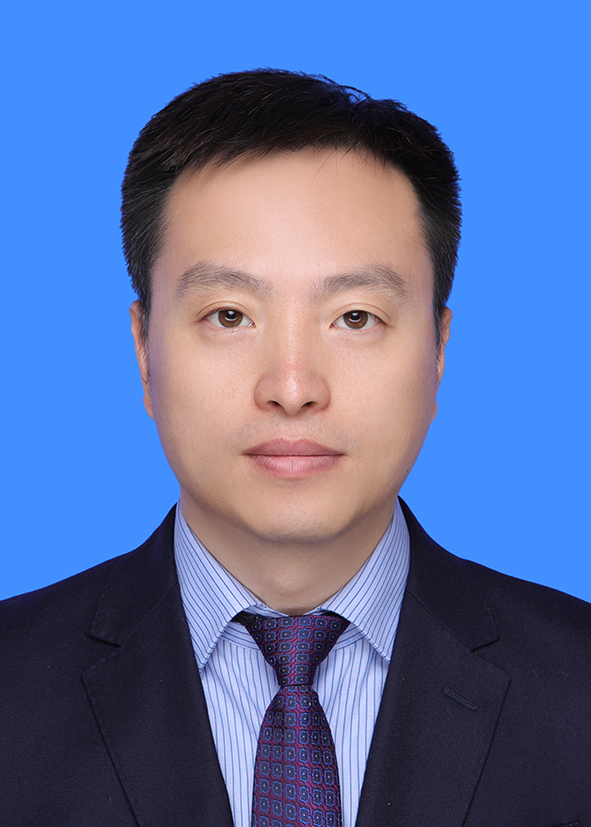 Xuezhong Zhou (周雪忠)合作论文数School of Computer and Information Technology, Beijing Jiaotong University29
 Jun Han合作论文数24
 Jitao Sang (桑基韬)合作论文数School of Computer and Information Technology, Beijing Jiaotong University24
 Yanbo Han (韩燕波)合作论文数Institute of Computing Technology, Chinese Academy of Sciences23
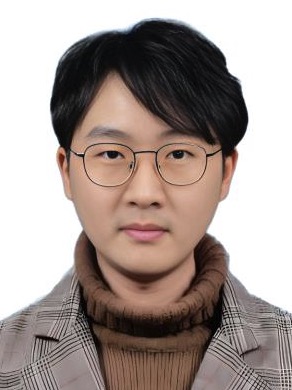 Huafeng Liu (刘华锋)合作论文数School of Computer Science & Technology, Beijing Jiaotong University23Houkuan Huang (黄厚宽)合作论文数School of Computer and Information Technology, Beijing Jiaotong University19
 Miin Shen Yang (楊敏生)合作论文数Department of Applied Mathematics, Chung Yuan Christian University17Jiujiang Guo合作论文数13
 Kuo Yang (杨扩)合作论文数School of Computer and Information Technology, Beijing Jiaotong University13
 Alan Colman合作论文数Faculty of Information and Communication Technologies, Swinburne University of Technology13
 Zhizhong Liu合作论文数12
 Xiaoyuan Jing (荆晓远)合作论文数Guangdong University of Petrochemical Technology12
 Michael Ng (吳國寶)合作论文数Department of Mathematics, Faculty of Science, Hong Kong Baptist University;Department of Computer Science, Hong Kong Baptist University12BianFang Chai (柴变芳)合作论文数11
 Paolo Falcarin合作论文数Department of Environmental Sciences, Informatics and Statistics, Ca' Foscari University of Venice11
 Yujian Feng合作论文数Sch Comp Sci, Nanjing Univ Posts & Telecommun10Wenbin Zhang合作论文数10
 Qiansheng Cheng合作论文数10
 Runshun Zhang (张润顺)合作论文数Guang’anmen Hospital, China Academy of Chinese Medical Sciences10
 Jie Gao (高洁)合作论文数Department of Urban Planning, School of Architecture and Design, Beijing Jiaotong University10
 Pengyu Xu合作论文数Beijing Key Lab of Traffic Data Analysis and Mining, Beijing Jiaotong University;Chengdu University of Technology9
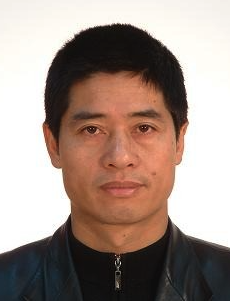 Ming Yang (杨明)合作论文数School of Computer and Electronic Information, Nanjing Normal University9
 Liu Yang (杨柳)合作论文数School of Artificial Intelligence, College of Intelligence and Computing, Tianjin University9
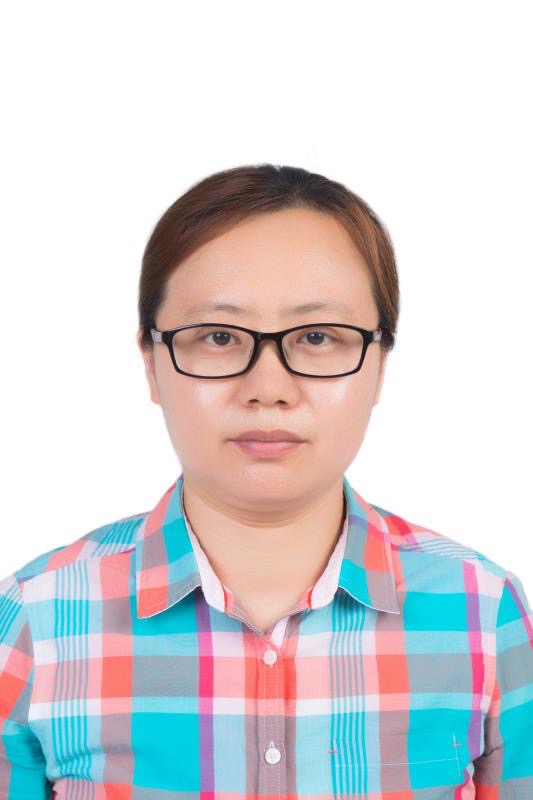 Liyan Ma (马丽艳)合作论文数School of Computer Engineering and Science, Shanghai University9Guiling Wang (王桂玲)合作论文数9
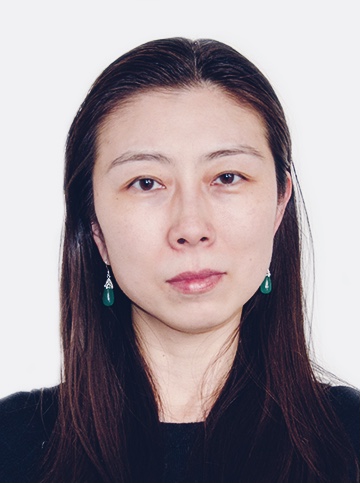 Guiling (Grace) Wang合作论文数Department of Computer Science, New Jersey Institute of Technology;Guttenberg Information Technology Center, New Jersey Institute of Technology;Ying Wu College of Computing, New Jersey Institute of Technology;Martin Tuchman School of Management, New Jersey Institute of Technology;Data Science Department, New Jersey Institute of Technology;College of Computing Sciences, New Jersey Institute of Technology;School of Management, New Jersey Institute of Technology9
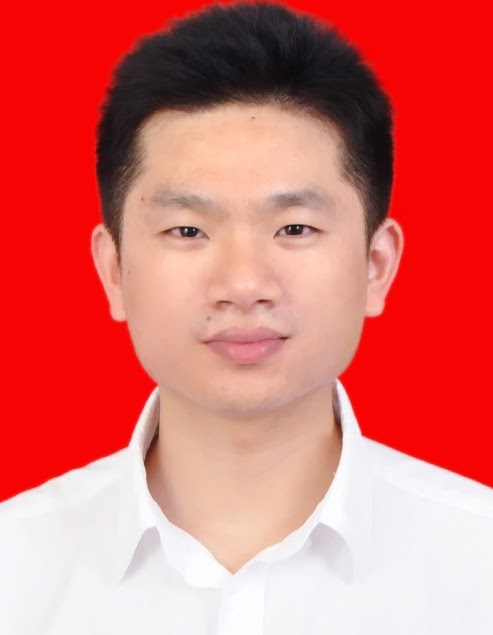 Fei Wu (吴飞)合作论文数College of Automation, Nanjing University of Posts and Telecommunications9
 Tieyong Zeng (曾鐵勇)合作论文数Department of Mathematics, Chinese University of Hong Kong;Center for Mathematical Artificial Intelligence, Chinese University of Hong Kong9
 Hussein, M.M.合作论文数Dept. of Electr. Eng., Aswan Univ.;c;Dept. of Electr. Eng., Aswan Univ.8
 Jia Li (李嘉)合作论文数School of Artificial Intelligence, Beijing Normal University8Jiaqi Wang合作论文数Beijing Key Lab of Traffic Data Analysis and Mining, School of Computer and Information Technology, Beijing Jiaotong University8
 Baoyan Liu (刘保延)合作论文数Guang'anmen Hospital, China Academy of Chinese Medical Sciences;Tianjin University of Traditional Chinese Medicine8Zhiqiang Liu合作论文数Department of Computer Science and Engineering, Shanghai Jiao Tong University, Shanghai, China8Jiali Yun合作论文数8Bojun Xie合作论文数8
 Pengwei Hao合作论文数Department of Computer Science, School of EECS Queen Mary, University of London8
 Khavee Agustus Botangen合作论文数Auckland University of Technology, New Zealand7
 Jianwu Wang (王建武)合作论文数Department of Information Systems, College of Engineering and Information Technology, University of Maryland, Baltimore County;iHARP7Jingxuan Wen合作论文数Beijing Jiaotong University7
 Changhui Hu (胡长晖)合作论文数College of Automation, Nanjing University of Posts and Telecommunications7




