BACKGROUND:Motor imagery (MI) brain-computer interfaces (BCI) rely on precise electroencephalogram (EEG) classification. However, issues such as the reliance on extensive manual experience for MI-EEG model design, parameter tuning, and optimization directions, along with the poor task flexibility of foundation models and state degradation during long-term multi-agent iterations, severely restrict the state-of-the-art (SOTA) efficiency of MI-EEG. NEW METHOD:To address these challenges, we propose AutoMI, a novel framework that uses multi-agent automated rapid iterations to construct SOTA MI-EEG models. AutoMI introduces a hybrid decision mechanism that tightly couples Q-learning strategies with deterministic rules. By integrating planning, execution, and output agents with predefined tools, AutoMI ensures broad general applicability across various hyperparameter optimizations and structural improvements. Furthermore, AutoMI integrates experience tracking and rollback mechanisms to prevent ambiguous optimization. RESULTS:In evaluations on the IV2a, OpenBMI, and ECUST-MI datasets, the SOTA models finally constructed through AutoMI iterations achieve accuracies of 77.62%, 78.08%, and 83.02%, with maximum improvement reaching 24.69%, 23.35%, and 23.28% respectively. Furthermore, the average time per iteration for a single subject on the OpenBMI dataset is approximately 500 s. COMPARISON WITH EXISTING METHODS:Compared with automated optimization algorithms, the accuracies increase by 18.42%, 9.27%, and 19.25% respectively, demonstrating the effectiveness of the proposed AutoMI framework and proving that its optimization capability reaches SOTA. CONCLUSION:Experimental results indicate that AutoMI provides a novel perspective and framework design reference for future BCI model optimization.
Objective: Inter-session and inter-subject variability in electroencephalography (EEG) signals, resulting from individual differences and environmental factors, poses a major challenge for neural decoding in brain-computer interface (BCI) applications. Methods: To address this issue, we propose RUNet, a zero-calibration motor imagery EEG decoding framework based on Riemannian manifold learning and unsupervised representation learning. RUNet incorporates a multi-scale spatiotemporal convolutional module that jointly captures local global spatial and multi-resolution temporal dynamics features. To enhance the robustness of EEG features against non stationarity, a polysynergistic covariance optimization module is employed, which strengthens the covariance matrix representation through multiple regularizations and adaptive fusion. In addition, RUNet integrates the Riemannian Affine Log Mapping layer, based on Affine-Invariant Transformation and Log-Euclidean Mapping, in an end-to-end manner to mitigate cross-domain covariance drift and enhance domain-invariant feature learning. A transfer learning framework is further integrated into RUNet: during pre-training, an unsupervised contrastive loss is applied to resting-state EEG data to learn domain-invariant spatiotemporal features; during retraining, task-specific data are used to enhance discriminability and feature disentanglement. Conclusion: Experimental results on the BCI Competition IV 2a, 2b datasets and a self-collected laboratory dataset show that RUNet achieves average cross-session accuracies of 87.19%, 88.03% and 85.45%, and cross-subject accuracies of 68.09%, 78.29% and 87.25%, respectively. On the PhysioNet dataset, a cross-subject accuracy of 78.14% is achieved. These results demonstrate the effectiveness of RUNet's unified pipeline and its robust cross-domain generalization.
Training-based algorithms significantly outperform training-free methods in terms of recognition performance for steady-state visual-evoked potential (SSVEP)-based brain-computer Interfaces (BCIs). However, collecting training data requires calibration experiments that are effort-intensive and often costly. These calibration demands limit the practicality of BCI, as users (and even system operators) may experience fatigue or lose interest in continued use. Transfer learning (TL) offers an effective solution, but it typically relies on either a certain amount of target domain data or extensive source domain data. To address this limitation, we introduce the concept of cross-dataset TL in SSVEP for the first time to extract transfer knowledge from other datasets. During this process, we identified a data mismatch problem that severely compromises the generalizability of transfer knowledge. To overcome this challenge, we propose a TL-SSVEP decoding algorithm calibrated with single-trial data (TL-CSTD). Specifically, we use 2 s of 8 Hz single-trial calibration data from the target domain to obtain matched transfer templates from the source domain. These templates are then corrected to extract holistic and single-period transfer knowledge, which are subsequently employed to construct an efficient TL-SSVEP decoding model for the target subject. Experimental results on three large SSVEP datasets demonstrate that TL-CSTD effectively addresses the data mismatch problem and achieves excellent SSVEP recognition performance using only 2 s of single-trial calibration data, showing its significant application potential and practicality.
Hybrid brain-computer interfaces (hBCIs) integrate multiple neuroimaging modalities and utilize their complementary information to address the inherent limitations of single-modality neural signal decoding. For electroencephalography (EEG) and functional near-infrared spectroscopy (fNIRS) hybrid BCIs, advanced fusion algorithms are crucial to fully exploit the superior spatial localization capability of fNIRS and the millisecond-level temporal resolution of EEG. This work proposes an end-to-end spatial calibration-based multi-scale EEG-fNIRS fusion network named EFS-Net, which organically integrates EEG and fNIRS signals through a multi-scale spatio-temporal fusion architecture. The network consists of three complementary functional branches: a multi-scale temporal convolution branch for capturing rapidly changing cortical electrophysiological features of EEG, an EEG spatial branch for constructing latency-compensated cortical topographies to adapt to the delayed hemodynamic response of fNIRS, and a spatially calibrated fNIRS spatial branch for dynamically fusing spatial feature maps with EEG counterparts to generate temporally aligned and spatially enhanced neural representations. This three-branch fusion structure constructs abundant spatio-temporal feature embeddings and improves the discriminability of neural features. Evaluated on two public datasets including Word Generation (WG) and Mental Arithmetic (MA) with a rigorous subject-specific leave-one-session-out cross-validation protocol, EFS-Net achieves classification accuracies of 77.71 ± 8.23
Motor imagery (MI) is a popular noninvasive brain computer interface (BCI) paradigm, yet its decoding accuracy remains hindered by the inherent nonstationarity and low signal-to-noise ratio of electroencephalogram (EEG) signals. Current decoding frameworks often fail to fully exploit the intricate spatial-temporal dependencies, leading to suboptimal feature representation and the omission of latent discriminative cues. To address these challenges, we introduce a deep neural network-powered multifaceted strategy (DPMS-Net) model, a novel approach that employs dynamic convolution to unearth effective discriminative cues across multiple dimensions, including the temporal, spatial, and frequency domains. This model synergizes channel and temporal attention mechanisms to adeptly capture the salient features of EEG signals across diverse spatial-temporal dimensions, thereby mitigating the risk of omitting critical information. Furthermore, we introduce a spectral-domain analysis component that unearths subtle oscillatory signatures hidden within the EEG spectrum, providing enriched evidence for classification. We evaluated the performance of DPMS-Net on two publicly available datasets and a self-collected dataset from stroke patients. On the BCI Competition IV 2a and BCI Competition IV 2b datasets, DPMS-Net achieved subject-dependent classification accuracies of 83.93% and 88.38%, respectively, alongside subject-independent classification accuracies of 65.88% and 76.01%. In the stroke patient dataset, DPMS-Net attained a subject-dependent classification accuracy of 67.67% and a subject-independent classification accuracy of 57.58%. Experimental results indicate that DPMS-Net possesses efficient decoding capabilities and robust stability, reflecting its potential for deployment in neurorehabilitation BCI systems.
BACKGROUND:Motor imagery signals encompass a broad range of frequency components, and frequency band decomposition can improve the precision of frequency-domain features, helping the model focus on task-relevant information. However, existing methods often treat signals from different frequency bands uniformly, overlooking their heterogeneity and coupling, which leads to redundant features and loss of cooperative information. NEW METHOD:We propose a HCFNet that explores heterogeneous feature extraction and coupling across frequency bands. HCFNet first separates the raw signal into high and low-frequency bands, extracting spatiotemporal features through specialized modules. A cross-frequency coupling module then fuses these features, using data augmentation for regularization to capture robust spectral-spatiotemporal features and high-low frequency coupling. RESULTS:We evaluated our model on the BCIC-IV-2a and OpenBMI benchmark datasets, and our model achieves average accuracies of 82.41 % and 76.52 %. Notably, HCFNet maintains excellent performance even with shorter time windows. COMPARISON WITH EXISTING METHODS:HCFNet outperforms all the state-of-the-art methods we benchmark against. Compared with traditional multi-band isomorphic methods, frequency-band heterogeneous coupling performs better in capturing task-related features and significantly reduces redundancy during feature fusion. CONCLUSIONS:This study significantly advances the decoding technology of motor imagery signals through an innovative frequency-band heterogeneous coupling method. Its substantial potential for rapid responses brings tangible improvements to brain-computer interface systems and is expected to be further applied in domain adaptation, cross-domain alignment, and cross-subject contexts in the future.
Motor imagery signal decoding is an important research direction in the field of brain-computer interfaces, which aim to judge the motor imagery state of an individual by analyzing electroencephalogram (EEG) signals. Deep learning technology has been gradually applied to EEG classification, which can automatically extract features. However, when processing complex EEG signals, the existing decoding models cannot effectively fuse features at different levels, resulting in limited classification performance. This study proposes a multi-scale spatiotemporal efficient feature fusion network (MS-TSEFNet), which learns the dynamic changes in EEG signals at different time scales through multi-scale convolution modules and combines the spatial attention mechanism to efficiently capture the spatial correlation between electrodes in EEG signals. In addition, the network adopts an efficient feature fusion strategy to deeply fuse features at different levels, thereby improving the expression ability of the model. In the task of motor imagery signal decoding, MS-TSEFNet shows higher accuracy and robustness. We use the public BCIC-IV2a, BCIC-IV2b and ECUST datasets for evaluation. The experimental results show that the average classification accuracy of MS-TSEFNet reaches 80.31%, 86.69% and 71.14%, respectively, which is better than the current state-of-the-art algorithms. We conducted an ablation experiment to further verify the effectiveness of the model. The experimental results showed that each module played an important role in improving the final performance. In particular, the combination of the multi-scale convolution module and the feature fusion module significantly improved the model's ability to extract the spatiotemporal features of EEG signals.
Motor imagery is a non-invasive process that operates independently of external stimuli, and can be used to establish a direct connection between the brain and external devices solely through the imagination of a specific movement. Nonetheless, the complexity and variability of neural patterns pose substantial challenges, as accurately decoding motor imagery from electroencephalography signals remains a significant obstacle. This paper introduces an enhanced dynamic spatiotemporal -frequency attention convolutional neural network (EDSF-Net) for the precise decoding of motor imagery. EDSF-Net employs a refined spatiotemporal attention mechanism, grounded in enhanced dynamic convolution (EDConv), to emphasize localized spatial features alongside high and low-frequency temporal characteristics. Subsequently, EDConv is utilized for global spatial feature extraction. Following this, group convolutions formed by EDConv are implemented to fuse the extracted features effectively. Ultimately, a synchronized channel-frequency attention mechanism is employed to capture critical channel and frequency domain information, facilitating the model's focus on features most pertinent to the task throughout the learning process. We conducted a comprehensive evaluation of the performance of EDSF-Net on two public datasets, BCI Competition IV 2a and OpenBMI. In the hold-out session experiments, EDSF-Net achieved decoding accuracies of 84.26% and 75.14%, respectively. In the leave-one-subject-out experiments, EDSF-Net attained decoding accuracies of 66.78% and 82.24%, respectively. These results show that EDSF-Net has robust generalization capabilities, affirming its efficacy in addressing complex pattern recognition tasks, with significant potential for diverse applications.
Motor imagery (MI) is one of the most widely used paradigms in brain-computer interfaces (BCIs), known for its ability to trigger changes in brain activity without the need for an external "cue" stimulus. This unique characteristic has attracted significant attention from neuroscientists and researchers in fundamental science. However, compared to P300 and steady-state visual evoked potential (SSVEP), neural activity related to MI tends to be less stable and exhibits substantial variability between individuals. Consequently, accurately decoding MI, using both traditional machine learning and deep learning, has proven to be a considerable challenge. Moreover, given the difficulty of acquiring electroencephalography (EEG) data and the high data demands of deep learning, enhancing the accuracy of MI decoding with limited sample sizes remains a pressing issue that urgently needs to be addressed. This article addresses the challenges mentioned above by introducing a novel deep neural network designed for accurate MI decoding, which is designed to be effective with both small-sample sizes and larger datasets. This network, named the multiscale pooling spatial-temporal attention network (MPSTANet), integrates mix pooling techniques with spatial-temporal attention mechanisms. MPSTANet first employs local and global spatial attention, along with multiscale temporal attention, to thoroughly extract spatial-temporal information from EEG signals. Next, MPSTANet utilizes feature fusion and the proposed mix pooling technique to preserve as much of the extracted spatial-temporal information as possible. Finally, channel interaction attention (CIA) and 3-D weight attention (3-DWA) are employed to recalibrate the weights of the fused channels and spatial-temporal features, respectively. To validate the performance of our proposed MPSTANet model, we conducted experiments on four public datasets, including both small-sample sizes and subject-independent scenarios. MPSTANet achieved cross-session decoding accuracies of 84.82%, 72.92%, 88.20%, and 46.54% on the BCI Competition IV 2a dataset, the Open BMI dataset, the BCI Competition IV 2b dataset, and the PhysioNet dataset, respectively. Furthermore, MPSTANet demonstrated a significant lead compared to other deep learning models in both small-sample and subject-independent experiments. These results demonstrate the robustness of MPSTANet in MI decoding and its promising potential for BCI applications.
In recent years, artificial neural networks have been effectively used to improve the target recognition performance of steady-state visual evoked potential (SSVEP) based Brain-Computer interfaces (BCIs). However, these models require the collection of a large number of calibration trials from users, which typically results in a poor user experience. When fewer calibration trials are acquired this leads to insufficient training of model parameters and weak recognition performance. To tackle these issues, this study proposes a two-branch multi-scale convolutional correlation network (TBMSCCN) in which a correlation network framework is introduced to reduce the model training parameters and prior knowledge of the SSVEP is used to enhance the model representation ability and convergence. First, a multi-scale temporal convolution module is designed to learn local temporal dependencies in a parallel two-branch feature extraction module. Next, a contrastive loss function is constructed in the latent feature space, which can guide the model to learn the intra-class consistent features while speeding up model convergence. Finally, a group convolution module is used as a decision layer to reduce the network parameters, while learning distinguishability features between targets and non-targets. Our offline tests on two public datasets show that proposed TBMSCCN method outperforms TRCA, eTRCA, DNN, Conv-CA and Bi-SiamCA in individual calibration scenarios, which can achieve an average information transform rates (ITRs) of 378.03 ± 139.18 bit/min and 198.92 ± 111.27 bit/min on the “Benchmark” dataset and the “Beta” dataset respectively. Additionally, proposed TBMSCCN method outperform FBCCA, ttCCA, EEGNet, and TST-CFSR in calibration-free scenarios. Furthermore, an online Chinese spelling experiment confirmed the real-world effectiveness of the proposed method. The proposed model has the characteristics of low parameter and strong robustness, which can facilitate the practical engineering application of SSVEP-Based-BCI system. The code is available at https://github.com/xinjieHe123/TBMSCCN.
Lightweight networks that include depthwise-separable convolution are widely used in motor imagery (MI) electroencephalogram (EEG) decoding of brain-computer interface (BCI). Many established MI classification networks are relatively shallow, preventing them from benefiting from the hierarchical feature extraction capabilities of deeper structures. Due to suboptimal residual connection structures, the mismatched residual baseline layer design, and the poor compatibility between data preprocessing and residual modules, the deepening of networks cannot be effectively combined with residual structures. This creates a depth barrier that hinders further performance improvements. To address these challenges, we propose a novel method, residual depthwise-separable deep neural network (ResDSNet), built upon an unraveled view-path analysis of residual connection structures. The analysis reveals that the residual mechanism achieves optimal performance when the layer distribution across different paths approximates a binomial distribution. Furthermore, we design a residual depthwise-separable convolution module and a tailored data-preprocessing module that effectively integrate with the residual structure, filtering noise and retaining MI task features. We evaluate ResDSNet on three publicly available datasets, including the BCI Competition IV Dataset IIa, the BCI Competition IV Dataset IIb, and the PhysioNet dataset, which collectively contain EEG signals recorded from 127 human subjects. ResDSNet achieves accuracies of 79.36%, 84.95%, and 64.13%, outperforming state-of-the-art methods by 3.16%, 1.59%, and 8.40% with statistical significance. Experimental results indicate that ResDSNet fully unlocks the hierarchical representation capabilities of deep networks for MI-EEG decoding, achieving robust performance and demonstrating substantial potential to overcome the inherent challenges in BCIs.
Brain-computer interface (BCI) system offers an alternative or supplementary means of interaction for individuals with disabilities. P300 speller is a commonly utilized BCI system due to its high stability, and reliability and without intensive user training. Nevertheless, the inherent class imbalance within P300 datasets predisposes the system to overfit, potentially impacting the classification performances. Existing class rebalancing methods mainly rely on resampling or adjusting the class weight with a fixed value, thus it is still tricky to ensure that the output is evenly balanced. To mitigate the above class imbalance issue, this study proposes a dual branch learning (DBL) method that concurrently considers feature representation and class imbalance. This approach involves the ingestion of two distinct sample types-uniformly sampled and reverse-sampled data-into the feature extraction and classification modules during the training phase. Furthermore, a dynamic learning mechanism is implemented to incrementally emphasize minority class samples (specifically the P300 component) as training progresses. The effectiveness of the proposed DBL method is proved using both publicly accessible and self-collected datasets in a subject-dependent scheme. The proposed DBL method can achieve an accuracy of 97.37 % and 88.72 % in the above datasets. Besides, it provides superior and more reliable results compared with several deep learning and rebalancing methods. These findings highlight the promising potential of the proposed DBL framework in P300-based BCI.
Objective: Event-related potentials (ERPs) reflect electropotential changes within specific cortical regions in response to specific events or stimuli during cognitive processes. The P300 speller is an important application of ERP-based brain-computer interfaces (BCIs), offering potential assistance to individuals with severe motor disabilities by decoding their electroencephalography (EEG) to communicate. Methods: This study introduced a novel speller paradigm using a dynamically growing bubble (GB) visualization as the stimulus, departing from the conventional flash stimulus (TF). Additionally, we proposed a “Lock a Target by Two Flashes” (LT2F) method to offer more versatile stimulus flash rules, complementing the row and column (RC) and single character (SC) modes. We applied the “Sub and Global” multi-window mode to EEGNet (mwEEGNet) to enhance classification and explored the performance of eight other representative algorithms. Results: Twenty healthy volunteers participated in the experiments. Our analysis revealed that our proposed pattern elicited more pronounced negative peaks in the parietal and occipital brain regions between 200 ms and 230 ms post-stimulus onset compared with the TF pattern. Compared to the TF pattern, the GB pattern yielded a 2.00% increase in online character accuracy (ACC) and a 5.39 bits/min improvement in information transfer rate (ITR) when using mwEEGNet. Furthermore, results demonstrated that mwEEGNet outperformed other methods in classification performance. Conclusion and Significance: These results underscore the significance of our work in advancing ERP-based BCIs.
Steady-state visual evoked potentials (SSVEPs) are widely used in Brain-computer interfaces (BCIs) due to their stability and high signal-to-noise ratio. For Internet of Things (IoT) applications, however, achieving plug-and-play usability without subject-specific calibration remains a critical challenge. To address this, we propose FlexFusionNet, a deep learning framework composed of four main modules: the inception block for multiscale temporal feature extraction, the spatio-temporal feature extractor (STFE)-which integrates the hybrid temporal-spatial convolution block (HTSCB) and the multiscale fusion residual block (MFRB)-for capturing local interactions and preserving global dependencies, and the temporal refinement module (TRM) for fine-grained temporal enhancement. Together, these modules ensure robust subject-invariant feature learning. The core lies in MFRB, which preserves global dependencies while integrating multiscale temporal features, and in the overall integration strategy that ensures robustness across both intra- and cross-subject scenarios. The framework is validated on two public datasets (Benchmark and BETA) under both cross-subject and subject-specific settings. In cross-subject experiments with a 1.2 s window, it achieves 74.57% accuracy and 122.28 bits/min ITR on Benchmark, and 62.60% accuracy and 89.86 bits/min on BETA, substantially outperforming classical and deep learning baselines. In particular, the framework achieves outstanding performance in both scenarios, demonstrating its strong generalization ability. This study not only highlights the technical potential of SSVEP signal classification in IoT systems but also provides a theoretical and practical foundation for developing efficient, robust, and user-friendly BCI systems that can be easily integrated into diverse IoT ecosystems.
Deep learning and spatial filter methods based on individual calibration data have been proven to enhance the decoding performance of SSVEP-BCIs systems. However, such methods require online calibration and have limited system availability. In order to facilitate a plug-and-play system, a cross subject contrastive learning network with domain diversity and templates enhancement (CSCLN-DDTE) was proposed for SSVEP frequency recognition. Firstly, inspired by the student-teacher (S-T) network framework, a cross-subject comparative learning framework (CSCLF) was designed that can utilize the teacher's prior knowledge to guide students from different domains to learn specific discriminative features of SSVEP task-related components. Next, a periodic repeating task-related component template was constructed based on SSVEP time-domain periodic characteristics to enhance teachers' guidance in the TFEN module. Finally, a reconstruction of channel correlation data enhancement method is introduced to increase the domain diversity of training samples in the SFEN module. Offline tests on two public datasets show that the proposed CSCLN-DDTE outperforms state-of-the-art (SOTA) methods such as FBCCA, ttCCA, DNN, EEGNet and TST-CSFR. Proposed method can achieve an average information transfer rates (ITRs) of 166.27 +/- 31.09 bit/min and 128.39 +/- 30.35 bit/min on Benchmark dataset and Beta dataset respectively. Our approach achieves the best recognition performance without calibration trials and promotes the practical application of SSVEP-BCI systems.
Brain-computer interface (BCI) technology enables the control of external devices by recognizing user intentions. Steady-state visual evoked potential (SSVEP)-based BCI technology has been widely applied in the field of Internet of Things (IoT) device control, including smart healthcare, smart homes, and robotics, and has achieved significant results. However, as the field of BCI-based IoT device control is still in its development stage, there remains considerable room for improvement in terms of accuracy, efficiency, and cost. Therefore, enhancing the classification accuracy of SSVEP decoding using a short time window, reducing both human and material costs, and improving work efficiency are crucial for the theoretical research and engineering applications of BCI technology in IoT device control. Based on this, we propose a novel approach to address the challenge of high-accuracy feature extraction within brief timeframes. Our approach integrates a multiscale convolutional neural network with a squeeze excitation module (SEMSCNN). This fusion leverages convolutional neural networks (CNNs)' local feature learning capacity and the advantageous feature importance distinction offered by the squeeze excitation mechanism. First, the electroencephalogram signals are band-pass filtered into distinct frequency bands and frequency band and channel features are extracted by a two-layer convolution. Then, temporal features are extracted via a multibranch convolution of different scales. Finally, the squeeze and excitation (SE) module is introduced to learn the interdependence between features to improve the quality of the extracted features. The first stage of training exploits statistical commonalities across research participants by learning the global model, and the second stage fine-tunes each participant's features separately by exploiting participant-specific differences in features. We evaluate our SEMSCNN model on two large public datasets, Benchmark and BETA, and we compare our model to other state-of-the-art models in order to evaluate the effectiveness of our proposed network. Our experimental results indicate that our method effectively improves the accuracy of target recognition and information transfer rate under short-duration stimuli, showing a significant advantage compared to other baseline methods. This provides a broad prospect for the practical application of BCIs in the field of IoT.
Motor imagery, one of the main brain-computer interface (BCI) paradigms, has been extensively utilized in numerous BCI applications, such as the interaction between disabled people and external devices. Precise decoding, one of the most significant aspects of realizing efficient and stable interaction, has received a great deal of intensive research. However, the current decoding methods based on deep learning are still dominated by single-scale serial convolution, which leads to insufficient extraction of abundant information from motor imagery signals. To overcome such challenges, we propose a new end-to-end convolutional neural network based on multiscale spatial-temporal feature fusion (MSTFNet) for EEG classification of motor imagery. The architecture of MSTFNet consists of four distinct modules: feature enhancement module, multiscale temporal feature extraction module, spatial feature extraction module and feature fusion module, with the latter being further divided into the depthwise separable convolution block and efficient channel attention block. Moreover, we implement a straightforward yet potent data augmentation strategy to bolster the performance of MSTFNet significantly. To validate the performance of MSTFNet, we conduct cross-session experiments and leave-one-subject-out experiments. The cross-session experiment is conducted across two public datasets and one laboratory dataset. On the public datasets of BCI Competition IV 2a and BCI Competition IV 2b, MSTFNet achieves classification accuracies of 83.62% and 89.26%, respectively. On the laboratory dataset, MSTFNet achieves 86.68% classification accuracy. Besides, the leave-one-subject-out experiment is performed on the BCI Competition IV 2a dataset, and MSTFNet achieves 66.31% classification accuracy. These experimental results outperform several state-of-the-art methodologies, indicate the proposed MSTFNet's robust capability in decoding EEG signals associated with motor imagery.
The decoding method based on training sample is utilized to effectively improve the recognition ability for steady-state visual evoked potential (SSVEP)-based brain-computer interfaces (BCIs). However, these methods are not adapted to fast calibration scenarios because their performance degrades as the number of calibration trials decreases. For fast calibration scenarios, we proposed a multivisual source aliasing matrix estimation task-related component analysis (MVSAME-TRCA) method, which can simultaneously exploit the common information of the source aliasing matrix and the spatial filter across a peripheral visual stimulus (PVS). Experiment results show that the MVSAME-TRCA method outperforms the state-of-the art (SOTA) method such as ensemble TRCA approach (eTRCA), ePRCA, and same-eTRCA in a fast calibration scenario in the two public datasets. Notably, our approach only needs 28 s to calibrate 40 targets in the two public datasets and achieves an averaged information transfer rates (ITRs) of 248.78 +/- 86.47 bits/min and 186.86 +/- 100.32 bits/min, respectively. This research greatly reduces the need for individualized calibration for SSVEP system and is conducive to the development of practical plug and play SSVEP-BCI.
BACKGROUND:Event-related potentials (ERPs) based brain-computer interface (BCI) systems have shown significant potential for directional control applications. Existing paradigms are constrained by the limited scalability of directional commands that demand interface reconfiguration for varying target numbers. NEW METHOD:We propose a novel radar-like scanning (RS) paradigm for 32-directional recognition tasks to address these limitations. This paradigm continuously scans through directions using a sector-shaped visual stimulus, naturally evoking ERP responses without discrete directional indicators. During the online experiments, an early-stopping strategy is employed to enhance efficiency. Additionally, this study analyzes subjects' directional recognition performance using EEGNet under three sector rotation periods. Thirteen subjects participated in the experiments. RESULTS:The grand-averaged ERP amplitudes exhibited a stronger negative deflection in the parietal, occipital, and temporoparietal regions. The results demonstrated that, with a 2 s rotation period and early-stopping strategy, the best subject achieved an accuracy of 87.50 % with a mean absolute angle error of 1.64°. When the directional error tolerance was set to 11.25°, the subject-averaged accuracy reached 91.83 % under the same conditions. Longer rotation periods led to better subject-averaged recognition performance. When the rotation period was short (1 s), targets close to the scanning center were challenging to recognize. COMPARISON WITH EXISTING METHODS:Compared with others, the RS paradigm enables more fine-grained directional target recognition and is unaffected by the target numbers. CONCLUSIONS:The proposed paradigm demonstrates significant potential for applications in ERP-BCI systems.
The decoding approach of steady-state visual evoked potentials (SSVEPs) based on supervised learning has achieved remarkable results. However, these approaches require extensive calibration efforts to train the mode parameters for each stimulus. To facilitate the calibration process, we proposed a cross-stimulus transfer learning framework using the common periodic repetition components (CSTLF-CPRC) in fast calibration scenario. First, a source stimulus mode was constructed, which can use periodic repetition components to obtain a source synthetic SSVEP template and source ensemble spatial filter. Second, leveraging the common information between period repeated component templates across multistimulus periods, the common source aliasing matrix was further estimated. Finally, leveraging the commonality between target and source stimuli, a cross-stimulus transfer learning mode was constructed for SSVEP cross-stimulus recognition. Offline tests on public datasets show that the CSTLF-CPRC outperforms the state-of-the-art (SOTA) methods, such as filter band CCA, transfer learning CCA, and common impulse response cross-stimulus transfer learning, in a fast calibration scenario. Our method only needs 16 s to calibrate 40 targets on two public datasets and achieves an average information transfer rate of 227.86 +/- 106.47 bit/min and 162.41 +/- 124.29 bit/min, respectively. The study has the requirement of a few calibration data to achieve high-performance recognition and to promote effective development of the practical system.
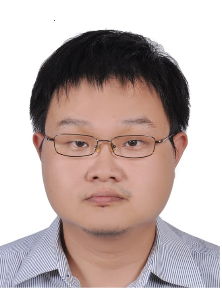 Jing Jin (金晶)合作论文数Department of Automation, School of information Science and Engineering, East China University of Science and Technology;Key Laboratory of Smart Manufacturing in Energy Chemical Process, Ministry of Education, School of information Science and Engineering, East China University of Science and Technology162
 Andrzej Cichocki合作论文数Peraton Labs;Systems Research Institute Polish Academy of Sciences71
 Yu Zhang合作论文数65
 Bei Wang (王蓓)合作论文数School of Information Science and Engineering, East China University of Science and Technology;Key Laboratory of Smart Manufacturing in Energy Chemical Process, Ministry of Education, East China University of Science and Technology60
 Ian Daly合作论文数University of Reading39
 Masatoshi Nakamura合作论文数35
 Ren Xu合作论文数26
 Takenao Sugi合作论文数24
 Junzhong Zou (邹俊忠)合作论文数School of Information Science and Engineering, East China University of Science and Technology22
 Brendan Allison合作论文数Department of Cognitive Science, University of California, San Diego;Allison Consulting, LLC19
 Guoxu Zhou (周郭许)合作论文数School of Automation, Guangdong University of Technology16YangYang Miao (苗阳阳)合作论文数15
 Xiangyun Qing (卿湘运)合作论文数School of Information Science and Engineering, East China University of Science and Technology;Key Laboratory of Smart Manufacturing in Energy Chemical Process, Ministry of Education, East China University of Science and Technology14GAO Hai-hua合作论文数13Cili Zuo合作论文数12XiaoDong Yao (姚晓东)合作论文数12
 Yugang Niu (牛玉刚)合作论文数Department of Automation, School of Information Science and Engineering, East China University of Science and Technology12Shurui Li合作论文数Key Laboratory of Advanced Control and Optimization for Chemical Processes, Ministry of Education, East China University of Science and Technology, Shanghai, China11
 Akio Ikeda合作论文数Grad Sch Med Shogoin, Kyoto Univ11
 T Nagamine合作论文数10
 Hiroshi Shibasaki合作论文数Graduate School of Medicine, Kyoto University10
 Jianhua Zhang (张建华)合作论文数School of Information Science and Engineering,East China University of Science and Technology10
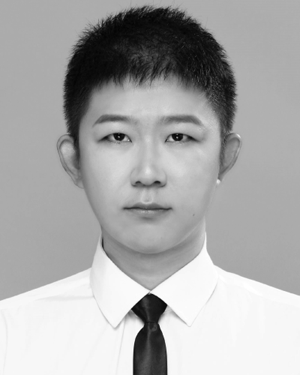 Chang Liu合作论文数Coll Comp, Chengdu Univ9
 Tao Zhang (张涛)合作论文数Department of Automation, School of Information Science and Engineering, Tsinghua University9
 Yong Wang (王勇)合作论文数桂林电子科技大学计算机科学与工程学院9Fusae Kawana合作论文数9
 Zhaoyang Qiu合作论文数Key Laboratory of Advanced Control and Optimization for Chemical Processes, Ministry of Education, East China University of Science and Technology, Shanghai, PR China8Zhou, Sijie合作论文数8Xiaoming You合作论文数7Sheng Liu合作论文数7
 Xueqing Zhao合作论文数Northwest Institute of Nuclear Technology, Northwest Institute of Nuclear Technology7
 Qibin Zhao合作论文数RIKEN Center for Advanced Intelligence Project7Yong Jiao合作论文数East China Univ Sci & Technol, Key Lab Adv Control & Optimizat Chem Proc, Shanghai, Peoples R China6
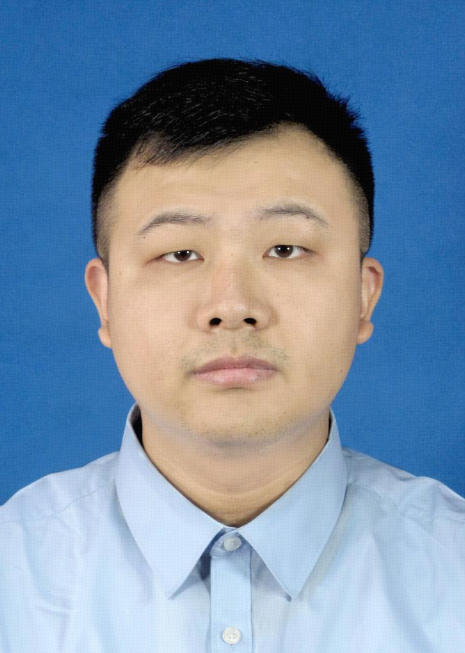 Long Chen (陈龙)合作论文数Medical School of Tianjin University6
 Zhanfeng Ji合作论文数6
 Xiu Zhang (张秀)合作论文数Analytical Instrumentation Center, College of Chemistry and Molecular Engineering, Peking University6Hanhan Zhang合作论文数5Satoru Goto合作论文数5
 Raofen Wang合作论文数5Yu Wang合作论文数Shanghai Ruanzhong Informat Technol Co Ltd, Shanghai, Peoples R China5
 Eric W. Sellers合作论文数Brain-Computer Interface Laboratory, Department of Psychology, East Tennessee State University;College of Arts and Sciences, East Tennessee State University5Christa Neuper合作论文数5Yitao Huang合作论文数4Minqiang Huang合作论文数4
 Hak-Keung Lam合作论文数Department of Engineering, Faculty of Natural, Mathematical & Engineering Sciences, King's College London4
 Dewen Hu (胡德文)合作论文数National University of Defense Technology4
 Erwei Yin (印二威)合作论文数Tianjin Artificial Intelligence Innovation Center;National Academy of Defense Technology Innovation, Academy of Military Science of the Chinese People's Liberation Army4




