Cavitation is a major cause of hydraulic performance degradation and reduced operational reliability in centrifugal pumps. Existing investigations primarily rely on computational fluid dynamics (CFD) or experiments to characterize this phenomenon. While CFD approaches require extensive expertise and computational resources, experimental studies often involve empirical interpretation. This study investigates pump cavitation using vibration signals from the perspective of a system-level excitation-transmission-response chain. Within the almost-cyclostationary (ACS) framework, a general and physically interpretable phenomenological model is developed to describe rotating cavitation. The pump is represented as two cascaded subsystems: a linear almost-periodically time-varying fluid domain and a linear time-invariant solid-volute structure. Vibrations associated with normal operation are classified as deterministic first-order ACS (ACS1) components, whereas cavitation-induced vibrations are characterized as random second-order ACS (ACS2) components. Moreover, spectral correlation analysis reveals that dominant ACS1 components may mask cavitation-related ACS2 signatures, hindering early-stage detection. To address this issue, a cavitation detection strategy is proposed that first separates deterministic and random components, then enhances cavitation-induced signals, and finally performs high-precision spectral correlation estimation. The proposed model and detection strategy are experimentally validated using a closed-loop visualized centrifugal pump test rig.
The Wiener process has been widely employed for remaining useful life (RUL) prediction in mechanical systems, owing to its explicit stochastic degradation mechanism and its capability for uncertainty quantification. However, most existing methods rely on traditional inference algorithms, such as particle filtering, maximum likelihood estimation, or expectation-maximization. This reliance results in a disconnection among degradation mechanism modeling, data-driven representation learning, and lifetime distribution inference, thereby hindering the unified modeling and distribution-level inference of complex nonlinear degradation processes within a single framework. To overcome the above limitations, we develop a physics-informed fusion prognostic framework for stochastic degradation systems, in which degradation mechanism priors, data-driven representations, and physics-consistent constraints are integrated. By embedding nonlinear drift functions into the Wiener process and enforcing physics-consistent path constraints, the proposed framework achieves accurate modeling of complex nonlinear degradation trajectories, while enabling both degradation path modeling and probabilistic RUL distribution inference in a unified manner. Furthermore, a joint training strategy based on Kullback-Leibler (KL) divergence is developed to jointly model degradation path distributions and the probabilistic evolution of system states. By embedding Wiener-process parameter identification into a unified physics-informed optimization framework, the proposed strategy avoids the need for a separate sequential inference procedure and intrinsically links physical constraints with statistical distributions in the probabilistic space, enabling explicit modeling of degradation uncertainty and RUL distributions. Finally, experimental results on three degradation datasets indicate that the proposed Wiener process-based physics-informed information fusion network (WPIFN) consistently improves the accuracy of RUL predictions and the performance of uncertainty quantification.
It is foreseeable that the number of spacecraft will increase exponentially, ushering in an era dominated by satellite mega-constellations (SMC). This necessitates a focus on energy in space: spacecraft power systems (SPS), especially their health management (HM), given their role in power supply and high failure rates. Providing health management for dozens of SPS and for thousands of SPS represents two fundamentally different paradigms. Therefore, to adapt the health management in the SMC era, this work proposes a principle of aligning underlying capabilities (AUC principle) and develops SpaceHMchat, an open-source Human-AI collaboration (HAIC) framework for all-in-loop health management (AIL HM). SpaceHMchat serves across the entire loop of work condition recognition, anomaly detection, fault localization, and maintenance decision making, achieving goals such as conversational task completion, adaptive human-in-the-loop learning, personnel structure optimization, knowledge sharing, efficiency enhancement, as well as transparent reasoning and improved interpretability. Meanwhile, to validate this exploration, a hardware-realistic fault injection experimental platform is established, and its simulation model is built and open-sourced, both fully replicating the real SPS. The corresponding experimental results demonstrate that SpaceHMchat achieves excellent performance across 23 quantitative metrics, such as 100
Recently, cyclostationary analysis has gained significant attention in mechanical fault diagnosis, as it has been proven that vibration signals from faulty rotating machinery often exhibit second-order cyclostationarity. However, in practical applications, the complex transmission paths and harsh operating conditions make the vibration signals susceptible to aliasing interference and non-Gaussian impulsive noise. As a result, the second-order cyclostationarity associated with fault is weak and difficult to detect. To address this issue, a blind adaptive frequency-shift filtering algorithm based on the generalized maximum Versoria criterion (GMVC-based BA-FRESH) is proposed to accurately extract fault feature signals. This algorithm can extract the desired cyclostationary signal from spectrally overlapping interference without prior statistical knowledge of the reference signal. The generalized maximum Versoria criterion ensures the robustness of the algorithm against noise, particularly non-Gaussian impulsive noise caused by outliers. Additionally, to further improve performance, a variable step-size strategy and an adaptive moment estimation (Adam) optimizer are incorporated into the algorithm. By integrating the proposed algorithm with a blind cyclic frequency detection technique, a robust method is developed for detecting weak cyclostationary fault features in rotating machinery under aliasing interference and non-Gaussian noise. The mean-sense and mean-square-sense convergence of the algorithm are subsequently derived for the baseline update, with the Adam variant presented as an optional heuristic. Its performance is comprehensively evaluated using the representative cyclostationary signal model from four perspectives: effectiveness, noise robustness, method comparison, and key parameter influence. Finally, its applicability for fault diagnosis in rotating machinery is validated through two engineering case studies involving industrial centrifugal pumps and rolling-element bearings.
Data-driven deep learning approaches have demonstrated promising performance in fault diagnosis of aviation hydraulic pumps. However, their decision-making processes remain opaque, resulting in limited interpretability. This limitation undermines user trust and restricts practical deployment in real-world operations and maintenance scenarios. To address this issue, this study introduces a large-scale vision-language model and proposes an interactive intelligent diagnostic framework tailored to time-frequency representations of vibration signals. Through attention visualization and multi-turn dialogue mechanisms, the proposed framework substantially enhances model interpretability and facilitates effective human-machine interaction. Specifically, the short-time Fourier transform (SHFT) is employed to convert one-dimensional vibration signals into two-dimensional time-frequency images. This transformation enables compatibility with visual inputs and enhances the representation of fault-related features. Domain-adaptive optimization is further applied to both the visual and language encoders, enabling more accurate modeling of hydraulic pump-specific fault patterns and textual semantics. Attention weight visualization is then leveraged to identify the image regions and textual elements that dominate model decision making. In addition, a multi-turn dialogue mechanism is introduced to automatically generate diagnostic reports for different fault types. These reports include feature descriptions, failure mechanism analysis, and corresponding maintenance recommendations. As a result, the proposed approach significantly lowers the usage barrier and enhances model credibility. Experiments conducted on three centrifugal pump datasets demonstrate that the proposed method achieves state-of-the-art performance in fault diagnosis. The method also exhibits strong adaptability in few-shot scenarios, achieving average accuracies of 93.0% and 91.8% on the two datasets under the 5-shot setting.
Ensuring the consistent part quality in laser powder bed fusion (LPBF), widely adopted for manufacturing critical high-precision components in fields such as aerospace, is challenging due to the meltpool instability arising from complex multi-physics interactions. While deep learning (DL) models offer promise for online meltpool state identification and closed-loop control, their practical deployment is hindered by significant data distribution shifts (causing up to 13-64% performance drop) caused by material changes, process fluctuations, and part geometry variations. These shifts drastically degrade the performance of pre-trained models, and the high cost of recollecting and relabeling data for each new scenario makes model retraining economically unfeasible. Furthermore, the low trustworthiness of "black-box" DL predictions limits their application in critical LPBF processes. To address this issue, this study proposes a cross-material and trustworthy meltpool state identification framework, termed MATMSI. Its core contributions are threefold: Firstly, a retraining-free (i.e., no retraining required, enabling direct transfer) architecture is designed to dynamically adapt pre-trained models to new data distributions with shifts caused by material changes, process fluctuations, and geometrical variations, thereby eliminating the need for repeated data labeling and retraining. Moreover, we proposed a stochastic mapping dimensionality reduction method for enhancing robustness against distribution shifts by eliminating feature redundancy and accentuating key information related to the meltpool state. Furthermore, an adaptive temperature scaling technique is employed to calibrate the model for aligning its prediction confidence with actual accuracy and enhancing its trustworthiness. More importantly, leveraging our in-house acoustic emission (AE) monitoring system for LPBF full-process monitoring, a large dataset comprising three distinct materials (Ti6Al4V, 316L, and GH4099) with 108 process parameter combinations and two typical geometric shapes was constructed. Extensive experimental results demonstrate that MATMSI maintains excellent performance across various distribution shift scenarios while effectively reducing the application cost and deployment barriers for DL in the field of LPBF monitoring and control.
Robotic systems and complex robotic mechanisms operating in industrial environments are increasingly required to perform long-term autonomous operation under evolving working conditions. In such scenarios, the continual emergence of previously unseen fault patterns pose significant challenges to recognition and predictive maintenance. Traditional machine learning models struggle in such class-incremental scenarios due to catastrophic forgetting and rigid architectures that cannot adapt to evolving fault patterns. More importantly, when confronted with ever-evolving open-set conditions where the label space remains entirely unknown and previously unforeseen samples continuously emerge in the absence of beforehand indication, these methods lose ability to recognize and discern unknown categories, thus fail to adapt to emerging new fault patterns. To address abovementioned limitations, this study presents an evolvable continual learning framework incorporating fuzzy rule inference and evidence fusion for industrial robotic fault diagnosis, combining a multi-scale feature extractor with Prototype-based Evolvable Fuzzy Inference System (PEFIS). The framework adaptively supplements and adjusts fuzzy rules to accommodate emerging fault types while mitigating catastrophic forgetting through multilayer knowledge distillation and multi-evidence fusion for uncertainty quantification. The proposed method is applicable not only to scenarios with explicitly increasing categories but also to open-set environments where novel categories are continuously integrated without informing the system. Experimental results on real-world robotic datasets demonstrate its superior performance in both supervised and unsupervised class-incremental scenarios. The interpretable evolving mechanism and out-of distribution (OOD) recognition capability make the proposed method particularly suitable for real-world applications where noval fault patterns emerge unpredictably, advancing scalable and trustworthy AI solutions for industrial robotic systems requiring lifelong deployment.
The widespread application of Laser Powder Bed Fusion (LPBF) has led to an increasing interest in the process monitoring technologies. However, the common method of combining signal sensing and machine learning (ML) in LPBF defect monitoring faces two primary challenges: (1) varying laser scan speeds lead to data imbalance due to differing amounts of data collected per unit distance. (2) the widely used convolutional neural networks lack interpretability. In view of the above limitations, this paper proposes a defect monitoring method of variable-scale acoustic texture image and interpretable texture convolution. First, based on the typical characteristics of LPBF acoustic signals, this method can represent relevant physical information in the form of texture, and guide scale design in combination with process parameters. Secondly, based on the advanced texture filter function as the underlying architecture, the interpretable texture kernel convolution is extended and designed. The acoustic texture image designed in combination with processing parameters can characterize the frequency information of the LPBF process, and the interpretable texture convolution makes the feature extraction interpretable. Finally, the effectiveness of the method is verified on the LPBF defect dataset. The results show that the acoustic texture image can effectively represent process information. The interpretable texture convolution achieves interpretable feature mapping, which performs better in terms of parameter quantity, convergence speed and accuracy. In addition, the operation mode of the proposed method is verified through visual analysis.
Optimization of the laser powder bed fusion (LPBF) process for the Ti-6Al-4 V alloy is a critical technology for ensuring the reliable quality of aerospace structural components. Establishing the relationship between process parameters and performance through data-driven techniques enables low-cost and efficient performance prediction. However, rapid and simultaneous optimization of strength and ductility remains challenging in practical applications. First, publicly available process data introduce inter-experiment bias into performance prediction models due to variations in experimental conditions. Second, factors such as production efficiency and stability must be considered in real-world engineering applications. This study proposes a reliability-aware and constraint-guided closed-loop workflow that combines literature-derived prior knowledge, Gaussian-process surrogate modeling, and constrained expected hypervolume improvement for candidate selection. Starting from 138 literature-derived parameter sets and a candidate space of 780 unexplored conditions, the workflow refined the feasible strength–ductility window within three iterations. The first iteration achieved 10.24% total elongation at ~1098 MPa, and the second achieved 1202 MPa at ~9.98% elongation. Furthermore, the prediction results are quantified with uncertainty, enabling explainable decision-making in closed-loop optimization. Microstructural analyses indicate that the recommended low- and moderate-energy windows are associated with low defect density, a more continuous prior-β framework, and relatively stable α/α' morphology. The proposed workflow provides a practical route for data-efficient LPBF process-window refinement.
Recent research indicates that rotating machinery signals often exhibit cyclostationarity under constant speed and angle-time cyclostationarity under variable speed. Correspondingly, two statistical descriptors-the spectral correlation (SC) and order-frequency spectral correlation (OF-SC)-are estimated via the averaged cyclic periodogram (ACP)-based or cyclic modulation spectrum (CMS)-based estimators. CMS-based estimators are widely favored due to their reduced computational cost compared to ACP-based estimators; however, their performance remains subject to the time-frequency resolution trade-offs inherent to short-time Fourier transform (STFT)-based implementations. In particular, the detectable range of periodic modulation components is limited by the resolution characteristics of the STFT. To address this limitation from a scale-adaptive perspective, the continuous wavelet transform is incorporated into CMS-based estimators within the cyclostationary framework, resulting in the wavelet (WCMS) estimator for SC estimation. This estimator is further extended to the angle-time cyclostationary framework, yielding the order-frequency WCMS (OF-WCMS) for estimating SC. Moreover, inspired by the prior knowledge that modulation components in many practical rotating machinery signals exhibit sparsity, a modified sparse fast Fourier transform algorithm is integrated to improve computational efficiency along the cyclic frequency or cyclic order This leads to the sparse WCMS (SWCMS) and order-frequency SWCMS (OF-SWCMS) estimators. The proposed estimators are comprehensively evaluated in terms of resolution characteristics, computational complexity, and observable cyclic frequency/order range. Simulation results using typical cyclostationary and angle-time cyclostationary signal models indicate that proposed estimators can detect a broader range of periodic modulation components while maintaining low computational cost. Two application cases further demonstrate their practical applicability in prognostics and health management for complex rotating machinery within existing cyclostationary and angle-time cyclostationary frameworks.
Data-driven deep learning techniques have been widely adopted in industrial health monitoring and maintenance. Nevertheless, conventional diagnostic approaches often suffer from scenario-specific limitations and inadequate intelligent capabilities. Recently developed large-scale vision-language models (LVLMs) provide an advanced human-machine interaction paradigm for intelligent fault diagnosis. This study extends the application of LVLMs to industrial fault diagnosis by proposing the fault diagnosis general language model (FDGLM) framework, which enables intelligent diagnostics across multiple operating conditions and datasets. First, leveraging advanced digital twin technology, high-quality vibration samples are generated to support model training. These samples are processed using the short-time fourier transform (STFT) to generate enhanced time-frequency spectrograms, which address the large-scale data demands of FDGLM training. Subsequently, the pre-trained visual model is fine-tuned using the low-rank adaptation strategy, incorporating both cross-entropy loss and circle loss to jointly improve discriminative capability and robustness in recognizing time-frequency characteristics of industrial faults. Next, the language model is fine-tuned using domain-specific textual instructions to achieve deep alignment between visual and textual modalities, enabling causal fault analysis and maintenance decision-making. Finally, cross-condition and cross-dataset experiments are conducted on four distinct datasets. The results show diagnostic accuracies of 0.995 under identical conditions, 0.890 across varying conditions, and 0.947 in cross-dataset scenarios, while also demonstrating professional-level conversational diagnostic capabilities. The experimental results confirm that FDGLM delivers reliable diagnostics suitable for industrial applications, with minimal fine-tuning overhead and superior performance compared to existing frameworks. The proposed framework represents a next-generation solution for industrial equipment health management.
The membrane structures, widely used in aerospace engineering, exhibit complex nonlinear dynamic behaviors when subjected to external disturbance. The existing numerical modeling methods require improvement in terms of accuracy and computational efficiency, particularly for large-scale membrane structures. In this paper, the nonlinear dynamic modeling and analysis of a prestressed rectangular membrane structure are investigated. A wavelet-based nonlinear membrane element is developed based on the nonlinear geometry equations of the large deflection theory, employing scaling functions of the B-spline wavelet on the interval (BSWI) as shape functions to enhance accuracy and computational efficiency. Theoretical error analysis and numerical simulations are carried out, which clearly demonstrate the significant improvement in the accuracy and computational performance compared to conventional methods. Using the established model, the nonlinear characteristics of the membrane are analyzed, including the investigation of time-varying natural frequencies changing with the membrane vibration, and the distorted nonlinear mode shapes under a large deflection. Finally the energy analysis conducted using the proposed method reveals the energy distribution, propagation and conversion between different forms during the vibration process, providing deeper insights into the mechanisms of membrane deformation and vibration.
Cable-driven hyper-redundant manipulators (CDHRMs) provide high dexterity and compliance, enabling complex operations in confined and cluttered environments. However, their control performance is fundamentally limited by severe hysteresis effects caused by mechanical backlash and distributed friction, which degrade tracking accuracy and robustness. This paper presents an adaptive sliding mode control (ASMC) framework for CDHRMs that explicitly incorporates joint rotation angle feedback for hysteresis compensation. A variable sliding mode surface is designed by combining instantaneous tracking errors with their integral terms, allowing rapid convergence under hysteresis-dominated nonlinearities while preserving stability outside hysteresis regions. Closed-loop stability is rigorously guaranteed through Lyapunov analysis, and an adaptive Jacobian update law is derived to compensate for model uncertainties and hysteresis-induced parameter variations in real time. A CDHRM prototype equipped with distributed joint angle sensing is developed to enable hysteresis-aware feedback and experimental validation. Numerical simulations and experimental results demonstrate that the proposed method constrains the end-effector positioning error to 0.43% of the total manipulator length and maintains the average joint angle error below 0.2°. These results verify that the proposed ASMC framework effectively suppresses hysteresis effects, accelerates error convergence, and provides robust and scalable control performance for practical CDHRM applications.
Single-domain generalization (SDG) is critical for Industrial Internet of Things edge scenarios where only limited single-source data are available. Existing SDG approaches predominantly rely on generative models or heavy augmentation to synthesize auxiliary domains, which often introduce unrealistic artifacts and training instability. In contrast, we articulate that single-source industrial data inherently contain latent nonstationarities (e.g., temporal drifts) that can be mined rather than synthesized. Based on this insight, we propose PurifyFD, a trustworthy and edge-efficient framework that reframes SDG as a feature purification problem. Specifically, we devise a closed-loop max-min adversarial game: the maximization step automatically amplifies the worst-case discrepancies of mined latent domains, while the minimization step suppresses feature sensitivity to these shifts via spatiotemporal disentanglement. This process yields purified representations with high intra-class compactness and shift-invariance. Rather than relying on heavy auxiliary out-of-distribution modules, the resulting compact representation naturally supports lightweight parameter-free energy scoring for more reliable open-set rejection in edge deployment. Extensive experiments on case western reserve university (CWRU), JNU, and a dual-testbed dataset demonstrate that PurifyFD achieves a favorable trade-off among cross-domain accuracy, open-set reliability, and inference efficiency compared to state-of-the-art representative methods.
The performance of the wavy leading edge (WLE) on the self-noise from a cambered NACA 65(12)-10 airfoil at a Reynolds number of 100 000 is investigated in this paper. The self-noise from the airfoils is measured in an anechoic wind tunnel while the flow details are obtained from both planar particle image velocimetry measurements and the wall-resolved large eddy simulations. It turns out that the WLE is effective in reducing both the tonal and the broadband separation noise in the mid-to-low-frequency range from the baseline airfoil. The underlying mechanisms of the noise reduction are also examined carefully from both the tonal and the broadband aspects. By introducing the WLE, the generated streamwise vortices can modify the boundary-layer development and reduce the spanwise coherence of the flow structures. As a consequence, the acoustic feedback loop responsible for the tonal noise from the baseline airfoil is disturbed. Additionally, the WLE decreases the convection velocity and generates less coherent wall pressure fluctuations in the low-to-mid-frequency range, leading to broadband separation noise reduction.
Complex laser-powder interactions in Laser Directed Energy Deposition (LDED) frequently generate porosity defects that degrade component performance. Current monitoring approaches predominantly employ Convolutional Neural Networks (CNN), which, despite their effectiveness in capturing local spatial patterns, struggle to model spatio-temporal dependencies and multi-physics coupling. Graph Neural Networks (GNN) provide a promising alternative for handling non-Euclidean data, and physics-informed GNN provide enhanced interpretability, however, their graph construction typically depends heavily on expert knowledge, limiting model generalization. This study introduces an expert-independent graph structure self-modeling algorithm. First, feature compression layer is integrated to extract key physical features of porosity while achieving efficient dimensionality reduction. Second, a graph structure optimization layer dynamically mines the optimal topological relationships between nodes, enabling the adaptive restructuring of correlations. A graph attention layer is further incorporated to achieve dynamic weighted aggregation of nodal information. Mechanistic analysis reveals that impact-induced transient cavities traps shielding gas, leading to internal gas pores. With increasing deposition layers, the thermal accumulation effect not only heightens pore-entrapment probability but also intensifies remelting. This facilitates the buoyancy-driven upward migration of pores from the preceding layers. This process results in a vertical redistribution in which pores progressively concentrate near the top. Sensitivity analysis reveals that at a neighborhood scale of N=5 and stride S=2, the model optimizes the trade-off between local aggregation and spatio-temporal consistency, achieving an in-situ porosity monitoring accuracy of 97.67%. This work offers an efficient and intelligent solution for online quality assessment of additive manufacturing.
Accurate and efficient prediction of combustor temperature is essential for system-level performance analysis and thermal safety assessment of staged-combustion combined-cycle engines. However, existing approaches face a trade-off between physical accuracy and computational efficiency: thermochemical equilibrium calculations provide reliable temperature predictions but incur high computational cost, whereas low-order or purely data-driven models often exhibit limited robustness under off-design conditions. In this study, combustor temperature modeling is investigated for three propulsion systems with different propellant combinations, including LH2/LOX, CH4/LOX, and RP-1/LOX engines. A sensitivity analysis based on chemical equilibrium calculations is conducted to quantify the influence of key input parameters and reveal fuel-dependent sensitivity characteristics. The results show that dominant controlling parameters differ across fuel types, with the preburner air-fuel ratio governing the LH2/LOX engine, the afterburner air-fuel ratio dominating the RP-1/LOX engine, and coupled effects of air-fuel ratio and inlet air temperature observed for the CH4/LOX engine. Based on the extracted sensitivity information, a Sensitivity-guided Physics-Regularized Interpretable Model Enhancement (S-PRIME) is developed for fast combustor temperature prediction. Compared with a conventional physics-regularized model, S-PRIME reduces the mean absolute error by approximately 20-25% for the LH2/LOX engine and 30-40% for the CH4/LOX and RP-1/LOX engines under distribution-shifted conditions. Moreover, replacing the thermochemical equilibrium module with the proposed surrogate model reduces system-level computational cost by 60-80%. These results demonstrate that the proposed framework enables robust and physically consistent combustor temperature prediction with significantly improved computational efficiency.
Spatial temporal graph neural networks (STGNNs) are effective tools for adequately mining the temporal and spatial correlations within multivariate time series (MTS). However, in recent years, their development has encountered bottlenecks, their performance in tasks within complex correlated multi-sensor systems (CCMS) has been underwhelming. We conducted a comprehensive analysis and discovered that the crux lies in the fact that CCMS do not conform to the homophily assumption, whereas most GNN modules utilized in existing STGNNs are developed based on this assumption. To solve this problem, this work proposes a new spatial information mining paradigm: graph based spatial information mining paradigm for CCMS (CCMS-GSIMP). It is a pipeline consisting of: a specific data preprocessing, a new graph structure construction method, and a novel graph convolution method. Firstly, in the data preprocessing phase, to extract correlated sub-components and simplify the capture of nonlinear correlations, multi-scale decomposition needs to be deployed. After that, in the graph structure construction phase, to evaluate both linear and nonlinear correlation strengths, we introduce the maximum information coefficient (MIC) metric. Finally, in the complex correlation capturing phase, a novel graph based complex correlation capturing network (G3CN), has been theoretical proposed. Additionally, this work has conducted performance evaluation and ablation studies on synthetic and real-world datasets. And the discussion section delves into some cutting-edge hypotheses such as over-smoothing and spatial indistinguishability. Our data and codes are available at https://github.com/DiYi1999/G3CN.
Small inspection robots are highly desirable for inspecting complex machinery and detecting damage in confined spaces. However, common climbing robots that rely on vacuum suction or bioinspired dry adhesion often suffer from bulky sizes or slow locomotion speeds. Developing compact yet intelligent wall-climbing robots that mimic the agility and payload capacity of geckos remains an important challenge. In this work, we design a 20-g, 10-cm artificial intelligence (AI)-integrated robot capable of carrying a 70-g payload while climbing on vertical and inverted surfaces at a speed of 70 mm/s. Acoustic adhesion is generated by vibrating a flexible annular disk on smooth surfaces, where air is periodically absorbed and expelled, resulting in negative pressure. The thin air layer with negative pressure indicates anisotropic performance, characterized by strong normal adhesion and negligible tangential resistance, making it highly suitable for designing small, yet strong, climbing robots. The theoretical model and laser surface morphology measurements reveal the thickness-dependent adhesion of a thin air layer beneath the disk. A servo-spring system is designed to meet the stringent requirements of a thin air layer thickness, yielding robust normal adhesion. Resonance analysis and the use of proper spring material stiffness further enhance adhesion performance. Therefore, combining this innovative acoustic adhesion with optimized structural design, our robot achieves gecko-like mobility and payload capacity. Additionally, integrated AI techniques simplify robot control, allowing voice-commanded operation and autonomous task execution. We demonstrate the functions of these climbing robots through agile inspections in a 3-dimensional maze and retired aircraft engines. This work presents the design of small, strong, and agile climbing robots that utilize anisotropic acoustic adhesions, demonstrating agile mobility across gaps, right corners, and discontinuous curved surfaces. It offers potential solutions for in situ damage detection in aero-engines and other complex equipment cavities.
With the rapid advancement of Industry 4.0 and intelligent manufacturing, Prognostics and Health Management (PHM) has emerged as a pivotal component for ensuring the safety, reliability, and efficiency of complex industrial systems. By enabling real-time monitoring, fault diagnosis, and life prediction, PHM system effectively reduces equipment failure rates, extends system lifespans, and optimizes maintenance strategies, thereby achieving cost savings and enhanced productivity. The rapid development of modern signal processing and artificial intelligence technologies has significantly driven the progress of PHM theories, resulting in a plethora of innovative methodologies. While purely physics-based and purely data-driven approaches have their strengths, their limitations are equally evident. As a promising alternative, PHM technologies that merge physics and neural network are gaining traction, leveraging the advantages of both paradigms to pioneer a new framework for health management. This study defines a novel classification framework for PHM that synthesizes physics-based and neural network-based approaches. Within this framework, we examine and categorize relevant published studies, providing a tutorial to assist researchers in quickly mastering these techniques. Furthermore, we summarize the characteristics of each architecture and discuss their implementation challenges, advantages, and limitations.
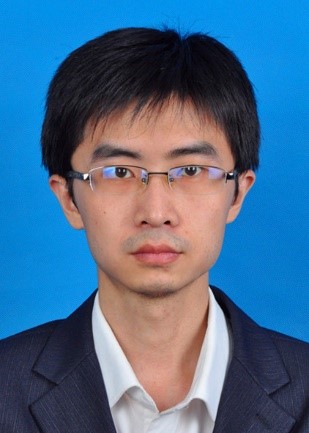 Zhibo Yang (杨志勃)合作论文数Xi'an Jiaotong University192
 Ruqiang Yan (严如强)合作论文数School of Mechanical Engineering, Xi'an Jiaotong University176
 Xingwu Zhang (张兴武)合作论文数School of Mechanical Engineering, Xi'an Jiaotong University141
 Zhengjia He (何正嘉)合作论文数School of Mechanical Engineering, Xi'an Jiaotong University140
 Baijie Qiao (乔百杰)合作论文数School of Mechanical Engineering, Xi'an Jiaotong University137
 Zhibin Zhao (赵志斌)合作论文数School of Mechanical Engineering, Xi'an Jiaotong University132
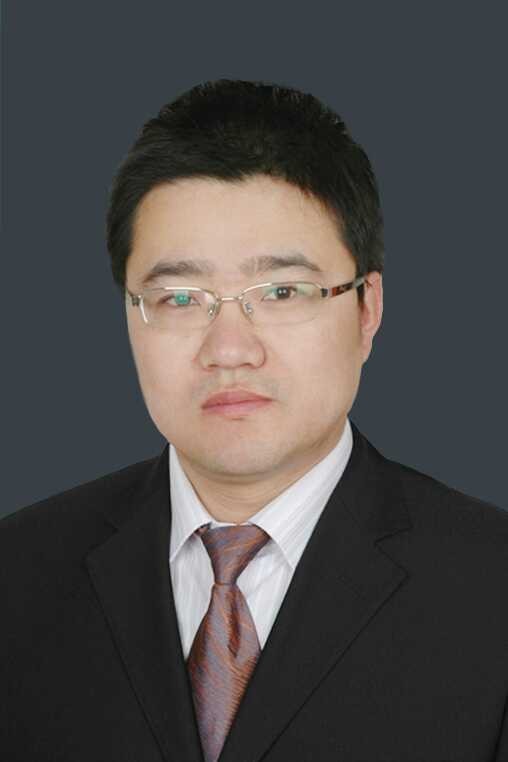 Guangrui Wen (温广瑞)合作论文数Institute of Diagnosis & Cybernetics, School of Mechanical Engineering, Xi’an Jiaotong University93
 Chuang Sun (孙闯)合作论文数School of Mechanical Engineering, Xi’an Jiaotong University92
 Hongrui Cao (曹宏瑞)合作论文数School of Mechanical Engineering, Xi'an Jiaotong University86
 Shibin Wang (王诗彬)合作论文数Institute of Aero-Engine, School of Mechanical Engineering, Xi'an Jiaotong University84
 Wei Cheng (成玮)合作论文数School of Mechanical Engineering, Xi'an Jiaotong University82
 Shaohua Tian (田绍华)合作论文数68
 Jinxin Liu (刘金鑫)合作论文数Institute of Aerospace Manufacturing and Information Engineering, School of Mechanical Engineering, Xi'an Jiaotong University61
 Liuyang Zhang (张留洋)合作论文数School of Mechanical Engineering, Xi'an Jiaotong University56
 Laihao Yang (杨来浩)合作论文数Department of Mechatronics Engineering, School of Mechanical Engineering, Xi'an Jiaotong University53
 Zhi Zhai (翟智)合作论文数School of Mechanical Engineering, Xi'an Jiaotong University;Institute of Aerospace Manufacturing and Information Engineering, Xi'an Jiaotong University52Chenxi Wang合作论文数State Key Lab Mfg & Syst Engn, Xi An Jiao Tong Univ47
 Zhifen Zhang (张志芬)合作论文数School of Mechanical Engineering, Xi’an Jiaotong University43
 Yu Sun (孙瑜)合作论文数School of Mechanical Engineering, Xi'an Jiaotong University42
 Jiawei Xiang (向家伟)合作论文数College of Mechanical and Electrical Engineering, Wenzhou University39
 Zihao Lei (雷子豪)合作论文数School of Mechanical Engineering, Xi'an Jiaotong University37
 Zelin Nie合作论文数Xi An Jiao Tong Univ, State Key Lab Mfg Syst Engn, Xian, Peoples R China35
 Shuming Wu (吴淑明)合作论文数School of Mechanical Engineering, Xi'an Jiaotong University33
 Bing Li (李兵)合作论文数School of Mechanical Engineering, Xi'an Jiaotong University32Xing Ji (姬兴)合作论文数School of Aerospace Engineering, Xi'an Jiaotong University;Kinetic Exascale and AI computation Lab, Xi'an Jiaotong University32
 Yanan Wang合作论文数31
 Jia-Hui Cao合作论文数Xi'an Jiaotong University26
 Ruobin Sun (孙若斌)合作论文数School of Mechanical Engineering, Xi'an Jiaotong University26
 Tianfu Li (李天福)合作论文数Faculty of Mechanical and Electrical Engineering, Kunming University of Science and Technology26Meiru Liu合作论文数25
 Genshui Wang (王根水)合作论文数Shanghai Institute of Ceramics, Chinese Academic of Sciences23Haoqi Li合作论文数23
 Yanyang Zi (訾艳阳)合作论文数Institute of Intelligent Diagnosis and Control for Equipment, School of Mechanical Engineering, Xi'an Jiaotong University23Rongyong Zhang (张荣勇)合作论文数22Yanjie Guo (郭艳婕)合作论文数School of Mechanical Engineering, Xi'an Jiaotong University22
 Yilong Liu合作论文数21
 Zengkun Wang合作论文数School of Mechanical Engineering, Xi’an Jiaotong University21
 Junjie Ye (叶俊杰)合作论文数School of Mechano-Electronic Engineering, Xidian University21
 Yafei Xu合作论文数20
 Jia Geng (耿佳)合作论文数School of Mechanical Engineering, Xi'an Jiaotong University20
 Han Zhang (张晗)合作论文数School of Construction Machinery, Chang'an University19
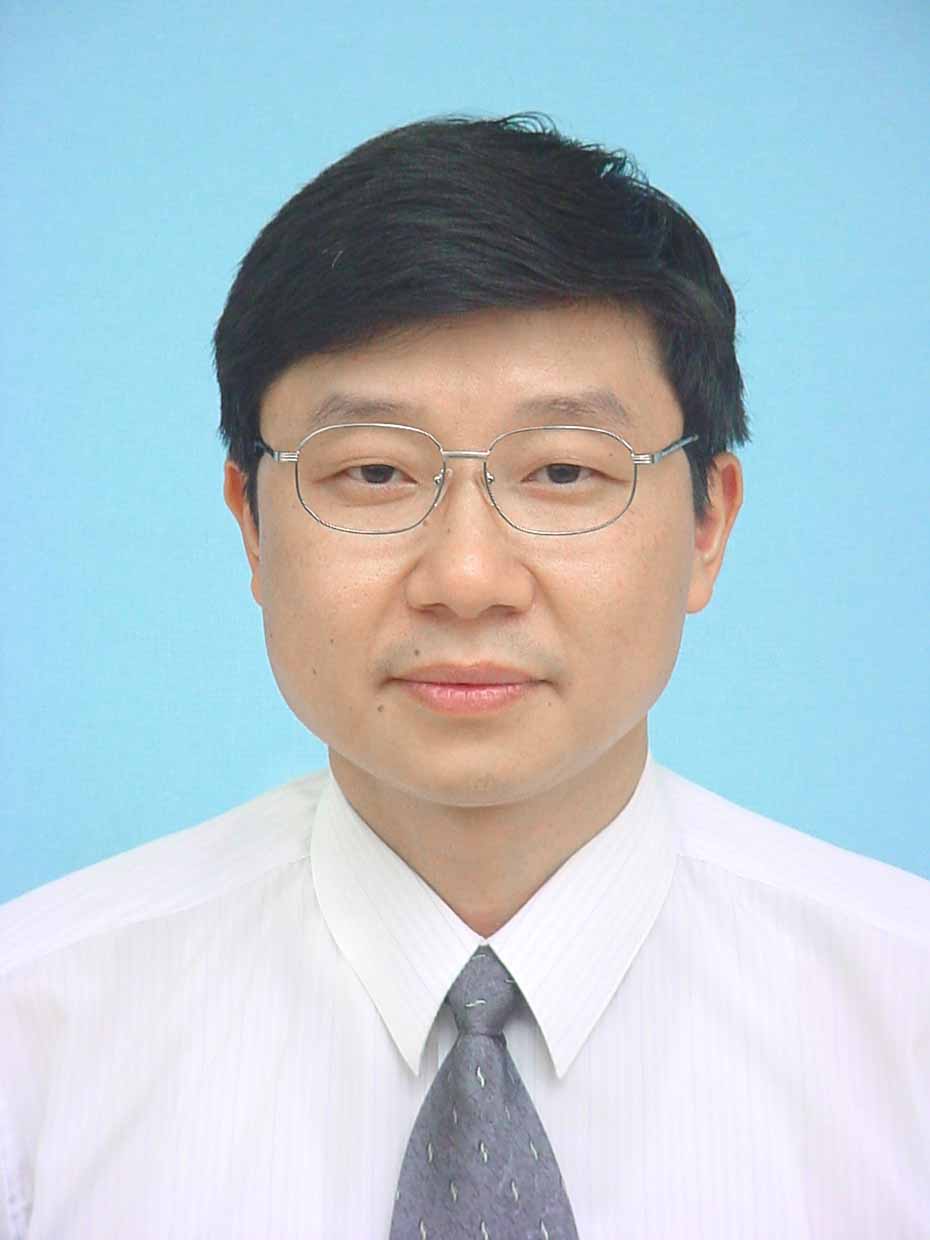 Xianlin Dong (董显林)合作论文数Shanghai Institute of Ceramics, Chinese Academic of Sciences19
 Lin Gao (高琳)合作论文数School of Electrical Engineering, Xi'an Jiaotong University19
 Bi Wen合作论文数18
 Baoqing Ding合作论文数18
 Zhonglei Shen合作论文数17
 Jingyao Wu (武靖耀)合作论文数17
 Chao Song合作论文数17Hao Zuo (左浩)合作论文数School of Construction Machinery, Chang'an University17




