A new acanthodrilid earthworm, Eutyphoeus takchangensissp. nov. is described based on specimens collected from the biodiversity hotspot region of the North-eastern India, in the state of Sikkim, characterized by predominantly chemical-free agriculture practices. Eutyphoeus takchangensis sp. nov. is an avestibulate metandric species that lacks lateral intestinal caecae. The proposed species is distinguished from its congeners by the absence of genital markings and associated glands, the presence of a single female pore and penial setae, and by possessing unidiverticulate spermathecae.
Microplastics in soil transform through interacting abiotic, microbial, and faunal processes that collectively determine their persistence and ecological impact. To establish a mechanistic understanding of these complex interactions, we systematically reviewed 150 studies following PRISMA 2020 guidelines, synthesizing qualitative evidence on contamination patterns (n = 128) and quantitative data on microplastic occurrence, degradation mechanisms, and bioremediation potential (n = 22) across diverse terrestrial ecosystems. Principal component analysis of polymer distribution patterns identified polymer composition, residence time, soil physicochemical properties, and ecological risk factors as key determinants of microplastic fate in terrestrial systems. The study reveals that microplastic degradation in soils occurs through a sequential, multi-agent pathway. The process initiates with abiotic weathering that creates surface irregularities and functional groups, facilitating subsequent plastisphere development. Within these biofilm microenvironments, microbial communities accumulate oxidative and hydrolytic enzymes that drive enzymatic depolymerization, resulting in polymer fragmentation and partial to complete mineralization. Across studies, polyethylene, polypropylene, and polystyrene emerged as the most persistent polymers, while biodegradable alternatives exhibited accelerated transformation under favourable soil conditions. Earthworms critically amplify degradation through mechanical fragmentation, gut redox modification, and enrichment of degradative microbial communities, achieving upto 60
This study investigated municipal dumping zone soils to isolate and characterize indigenous bacteria capable of polyethylene (PE) degradation in metal enriched environments. The soils exhibited high organic carbon and strong accumulation of copper and cadmium, generating selective pressure that reduced native soil enzyme activities and shaped metal-adapted microbial communities. Pollution and potential ecological risk indices confirmed substantial heavy-metal loading. Two bacterial isolates obtained from the dumping site were identified as Stutzerimonas stutzeri and Brevibacillus agri. Both isolates demonstrated polyethylene- degrading potential, suggesting their possible utilization of PE as a carbon and energy source under the experimental conditions. The persistence of PE-associated bacterial strains under metal stress indicates an adaptive microbial response supporting both survival and plastic transformation. Overall, these findings highlight municipal dump soils as reservoirs of metal- tolerant bacteria with potential relevance for future biotechnological applications in microplastic remediation.
Earthworms are vital ecosystem engineers that sustain soil health and agricultural productivity. India harbors 497 described species (approximately 8.4% of global diversity), with nearly 71% endemism; however, this diversity remains poorly characterized at the molecular level. DNA sequence data are currently available for only 144 species (28.97%), leaving a substantial research gap of 353 species (71.03%). Of the species represented in molecular databases, 116 are supported by sequences generated from Indian specimens, while 28 sequences were generated from specimens collected outside India, primarily representing exotic species. However, among the 144 species sequences, 26 species were sequenced by both Indian and outside-country researchers owing to their peregrine nature. Only three families, predominantly represented by peregrine species, exhibit complete molecular coverage. In contrast, the majority of Indian earthworm diversity is concentrated in three dominant families: Megascolecidae (208 species), Acanthodrilidae (138 species), and Moniligastridae (101 species). These families show substantial molecular gaps, with 152 unsequenced species in Megascolecidae, 104 in Acanthodrilidae, and 77 in Moniligastridae. Megascolecidae represents the largest absolute knowledge gap and therefore constitutes the highest priority for targeted sequencing efforts. A strategic roadmap emphasizing systematic sampling, DNA barcoding, and collaborative genomic initiatives focused on these priority families could substantially increase national molecular coverage, with approximately 80% coverage over the next decade representing an illustrative, resource-dependent target rather than a guaranteed outcome. Such progress would significantly enhance understanding of India’s soil biodiversity in one of the world’s 17 megadiverse countries, encompassing four global biodiversity hotspots, address the declining availability of classical taxonomic expertise, and strengthen ecosystem restoration, soil fertility management, and sustainable agriculture.
Resolving earthworm taxonomy is challenging due to morphological convergence and cryptic variation, which often cause species to be misidentified or unjustified synonym substitutions. A persistent issue in Moniligastridae systematics has been the status of Drawida jalpaigurensis Stephenson, 1916, long postulated to be conspecific with Drawida nepalensis Michaelsen, 1907. To address this, we used an integrative approach that combined thorough morphological examination with molecular analysis of mitochondrial COI gene sequences. Our reassessment found clear, consistent differences between the two species, and phylogenetic analyses confirmed they are distinct, each forming separate, well-supported clades. The Assemble Species by Automatic Partitioning (ASAP) algorithm for species delimitation also confirmed their evolutionary separation. These results conclusively resolve the synonymy debate, reestablishing D. jalpaigurensis as a species separate from D. nepalensis. This study demonstrates the importance of integrative taxonomy for uncovering hidden diversity and improving classification, especially in groups like Moniligastridae that have been historically understudied.
The study reports the first record of the exotic earthworm species Gordiodrilus elegans Beddard, 1892 (Clitellata: Ocnerodrilidae) from the Gangetic Plains of Uttar Pradesh, India. The evolutionary relatedness as well as the morpho-anatomical traits of the species is discussed in the study. The genomic signature of Gordiodrilus elegans was also generated for the first time.
Antibiotic resistance genes (ARGs) are pervasive environmental pollutants, that detrimentally impact soil health. The widespread use of antibiotics in both medical and livestock practices accelerates the spread of antibiotic-resistant bacteria (ARB) and antibiotic resistance genes (ARGs) in soil. This poses a serious threat to soil microbial communities and can adversely affect plant and animal growth. Antibiotic residues foster the establishment of ARGs in the environment, emphasizing the importance of biodegradation in mitigating antibiotic effects. Although earthworms are known to facilitate the movement of bacteria and antibiotic-resistance genes (ARGs) through soil layers, a comprehensive understanding of their gut microbiota and its relationship with these resistance genes remains limited. Vermibiochar, a synergistic soil amendment combining biochar and vermicompost, enhances microbial activity, improves soil structure, increases nutrient availability and carbon sequestration, and helps reduce antibiotic-resistance genes (ARGs) in soil ecosystems. This study outlines the enhanced interaction between earthworms and biochar in ARG remediation, building on existing knowledge and offering insights into new strategies for mitigating antibiotic resistance in soils. It also highlights the practical challenges associated with applying this approach in real-world conditions, while emphasizing its potential to reduce ARGs and improve overall soil health.
Zinc oxide nanoparticles (ZnO-NPs), are widely used in various industrial and agricultural applications. Therefore, ZnO-NPs are abundantly released into soil ecosystems, and posing a serious threat to the environment. It is still unknown the exact magnitude of toxicity associated with ZnO-NPs and their ionic form. The study examined the effects of uncoated ZnO-NPs and their ionic form on soil earthworms, which play a crucial role in soil ecology. The earthworms were exposed to various concentrations of ZnO-NPs and ZnCl2 ranging from 100 to 750 mg kg−1, for 28 days in garden soil. The assessment was performed to ascertain their influence on biomass, mortality, biochemical markers, Zinc accumulation, and histological responses. The coelomocytes of earthworms play a vital role in various biological processes. Therefore, their impact on the behavioural patterns of coelomocytes was also evaluated. The absorption of Zn was considerably higher in ZnO-NPs compared to ZnCl2 (p < 0.05), however, its impact on the assessed parameters was significantly lower compared to ZnCl2. In addition, the use of Zinc chloride led to a mortality rate of 47
Agricultural practices such as conventional (CN) and conservation agriculture (CA) influence the composition and structure of soil microorganisms. We used short reads and genome-resolved metagenomic-based dual sequencing approaches to create a profile of bacterial and archaeal communities in hyperthermic Typic Haplustepts soil after seven years of CA and CN. The most differences in the physico-chemical and biological properties of soil were higher pH, organics carbon, available nitrogen and microbial biomass contents, activities of dehydrogenase, β-glucosidase, and arylsulfatase, found in CA soil. The dominant bacterial taxa under both management types were Pseudomonadota (46–48
A comprehensive investigation into the genus Eutyphoeus (Clitellata: Acanthodrilidae) in Manipur, North-East India, has led to the discovery of ten novel species and the identification of one previously unrecorded species in the region. The study utilized an integrative taxonomic approach, combining both morphological and genetic analyses. Nine of the newly described species – Eutyphoeus morehensis Tiwari & Yadav sp. nov., E. lamdengensis Tiwari & Yadav sp. nov., E. shiroensis Tiwari & Yadav sp. nov., E. kashongensis Tiwari & Yadav sp. nov., E. ukhrulensis Tiwari & Yadav sp. nov., E. lokchaensis Tiwari & Yadav sp. nov., E. baronongini Tiwari & Yadav sp. nov., E. yangoupokpensis Tiwari & Yadav sp. nov. and E. tengnoupalensis Tiwari & Yadav sp. nov. – belong to the E. hastatus group, characterized by holandric male organs, bidiverticulate spermathecae, and annular tumescence around the male porophore. However, E. kwathensis Tiwari & Yadav sp. nov. was found to diverge from E. turaensis, and is diagnosed by metandric male organs, avestibulate and apenile male genital orifices. The study is based on extensive field surveys and the use of DNA barcoding. Each species is accompanied with morphological descriptions that emphasize distinctive features and geographical distribution. In addition, DNA barcodes were analyzed to confirm species identities and determination of genetic distinctiveness. The provided microphotographs of important morphological features complement the taxonomic descriptions. The study significantly enriches the understanding of the diversity of species of Eutyphoeus in Manipur, northeastern region of India, and underscores the importance of integrating molecular techniques in the taxonomy of earthworms and surveys on biodiversity.
Zinc deficiency precipitates considerable health problems in developing countries, affecting development, growth, and immunological function. The main issue is that zinc exhibits limited bioavailability in diets, sometimes compounded by the high concentration of phytate molecules in staple foods, which impedes zinc absorption. Nanoparticles offer a promising approach to improve zinc bioavailability and address deficiency through the application of advanced agricultural techniques. The study introduces a novel method for synthesizing Zinc oxide (ZnO) biometallic nanoparticles by employing aqueous extracts of Salvia hispanica L. (Chia seed) as a reducing and capping agent in an environmentally sustainable way. Their active phytoconstituents acted as a stabilising agent and facilitated the conversion of ionic zinc (Zn2+) into elemental zinc. The study synthesized the diverse forms of zinc oxide nanoparticles (NP-α, NP-β, NP-γ, NP-δ, NP-ε, and NP-η) utilising various molar concentrations (0.5mM, 1.0mM, 3.0mM, 5.0mM, 7.0mM, and 9.0mM) of a precursor solution, zinc nitrate [(ZnNO3)2]. The synthesized NPs were evaluated using UV-Vis spectroscopy, FTIR spectroscopy, XRD, SEM, EDX, TEM, SAED, and HR-TEM methods to determine their characteristics. The standard particle size varies from 40 to 80 nm, exhibiting a consistent hexagonal morphology and a polydispersed characteristic with minimal size fluctuation. The molarity substantially influenced the shape of NPs, particularly concerning their size and surface area. An in vitro evaluation was performed to investigate the antibacterial activity against Staphylococcus aureus and the possible degradation of the hazardous dye Congo red. The particles exhibited antibacterial efficacy at a concentration of 40 ppm ZnO, antidiabetic qualities at 10 µl/ml ZnONPs, antioxidant activity at concentrations ranging from 100 to 900 µl/ml showing 89.47 ± 0.022 µg AAE/mg, maximum activity with total antioxidant capacity (TAC), and dye degradation potential at a concentration of 50 mg ZnONPs, revealed 50.78% CR degradation after 90 min of irradiation. Additionally, it had significant inhibitory effects on the enzymes α-amylase (72.93%) and α-glucosidase (60.48%) by ZnONP-η. The efficacy of dye degradation with synthesized nanoparticles seems to enhance with increased particle sizes and reduced specific surface areas. The antioxidant, antidiabetic, and catalytic capabilities improved with an increase in particle size. Nevertheless, it was found that an increase in particle size corresponded with a substantial reduction in antibacterial activity. The study presents an efficient approach for the eco-friendly synthesis of ZnONPs, highlighting their significant potential for many biological applications.
The systematics of pheretimoids have been hindered by limited diagnostic traits and extensive homoplasy. This study utilized an integrative taxonomic approach, combining morpho-anatomical traits and mitochondrial COI data, to delineate species and clarify phylogenetic relationships among Indian pheretimoids. Three new species of Metaphire (Megascolecidae) were identified: Metaphire manipurensis Tiwari & Yadav sp. nov., belongs to M. houlleti group with three pairs of spermathecal pores (6/7-8/9) and no post-clitellar markings; Metaphire thabiensis Tiwari & Yadav sp. nov. classified within the M. javanica group, with two pairs of spermathecal pores (7/8-8/9) and copulatory pouches lacking stalked glands and Metaphire churachandpurensis Tiwari & Yadav sp. nov., which lacks spermathecal pores but has stalked genital marking glands. Furthermore, phylogenetic analysis of COI data confirmed species placements with strong statistical support and validated species delineation through congruent OTUs. These findings advance phylogenetics and evolutionary trajectory of the group, though expanded COI datasets are needed for broader insights.
The endemic genus Eutyphoeus (Crassiclitellata: Acanthodrilidae) plays a significant role in temperate and subtropical regions of India and was collected from Mizoram state of the Northeastern Region (NER). This work aims to assess the diversity of the genus based on the integrative morpho-anatomical features and sequencing of the mitochondrial cytochrome oxidase subunit 1 (CO1) gene, study phylogenetic relationships among species, and evaluate their genetic variability at the regional scale. Our morpho-anatomical results revealed six Eutyphoeus species namely E. comillahnus, E. festivus, E. gigas, E. mizoramensis, E. pharpingianus, and E. scutarius respectively out of which E. comillahnus, E. festivus, E. scutarius, and, E. pharpingianus are new earthworm records from Mizoram. Additionally, E. pharpingianus was reported for the first time from the entire NER. Based on the Kimura 2 parameter model we observed 3.08
Nanoparticles (NPs) have become a focal point of scientific studies due to their burgeoning applications in medicine and agriculture. However, their distinctive physicochemical properties, including size, shape, and surface charge, govern their environmental behavior, and influence their aggregation, dissolution, and interaction with the soil matrix. This intricate interplay can exert both beneficial and detrimental effects on the soil ecosystem, encompassing microbial communities and biogeochemical cycles. This study undertakes a comprehensive exploration of the ramifications of NP presence within the environment and human health, meticulously examining their accumulation in soil and plants, and elucidating potential pathways for human exposure. A comprehensive assessment of the diverse dangers and advantages of nanotechnology is essential to enable informed decision-making about the prudent and responsible use of these materials. The study contributes to bridging the gap between theoretical research and practical applications, fostering the development of sustainable and ethically sound nanotechnology.
The study introduces a new species, Perionyx browantlerus Tiwari & Yadav sp. nov. identified in the north-eastern region of India, particularly in Manipur State. It possesses two pairs of mid-ventral spermathecal pores located in the intersegmental furrow of segments vii/viii/ix, possessing a vestigial gizzard, exhibiting holandric traits, and lacking pineal setae. Perionyx browantlerus Tiwari & Yadav sp. nov. stands out from other similar species because of its adiverticulate spermathecae. Furthermore, another interesting species Perionyx sp. nov.? 1 was also found, which is characterized by a unique "V"-shaped longitudinal oblong impression situated above the male pore, which extends from each papilla. Unfortunately, the single specimen with malformed segmentation prevents it from being described as a new species.
 Samrendra Singh Thakur合作论文数Dept Biotechnol, Dr Harisingh Gour Vishwavidyalaya Cent Univ20
 Nalini Tiwari合作论文数19
 Azhar Rashid Lone合作论文数Dr. Harisingh Gour Vishwavidyalaya, A Central University15
 Muneer Ahmad Malla合作论文数Authors contributed equally15
 Kiran Singh合作论文数13
 Dr-Anamika Dubey合作论文数Authors contributed equally11
 Ashwani Kumar合作论文数ICAR Cent Soil Salin Res Inst, Karnal 132001, Haryana, India10
 Poonam Arora合作论文数9
 Sabyasachi Mishra合作论文数Bioresource Engineering;University of Saskatchewan;University of Saskatchewan8
 Shruti Gupta合作论文数Department of Parasitology, Faculty of Science, University of South Bohemia in České Budějovice7
 Subodh Kumar Jain合作论文数Department of Biotechnology, Dr. HS Gour University7
 D.K. Aswal合作论文数Technical Physics and Prototype Engineering Division, Bhabha Atomic Research Centre7Amitava Sen Gupta合作论文数6
 A. Agarwal合作论文数National Physical Laboratory6V. N. Ojha合作论文数5Kushwah Tanuja合作论文数5
 Subhasis Panja合作论文数Department of Physics and Astronomy, University of Aarhus5
 Jaiswar Gautam合作论文数4
 Sachin Yadav合作论文数DCE),, DTU4Kanako Ishikawa合作论文数4
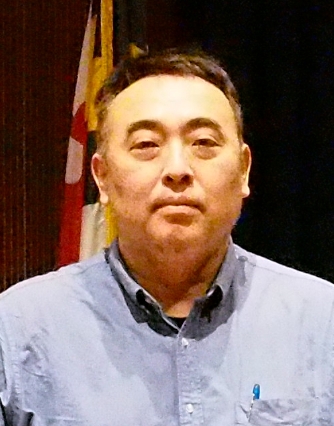 Yosuke Yamashiki (山敷庸亮)合作论文数Department of Advanced Integrated Studies in Human Survivability, Graduate School of Advanced Integrated Studies in Human Survivability, Kyoto University;Global Water Resources Assessment Laboratory, Kyoto University4
 Subhadeep De合作论文数4
 Bharath Vattikonda合作论文数3
 Preeti Kandpal合作论文数3
 Mahavir Prasad Olaniya合作论文数3Simmanjit Kaur合作论文数3Shiuly Bhowmick合作论文数3
 Kambhampati Vivek合作论文数Food Technol & Management, Indian Inst Plantat Management Bengaluru3
 Olusola Sokefun合作论文数3
 Anshul Varshney合作论文数Indian Inst Technol Delhi, Dept Elect Engn, New Delhi 110016, India3Abhay Yadav合作论文数Human Genetics Unit;Department of Zoology;Kurukshetra University3
 Shiv Jaiswal合作论文数JVS & DC Standards;National Physical Laboratory;JVS & DC Standards, National Physical Laboratory3
 Junichi Susaki合作论文数Graduate School of Global Environmental Studies;Kyoto University;Graduate School of Global Environmental Studies, Kyoto University3Sachin S. Goel合作论文数3
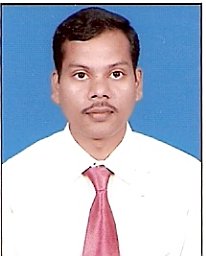 Rama Pradhan合作论文数Centre for Rural Development and Technology, Indian Institute of Technology3T. Bhardwaj合作论文数2
 Oren Pearlson合作论文数2N. Sharma合作论文数2
 Jay Prakash Verma合作论文数2
 Gautam Mandal合作论文数2jagrati nagdiya合作论文数2
 Avnish Kumar合作论文数2
 Nazeer Ahmed合作论文数2Navraj Poudel合作论文数2
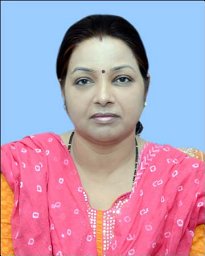 Rashmi Singh合作论文数2
 Hesham Alharby合作论文数Faculty of Science, King Abdulaziz University2Sardam Sardar合作论文数2
 Aishik Acharya合作论文数Natl Phys Lab, CSIR2




