Affective Forecasting is an psychology task that involves predicting an individual's future emotional responses, often hampered by reliance on external factors leading to inaccuracies, and typically remains at a qualitative analysis stage. To address these challenges, we narrows the scope of Affective Forecasting by introducing the concept of Human-interaction-based Emotion Forecasting (EF). This task is set within the context of a two-party interaction, positing that an individual's emotions are significantly influenced by their interaction partner's emotional expressions and informational cues. This dynamic provides a structured perspective for exploring the patterns of emotional change, thereby enhancing the feasibility of emotion forecasting.
Human animation aims to generate temporally coherent and visually consistent videos over long sequences, yet modeling long-range dependencies while preserving frame quality remains challenging. Inspired by the human ability to leverage past observations for interpreting ongoing actions, we propose FrameCache, a training-free, causality-consistent reference frame framework. FrameCache explicitly converts historical generation results into causal guidance through two complementary mechanisms. First, at the reference level, a novel Screen-Cache-Match (SCM) strategy constructs a dynamic, high-quality reference memory, ensuring motion-consistent appearance guidance to reduce identity drift. Second, at the generative level, a Trajectory-Aware Autoregressive Generation (TAAG) mechanism aligns denoising trajectories across adjacent video chunks. This is achieved through an overlap-aware latent propagation and a dual-domain fusion strategy that seamlessly blends low-frequency structural layouts with high-frequency textural details. Extensive experiments on standard benchmarks demonstrate that FrameCache consistently improves temporal coherence and visual stability while integrating seamlessly with diverse diffusion baselines. Code will be made publicly available.
Text-to-image diffusion models have achieved high visual fidelity, yet precise control over scene semantics and fine-grained affective tone remains challenging. Human visual affect arises from the rapid integration of contextual meaning, including valence, arousal, and dominance, with perceptual cues such as color harmony, luminance contrast, texture variation, curvature, and spatial layout. However, current text-to-image models rarely represent affective and perceptual factors within a unified representation, which limits their ability to synthesize scenes with coherent and nuanced emotional intent. To address this gap, we construct EmoScene, a large-scale dual-space emotion dataset that jointly encodes affective dimensions and perceptual attributes, with contextual semantics provided as supporting annotations. EmoScene contains 1.2M images across more than three hundred real-world scene categories, each annotated with discrete emotion labels, continuous VAD values, perceptual descriptors and textual captions. Multi-space analyses reveal how discrete emotions occupy the VAD space and how affect systematically correlates with scene-level perceptual factors. To benchmark EmoScene, we provide a lightweight reference baseline that injects dual-space controls into a frozen diffusion backbone via shallow cross-attention modulation, serving as a reproducible probe of affect controllability enabled by dual-space supervision.
This paper addresses the motion control problem for mobile robots in obstacle-cluttered environments. The mobile robot has partial environment information only, and aims to move from an initial position to a target position without collisions. For this purpose, a reactive planning based control strategy (RPCS) is proposed. First, the initial and target positions are connected as a reference trajectory. Then, a reactive planning strategy (RPS) is developed to ensure the collision avoidance by modifying the reference trajectory locally based on the partial environment information. Next, an adaptive tracking control strategy (ATCS) is proposed to track the reference trajectory with potentially local modifications via the discretization techniques. Finally, the RPS and ATCS are combined to establish the RPCS, whose efficacy and advantages are illustrated by numerical examples.
Agentic AI systems are reshaping communications and networking by deploying autonomous intelligent agents capable of collaborative learning while maintaining data privacy at network edges. Within distributed network environments, Multimodal Large Language Models (MLLMs) serve as cognitive engines for edge devices, yet federated fine-tuning faces substantial challenges in balancing global knowledge aggregation with local adaptation under heterogeneous network conditions. Conventional federated protocols typically rely on uniform parameter aggregation, which conflates domain-invariant features with client-specific nuances, thereby resulting in suboptimal personalization and excessive communication overhead. To address these challenges, we propose PFAdapter, a communication-efficient framework introducing hierarchical LoRA decomposition to explicitly separate adapter parameters into global-shared and local-private components. Query and key projections are assigned to global synchronization for capturing universal multimodal semantics across the network, while value and output projections remain localized for edge-specific adaptation. Additionally, orthogonality regularization based on the Frobenius norm enforces strict separation between these components, preventing redundant feature learning. Selective aggregation protocols synchronize only global-shared components across the federated network, preserving local expertise and reducing communication costs by nearly 50
Dynamic facial expression recognition in the wild remains challenging due to data scarcity and long-tail distributions, which hinder models from effectively learning the temporal dynamics of scarce emotions. To address these limitations, we propose ARGen, an Affect-Reinforced Generative Augmentation Framework that enables data-adaptive dynamic expression generation for robust emotion perception. ARGen operates in two stages: Affective Semantic Injection (ASI) and Adaptive Reinforcement Diffusion (ARD). The ASI stage establishes affective knowledge alignment through facial Action Units and employs a retrieval-augmented prompt generation strategy to synthesize consistent and fine-grained affective descriptions via large-scale visual-language models, thereby injecting interpretable emotional priors into the generation process. The ARD stage integrates text-conditioned image-to-video diffusion with reinforcement learning, introducing inter-frame conditional guidance and a multi-objective reward function to jointly optimize expression naturalness, facial integrity, and generative efficiency. Extensive experiments on both generation and recognition tasks verify that ARGen substantially enhances synthesis fidelity and improves recognition performance, establishing an interpretable and generalizable generative augmentation paradigm for vision-based affective computing.
Active 3D reconstruction relies on active view selection to maximize reconstruction fidelity under limited capture budgets. However, most existing methods rely on surrogate signals—such as parameter uncertainty or geometric heuristics—which are often misaligned with the ultimate goal: the fidelity of rendered predictions. We propose GO-PRE, a goal-oriented next-best-view selection framework that explicitly targets information gain in the prediction space. Specifically, we formulate the objective as maximizing the reduction of the average marginal predictive entropy over a user-specified target view manifold. GO-PRE supports interactive goal specification and yields an efficient acquisition rule that enables real-time computation of information gain. Extensive experiments across benchmarks demonstrate that GO-PRE consistently improves active reconstruction performance and provides more reliable uncertainty quantification compared to state-of-the-art methods.
World Action Models (WAMs) jointly predict future observations and actions, but their iterative denoising and closed-loop execution make efficient deployment costly. Existing post-training quantization (PTQ) methods are poorly suited to WAMs because they rely on open-loop objectives, homogeneous model assumptions, and calibration distributions that do not reflect deployment. We present QuantWAMs, a PTQ framework that aligns quantization decisions with the calibration context defined by model structure, rollout distribution, and task objective. QuantWAMs introduces three strategies: shared-basis outlier calibration, which pools activation evidence only across coordinate-compatible modules; co-training-objective saliency, which computes empirical-Fisher scores from the joint video–action gradient and assigns weight precision at a calibration-stable layer granularity; and fixed-intervention rollout auditing, which revises denoising-step protection schedules using reachable closed-loop states without changing the precision budget. We evaluate QuantWAMs on Fast-WAM and LingBot-VA across RoboTwin 2.0, LIBERO, and real-robot manipulation with an AgiBot G2. Under a W4A4-dominant setting, the reported simulation means differ from FP16 by 0.2–0.7 percentage points. Real-robot trials further establish deployment feasibility on three manipulation tasks. For the targeted video and action blocks, QuantWAMs reduces peak weight-and-activation memory to about 29% of FP16 and provides 1.4–1.6× block-level speedups.
The human brain constructs emotional percepts not by processing facial expressions in isolation, but through a dynamic, hierarchical integration of sensory input with semantic and contextual knowledge. However, existing vision-based dynamic emotion modeling approaches often neglect emotion perception and cognitive theories. To bridge this gap between machine and human emotion perception, we propose cognition-inspired Dual-stream Semantic Enhancement (DuSE). Our model instantiates a dual-stream cognitive architecture. The first stream, a Hierarchical Temporal Prompt Cluster (HTPC), operationalizes the cognitive priming effect. It simulates how linguistic cues pre-sensitize neural pathways, modulating the processing of incoming visual stimuli by aligning textual semantics with fine-grained temporal features of facial dynamics. The second stream, a Latent Semantic Emotion Aggregator (LSEA), computationally models the knowledge integration process, akin to the mechanism described by the Conceptual Act Theory. It aggregates sensory inputs and synthesizes them with learned conceptual knowledge, reflecting the role of the hippocampus and default mode network in constructing a coherent emotional experience. By explicitly modeling these neuro-cognitive mechanisms, DuSE provides a more neurally plausible and robust framework for dynamic facial expression recognition (DFER). Extensive experiments on challenging in-the-wild benchmarks validate our cognition-centric approach, demonstrating that emulating the brain's strategies for emotion processing yields state-of-the-art performance and enhances model interpretability.
Few-shot multimodal industrial anomaly detection is a critical yet underexplored task, offering the ability to quickly adapt to complex industrial scenarios. In few-shot settings, insufficient training samples often fail to cover the diverse patterns present in test samples. This challenge can be mitigated by extracting structural commonality from a small number of training samples. In this paper, we propose a novel few-shot unsupervised multimodal industrial anomaly detection method based on structural commonality, CIF (Commonality In Few). To extract intra-class structural information, we employ hypergraphs, which are capable of modeling higher-order correlations, to capture the structural commonality within training samples, and use a memory bank to store this intra-class structural prior. Firstly, we design a semantic-aware hypergraph construction module tailored for single-semantic industrial images, from which we extract common structures to guide the construction of the memory bank. Secondly, we use a training-free hypergraph message passing module to update the visual features of test samples, reducing the distribution gap between test features and features in the memory bank. We further propose a hyperedge-guided memory search module, which utilizes structural information to assist the memory search process and reduce the false positive rate. Experimental results on the MVTec 3D-AD dataset and the Eyecandies dataset show that our method outperforms the state-of-the-art (SOTA) methods in few-shot settings.
Federated learning (FL) is severely challenged by non-independent and identically distributed (non-IID) client data, a problem that degrades global model performance, especially in multimodal perception settings. Conventional methods often fail to address the underlying semantic discrepancies between clients, leading to suboptimal performance for multimedia systems requiring robust perception. To overcome this, we introduce SemanticFL, a novel framework that leverages the rich semantic representations of pre-trained diffusion models to provide privacy-preserving guidance for local training. Our approach leverages multi-layer semantic representations from a pre-trained Stable Diffusion model (including VAE-encoded latents and U-Net hierarchical features) to create a shared latent space that aligns heterogeneous clients, facilitated by an efficient client-server architecture that offloads heavy computation to the server. A unified consistency mechanism, employing cross-modal contrastive learning, further stabilizes convergence. We conduct extensive experiments on benchmarks including CIFAR-10, CIFAR-100, and TinyImageNet under diverse heterogeneity scenarios. Our results demonstrate that SemanticFL surpasses existing federated learning approaches, achieving accuracy gains of up to 5.49
Edge-cloud collaborative computing (ECCC) has emerged as a pivotal paradigm for addressing the computational demands of modern intelligent applications, integrating cloud resources with edge devices to enable efficient, low-latency processing across distributed communication networks. Recent advancements in AI, particularly deep learning and large language models (LLMs), have dramatically enhanced the capabilities of these networked systems, yet introduce significant challenges in model deployment, network resource management, and cross-layer optimization. In this survey, we comprehensively examine the intersection of distributed intelligence and model optimization within edge-cloud environments, providing a structured tutorial on fundamental architectures, communication protocols, and network-aware computing frameworks. Additionally, we systematically analyze model optimization approaches, including compression, adaptation, and neural architecture search, alongside AI-driven resource management strategies that balance performance, energy efficiency, and communication overhead across heterogeneous networks. We further explore critical aspects of privacy protection and security enhancement within ECCC systems and examine practical deployments through diverse networked applications, spanning autonomous driving, healthcare, and industrial automation. Performance analysis and benchmarking techniques are also thoroughly explored to establish evaluation standards for these complex distributed systems. Furthermore, the review identifies critical research directions including LLMs deployment, 6G integration, neuromorphic computing, and quantum computing, offering a roadmap for addressing persistent challenges in heterogeneity management, real-time processing, and scalability. By bridging theoretical advancements in communications with practical deployments, this survey offers researchers and practitioners a holistic perspective on leveraging AI to optimize distributed computing environments over next-generation communication networks, fostering innovation in intelligent networked systems.
A low-cost, compact, reconfigurable array with wide beam-steering angle has been designed for millimeter-wave applications in mobile terminals. Two diode switches are applied to the coupled shorted patch antenna resonated at quarter-wavelength to control the feeding phase achieving a 1-bit reconfigurable array element. The array is a five-element phased array with a small element spacing of $0.375 \lambda_{0}$. To eliminate the inherent grating lobe of the 1-bit array, a fixed-phase preloading method is employed. Finally, the proposed reconfigurable array with small dimensions of only $1.87 \lambda_{0} \times 1.2 \lambda_{0}$ is achieved. The array covers the $25 \sim 28 \text{GHz}$ bandwidth and a wide beam-steering range of −57° to 59° is achieved. Within the beam scanning range, an acceptable side lobe level below −5 dB and a moderate cross-polarization level below −15 dB are maintained.
In the advancement of industrial informatization, unsupervised anomaly detection technology effectively overcomes the scarcity of abnormal samples and significantly enhances the automation and reliability of smart manufacturing. As an important branch, industrial image anomaly detection focuses on automatically identifying visual anomalies in industrial scenarios (such as product surface defects, assembly errors, and equipment appearance anomalies) through computer vision techniques. With the rapid development of Unsupervised industrial Image Anomaly Detection (UIAD), excellent detection performance has been achieved not only in RGB setting but also in 3D and multimodal (RGB and 3D) settings. However, existing surveys primarily focus on UIAD tasks in RGB setting, with little discussion in 3D and multimodal settings. To address this gap, this article provides a comprehensive review of UIAD tasks in the three modal settings. Specifically, we first introduce the task concept and process of UIAD. We then overview the research on UIAD in three modal settings (RGB, 3D, and multimodal), including datasets and methods, and review multimodal feature fusion strategies in multimodal setting. Finally, we summarize the main challenges faced by UIAD tasks in the three modal settings, and offer insights into future development directions, aiming to provide researchers with a comprehensive reference and offer new perspectives for the advancement of industrial informatization. Corresponding resources are available at https://github.com/Sunny5250/Awesome-Multi-Setting-UIAD.
Weakly-supervised camouflaged object detection aims to achieve performance comparable to fully-supervised methods while relying on minimal, coarse annotations (e.g., points, scribble, and box). However, this task is exceptionally challenging, as it requires models to not only overcome the inherent difficulty of detecting camouflaged objects but also to effectively distinguish foreground from background with limited supervision. To address this challenge, we propose a novel training paradigm called Progressive Representation Learning, which aims to jointly enhance the model's ability to extract discriminative features from both the training strategy and model architecture perspectives. Specifically, in terms of the training strategy, a Progressive Self-Training Alignment (PSTA) method is constructed at the image level to generate multi-level self-constructed data, enabling enhanced detection of challenging camouflaged objects through hierarchical self-learning. From the model architecture, we design a progressive fine-tuning module (Multi-Scale Multi-Resolution LoRA, MSMR) and a Adaptive Frequency-aware Fusion (AFF) module. The former explicitly improves multi-level feature representation during the encoding stage, while the latter focuses on high-frequency information in the fusion stage to boost fine-detail detection. Extensive experimental results demonstrate that our method significantly outperforms existing weakly supervised approaches-achieving an average improvement of 6% on the F-beta(w) metric across three datasets-with fewer parameters. Moreover, it even surpasses some fully supervised state-of-the-art methods on certain metrics, highlighting the effectiveness of our progressive representation learning paradigm. Code and results are publicly available at https://github.com/shuyonggao/PRLNet.
In modern healthcare, emotional well-being is critical to patient recovery and overall outcomes. However, limited availability of trained professionals and time constraints often hinder the delivery of consistent emotional support. To address this gap, we propose the Embodied Emotional Care System (EECS), a comprehensive humanoid robotic framework designed to deliver personalized emotional care through an integrated, multi-layered architecture. EECS analyzes dynamic facial expressions and real-time vocal inputs to extract the patient’s emotional state and semantic information, constructs context-aware prompts processed by an LLM for reasoning, and ultimately generates empathetic dialogues synchronized with human-like facial expressions and natural body movements to address diverse emotional support needs. Experimental results show that deploying EECS on a humanoid robot significantly boosts patient engagement through real-time multimodal interaction, delivering deeper emotional support and a more human-like therapeutic experience. Furthermore, it bridges gaps in professional emotional support resources, offering a feasible pathway to improve overall healthcare quality.
Analyzing land cover changes using multi-temporal remote sensing images is of great significance for environmental protection and land planning. However, traditional remote sensing change detection methods cannot directly reveal high-level semantic information such as the attributes of objects within the change regions and the relationships between these objects. Therefore, this paper proposes a Change Description Network called RSCAC. The network is composed of a feature extractor (ResNet101), a Change-aware Attention Module (CAAM), a Multi-Stage Global Fusion Module (MSGFM), and a description decoder. The Change-aware Module integrates a similarity module and a cross-attention mechanism. The Multi-Stage Global Fusion Module utilizes an innovative global fusion mechanism to effectively merge and extract global visual feature representations, enabling a more comprehensive description of the entire change scene. Comparative experiments on the LEVIR-CC dataset demonstrate that RSCAC can generate more coherent, accurate, and comprehensive change descriptions. Compared to the recently well-performing Chg2Cap, RSCAC achieves improvements of 2.05
Dynamic Facial Expression Recognition (DFER) is crucial for affective computing but often overlooks the impact of scene context. We have identified a significant issue in current DFER tasks: human annotators typically integrate emotions from various angles, including environmental cues and body language, whereas existing DFER methods tend to consider the scene as noise that needs to be filtered out, focusing solely on facial information. We refer to this as the Rigid Cognitive Problem. The Rigid Cognitive Problem can lead to discrepancies between the cognition of annotators and models in some samples. To align more closely with the human cognitive paradigm of emotions, we propose an Overall Understanding of the Scene DFER method (OUS). OUS effectively integrates scene and facial features, combining scene-specific emotional knowledge for DFER. Extensive experiments on the two largest datasets in the DFER field, DFEW and FERV39k, demonstrate that OUS significantly outperforms existing methods. By analyzing the Rigid Cognitive Problem, OUS successfully understands the complex relationship between scene context and emotional expression, closely aligning with human emotional understanding in real-world scenarios.
The current advancements in Dynamic Facial Expression Recognition (DFER) methods mainly focus on better capturing the spatial and temporal features of facial expressions. However, DFER datasets contain a substantial amount of noisy samples, and few have addressed the issue of handling this noise. We identified two types of noise: one is caused by low-quality data resulting from factors such as occlusion, dim lighting, and blurriness; the other arises from mislabeled data due to annotation bias by annotators. Addressing the two types of noise, we have meticulously crafted a Dynamic Dual-Stage Purification (D2SP) Framework. This initiative aims to dynamically purify the DFER datasets of these two types of noise, ensuring that only high-quality and correctly labeled data is used in the training process. To mitigate low-quality samples, we introduce the Coarse-Grained Pruning (CGP) stage, which computes sample weights and prunes those low-weight samples. After CGP, the Fine-Grained Correction (FGC) stage evaluates prediction stability to correct mislabeled data. Moreover, D2SP is conceived as a general, plug-and-play framework, tailored to integrate seamlessly with prevailing DFER methods. Extensive experiments covering prevalent DFER datasets and deploying multiple benchmark methods have substantiated D2SP’s ability to enhance performance metrics.
 Wenqiang Zhang (张文强)合作论文数Lab of Robotics Oriented Intelligence, School of Computer Science, Fudan University;Lab of Robotics Oriented Intelligence, Academy for Engineering & Technology, Fudan University51
 Shuyong Gao合作论文数Shanghai Key Laboratory of Intelligent Information Processing, School of Computer Science, Fudan University23
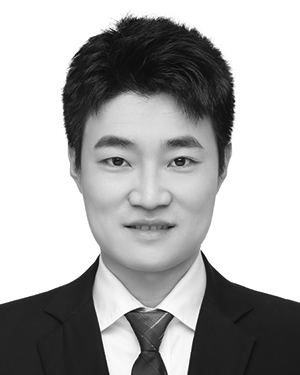 Shaoqi Yan合作论文数16
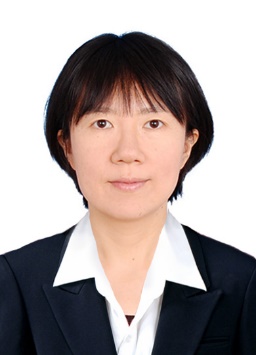 Wei Song (宋巍)合作论文数College of Information Technology, Shanghai Ocean University16
 Zeng Tao合作论文数Department of Computer Science,Old Dominion University16
 Xinji Mai合作论文数14
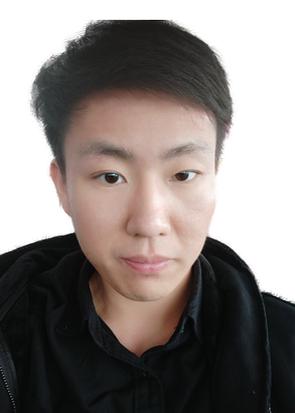 Haoran Wang合作论文数Max Planck Institute for Informatics13Qing Zhao合作论文数12
 Junxiong Lin合作论文数Fudan University11Boyang Wang合作论文数10
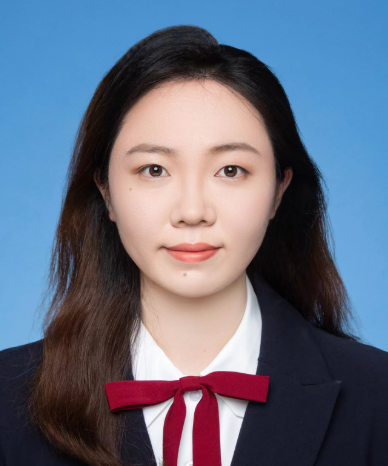 Jiawen Yu合作论文数Academy for Engineering and Technology, Fudan University;Lab of Robotics Oriented Intelligence, Fudan University9Xuan Tong合作论文数8
 Dingkang Yang (杨鼎康)合作论文数Multimedia Laboratory, The Chinese University of Hong Kong;Fysics AI7
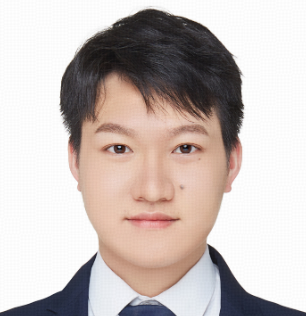 Zhaoyu Chen (陈兆宇)合作论文数Privacy Innovation Lab, TikTok7
 Jing Liu (刘静)合作论文数Guangzhou institute of technology, Xidian University;Key Laboratory of Intelligent Perception and Image Understanding of Ministry of Education, Xidian University;School of Artificial Intelligence, Xidian University7
 Antonio Liotta合作论文数Faculty of Computer Science, Free University of Bozen-Bolzano;Faculty of Engineering, Free University of Bozen-Bolzano7
 Yang Liu (刘洋)合作论文数EPIC Lab, College of Electronic and Information Engineering, Tongji University;Department of Control Science and Engineering, College of Electronic and Information Engineering, Tongji University6Tianrun Chen合作论文数Zhejiang University5
 Wei Zhang (张巍)合作论文数College of Computer Science and Artificial Intelligence, Fudan University5
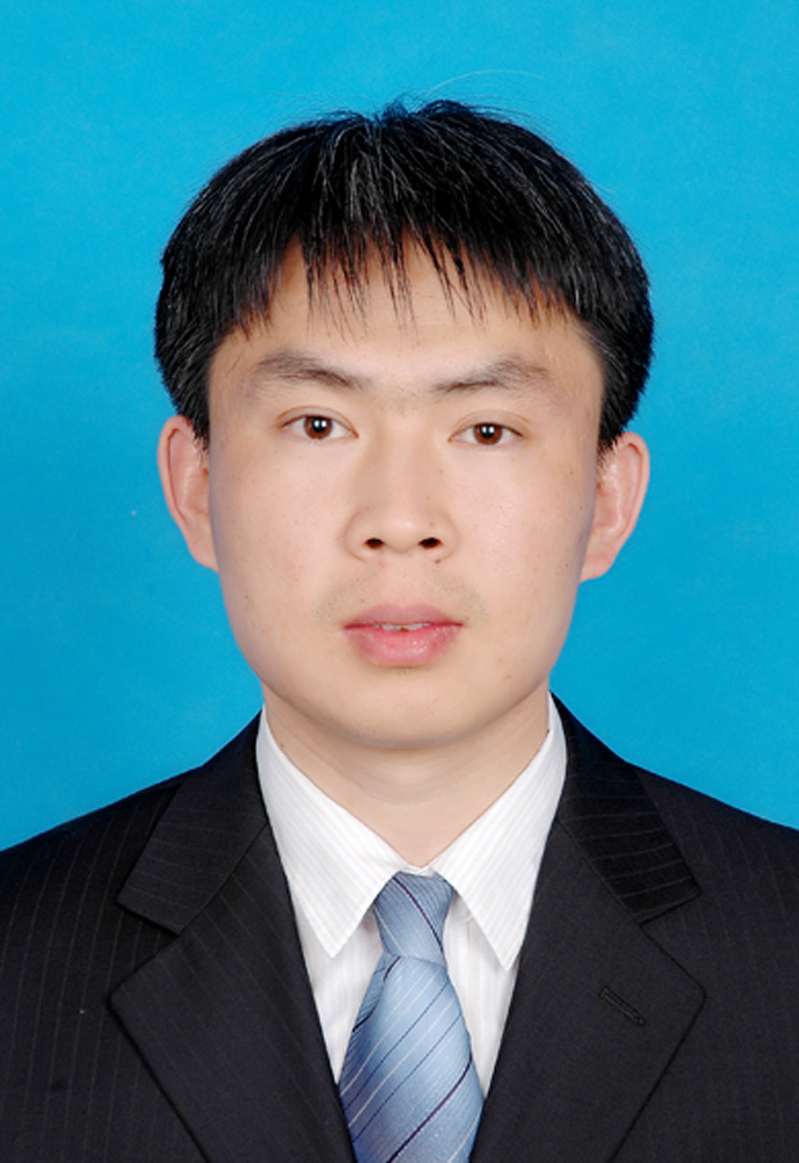 Lizhe Qi (齐立哲)合作论文数Academy for Engineering & Technology, Fudan University5
 Lanyun Zhu (祝澜耘)合作论文数School of Computer Science and Technology, Tongji University5Ziheng Zhou合作论文数4Lingyi (Jack) Hong合作论文数School of Computer Science, Fudan University;Xiaohongshu Inc4Kun Yang合作论文数Academy for Engineering and Technology, Fudan University4
 Ying Zang合作论文数4
 Yixuan Sun合作论文数Purdue University4
 Weifeng Ge (戈维峰)合作论文数College of Computer Science and Artificial Intelligence, Fudan University4
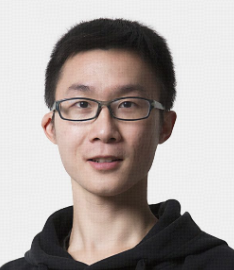 Zejian Li (李泽健)合作论文数School of Software Technology, Zhejiang University4
 Dongmei Huang (黄冬梅)合作论文数College of Information Technology,Shanghai Ocean University4Yang Chang合作论文数3Yuxuan Lin合作论文数3
 Mingcheng Li合作论文数Academy for Engineering and Technology, Fudan University3
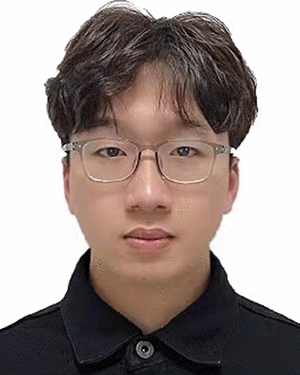 Chaotao Ding合作论文数3
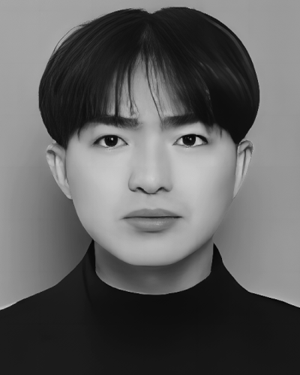 Haozhe Xing合作论文数3
 Peng Sun (孙鹏)合作论文数Duke Kunshan University3
 Haofen Wang (王昊奋)合作论文数College of Design and Innovation, Tongji University3
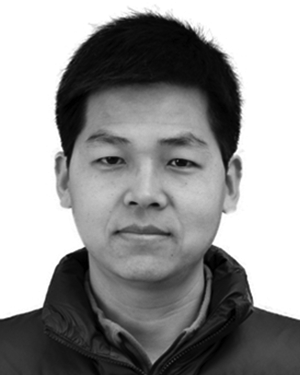 Xinlei Li合作论文数3
 Azzedine Boukerche合作论文数School of Information Technology and Engineering, University of Ottawa3
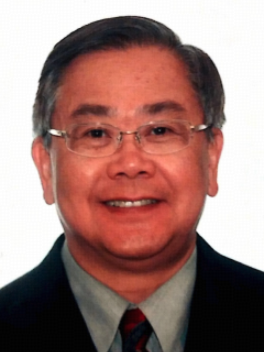 Victor C.M. Leung (梁中明)合作论文数Artificial Intelligence Research Institute, Shenzhen MSU-BIT University;Department of Electrical and Computer Engineering, The University of British Columbia3
 Zhongxue Gan (甘中学)合作论文数College for Elite Engineers, Fudan University;EMERGEN3
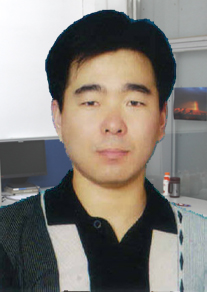 Dawei Yang (杨大为)合作论文数School of Information Science and Engineering, Shenyang Ligong University3Lihua Zhang (张立华)合作论文数3
 Peng Zhai (翟鹏)合作论文数Robotics-Z Lab, College of Intelligent Robotics and Advanced Manufacturing, Fudan University;Institute of Intelligent Robotics and Advanced Manufacturing, College for Elite Engineers, Fudan University2Runlong Cao (曹润龙)合作论文数School of Computer Science and Engineering, Nanjing University of Science and Technology2
 Yuzheng Wang合作论文数Academy for Engineering & Technology, Fudan University2
 Xinyu Zhou合作论文数Multimodal Embodied AI and Robotic Systems Lab, School of Mechanical and Aerospace Engineering, College of Engineering, Nanyang Technological University2Papa Mao合作论文数2Fufeng Li合作论文数2Yiwen Huang合作论文数2




