We propose unsupervised multi-scenario (UMS) person re-identification (ReID) as a new task that expands ReID across diverse scenarios (cross-resolution, clothing change, etc.) within a single coherent framework. To tackle UMS-ReID, we introduce image-text knowledge modeling (ITKM) -- a three-stage framework that effectively exploits the representational power of vision-language models. We start with a pre-trained CLIP model with an image encoder and a text encoder. In Stage I, we introduce a scenario embedding in the image encoder and fine-tune the encoder to adaptively leverage knowledge from multiple scenarios. In Stage II, we optimize a set of learned text embeddings to associate with pseudo-labels from Stage I and introduce a multi-scenario separation loss to increase the divergence between inter-scenario text representations. In Stage III, we first introduce cluster-level and instance-level heterogeneous matching modules to obtain reliable heterogeneous positive pairs (e.g., a visible image and an infrared image of the same person) within each scenario. Next, we propose a dynamic text representation update strategy to maintain consistency between text and image supervision signals. Experimental results across multiple scenarios demonstrate the superiority and generalizability of ITKM; it not only outperforms existing scenario-specific methods but also enhances overall performance by integrating knowledge from multiple scenarios.
With the increasing demand for secure image transmission, existing schemes often face a security-compressibility trade-off and a lack of traceability. This paper proposes a traceable image compression-encryption algorithm that integrates a novel two-dimensional (2D) coupled chaotic map with compressive sensing (CS). Specifically, we design a 2D Cubic-Chebyshev Chaotic map (2D-CCC) by cross-coupling the Chebyshev and cubic maps to generate highly unpredictable key streams. In the CS stage, a chaos-driven measurement matrix is constructed and further refined via singular value decomposition (SVD) to improve reconstruction stability. The compressed measurements are then encrypted through chaos-controlled Fisher-Yates scrambling and bidirectional diffusion to produce the cipher image. To enable traceability, we embed the time-stamped credential chain (TSCC) payload and necessary system parameters into the cipher image using an improved LSB-based scheme with redundancy and cyclic redundancy check (CRC) verification, allowing reliable extraction under common distortions. Experimental results demonstrate strong chaotic dynamics (trajectory, Lyapunov exponent, entropy, and 0–1 test) and competitive security metrics (e.g., NPCR/UACI close to ideal values), while maintaining high-quality reconstruction under typical compression ratios.
In the Biomedical Internet of Things (Bio-IoT), integrating large-scale multi-omics data into Protein-Protein Interaction (PPI) networks provides a foundation for analyzing cellular mechanisms. A critical computational task in this context is identifying protein complexes, which are cohesive groups of interacting proteins that represent functional modules. However, existing dense subgraph models often ignore user-specified size requirements, yielding results that are either trivially small or excessively large for biological interpretation. To address this limitation, we formulate the Size-constrained Protein Complex Search (SPCS) problem. Given a query protein, SPCS aims to identify a protein complex within a specific size range [l, h] that maximizes cohesiveness, measured by the minimum degree. We formally prove that SPCS is NP-hard, making exact enumeration computationally prohibitive for time-sensitive Bio-IoT applications. Consequently, we propose two efficient heuristic algorithms. The first, Heu-Basic, utilizes a greedy expansion strategy based on global degree centrality. To overcome its tendency to get trapped in local optima, we develop Heu-Pro, an advanced heuristic that incorporates local neighborhood connectivity and a multi-round expansion strategy. Experiments on real-world PPI networks demonstrate that Heu-Pro consistently identifies protein complexes with superior cohesiveness compared to unconstrained methods and baseline heuristics, balancing solution quality with the real-time efficiency required by Bio-IoT systems.
Cohesive subgraph mining has been extensively studied and finds numerous graph mining applications such as link farm identification, community detection, and product recommendation. Among various cohesive subgraph structures, the $k$-truss is particularly notable for its strong structural cohesiveness based on triangles. However, the classical $k$-truss problem aims to find the $k$-truss with the maximum number of vertices, which is often extremely large and complex in practice. To fully leverage the benefits of the $k$-truss, we consider a novel problem called the minimum $k$-truss problem, which seeks to identify a $k$-truss with the minimum number of vertices, where $k\geq 2$ is a positive integer. We first formally prove the NP-hardness of the problem. We then design a baseline algorithm MTEnum that is based on the vertex enumeration and a heuristic method for computing an upper bound. Despite these efforts, MTEnum still faces practical efficiency issues which may be due to the fact that the $k$-truss lacks the hereditary property. To address this issue, we develop a novel decomposition-based framework DSA, which elegantly transforms the problem into a sequence of problems that are based on a new cohesive subgraph model called edge-based $s$-plex ($s$-eplex). With the hereditary property of $s$-eplex, we design a branch-and-bound algorithm with several customized techniques for the newly formulated problem. Extensive experiments demonstrate the effectiveness of our studied problem and the efficiency of our proposed algorithm DSA. In particular, DSA runs up to five orders of magnitude faster than the baseline MTEnum.
Verification of Guidance, Navigation, and Control (GN&C) algorithms for Intra-Vehicular Activity Free-Flying Robots (IVAFFRs) is hindered by the scarcity of accessible, high-fidelity experimental platforms. This paper presents the design and realization of the HIT Robot Assistant (HRA), a modular, open-architecture, and low-cost holonomic robot. The HRA features a redundant 12-fan propulsion system designed for 6-DoF free-flying actuation and a heterogeneous computing architecture, serving as a dedicated testbed for space robotics research. For unidirectional and bounded fan thrust, a real-time Constrained Control Allocation (CCA) scheme based on the Projected Gradient Descent (PGD) method is developed. This approach computes feasible thrust commands within the attainable wrench set without relying on saturation-prone pseudo-inverse allocation. Ground-based experiments on a planar 3-DoF air-bearing table demonstrate holonomic trajectory tracking with millimeter-level accuracy (position RMSE <6 mm), supporting the mechatronic design and allocation framework within the experimentally available planar workspace. The source code is available at https://github.com/Hektor1277.
Vision sensors provide a lightweight solution for spacecraft proximity operations, but monocular spacecraft 6D pose estimation remains difficult under illumination variation, specular reflection, shadowing, weak texture, and background interference. These factors make local visual evidence spatially unreliable and can destabilize pose regression. This article proposes a Precision-Aware Illumination-Disentangled Vision Transformer (PAID-ViT) for robust spacecraft pose estimation.The proposed model separates pose-relevant structure tokens from illumination-sensitive appearance tokens, estimates patch reliability before pose aggregation, and uses foreground mask supervision to preserve silhouette cues. A parameter-free geometric recovery module converts normalized crop coordinates, log-depth, and a continuous 6D rotation representation into camera-frame rotation and translation. Experiments on SPEED+ V2, the SPEED+ validation/lightbox/sunlamp evaluation configuration used in this study, suggest that PAID-ViT reduces translation error and improves robustness in the challenging sunlamp domain, while ablation studies support the complementary roles of illumination disentanglement, reliability-aware token aggregation, mask supervision, and training-side regularization.
The de novo generation of molecules with desirable properties is a critical challenge, where diffusion models are computationally intensive and autoregressive models struggle with error propagation. In this work, we introduce the Graph VQ-Transformer (GVT), a two-stage generative framework that achieves both high accuracy and efficiency. The core of our approach is a novel Graph Vector Quantized Variational Autoencoder (VQ-VAE) that compresses molecular graphs into high-fidelity discrete latent sequences. By synergistically combining a Graph Transformer with canonical Reverse Cuthill-McKee (RCM) node ordering and Rotary Positional Embeddings (RoPE), our VQ-VAE achieves near-perfect reconstruction rates. An autoregressive Transformer is then trained on these discrete latents, effectively converting graph generation into a well-structured sequence modeling problem. Crucially, this mapping of complex graphs to high-fidelity discrete sequences bridges molecular design with the powerful paradigm of large-scale sequence modeling, unlocking potential synergies with Large Language Models (LLMs). Extensive experiments show that GVT achieves state-of-the-art or highly competitive performance across major benchmarks like ZINC250k, MOSES, and GuacaMol, and notably outperforms leading diffusion models on key distribution similarity metrics such as FCD and KL Divergence. With its superior performance, efficiency, and architectural novelty, GVT not only presents a compelling alternative to diffusion models but also establishes a strong new baseline for the field, paving the way for future research in discrete latent-space molecular generation.
Recent advances in large vision-language models have expanded video retrieval from simple text-based search to more flexible scenarios, where users may specify the desired result through both visual examples and textual instructions. In the CVPR 2026 Reason-Aware Composed Video Retrieval Challenge, the system is required to retrieve a target video according to a reference video and a modification instruction. To address this task, we develop Visual Representation-Guided Video-LLM Reasoning for Training-Free Composed Video Retrieval. Our framework first uses frozen DINOv3 models to obtain a compact set of visually relevant candidates, and then applies large vision-language models to evaluate whether each candidate satisfies the modification instruction. A final reasoning-based refinement is further performed on the top candidates to improve the first-ranked prediction. Without training, our system achieves 48.78 Recall@1 and 51.48 Recall@5 on the test set. Future work may further improve retrieval accuracy through stronger video-LLMs and detailed integration between visual representations and language reasoning.
Large language models for vertical domains are bottlenecked by the scarcity of complex, domain-specific task-oriented dialogues. Existing data acquisition pipelines face a persistent trilemma: expert annotation is expensive, real-world service conversations are constrained by privacy and commercial restrictions, and static corpora quickly become temporally stale. We propose Stream, a data-centric framework that leverages publicly available streaming media (live streams and short videos) to synthesize high-value service dialogues at scale. Stream mines authentic interaction signals from noisy streams and synthesizes conversations by integrating role-grounded persona construction with Conversational Blueprint construction; it further adopts retrieval-augmented generation (RAG) to support knowledge-aware responses. Based on Stream, we release StreamDial, a large-scale multi-domain dataset covering Automotive, Restaurant, and Hotel. StreamDial contains 87,498 dialogue sessions and 1,497,320 turns in total, with an average of 17.11 turns per session and a comparable scale across domains. Each session is organized as a structured quadruplet ⟨ P_u, P_a, B, H ⟩ that pairs dialogue history with explicit user/agent personas and a Conversational Blueprint, capturing realistic service behaviors such as requirement mining, constraint conflicts, negotiation, and recovery. Evaluations with automatic judges and downstream tasks show that StreamDial improves intrinsic dialogue quality over strong baselines, and models trained with StreamDial improve Dialogue State Tracking across backbones; we further report a completed human-evaluation set and encouraging multilingual transfer on Qwen3-8B under a controlled training budget. The data is released in https://github.com/hitxueliang/DialogDataSetBySTREAM.
Long-horizon humanoid vision–language–action (VLA) control with head-mounted stereo cameras requires visual interfaces that can exploit complementary views while maintaining compatibility with pretrained representations. Existing interfaces often discard complementary stereo evidence or fuse additional observations without preserving the native primary-view pathway and adapting auxiliary information to robot embodiment. We present EATR-Stereo, an embodiment-aware token-routing framework that retains primary-view tokens and constructs primary-aligned Cross-View Auxiliary Tokens (CVATs) by querying the synchronized auxiliary-view token sequence. A body-segmented proprioceptive encoder further conditions token-wise auxiliary usage on robot configuration history, enabling selective incorporation of stereo evidence during action generation. The routed auxiliary stream augments the language and primary-visual context of a pretrained VLA while keeping its vision–language model frozen. On a 33-DoF physical humanoid with a 37-D proprioceptive state, we evaluate nine configurations in over-100-s search–approach–grasp–place–return tasks. EATR-Stereo achieves 60.0
Q-learning is a widely used reinforcement learning technique for solving path planning problems. It primarily involves the interaction between an agent and its environment, enabling the agent to learn an optimal strategy that maximizes cumulative rewards. Although many studies have reported the effectiveness of Q-learning, it still faces slow convergence issues in practical applications. To address this issue, we propose the NDR-QL method, which utilizes neural network outputs as heuristic information to accelerate the convergence process of Q-learning. Specifically, we improved the dual-output neural network model by introducing a start-end channel separation mechanism and enhancing the feature fusion process. After training, the proposed NDR model can output a narrowly focused optimal probability distribution, referred to as the guideline, and a broadly distributed suboptimal distribution, referred to as the region. Subsequently, based on the guideline prediction, we calculate the continuous reward function for the Q-learning method, and based on the region prediction, we initialize the Q-table with a bias. We conducted training, validation, and path planning simulation experiments on public datasets. The results indicate that the NDR model outperforms previous methods by up to 5% in prediction accuracy. Furthermore, the proposed NDR-QL method improves the convergence speed of the baseline Q-learning method by 90% and also surpasses the previously improved Q-learning methods in path quality metrics.
Unsupervised domain adaptation for left ventricle segmentation in echocardiography is critical to enhance clinical applicability across different devices and institutions. However, it remains highly challenging due to anatomical context shift and inherent noise interference. To comprehensively tackle these challenges, we introduce an anatomy-guided spatio-temporal affinity framework from two complementary perspectives: (1) at the image level, an Anatomical Context Alignment (ACA) module uses LV-dominant cropping and four-chamber-complete (4C-complete) mirroring to adapt the source domain toward the target domain's anatomical context; (2) at the feature level, an Anatomical Affinity Refinement (AAR) module models pixel-pair anatomical affinities in spatial and temporal dimensions to enforce fine-grained anatomical consistency and suppress noise interference. Specifically, the Spatial Affinity Regularization (SAR) module encourages multi-scale feature consistency within anatomical regions, while the Temporal Affinity Refinement (TAR) module refines pseudo-label leveraging inter-frame anatomical affinities, enhancing temporal consistency without explicit motion estimation or cardiac cycle annotations. Experiments on three public datasets (CAMUS, EchoNet-Dynamic, and CardiacUDA) reveal that anatomical context shift is a key factor in domain discrepancy, and demonstrate that our method effectively alleviates this issue while outperforming previous state-of-the-art UDA methods. Code is released at https://anonymous.4open.science/r/public4jbhi-D4C7/.
For camera-based satellite visual sensing, Sim2Real data construction requires images that approach real-domain sensor appearance while retaining the annotations inherited from simulation. Real sensor images of satellite targets with reliable pose labels and component-level masks are difficult to acquire at scale, whereas synthetic rendering provides exact geometric annotations but suffers from a visible appearance gap. This paper presents a component-aware structure-preserving style transfer framework for satellite visual synthetic-to-real data construction. The method builds weakly paired real–synthetic samples from calibrated real acquisition, ArUco-based camera-pose measurement, CAD rendering, and component masks. It then extracts part-wise real-domain style codes from unlabeled real images and injects them into corresponding synthetic satellite regions through mask-aligned modulation. To keep the generated images usable for downstream sensor-data supervision, adversarial training is combined with local contrastive consistency, self-regularization, and edge-preserving constraints. Experiments are conducted on 5,000 rendered satellite images and 100 real images captured in a calibrated setup. The real images provide target-domain appearance references and final evaluation images, while the downstream GDRNet pose estimator is trained only on synthetic or translated synthetic images. Compared with representative image-translation baselines, the proposed method achieves the lowest image distribution discrepancy, with an FID of 54.32 and a KID of 0.048. When the translated data are used to train GDRNet in this target-domain adaptation setting, the ADD pass rate improves to 0.260 and the AUC improves to 0.611. These results indicate that component-level appearance transfer can improve annotation-preserving satellite visual Sim2Real data generation in the considered calibrated setup.
Symmetry-broken single-atom catalysts (SACs) are pivotal due to their asymmetric electronic environments, which enhance the activity of the hydrogen evolution reaction (HER). This study investigated how symmetry breaking in SACs affects HER performance using density functional theory (DFT) and variable selection machine learning (ML). The study revealed a nearly volcano-shaped correlation between the degree of spin density symmetry breaking (Dasym) and HER activity, with catalysts at the base of the volcano showing enhanced HER activity. Spin density symmetry breaking facilitates the enrichment of unpaired electrons on the active sites and reduces HER energy barriers, resulting in up to a 40-fold enhancement in HER performance of symmetry-broken SACs compared to symmetric SACs. The ML model accurately identified key descriptors, such as symmetry breaking and electronic transfer effects, allowing spin density symmetry breaking on M-N3C-SWCNTs to be further condensed into an effect term with a structure-property relationship. A weaker symmetry breaking effect and a stronger electron transfer enhance HER performance. ML-guided analysis highlighted a spin selection-related Volmer-Heyrovsky pathway with a dual activation mechanism involving surface atom displacement and para-activation. These findings offer critical insights into the design of advanced HER catalysts by elucidating the interplay between symmetry-breaking properties and catalytic behavior.
Considering manipulation tasks of redundant manipulators in complex environments, this article presents a general scheme that integrates model-based obstacle avoidance, Cartesian space trajectory tracking, and joint physical limit avoidance. Based on the minimum velocity norm scheme, the proposed scheme combines the escape velocity-based obstacle avoidance with Gilbert-Johnson-Keerthi (GJK) algorithm-based critical point detection, empowering the manipulator with model-based obstacle avoidance capabilities. Additionally, a multi-critical point restriction set is proposed, improving the success rate of obstacle avoidance in extreme situations. Moreover, the scheme introduces sampling time to joint physical constraints, ensuring that the physical limits of joints are not violated at the next sampling time. Finally, comparative experiments and simulations are conducted to verify the feasibility and the potential of practical application of the proposed scheme.
Fine-grained entity recognition is crucial for reasoning and decision-making in task-oriented dialogues, yet current large language models (LLMs) continue to face challenges in domain adaptation and retrieval controllability. We introduce MME-RAG, a Multi-Manager-Expert Retrieval-Augmented Generation framework that decomposes entity recognition into two coordinated stages: type-level judgment by lightweight managers and span-level extraction by specialized experts. Each expert is supported by a KeyInfo retriever that injects semantically aligned, few-shot exemplars during inference, enabling precise and domain-adaptive extraction without additional training. Experiments on CrossNER, MIT-Movie, MIT-Restaurant, and our newly constructed multi-domain customer-service dataset demonstrate that MME-RAG performs better than recent baselines in most domains. Ablation studies further show that both the hierarchical decomposition and KeyInfo-guided retrieval are key drivers of robustness and cross-domain generalization, establishing MME-RAG as a scalable and interpretable solution for adaptive dialogue understanding.
Turntable servo systems are important experimental devices utilized in the semi-physical simulation and testing of aircraft. Building a model for turntable servo systems, which can accurately predict their operating states or behaviors, is important for the development and debugging of the whole servo control system. However, servo systems usually have complex nonlinear characteristics and external disturbances, which brings challenges to the accurate modeling of them. Therefore, this paper develops a modeling method for turntable servo systems by using CNN-GRU-Attention hybrid neural network models. The CNN-GRU-Attention model is used for compensating the nonlinear terms of the known dynamics model, thus effectively improving the modeling accuracy. Considering the complex architectures of the above hybrid model, an evolutionary neural architecture search (ENAS) algorithm is proposed accordingly, which can automatically design the architecture of the CNN-GRU-Attention models. During the designing process, a variable-length encoding strategy is proposed to represent the possible architectures, and novel crossover and mutation operators are proposed accordingly for the evolution of individuals. In addition, the real-time constraints are considered in the design of the search space, so that all the searched models can meet the real-time requirements. The experimental results show the CNN-GRU-Attention models obtained by the proposed ENAS algorithm achieve superior prediction performance over the peer competitors in most tasks. The effectiveness of the proposed method is further verified by analyzing the convergence and the search results.
Clothing change person re-identification (CC-ReID) is a crucial task in intelligent surveillance, aiming to match images of the same person wearing different clothing. Promising performance in existing CC-ReID methods is achieved at the cost of labor-intensive manual annotation of identity labels. While some researchers have explored unsupervised CC-ReID, these methods still depend on additional deep learning models for preprocessing. To eliminate the need for additional models and improve performance, we propose a joint augmentation and part learning (JAPL) framework that obtains clothing change positive pairs in an unsupervised fashion by synergistically combining augmentation-based invariant learning (AugIL) and part-based invariant learning (ParIL). AugIL first constructs clothing change pseudo-positive pairs and then encourages the model to focus on clothing-invariant information by enhancing feature consistency between the pseudo-positive pairs. ParIL beneficially encourages high similarity between inter-cluster clothing change positive pair using part images and a prediction sharpening loss. PartIL also introduces a soft consistency loss that promotes clothing-invariant feature learning by encouraging consistency of class vectors between the real features actually used for CC-ReID and the part features. Experimental results on multiple ReID datasets demonstrate that the proposed JAPL not only surpasses existing unsupervised methods but also achieves competitive performance compared to some supervised CC-ReID methods.
Introduction Fibrosis can damage the normal function of many organs, such as cardiac function, for which no effective clinical therapies exist. However, traditional approaches to anti-fibrosis drug discovery have primarily focused on the final biological indicators, often overlooking the dynamic morphological changes during fibrosis progression. Here, we present a novel approach, deep-DPC, which integrates label-free, time-series digital phase contrast (DPC) imaging with cell morphology analysis and unsupervised machine learning to dynamically control and monitor cell morphology. Objectives This method enables discrimination between resting and activated fibrocytes and facilitates the discovery of non-invasive labeled anti-fibrotic lead compounds. Methods The deep-DPC comprises two major steps: (1) preliminary analysis by Harmony 4.9 software and (2) image classification via a neural network. For the experiment dataset, label-free time-series imaging was acquired from each well at 10 × magnification using the high-content imaging system, equipped with a high-speed charge-coupled device (CCD) camera. Dual-channel output images were generated through the imaging system, with one channel for bright-field and the other for DPC imaging, captured at 30-minute intervals. Firstly, applying the anti-fibrotic cell model as a case, a label-free time-series DPC imaging was developed by combining cell morphological analysis and deep learning, and its stability was verified by training with 12,000 images. Furthermore, the application of deep-DPC in the discovery of anti-fibrotic lead compounds. Results Using the deep-DPC platform, over 100,000 images generated from 1,400 compounds were processed, identifying Neo-Przewaquinone A as a potent anti-fibrosis agent. Neo-Przewaquinone A exerts its effects by inhibiting TGF-β receptor I, thereby maintaining cells in a resting state and arresting the cell cycle. Conclusion The deep-DPC offers a promising strategy for fibrosis assessment by combining deep learning with dynamic cell morphology analysis based on time-series DPC images. Additionally, the platform holds potential as a novel therapeutic approach for anti-myocardial fibrosis by regulating cell morphology.
 Maozu Guo (郭茂祖)合作论文数Beijing Key Laboratory of Intelligent Processing for Building Big Data, School of Electrical and Information Engineering, Beijing University of Civil Engineering and Architecture67
 Chunyu Wang (王春宇)合作论文数Faculty of Computing, Harbin Institute of Technology28
 Xiaoyan Liu (刘晓艳)合作论文数School of Environmental and Chemical Engineering, Shanghai University21
 Guojun Liu (刘国军)合作论文数Faculty of Computing, Harbin Institute of Technology20
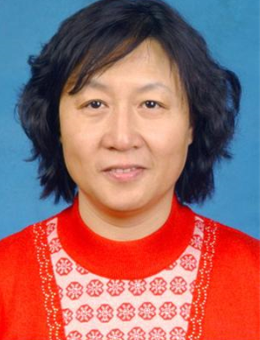 Xiaoyun Tong (佟晓筠)合作论文数Faculty of Computing, Harbin Institute of Technology;School of Computer Science, Harbin Institute of Technology, Weihai18
 Zongwu Xie (谢宗武)合作论文数School of Mechatronics Engineering, Harbin Institute of Technology17
 Qingming Huang (黄庆明)合作论文数School of Computer Science and Technology, University of Chinese Academy of Sciences14
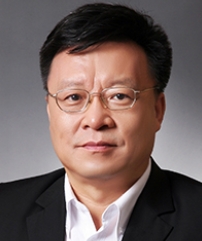 Wen Gao (高文)合作论文数School of Electronics Engineering and Computer Science, Peking University;Pengcheng Laboratory, Peking University;School of Artificial Intelligence, Xidian University13
 Trupti Joshi合作论文数Computer Science Department and Christopher S. Bond Life Sciences Center, University of Missouri13
 Henry T. Nguyen合作论文数Division of Plant Science and Technology, College of Agriculture, Food and Natural Resources, University of Missouri10
 Zhu Wang (王翥)合作论文数School of Information Science and Engineering, Harbin Institute of Technology, Weihai10
 Dong Xu (许东)合作论文数Department of Electrical Engineering and Computer Science, University of Missouri;Department of Mizzou Engineering, University of Missouri;Christopher S. Bond Life Sciences Center, University of Missouri10
 Quan Zou (邹权)合作论文数Institute of Fundamental and Frontier Sciences, University of Electronic Science and Technology of China10
 Weining Wu (吴伟宁)合作论文数College of Computer Science And Technology, Harbin Engineering University8
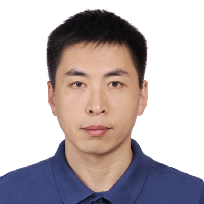 Songlin Chen (陈松林)合作论文数School of Astronautics, Harbin Institute of Technology8
 Gaurav Sharma合作论文数Department of Electrical and Computer Engineerin, Hajim School of Engineering & Applied Sciences, University of Rochester;Center for Excellence in Data Science, University of Rochester8
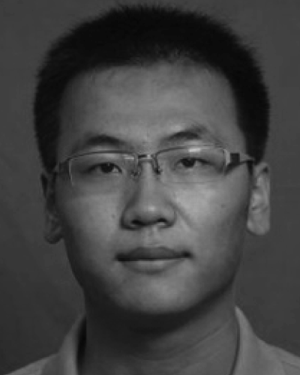 Baoshi Cao合作论文数7Dawei Liang合作论文数School of Computer Science and Technology, Harbin Institute of Technology6
 Boyu Ma合作论文数5Zhiyong Pan合作论文数5Hui Xu合作论文数5
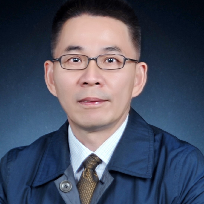 Shicheng Hu (胡仕成)合作论文数College of Economics and Management, Harbin Institute of Technology, Weihai5
 Lingling Zhao (赵玲玲)合作论文数National Pilot School of Software, Faculty of Computing, Harbin Institute of Technology5
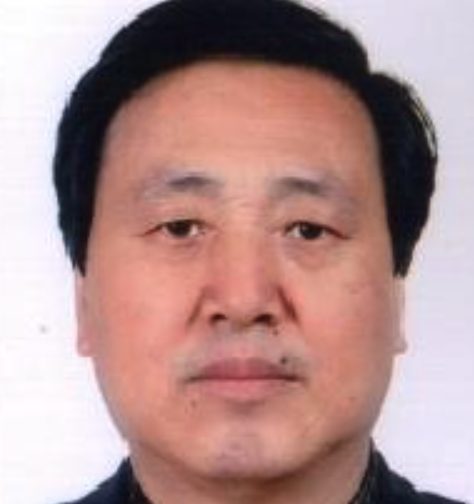 Jing Ma (马晶)合作论文数School of Astronautics, Harbin Institute of Technology;National Key Laboratory of Tunable Laser Technology, Harbin Institute of Technology5
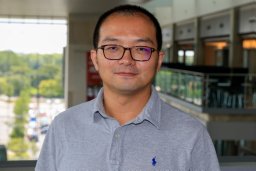 Juexin Wang合作论文数College of Computer Science and Technology, Jilin University5
 Babu Valliyodan合作论文数University of Missouri Columbia;Department of Agriculture and Environmental Sciences, Lincoln University5
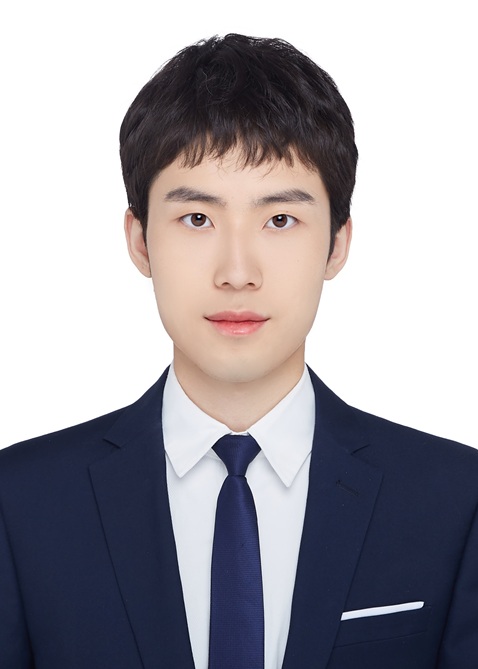 Siran Dai (戴思然)合作论文数Institute of Information Engineering, Chinese Academy of Sciences;Institute of Computing Technology, Chinese Academy of Sciences4
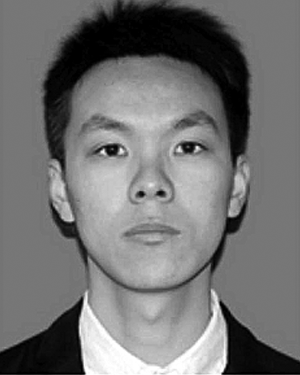 Cheng Xie合作论文数4Jing Peng (彭静)合作论文数School of Computer Science and Technology, Wuhan University of Technology4
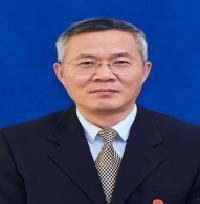 Hong Liu (刘宏)合作论文数Harbin Institute of Technology4Peisong Wen合作论文数Institute of Computing Technology, Chinese Academy of Sciences;School of Computer Science and Tech., University of Chinese Academy of Sciences4
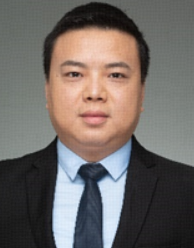 Yungang Xu (徐云刚)合作论文数Institute of Genetics and Development, Translational Medicine Institute, School of Basic Medical Sciences, Xi'an Jiaotong University Health Science Center4Tri D. Vuong合作论文数4Zhengpu Wang合作论文数3
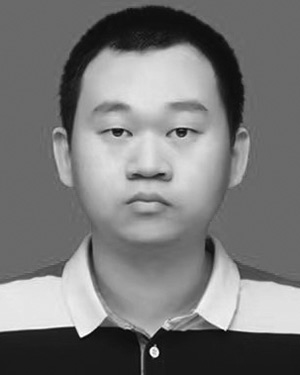 Qi Zhang合作论文数3
 Shiyuan Chen合作论文数Stowers Institute for Medical Research3
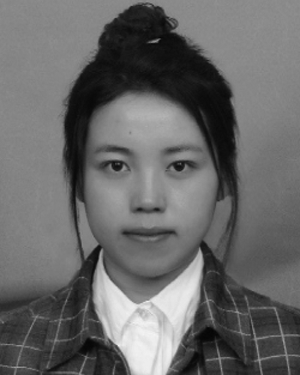 Shuang Cheng合作论文数3
 Shengxin Liu (刘圣鑫)合作论文数School of Computer Science and Technology, Harbin Institute of Technology (Shenzhen)3
 Patil Gunvant合作论文数National Center for Soybean Biotechnology and Division of Plant Sciences, University of Missouri3
 Wei Zeng (曾炜)合作论文数School of Computer Science, Peking University3
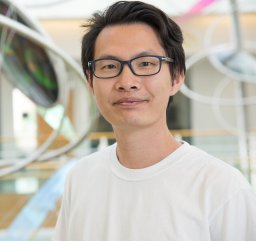 Zeng Shuai合作论文数3
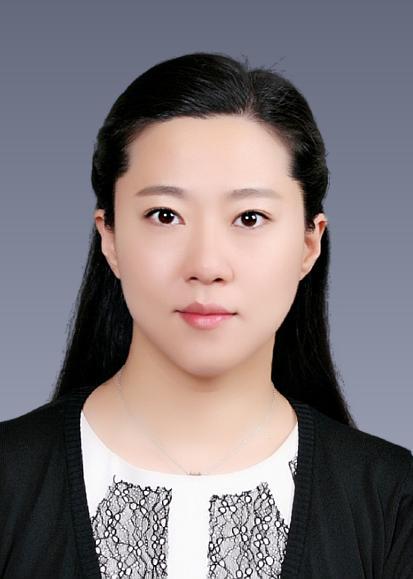 Miao Zhang (张淼)合作论文数International School of Information Science and Engineering, Dalian University of Technology - Ritsumeikan University;School of Artificial Intelligence, Dalian University of Technology3
 Cheng Long合作论文数College of Computing and Data Science, Nanyang Technological University3
 Yongdong Xu (徐永东)合作论文数College of computer science and technology, Harbin Institute of Technology3
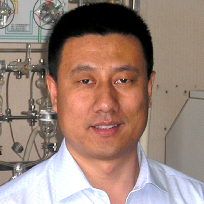 Zhonghua Li (李中华)合作论文数School of Materials Science and Engineering, Harbin Institute of Technology3Ping Li (李萍)合作论文数3
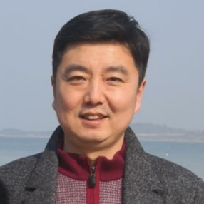 Bailing Wang (王佰玲)合作论文数College of Computer Science and Technology, Harbin Institute of Technology, Weihai3
 Yi Zhang (章毅)合作论文数Machine Intelligence Laboratory, College of Computer Science, Sichuan University;Intelligent Interdisciplinary Technology Research Center of Sichuan University3




