The Transformer model is widely used in various application areas of machine learning, such as natural language processing. This paper investigates the approximation of the Hölder continuous function class ℋ_Q^β([0,1]^d× n,ℝ^d× n) by Transformers and constructs several Transformers that can overcome the curse of dimensionality. These Transformers consist of one self-attention layer with one head and the softmax function as the activation function, along with several feedforward layers. For example, to achieve an approximation accuracy of ϵ, if the activation functions of the feedforward layers in the Transformer are ReLU and floor, only 𝒪(log1/ϵ) layers of feedforward layers are needed, with widths of these layers not exceeding 𝒪(1/ϵ^2/βlog1/ϵ). If other activation functions are allowed in the feedforward layers, the width of the feedforward layers can be further reduced to a constant. These results demonstrate that Transformers have a strong expressive capability. The construction in this paper is based on the Kolmogorov-Arnold Representation Theorem and does not require the concept of contextual mapping, hence our proof is more intuitively clear compared to previous Transformer approximation works. Additionally, the translation technique proposed in this paper helps to apply the previous approximation results of feedforward neural networks to Transformer research.
Spectrally sparse signal reconstruction arises in a wide range of applications and can be formulated as a low-rank Hankel matrix completion problem. We develop a Jacobi-preconditioned gradient descent method that preserves the low per-iteration complexity of first-order algorithms while achieving linear convergence at a rate independent of the condition number. By introducing a generator that maps factor-based iterates to matrix space, we establish equivalence with manifold-based methods, enabling direct convergence analysis while avoiding the need to define distances under complex-symmetric factorization ambiguity. Extensive experiments demonstrate that the proposed algorithm outperforms state-of-the-art methods in both iteration count and computational time across a broad range of problem settings.
In contrast to most studies on neural network approximation theory that characterize results through a single parameter, such as the total number of network parameters, pioneered the characterization of approximation rates as a joint function of the width parameter N and the depth parameter L, thereby granting greater architectural flexibility. Existing works using the (N,L)-characterization focus on function classes with finite smoothness s, establishing a typical approximation rate of 𝒪(N^-2s/dL^-2s/d) with d denoting the input dimension, which indicates that network depth and width play symmetric roles for these classes. In contrast, this paper establishes upper bounds for the approximation of analytic functions, which possess infinite smoothness, via ReLU networks under the (N,L)-characterization. Specifically, we derive approximation rates of 𝒪(N^-C L^τ), where C>0 is some constant and τ>0 is a parameter influenced by the relation between L and N. In particular, τ=1 if N scales roughly as L^d. Our findings reveal that depth plays a more critical role than width in the context of analytic function approximation. The main technical difficulty of obtaining such upper bounds lies in the trade-off between the smoothness parameters and the approximation accuracy. To overcome this difficulty, we employ refined constructions of several ReLU networks to approximate power functions, multivariate multiplication, and polynomials, which may be of independent interest.
We explore the approximation capabilities of Transformer networks for Hölder and Sobolev functions, and apply these results to address nonparametric regression estimation with dependent observations. First, we establish novel upper bounds for standard Transformer networks approximating sequence-to-sequence mappings whose component functions are Hölder continuous with smoothness index γ∈ (0,1]. To achieve an approximation error ε under the L^p-norm for p ∈ [1, ∞], it suffices to use a fixed-depth Transformer network whose total number of parameters scales as ε^-d_x n / γ. This result not only extends existing findings to include the case p = ∞, but also matches the best known upper bounds on number of parameters previously obtained for fixed-depth FNNs and RNNs. Similar bounds are also derived for Sobolev functions. Second, we derive explicit convergence rates for the nonparametric regression problem under various β-mixing data assumptions, which allow the dependence between observations to weaken over time. Our bounds on the sample complexity impose no constraints on weight magnitudes. Lastly, we propose a novel proof strategy to establish approximation bounds, inspired by the Kolmogorov-Arnold representation theorem. We show that if the self-attention layer in a Transformer can perform column averaging, the network can approximate sequence-to-sequence Hölder functions, offering new insights into the interpretability of self-attention mechanisms.
This study proposes a high-precision finite element method (FEM) for nonlinear two-dimensional space-time-fractional diffusion equations, combining the Galerkin spatial discretization with the L2- 1_σ temporal scheme. By rigorously analyzing unconditional stability and deriving error estimates, the method achieves spatial convergence of order 2 and temporal convergence of order 3-α , where α∈ (0,1) , validated through numerical experiments under diverse initial conditions. Compared to existing works focusing on linear systems or single-term fractional dynamics, this research innovatively extends the L2- 1_σ scheme to complex nonlinear space-time-coupled problems, demonstrating its capability to simultaneously handle nonlinearities and fractional derivatives while maintaining computational efficiency and geometric adaptability.
Missing node attributes pose a common problem in real-world graphs, impacting the performance of graph neural networks' representation learning. Existing GNNs often struggle to effectively leverage incomplete attribute information, as they are not specifically designed for graphs with missing attributes. To address this issue, we propose a novel node representation learning framework called Wasserstein Graph Neural Network (WGNN). Our approach aims to maximize the utility of limited observed attribute information and account for uncertainty caused by missing values. We achieve this by representing nodes as low-dimensional distributions obtained through attribute matrix decomposition. Additionally, we enhance representation expressiveness by introducing a unique message-passing schema that aggregates distributional information from neighboring nodes in the Wasserstein space. We evaluate the performance of WGNN in node classification tasks using both synthetic and real-world datasets under two missing-attribute scenarios. Moreover, we demonstrate the applicability of WGNN in recovering missing values and tackling matrix completion problems, specifically in graphs involving users and items. Experimental results on both tasks convincingly demonstrate the superiority of our proposed method.
Code-switching (CS) is the alternating use of two or more languages within a conversation or utterance, often influenced by social context and speaker identity. This linguistic phenomenon poses challenges for Automatic Speech Recognition (ASR) systems, which are typically designed for a single language and struggle to handle multilingual inputs. The growing global demand for multilingual applications, including Code-Switching ASR (CSASR), Text-to-Speech (CSTTS), and Cross-Lingual Information Retrieval (CLIR), highlights the inadequacy of existing monolingual datasets. Although some code-switching datasets exist, most are limited to bilingual mixing within homogeneous ethnic groups, leaving a critical need for a large-scale, diverse benchmark akin to ImageNet in computer vision. To bridge this gap, we introduce LinguaMaster, a multi-agent collaboration framework specifically designed for efficient and scalable multilingual data synthesis. Leveraging this framework, we curate SwitchLingua, the first large-scale multilingual and multi-ethnic code-switching dataset, including: (1) 420K CS textual samples across 12 languages, and (2) over 80 hours of audio recordings from 174 speakers representing 18 countries/regions and 63 racial/ethnic backgrounds, based on the textual data. This dataset captures rich linguistic and cultural diversity, offering a foundational resource for advancing multilingual and multicultural research. Furthermore, to address the issue that existing ASR evaluation metrics lack sensitivity to code-switching scenarios, we propose the Semantic-Aware Error Rate (SAER), a novel evaluation metric that incorporates semantic information, providing a more accurate and context-aware assessment of system performance.
Impact dynamics are crucial for estimating the growth patterns of NFT projects by tracking the diffusion and decay of their relative appeal among stakeholders. Machine learning methods for impact dynamics analysis are incomprehensible and rigid in terms of their interpretability and transparency, whilst stakeholders require interactive tools for informed decision-making. Nevertheless, developing such a tool is challenging due to the substantial, heterogeneous NFT transaction data and the requirements for flexible, customized interactions. To this end, we integrate intuitive visualizations to unveil the impact dynamics of NFT projects. We first conduct a formative study and summarize analysis criteria, including substitution mechanisms, impact attributes, and design requirements from stakeholders. Next, we propose the Minimal Substitution Model to simulate substitutive systems of NFT projects that can be feasibly represented as node-link graphs. Particularly, we utilize attribute-aware techniques to embed the project status and stakeholder behaviors in the layout design. Accordingly, we develop a multi-view visual analytics system, namely NFTracer, allowing interactive analysis of impact dynamics in NFT transactions. We demonstrate the informativeness, effectiveness, and usability of NFTracer by performing two case studies with domain experts and one user study with stakeholders. The studies suggest that NFT projects featuring a higher degree of similarity are more likely to substitute each other. The impact of NFT projects within substitutive systems is contingent upon the degree of stakeholders’ influx and projects’ freshness.
Previous Retinex-based methods simultaneously estimate illumination and reflectance, complicating model design and potentially impacting image enhancement due to flawed prior assumptions. In this paper, we explore the physical basis of low-light image enhancement, focusing on contrast, saturation, and brightness, and propose an adaptive contrast-saturation (ConSat) model. Our ConSat innovation simplifies model design by focusing solely on a brightness enhancement function, allowing for precise image brightness control while keeping colors natural and realistic. We design a new saturation metric that assesses pixel dispersion from the mean of RGB channels, accurately depicting exposure variations across the image. On this basis, we propose a smart contrast stretching function that adapts contrast adjustments to enhance images under varying light. It boosts contrast in dark, low-saturation areas to clarify details and textures, while curbing it in bright, high-saturation areas to prevent overexposure and color distortion. Finally, we employ a pretrained convolutional neural network (CNN)-based denoiser to achieve satisfactory visual appeal. Numerical experiments show that our ConSat is superior to other state-of-the-art methods in brightness improvement, noise removal, and artifact elimination.
Today's world is witnessing an unparalleled rate of technological transformation. The emergence of non-fungible tokens (NFTs) has transformed how we handle digital assets and value. These tokens have captured the interest of scholars and businesspeople alike. However, NFTs have recently seen a sharp decline in popularity. While cryptocurrency volatility and monetary policies greatly influenced NFT market trends, the community aspects of NFT projects--particularly trust-based interactions--also play a crucial role in NFT adoption and sustainability. From a social computing perspective, understanding these trust dynamics offers valuable insights for the development of both the NFT ecosystem and the broader digital economy. China presents a compelling context for examining these dynamics, offering a unique intersection of technological innovation and traditional cultural values. Through an in-depth qualitative study of Chinese NFT communities, we examine how socio-cultural factors influence trust formation and development. We analyzed discussions from eight prominent WeChat groups dedicated to NFTs and conducted 21 semi-structured interviews with three types of NFT community members. We found that trust in Chinese NFT communities is significantly molded by local cultural values. To be precise, Confucian virtues, such as benevolence, propriety , and integrity , play a crucial role in shaping these trust relationships. Our research identifies three critical trust dimensions in China's NFT market: (1) technological , (2) institutional , and (3) social . We examined the challenges in cultivating each dimension. Based on these insights, we developed tailored trust-building guidelines for Chinese NFT stakeholders. These guidelines address trust issues that factor into NFT's declining popularity and could offer valuable strategies for CSCW researchers, developers, and designers aiming to enhance trust in global NFT communities. Our research urges CSCW scholars to take into account the unique socio-cultural contexts when developing trust-enhancing strategies for digital innovations and online interactions.
Numerous studies have shown that label noise can lead to poor generalization performance, negatively affecting classification accuracy. Therefore, understanding the effectiveness of classifiers trained using deep neural networks in the presence of noisy labels is of considerable practical significance. In this paper, we focus on the error bounds of excess risks for classification problems with noisy labels within deep learning frameworks. We derive error bounds for the excess risk, decomposing it into statistical error and approximation error. To handle statistical dependencies (e.g., mixing sequences), we employ an independent block construction to bound the error, leveraging techniques for dependent processes. For the approximation error, we establish these theoretical results to the vector-valued setting, where the output space consists of K-dimensional unit vectors. Finally, under the low-dimensional manifold hypothesis, we further refine the approximation error to mitigate the impact of high-dimensional input spaces.
Modern Large Language Models, such as the LLaMA, Qwen and DeepSeek series, predominantly adopt the Pre-LayerNorm (Pre-LN) Transformer architecture. While being stable during pretraining and scalable to large model sizes, Pre-LN suffers from an exponential growth in activation variance across layers, causing the shortcut to dominate over sub-layer outputs in the residual connection and limiting the learning capacity of deeper layers. To mitigate this issue, we propose Gradient-Preserving Activation Scaling (GPAS), a simple technique that can be used in combination with existing approaches. GPAS works by scaling down the intermediate activations while keeping their gradients unchanged. This leaves information in the activations intact, and avoids the gradient vanishing problem associated with gradient downscaling. Extensive experiments across various model sizes from 71M to 1B show that GPAS achieves consistent performance gains. Beyond enhancing Pre-LN Transformers, GPAS also shows promise in improving alternative architectures such as Sandwich-LN and DeepNorm, demonstrating its versatility and potential for improving training dynamics in a wide range of settings. Our code is available at https://github.com/dandingsky/GPAS.
Based on elementary quadratic chaotic flows with no equilibria, this paper proposes a novel four-dimensional hyperchaotic hidden attractor system. Compared with traditional chaotic systems, this system has more complex dynamic behaviors and higher degrees of freedom. Developing this novel system can further expand the research scope of chaos theory and reveal the intrinsic laws and characteristics of chaotic behaviors in higher dimensions.Through nonlinear dynamical analysis, the system exhibits diverse dynamic behaviors with varying parameters and possesses multiple hidden attractors, demonstrating the property of multistability. Subsequently, an analog circuit is constructed using Multisim 14.0 to further validate the system. Finally, image encryption is performed by employing different DNA encoding rules and corresponding operation rules based on chaotic sequences for diffusion. The cipher images are analyzed in terms of histograms, information entropy, and correlation. Experimental results indicate that the proposed algorithm achieves effective encryption and can withstand common attacks.
Most self-supervised learning objectives defend against collapse but leave the target representation law unspecified. We formulate representation learning as Distribution Matching (DM), learning an augmentation-invariant encoder whose induced law matches an explicit geometric reference. The reference law specifies what the learned representation distribution should look like, whereas a separately chosen discrepancy determines how deviations from this target are measured; here we use Mallows distance. The DM framework reveals a directional inverse: generative learning maps a tractable reference to data, whereas representation learning maps data to a designed reference law. We connect the population objective to class-centre separation and classification error and prove a non-asymptotic neural-sieve guarantee. Simulations and image benchmarks show manifold rectification, fine-grained structure and transfer across label spaces.
Machine learning is a rapidly advancing field with diverse applications across various domains. One prominent area of research is the utilization of deep learning techniques for solving partial differential equations(PDEs). In this work, we specifically focus on employing a three-layer tanh neural network within the framework of the deep Ritz method(DRM) to solve second-order elliptic equations with three different types of boundary conditions. We perform projected gradient descent(PDG) to train the three-layer network and we establish its global convergence. To the best of our knowledge, we are the first to provide a comprehensive error analysis of using overparameterized networks to solve PDE problems, as our analysis simultaneously includes estimates for approximation error, generalization error, and optimization error. We present error bound in terms of the sample size n and our work provides guidance on how to set the network depth, width, step size, and number of iterations for the projected gradient descent algorithm. Importantly, our assumptions in this work are classical and we do not require any additional assumptions on the solution of the equation. This ensures the broad applicability and generality of our results.
Chain-of-Thought (CoT) prompting has marked a significant advancement in enhancing the reasoning capabilities of large language models (LLMs). Previous studies have developed various extensions of CoT, which focus primarily on enhancing end-task performance. In addition, there has been research on assessing the quality of reasoning chains in CoT. This raises an intriguing question: Is it possible to predict the accuracy of LLM outputs by scrutinizing the reasoning chains they generate? To answer this research question, we introduce a benchmark, R2PE, designed specifically to explore the relationship between reasoning chains and performance in various reasoning tasks spanning five different domains. This benchmark aims to measure the falsehood of the final output of LLMs based on the reasoning steps. To make full use of information in multiple reasoning chains, we propose the process discernibility score (PDS) framework that beats the answer-checking baseline by a large margin. Concretely, this resulted in an average of 5.1% increase in the F1 score and 2.97% improvement in AUC-PR across all 45 subsets within R2PE. We further demonstrate our PDS’s efficacy in advancing open-domain QA accuracy. Our code will be released in the final version. Codes and data are available at https://github.com/XinXU-USTC/R2PE.git. For further details on the appendix, please refer to https://arxiv.org/abs/2402.10528.
Pre-trained vision-language models (VLMs) have show-cased remarkable performance in image and natural language understanding, such as image captioning and response generation. As the practical applications of VLMs become increasingly widespread, their potential safety and robustness issues raise concerns that adversaries may evade the system and cause these models to generate toxic content through malicious attacks. Therefore, evaluating the robustness of open-source VLMs against adversarial attacks has garnered growing attention, with transfer-based attacks as a representative black-box attacking strategy. However, most existing transfer-based attacks neglect the importance of the semantic correlations between vision and text modalities, leading to sub-optimal adversarial example generation and attack performance. To address this issue, we present Chain of Attack (CoA)1, which iteratively enhances the generation of adversarial examples based on the multi-modal semantic update using a series of intermediate attacking steps, achieving superior adversarial transferability and efficiency. A unified attack success rate computing method is further proposed for automatic evasion evaluation. Extensive experiments conducted under the most realistic and high-stakes scenario, demonstrate that our attacking strategy is able to effectively mislead models to generate targeted responses using only black-box attacks without any knowledge of the victim models. The comprehensive robustness evaluation in our paper provides insight into the vulnerabilities of VLMs and offers a reference for the safety considerations of future model developments.
Diffusion models excel at joint pixel sampling for image generation but lack efficient training-free methods for partial conditional sampling (e.g., inpainting with known pixels). Prior work typically formulates this as an intractable inverse problem, relying on coarse variational approximations, heuristic losses requiring expensive backpropagation, or slow stochastic sampling. These limitations preclude: (1) accurate distributional matching in inpainting results, (2) efficient inference modes without gradient, (3) compatibility with fast ODE-based samplers. To address these limitations, we propose LanPaint: a training-free, asymptotically exact partial conditional sampling methods for ODE-based and rectified flow diffusion models. By leveraging carefully designed Langevin dynamics, LanPaint enables fast, backpropagation-free Monte Carlo sampling. Experiments demonstrate that our approach achieves superior performance with precise partial conditioning and visually coherent inpainting across diverse tasks.
Large language models (LLMs) have demonstrated remarkable capabilities in solving complex reasoning tasks, particularly in mathematics. However, the domain of physics reasoning presents unique challenges that have received significantly less attention. Existing benchmarks often fall short in evaluating LLMs’ abilities on the breadth and depth of undergraduate-level physics, underscoring the need for a comprehensive evaluation. To fill this gap, we introduce UGPhysics, a large-scale and diverse benchmark specifically designed to evaluate nderraduate-level () reasoning with LLMs. UGPhysics includes 5,520 undergraduate-level physics problems in both English and Chinese across 13 subjects with seven different answer types and four distinct physics reasoning skills, all rigorously screened for data leakage. Additionally, we develop a Model-Assistant Rule-based Judgment () pipeline specifically tailored for assessing physics problems, ensuring accurate evaluation. Our evaluation of 31 leading LLMs shows that the highest overall accuracy, 49.8% (achieved by OpenAI-o1-mini), emphasizes the need for models with stronger physics reasoning skills, beyond math abilities. We hope UGPhysics, along with MARJ, will drive future advancements in AI for physics reasoning. Codes and data are available at \href{https://github.com/YangLabHKUST/UGPhysics}{https://github.com/YangLabHKUST/UGPhysics}.
We present theoretical convergence guarantees for ODE-based generative models, specifically flow matching. We use a pre-trained autoencoder network to map high-dimensional original inputs to a low-dimensional latent space, where a transformer network is trained to predict the velocity field of the transformation from a standard normal distribution to the target latent distribution. Our error analysis demonstrates the effectiveness of this approach, showing that the distribution of samples generated via estimated ODE flow converges to the target distribution in the Wasserstein-2 distance under mild and practical assumptions. Furthermore, we show that arbitrary smooth functions can be effectively approximated by transformer networks with Lipschitz continuity, which may be of independent interest.
 Jian-Feng Cai (蔡劍鋒)合作论文数Department of Mathematics, School of Science, Hong Kong University of Science and Technology17
 Yuling Jiao (焦雨铃)合作论文数School of Life Sciences, Peking University;Peking University-Tsinghua University Joint Center for Life Sciences14
 Yanming Lai合作论文数Sch Math & Stat, Wuhan Univ11
 Jeffrey C Lagarias合作论文数Department of Mathematics, University of Michigan11
 Can Yang (楊燦)合作论文数Department of Mathematics, School of Science, The Hong Kong University of Science and Technology;Big Data Institute, School of Science, The Hong Kong University of Science and Technology9
 Zhiqiang Xu (许志强)合作论文数University of Chinese Academy of Sciences;Academy of Mathematics and Systems Science, Chinese Academy of Sciences9
 Yunfei Yang (杨云斐)合作论文数School of Mathematics (Zhuhai), Sun Yat-Sen University7
 Zefei Wu (吴泽飞)合作论文数The University of Manchester7
 Haixia Liu (刘海霞)合作论文数School of Mathematics and Statistics, Huazhong University of Science and Technology7
 Xue-Cheng Tai (台雪成)合作论文数Norwegian Research Center7Yu Han合作论文数6
 Meng Huang (黄猛)合作论文数School of Mathematical Sciences, Beihang University6
 Lin Wang (王琳)合作论文数School of Flexible Electronics (Future Technologies), Nanjing Tech University6Yuheng He合作论文数6
 Xiaolong Chen (陈晓龙)合作论文数Department of Electronic and Electrical Engineering, College of Engineering, Southern University of Science and Technology6
 Ning Wang (王寧)合作论文数Department of Physics, School of Science, The Hong Kong University of Science and Technology6
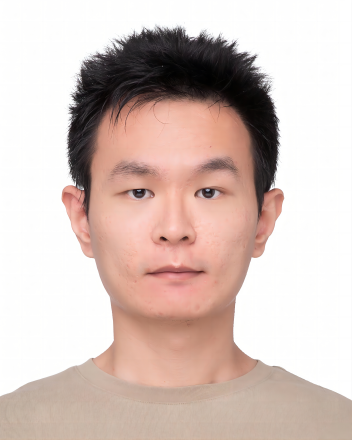 Candi Zheng合作论文数Department of Mathematics, Hong Kong University of Science and Technology5
 Zhixian Chen合作论文数Dept Math, Hong Kong Univ Sci & Technol5Long Wang合作论文数5
 Yin Xian合作论文数Duke University5
 Tengfei Ma (马腾飞)合作论文数5
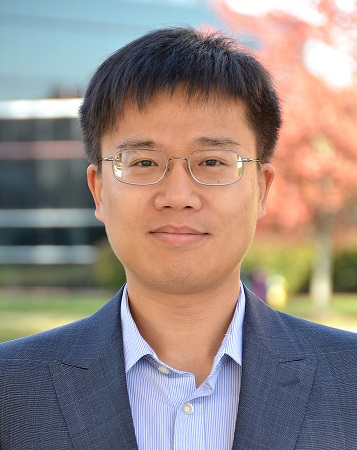 Yangqiu Song (宋陽秋)合作论文数Department of Computer Science and Engineering, The Hong Kong University of Science and Technology5
 Shousheng Luo (罗守胜)合作论文数School of Mathematics and Statistics, Henan University5
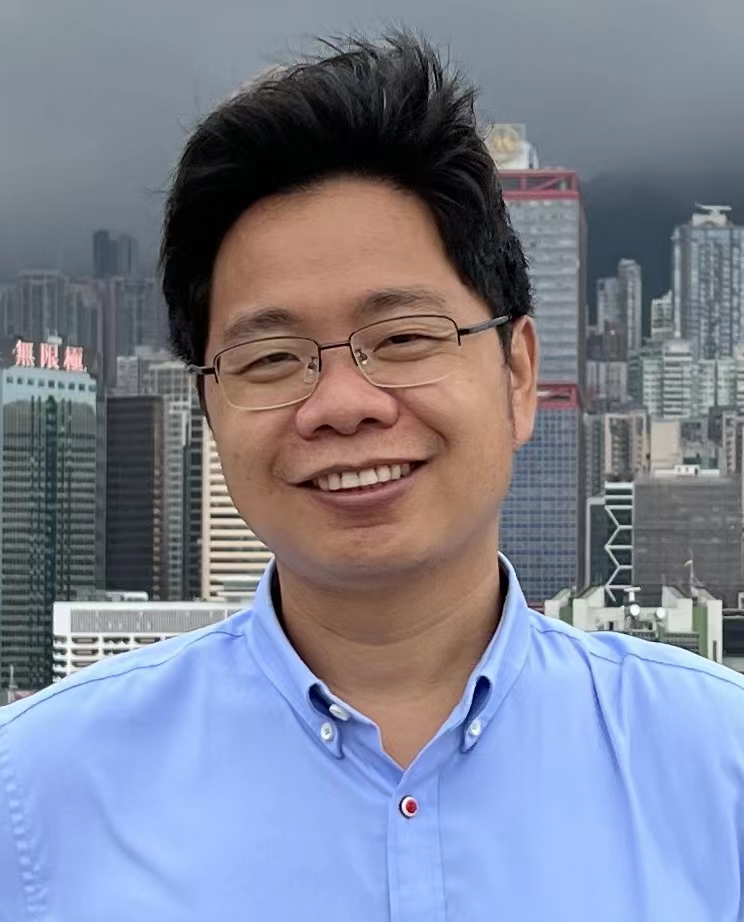 Tieyong Zeng (曾鐵勇)合作论文数Department of Mathematics, Chinese University of Hong Kong;Center for Mathematical Artificial Intelligence, Chinese University of Hong Kong5
 Huamin Qu (屈華民)合作论文数Department of Computer Science and Engineering, School of Engineering, The Hong Kong University of Science and Technology5
 Yifan Cao合作论文数Hong Kong University of Science and Technology4Yi Rong合作论文数4
 Bing Gao合作论文数4
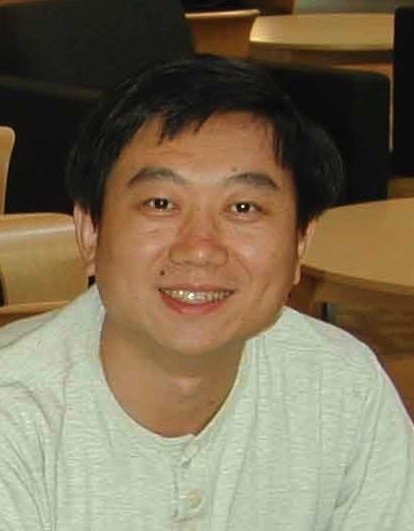 Haomin Zhou合作论文数School of Mathematics, College of Sciences, Georgia Institute of Technology4Yuan Cai合作论文数Hong Kong University of Science and Technology(Hong Kong University of Science and Technology,Hong Kong Univ. of Sci. and Technol.),Hong Kong,China4Zhang Mingwei合作论文数4Dejun Feng合作论文数Department of Athematics, The Chinese University of Hong Kong4Xin Xu (许鑫)合作论文数The Hong Kong University of Science and Technology3Lizhang Miao合作论文数3Wei Li合作论文数3Dong Liu合作论文数3Yuxuan Han合作论文数3wei xiong合作论文数Dept Phys, Hong Kong Univ Sci & Technol3
 Qianting Ma合作论文数Sch Math & Stat, Nanjing Univ Informat Sci & Technol3
 Chun-Kit Lai合作论文数Department of Mathematics, College of Science and Engineering, San Francisco State University3
 Jiheng Zhang (張季恒)合作论文数Department of Industrial Engineering and Decision Analytics,Department of Mathematics,Big Data Institute,Hong Kong University of Science and Technology Clear Water Bay, Hong Kong3Aditya Viswanathan合作论文数3
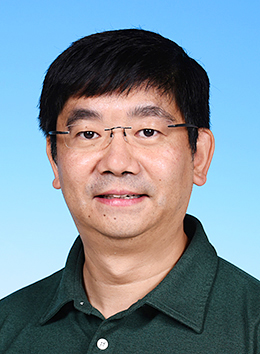 Yuan Yao (姚遠)合作论文数Department of Mathematics, School of Science, Hong Kong University of Science and Technology3Ye Weiguang合作论文数3
 Han Tianyi合作论文数Department of Physics and the William Mong Institute of Nano Science and Technology, The Hong Kong University of Science and Technology3
 David Jimenez合作论文数3Dong Li合作论文数3
 Huo-Jun Ruan (阮火军)合作论文数School of Mathematical Sciences, Zhejiang University3
 Shiyi Chen (陈十一)合作论文数Eastern Institute for Advanced Study;Ningbo Institute of Digital Twin, Eastern Institute of Technology, Ningbo3




