Objective Readmission within 30 days of discharge after CABG continues to be a concern for patients and healthcare systems in cardiothoracic care. We developed an interpretable machine learning (ML)risk model to evaluate, understand, and integrate preoperative risk factors to predict 30-day readmission after CABG. Methods The study analyzed 2014-2023 isolated CABG patient population drawn from a multihospital academic health system. The primary outcome was an index readmission within 30 days of discharge after isolated CABG. The study evaluated 34 patient-specific preoperative variables using ‘recursive feature elimination with cross-validation’ method and ML algorithms to evaluate an optimal set of risk factors to predict readmission after CABG. SHapley Additive exPlanations framework was utilized to understand the contribution of risk factors to model prediction. Results A total of 8999 patients were identified, and the overall observed 30-day all-cause same system readmission rate was 9.56%, n=860. The model produced the top 7 preoperative risk factors: hematocrit, model for end-stage liver disease score, hemoglobin, creatinine, body mass index, white blood cell count, and platelets. The random forest model demonstrated good performance with an area under the receiver operating characteristics curve of 0.74. Conclusions This study utilized interpretable ML techniques to identify and interpret an optimal set of preoperative risk factors for 30-day readmission after CABG. The random forest model demonstrated good discrimination in identifying at-risk patients. Individual hospitals can apply the proposed method to their large datasets and assess risk factors that may help identify patients who would experience 30-day readmission after CABG.
The rapid deployment of machine learning across platforms from milliwatt-class TinyML devices to large language models has made energy efficiency a primary constraint for sustainable AI. Across these scales, performance and energy are increasingly limited by data movement and memory-system behavior rather than by arithmetic throughput alone. This work reviews energy efficient software hardware codesign methods spanning edge inference and training to datacenter-scale LLM serving, covering accelerator architectures (e.g., ASIC/FPGA dataflows, processing-/compute-in-memory designs) and system-level techniques (e.g., partitioning, quantization, scheduling, and runtime adaptation). We distill common design levers and trade-offs, and highlight recurring gaps including limited cross-platform generalization, large and costly co-design search spaces, and inconsistent benchmarking across workloads and deployment settings. Finally, we outline a hierarchical decomposition perspective that maps optimization strategies to computational roles and supports incremental adaptation, offering practical guidance for building energy and carbon aware ML systems.
OBJECTIVE:Failure to rescue (FTR) is a significant quality indicator for postoperative cardiothoracic care. We developed an interpretable artificial intelligence model to identify, interpret, and integrate patient risk factors to predict FTR after coronary artery bypass grafting (CABG). METHODS:Adults who underwent isolated CABG in an academic health system from 2011 to 2022 were analyzed. FTR was defined as 30-day postoperative mortality after a stroke, renal failure, reoperation, or prolonged ventilation. The study evaluated 35 patient-specific preoperative variables using recursive feature elimination with cross-validation algorithm and artificial intelligence methods to determine optimal set of risk factors to predict FTR. SHapley Additive exPlanations were performed to visualize and interpret models. RESULTS:A total of 9974 patients were identified and the overall FTR rate was 2.5% (n = 249). FTR rates were 12.9% for stroke, 24.8% for renal failure, 11.4% for reoperation, and 11.6% for prolonged ventilation. The model produced the top-12 risk factors: age, albumin level, bilirubin level, body mass index, creatinine level, ejection fraction, hematocrit, hemoglobin level, hemoglobin A1c, model for end stage liver disease score, platelets count, and white blood cell count. The random forest algorithm demonstrated good performance with an area under the precision-recall curve of 0.78. CONCLUSIONS:This study utilized artificial intelligence algorithms to evaluate and interpret an optimal set of preoperative risk factors for FTR after CABG. The random forest model demonstrated good discrimination in identifying at-risk patients. The proposed framework can serve as proof-of-concept that can translate, with further research, into a real-time clinical decision support tool for at-risk patients.
The rising computational and energy demands of deep learning, particularly in large-scale architectures such as foundation models and large language models (LLMs), pose significant challenges to sustainability. Traditional gradient-based training methods are inefficient, requiring numerous iterative updates and high power consumption. To address these limitations, we propose a hybrid framework that combines hierarchical decomposition with FPGA-based direct equation solving and incremental learning. Our method divides the neural network into two functional tiers: lower layers are optimized via single-step equation solving on FPGAs for efficient and parallelizable feature extraction, while higher layers employ adaptive incremental learning to support continual updates without full retraining. Building upon this foundation, we introduce the Compound LLM framework, which explicitly deploys LLM modules across both hierarchy levels. The lower-level LLM handles reusable representation learning with minimal energy overhead, while the upper-level LLM performs adaptive decision-making through energy-aware updates. This integrated design enhances scalability, reduces redundant computation, and aligns with the principles of sustainable AI. Theoretical analysis and architectural insights demonstrate that our method reduces computational costs significantly while preserving high model performance, making it well-suited for edge deployment and real-time adaptation in energy-constrained environments.
Differential privacy is a particular data privacy -preserving technology which enables synthetic data or statistical analysis results to be released with a minimum disclosure of private information from individual records. The tradeoff between privacy -preserving and utility guarantee is always a challenge for differential privacy technology, especially for synthetic data generation. In this paper, we propose a differentially private data synthesis algorithm for mixed -type data with correlation based on latent factor models. The proposed method can add a relatively small amount of noise to synthetic data under a given level of privacy protection while capturing correlation information. Moreover, the proposed algorithm can generate synthetic data preserving the same data type as mixed -type original data, which greatly improves the utility of synthetic data. The key idea of our method is to perturb the factor matrix and factor loading matrix to construct a synthetic data generation model, and to utilize link functions with privacy protection to ensure consistency of synthetic data type with original data. The proposed method can generate privacy -preserving synthetic data at low computation cost even when the original data is high -dimensional. In theory, we establish differentially private properties of the proposed method. Our numerical studies also demonstrate superb performance of the proposed method on the utility guarantee of the statistical analysis based on privacy -preserved synthetic data.
Phase equilibria of the Cr-Mo-Ru ternary system at 1100 °C and 1200 °C have been experimentally investigated using electron probe microanalyzer and x-ray diffraction. The σ-Cr2Ru forms a σ-(Mo5Ru3, Cr2Ru) continuous solid solution phase with the σ-Mo5Ru3 phase at 1200 °C, but not at 1100 °C. The BCC (Cr, Mo) continuous solid solution phase exists at both 1100 °C and 1200 °C. Based on the measured experimental results and the thermodynamic parameters of the three binary sub-systems, a set of self-consistent parameters of the Cr-Mo-Ru system was evaluated using the CALPHAD method. Several vertical sections, isothermal sections, and liquidus surface projection of the Cr-Mo-Ru ternary system were calculated in this study. The results of phase equilibrium experiments and thermodynamic calculations show that although the solid solubility of the σ phase in the Cr-Mo and Mo-Ru binary systems is relatively small, it is exceptionally large in the Cr-Mo-Ru ternary system. The current obtained thermodynamic parameters of the Cr-Mo-Ru ternary system can provide the essential information and support for the theoretical guidance on the design of the Ni-based multi-component superalloys.
Twitter users post tweets on many topics, emotions, and events. The technological advancement and ease of tweeting quicken people's interaction with social network sites. Engagement with tweets led to product promotion in many corporate companies. Many studies focused on understanding tweeting patterns for marketing, retweeting, getting noticed, and receiving feedback. The time of a tweet was used for marketing strategies. Domain-based tweet timestamp patterns helped corporates in their tweet schedules and attracted more customers for their products. We collected 2.3 million depressive, anti-depressive, and COVID-19 tweets for one year. Our analysis of these tweets results in detailed tweet patterns in different timings in a day and days in a week. The depressive tweets follow the diurnal pattern, whereas the anti-depressive tweets follow a similar trend with intermediate aberrations. We also classified the tweet keywords into three different types with their frequency and amplitude of tweet patterns. Analyzing multi-domain tweets to discover time series patterns related to human health will be helpful for the planning and execution of medical disaster preparedness and emergency teams.
Classification with Machine Learning is widely used in healthcare data analysis. In this paper, we use the Logistic Regression Machine Learning algorithm with a heart-related death healthcare dataset to predict the diagnosis. We aimed to improve the prediction accuracy, recall, and precision for Logistic Regression with data preprocessing which includes feature selection and clustering-based discretization on a selected continuous data attribute. We explored the impacts of clustering-based discretization on the model prediction accuracy rate. The test results showed an improvement in prediction accuracy, recall, and precision after preprocessing.
Traumatic events like cyclones, bomb blasts, and earthquakes impact people's mental health, and relevant Information reflects in tweet texts. Researchers developed event detection models and mental health assessment systems separately. Little research was focused on analyzing various events’ impacts on mental health via social media. To evaluate the effect of events on mental health, we use the area under the curve (AUC) method to mine the tweets. The AUC method makes numerical estimation under normal conditions, before, during, and after an event. We collected 90,649 tweets during the three events (Sri Lanka Bomb blasts, Burevi Cyclone, and Tauktae Cyclone) in 2019, 2020, and 2021 and computed the events’ impacts on relevant people’s mental health using the AUC method. The new results matched with the event reports by other sources. The AUC method is useful for planning and executing disaster preparedness and emergency teams.
Happiness is based on individual thoughts, perceived by the things and events around. Social media posts are convenient and useful to gauge the level of happiness using Hedonometrics. There is little possibility of ever calculating happiness accurately because parameters change with person, location, and times. Measurements are made with feelings, words, and expressions. We define the Happiness Index with a ‘bad-words’ set and analyze it using 2.3 million depressive and anti-depressive tweets. The findings support the results from the Latent Dirichlet Allocation (LDA), ARIMA forecast, and Mean Square Errors (MSE) using the moving averages method. Our results correlate well with the World Health Organization reports on confirmed COVID cases and Depression Index measurements.
Accumulated studies have discovered that circular RNAs (CircRNAs) are closely related to many complex human diseases. Due to this close relationship, CircRNAs can be used as good biomarkers for disease diagnosis and therapeutic targets for treatments. However, the number of experimentally verified circRNA-disease associations are still fewer and also conducting wet-lab experiments are constrained by the small scale and cost of time and labour. Therefore, effective computational methods are required to predict associations between circRNAs and diseases which will be promising candidates for small scale biological and clinical experiments. In this paper, we propose novel computational models based on Graph Convolution Networks (GCN) for the potential circRNAdisease association prediction. Currently most of the existing prediction methods use shallow learning algorithms. Instead, the proposed models combine the strengths of deep learning and graphs for the computation. First, they integrate multi-source similarity information into the association network. Next, models predict potential associations using graph convolution which explore this important relational knowledge of that network structure. Two circRNA-disease association prediction models, GCN based Node Classification (GCN-NC) and GCN based Link Prediction (GCN-LP) are introduced in this work and they demonstrate promising results in various experiments and outperforms other existing methods. Further, a case study proves that some of the predicted results of the novel computational models were confirmed by published literature and all top results could be verified using gene-gene interaction networks.
Twitter users publish tweets on various topics, emotions, and events. The technological advancement and ease of tweeting increased people's interaction with social network sites. We chose 2.3 million depressive, anti-depressive tweets collected for one year as base data for our study. Researchers studied the Happiness Index as a survey output using the online or offline mode to manage the input parameters. As happiness is an outcome of emotions presented in one's situation, we use the tweets of Twitter users as an input to measure the Happiness Index. We observed similar results using two different weekly tweets and World Happiness Report-2020 (WHR-2020) data. Forecasting the Happiness Index will be helpful for planning and executing peoples' schemes.
The novel corona virus (Covid-19) has introduced significant challenges due to its rapid spreading nature through respiratory transmission. As a result, there is a huge demand for Artificial Intelligence (AI) based quick disease diagnosis methods as an alternative to high demand tests such as Polymerase Chain Reaction (PCR). Chest X-ray (CXR) Image analysis is such cost-effective radiography technique due to resource availability and quick screening. But, a sufficient and systematic data collection that is required by complex deep leaning (DL) models is more difficult and hence there are recent efforts that utilize transfer learning to address this issue. Still these transfer learnt models suffer from lack of generalization and increased bias to the training dataset resulting poor performance for unseen data. Limited correlation of the transferred features from the pre-trained model to a specific medical imaging domain like X-ray and overfitting on fewer data can be reasons for this circumstance. In this work, we propose a novel Graph Convolution Neural Network (GCN) that is capable of identifying bio-markers of Covid-19 pneumonia from CXR images and meta information about patients. The proposed method exploits important relational knowledge between data instances and their features using graph representation and applies convolution to learn the graph data which is not possible with conventional convolution on Euclidean domain. The results of extensive experiments of proposed model on binary (Covid vs normal) and three class (Covid, normal, other pneumonia) classification problems outperform different benchmark transfer learnt models, hence overcoming the aforementioned drawbacks.
Different biomedical computing methods for cancer-specific gene recognition have been developed in recent years. Currently, building an open-box machine learning system to discover explainable knowledge from gene expression data is a difficult research problem due to a large number of genes, a small number of samples, and noise. Fuzzy systems can be used to deal with data ambiguity and noise issues and extract meaningful knowledge from gene data. In this article, we create a new deep fuzzy neural network to handle the uncertainty in gene data to generate useful knowledge for specific disease diagnosis. A new hybrid algorithm is designed to preprocess data and select informative genes for accurate cancer detection. Various experiments using six different cancer datasets indicate that the new method has better and more reliable performance than the other conventional classification methods with different gene selection methods.
In recent days, deep learning technologies have achieved tremendous success in computer vision-related tasks with the help of large-scale annotated dataset. Obtaining such dataset for medical image analysis is very challenging. Working with the limited dataset and small amount of annotated samples makes it difficult to develop a robust automated disease diagnosis model. We propose a novel approach to generate synthetic medical images using generative adversarial networks (GANs). Our proposed model can create brain PET images for three different stages of Alzheimer's disease-normal control (NC), mild cognitive impairment (MCI), and Alzheimer's disease (AD).
Many countries are actively involved in Mental Health Illness prevention programs as at present, this affects more than 300 million (>4%) people across the world, and this number is increasing every day. Predictions assume that Mental Health Illness will become the second leading cause for disease burden to stakeholders and rulers in the coming years. Identification of a mental health illness patient is complicated, as many do not agree that they have this stigma. Social Networks is one media that is involved in every ones' life to share/exhibit his emotions and feelings. More people share emotion-related tweets indicate that a predominant feature occurred on that day or in that location. We attempted to study the tweets related to depression and anti-depression and computed a new parameter, which indicates the depressive level of that day. While comparing with past data, this parameter will help the social scientists in the study of psychotherapy (afterburn) and ‘agitated depression’ levels to promote mental health and psychosocial interventions and sustainable development goals.
People behave differently for a situation, and this depends on their mental health status at that time. The response to their behavior can be seen in their actions. In this present era, social media attracts people to present their views, and such a process became easier too. Many researchers attempted to study social media postings. Twitter is one such media, where millions of people participate. Twitter has attracted millions of tweeters, and thus have a greater number of tweets are added to its data. We collected and analyzed around two lakh tweets related to keywords of the Kessler Ten-point questionnaire. We also collected antidepressant tweets for our study. The results showed similarity and facilitated a process to identify a user from the tweets.
Twitter users' post data on social websites that are casual, critical, emotional, and sharing in real-time. Many keywords related to an event will appear as tweet hashtags during an event and immediately after the event. Twitter allows a length of 140 characters as a hashtag keyword. Algorithms exist for event detection using several scientific methods and express the importance of the event and its features. Many of the earlier studies clustered the events based on the tweets. In this paper, we considered tweets with the bombing, depressed, and anti-depressed related keywords posted from Srilanka during the ‘Bomb’ blasts in April 2019. Similar tweets data also collected and analyzed from a normal period (during May 2019) to compare our results. Our results show that the keywords identified are related to the event. We could further cluster these two keywords sets into similar and dissimilar sets with a Twitter event. We applied Learning Quotient and Text mining methods, and our results support the clustering of keywords.
Custom accelerators improve the energy efficiency, area efficiency, and performance of deep neural network (DNN) inference. This article presents a scalable DNN accelerator consisting of 36 chips connected in a mesh network on a multi-chip-module (MCM) using ground-referenced signaling (GRS). While previous accelerators fabricated on a single monolithic chip are optimal for specific network sizes, the proposed architecture enables flexible scaling for efficient inference on a wide range of DNNs, from mobile to data center domains. Communication energy is minimized with large on-chip distributed weight storage and a hierarchical network-on-chip and network-on-package, and inference energy is minimized through extensive data reuse. The 16-nm prototype achieves 1.29-TOPS/mm2 area efficiency, 0.11 pJ/op (9.5 TOPS/W) energy efficiency, 4.01-TOPS peak performance for a one-chip system, and 127.8 peak TOPS and 1903 images/s ResNet-50 batch-1 inference for a 36-chip system.
 Abraham Kandel合作论文数College of Engineering, University of South Florida31
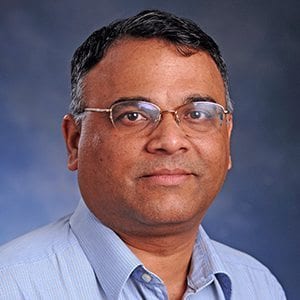 Rajshekhar Sunderraman合作论文数Department of Computer Science, College of Arts & Sciences, Georgia State University25
 Yuchun Tang合作论文数Department of Computer Science
Georgia State University25
Yuchun Tang合作论文数Department of Computer Science
Georgia State University25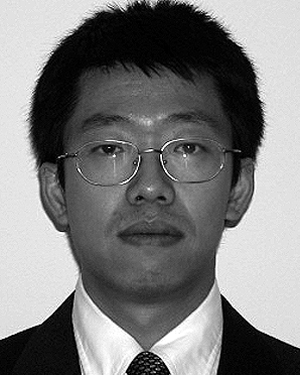 Bo Jin合作论文数19
 Robert F. Harrison合作论文数University of Sheffield11
 Sudha Tushara Sadasivuni合作论文数10
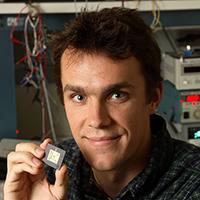 Benton H. Calhoun合作论文数Department of Electrical and Computer Engineering, School of Engineering and Applied Science, University of Virginia9Raj Sunderraman合作论文数8
 Jyoti Islam合作论文数Dept Comp Sci, Georgia State Univ8Yi Pan (潘毅)合作论文数8Haibin Wang合作论文数8
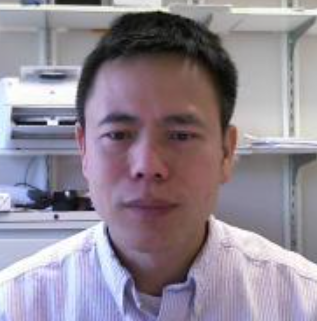 Dan Lo合作论文数Department of Computer Science, College of Computing and Software Engineering, Kennesaw State University8
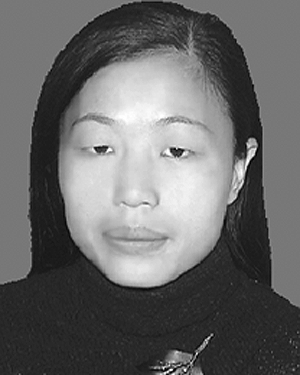 Xiujuan Chen (陈秀娟)合作论文数8
 Alicia Klinefelter合作论文数NVIDIA7
 Praveen Madiraju合作论文数Marquette University7Gang Shen合作论文数7Yuanchen He合作论文数6
 Robert W. Harrison合作论文数computer science, georgia state university6Zejin Ding合作论文数5Zhibo Wang合作论文数5
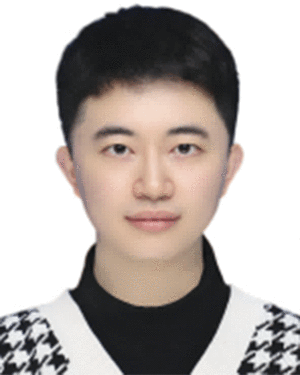 Kai Qian合作论文数5
 Thosini Kumarika Bamunu Mudiyanselage合作论文数Department of Computer Science, Georgia State University, Atlanta, GA 30302, USA5Yu Qiu合作论文数5Yunmei Lu合作论文数5
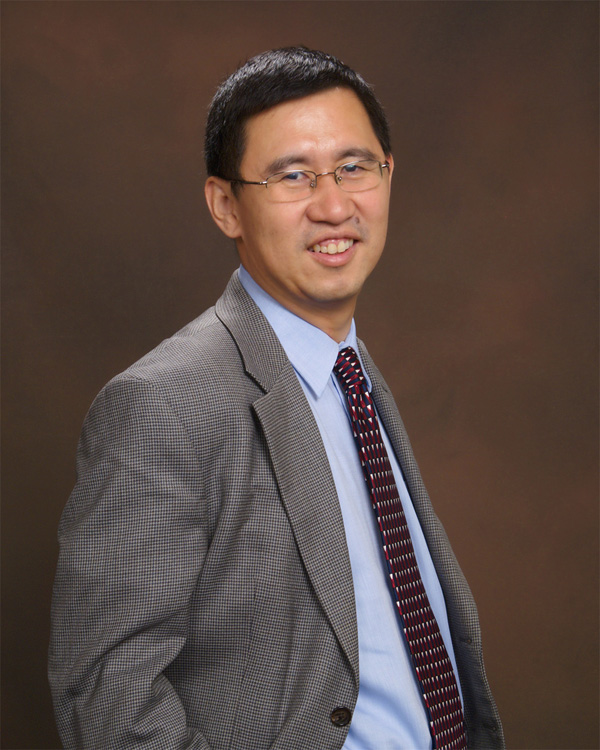 Binghe Wang (王炳和)合作论文数Department of Chemistry Georgia State University5
 Yun Zhu合作论文数georgia state university5
 Alex Zelikovsky合作论文数Department of Computer Science, Georgia State University5
 Florentin Smarandache合作论文数Department of Mathematics, University of New Mexico;Mathematics, Physics, and Natural Science Division, University of New Mexico5
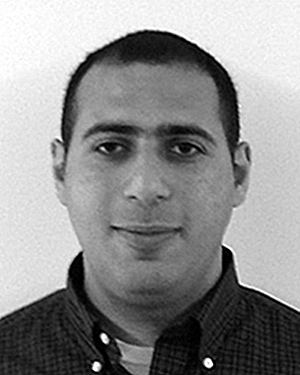 Yousef Shakhsheer合作论文数5
 Anu G. Bourgeois合作论文数Department of Computer Science, College of Arts & Sciences, Georgia State University5Luna Mingyi Zhang合作论文数5
 Sushil K. Prasad合作论文数University of Texas at San Antonio;Distributed and Mobile Systems Laboratory5Anjum Reyaz-Ahmed合作论文数5
 Yichuan Zhao合作论文数Department of Mathematics and Statistics, College of Arts & Sciences, Georgia State University4
 Brian Otis合作论文数Verily4
 Yan Chen (陈燕)合作论文数Huazhong University of Science & Technology4Feng Tan合作论文数4
 Tsau Young Lin合作论文数Department of Computer Science, College of Science, San Jose State University4
 G. Scott Owen合作论文数Department of Computer Science, College of Arts & Sciences, Georgia State University4
 Jagath Rajapakse合作论文数School of Computer Science and Engineering, Nanyang Technological University4Xuezheng Fu合作论文数4
 Michael Weeks合作论文数Department of Computer Science, College of Arts and Sciences, Georgia State University4Anjum Chida合作论文数3carl thomas gray合作论文数3Nipuna Senanayake合作论文数3
 Meng Han合作论文数3Y George Zheng合作论文数Univ Georgia, Dept Pharmaceut & Biomed Sci, Athens, GA 30602 USA3
 Xiaolin Hu合作论文数Georgia State University, Atlanta, GA3




