Background:Rotator cuff injury is the most common clinical shoulder joint disease, accounting for 50%-85% of all shoulder joint diseases. At present, arthroscopic rotator cuff repair has replaced the traditional surgical plan of incision and suture, becoming the first choice of surgeons. Its effectiveness and safety have been recognized in the industry. However, there are also occasional cases with poor postoperative effects and insufficient pain relief.Objective:To analyze the prognostic factors of arthroscopy rotator cuff repair.Methods:From February 2019 to February 2020, the primary data of 117 patients who received arthroscopic rotator cuff repair in the department of orthopedics of tenth people's hospital of Tongji university were retrospectively analyzed, and the surgical efficacy was followed up for one year after surgery.Results:There were 95 patients with a good prognosis, accounting for 81.20%. Multivariate analysis showed that age, preoperative course of the disease, degree of tear, and the use of platelet-rich plasma (PRP) were independent factors affecting prognosis.Conclusion:The age, preoperative course of the disease, rotator cuff tear degree, use of PRP during operation are important factors affecting the prognosis of arthroscopy rotator cuff repair.
最新版指南提供了如何对缺血性卒中或短暂性脑缺血发作后存活患者预防未来卒中事件的基于医学证据的全面、及时的建议。指南的受众是所有参与这些患者二级预防的临床医师。基于证据的建议包括控制危险因素,干预血管阻塞,心源性卒中患者的抗凝治疗和非心源性卒中患者的抗血小板治疗。建议还包括各种特殊病因如主动脉弓粥样硬化、主动脉夹层、卵圆孔未闭、高同型半胱氨酸血症、高凝状态、抗心磷脂抗体综合征、镰状细胞病、脑静脉窦血栓形成及妊娠等的卒中二级预防。指南有专门章节阐述颅内出血后的抗血小板和抗凝治疗,以及指南的执行情况。
 Qiuchen Cai合作论文数1Jing Lu (陆静)合作论文数1Chao Xue合作论文数1SiYi Xu (许嗣漪)合作论文数1Huan Bao (鲍欢)合作论文数1WenXia Zhu (朱雯霞)合作论文数1ShaoShi Wang (王少石)合作论文数1YaPing Xiao (肖亚平)合作论文数1Xuan Wang (王选)合作论文数1JunJie Hao (郝俊杰)合作论文数1
 Yumei Yang (杨玉梅)合作论文数School of Medicine, Tongji University1
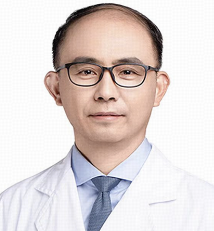 Biao Cheng (程飚)合作论文数Tongji Hospital of Tongji University;Tenth People's Hospital Affiliated to Tongji University1Dongfei Li (励冬斐)合作论文数1
 Dongya Huang (黄东雅)合作论文数School of Medicine, Tongji University1
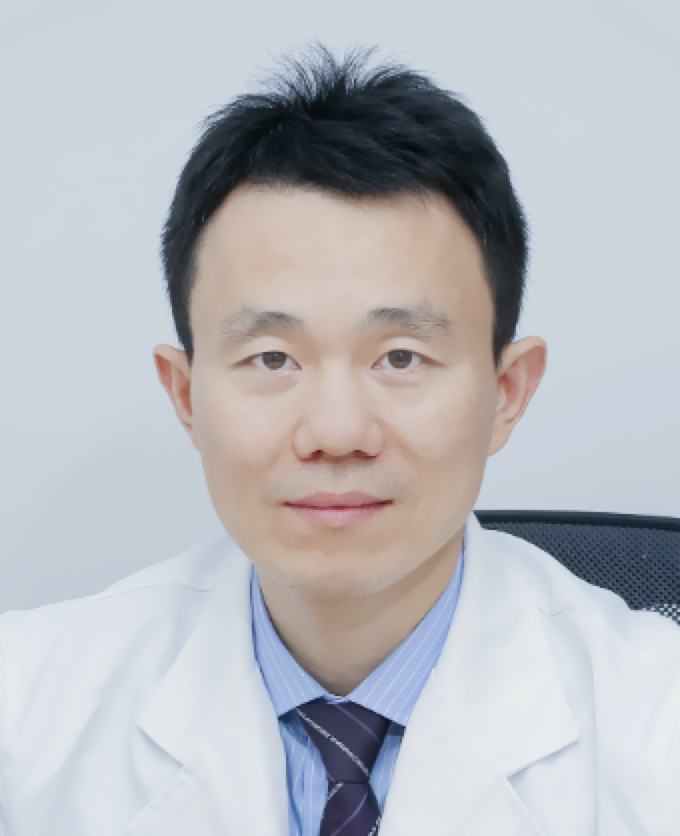 Fei Yu (余飞)合作论文数School of Medicine, Tongji University;Shanghai Tenth People's Hospital1
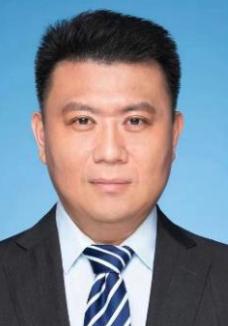 Gang Li (李刚)合作论文数Shanghai East Hospital of Tongji University1




