Recent advances in LLM-based multi-agent systems (MAS) show that workflows composed of multiple LLM agents with distinct roles, tools, and communication patterns can outperform single-LLM baselines on complex tasks. However, most frameworks are homogeneous, where all agents share the same base LLM and differ only in prompts, tools, and positions in the workflow. This raises the question of whether such workflows can be simulated by a single agent through multi-turn conversations. We investigate this across seven benchmarks spanning coding, mathematics, general question answering, domain-specific reasoning, and real-world planning and tool use. Our results show that a single agent can reach the performance of homogeneous workflows with an efficiency advantage from KV cache reuse, and can even match the performance of an automatically optimized heterogeneous workflow. Building on this finding, we propose OneFlow, an algorithm that automatically tailors workflows for single-agent execution, reducing inference costs compared to existing automatic multi-agent design frameworks without trading off accuracy. These results position the single-LLM implementation of multi-agent workflows as a strong baseline for MAS research. We also note that single-LLM methods cannot capture heterogeneous workflows due to the lack of KV cache sharing across different LLMs, highlighting future opportunities in developing truly heterogeneous multi-agent systems.
As a key to accessing research impact, citation dynamics underpins research evaluation, scholarly recommendation, and the study of knowledge diffusion. Citation prediction is particularly critical for newborn papers, where early assessment must be performed without citation signals and under highly long-tailed distributions. We identify two key research gaps: (i) insufficient modeling of implicit factors of scientific impact, leading to reliance on coarse proxies; and (ii) a lack of bias-aware learning that can deliver stable predictions on lowly cited papers. We address these gaps by proposing a Bias-Aware Citation Prediction Framework, which combines multi-agent feature extraction with robust graph representation learning. First, a multi-agent x graph co-learning module derives fine-grained, interpretable signals, such as reproducibility, collaboration network, and text quality, from metadata and external resources, and fuses them with heterogeneous-network embeddings to provide rich supervision even in the absence of early citation signals. Second, we incorporate a set of robust mechanisms: a two-stage forward process that routes explicit factors through an intermediate exposure estimate, GroupDRO to optimize worst-case group risk across environments, and a regularization head that performs what-if analyses on controllable factors under monotonicity and smoothness constraints. Comprehensive experiments on two real-world datasets demonstrate the effectiveness of our proposed model. Specifically, our model achieves around a 13% reduction in error metrics (MALE and RMSLE) and a notable 5.5% improvement in the ranking metric (NDCG) over the baseline methods.
Large language models (LLMs) achieve high accuracy in medical diagnosis when all clinical information is provided in a single turn, yet how they behave under multi-turn evidence accumulation closer to real clinical reasoning remains unexplored. We introduce MINT (Medical Incremental N-Turn Benchmark), a high-fidelity, multi-turn medical diagnosis benchmark comprising 1,035 cases with clinically labeled evidence shards, controlled turn granularity, and information-preserving decomposition. Through systematic evaluation of 11 LLMs on MINT, we uncover three persistent behavioral patterns that significantly impact diagnostic decisions: (1) intent to answer, models rush to answer before sufficient evidence has been observed, with over 55
Accurate diagnosis of pediatric brain tumors, starting with histopathology, presents unique challenges for deep learning, including severe data scarcity, class imbalance, and fine-grained morphologic overlap across diagnostically distinct subtypes. While pathology foundation models have advanced patch-level representation learning, their effective adaptation to weakly supervised pediatric brain tumor classification under limited data remains underexplored. In this work, we introduce an expert-guided contrastive fine-tuning framework for pediatric brain tumor diagnosis from whole-slide images (WSI). Our approach integrates contrastive learning into slide-level multiple instance learning (MIL) to explicitly regularize the geometry of slide-level representations during downstream fine-tuning. We propose both a general supervised contrastive setting and an expert-guided variant that incorporates clinically informed hard negatives targeting diagnostically confusable subtypes. Through comprehensive experiments on pediatric brain tumor WSI classification under realistic low-sample and class-imbalanced conditions, we demonstrate that contrastive fine-tuning yields measurable improvements in fine-grained diagnostic distinctions. Our experimental analyses reveal complementary strengths across different contrastive strategies, with expert-guided hard negatives promoting more compact intra-class representations and improved inter-class separation. This work highlights the importance of explicitly shaping slide-level representations for robust fine-grained classification in data-scarce pediatric pathology settings.
Academic question answering requires reasoning over heterogeneous scholarly graphs, where queries range from simple attribute lookups to multi-hop inference across author–paper–venue structures. Existing retrieval-augmented generation (RAG) systems struggle in this setting due to three limitations: (1) fixed retrieval strategies that do not adapt to varying query complexity, (2) the absence of sufficiency evaluation leading to incomplete or misaligned evidence, and (3) a lack of structured verification against graph facts. To address these issues, we propose an agentic heterogeneous graph RAG method that transforms the three core stages of the RAG pipeline into explicit agentic decision steps. A query-aware retrieval agent analyzes query type and selects an appropriate graph traversal strategy; a sufficiency-aware reranking agent assesses evidence completeness and adaptively expands the retrieved subgraph; and a graph-grounded verification agent checks entity, relation, and attribute correctness before finalizing the answer. Experiments on heterogeneous graphs constructed from OpenAlex and DBLP suggest that our method consistently outperforms strong LLM, graph-augmented RAG, and agent-based baselines.
Early-career scientists are essential to driving scientific progress, yet nearly half leave academia after their first publication. While factors like team size, gender, mentorship, and institutional prestige are known to affect retention, the influence of team hierarchy on junior researchers' career paths remains underexplored. This study examines the relationship between hierarchical structures within research teams and the retention of junior scientists, using Microsoft Academic Graph data from over 30 million publications across 19 disciplines. In this study, a team is defined as all authors of a publication with two or more authors. We define retention as a combination of active paper publishing (continue publishing), academic independence (continue publishing without depending on the same senior authors), and career progression (change institution). Team hierarchy is measured through the Gini coefficient of publication career age for all team members. We find that junior researchers in flatter teams (<= 5 years of publication experience) tend to have higher retention, particularly in the social sciences and in smaller teams. These findings remain robust when accounting for diverse individual- and team-based variables and are consistent across different disciplines. These findings remain robust when accounting for diverse individual- and team-based variables and are consistent across different disciplines. However, this pattern is largely driven by selection: more capable or committed junior researchers are more likely to work in flatter teams. These findings provide insights on how team composition relates to early-career retention and can inform approaches to mentoring and collaboration that support sustainable academic careers.
Long COVID (LC) poses a challenge for clinical decision support because relevant evidence is distributed across sources with different update cycles, evidentiary roles, and levels of clinical maturity. We present a clinician-facing chatbot that organizes four sources within a retrieval-augmented workflow: expert-curated consensus guidance, current PubMed literature, registered interventional trials, and evidence from living systematic reviews. Consensus guidance is always included to frame responses, while the remaining sources are retrieved in parallel when selected by the user. In an exploratory automated evaluation on 50 clinician-facing questions, our chatbot showed comparable mean ratings to OpenEvidence, with numerically higher scores and lower score variability in an LLM-judged comparison.
LLM agents in knowledge intensive question answering take retrieval and reasoning actions with incomplete knowledge about whether their current answer is uncertain, unsupported, or already complete. This produces two failure modes: committing to confident but unsupported answers, which hurts accuracy, and over-retrieving when the evidence in hand already suffices, resulting in wasted compute. To give agents a more complete picture of the state space they are operating in, we introduce calibrated verifier telemetry (CalVerT), which augments the agent's state with additional telemetry: a calibrated self-confidence score and a grounding verifier score. We show that CalVerT can improve agents in both training-free and training-based settings. On four QA benchmarks, we find that CalVerT raises F1 by triggering retrieval in cases where agents over-rely on parametric knowledge, while cutting redundant retrieval in cases where agents have sufficient context to answer. We show that CalVerT can augment existing QA frameworks without training. Moreover, CalVerT also improves trained systems: by simply augmenting an agent's state with telemetry, we observe improvements after reinforcement learning, as compared to an agent with identical training but no CalVerT telemetry.
Predicting how a cell will change its transcriptional state under a developmental signal or a genetic perturbation is the computational core of in-silico biology and the AI Virtual Cell program. Existing approaches either fit static control-to-treated maps that discard time, or solve multi-step ODE / Schrödinger-bridge problems on each dataset independently. We introduce Chreode, a one-step cell world model that predicts action-conditioned cell-state transitions through a structured residual transition operator. It shifts distributional evolution from inference time to training time, enabling single-pass generation while preserving a Waddington-inspired decomposition into downhill landscape flow, rotational in-tangent dynamics, and stochastic spread. The model is pretrained with a shared scVI encoder and a DiT-based dynamics backbone on a 2.4M-cell mouse embryonic atlas spanning 7 datasets. As a fine-tuning initialization, Chreode improves per-target Sinkhorn distance on Weinreb hematopoiesis and Veres islet differentiation over matched scratch models, PI-SDE, and PRESCIENT. As a transferable gene-state embedding for GEARS, the pretrained dynamics representation reduces shared-vocabulary DE20 mean squared error on Norman Perturb-seq from 0.2121 to 0.1858, a 12.4
The promises and perils about scientific team diversity are still debated in the scholarly literature, partly because the importance of underrepresented groups is not fully recognized or valued. In this paper, we summarize two perspectives on team diversity in science: horizontal differences and vertical disparity. Horizontal differences refer to variations across individuals on equal levels, such as differences in gender, nationality, and occupation. Vertical disparity reflects broader social and structural inequalities that limit historically marginalized groups. We introduce team hierarchy, defined as the distribution of power and influence among team members, as a moderating mechanism that helps explain the mixed findings surrounding team diversity and performance. Understanding how hierarchical structures shape diversity is not only important to maximize the benefits of diverse teams but also for enhancing the representation and impact of underrepresented voices. By analyzing 64,038 papers from PloS One and 75,260,139 teams from Microsoft Academic Graph (MAG), our comprehensive study underscores the critical role of team hierarchy in significantly affecting team performance. We also investigate how team hierarchy interacts with team diversity along three dimensions: authors' gender, sector, and country. Interestingly, we find that flat team structures are more positively associated with performance in diverse teams than in homogeneous teams, where members share similar identities. This effect is particularly strong in science compared to social science & arts disciplines. Drawing from social identity and social dominance theories, we propose that flat team structures foster conditions for diverse teams to flourish, enabling minority groups to assume significant roles and wield influential power. Our study contributes valuable insights into team diversity within the scientific community, emphasizing the significance of meaningful inclusion beyond mere numerical representation.
We study interaction-aware mixture-of-experts for post-stroke rigidity prediction using multi-level views of structured health records. Despite minimal performance gains, routing attribution reveals systematic importance differences across views, underscoring view construction as key to interpretability.
Scientific progress today is increasingly realized through collaboration. Recent global crises and shifting geopolitical and funding landscapes have shown that collaboration is not immune to shocks. These disturbances call for a deeper examination of the resilience of science, specifically how the scientific community sustains its functionality and collaborative output amid potential shocks and failures. In this study, we conceptualize resilience as a structural property of scientific collaboration and quantify it using an interpretable, network-theoretic measure. Using a large-scale bibliographic dataset, we construct coauthorship networks across multiple disciplines from 1985 to 2014 and perform stress-test experiments that simulate stylized perturbations to identify the structural elements that support system resilience. Our findings show that discipline-level resilience is positively associated with higher collaboration intensity and, more strongly, with greater variance in scientists' collaboration outcomes. Moreover, we find that persistent collaborations-stable and strong collaborations between scientists-play a central role in fostering resilient network structures across fields; they comprise only a small share of links yet are disproportionately held by scientists in the top decile of productivity. Overall, this study offers a network-based framework for understanding the structural resilience of scientific collaboration and implies the important role of persistent collaboration in supporting that resilience.
Memory is critical for enabling large language model (LLM) based agents to maintain coherent behavior over long-horizon interactions. However, existing agent memory systems suffer from two key gaps: they rely on a one-size-fits-all memory structure and do not model memory structure selection as a context-adaptive decision, limiting their ability to handle heterogeneous interaction patterns and resulting in suboptimal performance. We propose a unified framework, FluxMem, that enables adaptive memory organization for LLM agents. Our framework equips agents with multiple complementary memory structures. It explicitly learns to select among these structures based on interaction-level features, using offline supervision derived from downstream response quality and memory utilization. To support robust long-horizon memory evolution, we further introduce a three-level memory hierarchy and a Beta Mixture Model-based probabilistic gate for distribution-aware memory fusion, replacing brittle similarity thresholds. Experiments on two long-horizon benchmarks, PERSONAMEM and LoCoMo, demonstrate that our method achieves average improvements of 9.18
Dense 3D reconstruction is critical for clinical endoscopic navigation and documentation. While Gaussian Splatting SLAM systems show promise in this domain, they fundamentally rely on strict multi-view photometric consistency. In routine procedures, this assumption is severely violated by intermittent optical degradations like moving debris and water flushing. Standard systems erroneously fuse these cameraattached artifacts into the persistent 3D geometry, causing severe tracking drift and irreversible map corruption. To address this limitation, we propose EndoMD-SLAM, a framework designed to maintain stability under optical degradation through specialized tracking and mapping mechanisms. On the tracking side, a memory-driven gating mechanism detects unreliable observations to suspend map updates and utilizes historical keyframes for drift-aware relocalization. On the mapping side, a self-supervised static-transient decomposition isolates visual contaminants into a dedicated transient field. This explicit separation prevents artifacts from structurally entangling with the persistent anatomical map. We curate a degradationfocused benchmark from colonoscopy videos to systematically evaluate these failure modes. Extensive experiments show that while standard baselines fail under severe optical degradation, EndoMD-SLAM preserves geometric integrity, reducing absolute trajectory error by 91
People experiencing homelessness (PEH) face substantial barriers to accessing timely, accurate information about community services. DreamKG addresses this through a knowledge graph-augmented conversational system that grounds responses in verified, up-to-date data about Philadelphia organizations, services, locations, and hours. Unlike standard large language models (LLMs) prone to hallucinations, DreamKG combines Neo4j knowledge graphs with structured query understanding to handle location-aware and time-sensitive queries reliably. The system performs spatial reasoning for distance-based recommendations and temporal filtering for operating hours. Preliminary evaluation shows 59
Accurate classification of pediatric central nervous system tumors remains challenging due to histological complexity and limited training data. While pathology foundation models have advanced whole-slide image (WSI) analysis, they often fail to leverage the rich, complementary information found in clinical text and tissue microarchitecture. To this end, we propose PathMoE, an interpretable multimodal framework that integrates H&E slides, pathology reports, and nuclei-level cell graphs via an interaction-aware mixture-of-experts architecture built on state-of-the-art foundation models for each modality. By training specialized experts to capture modality uniqueness, redundancy, and synergy, PathMoE employs an input-dependent gating mechanism that dynamically weights these interactions, providing sample-level interpretability. We evaluate our framework on two dataset-specific classification tasks on an internal pediatric brain tumor dataset (PBT) and external TCGA datasets. PathMoE improves macro-F1 from 0.762 to 0.799 (+0.037) on PBT when integrating WSI, text, and graph modalities; on TCGA, augmenting WSI with graph knowledge improves macro-F1 from 0.668 to 0.709 (+0.041). These results demonstrate significant performance gains over state-of-the-art image-only baselines while revealing the specific modality interactions driving individual predictions. This interpretability is particularly critical for rare tumor subtypes, where transparent model reasoning is essential for clinical trust and diagnostic validation.
Healthcare models are transitioning from unimodal prediction toward multimodal reasoning over heterogeneous diagnostic inputs. In computational pathology, for complex tumor subtypes where morphology alone can be challenging to distinguish, pathology reports and molecular measurements may provide additional diagnostic evidence alongside whole-slide images, yet existing models often fail to clarify how diverse signals assemble into recognizable diagnostic concepts. We propose ConceptM^3oE (Concept Multimodal MoE), which embeds concept formation directly within interaction-aware mixture-of-experts (MoE) pathways. The architecture decomposes evidence into modality-specific, redundant, and synergistic experts, which are then projected into structured concept bottlenecks mapping latent features to a hierarchy of morphology and biomarker concepts. To prevent the information loss typical of interpretable bottlenecks, we utilize residual pathways within each expert to allow task-relevant signals to flow both through the concepts and directly to the final task prediction, so that high performance is maintained alongside interpretability. Across an institutional pediatric brain tumor cohort and a public glioma cohort, the framework delivers competitive performance to unconstrained models while producing reasoning traces validated by an independent neuropathologist. In data-limited regimes, ConceptM^3oE improves limited-data performance, increasing macro-F1 from 56.41
OBJECTIVE:Extracting social determinants of health (SDoHs) from medical notes depends heavily on labor-intensive annotations, which are typically task-specific, hampering reusability and limiting sharing. Here, we introduce SDoH-GPT, a novel framework leveraging few-shot learning large language models (LLMs) to automate the extraction of SDoH from unstructured text, aiming to improve both efficiency and generalizability. MATERIALS AND METHODS:SDoH-GPT is a framework including the few-shot learning LLM methods to extract the SDoH from medical notes and the XGBoost classifiers which continue to classify SDoH using the annotations generated by the few-shot learning LLM methods as training datasets. The unique combination of the few-shot learning LLM methods with XGBoost utilizes the strength of LLMs as great few shot learners and the efficiency of XGBoost when the training dataset is sufficient. Therefore, SDoH-GPT can extract SDoH without relying on extensive medical annotations or costly human intervention. RESULTS:Our approach achieved tenfold and twentyfold reductions in time and cost, respectively, and superior consistency with human annotators measured by Cohen's kappa of up to 0.92. The innovative combination of LLM and XGBoost can ensure high accuracy and computational efficiency while consistently maintaining 0.90+ AUROC scores. DISCUSSION:This study has verified SDoH-GPT on three datasets and highlights the potential of leveraging LLM and XGBoost to revolutionize medical note classification, demonstrating its capability to achieve highly accurate classifications with significantly reduced time and cost. CONCLUSION:The key contribution of this study is the integration of LLM with XGBoost, which enables cost-effective and high quality annotations of SDoH. This research sets the stage for SDoH can be more accessible, scalable, and impactful in driving future healthcare solutions.
Forecasting irregular time series is a foundational challenge in critical domains such as healthcare and climate science where data are frequently sparse, non-uniform, and incomplete. While recent continuous-time models effectively handle such irregularities by explicitly modeling underlying physical dynamics, they often incur high computational costs due to the reliance on complex numerical integration. This creates a stark trade-off between predictive accuracy and computational efficiency. Inspired by the success of data augmentation in training large language models, this paper presents an alternative framework that addresses this data scarcity by using a lightweight data synthesis module to generate synthetic time series that mimic the original data dynamics. These synthetic samples act as a bridge, enabling deep learning models to capture complex temporal dependencies without solving differential equations. Our framework further employs an iterative process to continuously refine the quality of the synthetic data, further boosting its utility. Experimental results on synthetic and real-world clinical data show that this method improves forecasting accuracy, most notably in regimes where the underlying dynamics are non-periodic and hard to extrapolate from sparse history, while maintaining the computational efficiency of standard recurrent architectures.
Thematic analysis (TA) is widely used in health research to extract patterns from patient interviews, yet manual TA faces challenges in scalability and reproducibility. LLM-based automation can help, but existing approaches produce codebooks with limited generalizability and lack analytic auditability. We present an automated TA framework combining iterative codebook refinement with full provenance tracking. Evaluated on five corpora spanning clinical interviews, social media, and public transcripts, the framework achieves the highest composite quality score on four of five datasets compared to six baselines. Iterative refinement yields statistically significant improvements on four datasets with large effect sizes, driven by gains in code reusability and distributional consistency while preserving descriptive quality. On two clinical corpora (pediatric cardiology), generated themes align with expert-annotated themes.
 Yi Bu (步一)合作论文数Department of Information Management, Peking University53
 Dieter A. Fensel合作论文数Department of Computer Science, University of Innsbruck45
 Yifan Peng合作论文数Department of Population Health Sciences, Weill Cornell Medicine33
 Erjia Yan合作论文数Department of Information Science, College of Computing and Informatics, Drexel University31
 Min Song合作论文数Department of Library and Information Science, Yonsei University29
 Daifeng Li (李岱峰)合作论文数School of Information Management, Sun Yat-sen University25
 David Wild合作论文数The Integrative Data Science Lab, Luddy School of Informatics, Computing, and Engineering, Indiana University25
 Jie Tang (唐杰)合作论文数Department of Computer Science and Technology, Tsinghua University24
 Michel Klein合作论文数Faculty of Science, Vrije Universiteit Amsterdam;Network Institute, Vrije Universiteit Amsterdam24
 Tianlong Chen (陈天龙)合作论文数UNITES Lab, University of North Carolina at Chapel Hill;Computer Science and Artificial Intelligence Laboratory, Massachusetts Institute of Technology;Broad Institute, Massachusetts Institute of Technology and Havard23
 Meijun Liu (柳美君)合作论文数Institute for Global Public Policy, Fudan University18
 Jian Xu (徐健)合作论文数School of Information Management, Sun Yat-Sen University18
 Justin Rousseau合作论文数The University of Texas Southwestern Medical Center17
 Chenwei Zhang (張晨薇)合作论文数Faculty of Education, The University of Hong Kong17
 Zhangyang “Atlas” Wang (汪张扬)合作论文数XTX Markets17
 Borys Omelayenko合作论文数16
 Yujia Zhai (翟羽佳)合作论文数Management School of Tianjin Normal University;School of information Management, Wuhan University14
 Yi Zhang合作论文数14
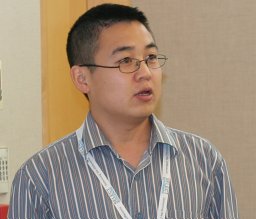 Bin Chen合作论文数Michigan State Univ, Coll Human Med, Dept Pediat & Human Dev, Grand Rapids, MI 49503 USA13
 Schubert Foo合作论文数School of Communication and Information, Nanyang Technological University13
 Ellen Schulten合作论文数13
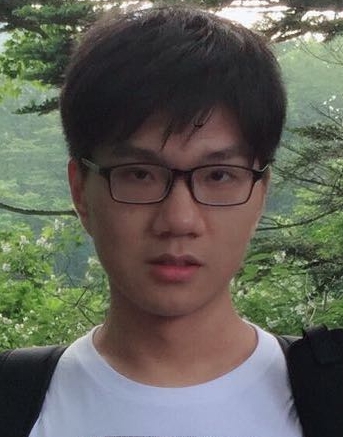 Yan Han (韩焱)合作论文数Department of Electrical and Computer Engineering, The University of Texas at Austin12
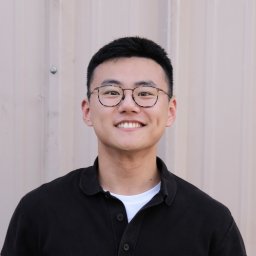 Song Wang合作论文数The University of Texas at Austin12
 Chongyan Chen (陈崇彦)合作论文数Google DeepMind12
 Chao Lu (卢超)合作论文数School of Business, Hohai University12
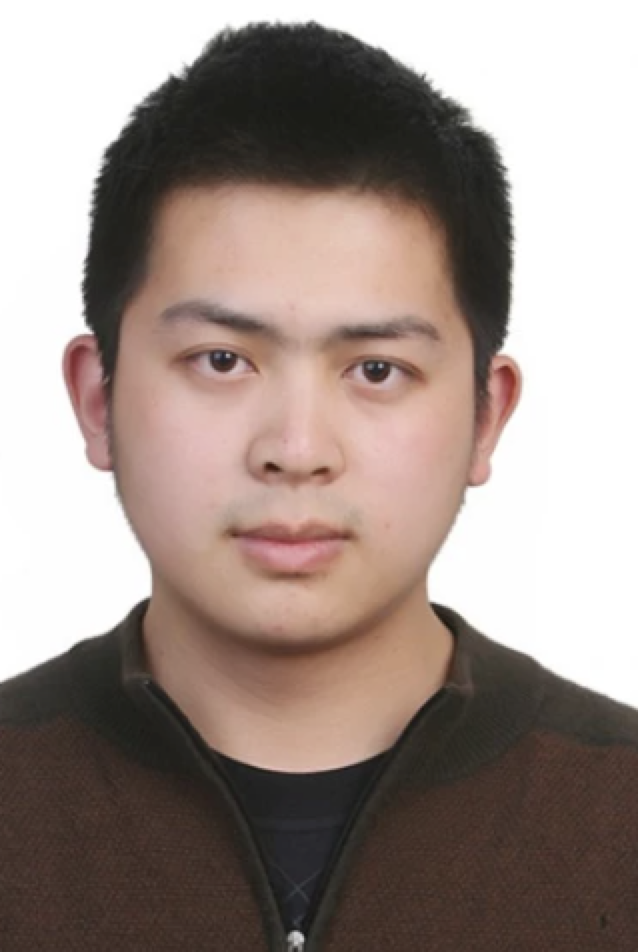 Min Chao (闵超)合作论文数School of Information Management, Nanjing University;Digital Humanities Initiative, Institute of Advanced Studies in Humanities and Social Sciences, Nanjing University12
 Staša Milojević合作论文数Luddy School of Informatics, Computing and Engineering, Indiana University Bloomington12
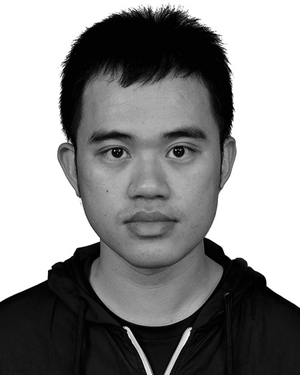 Mingquan Lin合作论文数City Univ Hong Kong, Dept Elect Engn, Hong Kong, Hong Kong, Peoples R China11Huijun Wang合作论文数School of Informatics and Computing, Indiana University, Bloomington, IN, USA11
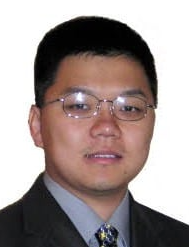 Weijia Xu合作论文数Visa11
 Chengzhi Zhang (章成志)合作论文数School of Economics and Management, Nanjing University of Science and Technology11
 Guy Botquin合作论文数11
 Mike Brown合作论文数10
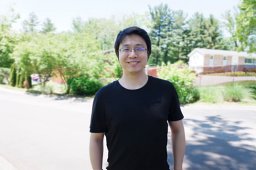 Tingyi Wanyan合作论文数Icahn Sch Med Mt Sinai, Hasso Plattner Inst Digital Hlth Mt Sinai, New York, NY 10065 USA10
 Benjamin Glicksberg合作论文数Windreich Department of Artificial Intelligence and Human Health, Icahn School of Medicine at Mount Sinai;Center for AI in Children’s Health, Icahn School of Medicine at Mount Sinai10
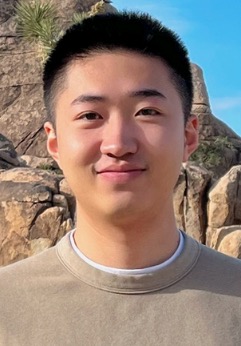 Liyan Tang (唐立言)合作论文数Text Analysis, Understanding, and Reasoning Lab, The University of Texas at Austin;BespokeLabs.AI10Gloria Dabiri合作论文数9
 Gobinda Chowdhury合作论文数Department of Computer and Information Sciences, University of Strathclyde9
 Xin Shuai合作论文数Wissee9Yuyin Sun合作论文数School of Library and Information Science, Indiana University, Bloomington, IN9
 Cassidy R. Sugimoto合作论文数School of Public Policy, Ivan Allen College of Liberal Arts, Georgia Institute of Technology9
 Mengjia Wu合作论文数Faculty of Engineering and Information Technology, Australian Artificial Intelligence Institute, University of Technology Sydney, Ultimo, NSW, Australia.8
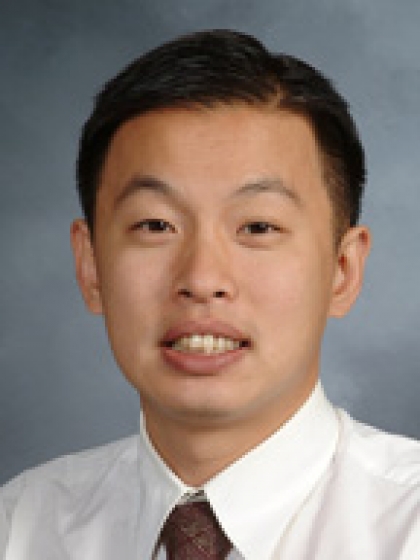 George Shih合作论文数Department of Radiology, Weill Cornell Medical College, Cornell University8
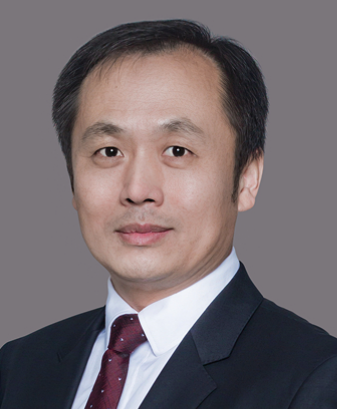 Wei Lu (陆伟)合作论文数School of Information Management, Wuhan University8
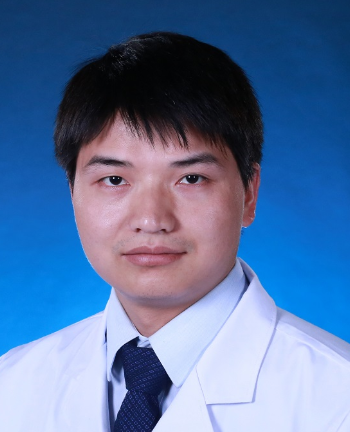 Yong Huang (黄勇)合作论文数Zhongnan Hospital, Wuhan University8
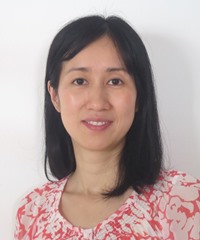 Jing Jiang合作论文数School of Computing and Information Systems, Singapore Management University8
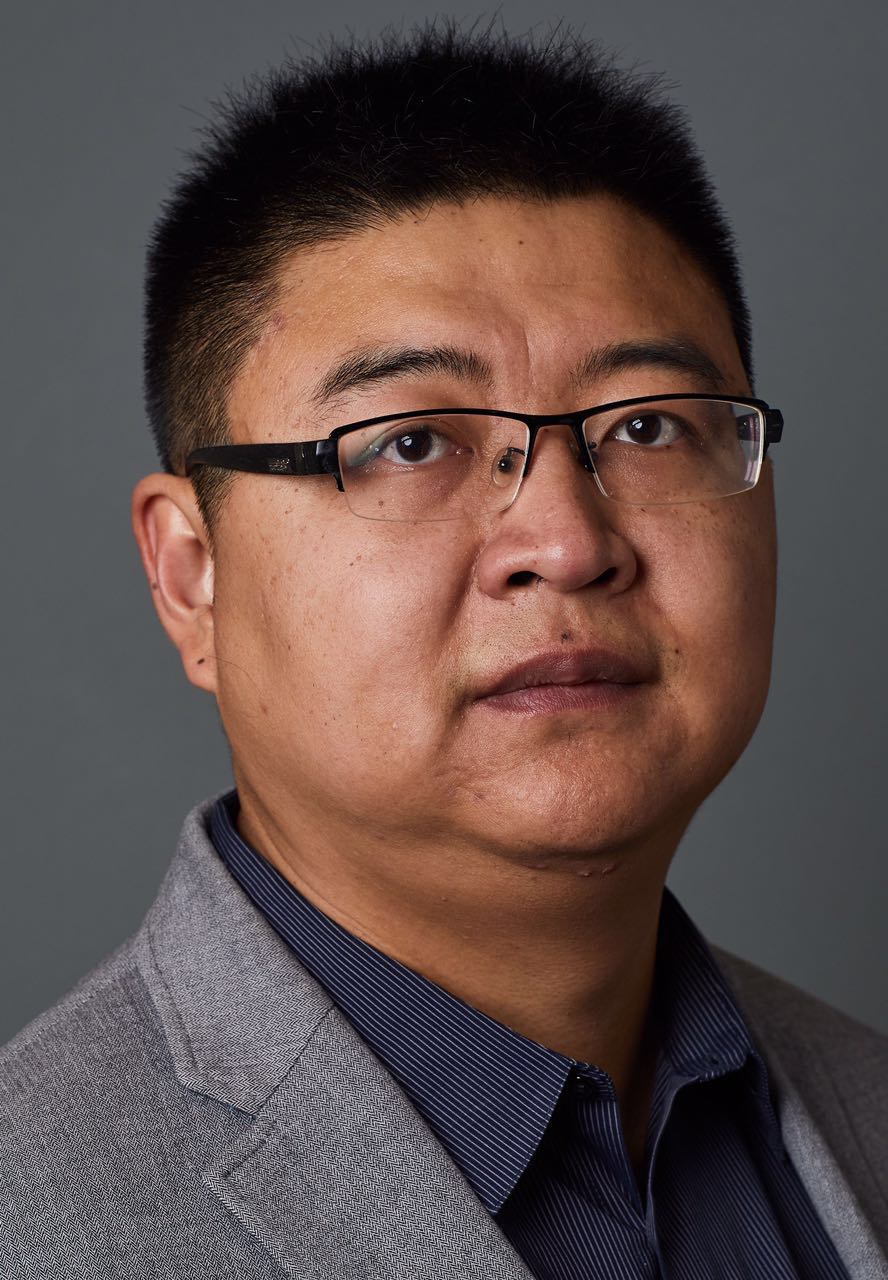 Fei Wang合作论文数Division of Health Informatics and AI, Department of Population Health Sciences, Weill Cornell Medicine, Cornell University;Department of Emergency Medicine, Weill Cornell Medicine, Cornell University8
 Ioan Toma合作论文数Semantic Technology Institute Innsbruck, University of Innsbruck;CAIO8
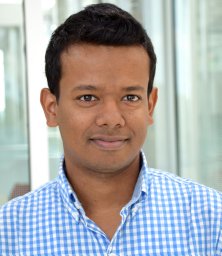 Ariful Azad合作论文数Luddy School of Informatics, Computing, and Engineering, Indiana University8




