In this paper, in terms with the analysis operator and bounded linear operators, we give some novel conclusions on the sum of [Formula: see text]-frames in Hilbert space, which completely improve and generalize the existing results of the sum of [Formula: see text]-frames, and construct some numerical examples to illustrate the validity and rationality of our conclusions.
Image fusion is a common approach to enhancing image quality by combining the strengths of multi-modal visual signals, thereby improving the performance of computer vision tasks. However, privacy concerns regarding raw images leave data from multiple domains and clients isolated, preventing centralized training of a universal image fusion model. Federated learning (FL) is a distributed framework that enables collaborative model training by aggregating parameters from multiple nodes without sharing raw data, offering a privacy-preserving solution for lightweight and generalizable models. In this paper, we propose the federated multi-modal image fusion (FedMIF), a general multi-modal image fusion solution across multiple domains that operates without raw data sharing. We notice existing FL methods lack task-specific strategies tailored for general fusion tasks, leading to suboptimal fusion performance. To address this, we propose a four-stage framework that enhances detail features while maintaining overall visual quality, which are 1) Server initialization stage, dual decoders are trained on natural data to regulate feature distribution. 2) Task-agnostic stage, all clients collaboratively train the encoder to improve feature extraction performance. 3) Task-specific stage, training is conducted within relevant tasks to address the negative impact of inconsistent optimization objectives across different tasks. 4) Local-specific stage, local adapters are trained on each client to help mitigate detail loss resulting from model aggregation. Complete subjective and objective comparisons prove that FedMIF could generate information-rich fusion results on four fusion tasks while requiring less communication overhead. Our code is available at: https://github.com/suweijian1996/FedMIF.
As a key technique in multi-modal processing, infrared and visible image fusion (IVIF) plays a crucial role in integrating complementary spectral information for visual enhancement and downstream vision tasks. Despite remarkable progress, existing methods struggle to flexibly accommodate heterogeneous demands. Achieving adaptive fusion that aligns with various preferences from both human and machine vision remains an open and challenging problem. To address this challenge, we propose DPOFusion, a direct preference optimization (DPO) framework integrating the property-aligned latent diffusion model (PALDM) and the preference-controllable latent diffusion model (PCLDM), enabling task-guided, preference-adaptive IVIF for both human and machine vision. The PALDM leverages a latent fusion prior and a joint conditional loss to generate diverse candidate fusion results with various properties. PCLDM is subsequently fine-tuned via instance direct preference optimization (IDPO), enabling direct control of the final fusion results with heterogeneous preference signals. Experimental results demonstrate that our framework not only attains precise preference alignment among humans, vision-language models, and task-driven networks, but also sets a new benchmark for adaptive fusion quality and task-oriented transferability.
Infrared–visible image fusion, which enhances the perceptual deficiencies of a single modality, is commonly used for surveillance, detection, and tracking tasks. However, an important issue in the all-weather perception of Unmanned Aerial Vehicles (UAVs) is the impact of distortion from the outdoor scene. Unlike ideal imaging, the captured images in practical outdoor environments are affected by weather and temperature such as rain and fog. This article proposes DAFormer, an infrared–visible restoration fusion solution, which enhances the collaborative perception performance from degraded Infrared–visible images. The DAFormer comprises a dual-branch encoder embedded with the Degradation-Aware Mixture of Experts (DA-MoE), a Switch Fusion Module (SFM), and a single-branch decoder. Specifically, DA-MoE decouples the distortion features across spatial and channel dimensions through residual learning, utilizing a dual-branch encoder to isolate cross-modal influences. Later, the SFM iteratively trains DAFormer by alternating between restoration and fusion paths, driving convergence toward restoration-fusion objectives. Experiments conducted in high-altitude monitoring and overhead surveillance scenarios demonstrate the superior ability to remove unpaired distortion across modalities, producing fused results that preserve crucial information and align with human visual perception. The DAFormer’s code can be found at: https://github.com/suweijian1996/DAFormer .
Images captured under low-light conditions are often accompanied by reduced visibility, noise, and color distortion. However, when using the CNN-Transformer hybrid model for low-light image enhancement, input noise randomly infiltrates the global features, disrupting the representation of critical features in the original input. To tackle this, we propose FFTFormer, a fast fourier transform embedded noise-aware CNN-Transformer, which removes noise in both the spatial and frequency domains. Specifically, FFTFormer adopts a U-shaped network architecture, comprising a transformer-based encoder with an integrated self-attention mechanism (CA_Swin), a FFT-embedded fusion module (FFTF), and a CNN-based decoder. FFTFormer first uses CA_Swin to differentiate feature importance, initially filtering out coarse-grained noise in the spatial domain. Then, it employs FFTF to refine the image features into multi-scale frequency domains, further distinguishing persistent noise mixed within the features. Finally, a locally spatial-sensitive CNN decoder progressively reconstructs the image's details and brightness. Extensive experiments are conducted to validate the proposed method. Particularly, FFTFormer achieves improvements of 0.0216 in SSIM and 2.1219 in PSNR on the MIT-Adobe FiveK dataset. Compared with the baseline method LLFormer, FFTFormer improves SSIM and PSNR by 0.0255 and 0.6960 on the LOL dataset, and 0.0216 and 3.2897 on the MIT-Adobe FiveK dataset.
In image denoising, preserving the object edges and fine texture details is crucial for restoring high-quality images. However, most image denoising methods fail to integrate edge information, resulting in excessive smoothing of the denoised images. In this paper, we propose a lightweight edge-integrated image denoising convolutional neural network (EIID), which comprises two parallel branches, namely image branch and the edge branch, to separately handle the input noisy image and its object edge layer. First, EIID obtains the object edge layer of an input noisy image using Laplacian operator. Second, the noisy image is input into the image branch to extract global and local features, while the object edge layer is input into the edge branch, to extract edge features. Finally, a mask fusion strategy is adopted to dynamically fuse the global and local features of the input image and its edge detail features. The fused features are then processed through convolutional operations to recovery the denoised image. Experimental results demonstrate the outstanding performance of EIID on synthetic and real noise datasets. EIID achieves a PSNR/SSIM improvement of 0.13dB/0.003 on the grayscale dataset Urban100 and 0.22dB/0.001 on the color dataset BSD68 with noise intensity of 25. Moreover, on the real noise dataset PolyU, it achieves a PSNR/SSIM improvement of 0.17dB/0.001. Additionally, the parameter count of EIID is one-sixteenth that of Restomer, and its number of floating-point operations is one-fourth.
This paper presents novel methods to improve feature extraction and recognition capabilities in handwritten mathematical expression recognition (HMER). By introducing a multi-scale residual (MSR) module within a DenseNet encoder, we effectively capture detailed and global features across different scales, thus overcoming feature loss problems commonly encountered in HMER tasks. In addition, we propose a data augmentation strategy based on spatial transformations to increase feature diversity without additional data. Our methodology is extensively evaluated on the CROHME 2014, 2016, and 2019 datasets, achieving recognition accuracies of 56.75 https://github.com/freedompuls/MsMER , facilitating reproducibility. This work advances the state of the art in HMER and provides valuable insights for researchers and practitioners in image processing and pattern recognition.
In the task of infrared and visible image fusion, achieving high-quality fusion results typically requires preserving detailed texture and minimizing information loss, while maintaining high contrast and clear edges; however, existing methods often struggle to balance these objectives, leading to texture degradation and information loss during the fusion process. To address these challenges, we propose TPFusion, a texture-preserving and information loss minimization method for infrared and visible image fusion. TPFusion consists of the following key components: a multi-scale feature extraction module for enhancing the capability of capturing features; a texture enhancement module and contrast enhancement module, which helps to preserve fine-grained textures and extract salient contours and contrast information; a dual-attention fusion module for fusing the features extracted from the source images; an information content based loss function minimizing the feature discrepancy between the fused images and the source images and effectively reducing the information loss. Extensive evaluations demonstrate that TPFusion achieves superior fusion performance. Across three datasets, TPFusion delivers the best results: on the TNO dataset, it raises AG by 2.69% and QAB/F by 0.75%; on the MSRS dataset, it lift AG by 9.99% and CC by 9.46%; and on the M3FD it boosts SCD by 1.58% and EN by 2.93% over the second best method. In downstream tasks, TPFusion attains the highest mean average precision on object detection achieves the second-highest accuracy on semantic segmentation.
Visual segmentation based on the meaning of Uyghur text is an important process of dynamic Uyghur character retrieval, It also provides great convenience for workers who learn and understand the Uygur language for the first time. To address the challenges of strong continuity and high character similarity in handwritten Uyghur text, which make effective segmentation difficult, we propose an efficient and lightweight model for handwritten Uyghur text Detection segmentation, based on the Deeplabv3+ network in convolutional neural networks. Our experiment selects 100 common words in Uyghur language, and collects a total of 7093 handwritten samples. We use median filtering, adaptive threshold binarization and other operations to standardize and denoise the samples to achieve scientific preprocessing. We use the MobileNetV2 module by replacing the original Xception module in the model, to guarantee precision, significantly reducing training parameters and saving training time. To solve potential positive and negative sample imbalance in data, we use Focal loss and Dice loss. Moreover, we introduce CBAM attention mechanism in the deep feature extraction network to enhance the ability of deep feature extraction and refine important text features. Our experimental results demonstrate that the proposed algorithm significantly improves segmentation accuracy while meeting performance requirements, shortening training time, and enhancing the segmentation effect of handwritten Uyghur text, improve readability of split text.
In this paper, woven frame and woven K-frame as the extensions of the frame, we give some new sufficient conditions about woven frame and woven K-frame for constructing new woven frames by a previous woven frame under a linear bounded operator or by previous woven frames with different operators, which improve existing results, and construct some examples of woven frames. In addition, we establish some novel results on the sum of woven K-frame.
Existing infrared and visible image fusion techniques based on generative adversarial networks (GAN) generally disregard local and texture detail features, which tend to limit the fusion performance. Therefore, we propose a GAN model based on dual fusion paths and a U-type discriminator, denoted as DUGAN. Specifically, the image and gradient paths are integrated into the generator to fully extract the content and texture detail features from the source images and their corresponding gradient images. This incorporation aids the generator in generating fusion results with rich information by integrating output features of dual fusion paths. In addition, we construct a U-type discriminator to focus on input images’ global and local information, which drives the network to generate fusion results visually consistent with the source images. Furthermore, we integrate attention blocks in the discriminator to improve the representation of salient information. Experimental results demonstrate that DUGAN has better performance in qualitative and quantitative evaluation compared with other state-of-the-art methods. The source code has been released at https://github.com/chang-le-11/DUGAN.
Rain is a common weather phenomenon, and the challenge of removing rain streaks from a single image is crucial due to its detrimental impact on image quality and the extraction of valuable background information. Existing methods commonly rely on specific assumptions regarding rain models, which restricts their ability to accommodate a wide range of real-world scenarios. To overcome this limitation, these methods often require complex optimization techniques or stepwise refinement strategies. In this paper, we propose a novel wide rectangular regional block and dual attention complementary enhancement deraining kernel prediction subnet to meet the challenge. The network called WRRDANet consists of a kernel prediction subnet and pixel-wise dilation filtering. In the kernel prediction subnet, we capture more specific contextual background information and complex pixel-wise kernels. Afterward, the learned pixel-wise multi-scale kernels from the kernel prediction subnet are used to perform dilation filtering on the original rainy image, effectively restoring richer background details by expanding the scope of deraining to a larger extent. We conducted a comprehensive evaluation using synthetic and real rainfall datasets to demonstrate the effectiveness of our approach. The results, both qualitatively and quantitatively, indicate that our approach outperforms other popular rain removal methods.
Aiming at the problems of difficult Uyghur feature extraction, easy missed detection of targets and low detection efficiency, a Uyghur text detection method based on CenterNet is proposed. Firstly, the lightweight EfficientNetV2-S is used as the backbone network to reduce the network parameters and improve the ability of the network to extract features. Then, the SE module in the backbone network EfficientNetV2-S is replaced by the ECA module to improve the network operation speed of the network. In addition, according to the characteristics of the diversity of Uyghur target size, the deconvolution module in CenterNet is removed, and the pyramid network of features is introduced to enhance the adaptability of the model to Uyghur with different target sizes and improve the generalization ability of the model. The experimental results on the Uyghur dataset show that the average precision of the improved CenterNet for Uyghur detection in natural scenes reaches 94.2 %, which is 5.9 % higher than that of the original CenterNet, and the detection effect on Uyghur is better.
文章以工程教育专业认证为背景,以大连民族大学为例,针对工程教育认证中对于如何解决复杂工程问题的要求,研判高校毕业设计中存在的问题,同时阐述了工科专业毕业设计在选题、指导和答辩等具体环节的主要改革措施以及具体实施过程,说明了毕业设计评价机制以及持续改进的有效做法,从而提升学生解决复杂工程问题的能力.
Transfer learning aims to help target learners with a different but related source domain. Open set recognition extends the settings of transfer learning for identifying whether an instance belongs to an unseen category. However, it is often pragmatic and valuable to further classify the unseen categories in target domain. We present a new setting called open set broad classification (OSBC) to classify unseen target categories which are open within the broad classes of source domain. Aiming at adapting to the challenging domain shift between unseen categories and seen categories, we propose a variational autoencoders model with coarse-and-fine alignment (CFVA) to leverage the structural information in the OSBC setting. First, two-stream decoders are employed and coarsely aligned by a relaxed parameters regularizer, which can absorb domain shift on features to facilitate fine alignment. Then fine alignment at encoding level enhances discriminative power of the latent representation by mixing the distributional structure hinted by source domain. Experimental results demonstrate the effectiveness of our CFVA approach in improving the accuracies in both unsupervised and semi-supervised cases.
The existing infrared and visible image fusion methods typically apply small kernel convolution that can extract local information or details of the source images but cannot easily perceive their global information. This article proposes a lightweight large kernel convolution network for infrared and visible image fusion, L2Net, primarily comprising three parts: shallow feature extraction, deep feature extraction, and fused image reconstruction. The shallow feature extraction part extracts the shallow initial features of the input images, and the deep feature extraction part outputs the final fused features from the initial features using large kernel feature extraction (LKFE) modules. The LKFE contains a large kernel attention (LKA) block and a small kernel skip (SKS) block, which help L2Net to simultaneously extract the global and local information from the source images. The large kernel convolution in L2Net is decomposed into three lightweight convolutions to reduce the number of parameters and computational cost. In addition, an edge enhancement module (EEM) is designed to extract vital edge details. The fused image reconstruction part transformed the final fused features into the final fused image. Experimental analysis shows that our L2Net obtains better fusion performance and higher running efficiency than the previous state-of-the-art methods. Moreover, object detection experiments demonstrate that our L2Net’s fused images can effectively improve detection performance.
Uyghur text recognition faces several challenges in the field due to the scarcity of publicly available datasets and the intricate nature of the script characterized by strong ligatures and unique attributes. In this study, we propose a unified three-stage model for Uyghur language recognition. The model is developed using a self-constructed Uyghur text dataset, enabling evaluation of previous Uyghur text recognition modules as well as exploration of novel module combinations previously unapplied to Uyghur text recognition, including Convolutional Recurrent Neural Networks (CRNNs), Gated Recurrent Convolutional Neural Networks (GRCNNs), ConvNeXt, and attention mechanisms. Through a comprehensive analysis of the accuracy, time, normalized edit distance, and memory requirements of different module combinations on a consistent training and evaluation dataset, we identify the most suitable text recognition structure for Uyghur text. Subsequently, utilizing the proposed approach, we train the model weights and achieve optimal recognition of Uyghur text using the ConvNeXt+Bidirectional LSTM+attention mechanism structure, achieving a notable accuracy of 90.21%. These findings demonstrate the strong generalization and high precision exhibited by Uyghur text recognition based on the proposed model, thus establishing its potential practical applications in Uyghur text recognition.
信息技术产业已经成为推动经济社会发展的重要引擎,但电子信息类人才培养与产业行业的发展需求之间的结构性矛盾日益凸显,人才培养模式如何适应新时代深度变革情境下的新要求是专业内涵建设和质量提升必须要解决的实际课题.文章提出将产出导向理念融入专业培养目标、毕业要求、课程体系、产教融合、持续改进等关键环节,通过强化顶层设计、完善机制、实施专业综合改革等举措,着力提升适应行业需求趋势的应用型人才培养质量,为同类院校电子信息类专业特色发展提供借鉴与启示.
Deep networks have been widely applied in infrared and visible image fusion. However, the current deep networks cannot well extract and fuse multi-scale information and high-frequency texture features of the source images. In this paper, a deep multi-scale pyramid network, termed MSPFNet, is proposed for infrared and visible image fusion by combining image Laplacian pyramid and deep network. Infrared and visible images are first decomposed into their Laplacian pyramids. For each source image, its Laplacian pyramid consists of a low-frequency component and a series of multi-scale high-frequency components containing texture details. Then, the Laplacian pyramid components of two source images in the same level are fused using convolutional neural networks (CNN). Finally, the final fused image is reconstructed on the fused Laplacian pyramid components using inverse Laplacian pyramid transform. The experimental results on publicly available datasets show that MSPFNet can efficiently extract and fuse the multi-scale detail information of source images, and the fused images of MSPFNet preserve more texture details of infrared and visible images than that of the previous state-of-the-art methods.
Compared with point features, line features can provide more geometric information in vision tasks. Although traditional line descriptor methods have been proposed for a long time, learning-based line descriptor methods still need to be strengthened. Inspired by the message passing mechanism of graph neural networks, we propose a new neural network architecture named LDAM that alternately uses two attention mechanisms to augment line descriptors and extract more line correspondences. Compared with previous methods, our method learns the geometric properties and prior knowledge of images through the mutual aggregation of features between a pair of images. The experiments on real data verify the good performance of LDAM in terms of matching accuracy. Furthermore, LDAM is also robust to viewpoint change or occlusion.
 Fengjuan Zhu合作论文数22Zhengxing Cheng合作论文数School of Science, Xi'an Jiaotong University18
 Qiufu Li (李秋富)合作论文数College of Computer Science and Software Engineering, Shenzhen University9Yuduo Zhang合作论文数7Yingmin Zhao (赵英敏)合作论文数6Sansan Li合作论文数5
 Jianwei Yang (杨建伟)合作论文数School of Mathematics and Statistics, Nanjing University of Information Science & Technology5Chuanjun Yuan合作论文数4
 Weijian Su合作论文数4
 Kang Zhang合作论文数4Dingli Hua合作论文数4Lei Sun合作论文数4
 Jiana Meng合作论文数4Miao Yang合作论文数4
 Cheng Zhao合作论文数4Chen Xing-wen合作论文数3Fengyuan Zuo合作论文数Xi’an University of Technology;Shaanxi Key Laboratory for Network Computing and Security Technology3Zhao Shuangsuo (赵双锁)合作论文数3
 Shengnan Shi (时胜男)合作论文数State Key Laboratory of Urban Water Resource and Environment, Harbin Institute of Technology3Le Chang合作论文数2Hanbing Liu合作论文数2
 Zhiliang Wu合作论文数Nanjing Univ Sci & Technol NJUST, Sch Comp Sci & Engn, Nanjing 210094, Peoples R China2Yuanyuan Yang合作论文数2
 Guofen Wang合作论文数2NiNa Kong (孔妮娜)合作论文数2JunXing Zhang (张俊星)合作论文数2ChongMin Lei (雷崇民)合作论文数2QingJian Zhou (周庆健)合作论文数2
 Guangchen Zhang合作论文数2Hong Hong Wang合作论文数2Lijing Li合作论文数2
 Qiang Zhang (张强)合作论文数School of Computer Science and Technology, Dalian University of Technology2
 Shi Qiu (邱实)合作论文数Academy of Opto-Electronics, Chinese Academy of Sciences;University of Chinese Academy of Sciences2
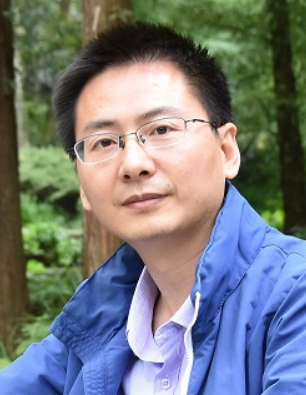 Chongjun Li (李崇君)合作论文数School of Mathematical Sciences, Dalian University of Technology2Ye Chongyuan (叶重元)合作论文数2Juhong Shen (沈菊红)合作论文数2
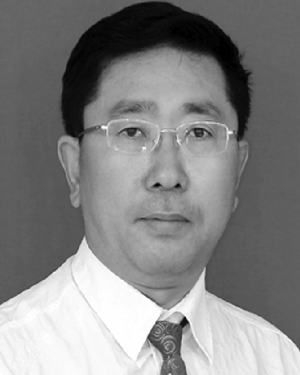 Yuelin Gao合作论文数2
 Yuhai Yu合作论文数2
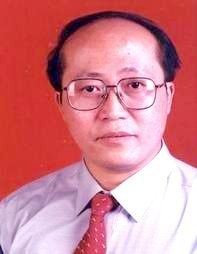 Shouzhi Yang合作论文数Shantou University, Shantou University2tongqi zhang合作论文数1Zihao Liu合作论文数1Jiachen Zhao合作论文数Tsinghua University1Chongyuan Ye合作论文数1Zx Cheng合作论文数1BAI Xiao-juan合作论文数1Xulong Cao合作论文数1Tiwei Tao合作论文数1
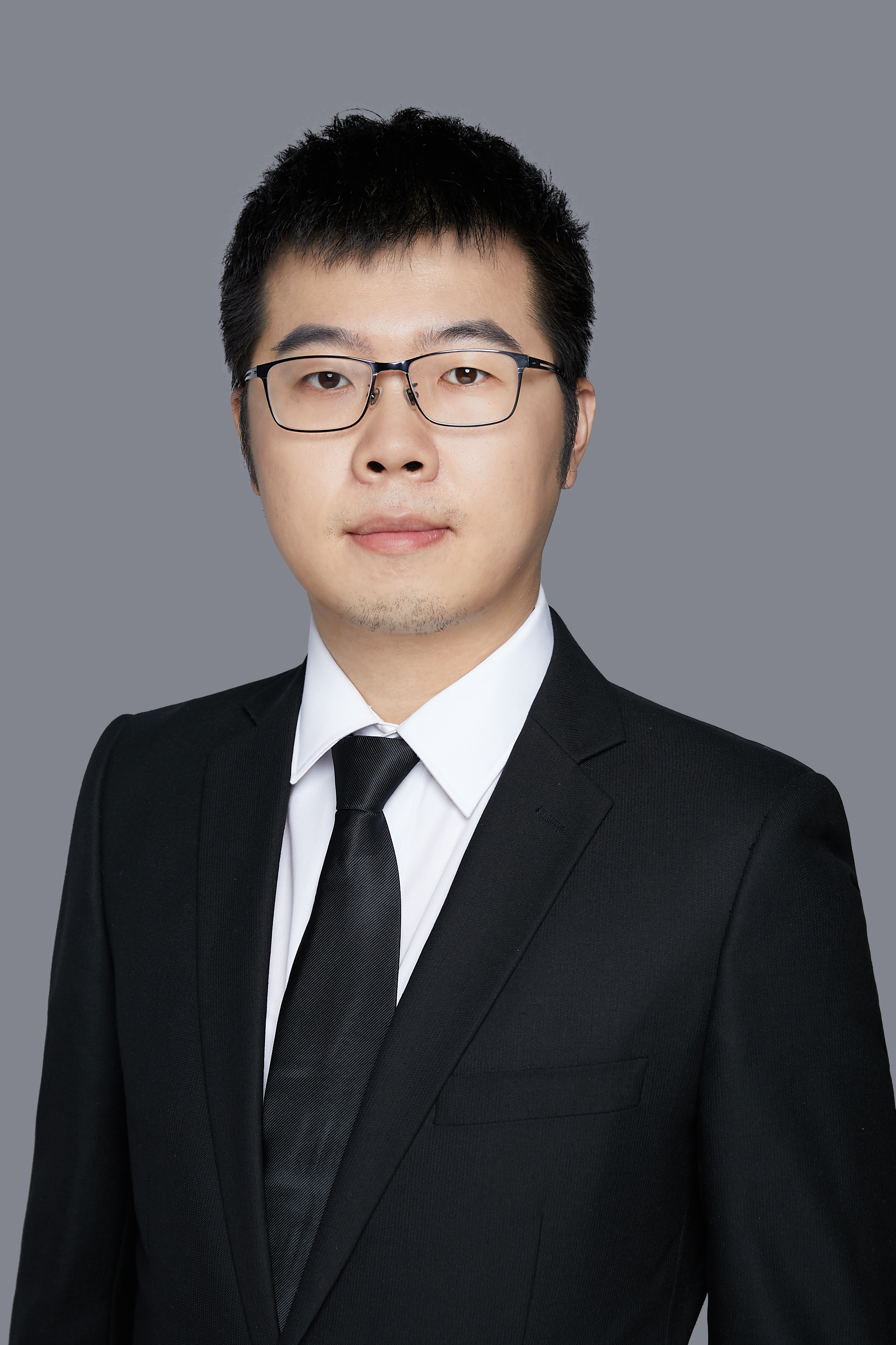 Yuqi Han (韩煜祺)合作论文数School of Information and Electronics, Beijing Institute of Technology1




