Spermatogenesis is a highly complex developmental process that typically consists of mitosis, meiosis, and spermiogenesis. DNA/RNA helicase DHX36, a unique guanine-quadruplex (G4) resolvase, plays crucial roles in a variety of biological processes. We previously showed that DHX36 is highly expressed in male germ cells with the highest level in zygotene spermatocytes. Here, we deleted Dhx36 in advanced germ cells with Stra8-GFPCre and found that a Dhx36 deficiency in the differentiated spermatogonia leads to meiotic defects and abnormal spermiogenesis. These defects in late stages of spermatogenesis arise from dysregulated transcription of G4-harboring genes, which are required for meiosis. Thus, this study reveals that Dhx36 plays crucial roles in late stages of spermatogenesis.
Epithelial endocytosis is essential for physiological homeostasis. The current dogma is that all endocytotic mechanisms involve only single-membrane vesicles at the plasma membrane. Here, we report a previously undescribed LC3-associated phagocytosis mechanism which forms double-membrane phagosomes from the epithelial tight-junction paracellular membranes, which we term “paraphagy”. We observed that paraphagy is present in epithelia of the renal, respiratory, circulatory, and male reproductive systems. In the epididymis, paraphagy takes up lipophilic cargo, including apolipoproteins, by involving the surface low-affinity IgG-receptor Fcgr2b and occludin-bound intracellular HDL-receptor ATP5b. In this way, extracellular lipophilic signals are sensed and intracellular phagolysosomes are maintained. Occludin-null male mice show arrested paraphagy and impaired phagolysosome in proximal epididymal compartments, accompanying cholesterol accumulation, ApoJ deposition and dysregulated metabolic-dependent processes in distal compartments, including redox-promoted VK-dependent MGP-carboxylation. We propose that paraphagy senses and distinguishes the luminal lipophilic signals in epithelia and modulates their function via crosstalk across physiological compartments.
β-Defensins are a family of conserved small cationic antimicrobial peptides with different significant biological functions. The majority of mammalian β-defensins are expressed in epididymis, and many of them are predicted to have post-translational modifications. However, only a few of its members have been well studied due to the limitations of expressing and purifying bioactive proteins with correct post-translational modifications efficiently. Here we developed a novel Fc tagged lentiviral system and Fc tagged prokaryotic expression systems provided new options for β-defensins expression and purification. The novel lentiviral system contains a secretive signal peptide, an N-terminal IgG Fc tag, a green fluorescent protein (GFP), and a puromycin selection marker to facilitate efficient expression and fast purification of β-defensins by protein A magnetic or agarose beads. It also enables stable and large-scale expression of β-defensins with regular biological activities and post-translational modification. Purified β-defensins such as Bin1b and a novel human β-defensin hBD129 showed antimicrobial activity, immuno-regulatory activity, and expected post-translational phosphorylation, which were not found in Escherichia coli (E. coli) in expressed form. Furthermore, we successfully applied the novel system to identify mBin1b interacting proteins, explaining Bin1b in a better way. These results suggest that the novel lentiviral system is a powerful approach to produce correct post-translational processed β-defensins with bioactivities and is useful to identify their interacting proteins. This study has laid the foundation for future studies to characterize function and mechanism of novel β-defensins.
Spermatogonial development is a vital prerequisite for spermatogenesis and male fertility. However, the exact mechanisms underlying the behavior of spermatogonia, including spermatogonial stem cell (SSC) self-renewal and spermatogonial proliferation and differentiation, are not fully understood. Recent studies demonstrated that the mTOR complex 1 (mTORC1) signaling pathway plays a crucial role in spermatogonial development, but whether MTOR itself was also involved in any specific process of spermatogonial development remained undetermined. In this study, we specifically deleted Mtor in male germ cells of mice using Stra8-Cre and assessed its effect on the function of spermatogonia. The Mtor knockout (KO) mice exhibited an age-dependent perturbation of testicular development and progressively lost germ cells and fertility with age. These age-related phenotypes were likely caused by a delayed initiation of Mtor deletion driven by Stra8-Cre. Further examination revealed a reduction of differentiating spermatogonia in Mtor KO mice, suggesting that spermatogonial differentiation was inhibited. Spermatogonial proliferation was also impaired in Mtor KO mice, leading to a diminished spermatogonial pool and total germ cell population. Our results show that MTOR plays a pivotal role in male fertility and is required for spermatogonial proliferation and differentiation.
The mammalian epididymis not only plays a fundamental role in the maturation of spermatozoa, but also provides protection against various stressors. The foremost among these is the threat posed by oxidative stress, which arises from an imbalance in reactive oxygen species and can elicit damage to cellular lipids, proteins, and nucleic acids. In mice, the risk of oxidative damage to spermatozoa is mitigated through the expression and secretion of glutathione peroxidase 5 (GPX5) as a major luminal scavenger in the proximal caput epididymidal segment. Accordingly, the loss of GPX5-mediated protection leads to impaired DNA integrity in the spermatozoa of aged Gpx5-/- mice. To explore the underlying mechanism, we have conducted transcriptomic analysis of caput epididymidal epithelial cells from aged (13 months old) Gpx5-/- mice. This analysis revealed the dysregulation of several thousand epididymal mRNA transcripts, including the downregulation of a subgroup of piRNA pathway genes, in aged Gpx5-/- mice. In agreement with these findings, we also observed the loss of piRNAs, which potentially bind to the P-element-induced wimpy testis (PIWI)-like proteins PIWIL1 and PIWIL2. The absence of these piRNAs was correlated with the elevated mRNA levels of their putative gene targets in the caput epididymidis of Gpx5-/- mice. Importantly, the oxidative stress response genes tend to have more targeting piRNAs, and many of them were among the top increased genes upon the loss of GPX5. Taken together, our findings suggest the existence of a previously uncharacterized somatic piRNA pathway in the mammalian epididymis and its possible involvement in the aging and oxidative stress-mediated responses.
Abstract DICER1 is a key enzyme responsible for the maturation of microRNAs. Recent evidences suggested that DICER1 and microRNAs expressed in epididymis were involved in the control of male fertility. However, the exact mechanism remains to be elucidated. Here, we created a mouse line by targeted disruption of Dicer1 gene in the principal cells of distal caput epididymis. Our data indicated that a set of β-defensin genes were downregulated by DICER1 rather than by microRNAs. Moreover, DICER1 was significantly enriched in the promoter of β-defensin gene and controlled transcription. Besides, the antibacterial ability of the adult epididymis significantly declined upon Dicer1 deletion both in vitro and in vivo. And a higher incidence of reproductive defect was observed in middle-aged Dicer1−/− males. These results suggest that DICER1 plays an important role in transcription of β-defensin genes, which are associated with the natural antibacterial properties in a microRNA-independent manner, and further impacts the male fertility.
Objective: SPAG11E is the first β-defensin that has been reported to activate Ca2+ uptake and sperm motility. However, the exact subcellular localization and interaction of SPAG11E with sperm remain controversial because of the lack of qualified antibody tools. SPAG11E is also a potential male antifertility target because SPAG11E fragment conjugated with a carrier protein exhibits male contraceptive vaccine potential. However, the fine B-cell epitope motifs of SPAG11E have not been analyzed, which hampered further exploration of the potential target. Methods: Polyclonal and monoclonal antibodies (mcAbs) of mature SPAG11E were raised and qualified with Western blotting. Subcellular localization of SPAG11E was revealed by Western blotting, immunohistochemistry staining, and electron microscopy. B-cell epitopes of rat SPAG11E were mapped by Western blotting using polyclonal and mcAbs. Based on the conservation of the identified epitope motifs between rat and mouse SPAG11E, antifertility potential of the epitope motifs was evaluated by the offspring of the males compromised with specific mcAbs. Results: SPAG11E antibodies of high quality were obtained and all B-cell epitope motifs of rat SPAG11E were mapped, in which conserved epitope motifs of SPAG11E in various species were discovered. The epitope motifs recognized by mcAbs were identified respectively. With mcAbs, rat SPAG11E was proved to be expressed in the caput region of epididymis. A novel finding was that SPAG11E was located in the flagella and nuclei of sperm as revealed by immunoelectron microscopy. In addition, the males treated with mcAbs (3#-1 and 10#B4) showed apparently fewer offspring. Conclusions: SPAG11E revealed a β-defensin with novel localization in sperm flagellum and nucleus with qualified antibodies. All B-cell epitope motifs of rat SPAG11E were determined, and the antifertility potential was proved by corresponding mcAbs.
Human LCN6, a lipocalin protein, exhibits predominant expression in epididymis and location on the sperm surface. However, the biological function of LCN6 in vivo remains unknown. Herein, we found that unlike human LCN6, mouse Lcn6 gene encoded two transcript variants that were both upregulated by androgen. Subsequently, we generated a conditional knockout mouse model to disrupt Lcn6 in the adult and investigate its function. In this model, spermatogenesis was normal and Lcn6 deficiency did not affect the natural birth rate of male mice or in vitro fertilization ability of their cauda epididymal sperm. Nevertheless, sperm from the cauda epididymis of the Lcn6 null mice underwent a sustained increase of acrosome reaction frequency whether capacitated or not (P < 0.01). Consistent with premature acrosome reaction, sperm from knockout mice had significantly increased intracellular calcium content when extracellular calcium was supplied (P < 0.01). These results demonstrate an important function of LCN6 in preventing calcium overload and premature acrosome reaction of sperm and suggest a potential risk factor of LCN6 deficiency for sperm maturation.
Infertility is a severe public health problem worldwide that prevails up to 15% in reproductive-age couples, and male infertility accounts for half of total infertility. Studies on genetically modified animal models have identified lots of genes involved in the pathogenesis of male infertility. The underlying causes, however, remain largely unclear. In this study, we provide evidence that EMC10, one subunit of endoplasmic reticulum (ER) membrane protein complex (EMC), is required for male fertility. EMC10 is significantly decreased in spermatozoa from patients with asthenozoospermia and positively associated with human sperm motility. Male mice lacking Emc10 gene are completely sterile. Emc10-null spermatozoa exhibit multiple defects including abnormal morphology, decreased motility, impaired capacitation, and impotency of acrosome reaction, thereby which are incapable of fertilizing intact or ZP-free oocytes. However, intracytoplasmic sperm injection could rescue this defect caused by EMC10 deletion. Mechanistically, EMC10 deficiency leads to inactivation of Na/K-ATPase, in turn giving rise to an increased level of intracellular Na+ in spermatozoa, which contributes to decreased sperm motility and abnormal morphology. Other mechanistic investigations demonstrate that the absence of EMC10 results in a reduction of HCO3- entry and subsequent decreases of both cAMP-dependent protein kinase A substrate phosphorylation and protein tyrosine phosphorylation. These data demonstrate that EMC10 is indispensable to male fertility via maintaining sperm ion balance of Na+ and HCO3-, and also suggest that EMC10 is a promising biomarker for male fertility and a potential pharmaceutical target to treat male infertility.
The epididymis is a male reproductive organ involved in posttesticular sperm maturation and storage, but the mechanism underlying sperm maturation remains unclear. β-Defensins (Defbs) belong to a family of small, cysteine-rich, cationic peptides that are antimicrobial and modulate the immune response. A large number of Defb genes are expressed abundantly in the male reproductive tract, especially in the epididymis. We and other groups have shown the involvement of several Defb genes in regulation of sperm function. In this study, we found that Defb23, Defb26, and Defb42 were highly expressed in specific regions of the epididymis. Rats with CRISPR/Cas9-mediated single-gene disruption of Defb23, Defb26, or Defb42 had no obvious fertility phenotypes. Those with the deletion of Defb23/ 26 or Defb23/ 26/ 42 became subfertile, and sperm isolated from the epididymal cauda of multiple-mutant rats were demonstrated decreased motility. Meanwhile, the sperm showed precocious capacitation and increased spontaneous acrosome reaction. Consistent with premature capacitation and acrosome reaction, sperm from multiple-gene-knockout rats had significantly increased intracellular calcium. These results suggest that Defb family members affect sperm maturation by a synergistic pattern in the epididymis.-Zhang, C., Zhou, Y., Xie, S., Yin, Q., Tang, C., Ni, Z., Fei, J., Zhang, Y. CRISPR/Cas9-mediated genome editing reveals the synergistic effects of β-defensin family members on sperm maturation in rat epididymis.
As an important nuclear hormone receptor, estrogen receptor α (ERα), which is encoded by the Esr1 gene, regulates the expression of hundreds of genes in a stimulus-specific, temporal, and tissue-specific fashion, mainly by binding to specific DNA sequences called estrogen response elements (EREs). As an important estrogen target tissue in males, the function of the efferent ductules relies on the presence of the ERα protein, but the underlying regulatory mechanisms are poorly illustrated. In this study, genome-wide ERα-binding sites in mouse efferent ductules were mapped by chromatin immunoprecipitation sequencing. In total, 12,105 peaks were identified, and a majority of them were located far from the annotated gene transcription start site. Motif analysis revealed that ∼80% of the ERα-binding peaks harbored at least one ERE, whereas androgen response element-like sequences were the most overrepresented motif in the peaks without any EREs. A number of candidate transcription factor motifs adjacent to the EREs were significantly enriched, including AP2 and GRE, implying the involvement of these putative adjacent factors in the global regulation of ERα target genes. Unexpectedly, more than 50% of the ERα-binding peaks in mouse efferent ductules overlapped with those binding peaks previously identified in mouse uterus, suggesting the conserved mechanism of ERα action in these two tissues. Cobinding of ERα target genes by androgen receptor was further confirmed for Slc9a3 gene, which was responsible for fluid resorption in the efferent ductules. Taken together, our study provides a useful reference set for future work aimed at exploring the mechanism of ERα action in physiological conditions.
Background: To study the effects of cryopreservation on human sperm glycocalyx. Methods: The lectin binding profilings of sperm after freeze-thaw were compared by lectin microarray. Results: CryoSpermTM and direct fumigation were confirmed to be the optimized cryoprotectant and method by comparing the sperm recovery rate. In 91 lectins, 33 lectins were significantly changed after sperm cryopreservation. Among them, 9 lectins greatly decreased and 24 lectins mainly increased. The binding signals of MAA, PSA, ABA, and AIA were verified by FACS, and the results were consistent with that of lectin microarray. Conclusions: Sperm glycocalyx had significant changes after cryopreservation. The sialic acid, playing an important role in protecting sperm, was greatly lost, which exposed the inner carbohydrates. Thus, the glycocalyx damage due to the cryopreservation might be one of the reasons for low sperm fertility.
Coating on the sperm surface, glycocalyx, plays a key role in sperm motility, maturation and fertilization. A comprehensive profile of sperm surface glycans will greatly facilitate both basic researches and clinical studies. Because of the capability of recognizing different glycan moieties, lectins are widely used in glycobiology. However, lacking high-throughput technology, limited lectins have been reported for analyzing the glycan of human sperm. In this study, we employed a lectin microarray for profiling the surface glycans of human sperm, on which 54 out of 91 lectins showed positive binding. Based on this technique, we compared lectin binding profiling of sperm with homozygous DEFB126 mutation (del/del) with that of wild type (wt/wt). DEFB126 was reported to contribute to the sialylation on sperm surface and its homozygous mutation was related to male subfertility. Six lectins (Jacalin/AIA, GHA, ACL, MPL, VVL and ABA) were found to develop lower binding affinity to sperm with del/del. Further validation showed that these lectins, especially ABA and MPL, can be potential biomarkers for clinical diagnosis of subfertility due to the mutation of DEFB126. Our research provides insight into the detection of some unexplained male subfertility and the lectin microarray is generally applicable for infertility/subfertility sperm biomarker discovery.
Bisphenol A (BPA) is a synthetic estrogen-mimic chemical. It has been shown to affect many reproductive endpoints. However, the effect of BPA on the mature sperm and the mechanism of its action are not clear yet. Here, our in vitro studies indicated that BPA could accelerate sperm capacitation-associated protein tyrosine phosphorylation in time- and dose-dependent manners. In vivo, the adult male rats exposed to a high dose of BPA could result in a significant increase in sperm activity. Further investigation demonstrated that BPA could accelerate capacitation-associated protein tyrosine phosphorylation even if sperm were incubated in medium devoid of BSA, HCO3 (-), and Ca(2+) However, this action of BPA stimulation could be blocked by H89, a highly selective blocker of protein kinase A (PKA), but not by KH7, a specific inhibitor of adenylyl cyclase. These data suggest that BPA may activate PKA to affect sperm functions and male fertility.
Ca(2+) signaling is pivotal for sperm maturation, including the processes of motility, capacitation, and the acrosome reaction. As a Ca(2+) conductor, transient receptor potential-canonical 3 (TRPC3) plays an important role in somatic cells. However, the function of TRPC3 in sperm is not well understood. Here, a pharmacological approach was used to investigate the role and mechanism of TPRC3 in sperm function. The TRPC3 antagonist Pyr3 could inhibit sperm motility and accelerate capacitation-associated protein tyrosine phosphorylation in a time- and dose-dependent manner, regardless of the presence or absence of Ca(2+) in the incubation medium. Further investigation revealed that sperm [Ca(2+)]i fell immediately once Pyr3 was added to Ca(2+)-free medium, and then gradually increased and returned to baseline levels. Moreover, the [Ca(2+)]i levels markedly elevated when sperm were incubated for 30 min in the presence of Pyr3; this change was subsequently accompanied by a significant reduction in sperm mitochondrial membrane potential. This study suggested that TRPC3 can modulate sperm function via mobilization of sperm [Ca(2+)]i.
Region-specific gene expression is an intriguing feature of the mammalian epididymis. This unique property is essential for sperm maturation and storage, and it also implicates stringent and multi-level regulations of gene expression. Over the past decade, the androgen-driven activation of epididymal gene transcription has been extensively studied. However, it still remains largely unexplored whether and how other regulatory mechanisms, such as miRNAs and DNA methylation, are involved in controlling regional gene expression in the epididymis. Using microarray-based approaches, we studied the regional miRNA expression and DNA methylation profiles in 4 distinct epididymal regions (initial segment, caput, corpus and cauda) of rats. We found that the miR-200 family members were more expressed in caput, compared with cauda. By GSEA analysis, the differential expression of miR-200 family between caput and cauda was shown to be negatively correlated with their predicted target genes, among which 4 bona fide targets were verified by luciferase reporter assay. Predicted target genes of miR-200 family have enriched functions in anti-apoptosis, cell transportation and development, implying the regional diversity in epididymal functions. On the other hand, we revealed epididymal DNA methylation of 2002 CpG islands and 2771 gene promoters (-3.88-0.97kb), among which 1350 (67.43%) CpG islands and 2095 (75.60%) promoters contained region-specific DNA methylation. We observed significant and distinct functional enrichment in genes with specifically methylated promoters in each epididymal regions, but these DNA methylations did not show significant correlation with repressed gene transcription in the mature epididymis. Conclusively, we investigated the regional miRNA expression and DNA methylation in the rat epididymis and revealed a potential role of miR-200 family in gene expression regulation between caput and cauda. This may contribute to the distinct physiological function in sperm maturation / storage of caput / cauda epididymis.
目的 研究成年山羊精子在附睾成熟过程中与凝集素芯片结合的差异.方法 精子分别取自成年山羊附睾头、体、尾部,经2%多聚甲醛/0.2%戊二醛固定后,然后进行碘化丙啶染色标记,再分别与含有91种凝集素的芯片结合.信号经提取后,利用SPSS16.0和R语言对其进行后续分析和比较.结果 山羊附睾头、体、尾各部分精子与含各类型糖基特异性的凝集素芯片结合分析后发现,与山羊附睾头部精子结合的凝集素有40种,体部精于结合的有48种,尾部精子结合的有42种.来自附睾不同区段的精子与凝集素结合强度也有显著差异,其中,甘露糖特异性的凝集素与体部精子结合最高,复杂结构特异性的凝集素与附睾头、体、尾各部分精子的结合强度呈梯度下降趋势.结论 山羊精子膜表面的糖被,随着精子在附睾中的成熟,也在不断地发生变化的.
β-defensins, preferentially expressed in male reproductive tracts, particularly in the testes and epididymis with region-specific patterns, play an important role in both innate immunity and sperm fertility. Expressed in the caput region of epididymis, β-defensins have been known to contribute to innate immunity, sperm motility initiation, and maintenance. However, β-defensins of the initial region remain to be uncharacterized. In this study, rat β-defensin 42 (Defb42) was revealed to be exclusively located in the principal cells at the initial segment of the rat epididymis and its sperm's acrosome. Furthermore, the expression of Defb42 was dependent on luminal testicular factors and developmental phases. The recombinant Defb42 was predominantly antimicrobial not against Candida albicans, but against Escherichia coli and Staphylococcus aureus. Based on these findings, Defb42 was suggested to play a dual role in sperm fertility and host defense in rat epididymis.
Cholecystokinin (CCK), a peptide hormone and a neurotransmitter, was detected in mature sperm two decades ago. However, the exact role of CCK and the types of CCK receptors (now termed CCK1 and CCK2) in sperm have not been identified. Here, we find that CCK1 and CCK2 receptors are immunolocalized to the acrosomal region of mature sperm. The antagonist of CCK1 or CCK2 receptor strongly activated the soluble adenylyl cyclase/cAMP/protein kinase A signaling pathway that drives sperm capacitation-associated protein tyrosine phosphorylation in dose- and time-dependent manners. But these actions of stimulation were abolished when sperm were incubated in the medium in the absence of HCO3-. Further investigation demonstrated that the inhibitor of CCK1 or CCK2 receptor could accelerate the uptake of HCO3- and significantly elevate the intracellular pH of sperm. Interestingly, the synthetic octapeptide of CCK (CCK8) showed the same action and mechanism as antagonists of CCK receptors. Moreover, CCK8 and the antagonist of CCK1 or CCK2 receptor were also able to accelerate human sperm capacitation-associated protein tyrosine phosphorylation by stimulating the influx of HCO3-. Thus, the present results suggest that CCK and its receptors may regulate sperm capacitation-associated protein tyrosine phosphorylation by modulating the uptake of HCO3-.
 Yuchuan Zhou (周玉传)合作论文数Shanghai Key Laboratory of Embryo Original Diseases, Shanghai Jiao Tong University School of Medicine;International Peace Maternity & Child Health Hospital, Shanghai Jiao Tong University School of Medicine26
 Qiang Liu (刘强)合作论文数General Hospital, Tianjin Medical University20
 Hua Diao (刁华)合作论文数18HeGuo Yu (于合国)合作论文数14Shuanggang Hu合作论文数13HuiJuan Shi (施惠娟)合作论文数13Wubin Ma合作论文数11
 Chen Chu合作论文数Shanghai Institute for Biological Sciences Chinese Academy of Sciences, Chinese Academy of Sciences11
 Donghai Lin (林东海)合作论文数Department of Chemical Biology, College of Chemistry and Chemical Engineering, Xiamen University;High-Field Nuclear Magnetic Resonance Research Center, Xiamen University11Aijie Xin合作论文数10Yanfei Ru合作论文数10Zimei Ni合作论文数9Minjie Ni合作论文数9Yihua Gu合作论文数9
 Shengsong Xie (谢胜松)合作论文数College of Animal Sciences & Technology, Huazhong Agricultural University;College of Veterinary Medicine, Huazhong Agricultural University9You-Duan Zhang合作论文数8Susan H. Hall合作论文数7Fs French合作论文数6Guangxin Yao合作论文数6Xiangqi Li合作论文数6
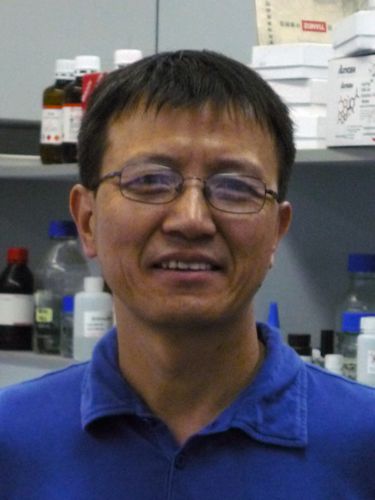 Xingxu Huang (黄行许)合作论文数School of Life Science and Technology, ShanghaiTech University6Wang Chunmei合作论文数Children's Nutrition Research Center, Baylor College of Medicine6
 Chenyun Guo (郭晨云)合作论文数College of Chemistry and Chemical Engineering, Xiamen University6LIU Hai-yan合作论文数5Min Zheng合作论文数5Chaobao Zhang合作论文数5Bin Wu合作论文数5Yue Zhao (赵越)合作论文数Peking University Third Hospital5Genyan Yang合作论文数5Guo-Zhang Zhu合作论文数5
 Li Ma合作论文数4Quan Shang合作论文数4
 Qian Qian Yin合作论文数4
 Mofang Liu (刘默芳)合作论文数School of Life Science and Technology, Tongji University4Tang Chunhua合作论文数4Weining Zhen合作论文数4Bin He合作论文数4Chun-Fang Zhu合作论文数3Jing Dong合作论文数3
 Qingyuan Sun (孙青原)合作论文数Guangdong Second People's Hospital;School of Life Sciences, Inner Mongolia University3Zhaoliang Fei合作论文数3
 Jianlin Shi (施剑林)合作论文数Shanghai Institute of Ceramics, Chinese Academy of Sciences;University of Chinese Academy of Sciences3Wu Yancheng合作论文数3
 Jinsong Zhang合作论文数Nanjing Medical University3
 Sheng-Ce Tao (陶生策)合作论文数Shanghai Center for Systems Biomedicine, Shanghai Jiao Tong University3
 Degui Chen合作论文数Institute of Biochemistry and Cell Biology, Shanghai Institutes for Biological Sciences3YueTing Gong合作论文数3
 Zheng Li (李铮)合作论文数Department of Urology and Androlgoy, Renji Hospital, School of Medicine, Shanghai Jiao Tong University;Shanghai General Hospital3




