Unsupervised anomaly detection is to detect previously unseen rare samples without any prior knowledge about them. With the emergence of deep learning, many methods employ normal data reconstruction to train detection models, which is expected to yield relatively large errors when reconstructing anomalies. However, recent studies find that anomalies can be overgeneralized, resulting in reconstruction errors as small as normal samples. In this paper, we examine the anomaly overgeneralization problem and propose global semantic information learning. Normal and anomalous samples may share the same local feature such as textures, edges, and corners, but have separability at the global semantic level. To address this, we propose the global semantic memory with novel cascade architecture designed to capture global semantic information in the latent space and introduce a configurable sparsification and random forgetting mechanism. Our proposed method achieves state-of-the-art experimental results on different public benchmarks, without the introduction of any additional auxiliary loss.
In recent years, unlearnable data have emerged as an effective way to prevent unauthorized exploitation of personal data by intentionally preventing model learning meaningful patterns during training, while ensuring that the processed data remain visually indistinguishable from the original. Previous approaches, such as error-minimizing noise methods, have yielded promising results in disrupting model learning but often lack robustness against adversarial training. More recently, convolution-based techniques have been introduced to address this limitation, enhancing resistance to adversarial training, but at the cost of sacrificing high-frequency image details. In this study, we propose a novel method called Wavelet Domain Steganography (WDS) that steganographically writes class-specific information in the wavelet transform domain. By leveraging the inherent multi-resolution and localized properties of wavelets, WDS allows for precise control over the steganographic information injected into different frequency subbands. The proposed method preserves high-frequency details and maintains visual fidelity while effectively inhibiting the learning of semantic information by deep neural networks. Experimental evaluations show that WDS exhibits robust unlearnability under common data augmentations and adversarial training scenarios, thereby achieving an improved balance between imperceptibility and unlearnability relative to prior methods.
Real-world multivariate time series unsupervised anomaly detection is a challenging problem due to intricate temporal correlations. Recently, impressive progress have been made in tackling this issue through the design of large-scale models, facilitated by the growing model parameters. However, in resource-constrained scenarios such as ubiquitous computing and edge computing, the large-scale models suffer from issues like high parameter complexity and expensive training overheads. Existing methods can only strive for a direct tradeoff between model size and performance. To address this challenge, we propose DiMER (Diminutive Memory-Enhanced Reconstruction), a model with parameters of the order of 0.1M. In DiMER, we introduce a novel contrast memory mechanism to learn normal patterns with diminutive network and propose a temporal reconstruction loss nto add the autocorrelation information. In addition, we introduce a multi-space composite detection criterion, an anomaly score calculation that takes into account both memory space and data space. Extensive experiments on real-world datasets across various domains demonstrate that the proposed model achieves comparable or even superior performance to large-scale models while maintaining lightweight.
Detecting anomalies in unsupervised multivariate time series is challenging due to the intricate temporal patterns present in both local short-term and global long-term dependencies. Long short-term memory has achieved impressive results in this domain, yet it is gradually being supplemented by Transformers, due to limitations such as non-parallelization, gradient vanishing, and difficulty in focusing on local information. Leveraging the attention mechanism, Transformers can attend to all time steps simultaneously, effectively capturing local dependencies. However, they may often face challenges in efficiently modeling long-term dependencies, particularly in real-world scenarios. To address these issues, we propose the HYbrid Memory and Attention Network (HYMAN), which integrates memory and attention mechanisms together to model both global and local information. The attention captures short-term dependencies by focusing on temporal autocorrelation, while the memory stores and updates key historical patterns in global information, facilitating the learning of long-term dependencies. In contrast to previous approaches, HYMAN eliminates the need for auxiliary loss, simplifying the training by reducing the effort for coefficients tuning. In the inference phase, HYMAN introduces a novel anomaly scoring method that fuses features from both the temporal and latent spaces, offering high-performance detection compared to traditional methods that rely solely on reconstruction. Extensive experiments on real-world benchmark datasets demonstrate that HYMAN achieves state-of-the-art performance by leveraging the complementary strengths of memory and attention mechanisms.
Unlearnable data (ULD) has emerged as an innovative defense technique to prevent machine learning models from learning meaningful patterns from specific data, thus protecting data privacy and security. By introducing perturbations to the training data, ULD degrades model performance, making it difficult for unauthorized models to extract useful representations. Despite the growing significance of ULD, existing surveys predominantly focus on related fields, such as adversarial attacks and machine unlearning, with little attention given to ULD as an independent area of study. This survey fills that gap by offering a comprehensive review of ULD, examining unlearnable data generation methods, public benchmarks, evaluation metrics, theoretical foundations and practical applications. We compare and contrast different ULD approaches, analyzing their strengths, limitations, and trade-offs related to unlearnability, imperceptibility, efficiency and robustness. Moreover, we discuss key challenges, such as balancing perturbation imperceptibility with model degradation and the computational complexity of ULD generation. Finally, we highlight promising future research directions to advance the effectiveness and applicability of ULD, underscoring its potential to become a crucial tool in the evolving landscape of data protection in machine learning.
The widespread availability of publicly accessible data on the internet accelerates the progress of deep learning but also raises concerns about unauthorized data usage for training neural networks. Early safeguard methods introduce small, carefully crafted perturbations via surrogate model into data to generate unlearnable data, aiming to prevent models from learning meaningful patterns. However, these methods lack robustness against adversarial training. Later, some works introduce adversarial examples to solve this problem but at the cost of increased overhead of the surrogate model. Recently, Convolution-based unlearnable data (CUDA), a surrogate-free method, has been proposed to address this issue by manually designed class-wise convolution kernels. Despite its success, CUDA suffers from high-frequency detail loss, perturbation hash collisions, and vulnerability to frequency filtering attacks. In this paper, we propose KBS (K-Space Bispectrum Steganography), which embeds class-specific information into the magnitude and phase components of the Fourier domain while preserving visual fidelity under reconstruction constraints. By directly performing steganography in the frequency domain, KBS preserves high-frequency details and avoids hash collisions with compact binary codes, enabling scalability to large-class datasets. Furthermore, KBS resists frequency filtering attacks by embedding perturbations in a way that remains imperceptible in the pixel space. Experimental results on public benchmarks demonstrate that KBS outperforms state-of-the-art methods.
Unsupervised anomaly detection is to detect previously unseen rare samples without any prior knowledge about them. With the emergence of deep learning, many methods employ normal data reconstruction to train detection models, which is expected to yield relatively large errors when reconstructing anomalies. However, recent studies find that anomalies can be overgeneralized, resulting in reconstruction errors as small as normal samples. In this paper, we examine the anomaly overgeneralization problem and propose global semantic information learning. Normal and anomalous samples may share the same local feature such as textures, edges, and corners, but have separability at the global semantic level. To address this, we propose a novel cascade memory architecture designed to capture global semantic information in the latent space and introduce a configurable sparsification and random forgetting mechanism. Our proposed method achieves state-of-the-art experimental results on different public benchmarks, without the introduction of any additional auxiliary loss terms. The code is available at https://github.com/LiJiahao-Alex/Cascade-Memory.
Is generalization always beneficial? Over-strong generalization induces the model insensitive to anomalies. Unsupervised anomaly detection requires only unlabeled non-anomalous data to learn and generalize normal patterns, which results in a modest reconstruction error when reconstructing normal instances and a significant reconstruction error when reconstructing anomalies. However, over-strong generalization leads to the indistinguishable reconstruction error of normal instances and anomalies, which means that the model well reconstructs the unknown anomalies, resulting in unnoticeable reconstruction error. Inspired by the cascade structure of the hippocampus and cortex in human brain memory, we proposed a re-representation memory network called Random Forgetting Twin Memory (RFTM) to decompose the latent space and introduce a configurable reintegration mechanism to suppress overgeneralization. RFTM shows striking brain-like memory characteristics, which enables the model to know what it does not know. RFTM has the convenience of a single line of code boosting at the model level without adding any additional extra loss terms at the loss function level. RFTM-based models have achieved state-of-the-art experimental results on different public benchmarks.
Unsupervised anomaly detection is a binary classification that detects anomalies in unseen samples given only unlabeled normal data. Reconstruction-based approaches are widely used, which perform reconstruction error minimization on training data to learn normal patterns and quantify the degree of anomalies by reconstruction errors on testing data. However, this approach tends to miss anomalies when the normal data has multi-pattern. Because the model generalizes unrestrictedly beyond normal patterns even to include anomaly patterns. In this paper, we proposed a memory mechanism that memorizes typical normal patterns through a capacity-controlled external differentiable matrix so that the generalization of the model to anomalies is limited by the retrieval of the matrix. We achieved state-of-the-art performance on several public benchmarks.
The metaverse signifies the amalgamation of virtual and tangible realms through human-computer interaction. The seamless integration of human, cyber, and environments within ubiquitous computing plays a pivotal role in fully harnessing the metaverse’s capabilities. Nevertheless, metaverse operating systems face substantial hurdles in terms of accessing ubiquitous resources, processing information while safeguarding privacy and security, and furnishing artificial intelligence capabilities to downstream applications. To tackle these challenges, this paper introduces the UbiMeta model, a specialized ubiquitous operating system designed specifically for the metaverse. It extends the capabilities of traditional ubiquitous operating systems and focuses on adapting downstream models and operational capacity to effectively function within the metaverse. UbiMeta comprises four layers: the Ubiquitous Resource Management Layer (URML), the Autonomous Information Mastery Layer (AIML), the General Intelligence Mechanism Layer (GIML), and the Metaverse Ecological Model Layer (MEML). The URML facilitates the seamless incorporation and management of various external devices and resources. It provides a framework for integrating and controlling these resources, including virtualization, abstraction, and reuse. The AIML is responsible for perceiving information and safeguarding privacy and security during storage and processing. The GIML leverages large-scale pre-trained deep-learning feature extractors to obtain effective features for processing information. The MEML focuses on constructing metaverse applications using the principles of Model-as-a-Service (MaaS) and the OODA loop (Observation, Orientation, Decision, Action). It leverages the vast amount of information collected by the URML and AIML layers to build a robust metaverse ecosystem. Furthermore, this study explores how UbiMeta enhances user experiences and fosters innovation in various metaverse domains. It highlights the potential of UbiMeta in revolutionizing medical healthcare, industrial practices, education, and agriculture within the metaverse.
Health monitoring based on human activity recognition (HAR) is an important means to discover health abnormalities.However,in daily activity recognition,it is difficult to obtain training samples containing all possible activity categories in advance.When new categories appear in the prediction stage,the traditional support vector machine (SVM) will incorrectly classify them as known category.A robust classifier should be able to distinguish the newly added categories so that they can be processed differently from the known categories.This paper proposes a human activity recognition method based on class increment SVM,and the idea of hypersphere is introduced,which can not only identify known activity categories with high accuracy,but also detect new categories.The multiple hyperspheres obtained through training divide the entire feature space,so that the classifier has the ability to detect newly added activity categories.The experimental results show that compared with the traditional multi-class SVM method,our method can realize the detection of new categories without significantly reducing the classification effect of known categories,thereby improving the classifier's ability to recognize human activity in an open environment.
Attention deficit hyperactivity disorder (ADHD) is a common childhood mental disorder that encompasses three subtypes. Classifying each subtype has practical significance. However, the gold standard for subtype diagnosis depends on face-to-face consultation with psychiatrists, which is limited by medical resources. This paper proposes a graph-based multimodal fusion approach to classify each subtype objectively, alleviating the pressure on psychiatrists. The proposed method leverages heterogeneous signals, including motion and speech, which are significant indicators of ADHD. We construct a personal graph where each child is a vertex, and the similarity of their personal information measures edges. Since the associations between subjects modeled by the personal graph provide rich prior knowledge, we regard the problem of subtype classification as predicting the labels of vertices on a graph. A novel graph neural network model is proposed to enable information passing between children, fusing motion and speech features under the guidance of the personal graph. We design a reading scenario and collect a multimodal dataset containing 56 children with ADHD and 50 typically developing children. Results of ADHD subtype classification demonstrate the practical value of the proposed approach. We also perform ablation studies to verify the validity of the proposed method.
针对基于视频的连续手语识别的文本结果存在语义模糊、语序混乱的问题,提出一种两步法将连续手语识别结果的手语文本转化为通顺、可懂的汉语文本.第一步,基于自然手语规则以及N元语言模型(N-gram)对连续手语识别的结果进行文本调序;第二步,利用汉语通用量词数据集训练双向长短期记忆(Bi-LSTM)网络模型,以解决手语语法无量词的问题,从而提升语句通顺度.使用绝对准确率和最长正确子序列占比作为文本调序的评价指标,实验结果显示,所提方法的文本调序结果绝对准确率为77.06%,最长正确子序列占比为86.55%,量词补全准确率为97.23%.所提的方法能够有效提升连续手语识别的文本结果的通畅度和可懂度,已成功应用于基于视频的连续手语识别,提升了听障人和健听人的无障碍交流体验.
 Yiqiang Chen (陈益强)合作论文数Institute of Computing Technology, Chinese Academy of Sciences;University of Chinese Academy of Sciences36
 Xinlong Jiang (蒋鑫龙)合作论文数Institute of Computing Technology, Chinese Academy of Sciences;University of Chinese Academy of Sciences9
 Yang Gu (谷洋)合作论文数University of Chinese Academy of Sciences;Institute of Computing Technology, Chinese Academy of Sciences8
 Lihao Jia (贾立好)合作论文数Institute of Automation, Chinese Academy of Sciences;School of Artificial Intelligence, University of Chinese Academy of Sciences7
 Wen Ji (纪雯)合作论文数Institute of Computing Technology, Chinese Academy of Sciences;State Key Lab of Processors, Institute of Computing Technology, Chinese Academy of Sciences7
 Hui-guo ZHANG (张绘国)合作论文数5
 Wuliang Huang合作论文数AntGroup5
 Haoshan Shi合作论文数5
 Chenlong Gao合作论文数Institute of Computing Technology, Chinese Academy of Sciences4Lianjun Dai合作论文数4
 Teng Zhang合作论文数Anhui University of Science and Technology, Anhui University of Technology and Science4jun zhang (张钧)合作论文数3Hong-gang ZHAO (赵洪钢)合作论文数3Guangyu Long (龙广宇)合作论文数3Lisha Hu (忽丽莎)合作论文数2teng zhang (张腾)合作论文数2
 Qi Yang (杨奇)合作论文数School of Electronics and Information, Northwestern Polytechnical University2Qiyou Huang (黄启友)合作论文数2
 Junfa Liu (刘军发)合作论文数Research Center for Ubiquitous Computing Systems, Institute of Computing Technology, Chinese Academy of Sciences2Jian Tang (唐剑)合作论文数2
 Yi Zheng (郑毅)合作论文数Beijing Anding Hospital, Capital Medical University2
 Mingqing Hu合作论文数2Xiangyuan Lan合作论文数1Yì Wáng合作论文数1Jie Li合作论文数1Ni Zeng合作论文数1
 Jiahao Li (李嘉豪)合作论文数Institute of Computing Technology, Chinese Academy of Sciences1
 Bingjie Yan合作论文数RobAI-Lab, Hainan University1Dongdong Liu合作论文数1CHEN Lei (陈 磊)合作论文数1wen ji (纪 雯)合作论文数1
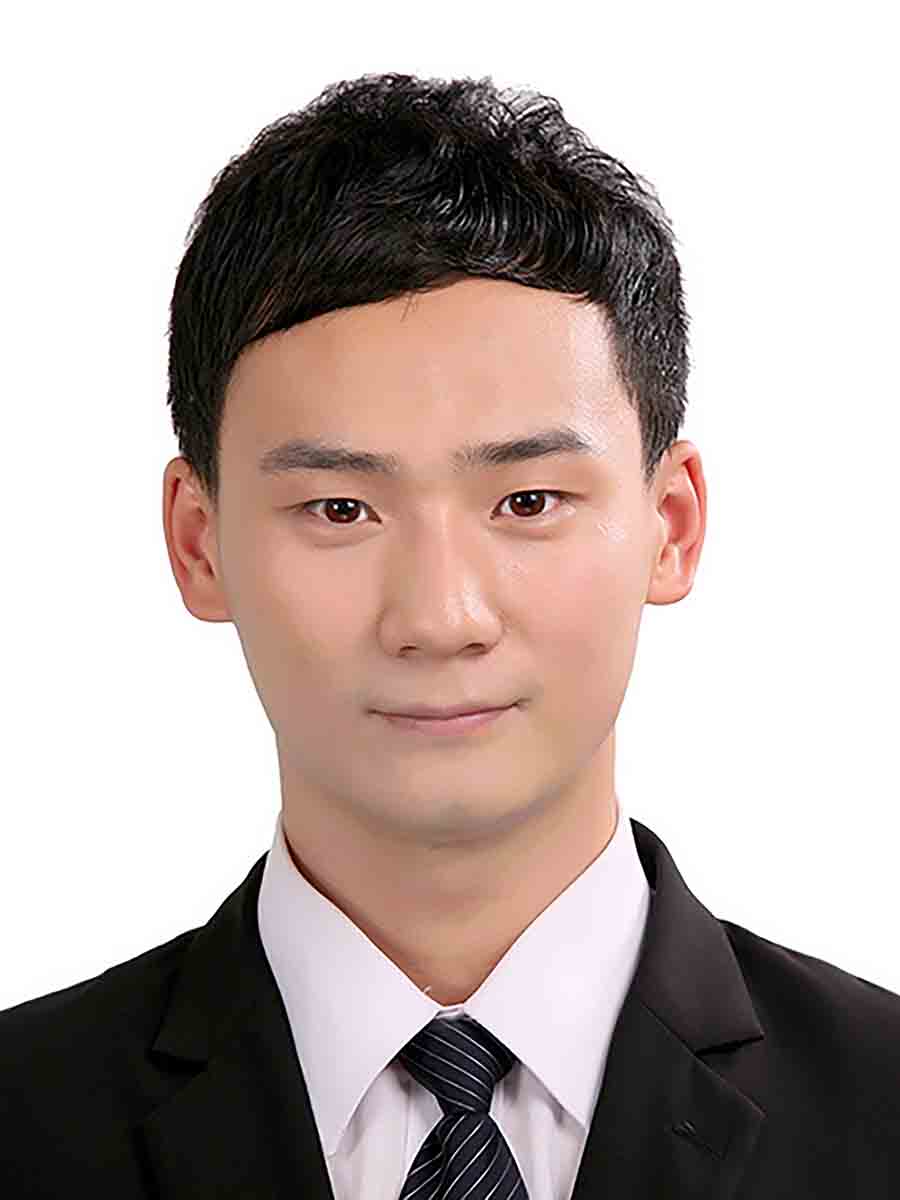 Zhirui Wang (王智睿)合作论文数Aerospace Information Research Institute, Chinese Academy of Sciences1HU Chun-yu (胡春雨)合作论文数1陈益强合作论文数中国科学院计算技术研究所1
 Dongrui Fan (范东睿)合作论文数Institute of Computing Technology, Chinese Academy of Sciences;Institute of Advanced Technology, University of Science and Technology of China1
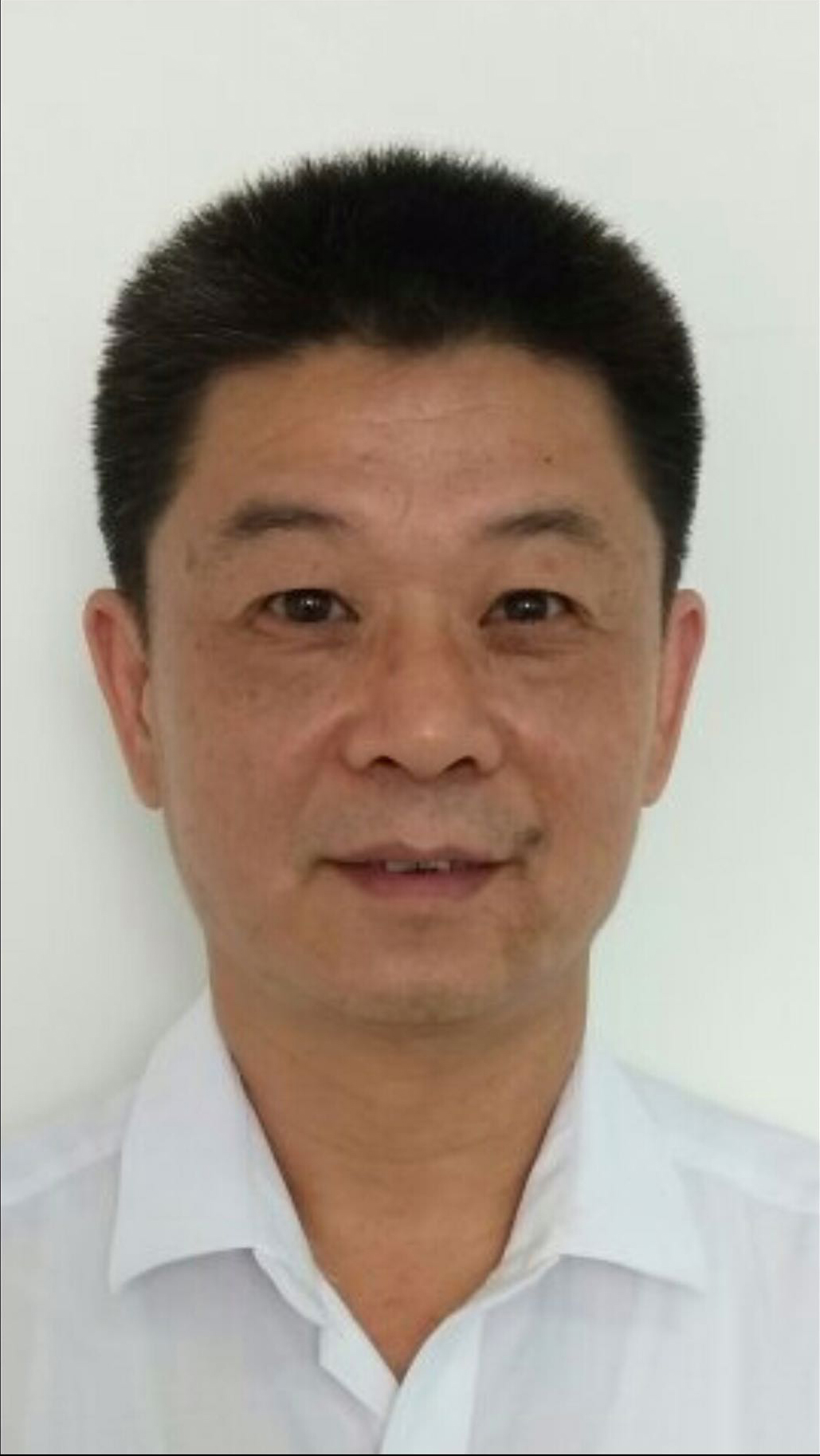 Jingang Liu (刘金刚)合作论文数Information Engineering College, Capital Normal University1Chen Lei合作论文数1Jingbo Li (李景博)合作论文数1
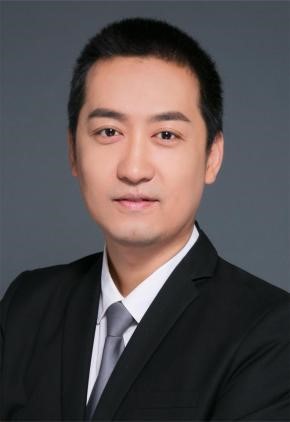 Dong Li (李栋)合作论文数Institute of Computing Technology , Chinese Academy of Sciences1
 Xiangdong Wang (王向东)合作论文数Institute of Computing Technology, Chinese Academy of Sciences1
 Jian Wang (王剑)合作论文数Institute of Computing Technology, Chinese Academy of Sciences1
 Hui Wang (王辉)合作论文数Brown University, Providence, RI1
 Hanchao Yu合作论文数Meta AI1
 Guodong Long合作论文数School of Computer Science, Faculty of Engineering and IT, University of Technology Sydney1
 Shouxun Lin (林守勋)合作论文数Institute of Computing Technology, Chinese Academy of Sciences1




