Phoneme-based multilingual automatic speech recognition (ASR) can share acoustic evidence across languages more directly than language-specific subword modeling. When tonal and non-tonal languages are jointly trained, however, their supervision granularity does not match: tonal languages annotate tone-marked vowels, whereas non-tonal languages typically provide only base-vowel labels. A standard softmax either treats the two as unrelated classes, weakening cross-lingual sharing, or collapses tones, losing distinctions required by tonal languages. We propose Latent Softmax, a connectionist temporal classification (CTC)-compatible output layer that models tone-marked vowels as subclasses and base vowels as major classes, while consonants and the CTC blank remain singleton labels. When only a base-vowel major-class label is observed, the tone-marked vowel subclass is treated as latent and marginalized out. Multilingual experiments on AISHELL-1 Mandarin and LibriSpeech English show that Latent Softmax reduces speech-to-phoneme (S2P) phoneme error rates over a standard softmax multilingual baseline by 8.4
Large language models (LLMs) have recently been applied to dialog systems. Despite making progress, LLMs are prone to errors in knowledge-intensive scenarios. Recently, approaches based on retrieval augmented generation (RAG) and agent have emerged to improve the factual accuracy by enhancing the LLMs with knowledge retrieved from external knowledge bases (KBs). This is mostly implemented by prompting the LLMs with instructions, examples and the retrieved knowledge. However, LLMs may have difficulty using the retrieved knowledge effectively for response generation, because they are not well trained to do such generation for specific domains. To mitigate this problem, we propose to finetune the LLMs in the RAG-based and agent-based systems with domain-specific data, together with domain-specific external knowledge, which is called knowledge augmented finetuning (KAFT). We base our study on the MobileCS2 dataset, a real-life customer service dialog dataset that features intensive knowledge interactions, to systematically compare the prompting and KAFT techniques in the RAG-based and agent-based systems. Experiment results show that KAFT substantially surpasses prompting in both RAG and agent systems, particularly in terms of factual accuracy. To the best of our knowledge, this paper represents the first solid empirical work to investigate the KAFT idea.
Large-language-model (LLM)-based text-to-speech (TTS) systems can generate natural speech, but most are not designed for low-latency dual-streaming synthesis. High-quality dual-streaming TTS depends on accurate text--speech alignment and well-designed training sequences that balance synthesis quality and latency. Prior work often relies on GMM-HMM based forced-alignment toolkits (e.g., MFA), which are pipeline-heavy and less flexible than neural aligners; fixed-ratio interleaving of text and speech tokens struggles to capture text--speech alignment regularities. We propose CTC-TTS, which replaces MFA with a CTC based aligner and introduces a bi-word based interleaving strategy. Two variants are designed: CTC-TTS-L (token concatenation along the sequence length) for higher quality and CTC-TTS-F (embedding stacking along the feature dimension) for lower latency. Experiments show that CTC-TTS outperforms fixed-ratio interleaving and MFA-based baselines on streaming synthesis and zero-shot tasks. Speech samples are available at https://ctctts.github.io/.
Phoneme-based ASR factorizes recognition into speech-to-phoneme (S2P) and phoneme-to-grapheme (P2G), enabling cross-lingual acoustic sharing while keeping language-specific orthography in a separate module. While large language models (LLMs) are promising for P2G, multilingual P2G remains challenging due to language-aware generation and severe cross-language data imbalance. We study multilingual LLM-based P2G on the ten-language CV-Lang10 benchmark. We examine robustness strategies that account for S2P uncertainty, including DANP and Simplified SKM (S-SKM). S-SKM is a Monte Carlo approximation that avoids CTC-based S2P probability weighting in P2G training. Robust training and low-resource oversampling reduce the average WER from 10.56
The Sound Event Detection (SED) models based on the Mean Teacher (MT) framework have usually focused on prediction-based consistency. In this paper, we propose a Dual Consistency Training (DCT) strategy based on the MT framework for polyphonic SED, which combines both feature- and prediction-based consistencies. We adopt a Channel-wise Transformation (CT) module for channel-level feature alignment and a Pairing Fusion Module (PFM) for adaptively fusing the features from various augmented data streams. Experimental results show that when the classical CRNN and FDY-CRNN models are applied with the proposed DCT strategy, they both achieve significant improvements in SED performance and surpass the state-of-the-art methods without adding any additional model’s parameters.
Integrating pretrained speech encoders with large language models (LLMs) is promising for ASR, but performance and data efficiency depend on the speech-language interface. A common choice is a learned projector that maps encoder features into the LLM embedding space, whereas an alternative is to expose discrete phoneme sequences to the LLM. Using the same encoder and LLM backbones, we compare phoneme-based and vanilla projector-based interfaces in high-resource English and low-resource Tatar. We also propose a BPE-phoneme interface that groups frequent local phoneme patterns while preserving explicit word-boundary cues for phoneme-to-grapheme generation. On LibriSpeech, the phoneme-based interface is competitive with the vanilla projector, and the BPE-phoneme interface yields further gains. On Tatar, the phoneme-based interface substantially outperforms the vanilla projector. We further find that phoneme supervision yields a phoneme-informed hybrid interface that is stronger than the vanilla projector.
Recently, pre-trained models with phonetic supervision have demonstrated their advantages for crosslingual speech recognition in data efficiency and information sharing across languages. However, a limitation is that a pronunciation lexicon is needed for such phoneme-based crosslingual speech recognition. In this study, we aim to eliminate the need for pronunciation lexicons and propose a latent variable model based method, with phonemes being treated as discrete latent variables. The new method consists of a speech-to-phoneme (S2P) model and a phoneme-to-grapheme (P2G) model, and a grapheme-to-phoneme (G2P) model is introduced as an auxiliary inference model. To jointly train the three models, we utilize the joint stochastic approximation (JSA) algorithm, which is a stochastic extension of the EM (expectation-maximization) algorithm and has demonstrated superior performance particularly in estimating discrete latent variable models. Furthermore, we propose marginal likelihood scoring (MLS) decoding to align inference with the training objective and P2G augmentation to improve the robustness of P2G mapping. Based on the Whistle multilingual pre-trained S2P model, crosslingual experiments are conducted in Polish (130 h) and Indonesian (20 h). With only 10 minutes of phoneme supervision, the new method, JSA-SPG, achieves 5% error rate reductions compared to the best crosslingual fine-tuning approach using subword or full phoneme supervision. Furthermore, it is found that in language domain adaptation (i.e., utilizing cross-domain text-only data), JSA-SPG outperforms the standard practice of language model fusion via the auxiliary support of the G2P model by 9% error rate reductions. To facilitate reproducibility and encourage further exploration in this field, we open-source the JSA-SPG training code and complete pipeline.
Prompt optimization adapts large language models (LLMs) without updating model parameters, but many automatic prompt optimizers remain heuristic search procedures over candidate instructions. This paper studies prompt optimization as Bayesian posterior sampling over discrete prompt tokens. We define a posterior distribution by combining a task likelihood term, which rewards prompts that explain input-output examples, with a language-model prior, which favors fluent instructions. This converts prompt optimization into an energy-based posterior sampling problem, for which gradients can be used to guide discrete Markov chain Monte Carlo (MCMC) proposals over vocabulary tokens. We refer to our framework as BayesPO, short for Bayesian Prompt Optimization. In this paper, BayesPO is instantiated with Markov chain Monte Carlo: it uses a Metropolis-Hastings corrected Gibbs-with-Langevin (GwL) proposal and integrates parallel tempering for global exploration of rugged LLM-induced energy landscapes. The concrete sampler further adapts the GwL sampler to the practical constraints of non-weight-tied LLM embeddings. Experiments with Qwen2.5 models show that the sampler discovers semantically meaningful prompts on diagnostic tasks, that parallel tempering helps escape a local optimum in a poetry completion task, and that post-optimizing APE prompts on 24 instruction-induction subtasks improves average accuracy from 60.04
Our examination of existing deep generative models (DGMs), including VAEs and GANs, reveals two problems. First, their capability in handling discrete observations and latent codes is unsatisfactory, though there are interesting efforts. Second, both VAEs and GANs optimize some criteria that are indirectly related to the data likelihood. To address these problems, we formally present Joint-stochastic-approximation (JSA) autoencoders - a new family of algorithms for building deep directed generative models, with application to semi-supervised learning. The JSA learning algorithm directly maximizes the data log-likelihood and simultaneously minimizes the inclusive KL divergence the between the posteriori and the inference model. We provide theoretical results and conduct a series of experiments to show its superiority such as being robust to structure mismatch between encoder and decoder, consistent handling of both discrete and continuous variables. Particularly we empirically show that JSA autoencoders with discrete latent space achieve comparable performance to other state-of-the-art DGMs with continuous latent space in semi-supervised tasks over the widely adopted datasets - MNIST and SVHN. To the best of our knowledge, this is the first demonstration that discrete latent variable models are successfully applied in the challenging semi-supervised tasks.
Currently, deep learning-based speech enhancement methods generally focus on target speech extraction while neglecting modeling the other sound sources in the mixture. These methods still can't distinguish the target speech from the interference well. In this paper, we present a monaural speech enhancement network via Modeling the Noise (MN-Net), which includes a shared Encoder and three separate Decoders for parallel modeling the magnitude and phase spectrogram of target speech, and the complex spectrogram of noise. Specifically, we propose a Multi-Branch Feature Extractor (MBFE) module to capture the richer contextual information in mixture, and a Spatial Reconstruction Unit (SRU) to remove the redundancy from extracted features. We compared our proposed MN-Net with 18 classical speech enhancement methods on the VoiceBank+DEMAND dataset, and with 9 ones on DNS-Challenge dataset for denoising task, and with 7 ones on the WHAMR! dataset for simultaneous denoising & de-reverberation task. Our proposed MBFE module was applied to two classical speech enhancement methods, DB-AIAT and CMGAN, replacing their DenseBlocks module. The results demonstrate that applying the MBFE module can boost their performances while keeping smaller model size. A series of visualization analysis intuitively verify that modeling the noise can enable the network to distinguish the target speech from noise and other interference more accurately.
In automatic speech recognition (ASR), phoneme-based multilingual pre-training and crosslingual fine-tuning is attractive for its high data efficiency and competitive results compared to subword-based models. However, Weighted Finite State Transducer (WFST) based decoding is limited by its complex pipeline and inability to leverage large language models (LLMs). Therefore, we propose LLM-based phoneme-to-grapheme (LLM-P2G) decoding for phoneme-based ASR, consisting of speech-to-phoneme (S2P) and phoneme-to-grapheme (P2G). A challenge is that there seems to have information loss in cascading S2P and P2G. To address this challenge, we propose two training strategies: data augmentation with noisy phonemes (DANP), and randomized top-$K$ marginalized (TKM) training and decoding. Our experimental results show that LLM-P2G outperforms WFST-based systems in crosslingual ASR for Polish and German, by relative WER reductions of 3.6% and 6.9% respectively.
Singing melody extraction (SME) is an important task in music information retrieval (MIR). In this paper, we propose a separate spectrum-based SME model and a joint network that combines the pre-trained and spectrum-based models. In the joint network, we design an attention aggregation module (AAM) consisting of cross-attention (CA) and adaptive decision fusion (ADF) to effectively fuse the intermediate features from two models. Furthermore, we introduce a self-consistency training strategy, which utilizes hard and soft labels to supervise two separate models to better obtain the SME task-relevant information. Experimental results show that our proposed method, Joint Network, outperforms six compared state-of-the-art methods, achieving overall accuracy (OA) scores of 91.6%, 92.5%, and 78.9% on the ADC 2004, MIREX 05, and MEDLEY DB datasets, respectively. Visualized results show that the Joint Network can reduce the octave and melody detection errors.
A retriever, which retrieves relevant knowledge pieces from a knowledge base given a context, is an important component in many natural language processing (NLP) tasks. Retrievers have been introduced in knowledge-grounded dialog systems to improve knowledge acquisition. In knowledge-grounded dialog systems, when conditioning on a given context, there may be multiple relevant and correlated knowledge pieces. However, knowledge pieces are usually assumed to be conditionally independent in current retriever models. To address this issue, we propose Entriever, an energy-based retriever. Entriever directly models the candidate retrieval results as a whole instead of modeling the knowledge pieces separately, with the relevance score defined by an energy function. We explore various architectures of energy functions and different training methods for Entriever, and show that Entriever substantially outperforms the strong cross-encoder baseline in knowledge retrieval tasks. Furthermore, we show that in semi-supervised training of knowledge-grounded dialog systems, Entriever enables effective scoring of retrieved knowledge pieces and significantly improves end-to-end performance of dialog systems.
There exist three approaches for multilingual and crosslingual automatic speech recognition (MCL-ASR) - supervised pretraining with phonetic or graphemic transcription, and self-supervised pretraining. We find that pretraining with phonetic supervision has been underappreciated so far for MCL-ASR, while conceptually it is more advantageous for information sharing between different languages. This paper explores the approach of pretraining with weakly phonetic supervision towards data-efficient MCL-ASR, which is called Whistle. We relax the requirement of gold-standard human-validated phonetic transcripts, and obtain International Phonetic Alphabet (IPA) based transcription by leveraging the LanguageNet grapheme-to-phoneme (G2P) models. We construct a common experimental setup based on the CommonVoice dataset, called CV-Lang10, with 10 seen languages and 2 unseen languages. A set of experiments are conducted on CV-Lang10 to compare, as fair as possible, the three approaches under the common setup for MCL-ASR. Experiments demonstrate the advantages of phoneme-based models (Whistle) for MCL-ASR, in terms of speech recognition for seen languages, crosslingual performance for unseen languages with different amounts of few-shot data, overcoming catastrophic forgetting, and training efficiency. It is found that when training data is more limited, phoneme supervision can achieve better results compared to subword supervision and self-supervision, thereby providing higher data-efficiency. To support reproducibility and promote future research along this direction, we release the code, models and data for the entire pipeline of Whistle at https://github.com/thu-spmi/CAT/tree/master/egs/cv-lang10.
This paper presents SHTNet, a lightweight spherical harmonic transform (SHT) based framework, which is designed to address cross-array generalization challenges in multi-channel automatic speech recognition (ASR) through three key innovations. First, SHT based spatial sound field decomposition converts microphone signals into geometry-invariant spherical harmonic coefficients, isolating signal processing from array geometry. Second, the Spatio-Spectral Attention Fusion Network (SSAFN) combines coordinate-aware spatial modeling, refined self-attention channel combinator, and spectral noise suppression without conventional beamforming. Third, Rand-SHT training enhances robustness through random channel selection and array geometry reconstruction. The system achieves 39.26% average CER across heterogeneous arrays (e.g., circular, square, and binaural) on datasets including Aishell-4, Alimeeting, and XMOS, with 97.1% fewer computations than conventional neural beamformers.
Recently, the Large Language Model-based Phoneme-to-Grapheme (LLM-P2G) method has shown excellent performance in speech recognition tasks and has become a feasible direction to replace the traditional WFST decoding method. This framework takes into account both recognition accuracy and system scalability through two-stage modeling of phoneme prediction and text generation. However, the existing LLM-P2G adopts the Top-K Marginalized (TKM) training strategy, and its candidate phoneme sequences rely on beam search generation, which has problems such as insufficient path diversity, low training efficiency, and high resource overhead. To this end, this paper proposes a sampling marginalized training strategy (Sampling-K Marginalized, SKM), which replaces beam search with random sampling to generate candidate paths, improving marginalized modeling and training efficiency. Experiments were conducted on Polish and German datasets, and the results showed that SKM further improved the model learning convergence speed and recognition performance while maintaining the complexity of the model. Comparative experiments with a speech recognition method that uses a projector combined with a large language model (SpeechLLM) also show that the SKM-driven LLM-P2G has more advantages in recognition accuracy and structural simplicity. The study verified the practical value and application potential of this method in cross-language speech recognition systems.
Retrieval-augmented generation (RAG) has become a widely recognized paradigm to combine parametric memory with non-parametric memories. An RAG model consists of two serial connecting components (retriever and generator). A major challenge in end-to-end optimization of the RAG model is that marginalization over relevant passages (modeled as discrete latent variables) from a knowledge base is required. Traditional top-K marginalization and variational RAG (VRAG) suffer from biased or high-variance gradient estimates. In this paper, we propose and develop joint stochastic approximation (JSA) based end-to-end training of RAG, which is referred to as JSA-RAG. The JSA algorithm is a stochastic extension of the EM (expectation-maximization) algorithm and is particularly powerful in estimating discrete latent variable models. Extensive experiments are conducted on five datasets for two tasks (open-domain question answering, knowledge-grounded dialogs) and show that JSA-RAG significantly outperforms both vanilla RAG and VRAG. Further analysis shows the efficacy of JSA-RAG from the perspectives of generation, retrieval, and low-variance gradient estimate.
Our examination of deep generative models (DGMs) developed for semi-supervised learning (SSL), mainly GANs and VAEs, reveals two problems. First, mode missing and mode covering phenomenons are observed in genertion with GANs and VAEs. Second, there exists an awkward conflict between good classification and good generation in SSL by employing directed generative models. To address these problems, we formally present joint-stochastic-approximation random fields (JRFs) – a new family of algorithms for building deep undirected generative models, with application to SSL. It is found through synthetic experiments that JRFs work well in balancing mode covering and mode missing, and match the empirical data distribution well. Empirically, JRFs achieve good classification results comparable to the state-of-art methods on widely adopted datasets – MNIST, SVHN, and CIFAR-10 in SSL, and simultaneously perform good generation.
Recent research has shown that multi-task pre-training greatly improves the model's robustness and transfer ability, which is crucial for building a high-quality dialog system. However, most previous works on multi-task pre-training rely heavily on human-defined input format or prompt, which is not optimal in quality and quantity. In this work, we propose to use Task-based Automatic Prompt generation (TAP) to automatically generate high-quality prompts. Using the high-quality prompts generated, we scale the corpus of the pre-trained conversation model to 122 datasets from 15 dialog-related tasks, resulting in Universal Pre-trained Conversation Model (UniPCM), a powerful foundation model for various conversational tasks and different dialog systems. Extensive experiments have shown that UniPCM is robust to input prompts and capable of various dialog-related tasks. Moreover, UniPCM has strong transfer ability and excels at low resource scenarios, achieving SOTA results on 9 different datasets ranging from task-oriented dialog to open-domain conversation. Furthermore, we are amazed to find that TAP can generate prompts on par with those collected with crowdsourcing. The code is released with the paper.
Since the launch of ChatGPT at the end of 2022, generative dialogue models represented by ChatGPT have quickly become widely used. As user expectations increase, enhancing the capability of generative dialogue models to solve complex problems has become a focal point of current research. This paper delves into the effectiveness of the RAFT (Retrieval Augmented Fine-Tuning) method in improving the performance of Generative dialogue models. RAFT combines chain-of-thought with model supervised fine-tuning (SFT) and retrieval augmented generation (RAG), which significantly enhanced the model's information extraction and logical reasoning abilities. We evaluated the RAFT method across multiple datasets and analysed its performance in various reasoning tasks, including long-form QA and short-form QA tasks, tasks in both Chinese and English, and supportive and comparison reasoning tasks. Notably, it addresses the gaps in previous research regarding long-form QA tasks and Chinese datasets. Moreover, we also evaluate the benefit of the chain-of-thought (CoT) in the RAFT method. This work offers valuable insights for studies focused on enhancing the performance of generative dialogue models.
 Junlan Feng (冯俊兰)合作论文数China Mobile Communication Co.,Ltd.18
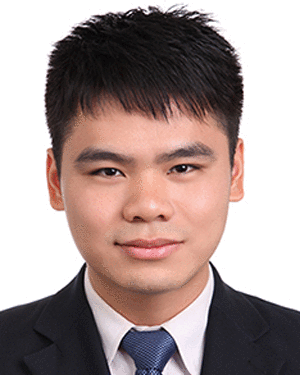 Yi Huang合作论文数China Mobile JIUTIAN Research 15
 Zuoying Wang (王作英)合作论文数Department of Electronic Engineering, Tsinghua University14
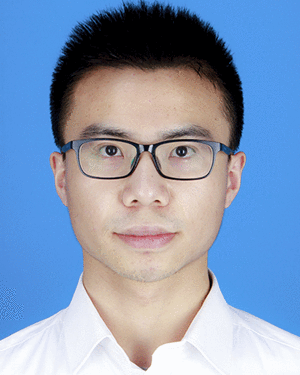 Hong Liu合作论文数12
 Yucheng Cai合作论文数11
 Yunfu Song合作论文数9Keyu An合作论文数9
 Hao Huang (黄浩)合作论文数College of Information Science and Engineering (School of Cyber Science and Engineering), Xinjiang University9Bin Wang (王斌)合作论文数8Huahuan Zheng合作论文数6
 Yichi Zhang合作论文数6Jun Luo合作论文数5
 Yuxiang Hong (洪宇翔)合作论文数4
 Hui Lin合作论文数LAIX4Zhiqiang Tan合作论文数4
 Yang Zhang合作论文数MIT-IBM Watson AI Lab4
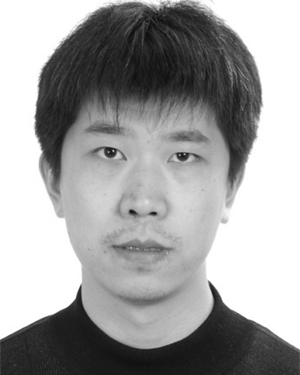 Xianyu Zhao (赵贤钰)合作论文数4Wei Hu合作论文数3
 Mark Hasegawa-Johnson合作论文数Department of Electrical and Computer Engineering, The Grainger College of Engineering, University of Illinois at Urbana-Champaign3
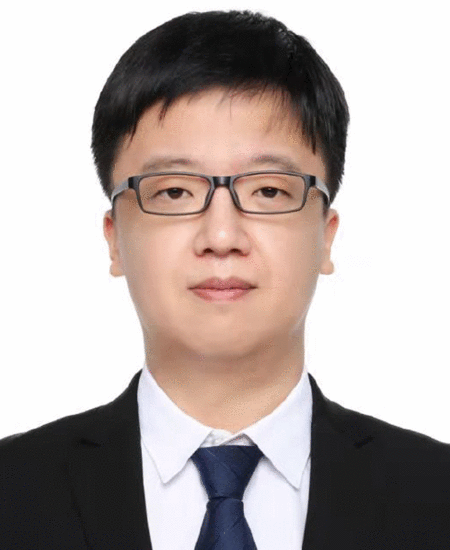 Haotian Xu (徐昊天)合作论文数School of Artificial Intelligence, Shandong University3
 Yinpei Dai (戴音培)合作论文数Situated Language and Embodied Dialogue Lab, University of Michigan3
 Silin Gao (高思林)合作论文数School of Computer & Communication Sciences, École Polytechnique Fédérale de Lausanne3Jun LUO (罗骏)合作论文数3Ying Hu (胡英)合作论文数新疆大学3Jiangjiang Zhao合作论文数2Zhiyao Feng合作论文数2
 Ke Ding合作论文数2
 Zihan Zhang (张子晗)合作论文数Network and Information Security Lab, Tsinghua University;Institute for Network Science and Cyberspace, Tsinghua University2Min Hu合作论文数China Mobile Res Inst, Beijing, Peoples R China2Guanglu Wan合作论文数Meituan, Beijing, China2Wenyu Zhu (朱文宇)合作论文数2Kan Deng (邓侃)合作论文数2
 Si Chen (陈思)合作论文数School of Electronic and Optical Engineering, Nanjing University of Science and Technology2
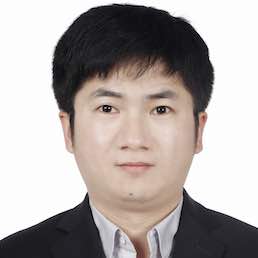 Chao Zhang (张超)合作论文数Institute for Network Science and Cyberspace, Tsinghua University2Akinori Kawamura合作论文数2
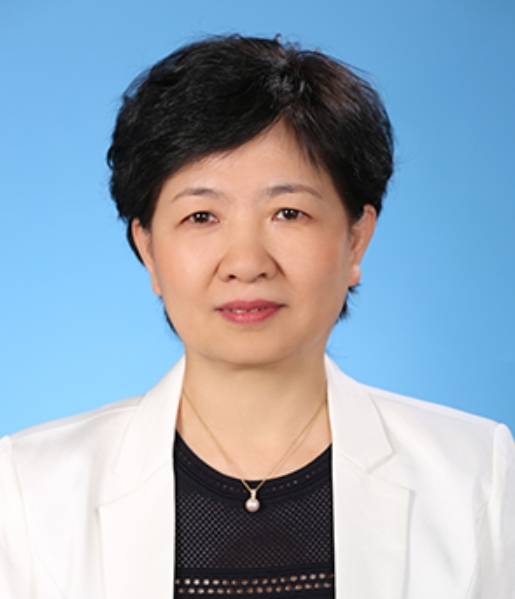 Juanzi Li (李涓子)合作论文数Department of Computer Science and Technology, Tsinghua University2
 Hao Peng合作论文数Department of Computer Science and Technology, Tsinghua University2
 Jiasong Sun (孙甲松)合作论文数Department of Electronic Engineering, School of Information Science and Technology, Tsinghua University2Yong He合作论文数Central South University2
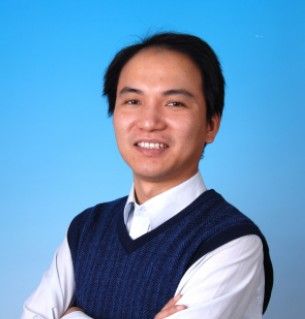 Yimin Zhang (张益民)合作论文数Intel China Research Center,Beijing,P.R.China2
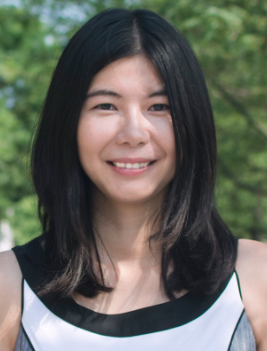 Zhou Yu (俞舟)合作论文数Department of Computer Science, Fu Foundation School of Engineering and Applied Science, Columbia University;Arklex AI;South Park Commons2Liang He (何亮)合作论文数2
 Min Yang (杨珉)合作论文数Shanghai Key Laboratory of Data Science, School of Computer Science, Fudan University2Yiyan Wang合作论文数1Yun Wang合作论文数1Cong Li合作论文数1
 Shuzheng Si (司书正)合作论文数DeepLang AI;Tsinghua University1Zhaobiao Lv (吕召彪)合作论文数1




