We have discovered PSR J2108+5055, an extremely luminous but sporadic mode-changing rotating radio transient (RRAT), with a period of 0.495 s using the Canadian Hydrogen Intensity Mapping Experiment/Fast Radio Burst instrument (CHIME/FRB). We show that the brightest pulse from PSR J2108+5055 has a flux density of 3.1+/-1.0 kJy, corresponding to a spectral luminosity of (7.5+/-2.3)x10^23 erg s^-1 Hz^-1, assuming a dispersion-measure-derived distance of 1.6+/-0.3 kpc. We place an upper limit on the duty cycle of PSR J2108+5055 at 0.002
Fast radio bursts (FRBs) are sufficiently energetic to be detectable from luminosity distances up to at least seven billion parsecs (redshift z > 1). Probing the maximum energies and luminosities of FRBs constrains their emission mechanism and cosmological population. Here, we investigate the maximum energetics of a highly active repeater, FRB 20220912A, using 1500 h of observations. We detect 130 high-energy bursts and find a break in the burst energy distribution, with a flattening of the power-law slope at higher energy-consistent with the behaviour of another highly active repeater, FRB 20201124A. There is a roughly equal split of integrated burst energy between the low-and high-energy regimes. Furthermore, we model the rate of the highest energy bursts and find a turnover at a characteristic spectral energy density of E-char (v) = 2 . 09(-1.04)(+ 3 . 78) x 10(32) erg Hz(-1). This characteristic maximum energy agrees well with observations of apparently one-off FRBs, suggesting a common physical mechanism for their emission. The extreme burst energies push radiation and source models to their limit: at this burst rate a typical magnetar ( B = 10(15 )G) would deplete the energy stored in its magnetosphere in similar to 2150 h, assuming a radio efficiency E-radio = 10(-5). We find that the high-energy bursts ( E-v > 3 x 10(30 )erg Hz(-1)) play an important role in exhausting the energy budget of the source.
We present a catalog of 4539 fast radio bursts (FRBs) observed with the Canadian Hydrogen Intensity Mapping Experiment telescope between 2018 July 25 and 2023 September 15. These bursts originate from 3641 unique sources, including 981 bursts from 83 known repeating sources. For each FRB, the catalog provides an O(10 ') estimate of sky location along with corresponding measurements of cumulative exposure time and survey sensitivity over the observing period. It includes a total-intensity dynamic spectrum between 400 and 800 MHz at 0.983 ms resolution. From this spectrum, we constrain a model of the burst morphology and measure key parameters such as arrival time, intrinsic temporal width, dispersion measure, scattering time, and flux density. This second catalog includes all FRBs from the first catalog, with every event reprocessed using a uniform and improved analysis framework. We show that previously published inferences remain valid under the updated measurements. We assess consistency of the detection rate across observational parameters, present initial distributions of burst properties, and outline ongoing and future studies that will use this catalog to investigate the nature of FRBs and their utility as astrophysical and cosmological probes.
Among the thousands of observed fast radio bursts (FRBs), a few sources exhibit exceptionally high burst activity observable by many telescopes across a broad range of radio frequencies. Almost all of these highly active repeaters have been discovered by the Canadian Hydrogen Intensity Mapping Experiment/FRB project (CHIME/FRB), due to its daily observations of the entire northern sky as a transit radio telescope. FRB 20240114A is a source discovered and reported by CHIME/FRB to the community in 2024 January; given its low declination, even the detection of a few bursts hints at a high burst rate. Following the community announcement of this source as a potentially active repeater, it was extensively followed up by other observatories and has emerged as one of the most prolific FRB repeaters ever observed. This paper presents the five bursts CHIME/FRB observed from FRB 20240114A, with channelized raw voltage data saved for two bursts. We do not observe changes in the dispersion measure of the source greater than ∼1.3 pc cm ^−3 in our observations over a nearly 1 yr baseline. We find a rotation measure of ∼+320 rad m ^−2 . We do not find evidence for scattering at the level of <0.3 ms in the bursts, and we find no evidence for astrophysical scintillation. In our observations of FRB 20240114A, we see a burst rate ∼49 times higher than the median upper limit on the burst rate of apparent nonrepeaters also discovered by CHIME/FRB. With many thousands of bursts observed to date, FRB 20240114A has given the field an extraordinary opportunity to extensively study an FRB and understand its origins.
Massive galaxy clusters can introduce gravitational lensing and populations of suppressed star formation member galaxies into the line of sight, potentially changing the distribution of observable sources toward them from that of the average sky. As a result, Fast Radio Bursts (FRBs) aligned with galaxy clusters can provide a unique window into parameter spaces of the FRB population that other lines of sight do not afford. In this study, we demonstrate that the second CHIME/FRB baseband catalog contains FRBs emitted from within or behind clusters identified from the latest DECaLS data release; we isolate a sample of 26 FRBs where this is likely, including one repeating FRB and two FRBs that intersect the Coma cluster. Comparing our results against a range of simulated FRB populations, we conclude that the number of these associations represents a 3σ rate enhancement toward galaxy clusters, constituting 1.4±0.4% of the FRBs detected in the second CHIME/FRB baseband catalog. We suggest that this enhancement is caused by an equal proportion of member galaxies hosting additional FRBs, and gravitational lensing magnifying background sources. We demonstrate that such contributions are sensitive to alternative progenitor channels and high redshift evolution in the FRB population, providing a future avenue for constraining these features. Considering the redshifts and masses of the associated clusters, we identify FRB 20211113A, which is aligned with the strong gravitational lens Abell 2218 as a potential lensed candidate for further consideration.
We present the discovery and subsequent 3.2 yr monitoring campaign of the repeating fast radio burst (FRB) FRB 20220529A with CHIME/FRB. We observe a gradual decline in dispersion measure (DM) of -0.881 +/- 0.001 pc cm-3 yr-1 (-1.235 +/- 0.001 pc cm-3 yr-1 in the rest frame), implying a >= 3.5% +/- 0.2% decrease in the total electron column in the source environment, and we see scattering timescale variations over weeks to years. We observe a short-lived excursion in which the DM rises by similar to 1 pc cm-3, immediately preceding an increase in transient Faraday rotation measure (RM) of similar to 2000 rad m-2 previously reported for this source, before returning to its gradual decline in DM. During this DM/RM excursion, we identify a local line-of-sight magnetic field of 3.4 +/- 0.2 mG around FRB 20220529A, corresponding to one of the most strongly magnetized FRB environments. We measure a decrease in the linear polarization fraction of FRB 20220529A bursts with decreasing frequency that we attribute to depolarization from multipath propagation in the source environment. We also place a 5 sigma upper limit on the spectral luminosity of an associated persistent radio source of <= 5 & times; 1028 erg s-1 Hz-1 at 1.5 GHz. These observations are consistent with FRB 20220529A originating from a young (approximately years to centuries old) expanding supernova remnant, with short-lived DM and RM variability arising from interactions with the supernova remnant or with a binary companion.
We report the milliarcsecond localization of a high (∼1379 pc cm ^−3 ) dispersion measure (DM) repeating fast radio burst (FRB), FRB 20190417A. Combining European VLBI Network detections of five repeat bursts, we confirm the FRB’s host to be a low-metallicity, star-forming dwarf galaxy at z = 0.12817, similar to the hosts of FRB 20121102A, FRB 20190520B, and FRB 20240114A. We also confirm that it is associated with a previously reported persistent radio source (PRS), which is compact on milliarcsecond scales. Visibility-domain model fitting constrains the transverse physical size of the PRS to <23 pc and yields an integrated flux density of 190 ± 40 μ Jy at 1.4 GHz. Though we do not find significant evidence for DM evolution, FRB 20190417A exhibits a time-variable rotation measure (RM) ranging between +3958 ± 11 rad m ^−2 and +5061 ± 24 rad m ^−2 over a 50-day period. We find no evidence for intervening galaxy clusters in the FRB’s line of sight and place a conservative lower limit on the rest-frame host DM contribution of 1228 pc cm ^−3 (90% confidence)—the largest known for any FRB so far. This system strengthens the emerging picture of a rare subclass of repeating FRBs with large and variable RMs, above-average host DMs, and luminous PRS counterparts in metal-poor dwarf galaxies. Our results suggest that these systems are the result of environmental selection, or a distinct engine for FRB emission.
We analyze the positional and morphological properties of about 3600 unique fast radio burst (FRB) sources reported in the second FRB catalog generated by the Canadian Hydrogen Intensity Mapping Experiment (CHIME) telescope. We find a two-dimensional dependence of FRB detections on sky position and identify a significant absence of detections in a roughly circular region centered at Galactic coordinates (77 .degrees 7, 0 .degrees 9), spanning an area of 213.6 deg2. This detection gap spatially coincides with the Cygnus X region-a plasma-rich star-forming region in the Milky Way. This feature is most likely the result of increased sky temperature and strong multipath scattering by turbulent ionized plasma, which broadens the FRB signals beyond detectability in the CHIME band. Our simulations yield a mean of six expected FRB detections within the gap when accounting for the elevated sky temperature in the direction of the detection gap. We infer that a lower limit of the maximum scattering timescale tau sc, 1 GHz >= 5.59 ms, obtained without assuming a model of the Galactic electron distribution, is sufficient to suppress the brightness of all coincident FRBs. A similar suppression is seen in Catalog 2 along other high emission measure (EM) sight lines (i.e., EM >= 2900 pc cm-6), further supporting a broader trend of suppression due to Galactic scattering. Future very long baseline interferometry measurements of scattering disks with CHIME Outriggers can help confirm our interpretation. Our work highlights the notion that FRBs can serve as new, model-independent tracers of the warm ionized medium within our Galaxy.
FRB 20220912A is a highly active repeating fast radio burst (FRB) source, discovered by the Canadian Hydrogen Intensity Mapping Experiment (CHIME) using its real-time FRB detection system (CHIME/FRB). Here, we present results from a radio monitoring campaign of FRB 20220912A using CHIME, including 200 hours of data collected by CHIME/Pulsar, spanning 1.5 years following the source's discovery. We present an analysis of a sample of 828 CHIME-detected bursts from FRB 20220912A, in the 400-800 MHz radio frequency band. The source remains highly active for 10 weeks and has a bimodal wait-time distribution with peaks at 160^+120_-70 ms and 306^+14_-13 s. Assuming a radio efficiency factor of 10^-4 and a beaming angle of 0.1, we estimate the total emitted energy from the source over the entire observing campaign to be 2 × 10^43 ergs. We report a 2.3σ detection of a linear increase in the DM of 1.4 ± 0.6 pc cm^-3 yr^-1, with no significant trend in rotation measure (with a 3σ upper limit of 13.4 rad m^-2 yr^-1). We contrast our findings with other active repeaters, which exhibit different DM and RM evolution to indicate that FRB 20220912A may reside in a unique local environment.
This paper introduces an approach to analyze nonhomogeneous Poisson processes (NHPP) observed with noise, focusing on previously unstudied second-order characteristics of the noisy process. Utilizing a hierarchical Bayesian model with noisy data, we estimate hyperparameters governing a physically motivated NHPP intensity. Simulation studies demonstrate the reliability of this methodology in accurately estimating hyperparameters. Leveraging the posterior distribution, we then infer the probability of detecting a certain number of events within a given radius, the k-contact distance. We demonstrate our methodology with an application to observations of fast radio bursts (FRBs) detected by the Canadian Hydrogen Intensity Mapping Experiment's FRB Project (CHIME/FRB). This approach allows us to identify repeating FRB sources by bounding or directly simulating the probability of observing k physically independent sources within some radius in the detection domain, or the probability of coincidence (P_C). The new methodology improves the repeater detection P_C in 91
We present 30 newly discovered repeating fast radio burst (FRB) sources from the second catalog of bursts detected by the FRB backend on the Canadian Hydrogen Intensity Mapping Experiment (CHIME/FRB). These repeaters have extragalactic dispersion measures (DMs) spanning 99.4-1446.0 pc cm^-3 and burst rates between 10^-5.7 and 10^-0.5 hr^-1 scaled to a fluence threshold of 5 Jy ms. We report evidence of monotonic, linear DM variations in four repeaters on years-long timescales. The newly discovered sources bring CHIME/FRB's total number of observed repeating FRBs to 80, 79 of which were discovered by CHIME/FRB, between 2018 July 25 and 2023 September 15. In the full CHIME/FRB sample, only 2.4± 0.4% of sources have been observed to repeat, and we do not find evidence for significant evolution of this value over the duration of the experiment. We find no substantial evidence for bimodal populations of one-off and repeating FRBs in their burst rate distributions; the distribution of upper limits on repeat rates implied from observations of as-yet one-offs is entirely contained within the observed range of repeater burst rates and the distributions do not appear inconsistent. Similarly, using the population analysis framework of C. W. James (2023), we find that our observations of repeating and yet-one-off FRBs are equally well fit assuming a power-law distribution of repeat rates with 50-100
We present an overview of CHIME/Slow, a real-time transient search backend under development to search for second-duration radio transients using the CHIME telescope, and results obtained from a pilot survey carried out using the prototype version of the search pipeline. The prototype CHIME/Slow pipeline was tested on archival data obtained in December 2022, January 2023 and February 2023 with a total on-sky time of 17 days with an instantaneous Field of View (FoV) of ∼13 deg^2 . In this pilot survey, we detected nine bursts, one from a new non-repeating source and eight from the known hyperactive repeating source FRB 20220912A. Out of these nine bursts, two bursts from the repeater were not detected by CHIME/FRB, while the non-repeater was detected in the side-lobe of a beam in the CHIME/FRB exhibiting shorter pulse width and narrower bandwidth compared to the CHIME/Slow detection. Here we report properties of the bursts, discuss the sensitivity and completeness of the current version of the CHIME/Slow pipeline, and outline future development to improve its performance. Finally, based on these results, we report the all-sky rate (95
On 2024 December 28, CHIME/FRB detected the thus-far non-repeating FRB 20241228A with a real-time signal-to-noise ratio of >50. Approximately 112 s later, the X-ray Telescope onboard the Neil Gehrels Swift Observatory was on source, the fastest follow-up to-date of a non-repeating FRB (Tohuvavohu et al. in prep.). Using CHIME/FRB and two of the three CHIME/FRB Outriggers, we obtained a Very Long Baseline Interferometry localization for FRB 20241228A with a 1σ confidence ellipse of 11^'' by 0.2^''. This represents the first published localization using both the CHIME-KKO and CHIME-GBO Outriggers. We associate FRB 20241228A with a star-forming galaxy at a redshift of z = 0.1614±0.0002. The persistent X-ray luminosity limit at this source's location and distance is <1.2 × 10^43 erg s^-1 in the 0.3-10 keV band, the most stringent limit of any non-repeating FRB to-date (Tohuvavohu et al. in prep.). The stellar mass (∼ 2.6 × 10^10 M_⊙) and star formation rate (∼ 2.9 M_⊙ yr^-1) of the host galaxy of FRB 20241228A are consistent with the broader FRB host galaxy population. We measure significant scattering (∼1ms) and scintillation (∼20 kHz at 600 MHz) along the line of sight to this source, and suggest the scintillation screen is Galactic while the scattering screen is extragalactic. FRB 20241228A represents an exciting example of a new era in which we can harness VLBI-localizations and rapid high-energy follow-up to probe FRB progenitors.
We report the discovery of the repeating fast radio burst (FRB) source FRB 20240209A using the Canadian Hydrogen Intensity Mapping Experiment (CHIME)/FRB telescope. We detected 22 bursts from this repeater between 2024 February and July, 6 of which were also recorded at the Outrigger station k’niʔatn k’l ⌣ stk’masqt (KKO). The multiple very long baseline interferometry localizations using the 66 km long CHIME–KKO baseline, each with a different baseline vector orientation due to the repeater’s high decl. of ∼86°, enabled the combined localization region to be constrained to 1″ × 2″. We present deep Gemini optical observations that, combined with the FRB localization, enabled a robust association of FRB 20240209A to the outskirts of a luminous galaxy (P(O∣x) = 0.99; L ≈ 5.3 × 10 10 L ⊙ ). FRB 20240209A has a projected physical offset of 40 ± 5 kpc from the center of its host galaxy, making it the FRB with the largest host galaxy offset to date. When normalized by the host galaxy size, the offset of FRB 20240209A (5.1 R eff ) is comparable to that of FRB 20200120E (5.7 R eff ), the only FRB source known to originate in a globular cluster. We consider several explanations for the large offset, including a progenitor that was kicked from the host galaxy or in situ formation in a low-luminosity satellite galaxy of the putative host, but find the most plausible scenario to be a globular cluster origin. This, coupled with the quiescent, elliptical nature of the host as demonstrated in our companion Letter, provides strong evidence for a delayed formation channel for the progenitor of the FRB source.
An important task in the study of fast radio bursts (FRBs) remains the automatic classification of repeating and nonrepeating sources based on their morphological properties. We propose a statistical model that considers a modified logistic regression to classify FRB sources. The classical logistic regression model is modified to accommodate the small proportion of repeaters in the data, a feature that is likely due to the sampling procedure and duration and is not a characteristic of the population of FRB sources. The weighted logistic regression hinges on the choice of a tuning parameter that represents the true proportion τ of repeating FRB sources in the entire population. The proposed method has a sound statistical foundation, direct interpretability, and operates with only five parameters, enabling quicker retraining with added data. Using the CHIME/FRB Collaboration sample of repeating and nonrepeating FRBs and numerical experiments, we achieve a classification accuracy for repeaters of nearly 75% or higher when τ is set in the range of 50%–60%. This implies a tentative high proportion of repeaters, which is surprising, but is also in agreement with recent estimates of τ that are obtained using other methods.
Fast radio bursts (FRBs) are microsecond-to-millisecond-duration radio transients1 that originate mostly from extragalactic distances. The FRB emission mechanism remains debated, with two main competing classes of models: physical processes that occur within close proximity to a central engine2-4; and relativistic shocks that propagate out to large radial distances5-8. The expected emission-region sizes are notably different between these two types of models9. Here we present the measurement of two mutually coherent scintillation scales in the frequency spectrum of FRB 20221022A10: one originating from a scattering screen located within the Milky Way, and the second originating from its host galaxy or local environment. We use the scattering media as an astrophysical lens to constrain the size of the observed FRB lateral emission region9 to ≲3 × 10⁴ kilometres. This emission size is inconsistent with the expectation for the large-radial-distance models5-8, and is more naturally explained by an emission process that operates within or just beyond the magnetosphere of a central compact object. Recently, FRB 20221022A was found to exhibit an S-shaped polarization angle swing10, most likely originating from a magnetospheric emission process. The scintillation results presented in this work independently support this conclusion, while highlighting scintillation as a useful tool in our understanding of FRB emission physics and progenitors.
The discovery and localization of FRB 20240209A by the Canadian Hydrogen Intensity Mapping Fast Radio Burst (CHIME/FRB) experiment marks the first repeating FRB localized with the CHIME/FRB Outriggers and adds to the small sample of repeating FRBs with associated host galaxies. Here we present Keck and Gemini observations of the host that reveal a redshift z = 0.1384 ± 0.0004. We perform stellar population modeling to jointly fit the optical through mid-IR data of the host and infer a median stellar mass log( M * / M ⊙ ) = 11.35 ± 0.01 and a mass-weighted stellar population age ~11 Gyr, corresponding to the most massive and oldest FRB host discovered to date. Coupled with a star formation rate <0.31 M ⊙ yr −1 , the specific star formation rate <10 −11.9 yr −1 classifies the host as quiescent. Through surface brightness profile modeling, we determine an elliptical galaxy morphology, marking the host as the first confirmed elliptical FRB host. The discovery of a quiescent early-type host galaxy within a transient class predominantly characterized by late-type star-forming hosts is reminiscent of short-duration gamma-ray bursts, Type Ia supernovae, and ultraluminous X-ray sources. Based on these shared host demographics, coupled with a large offset as demonstrated in our companion Letter, we conclude that preferred sources for FRB 20240209A include magnetars formed through merging binary neutron stars/white dwarfs or the accretion-induced collapse of a white dwarf, or a luminous X-ray binary. Together with FRB 20200120E localized to a globular cluster in M81, our findings provide strong evidence that some fraction of FRBs may arise from a process distinct from the core collapse of massive stars.
Fast radio bursts (FRBs) last for milliseconds and arrive at Earth from cosmological distances. Although their origins and emission mechanisms are unknown, their signals bear similarities with the much less luminous radio emission generated by pulsars within our Miky Way Galaxy1, with properties suggesting neutron star origins2,3. However, unlike pulsars, FRBs typically show minimal variability in their linear polarization position angle (PA) curves4. Even when marked PA evolution is present, their curves deviate significantly from the canonical shape predicted by the rotating vector model (RVM) of pulsars5. Here we report on FRB 20221022A, detected by the Canadian Hydrogen Intensity Mapping Experiment Fast Radio Burst project (CHIME/FRB) and localized to a nearby host galaxy (about 65 Mpc), MCG+14-02-011. This FRB shows a notable approximately 130° PA rotation over its about 2.5 ms burst duration, resembling the characteristic S-shaped evolution seen in many pulsars and some radio magnetars. The observed PA evolution supports magnetospheric origins6-8 over models involving distant shocks9-11, echoing similar conclusions drawn from tempo-polarimetric studies of some repeating FRBs12,13. The PA evolution is well described by the RVM and, although we cannot determine the inclination and magnetic obliquity because of the unknown period or duty cycle of the source, we exclude very short-period pulsars (for example, recycled millisecond pulsars) as the progenitor.
The Canadian Hydrogen Intensity Mapping Experiment (CHIME) has emerged as the world's premier facility for studying fast radio bursts (FRBs) through its fast transient search backend CHIME/FRB\@. The CHIME/FRB Outriggers project will augment this high detection rate of 2--3 FRBs per day with the ability to precisely localize them using very long baseline interferometry (VLBI). Using three strategically located stations in North America and deploying recently developed synoptic VLBI observing techniques, the Outriggers will provide $\sim 50$~milliarcsecond localization precision for the majority of detected FRBs. This paper presents an overview of the design and implementation of the Outriggers, covering their geographic distribution, structural design, and observational capabilities. We detail the scientific objectives driving the project, including the characterization of FRB populations, host galaxy demographics, and the use of FRBs as cosmological probes. We also discuss the calibration strategies available to mitigate ionospheric and instrumental effects, ensuring high-precision localization. With two stations currently in science operations, and the third in commissioning, the CHIME/FRB Outriggers project is poised to become a cornerstone of the FRB field, offering unprecedented insights into this enigmatic cosmic phenomenon.
 Victoria Kaspi合作论文数Department of Physics, McGill University;McGill Space Institute73
 Scholz Paul合作论文数69
 Ingrid Stairs合作论文数Department of Physics & Astronomy, University of British Columbia67E. Fonseca合作论文数64
 Daniele Michilli合作论文数Netherlands Inst Radio Astron, ASTRON, Postbus 2, NL-7990 AA Dwingeloo, Netherlands64
 Mohit Bhardwaj合作论文数McGill Space Inst, McGill Univ64
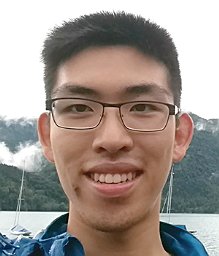 Calvin Leung合作论文数MIT Kavli Institute for Astrophysics and Space Research, Massachusetts Institute of Technology;Department of Physics, Massachusetts Institute of Technology;MIT Kavli Institute for Astrophysics and Space Research, Massachusetts Institute of Technology62
 Kendrick Smith合作论文数Perimeter Institute for Theoretical Physics60Aaron B. Pearlman合作论文数Department of Physics;University of Maryland;Department of Physics, University of Maryland55K. Shin合作论文数50C. Brar合作论文数50
 Bryan M Gaensler合作论文数Division of Physical and Biological Sciences, University of California, Santa Cruz;Department of Astronomy and Astrophysics, University of California, Santa Cruz50
 Masoud Rafiei-Ravandi合作论文数Department of Physics, McGill University;bridget.andersen@mail.mcgill.ca;McGill Space Institute, McGill University;McGill University, McGill University49T. Cassanelli合作论文数45
 Kiyoshi Masui合作论文数Department of Physics, Massachusetts Institute of Technology;Kavli Institute for Astrophysics and Space Research, Massachusetts Institute of Technology43
 Shriharsh Tendulkar合作论文数LeoLabs39
 P. Chawla合作论文数McGill Space Inst, McGill Univ38Ketan R. Sand合作论文数Dept Phys, McGill Univ35Mubdi Rahman合作论文数35K. Nimmo合作论文数ASTRON, Netherlands Inst Radio Astron, Oude Hoogeveensedijk 4, NL-7991 PD Dwingeloo, Netherlands34
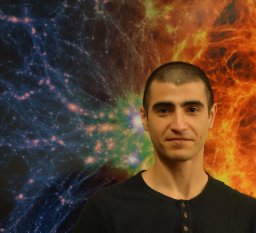 Juan Mena-Parra合作论文数Natl Radio Astron Observ33Bridget C. Andersen合作论文数33
 Matt Dobbs合作论文数Department of Physics, McGill University;Department of Electrical and Computer Engineering, McGill University32Jane F. Kaczmarek合作论文数31Kevin Bandura合作论文数Dept Phys, McGill Univ31Paul J Boyle合作论文数30
 B. W. Meyers合作论文数Department of Physics and Astronomy, University of British Columbia;International Centre for Radio Astronomy Research (ICRAR),, Curtin University;University of British Columbia, Curtin University29
 Shami Chatterjee合作论文数Sydney Institute for Astronomy;School of Physics;University of Sydney;School of Physics, University of Sydney29
 J.W.T. (Jason) Hessels合作论文数Anton Pannekoek Institute for Astronomy, Faculty of Science, University of Amsterdam;Anton Pannekoek Institute for Astronomy;Department of Physics, McGill University27
 Fengqiu Adam Dong合作论文数Department of Physics and Astronomy, The University of British Columbia26
 Scott Ransom合作论文数National Radio Astronomy Observatory;Department of Astronomy, University of Virginia26Alice P. Curtin合作论文数25Keith Vanderlinde合作论文数David A. Dunlap Department of Astronomy & Astrophysics, Faculty of Arts and Science, University of Toronto25
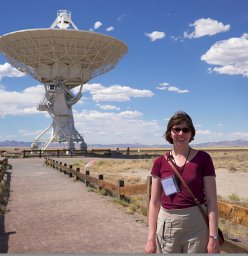 Deborah C. Good合作论文数Dept Phys & Astron, Univ British Columbia24Ryan Mckinven合作论文数24Emily Petroff合作论文数23
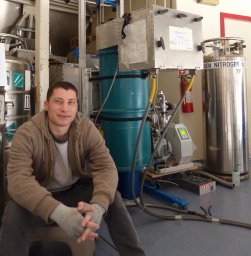 Seth R. Siegel合作论文数Natl Radio Astron Observ22Ayush Pandhi合作论文数21
 Amanda Cook合作论文数NASA Ames Research Center21A. Josephy合作论文数21
 Ue-Li Pen合作论文数David A. Dunlap Department of Astronomy & Astrophysics, University of Toronto;Canadian Institute for Theoretical Astrophysics;Academia Sinica Institute of Astronomy & Astrophysics21
 Pranav Sanghavi合作论文数Lane Dept Comp Sci & Elect Engn, 1220 Evansdale Dr,POB 6109, Morgantown, WV 26506 USA20
 Gwendolyn Eadie合作论文数David A. Dunlap Department of Astronomy & Astrophysics, Faculty of Arts and Science, University of Toronto20
 Hsiu-Hsien Lin合作论文数National Taiwan University, Natl Taiwan Univ20
 Dongzi Li (李冬子)合作论文数清华大学天文系17Robert Main合作论文数Univ Toronto, Dept Astron & Astrophys, Toronto, ON, Canada17Adam E. Lanman合作论文数15Mattias Lazda合作论文数14C. Patel合作论文数14




