Recent updates to monocyte count thresholds recognize oligomonocytic chronic myelomonocytic leukemia (OM-CMML) as an early form of CMML. However, the clinical validity of these changes remains uncertain without incorporating biological and genomic factors. In this study, we analyzed a cohort of 911 patients (249 with OM-CMML, 359 with overt CMML, and 303 with myelodysplastic syndromes) using unsupervised clustering to evaluate the role of genomic determinants in refining CMML diagnosis. Our findings show that CMML molecular signatures (biallelic TET2 mutations or SRSF2-TET2 comutations) are linked to a distinct transcriptome, monocytic bias, classical monocytosis, and a higher risk of progression to overt CMML in OM-CMML cases. We developed a weighted genomic model and diagnostic workflow showing that combining genomic signatures with bone marrow monocyte frequencies in OM-CMML more accurately predicts progression to overt CMML. These findings support integrating genomic determinants and our clinic-ready diagnostic workflow into the CMML diagnostic framework to improve accuracy. SIGNIFICANCE:Through comprehensive clinical and genomic profiling of a large patient cohort, alongside immunophenotypic and transcriptional cellular analyses, this study provides evidence that incorporating genomic determinants into the diagnostic criteria for OM-CMML improves diagnostic accuracy and refines the identification of early-stage CMML, thereby preventing misclassification.
Association of biTET2/SRSF2 and monocytic differentiation parameters in a validation cohort.
IntroductionPhotothermal therapy (PTT) faces limitations due to tumor microenvironment (TME) heterogeneity and single-modality constraints, including hypoxia, redox imbalance, and uneven heat distribution, which compromise therapeutic durability. Integrating nanozyme catalysis with PTT presents a promising strategy to amplify oxidative stress, yet achieving a balance among catalytic efficiency, photothermal performance, biocompatibility, and stability remains challenging.MethodsHerein, we developed an epigallocatechin gallate (EGCG)-modified palladium-based nanozyme (EGCG-PdZyme) for the precision treatment of esophageal cancer. This multifunctional platform was engineered to integrate catalase-like oxygen generation, peroxidase-like reactive oxygen species (ROS) production, and near-infrared photothermal conversion capabilities.ResultsWhile EGCG modification slightly attenuated the intrinsic catalytic activity and peak photothermal temperature, it established an optimized thermo-catalytic synergy. Sustained mild hyperthermia amplified oxidative stress, effectively offsetting the reduced catalytic output and minimizing thermal damage to peritumoral tissues. Mechanistically, persistent photothermal heating boosted enzymatic ROS generation within the TME, initiating a self-amplifying therapeutic cascade. Furthermore, EGCG functionalization significantly enhanced colloidal stability and biosafety, enabling effective tumor ablation with negligible systemic toxicity.DiscussionThis study demonstrates a paradigm shift from maximizing isolated parameters toward achieving a dynamic equilibrium between catalytic functionality and biological compatibility. By integrating TME modulation with controlled photothermal amplification, the EGCG-PdZyme platform offers a viable strategy for clinically translatable precision oncotherapy.
Spatial transcriptomics (ST) provides unprecedented insights into gene expression patterns while retaining spatial context, making it a valuable tool for understanding complex tissue architectures, such as those found in cancers. Seurat, by far the most popular tool for analyzing ST data, uses the Wilcoxon rank-sum test by default for differential expression analysis. However, as a nonparametric method that disregards spatial correlations, the Wilcoxon test can lead to inflated false positive rates and misleading findings. This limitation highlights the need for a more robust statistical approach that effectively incorporates spatial correlations. To this end, we propose a Generalized Estimating Equations (GEE) framework as a robust solution for differential gene expression analysis in ST. We conducted a comprehensive comparison of the GEE-based tests with existing methods, including the Wilcoxon rank-sum test and z-test. By appropriately accounting for spatial correlations, extensive simulations showed that the GEE test with robust standard error, referred to as the Independent GEE, demonstrated superior Type I error control and comparable power relative to other methods. Applications to ST datasets from breast and prostate cancer showed poor calibration of the p-values and potential false positive findings from the Wilcoxon rank-sum test. Our comparative study based on simulations and real data applications suggests that the Independent GEE test is well-suited for ST data, offering more accurate identification of biologically relevant gene expression changes and complementing the Wilcoxon rank-sum test. We have implemented the proposed method in R package "SpatialGEE", available on GitHub.
Correlation between RAS pathway mutation variant allele frequencies and monocytic parameters.
Cytogenetic abnormalities and somatic mutations among all patients included in the validation cohort.
Characteristics of patients in whom bulk RNA-sequencing was performed in bone marrow CD34+ cells.
The xenotransplantation of human cells into porcine hosts holds immense potential in the fields of regenerative medicine and organ transplantation. However, the low survival rate of human-derived cells within porcine remains a critical bottleneck constraining the application of xenotransplantation. Whether porcine cells exert negative effect on human cell growth is not studied. Here, we established an in vitro direct co-culture model of human and porcine mesenchymal stem cells (hMSCs and pMSCs) to investigate the competitive relationship between human and porcine-derived cells. The results demonstrated that the proliferation capability of hMSCs in the co-culture system was significantly suppressed compared to those cultured in isolation. Moreover, an increasing number of pMSCs exhibited enhanced inhibition of hMSC proliferation. Notably, results from transwell assays and treatment with porcine-conditioned medium indicated that the inhibition of hMSCs by pMSCs was not mediated through soluble cytokines. To elucidate the underlying molecular mechanisms, RNA sequencing analysis was performed and the result revealed that direct co-culture significantly downregulated the expression of proliferation-related genes in hMSCs, including CYP1B1, SLC7A11, TFAP2C, and PSAT1. Concurrently, the co-culture paradigm disrupted endoplasmic reticulum function and multiple amino acid transport processes within hMSCs, while activating the NF-κB signaling pathway, thereby achieving negative regulation of hMSC proliferation. Collectively, our primary study characterized the competitive interactions between hMSCs and pMSCs and uncovered possible underlying mechanisms which provided new experimental foundations for improving human cell survival in porcine hosts to advance xenotransplantation application.
Osteoarthritis (OA) is a prevalent degenerative joint disease characterized by multifactorial pathological mechanisms, and remains a significant clinical challenge. Exosome therapy represents a future direction for delaying OA progression, yet its efficacy is often compromised by inflammatory microenvironment within the joints. To overcome these limitations, we present a novel combinatorial therapeutic platform that alleviates OA through a multi-targeted strategy, including the scavenging of reactive oxygen species (ROS), suppression of macrophage-driven inflammation, and inhibition of chondrocyte ferroptosis. This platform combines dental pulp stem cells-derived exosomes (Exo) with hollow mesoporous cerium oxide nanozymes, which were first loaded with curcumin and subsequently coated with hyaluronic acid, termed HA@Cur@CeO2. In vitro, this combination reduced intracellular ROS and promoted macrophage polarization toward the anti-inflammatory M2 phenotype, thereby remodeling the OA microenvironment and halting the inflammatory cascade. Additionally, Exo and HA@Cur@CeO2 nanozymes complementarily modulated ALOX12-and GPX4-dependent ferroptosis pathways in chondrocytes, with the combined approach yielding superior anti-ferroptotic effects. For in vivo assessment, Exo and HA@Cur@CeO2 were encapsulated within a chitosan/β-glycerophosphate hydrogel to achieve sustained release (Exo/HA@Cur@CeO2/Gel). This formulation significantly reduced inflammation, chondrocyte ferroptosis, cartilage degeneration, and subchondral bone remodeling, ultimately slowing OA progression. With excellent biocompatibility, this innovative combinatorial therapeutic strategy represents a comprehensive approach for enhancing Exo efficacy in OA treatment with promising translational potential.
Cytogenetic abnormalities and somatic mutations among all patients included in the test cohort.
 Bo Tang (唐博)合作论文数College of Veterinary Medicine, Jilin University69
 Sheng Zhang合作论文数55
 Xueming Zhang (张学明)合作论文数College of Veterinary Medicine, Jilin University54
 Xinglan An (安星兰)合作论文数54
 Rashmi Kanagal Shamanna合作论文数Molecular Diagnostic Laboratory, Department of Hematopathology, Division of Pathology and Laboratory Medicine, The University of Texas MD Anderson Cancer Center;Leukemia Planning Clinic, Department of Hematopathology, Division of Pathology and Laboratory Medicine, The University of Texas MD Anderson Cancer Center40
 Guillermo Garcia-Manero合作论文数Section of Myelodysplastic Syndromes, Department of Leukemia, Division of Cancer Medicine, The University of Texas MD Anderson Cancer Center;UTHealth Houston Graduate School of Biomedical Sciences36
 Koji Sasaki合作论文数29Kelly S Chien合作论文数28Danielle Hammond合作论文数28Jingxin Fu合作论文数27
 Gautam Borthakur合作论文数Department of Leukemia, Division of Cancer Medicine, The University of Texas MD Anderson Cancer Center27
 Yanhui Zhai合作论文数26
 Peng Zhang (张鹏)合作论文数Shanghai Pulmonary Hospital;school of medicine, Tongji University26
 X. Shirley Liu合作论文数GV20 Therapeutics26
 Tapan M. Kadia合作论文数Department of Leukemia, Division of Cancer Medicine, M.D. Anderson Cancer Center26
 Myles A. Brown合作论文数Center for Functional Cancer Epigenetics, Dana-Farber Cancer Institute;Harvard Medical School25Sailing Shi合作论文数23
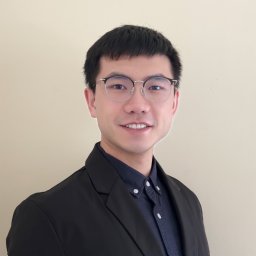 Wubing Zhang合作论文数School of Life Science and Technology, Tongji University23
 Hagop M. Kantarjian合作论文数Department of Leukemia, Division of Cancer Medicine, The University of Texas MD Anderson Cancer Center23
 Elias Jabbour合作论文数Department of Leukemia, Division of Cancer Medicine, MD Anderson Cancer Center, University of Texas23
 Qi Li (李琦)合作论文数School of Integrative Medicine, Shanghai University of Traditional Chinese Medicine23
 Farhad Ravandi-Kashani合作论文数Section of Developmental Therapeutics, Department of Leukemia, The University of Texas MD Anderson Cancer Center;Division of Cancer Medicine, The University of Texas MD Anderson Cancer Center23Xiangpeng Dai (代相鹏)合作论文数22
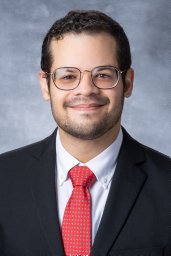 Samuel Urrutia合作论文数Department of Cancer Medicine, University of Texas MD Anderson Cancer Center22
 Naval G. Daver合作论文数Department of Leukemia, Division of Cancer Medicine, The University of Texas MD Anderson Cancer Center21
 Hao Yu (于浩)合作论文数College of Animal Science, Jilin University21Guillermo Montalban Bravo合作论文数19
 Courtney DiNardo合作论文数Department of Leukemia, The University of Texas MD Anderson Cancer Center19Gu Shengqing合作论文数19Peng Jiang合作论文数19
 Guangqi Song合作论文数Jilin Univ, Jilin Prov Key Lab Anim Embryo Engn, Ctr Anim Embryo Engn Jilin Prov, Coll Anim Sci & Vet Med, Changchun 130062, Jilin, Peoples R China18Tong Han合作论文数17
 Kai Wucherpfennig合作论文数Division of Medical Sciences, Harvard Medical School;Department of Cancer Immunology and Virology, Dana-Farber Cancer Institute17
 Alexandre Bazinet合作论文数16
 Zhanpeng Yue (岳占碰)合作论文数College of Veterinary Medicine, Jilin University16
 Deng Pan (潘登)合作论文数School of Medicine, Tsinghua University16
 John Engelhardt合作论文数Department of Anatomy and Cell Biology, Carver College of Medicine, University of Iowa16
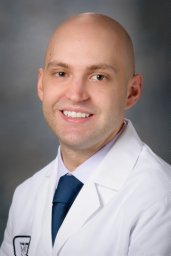 Nicholas Short合作论文数Department of Cellular and Structural Biology, University of Texas Health Science Center at San Antonio16
 Irene Ganan-Gomez合作论文数MD Anderson Cancer Center, The University of Texas15
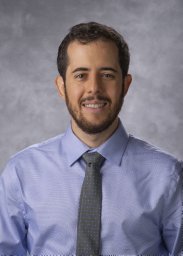 Alex Bataller合作论文数Dept Leukemia, Univ Texas MD Anderson Canc Ctr15
 Stephanie Pierce合作论文数Western Governors University14
 Meng Zhang合作论文数13
 Daoyu Zhang合作论文数13
 Peipei An合作论文数12Zhengzhu Wang合作论文数12
 Yupeng Yin (殷玉鹏)合作论文数College of Veterinary Medicine, Northwest A&F University12
 Chenfei Wang (王晨飞)合作论文数School of Life Science and Technology, Tongji University12Juan José Rodríguez-Sevilla合作论文数11
 Loghavi Sanam合作论文数Dept Hematopathol, Univ Texas MD Anderson Canc Ctr11




