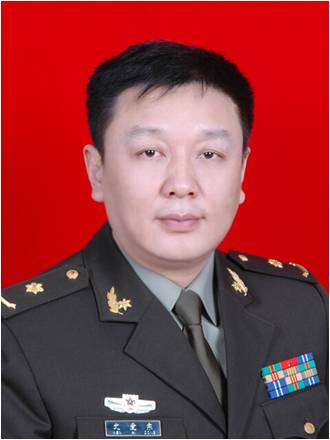
"解放军空军军医大学(第四军医大学)是一所培养高、中层次医学专业人才的全国重点大学。学校于1952年命名为第四军医大学,1954年与原第五军医大学合并,2017年转隶空军,原空军航空医学研究所并入后组建空军军医大学,2018年,原空军总医院与原空军航空医学研究所合并组建空军特色医学中心,隶属学校。学校1959年被中共中央确定为全国首批20所重点大学之一,1995年进入军队重点建设院校行列,1997年成为国家首批22所“211工程”重点建设院校之一,2017年进入国家“双一流”建设首批一流学科建设院校行列。学校本部坐落在古城西安。建校以来,先后培养9万余名高素质医学人才,很多毕业生已成为国内外知名的专家学者和我军各级卫生机构的领导。涌现出了被国家和军队授予“富于理想、勇于献身的优秀大学生”张华、华山抢险战斗集体、模范学员大队、“育人大师”李继硕、“模范军医”陈绍洋等全国先进典型。学校机关设一办七处,下辖航空航天医学系、军事预防医学系、军事生物医学工程学系、药学系、军事医学心理学系、护理系、基础医学院、研究生院、空军特色医学中心(北京)、空军卫勤训练基地、第一附属医院(西京医院)、第二附属医院(唐都医院)、第三附属医院(口腔医院)、空军第九八六医院等。学校人才济济,教学、医疗、科研实力雄厚。学校拥有中国科学院院士1名、工程院院士4名、国家“万人计划”入选者12名、国家“973”首席科学家7名、教育部“长江学者”34名、国家百千万人才工程入选对象10名、国家有突出贡献中青年专家7名、国家杰出青年基金获得者20名、全国优秀科技工作者13名、“求是”杰出青年实用工程奖获得者5名、教育部新世纪优秀人才支持计划入选者14名、军队专业技术重大贡献奖获得者2名、军队杰出专业技术人才奖获得者7名、军队创新人才工程培养对象20名、军队院校育才金奖获得者37名。现有博士生导师336名,硕士生导师596名,国务院学位委员会学科评议组成员5名。周光召、杨振宁等300多位国内外知名专家为学校名誉教授或客座教授。学校现有本科学历教育、研究生教育、任职教育3个培训层次。学校是国务院批准的首批博士、硕士学位授权单位,现有博士学位一级授权学科12个,硕士学位一级授权学科12个,并设有10个博士后流动站。目前有6个学科领域进入ESI全球前1%,25个学科排名全国前10名。现有国家重点和培育学科19个,国家重大科研基础设施1个,国家重点实验室2个,国家临床医学研究中心2个,国家临床重点专科军队建设项目23个,全军医学专科中心35个,军队后勤科研实验室19个,全军医学专业重点实验室17个。近年来,学校教学改革成绩显著,学校本科教学改革项目累计获得国家、军队和省部级教学成果奖近百项,其中国家级教学成果奖9项,特别是2001年荣获国家级教学成果特等奖,成为当年国内获此殊荣的两所高校之一(另一所为北京大学)。获全国优秀博士学位论文11篇,全军优秀博士学位论文46篇,陕西省优秀博士学位论文127篇,全军优秀硕士学位论文62篇。学校教学设施设备齐全。图书馆占地12000平方米,现有藏书60余万册,中外文纸质期刊近1000种,各类数据库近40个。现有四套有线网络和一套无线网络,覆盖全校各单位。学校拥有教学标本陈列馆、计算机教学实验室、外语教学中心、基础医学教学实验中心、体育场馆、游泳馆等教学公共设施。拥有数码互动教学系统、虚拟实验教学系统、临床技能模拟训练系统、双源螺旋CT、术中核磁、手术机器人、PET/CT、PET/MR、螺旋断层放射治疗系统、立体定向放射治疗系统等大批先进的设施设备。学校医疗工作成绩显著。所属各医疗机构均为三级甲等医院,其中第一附属医院综合实力排名连续7年位居全国第五,第三附属医院在全国口腔专科医院排名中稳居前四。2017年教育部公布全国第四轮学科评估结果,第三附属医院口腔医学学科与北京大学、四川大学并列进入A+。学校先后创造出90多项国内外“第一”或“唯一”的医学成就,世界首例“十指断离再植术”,世界首例“坑面女颌面再造术”,国内首例、世界第二例“换脸术”,国内首例“人子宫移植术”等,在国内外产生重大影响。学校高度重视科学研究和对外学术交流,并取得了一大批研究成果。近年来,获得各类科技成果奖千余项,其中国家自然科学奖1项、国家技术发明奖8项、国家科技进步奖58项、军队科技进步一等奖36项、军队医疗成果一等奖17项、省科学技术一等奖89项。“十三五”以来,获省部级以上科研项目1800余项,获批的各类科研经费总额超过16亿元。先后获“973”首席科学家项目8项,2008年至2011年连续4年荣获5项国家科技进步一等奖,2016年获国家科技进步奖创新团队奖。近5年,先后派出1100余人次出访参加国际会议、合作研究、学术交流、短期培训等,接待国外近千名专家学者来校访问。目前,学校已与美、英、日、法、德、澳等国家学术机构建立了稳定的学术交流渠道和合作关系。学校坚持人民军队宗旨,坚决履行人民军队使命。在抗日战争、解放战争、抗美援朝、西藏平叛、中印和中越边境自卫反击战中,用信仰和忠诚传承了红色基因,圆满完成了战场救护任务。执行抗击非典、抗洪抢险、抗震救灾、国庆阅兵、世博安检、亚运三防、维稳处突、国际维和等30余次非战争军事行动卫勤保障任务,多次受到党、国家和军委的褒奖。2010年,圆满完成了亚丁湾海域“和谐使命—2010”医疗保障任务;2015年,派出17人执行援非抗埃任务,用精湛医术架起了中非友谊的桥梁,彰显了中国军医的风采;2016年,抽组卫勤骨干参加上合组织“和平使命—2016”国际联合军事演习医疗保障;2020年,派出医疗队支援湖北武汉开展新型冠状病毒感染肺炎患者救治工作。新的历史时期,学校将在中央军委和空军党委的正确领导下,聚焦加快建设一支空天一体、攻防兼备的强大人民空军战略,坚持立足空军、面向全军、突出特色、集约办学的发展思路和军事医学战场第一、基础医学世界第一的建设标准,瞄准百年名校目标,为打造全军顶尖、全国领先、世界闻名的高等军事医学学府而努力奋斗!"







Paired immunoglobulin-like receptor B (PirB) has been identified as a new receptor for myelin-associated inhibitory (MAI) proteins, which may play important role in axonal regeneration and corticospinal tract (CST) projection associated with neurobehavioral function recovery after stroke. Here, we found that the expression of PirB was increased in the cortical penumbra from 1 to 28 days after transient focal cerebral ischemic reperfusion of rats. Then, transactivator of transcription-PirB extracellular peptide (TAT-PEP) was generated that might block the interactions between MAIs and PirB. The results showed that TAT-PEP displayed high affinity for MAIs and ameliorated their inhibitory effect on neurite growth. Furthermore, TAT-PEP can widely distribute in the penumbra after intraperitoneal injection. Then, we found that TAT-PEP enhanced neurite growth and alleviated growth cone collapse after oxygen glucose deprivation (OGD) injury. In addition, TAT-PEP promoted long-term neurobehavioral functional recovery through enhancing axonal regeneration and CST projection. Finally, the observations demonstrated that POSH/RhoA/growth-associated protein 43 (GAP43) as PirB-associated downstream signaling molecules played important role in neurobehavioral functional recovery after stroke. Moreover, the underlying mechanism associated with TAT-PEP-mediated promoting axonal regeneration and CST projection was by intervening in the expression of POSH, RhoA, and GAP43. These studies suggest that TAT-PEP may represent an attractive therapeutic strategy against stroke.
Optimizing the immune microenvironment is essential for successful implant osseointegration. In this study, four different nano/microstructures were fabricated on polyetheretherketone (PEEK) substrates by varying the agitation speed during sulfonation to influence osteoimmunomodulation and implant integration. The results indicate that nano/microstructures with minimal dimensions (SP450) inhibit actin polymerization by reducing calcium influx through PIEZO1, activating the anti-inflammatory M2 macrophage phenotype. Among the tested specimens, SP450 exhibited the lowest expression levels of tumor necrosis factor-α and interleukin-1β while releasing the highest levels of anti-inflammatory factors, including interleukin-4 and interleukin-10. This optimized immune environment promotes the osteogenesis of MC3T3-E1 pre-osteoblasts and enhances the osseointegration of PEEK implants. Transcriptomic analysis and validation experiment further revealed that SP450 inhibits osteoclastic differentiation by down-regulating transforming growth factor-β2 and suppressing the NF-κB signaling pathway. These findings suggest that manipulating the surface topography of PEEK implants is an effective strategy for enhancing osseointegration with promising clinical applications.
Axial spondyloarthritis (axSpA) is an inflammatory disease marked by chronic low back pain, with a global average diagnostic delay of 6.7 years. Early diagnosis is crucial for improving prognosis and reducing disability rates, yet primary care physicians (PCPs) may find it challenging to ensure timely recognition and referrals. This study developed and validated Spondyloarthritis Agents (SpAgents), an early diagnostic system based on a multi-agent framework integrating large language models (LLMs) and imaging models. The SpAgents framework includes PlannerAgent, DataAgent, ToolAgent, and DoctorAgent, supported by long-term memory for dynamic knowledge updates. We enrolled 596 patients, dividing 545 from one hospital into a training dataset (n = 359) and a validation dataset (n = 186), along with an independent cohort of 51 patients from five additional hospitals for testing. SpAgents demonstrated strong diagnostic performance, achieving sensitivity of 0.8615 and specificity of 0.8000 during validation, and 0.9375 and 0.7368 during testing. SpAgents exhibited significantly higher sensitivity (0.9400) and accuracy (0.8600) than both PCPs and junior rheumatologists, with overall performance equivalent to that of senior rheumatologists. Under SpAgents-assisted diagnosis, both PCPs and junior rheumatologists showed marked improvements in sensitivity and accuracy. SpAgents effectively enhance early axSpA identification among PCPs, offering an innovative solution to reduce diagnostic delays.
Mitochondrial dysfunction and ferroptosis have emerged as pivotal contributors to dopaminergic (DA) neuron degeneration in Parkinson's disease (PD). Here, a previously unrecognized SIRT3-ACSS2-OPA1 axis that couples mitochondrial acetyl-CoA (Ac-CoA) metabolism to ferroptosis resistance is identified. Analysis of public human substantia nigra datasets reveals marked reduction in SIRT3 expression, which is further confirmed in 6-OHDA-induced PD models. To establish translational significance, analyses of serum and peripheral blood mononuclear cells (PBMCs) from PD patient cohort demonstrates decreased SIRT3 protein levels and deacetylase activity. Moreover, SIRT3 overexpression inhibits ferroptosis and mitochondrial fragmentation in neurons. Mechanistically, SIRT3 deacetylates and activates acetyl-CoA synthetase 2 (ACSS2), thereby facilitating the redistribution of Ac-CoA from mitochondria to the nucleus, leading to Optic atrophy 1 (OPA1) deacetylation. Meanwhile, this Ac-CoA reprogramming enhances histone H3K27 acetylation at the OPA1 promoter, and thereby drives OPA1 transcriptional upregulation. OPA1 restores mitochondrial homeostasis, alleviates iron accumulation, reduces lipid peroxidation, and ultimately suppresses ferroptosis. In vivo, pharmacological activation of SIRT3 or AAV-mediated Opa1 overexpression mitigates ferroptosis, preserves DA neurons, and improves motor performance in PD mice. This study uncovers mitochondrial Ac-CoA reprogramming as a key defense mechanism against ferroptosis, positioning the SIRT3-ACSS2-OPA1 pathway as a promising therapeutic target for PD.
Face photo-sketch recognition task plays a crucial role in forensic investigation, human visual perception, and facial biometrics applications. The substantial modality gap between photographs and sketches, compounded by the influence of the semantic gap, poses a formidable challenge to recognition tasks. This study aims to propose an effective electroencephalography (EEG)-based approach to bridge this gap. In this paper, we introduce a face photo-sketch recognition paradigm (FPSR), a rapid serial visual presentation (RSVP) paradigm for the matching of face sketches. Based on this paradigm, we further proposed a new EEG signal feature decoding method called multi-scale feature extraction and aggregation network (MFEA). This network extracts shallow features in three dimensions and reconstructs three dimensional abstract features. Subsequently, the shallow features are aggregated with the deeper features to enhance the retention of all effective EEG signal features. These combined features are then input into the spatial module for specific dimensionality reduction. Experiments were conducted on one public and one self-conducted EEG RSVP datasets to evaluate the performance of our proposed MFEA. The experimental results demonstrate that, compared to previous methods, our MFEA exhibits superior performance in the EEG classification task.
Nucleolar stress has emerged as a critical regulatory mechanism linking ribosome biogenesis defects to apoptotic cell death in various pathological conditions. Fibrillarin (FBL), the catalytic component of box C/D small nucleolar ribonucleoproteins, participates in multiple forms of programmed cell death through both p53-dependent and p53-independent pathways across diverse disease contexts including cancer and neurodegeneration. In malignancies including breast cancer, colorectal cancer, and hepatocellular carcinoma, FBL overexpression promotes apoptosis resistance, whereas in Alzheimer’s disease and ALS/FTD, FBL dysfunction contributes to pathological neuronal death. Dysregulation of FBL can lead to excessive apoptosis or apoptosis resistance depending on cellular context and disease state. Various cellular stressors trigger aberrant FBL function, disrupting rRNA processing and ribosome assembly, which then activates nucleolar stress responses that culminate in cell death through ribosomal protein-MDM2-p53 axis activation or selective translational control of survival factors in a context-dependent manner. Therefore, targeting FBL-mediated apoptotic pathways is considered an important avenue for the treatment of various cancers and neurodegenerative diseases. In this review, we summarize the major and recent findings focusing on the mechanisms of FBL-regulated apoptosis in disease pathogenesis and provide a systematic overview of current therapeutic strategies targeting nucleolar stress pathways, including RNA polymerase I inhibitors and precision medicine approaches based on p53 status, which may provide important therapeutic targets that merit further investigation.
Glioblastoma (GBM) is the most common malignant brain tumor with a dismal prognosis (< 7
Aging impairs the regenerative capacity and differentiation potential of human adipose-derived stem cells (hASCs), but the mechanisms underlying their functional decline remain unclear. Through systematic functional assays and in vivo experiments, we first confirmed age-associated reductions in hASC self-renewal, lineage plasticity, and tissue repair efficacy. By integrating multiomics profiling and functional validation, we identified a metabolically active ACTA2+TAGLN+ subpopulation that was enriched mainly in infant-derived hASCs (I-hASCs) and characterized by increased catabolism of branched-chain amino acids (BCAAs) and glutamine. Mechanistically, the RNA-binding protein IGF2BP3, which is predominantly expressed in the ACTA2+TAGLN+ subpopulation, sustains hASC stemness by stabilizing BCAT1 and GLS mRNAs via METTL3-mediated m6A modification, thereby preserving redox homeostasis and mitochondrial energy production. Furthermore, age-related attenuation of the IGF2BP3-m6A-BCAT1/GLS axis contributed to metabolic reprogramming, driving senescence-associated functional collapse in elderly-derived hASCs (E-hASCs). Strikingly, rescue experiments demonstrated that genetic restoration of BCAT1/GLS or supplementation with BCAAs/glutamine significantly rejuvenated E-hASCs, restoring their proliferation, differentiation, and in vivo wound-healing capacities. These findings identify IGF2BP3 as a central regulator of hASC aging by linking m6A epitranscriptomic modifications to metabolic reprogramming and establish the IGF2BP3-m6A-BCAT1/GLS axis as a druggable node in aged hASCs. This study proposed two therapeutic strategies: nutrient supplementation to rescue metabolic deficits and m6A modulation to stabilize key mRNAs, providing a clinically feasible protocol to optimize elderly-derived hASCs for tissue regeneration.
Background:Neurological disorders(NDs),including ischemic stroke(IS),Parkinson's disease(PD),and Alzheimer's disease(AD),are major contributors to global morbidity and mortality.Boswellia extract has demonstrated neuroprotective properties,yet a comprehensive systematic review assessing its efficacy remains absent.This study aims to evaluate the efficacy of Boswellia extract in treating NDs,with a particular focus on its effects in AD and its potential for long-term neurorestoration,thereby supporting further investigation into Boswellia's therapeutic role in ND management.Methods:A systematic literature search was performed in PubMed,Web of Science,ScienceDirect,and Google Scholar for English-language studies published up to March 2024.Eighteen studies met the inclusion criteria and were included in the meta-analysis.The study protocol was registered on PROSPERO(CRD42024524386).Eligible studies involved rodent models of IS,PD,or AD with post-operative interventions using Boswellia extract.Data extraction focused on mechanisms of action,dosages,treatment durations,and therapeutic outcomes.Studies were excluded if they involved non-ND models,combined treatments,or had incomplete data.Two researchers independently conducted literature screening and data extraction.Statistical analyses were conducted using Stata(version 17)and RevMan(version 5.4),employing fixed or random-effects models based on heterogeneity assessments.Results:Boswellia extract significantly improved the mean effect size for NDs(ES=1.28,95%CI(1.05,1.51),P<0.001).Specifically,it reduced cerebral infarct volume in IS(SMD=-2.87,95%CI(-3.42,-2.32))and enhanced behavioral outcomes in AD(SMD=3.26,95%CI(2.07,5.14))and PD(SMD=5.37,95%CI(3.93,6.80)).Subgroup analyses revealed that Boswellia extract exhibited superior efficacy in AD when administered orally and via intra-cerebroventricular injection.Long-term treatment with Boswellia extract suggested potential neurorestorative effects.Additionally,Boswellia extract was more effective than its monomeric constituents,highlighting its promising role in ND treatment.Conclusion:Boswellia extract demonstrates significant neuroprotective effects across various NDs,particularly in AD and in promoting long-term neurorestoration.These findings support the need for further research into Boswellia's potential as a therapeutic agent in the management of neurological disorders.
Background Heart failure with preserved ejection fraction (HFpEF) is a major clinical challenge, with cardiac lipotoxicity emerging as a key driver of disease progression. Despite CTRP9's role in lipid metabolism and cardioprotective properties, its therapeutic potential in HFpEF remains unexplored. This study aimed to investigate whether CTRP9 ameliorates HFpEF by regulating cardiac lipid metabolism and to identify the underlying molecular mechanisms. Methods In the established two-hit HFpEF mouse model (induced by a high-fat diet and L-NAME), the mice were treated with either CTRP9 or saline. Cardiac function was evaluated by echocardiography, while hypertrophy, fibrosis, and lipid accumulation were assessed using histology and molecular assays. Proteomic sequencing was further employed to identify downstream targets of CTRP9. Results CTRP9 treatment significantly improved diastolic function and attenuated cardiac hypertrophy and fibrosis in HFpEF mice. Myocardial lipid accumulation was substantially reduced, accompanied by enhanced fatty acid oxidation. Proteomic analysis identified GPD1 as a key downstream target upregulated by CTRP9. Cardiac-specific knockdown of GPD1 partly abolished the therapeutic benefits of CTRP9. Conclusion Our data suggest that CTRP9 ameliorates HFpEF through GPD1-mediated regulation of cardiac lipid metabolism, identifying the CTRP9-GPD1 axis as a promising therapeutic target for HFpEF.
Objective:To evaluate the therapeutic efficacy of syndrome differentiation-based treatment in acupuncture for patients with primary trigeminal neuralgia (PTN).Methods:A total of 104 patients diagnosed with PTN at School of Stomatology, The Fourth Military Medical University from January 1, 2022, to August 31, 2023, were prospectively enrolled. Using a dynamic randomization method via a central randomization system, they were randomly assigned to the control group ( n=52) and the experimental group ( n=52). The control group received acupuncture treatment with acupoint selection based on the affected pain branches, while the experimental group received additional acupoint selection based on syndrome differentiation in addition to the branch-based selection. A comparative analysis was conducted between the two groups regarding changes in pain intensity, pain attack frequency, short-term clinical efficacy, as well as adverse reactions and emergencies during the treatment period. Results:104 patients were enrolled in the clinical study, including 52 patients in the control group and 52 patients in the experimental group. During the treatment, the degree and frequency of pain attack in the experimental group were relieved with great intensity and fast speed. The pain changes of patients with branch Ⅱ and Ⅲ after treatment were relatively large and the effect was obvious. The short-term treatment effective rate [94.2%(49/52),96.2%(50/52)] in the experimental group was higher than that in the control group [88.5%(46/52),88.5%(46/52)] with statistical difference( P=0.026, P=0.034). The short-term curative effect of branch Ⅲ in the experimental group was better and more stable than that of other branches( P=0.013). In addition, the adverse drug reactions of both groups decreased after acupuncture treatment, but there were still more emergencies during treatment. Conclusions:According to the treatment of pain branches and syndrome differentiation, selecting the local acupoints of head and face and the distal acupoints of hands and feet can improve the effect of acupuncture on primary trigeminal neuralgia.
AIMS:To investigate the neural mechanisms underlying the decline in alert attention performance following sleep deprivation (SD) using functional connectivity and graph theoretical analysis and identify potential intervention targets. METHODS:A total of 44 participants underwent resting-state fMRI scans and psychomotor vigilance task (PVT) assessments under normal sleep (RW) and 30 h of SD conditions. Brain networks were constructed within a graph theoretical framework, and functional connectivity between networks as well as regional nodal properties, including degree and efficiency, were analyzed. RESULTS:Compared to the RW state, SD led to a significant deterioration in PVT performance, evidenced by increased reaction time (p = 0.0012) and lapse frequency (p = 5.13e-5). Neuroimaging results revealed a complex pattern of FC alterations, including increased connectivity between the dorsal attention network (DAN) and default mode network (DMN) but decreased connectivity within the visual network post-SD. Crucially, we identified a significantly attenuated FC between the visual network and the DAN, specifically between the medio-ventral occipital cortex (MVOcC) and DAN regions (e.g., precentral gyrus, inferior parietal lobule, and fusiform gyrus). The strength of these specific inter-network connections was negatively correlated with increased PVT lapses. Furthermore, graph theory analysis demonstrated that SD significantly reduced the nodal degree and efficiency of the bilateral MVOcC, and these reductions were also negatively correlated with impaired PVT performance. CONCLUSION:Our findings identify the MVOcC as a critical vulnerability hub where disrupted inter-network connectivity (DAN-Visual) and diminished regional topological organization contribute to SD-induced alert attention deficits, highlighting its potential as a target for interventions.
Cutaneous squamous cell carcinoma (cSCC) is one of the most common skin cancers. Methylenetetrahydrofolate dehydrogenase 2 (MTHFD2), a pivotal enzyme in one‑carbon metabolism, is upregulated in several cancers, yet its role and mechanisms in cSCC remain unclear. Here, we show that MTHFD2 is significantly overexpressed in cSCC tissues and cell lines. MTHFD2 enhanced cSCC cell proliferation, migration, and invasion while suppressing apoptosis in vitro, and promoted tumor growth in vivo. Mechanistically, MTHFD2 promotes cSCC progression by sustaining glycolytic metabolism and redox homeostasis, while also exerting a non-metabolic function through interaction with fatty acid synthase (FASN), which in turn modulates the PI3K-AKT signaling pathway. Importantly, pharmacological inhibition of MTHFD2 effectively suppressed cSCC cell proliferation in vitro and tumor growth in vivo, highlighting MTHFD2 as a promising therapeutic target.
The major target for SARS-CoV-2, angiotensin-converting enzyme 2 (ACE2), is widely expressed in the cardiovascular system, leading to vascular endothelial cell damage and inflammation. The aim of present study is to investigate impacts of Omicron on arterial structure and stiffness using longitudinal data with matched controls. In this longitudinal study, we collected clinical characteristics and laboratory values from participants recovered after COVID-19 infections during the Omicron wave (n = 45) and matched uninfected controls (n = 85) around the time of 2022 change in control measures. Corresponding baseline data in 2021 were included for repeated analyses. Carotid arterial properties, including intima-media thickness (IMT), diameter, stiffness and wave reflections were integratively assessed by ultrasound based on the raw radio frequency signal. Clinical characteristics and carotid properties were matched between COVID-19 and control groups at baseline. Carotid IMT was thicker in recovered participants than controls (567 ± 97 vs. 532 ± 88 μm, P = 0.037) at the follow-up of 2022, while no significant differences were found for the diameter, arterial stiffness and wave reflections in the two groups. Repeated ANOVA further revealed that COVID-19 infection was associated with higher increase of carotid IMT and concomitant concentric remodeling in comparison with controls (Ptime × COVID−19 < 0.01). Carotid structure is changed in recovered study participants of COVID-19 during the Omicron wave, featured by increased IMT and concentric remodeling. On the other hand, arterial stiffness and wave reflections seemed unimpacted by the Omicron variant. Whether the Omicron related carotid structure change is permanent or temporary needs further investigation by long-term follow-up.
To accurately identify the anatomical structure and trajectory of the mandibular canal, helping dentists avoid surgical risks and develop effective treatment plans, this study aimed to develop a deep learning model for rapidly diagnosing and identifying mandibular canal bifurcation. We collected a total of 160 reported case images from the PubMed and Web of Science databases. Of these, 140 images were allocated to a training set and 20 to a testing set, to develop the BMC-Net deep learning model. Performance was evaluated using the dice similarity coefficient (DSC), area under the curve (AUC), intersection over union (IoU), recall, precision, and a confusion matrix, with comparisons made against the UNet model. To determine clinical utility, a comparative analysis with clinicians was performed, focusing on AUC, sensitivity, specificity, and time efficiency. The BMC-Net model achieved a DSC of 0.9704, AUC of 0.9458, IoU of 0.9412, recall of 0.9458, and precision of 0.9829 in the training set, with significant improvements in the testing set, where it reached a DSC of 0.9877, AUC of 0.9965, IoU of 0.9539, recall of 0.9569, and precision of 0.9976. Compared to clinicians, the BMC-Net model achieved an AUC of 0.9636, sensitivity of 0.9314, and specificity of 0.9461, and detected mandibular canal divergence in just 0.1004 s, significantly faster than the average clinician’s recognition time of 95.5 to 164.75 s (P < 0.05). This groundbreaking model’s utility markedly improves the accuracy of clinical diagnoses on mandibular nerve canal bifurcations.
Dental caries,as a globally prevalent oral disease,its prevention and treatment critically depends on effectively inhibiting the formation of cariogenic bacterial biofilms and promoting the remineralization of demineralized dental hard tissues.Antibacterial-remi-neralizing materials,combining the dual functions of combating pathogenic microorganisms and repairing dental hard tissues,have be-come a current research hotspot.This article systematically reviews the latest research progress of antibacterial-remineralizing materials for the prevention and treatment of dental caries.It focuses on discussing the research status and existing challenges of four material sys-tems:inorganic composite systems,organic polymer composite systems,bioactive molecule-based materials,and smart responsive ma-terials,to provide new material strategies for effectively preventing and managing tooth decay.
Background/objectives:Preoperative oral carbohydrate alleviates postoperative insulin resistance and enhances recovery. Its utility in type 2 diabetes mellitus (T2DM) is debated due to hyperglycemia risks. Isomaltulose, a low-glycemic-index carbohydrate, has been shown to effectively attenuate postprandial glucose fluctuations and reduce metabolic stress on pancreatic β-cells in T2DM patients. This study investigated the effects of preoperative oral isomaltulose in patients with T2DM undergoing elective laparoscopic non-gastrointestinal surgery. Methods:60 T2DM patients were randomized to receive either 300 mL of a solution containing 50 g isomaltulose (isomaltulose group) or plain water (Control group) 2-3 h preoperatively. The primary outcome was insulin resistance, assessed by the homeostasis model assessment (HOMA-IR) at 24 h post surgery. Secondary outcomes included perioperative glycemic variability, serum insulin levels, Perlas grade (assessed by pre-anesthesia gastric ultrasound), incidence of regurgitation and aspiration, perioperative subjective comfort scores, postoperative nausea and vomiting incidence (PONV), time of first flatus after surgery, surgical wound complications, length of postoperative hospital stay. Results:Baseline characteristics were comparable. At 24 h postoperatively, the Isomaltulose group exhibited significantly lower HOMA-IR [6.89 ± 3.38 vs. 11.60 ± 4.34; mean difference = 4.71, 95% CI (2.70, 6.72), p < 0.001] and serum insulin levels [15.59 ± 5.58 vs. 24.54 ± 5.92 mU/L; mean difference = 8.94, 95% CI (5.97, 11.92), p < 0.001]. Although overall blood glucose was higher [155.70 (129.60-183.60) vs. 144.0 (113.40-182.25) mg/dL, p = 0.045], glycemic variability was significantly better [20.54% (16.19-26.69) vs. 27.95% (22.89-31.78), p < 0.001]. Gastric emptying (p = 0.24), patient comfort, PONV, and gastrointestinal recovery were similar. No regurgitation, aspiration, or serious complications occurred. Conclusion:In well-controlled T2DM patients, preoperative oral isomaltulose was associated with lower postoperative insulin resistance and reduced glycemic variability, without delaying gastric emptying. These metabolic benefits were accompanied by a transient elevation in pre-induction blood glucose, which should be weighed in clinical decision making. Clinical trial registration:https://www.chictr.org.cn/index.html, identifier ChiCTR2500098088.
The anatomical and pathophysiological characteristics of coronary artery disease vary between the sexes. This study investigated the impact of sex on outcomes in patients with de novo coronary artery lesions treated with drug-coated balloons (DCB) or drug-eluting stents (DES). REC-CAGEFREE I was an investigator-initiated, non-inferiority trial conducted at 43 sites in China from Feb 5, 2021, to May 1, 2022, which randomized 2,272 patients for treating de novo coronary lesions, regardless of vessel diameter. After successful lesion pre-dilatation, eligible patients were randomized (1:1) to either DCB angioplasty with the option of rescue stenting or intended DES deployment. In this prespecified subgroup analysis, patients were analyzed by sex based on their medical records. The primary endpoint was device-oriented composite endpoint (DoCE), including cardiovascular death, target-vessel myocardial infarction, and clinically and physiologically indicated target lesion revascularization at 2 years. Between-group differences were compared by Cox proportional-hazards models, and imbalances in baseline characteristics were adjusted with inverse probability of treatment weighting (IPTW). The analyses were conducted in the intention-to-treat population. A total of 2,272 participants underwent randomization, of which 698 (30.7
Background The optimal dosing schedule for daratumumab (Dara) in newly diagnosed systemic light-chain (AL) amyloidosis requires refinement. This real-world study compared the efficacy and safety of a frequency-adjusted, cyclophosphamide-free Dara-based regimen with bortezomib/dexamethasone (BD).Methods We included newly diagnosed AL amyloidosis patients treated between January 2018 and December 2024, with follow-up data censored in August 2025. Using 1:1 propensity score matching based on age, cardiac stage, dFLC, and organ function, we compared hematologic/organ responses and survival. Survival was analyzed with Kaplan-Meier and log-rank tests. The Dara-based group received a cyclophosphamide-free regimen with an adjusted schedule (biweekly in cycle 1, then monthly) and a response-guided treatment duration.Results A total of 105 patients were included. After propensity score matching, 60 patients (30 per group) were selected for comparative analysis. The Dara-based group achieved significantly higher hematologic complete response (CR) rates at 6 months (57% vs. 27%, p = 0.018) and 12 months (63% vs. 27%, p = 0.002), with a markedly shorter median time to CR (61 vs. 120 days, p = 0.010). Organ responses were also superior: cardiac response 52% vs. 24% (p = 0.037) and renal response 56% vs. 27% (p = 0.037). No significant survival difference was observed during follow-up, and the safety profile was comparable between groups.Conclusion A frequency-adjusted Dara-based regimen induces significantly faster and deeper hematologic and organ responses compared to BD in newly diagnosed AL amyloidosis which offers a promising personalized approach to reduce treatment burden and adverse events while maintaining high efficacy, supporting its integration into clinical practice for a broader patient population.
BACKGROUND:Scar formation remains a significant clinical challenge in facial trauma repair, with the anatomic region-specific propensity poorly understood. This study investigates differential scarring outcomes between the perioral and nasal regions following refined cosmetic suturing. METHODS:A retrospective analysis was conducted on 23 patients with nasal or perioral trauma treated using cosmetic suturing techniques. Scar evaluation was performed using the Scar Cosmesis Assessment and Rating (SCAR) scale by professional plastic surgeons, assessing parameters including scar spread, erythema, depigmentation, track marks or suture marks, hypertrophy or atrophy, and overall impression. RESULTS:Despite identical surgical techniques, perioral scars exhibited significantly higher SCAR scores (5.56±2.40) compared with nasal scars (3.41±1.90) ( P <0.05). Specifically, perioral scars demonstrated greater spread (1.79±0.59 versus 1.09±0.48, P <0.01) and hypertrophy or atrophy (1.43±0.46 versus 0.98±0.58, P <0.05). No significant differences were observed in erythema, depigmentation, or patient items. CONCLUSION:The perioral region demonstrates a higher predisposition to scarring than the nasal region despite equivalent repair techniques, highlighting the influence of biomechanical factors. These findings emphasize the need for region-specific preventive strategies in facial scar management.





