In non-line-of-sight corner scenarios, ultrawideband (UWB) radar is able to obtain multi-view echoes of moving human target through multiple propagation paths formed by wall reflections and corner diffraction. To exploit the activity-related information embedded in these multipath phenomena, the spatiotemporal fusion neural network (STFNet) architecture is proposed. The STFNet consists of three core modules, namely the deep feature extraction module, the spatial feature interaction module, and the temporal feature interaction module. The deep feature extraction module uses six multi-scale convolutional blocks to extract local and global high-dimensional semantic features from range–time maps. The spatial feature interaction module adopts three parallel dilated convolutions with different dilation rates for efficient multipath feature fusion and spatial self-attention interaction. The temporal feature interaction module integrates a path-aware extractor to form latent path groups and construct joint temporal-path token tensors. The modified lightweight Transformer encoder is employed for temporal self-attention modeling to capture dynamic characteristics of human activities. Finally, the network fuses spatial and temporal self-attention weights to guide the classifier toward discriminative spatiotemporal path features. Experimental results show that the proposed STFNet achieves a classification accuracy of 89.05% on the self-collected eight-class NLOS human activity dataset, outperforming the baseline MPFNet (85.88%) by 3.17%.
Radio frequency fingerprint identification can be used for device authentication, network access management, malicious device tracking and identity spoofing attacks. Current research on Radio Frequency Fingerprint Identification (RFFI) mostly relies on single signal features, using deep learning algorithms for feature representation and pattern recognition to improve identification capabilities, but there is a problem of low recognition accuracy. Aiming at the problem of wireless device RF fingerprint identification, this article presents a wireless device RF fingerprint recognition method based on multi-feature fusion. This method fuses three signal features with high time-frequency resolution: Short Time Fractional Fourier Transfer (STFRFT), Down Sampling of Short Time Fourier Transfer (DS-STFT) and Smoothed Pseudo Wigner-Ville Distribution (SPWVD) as fingerprints. These are then fed into a deep residual network (ResNet34) for device classification. Simulation experiments show that a series of experiments based on Bluetooth device datasets have verified that the proposed method is superior to single-feature methods in terms of accuracy and robustness. At the same time, even under conditions where a certain signal-to-noise ratio causes signal fluctuations to overwhelm device features, this method can still effectively classify transmitting devices.
High-resolution remote sensing (HRS) semantic segmentation extracts key objects from high-resolution coverage areas. However, objects of the same category within HRS images generally show significant differences in scale and shape across diverse geographical environments, making it difficult to fit the data distribution. In addition, a complex background environment causes similar appearances of objects of different categories, which precipitates a substantial number of objects into misclassification as background. These issues make existing learning algorithms suboptimal. In this work, we solve the abovementioned problems by proposing a high-resolution remote sensing network (Hi-ResNet) with efficient network structure designs, which consists of a funnel module, a multibranch module with stacks of information aggregation (IA) blocks, and a feature refinement module, sequentially, and class-agnostic edge-aware (CEA) loss. Specifically, we propose a funnel module to downsample, which reduces the computational cost and extracts high-resolution semantic information from the initial input image. Then, we downsample the processed feature images into multiresolution branches incrementally to capture image features at different scales. Furthermore, with the design of the window multihead self-attention, squeeze-and-excitation attention, and depthwise convolution, the light-efficient IA blocks are utilized to distinguish image features of the same class with variant scales and shapes. Finally, our feature refinement module integrates the CEA loss function, which disambiguates interclass objects with similar shapes and increases the data distribution distance for correct predictions. With effective pretraining strategies, we demonstrate the superiority of Hi-ResNet over the existing prevalent methods on three HRS segmentation benchmarks.
High-resolution remote sensing (HRS) semantic segmentation extracts key objects from high-resolution coverage areas. However, objects of the same category within HRS images generally show significant differences in scale and shape across diverse geographical environments, making it difficult to fit the data distribution. Additionally, a complex background environment causes similar appearances of objects of different categories, which precipitates a substantial number of objects into misclassification as background. These issues make existing learning algorithms sub-optimal. In this work, we solve the above-mentioned problems by proposing a High-resolution remote sensing network (Hi-ResNet) with efficient network structure designs, which consists of a funnel module, a multi-branch module with stacks of information aggregation (IA) blocks, and a feature refinement module, sequentially, and Class-agnostic Edge Aware (CEA) loss. Specifically, we propose a funnel module to downsample, which reduces the computational cost, and extract high-resolution semantic information from the initial input image. Secondly, we downsample the processed feature images into multi-resolution branches incrementally to capture image features at different scales and apply IA blocks, which capture key latent information by leveraging attention mechanisms, for effective feature aggregation, distinguishing image features of the same class with variant scales and shapes. Finally, our feature refinement module integrate the CEA loss function, which disambiguates inter-class objects with similar shapes and increases the data distribution distance for correct predictions. With effective pre-training strategies, we demonstrated the superiority of Hi-ResNet over state-of-the-art methods on three HRS segmentation benchmarks.
At present, when deep learning networks in the field of human pose estimation improve prediction accuracy, often accompany the improvement of network structure complexity, which brings about the improvement of network model parameters and computational complexity, making it difficult to deploy on devices with small computing power for practical application. On the basis of HRNet, this paper devises a lightweight human pose estimation network SAGNet that integrates the self-attention mechanism and Ghost Module, which introduces the self-attention module to get higher prediction accuracy in the transition process from the third to the fourth stage of HRNet, and replaces the standard convolution in HRNet with Ghost Module for network lightweight. The experimental results show that in the same experimental environment, on the coco 2017 validation set, SAGNet greatly reduces the amount of parameters and the complexity of computation compared with HRNet while maintaining the prediction accuracy at a similar level.
为了加快车务段管理部门的信息化建设,推动大数据技术在车务段日常工作和管理上的应用,设计并实现基于Python-Flask框架的车务段安全信息分析与辅助决策系统.分析系统设计的目标与原则,分别从功能、逻辑和技术3个方面阐述系统架构.对系统的各功能模块深入研究,包括基础信息管理模块、统计分析与可视化模块和辅助决策模块.针对可视化模块,采用Flask-cache模块对系统中的部分视图函数、业务函数进行缓存,并利用Redis作为Flask缓存后端,提高了系统的访问速度及性能.针对辅助决策模块,采用预警阈值算法,以邮件预警方式进行风险预警,引入长短期记忆神经网络(LSTM)的深度学习模型,预测数据趋势达到辅助分配管理资源与风险评估的作用.经实际应用验证,显著提高了日常工作效率与决策管理效率.
High-Level Data Link Control is a bit-oriented link-layer transmission protocol widely used in communication and measurement and control equipment with high reliability and transparent transmission. In order to solve the problems of low flexibility of ASIC chip and high CPU resource consumption of software implementation, this paper designs an HDLC controller with Verilog HDL in the Xilinx platform and completed the module simulation verification and hardware test of communication under the normal response mode; the results show that the controller has stable data transmission, low resource consumption, and robust error correction capability.
The Mg2Al4Si5O18 ceramic is considered as a kind of important candidates for millimeter-wave applications. In this work, Mg2-xCuxAl4Si5O18 (0 <= x <= 0.16) ceramics were synthesized by solid-state reaction, aiming to improve the microwave dielectric properties. According to the X-ray powder diffraction (XRD) analysis, Cu2+ ions enter into the Mg2Al4Si5O18 lattice and form a solid solution. The dense microstructure was observed in the Cu-substituted Mg2Al4Si5O18 ceramics at x=0.04 sintered at 1420 degrees C. The dielectric constant (epsilon(r)) values depend on the microstructure, secondary phase and ionic polarizability of the samples. The quality factor (Qf) values are dominated by the microstructure, secondary phase and centro-symmetry of [Si4Al2] hexagonal ring. The temperature coefficients of resonance frequency (tau(f)) are strongly related to the Mg/Cu-O bond valance. In comparison to pure Mg2Al4Si5O18 ceramics, the excellent microwave dielectric properties with epsilon(r)=4.56, Qf=31,100 GHz and tau(f)=-52 ppm/degrees C were obtained at x=0.04 with sintering at 1420 degrees C. Thus, the Mg2-xCuxAl4Si5O18 (0 <= x <= 0.16) ceramics will be promising millimeter-wave communication materials.
In this work, MgTi1-x(Zn1/3Nb2/3)(x)O-3 (0 <= x <= 0.3) ceramics were synthesized by a solid-state reaction method. MgTiO3 is identified as main phase, while MgTi2O5 is detected as secondary phase at 0 <= x <= 0.3, in association with a minor Mg2TiO4 phase at x = 0. The (Zn1/3Nb2/3)(4+) co-substituted ions are responsible for the change of bond length and the TiO6 octahedral distortion. The quality factor (Q x f) depends on the electronegativity difference (Delta e) and average covalency. The dielectric constant (epsilon(r)) is related to molecular polarizability (alpha(theo)) and tolerance factor (t). Besides, the temperature coefficient of resonance frequency (tau(f)) strongly correlates with TiO6 octahedral distortion and the secondary phase. In comparison to pure MgTiO3, desirable microwave dielectric properties of epsilon(r) = 17.59, Q x f = 211 600 GHz, and tau(f) = -50 ppm/degrees C were obtained when x = 0.12 sintered at 1250 degrees C. The MgTi0.88(Zn1/3Nb2/3)(0.)O-12(3) ceramic is a candidate material for the wireless communication applications.
In this study, MgAl2O4-based ceramics with high quality factor (Qf) and low dielectric constant (epsilon(r) <= 10) were obtained by fabricating MgAl2-x(Zn0.5Ti0.5)(x)O-4 (x = 0-0.5) ceramics via conventional solid-state reaction method. Excellent microwave dielectric properties were achieved for samples at x = 0.5 and sintered at 1550 degrees C, i.e., epsilon(r) = 9.86, Qf = 263 900 GHz (five times better than that for x = 0 sample) and tau(f) = -92 ppm/degrees C. The X-ray diffraction (XRD) patterns displayed characteristic peaks of MgAl2O4 with spinel structure. MgTi2O5 and MgTiO3 were considered as secondary phases. Scanning electron microscopy (SEM), energy dispersive X-ray spectroscopy (EDS) and relative density analysis indicated that ultra-high Qf values were dominated by dense microstructure, secondary phase and cation vacancies; whereas epsilon r values were mainly affected by secondary phase and ionic polarizability. MgAl2-x(Zn0.5Ti0.5)(x)O-4 ceramics with excellent microwave dielectric properties have potential application in millimeter-wave communication, dielectric filters, dielectric antennas and resonators.
In this paper, a multilayer graphene mixer with inductor-capacitor resonators (LCR) and microstrip reflector stubs (MRS) loaded with direct-current (DC) voltage bias is presented. As a multifunctional material, multilayer graphene is especially suitable for mixer because of its nonlinearity. The experimental and simulation results show that the effect of bias voltage on multilayer graphene is significant. When the bias voltage is applied, the mixer is converted from subharmonic mixer to fundamental wave mixer. The measured minimum conversion loss with DC-load fundamental wave mixer is 18.9 dB at P-LO = 16 dBm, f(LO) = 800 MHz, p(RF) = 0 dBm, f(RF) = 2 GHz which is about 1.2 dB lower than that DC-free subharmonic mixer. In addition, the nonlinear model of graphene is established by simplifying the approximate conductivity.
A multilayer graphene frequency doubler (GFD) with inductance–capacitor resonators (LCRs) and microstrip reflective stubs (MRS) is proposed in this paper. Graphene has strong nonlinear characteristics. Under the excitation of electromagnetic waves, the output power of odd harmonic of graphene is greater than that of even harmonic. Under the joint excitation of electromagnetic wave and bias voltage, the even harmonic output power of graphene is enhanced and the odd harmonic is suppressed, which is very suitable for making GFD. On the basis of analyzing the conductivity of graphene, the symbolically defined device model of multilayer graphene is established, and the model is applied to GFD circuit, the simulation results are basically consistent with the experimental data. The multiplier efficiency of graphene can be effectively improved by the bias voltage and LCR and the MRS. At an operating frequency of 0.65–1.15 GHz, the minimum conversion loss (CL) of the GFD is 20.57 dB when the input power is 16 dBm.
In this work, the Zn2-xSiO4-x-xCuO (x = 0, 0.04, 0.08, 0.12, 0.16 and 0.20) ceramics were synthesized through solid state reaction. The dependence of microwave dielectric properties on the structure was investigated through X-ray diffraction (XRD) with Rietveld refinements, Scanning electron microscope (SEM) and Raman spectra. The melting of CuO can reduce the densification temperature of Zn2-xSiO4-x ceramics. In comparison with x = 0, the x = 0.08 ceramics were densified at 1150℃ and the excellent microwave dielectric properties with low dielectric constant (εr = 6.01), high quality factor (Qf = 105 500 GHz) and τf = −28 ppm/°C, were obtained. The εr, Qf and τf value are dominated by covalency of Si-O bond and secondary phase, crystallinity and lattice energy, respectively. This provides a theoretical basis to further adjust the microwave dielectric property (especially τf value) from the structural point of view.
This letter mainly deals with the problem of counting moving human targets in an enclosed building space for through-the-wall radar. Specifically, a typical deep convolutional neural network, namely, residual neural network (ResNet), is designed to identify the line-like texture information associated with the target number from the blurred range-time images of a single-channel stepped-frequency continuous-wave (SFCW) radar. Experiments demonstrate that the ResNet-based counting algorithm achieves an accuracy of 91.54% for one to six human targets, and the accuracy rises to 97.12% when only counting one to three humans, even under conditions of wall penetration degradation, limited spatial resolution, heavy multipath clutters, and target-to-target occlusion. The achieved number of information of moving human targets not only contributes directly to the situation assessment behind the wall but also can act as the prior information to promote further target detection.
Deep learning and radar make it feasible to automatically recognize human activities in various lighting conditions, even occlusion case, which significantly promotes the application of activity recognition in the fields of security surveillance, health care, and so on. In this paper, an approach for human activity recognition (HAR) using deep learning is proposed based on stepped frequency continues wave (SFCW) radar. Specifically, SFCW radar is utilized to generate two types of characteristic representation domains, namely multiple frequencies of spectrograms in time–frequency domain and range maps in range domain. On the one hand, spectrograms and range maps provide different types of features. On the other hand, multi-frequency spectrograms furnish same type of features while with different scattering properties and frequency resolutions. Then a specific deep learning network including multiple parallel deep convolutional neural networks (DCNNs) and a sparse autoencoder is designed to extract and fuse these features associated with human activities from the multi-frequency spectrograms and rang map. In particular, each DCNN is aimed at extracting the detailed micro-Doppler features from a spectrogram, while sparse autoencoder learns prime range distribution features by compressing each range map to reduce complexity and improve robustness. Experimental results verify that the proposed deep learning scheme achieves 96.42% recognition accuracy about six types of activities by incorporating three frequencies of spectrograms and range map, and surpasses two existed methods depending on single-frequency spectrogram and combination of single-frequency spectrogram and range map.
According to the real-living environment, radar-based human activity recognition (HAR) is dedicated to recognizing and classifying a sequence of activities rather than individual activities, thereby drawing more attention in practical applications of security surveillance, health care and human–computer interactions. This paper proposes a parallelism long short-term memory (LSTM) framework with the input of multi-frequency spectrograms to implement continuous HAR. Specifically, frequency-division short-time Fourier transformation (STFT) is performed on the data stream of continuous activities collected by a stepped-frequency continuous-wave (SFCW) radar, generating spectrograms of multiple frequencies which introduce different scattering properties and frequency resolutions. In the designed parallelism LSTM framework, multiple parallel LSTM sub-networks are trained separately to extract different temporal features from the spectrogram of each frequency and produce corresponding classification probabilities. At the decision level, the probabilities of activity classification from these sub-networks are fused by addition as the recognition output. To validate the proposed method, an experimental data set is collected by using an SFCW radar to monitor 11 participants who continuously perform six activities in sequence with three different transitions and random durations. The validation results demonstrate that the average accuracies of the designed parallelism unidirectional LSTM (Uni-LSTM) and bidirectional LSTM (Bi-LSTM) based on five frequency spectrograms are 85.41% and 96.15%, respectively, outperforming traditional Uni-LSTM and Bi-LSTM networks with only a single-frequency spectrogram by 5.35% and 6.33% at least. Additionally, the recognition accuracy of the parallelism LSTM network reveals an upward trend as the number of multi-frequency spectrograms (namely the number of LSTM subnetworks) increases, and tends to be stable when the number reaches 4.
Unmanned aerial vehicle gamma spectroscopy is an important method for conducting nuclear emergency and rapid geological prospecting, and the design of real-time data transmission is a key technical difficulty. In this paper, four 2L large volume NaI(TL) gamma spectrometers are designed to improve the sensitivity of ground detection. GPS second pulses are used for time synchronization and added as time stamp markers to the measured energy spectrum data. The spectral line data is transmitted to the airborne industrial computer under the TCP/IP transmission protocol, and the spectral line data is packed together with other information, and then the LZMA compression algorithm is used to reduce the volume of the packed data. The packaged data and the high-definition HDMI image are sent to the ground through the digital transmission and transmission machine. The self-written RTCP transmission protocol is used in the transmission process to ensure the reliability and real-time performance of the data. Finally, the line display and the radionuclide analysis are realized on the ground receiving end, thereby ensuring the time precision and the real-time performance of long-distance transmission. The real-time data transmission method designed and developed in this paper can be widely applied to the UAV radiation measurement occasion, which can solve the problem of real-time transmission of radiation measurement data.
Graphene has a large specific surface area and a high electron traction rate, so it can be widely used in gas-sensing devices. To analyze the gas-sensing properties of graphene, the non-linear electromagnetic field response (NLEFR) of graphene before and after ammonia adsorption is studied in this paper. Under DC bias, the change rate of output harmonic power of the multilayer graphene-sensing characteristic analysis device is 30% higher than that of DC resistance. The results of this work indicate that a new graphene-based sensor can be developed using its NLEFR.
针对高速全数字解调器中频率估计算法的高精确度及实时性要求,该文深入分析了基于子空间分解类算法的特点,提出了将求根多重信号分类(RMUSIC)法和旋转不变技术估计信号参数(ESPRIT)法分别与快速傅里叶变换(FFT)法相结合的高精度频率估计算法.首先应用RMUSIC或ESPRIT算法对信号频率进行预估计,确定粗略的窄带频率区间后,再应用加窗FFT算法对细化域内的频率进行精估计.此外,为满足不同信噪比条件的需求,提出了一种具有可选结构的高精度频率估计方法.仿真结果与分析表明,该算法极大地提高了已有频率估计算法的精度,具有较快的信号处理速度和良好的抗噪声性能.
In this paper, a microwave triple-frequency multiplier based on multilayer MoS2 is designed. The multilayer MoS2 stripped from the MoS2 crystal has a strong nonlinearity. It has the physical characteristics of developing a microwave multiplier, such as a tripler. A multilayer MoS2 film is used to cover the microstrip line gap, and a triple-frequency multiplier (MFT) fabricated by multilayer MoS2 is designed. If the input power of the signal source is 15 dBm and the bandwidth of the input frequency is 0.8–1.2 GHz, the minimum conversion loss through the MFT is −41.5 dBm, and the even harmonic nonlinearity is far weaker than the odd harmonic nonlinearity. Therefore, multilayer MoS2 is a promising MFT material. Finally, by adding a recycling branch behind the tripler, the third-frequency output power is increased by recovering the low-order signal harmonics.
 Yong Guo (郭勇)合作论文数The Engineering & Technical College of Chengdu University of Technology33
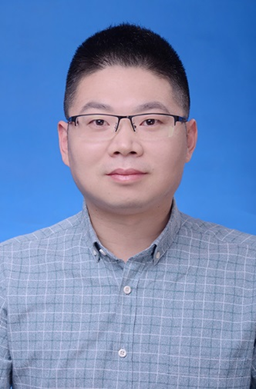 Yong Jia (贾勇)合作论文数School of Mechanical and Electrical Engineering, Chengdu University of Technology16
 Yong Fang (方勇)合作论文数School of Mechanical and Electrical Engineering, Chengdu University of Technology12
 Chao Yan合作论文数8
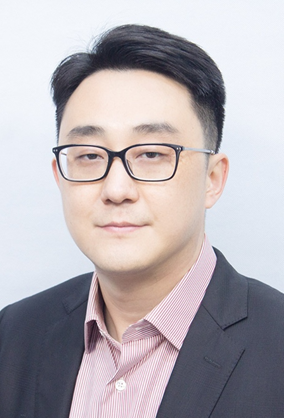 Bin Duo (多滨)合作论文数College of Computer Science and Cyber Security, Chengdu University of Technology;National Key Laboratory of Wireless Communications, University of Electronic Science and Technology of China8
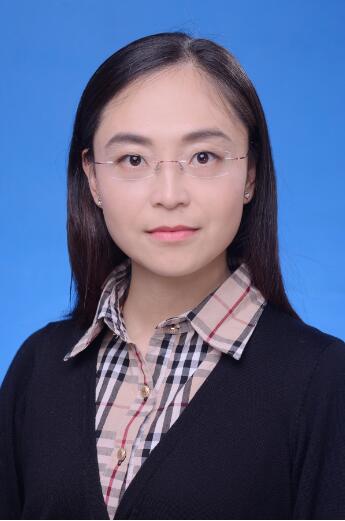 Chuan Chen (陈川)合作论文数School of Mechanical and Electrical Engineering, Chengdu University of Technology8Haoxuan Sheng合作论文数7
 Xueshi Hou合作论文数Tencent America7
 Guolong Cui (崔国龙)合作论文数School of Information and Communication Engineering, University of Electronic Science and Technology of China7
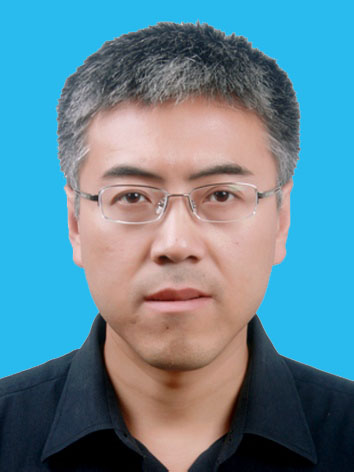 Song Gao (高嵩)合作论文数Chengdu University of Technology7Rui-yuan SONG (宋瑞源)合作论文数5
 Gang Wang合作论文数Chengdu Univ Technol, Coll Informat Sci & Technol, Chengdu 610059, Sichuan, Peoples R China5Zhilong Zhao合作论文数4
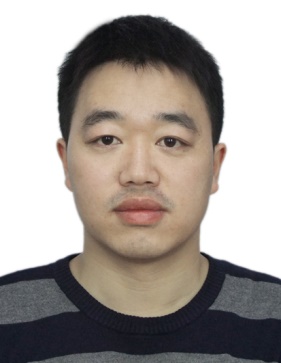 Yuanming Lai (赖元明)合作论文数School of Mechanical and Electrical Engineering, Chengdu University of Technology4
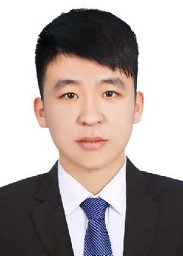 Zeng Yiming合作论文数the Second Affiliated Hospital, Fujian Medical University4
 Hua Su (苏桦)合作论文数School of Electronic Science and Engineering, University of Electronic Science and Technology of China4Baiqiu LIU (刘百秋)合作论文数3Yuting Jiang合作论文数3Jiao Han合作论文数3Zhipeng Li合作论文数3Tingting Guo合作论文数3XingHong Xie (谢兴红)合作论文数3
 Shengyi Chen合作论文数Tsinghua Univ, Tsinghua Univ.3
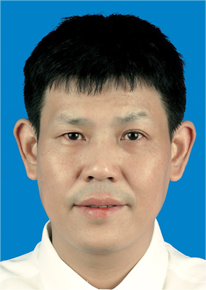 Junsong Luo (罗俊松)合作论文数College of Computer Sclence and Cyber Security, Chengdu University of Technology3Yuanchao Hou合作论文数2Fanshuo Wang合作论文数2Baoyang Li合作论文数2
 Zedong Nie (聂泽东)合作论文数University of Chinese Academy of Sciences;Shenzhen Institute of Advanced Technology, Chinese Academy of Sciences2YANG Xi-Zhi (杨习志)合作论文数2Han Mei合作论文数2Shiying Yin (尹诗颖)合作论文数2
 Jianhui Yu合作论文数Sapia.ai2Chenxi MAO (毛晨曦)合作论文数2Nan Lu合作论文数2Xin Ji合作论文数2Botao WANG (王博韬)合作论文数2Fei Wu (吴飞)合作论文数2
 Zhen Yu (于真)合作论文数College of Computer Science and Cyber Security, Chengdu University of Technology2
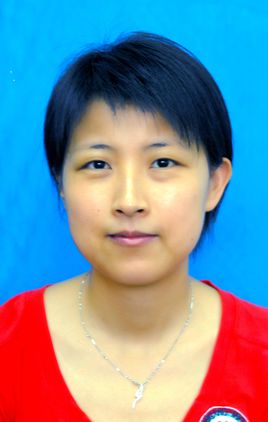 Dongmei Zhou (周冬梅)合作论文数Chengdu University of Technology2
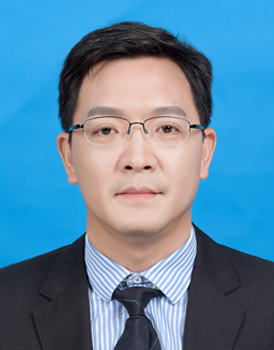 Xiaoming Zhang (张小明)合作论文数School of Mechanical Science & Engineering, Huazhong University of Science and Technology2
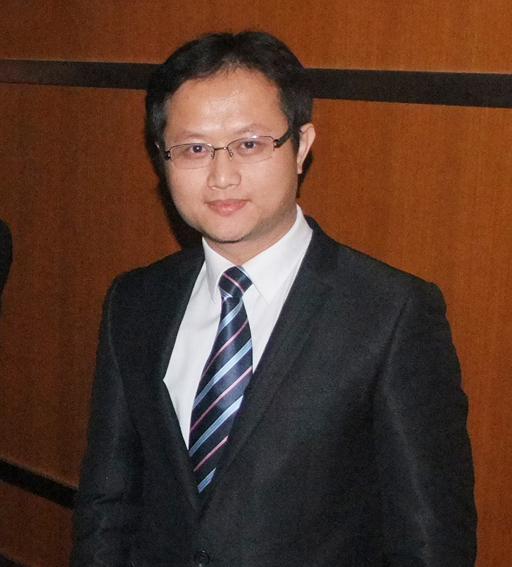 Jianlong Liu (柳建龙)合作论文数School of Electronic Science and Engineering(National Exemplary School of Microelectronics), University of Electronic Science and Technology of China2
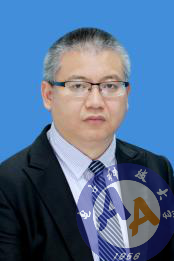 Haiyan Jin ( 金海焱)合作论文数School of Aeronautics and Astronautics, University of Electronic Science and Technology of China2
 Tianrui Li (李天瑞)合作论文数School of Computing and Artificial Intelligence, Southwest Jiaotong University;Institute of Artificial Intelligence, Southwest Jiaotong University;National Engineering Laboratory of Integrated Transportation Big Data Application Technology, Southwest Jiaotong University;Key Lab of Cloud Computing and Intelligent Technique of Sichuan Province, Southwest Jiaotong University2Liang-quan GE (葛良全)合作论文数1Qishun Song (宋齐顺)合作论文数1Yuhang Liu合作论文数State Key Laboratory of Multimodal Artificial Intelligence Systems, Institute of Automation, Chinese Academy of Sciences;School of Artificial Intelligence, University of Chinese Academy of Sciences1yong gu (贾勇)合作论文数1
 Ding Congzhang合作论文数1




