Adenoid organoids, as the primary immune barrier of the airway, provide valuable models for studying lymphatic tissue function, but their histological processing remains challenging due to their fragile structure and lack of adhesion. Here, we introduce a novel approach that combines eosin pre-staining with agarose pre-embedding to enhance visibility and structural integrity during paraffin embedding. This method simplifies sectioning and improves the quality of hematoxylin and eosin (HE) and immunofluorescence (IF) staining, yielding clear and stable signals. By addressing key limitations in lymphatic organoid processing, this technique provides a reliable solution for histological and IF studies, facilitating future research on adenoid organoids.
Vocal fold organoids recapitulate critical structural and functional features of native vocal fold mucosa, providing a physiologically relevant model for investigating vocal fold biology and disease mechanisms. However, conventional histological processing of these organoids remains technically demanding, often resulting in substantial sample loss, inadequate visualization during embedding and difficult retrieval the blocks from Eppendorf tubes. To address these issues, we established a comprehensive protocol that integrates direct eosin pre-staining, agarose pre-embedding and fine-needle-assisted retrieval of agarose-embedded blocks. This optimized workflow increases processing efficiency, enables enhanced visual monitoring and better preserves cytoarchitectural integrity. Consequently, sectioning is facilitated, and both hematoxylin and eosin (HE) staining and immunofluorescence (IF) exhibit superior quality and reproducibility, producing highly consistent morphological details and robust signal resolution. The proposed method provides a standardized and reliable platform for high-resolution histological and IF examination of epithelial organoids, thereby extending its utility in vocal fold research and related organoid applications.
Background: Oncostatin M (OSM) may promote type 2 inflammation in chronic rhinosinusitis with nasal polyps (CRSwNP) by inducing thymic stromal lymphopoietin (TSLP). Objective: We sought to study the impact of OSM on TSLP synthesis and release from nasal epithelial cells (NECs). Methods: OSM receptors, IL-4 receptors (IL-4R), and TSLP were evaluated in mucosal tissue and primary NECs from patients with CRSwNP by quantitative PCR and immunofluorescence. Air-liquid interface-cultured NECs were stimulated with cytokines, including OSM, and quantitative PCR, ELISA, Western blot, and flow cytometry were used to assess the expression of OSM receptors, IL-4R, and TSLP. Results: Increased levels of OSM receptor 13 chain (OSMR13), IL-4Ra, and TSLP were observed in nasal polyp tissues and primary epithelial cells from nasal polyps of patients with CRSwNP compared with control tissues or cells from control subjects. The level of expression of OSMR13 in tissue was correlated with levels of both IL-4Ra and TSLP. OSM stimulation of NECs increased the expression of OSMR13 and IL-4Ra. Stimulation with IL-4 plus OSM augmented the production of TSLP; the response was suppressed by a signal transducer and activator of transcription 6 inhibitor. Stimulation of NECs with IL-4 plus OSM increased the expression of proprotein convertase subtilisin/kexin 3, an enzyme that truncates and activates TSLP. Conclusions: OSM increases the expression of IL-4Ra and synergizes with IL-4 to induce the synthesis and release of TSLP in NECs. Because the combination of IL-4 and OSM also augmented the expression of proprotein convertase subtilisin/ kexin 3, these results suggest that OSM can induce both synthesis and posttranslational processing/activation of TSLP, promoting type 2 inflammation. (J Allergy Clin Immunol 2023;151:1379-90.)
BACKGROUND:Increased activation of the coagulation cascade and diminished fibrinolysis combine to promote fibrin deposition and polyp formation in chronic rhinosinusitis (CRS) with nasal polyps (CRSwNP). More information is needed concerning mechanisms of coagulation in CRSwNP.OBJECTIVE:We investigated the mechanisms as well as the initiation and regulation of coagulation cascade activation in CRS.METHODS:Samples were collected from 135 subjects with CRSwNP, 80 subjects with chronic CRS without nasal polyps (NP), and 65 control subjects. The levels of activated factor X (FXa), prothrombin fragment 1+2 (F1+2), thrombin-antithrombin complex, tissue factor (TF), and TF pathway inhibitor (TFPI) were monitored in CRS by real-time PCR, ELISA, immunohistochemistry, or immunofluorescence. Heteromeric complexes of TF with activated factor VII (FVII) and TF with activated FVII and FXa were assessed by coimmunoprecipitation and Western blotting.RESULTS:Increased levels of FXa, F1+2, and thrombin-antithrombin complex were detected in NP tissue compared to uncinate tissue from CRS and control subjects. Although free TF protein levels were not increased in NP, immunoprecipitation of TF in NP tissue revealed increased complexes of TF with FVII. Local expression of FVII was detected in sinonasal mucosa, and the ratio of TFPI to FXa was lower in NP tissue.CONCLUSION:The coagulation cascade is associated with NP compared to control and uncinate tissue from CRS patients, and TF and FVII are produced locally in sinonasal mucosa in patients. TF and FVII can activate the extrinsic coagulation pathway, suggesting that this pathway may activate fibrin deposition in CRSwNP. Reduced formation of the complex of FXa and TFPI in NP may reduce natural suppression of the extrinsic coagulation pathway in CRSwNP.
BACKGROUND:Cold-inducible RNA-binding protein (CIRP) is a newly identified damage-associated molecular pattern molecule. Its roles beyond promoting inflammation and in human diseases are poorly understood. This study aimed to investigate the involvement of CIRP in chronic rhinosinusitis with nasal polyps (CRSwNP).METHODS:Immunohistochemistry, quantitative RT-PCR, and ELISA were used to detect the expression of CIRP and matrix metalloproteinases (MMPs) in sinonasal mucosal samples and nasal secretions. Human nasal epithelial cells (HNECs) and THP-1 cells, a human monocytic/macrophage cell line, were cultured to explore the regulation of CIRP expression and MMP expression.RESULTS:Cytoplasmic CIRP expression in nasal epithelial cells and CD68+ macrophages in sinonasal tissues, and CIRP levels in nasal secretions were significantly increased in both patients with eosinophilic and noneosinophilic CRSwNP as compared to those in control subjects. IL-4, IL-13, IL-10, IL-17A, TNF-α, Dermatophagoides pteronyssinus group 1, and lipopolysaccharide induced the production and secretion of CIRP from HNECs and macrophages differentiated from THP-1 cells. CIRP promoted MMP2, MMP7, MMP9, MMP12, and vascular endothelial growth factor A (VEGF-A) production from HNECs, macrophages differentiated from THP-1 cells, and polyp tissues, which was inhibited by the blocking antibody for Toll-like receptor 4, but not advanced glycation end products. The expression of MMPs and VEGF-A in tissues correlated with CIRP levels in nasal secretions in patients with CRSwNP.CONCLUSIONS:The upregulated production and release of CIRP from nasal epithelial cells and macrophages may contribute to the edema formation in both eosinophilic and noneosinophilic CRSwNP by inducing MMP and VEGF-A production from epithelial cells and macrophages.
BACKGROUNDThe factors contributing to the eosinophilic inflammation in chronic rhinosinusitis with nasal polyps (CRSwNP) remain elusive. This study was designed to investigate the inflammatory patterns and tissue remodeling of CRSwNP in patients from central China at two time points over 14 years apart and the influence of age.METHODSOne hundred and eight CRSwNP patients enrolled in 2000 and 2001 (group A), and 134 CRSwNP patients enrolled in 2014 and 2015 (group B) were retrospectively studied. Hematoxylin-eosin stained tissue sections were used to study characteristics of inflammation and tissue remodeling. Immunohistochemistry was used to further evaluate the cells positive for eosinophil cationic protein (ECP), IL-5, IgE, tryptase or myeloperoxidase (MPO). Time- and age-related difference was analyzed.RESULTSThe number of eosinophils and proportion of eosinophilic CRSwNP were increased, whereas the numbers of total inflammatory cells and lymphocytes were decreased in group B as compared with group A. Group B had severer epithelial squamous metaplasia and basement membrane thickening, and a lower number of mucosal glands than group A. Higher numbers of ECP plus, IL-5 plus and IgE plus cells were detected in group B than those in group A. The elderly (60 yrs or older) and non-elderly (less than 60 yrs) had a comparable number of eosinophils and ratio of eosinophilic CRSwNP.CONCLUSIONEosinophilic inflammation has been significantly augmented over time, which is associated with increased Th2 response and IgE production, and accompanied by exaggerated epithelium remodeling in CRSwNP patients from central China. Age has no significant influence on eosinophilic inflammation.
Objective Chronic rhinosinusitis (CRS) is a heterogeneous disorder with distinct pathophysiologic mechanisms. Based on transcription factor expression and cytokine production patterns in different innate lymphoid cell (ILC) types, in parallel with those of adaptive CD4+ T-helper (TH) cells and CD8+ cytotoxic T (Tc) cells, new perspectives on endotypes of patients are emerging for the immune response deviation into type 1 (orchestrated by ILC1s and Tc1, and TH1 cells), type 2 (characterized by ILC2s and Tc2 and TH2 cells), and type 3 (mediated by ILC3s and Tc17 and TH17 cells). In addition, cluster analysis has been applied to endotyping of CRS in recent years, which has provided additional novel insights into CRS pathogenesis. This review assessed pathologic mechanisms of CRS based on type 1, 2, and 3 immune responses and how they inform us to begin to understand CRS endotypes. This review also assessed recent cluster analysis studies of CRS endotypes. The impact of endotype on therapeutic management of CRS also is summarized. Data Sources Review of published literature. Study Selections Relevant literature concerning CRS endotypes and possible underlying mechanisms was obtained from a PubMed search and summarized. Results and Conclusion CRS with and without nasal polyps are composed of distinct endotypes with distinct deviated immune responses, pathogenic mechanisms, and different responses to medical and surgical treatment. An endotype of CRS with prominent type 2 immune responses is the best-studied endotype and generally can benefit from treatment with steroids and specific type 2 disrupting biologics.
BACKGROUND Chronic rhinosinusitis (CRS) can be divided to CRS without nasal polyps (CRSsNP) and eosinophilic and non-eosinophilic CRS with nasal polyps (CRSwNP). There is little evidence on the efficacy of glucocorticoids and macrolides in different phenotypic patients. The aim of this study was to compare the benefit of glucocorticoids and macrolides following endoscopic sinus surgery (ESS) in different phenotypic CRS. METHODS This study was a prospective single-blind comparative effectiveness trial. A total of 187 Chinese patients with CRS were stratified to CRSsNP and eosinophilic and non-eosinophilic CRSwNP group and then randomized to receive fluticasone propionate nasal spray at 200 microgram or clarithromycin tablet at 250 mg once daily for 3 months after ESS. Oral prednisone was given as a rescue therapy after the stop of study medication. Patients were assessed before ESS and 1, 3, 6 and 12 months after dosing. Symptom severity was scored by patients using visual analog scale method and endoscopic findings were scored by the senior physician blinded to treatment according to European Position Paper on Rhinosinusitis and Nasal polyps 2012. RESULTS The total and individual symptom scores, and total and individual endoscopic domain scores were reduced significantly after ESS in both medication groups, whereas no significant difference was observed for two medications at most follow-up visits in each subtype of CRS. No difference in the frequency of subjects with rescue therapy or refractory CRS was found between two medication groups either. CONCLUSIONS We could not show significant difference of effect between fluticasone propionate and clarithromycin in the post-operative treatment for CRSsNP and eosinophilic and non-eosinophilic CRSwNP patients.
基于现行诊疗指南,有相当一部分慢性鼻—鼻窦炎(CRS)患者经过充分药物治疗和手术干预仍不能有效控制病情.越来越多的证据表明CRS是一种高度异质性疾病.加强开展CRS内在型研究,明确不同内在型病理生理过程,并依此为基础开展流行病学、遗传学、药物及手术治疗研究,构建CRS精准或个性化诊疗策略,有利于提高疗效,规避不必要的医疗干预.
Background: Although upregulated expression of local IgD has been reported in patients with chronic rhinosinusitis (CRS), its function is unclear. Objective: We sought to explore the expression and function of soluble IgD in patients with CRS, particularly CRS with nasal polyps. Methods: IgD levels in sinonasal mucosa were analyzed by using RT-PCR and ELISA. Numbers and phenotypes of IgD(+) cells were studied by means of immunohistochemistry, immunofluorescence, and flow cytometry. HMC-1 cells, a human mast cell line, and mast cells purified from eosinophilic polyps were cultured alone or with naive B cells purified from peripheral blood. The antigen specificity of nasal IgD was investigated by using ELISA. Results: The mRNA expression of immunoglobulin heavy constant delta gene, numbers of IgD(+) cells, and protein levels of secretory IgD in sinonasal mucosa were increased in patients with CRS with or without nasal polyps compared with control subjects. Numbers of IgD(+) plasmablasts were increased in both eosinophilic and noneosinophilic polyps, whereas numbers of IgD(+) mast cells were only increased in eosinophilic polyps. Cross-linking IgD induced serum preincubated HMC-1 cells and polyp mast cells to produce B-cell activating factor, IL-21, IL-4, and IL-13 and to promote IgM, IgG, IgA, and IgE production from B cells. In eosinophilic polyps expression of those B cell-stimulating factors in mast cells and close contact between mast cells and B cells were found. Moreover, positive correlations of total IgD levels with total IgE levels and eosinophilia and upregulation of specific IgD against house dust mites were discovered in eosinophilic polyps. Conclusion: IgD-activated mast cells can facilitate IgE production and eosinophilic inflammation in patients with CRS with nasal polyps.
Background: The contribution of ectopic lymphoid tissues (eLTs) to local immunoglobulin hyperproduction in patients with chronic rhinosinusitis with nasal polyps (CRSwNP) is unclear. Objective: We sought to explore the cellular basis, formation mechanisms, and function of eLTs in patients with CRSwNP. Methods: We graded lymphoid aggregations in sinonasal mucosa and histologically studied their structures. The expression of lymphorganogenic factors and molecules required for immunoglobulin production was measured by using real-time PCR, and their localization was analyzed by means of immunohistochemistry and immunofluorescence. The phenotype of follicular helper T cells was analyzed by performing flow cytometry. Immunoglobulin levels were quantified by using the Bio-Plex assay or ImmunoCAP system. Nasal tissue explants were challenged ex vivo with Dermatophagoides pteronyssinus group 1 (Der p 1), and the expression of I epsilon-C mu and I epsilon-C gamma circle transcripts was detected by using seminested PCR. Results: Increased formation of eLTs with germinal center-like structures was discovered in patients with eosinophilic (20.69%) and noneosinophilic (17.31%) CRSwNP compared with that in patients with chronic rhinosinusitis without nasal polyps (5.66%) and control subjects (3.70%). The presence of eLTs was associated with increased expression of lymphorganogenic and inflammatory chemokines and cytokines, as well as their receptors. The expression of molecules required for immunoglobulin production, generation of follicular helper T cells, and production of IgE in eosinophilic polyps and IgG and IgA in both eosinophilic and noneosinophilic polyps were predominantly upregulated in patients with eLTs. After Der p 1 challenge ex vivo, I epsilon-C mu transcript was detected only in eosinophilic polyps with eLTs but not in polyps without eLTs and noneosinophilic polyps. Conclusion: eLTs might support local immunoglobulin production and therefore significantly contribute to the development of CRSwNP.
BACKGROUND:The role of atopy to aeroallergens in chronic rhinosinusitis without nasal polyps (CRSsNP) remains unclear. This study aimed to investigate the mucosal immunopathologic characteristics of CRSsNP with and without atopy to inhalant allergens.METHODS:Thirteen nonatopic CRSsNP patients, 9 atopic CRSsNP patients, and 11 nonatopic control subjects were enrolled in this study. The expression of type 1, 2, and 17 cytokines, growth factors, and chemokines for T cell subsets and granulocytes in sinonasal mucosa was detected using Bio-Plex suspension chip technology or enzyme-linked immunosorbent assay (ELISA). Subjective symptoms were scored on a visual analogue scale (VAS), while disease severity on computed tomography (CT) was graded by the Lund-Mackay CT scoring system.RESULTS:There was no significant difference in VAS and CT scores between atopic and nonatopic CRSsNP. Compared with control, both atopic and nonatopic CRSsNP demonstrated increased interferon γ (IFN-γ) levels in sinonasal mucosa. In contrast, although no difference in interleukin 5 (IL-5), IL-13 and eotaxin-1 expression, or mucosal eosinophil infiltration, was found between the control and whole CRSsNP group, atopic CRSsNP manifested an increased expression of IL-5, IL-13 and eotaxin-1, as well as an enhanced infiltration of mucosal eosinophils in comparison with control and nonatopic CRSsNP. Mucosal eosinophil infiltration correlated with IL-5 and eotaxin-1 expression. No difference in IL-12, IL-4, IL-6, IL-17A, IL-8, myeloperoxidase, "regulated upon activation normal T cell expressed and presumably secreted" (RANTES), or chemokine (C-X-C motif) ligand 10 (CXCL10) protein expression was found among control, atopic CRSsNP, and nonatopic CRSsNP.CONCLUSION:Atopic and nonatopic CRSsNP have distinct mucosal immunopathologic profiles. CRSsNP is a heterogeneous disorder consisting of multiple groups of biological subtypes, or "endotypes," which may argue for different therapeutic strategies.
Background: Locally produced IgE contributes to the initiation and development of eosinophilic inflammation in eosinophilic nasal polyps independent of systemic atopy. However, whether CXCR5(+)CD4(+) T follicular helper (T-FH) cells are involved in local IgE production at mucosal sites remains unexplored.Objective: We sought to explore the presence, phenotype, and function of CXCR5(+)CD4(+) T-FH cells in eosinophilic nasal polyp tissues compared with noneosinophilic nasal polyp and control normal nasal tissues.Methods: T-FH cell-surface phenotypes and subsets and B-cell subsets in nasal tissues and peripheral blood were studied by means of flow cytometry. Immunohistochemistry was used to detect the tissue location of T-FH cells. Sorted nasal T-FH cells and CXCR5(-) T cells were cultured with autologous naive B cells purified from blood.Results: Nasal T-FH cells expressed inducible costimulator, programmed cell death protein 1, and the transcription factor B-cell lymphoma 6 (Bcl-6) at an intermediate level when compared with bona fide T-FH cells in tonsils and circulating T-FH cells. Although counts of total T-FH cells and IL-21(+), IFN-gamma(+), and IL-17(+) T-FH cells were increased in both eosinophilic and noneosinophilic nasal polyp tissues compared with those in normal nasal tissues, IL-4(+) T-FH cell counts were only increased in eosinophilic polyp tissues. IL-4 and IL-21 were involved in polyp T-FH cell-induced IgE production from naive B cells, and nasal IL-4(+) T-FH cell counts correlated highly with local IgE levels in vivo. IL-4(+)Bcl-6(+)CD4(+) T-FH cells were identified in ectopic lymphoid structures in eosinophilic nasal polyps. T-FH cells also positively correlated with germinal center B cells and plasma cells in nasal tissues.Conclusion: Nasal IL-4(+) T-FH cells might be involved in local IgE production in eosinophilic nasal polyps.
目的:采用TOPO TA克隆技术构建及鉴定人CC10基因表达载体,并在支气管上皮细胞系BEAS-2B细胞中获得稳定表达,初步探讨CC10在呼吸道上皮细胞炎症反应中的作用.方法:提取人下鼻甲组织的总RNA,逆转录反应生成cDNA,再用PCR方法扩增出含人CC10编码区全长的DNA片段,将PCR产物直接连接到pcDNA3.1N5-His TOPO TA载体中,转化至大肠杆菌后经筛选鉴定出CC10表达载体,用脂质体法将CC10质粒转染到BEAS-2B,细胞免疫荧光法检测CC10蛋白的表达.随后用促炎细胞因子IL-1β刺激转染空质粒和CC10质粒的BEAS-2B细胞,用实时定量RT-PCR和ELISA检测炎性趋化因子RANTESmRNA和蛋白的表达.结果:目的基因与TOPO TA载体在室温下5 min的连接反应效率91.7%,用酶切法鉴定质粒并测序,人CC10基因成功克隆到真核细胞表达载体pcDNA3.1中,CC10蛋白在BEAS-2B细胞中无表达,但在体外转染CC10质粒后CC10蛋白表达明显增高.转染CC10质粒的BEAS-2B细胞可抑制IL-1β诱导的RANTES mRNA和蛋白的表达.结论:利用TOPOTA克隆技术可高效、快速的构建人CC10基因表达载体,并能够在BEAS-2B细胞中获得稳定表达,CC10蛋白在呼吸道上皮细胞中可发挥抗炎作用.
OBJECTIVE:To review endonasal endoscopic surgeries aided by Fusion image guided system, and to explore the application value of Fusion image guided system in endonasal endoscopic surgeries.METHOD:Retrospective research. Sixty cases of endonasal endoscopic surgeries aided by Fusion image guided system were analysed including chronic rhinosinusitis with polyp (n = 10), fungus sinusitis (n = 5), endoscopic optic nerve decompression (n = 16), inverted papilloma of the paranasal sinus (n = 9), ossifying fibroma of sphenoid bone (n = 1), malignance of the paranasal sinus (n = 9), cerebrospinal fluid leak (n = 5), hemangioma of orbital apex (n = 2) and orbital reconstruction (n = 3).RESULT:Sixty cases of endonasal endoscopic surgeries completed successfully without any complications. Fusion image guided system can help to identify the ostium of paranasal sinus, lamina papyracea and skull base. Fused CT-CTA images, or fused MR-MRA images can help to localize the optic nerve or internal carotid arteiy . Fused CT-MR images can help to detect the range of the tumor. It spent (7.13 ± 1.358) minutes for image guided system to do preoperative preparation and the surgical navigation accuracy reached less than 1mm after proficient. There was no device localization problem because of block or head set loosed.CONCLUSION:Fusion image guided system make endonasal endoscopic surgery to be a true microinvasive and exact surgery. It spends less preoperative preparation time, has high surgical navigation accuracy, improves the surgical safety and reduces the surgical complications.
Aneurysmal bone cyst of mastoid bone is seldom, here one case was reported. The mastoid bone of the patient presented with a baloon-like swelling full of non-coagulated blood and serous-hemorrhagic fluid. CT scan demonstrated a large expansile destructive mass located in left mastoid bone region with the thin or absent cortical bone. The MRI demonstrated T2-weighted images and clear boudary from surrounding tissue. Pathologic reported that the mastoid bone was repalcement with lacunar divided by fibro-tissue, containing numerous hemosiderin, giant cells and inflammatory cells. A surgery was performed and the patient was cured.
BACKGROUND:Thymic stromal lymphopoietin (TSLP), IL-25, and IL-33 system contribute to the initiation and development of Th2 responses. This study aimed to explore the involvement of TSLP, IL-25, IL-33, and their receptors in type 2 T-helper (Th) responses in chronic rhinosinusitis with nasal polyps (CRSwNPs) and their cross-regulation in human nasal epithelial cells (HNECs).METHODS:Immunohistochemistry, quantitative RT-PCR, ELISA, Bio-Plex assay, and flow cytometry were used to detect the expression of TSLP/common γ-like TSLP receptor (TSLPR)/IL-7 receptor α (IL-7Rα), IL-25/IL-17B receptor (IL-17RB), and IL-33/membrane-bound ST2 (ST2L)/soluble ST2 (sST2) in sinonasal mucosa and HNECs. HNECs cultured at an air-liquid interface were used to explore the expression in regulation of these cytokine systems.RESULTS:Compared with controls and noneosinophilic CRSwNP, the expression of TSLP/TSLPR/IL-7Rα and ST2L/sST2 was significantly increased in eosinophilic CRSwNP, predominantly in epithelial cells. In contrast, the expression of IL-33 and IL-25/IL-17RB was enhanced in epithelial cells in both eosinophilic and noneosinophilic CRSwNP compared to controls. The expression of TSLP, TSLPR, and ST2L was positively correlated with symptom and computer tomography scan scores in eosinophilic CRSwNP and with Th2 cytokine expression in sinonasal mucosa. The expression of ST2L was correlated with TSLP and its receptor expression. TSLP could induce ST2L expression that promoted IL-33-induced TSLP expression in HNECs. In addition, TSLP/TSLPR/IL-7Rα and ST2L could be induced by Th2 cytokines, while IL-25/IL-17RB and IL-33 could be upregulated by Th1/Th17 cytokines, in HNECs.CONCLUSIONS:The positive feedback loop between TSLP, IL-33 and their receptors, and Th2 cytokines may facilitate Th2-skewed inflammation in eosinophilic CRSwNP.
BACKGROUND:Phenotype of chronic rhinosinusitis (CRS) may be an important determining factor of the efficacy of anti-inflammatory treatments. Although both glucocorticoids and macrolide antibiotics have been recommended for the treatment of CRS, whether they have different anti-inflammatory functions for distinct phenotypic CRS has not been completely understood. The aim of this study is to compare the anti-inflammatory effects of clarithromycin and dexamethasone on sinonasal mucosal explants from different phenotypic CRS ex vivo.METHODS:Ethmoid mucosal tissues from CRSsNP patients (n = 15), and polyp tissues from eosinophilic (n = 13) and non-eosinophilic (n = 12) CRSwNP patients were cultured in an ex vivo explant model with or without dexamethasone or clarithromycin treatment for 24 h. After culture, the production and/or expression of anti-inflammatory molecules, epithelial-derived cytokines, pro-inflammatory cytokines, T helper (Th)1, Th2 and Th17 cytokines, chemokines, dendritic cell relevant markers, pattern recognition receptors (PRRs), and tissue remodeling factors were detected in tissue explants or culture supernatants by RT-PCR or ELISA, respectively.RESULTS:We found that both clarithromycin and dexamethasone up-regulated the production of anti-inflammatory mediators (Clara cell 10-kDa protein and interleukin (IL)-10), whereas down-regulated the production of Th2 response and eosinophilia promoting molecules (thymic stromal lymphopoietin, IL-25, IL-33, CD80, CD86, OX40 ligand, programmed cell death ligand 1, CCL17, CCL22, CCL11, CCL5, IL-5, IL-13, and eosinophilic cationic protein) and Th1 response and neutrophilia promoting molecules (CXCL8, CXCL5, CXCL10, CXCL9, interferon-γ, and IL-12), from sinonasal mucosa from distinct phenotypic CRS. In contrast, they had no effect on IL-17A production. The expression of PRRs (Toll-like receptors and melanoma differentiation-associated gene 5) was induced, and the production of tissue remodeling factors (transforming growth factor-β1, epidermal growth factor, basic fibroblast growth factor, platelet derived growth factor, vascular endothelial growth factor, and matrix metalloproteinase 9) was suppressed, in different phenotypic CRS by dexamethasone and clarithromycin in comparable extent.CONCLUSIONS:Out of our expectation, our explant model study discovered herein that glucocorticoids and macrolides likely exerted similar regulatory actions on CRS and most of their effects did not vary by the phenotypes of CRS.
 Zheng Liu (刘征)合作论文数Tongji Hospital, Tongji Medical College, Huazhong University of Science and Technology22
 Yonghua Cui (崔永华)合作论文数Tongji Hospital, Tongji Medical College, Huazhong University of Science and Technology19
 Bo Liao合作论文数9
 Xiaobo Long (龙小博)合作论文数Tongji Hospital, Tongji Medical College, Huazhong University of Science & Technology9
 Heng Wang (王恒)合作论文数Tongji Hospital, Tongji Medical College, Huazhong University of Science and Technology9
 Baofeng Wang (王宝峰)合作论文数Tongji Hospital, Tongji Medical College, Huazhong University of Science and Technology8
 Ming Zeng (曾明)合作论文数Tongji Hospital, Tongji Medical College of Huazhong University of Science and Technology6
 Xiang Lu (陆翔)合作论文数Tongji Hospital, Tongji Medical College, Huazhong University of Science and Technology6
 Xinhao Zhang (张心浩)合作论文数Tongji Hospital, Tongji Medical College, Huazhong University of Science and Technology6H Wang合作论文数5
 Yana Zhang合作论文数Dept Allergy, Sun Yat Sen Univ5
 Jin Ma合作论文数School of Electrical and Information Engineering, Faculty of Arts and Social Sciences, The University of Sydney5
 Xuejun You (游学俊)合作论文数Tongji Hospital, Tongji Medical College, Huazhong University of Science & Technology5Guan-Ting Zhai合作论文数4Li-Li Shi合作论文数4Song Jia合作论文数4
 Nan Wang (王南)合作论文数Tongji Hospital, Tongji Medical College, Huazhong University of Science and Technology4Zhi-Chao Wang合作论文数3
 Hongtao Zhen (甄宏韬)合作论文数Tongji Hospital, Tongji Medical College of Huazhong University of Science and Technology3Shuang Hu (胡双)合作论文数3
 Robert P Schleimer合作论文数Division of Allergy and Immunology, Department of Medicine, Feinberg School of Medicine, Northwestern University3
 Qin Ning (宁琴)合作论文数Tongji Hospital, Tongji Medical College of Huazhong University of Science & Technology3
 Yin Yao (姚银)合作论文数Tongji Hospital, Tongji Medical College of Huazhong University of Science2Yang Liu (刘阳)合作论文数2Wenxiu Jiang合作论文数2Zhe-Zheng Wang合作论文数2
 Gengtian Liang (梁耕田)合作论文数2
 Kevin C Welch合作论文数Otolaryngology - Head & Neck Surgery, Feinberg School of Medicine, Northwestern University2
 David B Conley合作论文数Otolaryngology - Head & Neck Surgery, Feinberg School of Medicine, Northwestern University2
 Whitney W Stevens合作论文数Allergy and Immunology, Department of Medicine, Feinberg School of Medicine, Northwestern University2
 Robert C Kern合作论文数Allergy and Immunology, Department of Medicine, Feinberg School of Medicine, Northwestern University2
 Leslie C Grammer合作论文数Allergy and Immunology, Department of Medicine, Feinberg School of Medicine, Northwestern University2Feng Zhang (张峰)合作论文数2
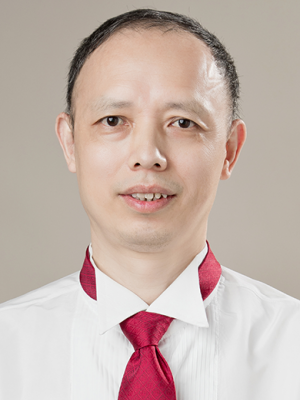 Huabin Li (李华斌)合作论文数Department of Nutrition, School of Public Health, Sun Yat-sen University2Huang S K合作论文数2Huang Julia He合作论文数2James E Norton合作论文数Division of Allergy and Immunology, Department of Medicine, Feinberg School of Medicine, Northwestern University;Olive-Harvey College, City Colleges of Chicago2
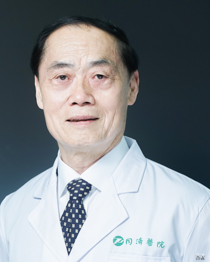 Qixue Gao (高起学)合作论文数Tongji Hospital, Tongji Medical College, Huazhong University of Science & Technology2
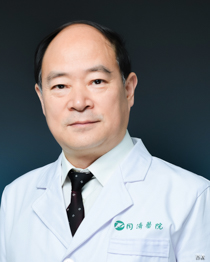 Xiaowen Huang (黄孝文)合作论文数Tongji Hospital, Tongji Medical College, Huazhong University of Science & Technology2
 Anju T. Peters合作论文数Feinberg School of Medicine, Northwestern University2Roderick Carter合作论文数2Lydia Suh合作论文数Feinberg School of Medicine, Northwestern University2Y-N Zhang合作论文数1J. Ma合作论文数1Jingying Ye合作论文数1Qi-Miao Feng合作论文数1J-X Liu合作论文数1
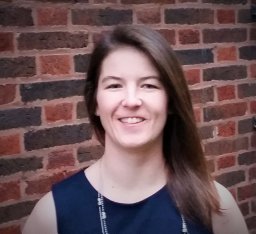 Anna G Staudacher合作论文数1




