Inflammatory bowel disease (IBD) is a chronic relapsing and remitting disorder in which loss of intrinsic enteric neurons (iENs) has been documented. However, the contribution of gut microbiota to the loss of iENs in IBD remains poorly defined. Here, we identify an IBD-enriched intestinal pathogen, Clostridium symbiosum (C. symbiosum), which exacerbates iEN loss and colitis. Mechanistically, C. symbiosum-derived succinate, emerging as a central mediator, drives macrophage glycolysis via the H3K79succ/HK2 axis, thereby sustaining IL-1β secretion, which, in turn, promotes neuronal-specific NLRP3 inflammasome activation and consequent neuronal loss. We further demonstrated that preventing iEN loss effectively improves outcomes in C. symbiosum-exacerbated colitis. Importantly, we identified phiCS-1, an endolysin from C. symbiosum-specific bacteriophages, which efficiently lyses C. symbiosum and markedly attenuates C. symbiosum-mediated iEN loss and colitis. Together, our study provides insights into the intricate interplay between gut microbiota and immune-neuron crosstalk, offering avenues for targeted therapeutic interventions in IBD.
OBJECTIVE:Here, we ascertained the clinical characteristics of Chinese patients with autoimmune gastritis (AIG) and determined the correlation of dietary and lifestyle factors with AIG occurrence and development to establish a noninvasive predictive model for AIG. METHODS:In this case-control study, we enrolled 479 patients from seven independent centers nationwide in China; of them, 279 had AIG, 112 had chronic atrophic gastritis mostly in the antrum, and 88 had chronic nonatrophic gastritis. Their clinical and lifestyle data were systematically collected and analyzed. Finally, a multivariate logistic regression disease prediction model was then established and validated. RESULTS:Most of the 279 patients with AIG were middle-aged, older, and female. In the predictive model of AIG, the larger amount of cooking oil used per meal and comorbid autoimmune thyroid disease was considered risk factors, and a diet rich in vitamin B12 was considered a protective factor. We plotted a receiver operating characteristic (ROC) curve of the model in the discovery and validation cohorts, and the areas under the ROC curves were 0.72 and 0.74, respectively. In addition, dietary structure, eating habits, sleep quality, and smoking status were noted to be correlated with the occurrence of gastrointestinal symptoms and complications, as well as histopathological grades of AIG. CONCLUSION:Dietary and lifestyle factors may predict AIG risk in Chinese populations and were related to AIG prognosis.
Figure S1 describes the workflow for scRNA-seq analysis and markers for celltype annotation.
All the data that support the findings of the case report have been provided in the article, which are available from the corresponding author upon reasonable request.
Immune checkpoint blockade (ICB) therapy has improved treatment effects in multiple cancers. Gene mutations in the DNA damage repair pathway (DDR) may cause genomic instability and may relate to the efficacy of ICB. Checkpoint kinase 2 (CHEK2) and polymerase epsilon (POLE) are important genes in the DDR. In this study, we aimed to study the impact of CHEK2 deficiency mutations on the response to ICB. We found that tumors with CHEK2 mutations had a significantly higher tumor mutational burden (TMB) compared to those with CHEK2-WT in a pancancer database. We noted that CHEK2 deficiency mutations potentiated the anti-tumor effect of anti-PD-1 therapy in MC38 and B16 tumor-bearing mice with the decrease of tumor volume and tumor weight after anti-PD-1 treatment. Mechanistically, CHEK2 deficiency tumors were with the increased cytotoxic CD8+ T-cell infiltration, especially cytotoxic CD8+ T cells, and modulated the tumor-immune microenvironment with an upregulated immune inflammatory pathway and antigen presentation pathway after anti-PD-1 treatment. Furthermore, murine models with POLE mutations confirmed that CHEK2 deficiency shaped similar mutational and immune landscapes as POLE mutations after anti-PD-1 treatment. Taken together, our results demonstrated that CHEK2 deficiency mutations may increase the response to ICB (eg. anti-PD-1) by influencing the tumor immune microenvironment. This indicated that CHEK2 deficiency mutations were a potentially predictive biomarker and CHEK2 deficiency may potentiate response to immunotherapy.
A 70-year-old previously healthy male patient presented with epigastric pain persisting for about one month. Laboratory findings suggested a mild increased CA199 (82.1 U/ml, normal value 0–27 U/ml) and CA50 (48 U/ml, normal value 0–25 U/ml). Abdominal computed tomography (CT) showed diffuse pancreatic enlargement and multiple small nodules on both kidneys (Fig. 1A). PET-MR was performed and IgG4-related disease (IgG4-RD) was suspected. IgG4 was further tested and with an elevated value (3.17 g/L, normal value 0.08–1.4 g/L). Upper gastrointestinal endoscopy revealed a 0.8 cm mushroom-like lesion with a redness and edematous surface on posterior wall of duodenal bulb (Fig. 1B). Endoscopic ultrasonography (EUS) was performed and showed it located from layer 1 to layer 3 (Fig. 1C).
Abstract Immune checkpoint inhibitors (ICI) have revolutionized cancer therapy; however, their application is limited by the occurrence of immune-related adverse events. The gut microbiota plays important roles in the response to and toxicity of immunotherapy and Faecalibacterium prausnitzii (F. prausnitzii) has been shown to possess immunomodulatory potential. Here, we found that patients receiving ICIs who developed colitis had a lower abundance of F. prausnitzii. In vivo, immunocompetent mice administered with dextran sodium sulfate and immunodeficient NSG mice with human peripheral blood mononuclear cell transfer were treated with ICIs to study ICI-induced colitis. Dual CTLA4 and PD-1 blockade exacerbated autoimmune colitis, activated an inflammatory response, and promoted myeloid cell infiltration, with higher percentages of macrophages, dendritic cells, monocytes, and neutrophils. F. prausnitzii administration mitigated the exacerbated colitis induced by ICIs. Concomitantly, F. prausnitzii enhanced the antitumor immunity elicited by ICIs in tumor-bearing mice while abrogating colitis. In addition, administration of F. prausnitzii increased gut microbial alpha diversity and modulated the microbial composition, increasing a subset of gut probiotics and decreasing potential gut pathogens. F. prausnitzii abundance was reduced in mice that developed ICI-associated colitis. Together, this study shows that F. prausnitzii administration ameliorates ICI-induced colitis, reshapes the gut microbial composition, and enhances the antitumor activity of immunotherapy. Significance: F. prausnitzii alleviates colitis while enhancing the tumor-suppressive effects of immune checkpoint blockade, indicating that supplementation with F. prausnitzii could be a treatment strategy to mitigate immunotherapy toxicity in patients with cancer.
This file contains supplementary tables 1-7 and the main information was described as follows. Table S1. All primers for real time PCR assay. Table S2. Differentially expressed genes between mesenchymal subtype and other non stem-like. Table S3. microRNA in stem-like/EMT CRC patients. Table S4. Full list of the predicted targets for the four key miRNAs. Table S5. Clinical information of 90 cases CRC patients (Renji cohort 1). Table S6. Clinical information of 100 cases CRC patients (Renji cohort 2). Table S7. Clinical information of 128 cases CRC patients (European cohort).
 Jingyuan Fang (房静远)合作论文数Renji Hospital, Shanghai Jiao Tong University School of Medicine77
 Yingxuan Chen (陈萦晅)合作论文数Renji Hospital, School of Medicine, Shanghai Jiao Tong University36
 Hua Xiong (熊华)合作论文数Punan Branch of Renji Hospital, Shanghai Jiaotong University School of Medicine20
 Xiaoqing Tian合作论文数19Tian-Tian Sun合作论文数18
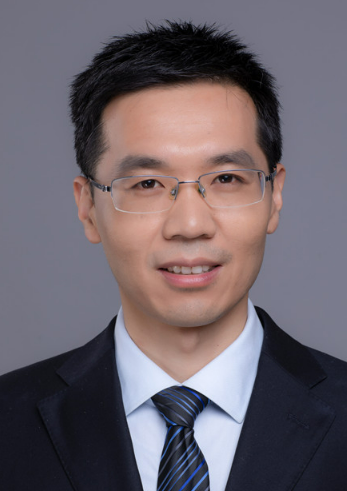 Haoyan Chen (陈豪燕)合作论文数Renji Hospital, School of Medicine, Shanghai Jiao Tong University18Tingting Yan合作论文数Shanghai Jiao Tong Univ, Minist Educ, Key Lab Laser Plasmas, Shanghai 200240, Peoples R China17
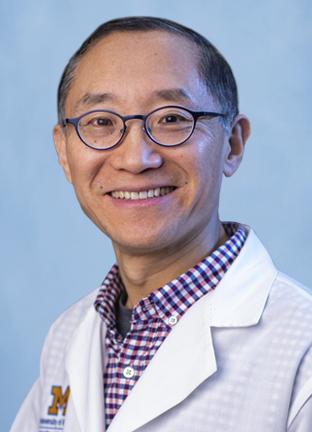 Weiping Zou (邹伟平)合作论文数Department of Surgery, University of Michigan Medical School;Center of Excellence for Cancer Immunology and Immunotherapy, University of Michigan Medical School;Union Hospital, Tongji Medical College, Huazhong University of Science and Technology17Wan Du合作论文数15Rong Lu (陆嵘)合作论文数Renji Hospital, Shanghai Jiao Tong University School of Medicine15tachung yu合作论文数Shanghai Jiao Tong Univ, State Key Lab Oncogene & Related Genes, Key Lab Gastroenterol & Hepatol,Shanghai Inst Dig, Div Gastroenterol & Hepatol,Minst Hlth,Sch Med,Re, Shanghai 200030, Peoples R China13Jilin Wang (王吉林)合作论文数13
 Yanjie Zhang (张燕捷)合作论文数Shanghai Ninth People’s Hospital, Shanghai JiaoTong University School of Medicine12Yun Cui (崔云)合作论文数12Shuliang Zhao (赵树靓)合作论文数12Wen-Yu Su合作论文数11Yu-Rong Weng合作论文数11Ren Lin-lin合作论文数11Yanwei Lin合作论文数10HongYin Zhu (朱红音)合作论文数10
 Jiayin Tang合作论文数10Cheng-Bei Zhou合作论文数9Xiaowen Huang合作论文数9Yanan Yu (于亚男)合作论文数9
 Ilona Kryczek合作论文数Department of Surgery, Medical School, University of Michigan9Xia Wang (王霞)合作论文数9Xialu Hong合作论文数8
 Jie Hong (洪洁)合作论文数Ruijin Hospital, Shanghai Jiao Tong University School of Medicine8WeiQi Gu (顾伟齐)合作论文数7
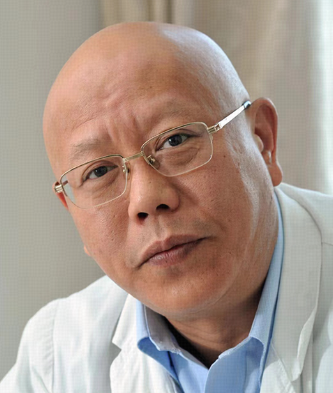 Ming Zhong (钟鸣)合作论文数Renji Hospital, School of Medicine, Shanghai Jiao Tong University7Qian Liang (梁茜)合作论文数7Chaoqin Shen合作论文数Shanghai Jiao Tong Univ, State Key Lab Oncogenes & Related Genes, Div Gastroenterol & Hepatol,Renji Hosp,Sch Med, Key Lab Gastroenterol & Hepatol,Minist Hlth,Shang, Shanghai, Peoples R China6
 Qinyan Gao (高琴琰)合作论文数Renji Hospital, Shanghai Jiao Tong University School of Medicine6
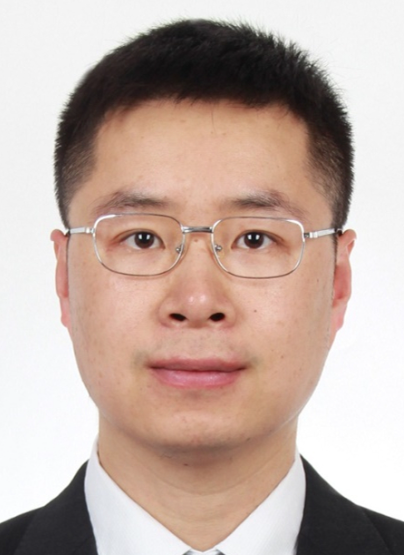 Jie Xu (许杰)合作论文数Shanghai Cancer Institute;School of Pharmaceutical Sciences, Fudan University6
 Jinxian Chen (陈锦先)合作论文数Renji Hospital, Shanghai Jiao Tong University School of Medicine6Yujie Bao合作论文数5Chen Yang合作论文数5Ye Hu合作论文数5Yuan-Hong Xie合作论文数5GuanFeng Shen (沈冠凤)合作论文数5
 Zhenhua Wang (王震华)合作论文数Renji Hospital, Shanghai Jiao Tong University School of Medicine5Zhen-Hua Wang合作论文数4Tian-Hui Zou合作论文数Division of Gastroenterology and Hepatology, Shanghai Institute of Digestive Disease, State Key Laboratory for Oncogenes and Related Genes, Key Laboratory of Gastroenterology & Hepatology, Ministry of Health, Ren-Ji Hospital, Shanghai Jiao-Tong University School of Medicine, Shanghai, China4Fangfang Guo合作论文数Shanghai Jiao Tong Univ, State Key Lab Oncogene & Related Genes, Key Lab Gastroenterol & Hepatol,Shanghai Inst Dig, Div Gastroenterol & Hepatol,Minst Hlth,Sch Med,Re, Shanghai 200030, Peoples R China4Pingping Xu合作论文数4EnLing Li (李恩灵)合作论文数4Tan Juan合作论文数4
 Piotr Radwan合作论文数4




