This multicenter, randomized phase III clinical trial assesses the efficacy and toxicity of SIB-RT with/without concurrent chemotherapy in patients with inoperable esophageal squamous cell carcinoma (ESCC) in the era of intensity-modulated RT and was conducted between December 2017 and November 2020. Patients with inoperable clinical stage II-III diseases or clinical stage IV disease with metastatic lymph nodes in supraclavicular/celiac trunk area were enrolled and randomized to receive SIB-RT concurrent with chemotherapy (SIB-RT + CT arm, N = 82) or SIB-RT alone (SIB-RT arm, N = 82). Planning gross tumor volume and planning target volume were administered with 59.92 and 50.4 Gy of radiation, respectively, in 28 fractions. The concurrent chemotherapy regimen comprised weekly doses of paclitaxel and nedaplatin for 5 weeks. The primary endpoint was overall survival (OS). The secondary endpoints were treatment response, progression-free survival (PFS), quality of life (QoL), and toxicity profiles. The SIB-RT + CT arm exhibited a superior treatment response to that in SIB-RT arm (69.5% vs. 53.7%, p = .04). The 5-year OS in SIB-RT arm and SIB-RT + CT arm was 23.9% vs. 28.8% (p = .33). The 5-year PFS in SIB-RT arm and SIB-RT + CT arm was 23.9% vs. 27.4% (p = .22). The improvement of EORTC QLQ-OES18 dysphagia subscale score was higher in SIB-RT + CT arm compared with SIB-RT arm (p = .02). The incidences of grade 3 or higher leukopenia and nausea were higher in SIB-RT + CT arm (p < .01 and p = .01). SIB-RT should be realized as the essential treatment modality for inoperable ESCC. SIB-RT + CT should be the preferred treatment option, as it affords a superior treatment response and greater dysphagia relief.
Purpose Simultaneous integrated dose reduction (SDR) radiation therapy (SDR-RT) with a definitive dose to the gross tumor volume (GTV) and a relatively lower dose to the clinical target volume (CTV) might be beneficial in improving normal tissue sparing with low toxicity. We aimed to compare the efficacies of SDR-RT and conventional fractionated radiation therapy (CF-RT) for limited-stage small cell lung cancer (LS-SCLC). Methods and Materials Eligible patients with LS-SCLC were 1:1 randomized to receive CF-RT (60 Gy in 30 once-daily fractions over 6 weeks for both CTV and GTV) or SDR-RT (50 Gy for CTV and 60 Gy for GTV in 28 once-daily fractions over 5.5 weeks) along with 4 to 6 cycles of chemotherapy. The primary endpoint was progression-free survival (PFS) rate in the intention-to-treat population, whereas the secondary endpoints were overall survival rate and adverse event incidence. Results Between February 2017 and March 2023, 336 patients randomly received either SDR-RT (n = 165) or CF-RT (n = 171). Over a median follow-up of 56 months, the 2- and 5-year PFS rates in the intention-to-treat analysis were, respectively, 42.0% and 31.9% with SDR-RT, and 40.7% and 30.5% with CF-RT (P = .015 for noninferiority). The between-group differences in overall survival, locoregional PFS, and locoregional recurrence rates were nonsignificant. Compared with CF-RT, SDR-RT was associated with lower median values of V20 (21.0% vs 22.8%) and Dmean (12.1 vs 13.4 Gy) of the bilateral lungs (both P < .001). Acute grade ≥3 toxicities and radiation pneumonitis incidence were lower with SDR-RT than that with CF-RT (54.5% vs 66.9%, P = .020; 2.4% vs 7.7%, P = .027). Conclusions Compared with CF-RT, SDR-RT led to similar survival and less acute adverse events. SDR-RT may be considered as a more protective approach for LS-SCLC treatment.
Abstract Background This study aimed to evaluate the efficiency of hippocampal avoidance whole-brain radiotherapy with a simultaneous integrated boost (HA-WBRT-SIB) treating brain metastases (BM) and utility of the Hopkins Verbal Learning Test-Revised (HVLT-R) (Chinese version) in Chinese lung cancer patients. Methods Lung cancer patients with BM undergone HA-WBRT-SIB at our center were enrolled. Brain magnetic resonance imaging, The HVLT total learning score, and side effects were evaluated before radiotherapy and 1, 3, 6, and 12 months after radiotherapy. This study analyzed the overall survival rate, progression-free survival rate, and changes in HVLT-R immediate recall scores. Results Forty patients were enrolled between Jan 2016 and Jan 2020. The median follow-up time was 14.2 months. The median survival, progression-free survival, and intracranial progression-free survival of all patients were 14.8 months, 6.7 months and 14.8 months, respectively. Multivariate analysis indicated that male sex and newly diagnosed stage IV disease were associated with poor overall survival and progression-free survival, respectively. HVLT-R scores at baseline and 1, 3, and 6 months after radiotherapy were 21.94 ± 2.99, 20.88 ± 3.12, 20.03 ± 3.14, and 19.78 ± 2.98, respectively. The HVLT-R scores at 6 months after radiotherapy decreased by approximately 9.8% compared with those at baseline. No grade 3 toxicities occurred in the entire cohort. Conclusions HA-WBRT-SIB is of efficiency and cognitive-conserving in treating Chinese lung cancer BM. Trial registration This study was retrospectively registered on ClinicalTrials.gov in 24th Feb, 2024. The ClinicalTrials.gov ID is NCT06289023.
Background: Concurrent or definitive chemoradiotherapy is the standard treatment of locally advanced esophageal squamous cell carcinoma (ESCC). Elderly patients could not tolerate the standard concurrent chemotherapy and were treated with radiotherapy because of weak physical status and multiple comorbidities. Objective: The efficacy and safety profile of concurrent (chemo) radiotherapy combined with nimotuzumab in elderly patients with ESCC were investigated. Methods: Eligible elderly (≥70 years) patients with locally advanced ESCC were enrolled in this prospective, real-world pragmatic study and received concurrent chemoradiotherapy or radiotherapy combined with nimotuzumab. The primary endpoint was overall survival (OS). Secondary endpoints were objective response rate, disease control rate, progression-free survival (PFS), and adverse drug reactions. Results: Fifty-three elderly patients were enrolled. Thirty-two (60.4%) were treated with radiotherapy combined with nimotuzumab (RT+N), and 21 (39.6%) with concurrent chemoradiotherapy combined with nimotuzumab (CRT+N). The median age was 75.8 years. Fourteen (56.0%) patients achieved a partial response, and 11 (44.0%) patients achieved stable disease at 3 months. The median follow-up duration was 24.4 (95%CI, 21.6-26.7) months. Median OS (mOS) was 27.0 (95%CI, 14.8-48.4) months. Median PFS (mPFS) was 22.6 (95%CI, 12.4-not reached) months. Higher mPFS (not reached vs. 12.0 months; p=0.022) and mOS (48.4 vs. 15.3 months; p=0.009) were observed in the CRT+N group compared with the RT+N group. Most adverse reactions were grade 1-2 (46, 86.8%). Conclusions: Concurrent chemoradiotherapy or radiotherapy combined with nimotuzumab was safe and well-tolerated in elderly patients with locally advanced ESCC. ESCC patients treated with CRT+N could live longer.
Objective:To evaluate the efficacy and safety of hippocampal avoidance whole-brain irradiation with simultaneous integrated boost in the treatment of brain metastases of lung cancer.Methods:Forty lung cancer patients with brain metastases who received whole-brain radiotherapy with simultaneous integrated boost and hippocampal avoidance in Cancer Hospital, Chinese Academy of Medical Sciences from 2014 to 2020 were enrolled in this study. Brain MRI, survival follow-up and evaluation of side effects were performed before radiotherapy and at 1, 3, 6 and 12 months after radiotherapy, respectively. Overall survival (OS), progression-free survival (PFS) and changes in cognitive function were analyzed. Continuous data were described as Mean ± SD. Categorical data were described by frequency and composition ratio or percentage. Survival analysis was conducted by Kaplan-Meier method. Influencing factors of survival were identified by univariate and multivariate Cox's regression analyses.Results:A total of 40 patients were enrolled in the study. The median follow-up time was 14.2 months and the median OS, PFS and intracranial PFS of all patients were 14.8 months, 6.7 months and 14.8 months, respectively. Multivariate analysis showed that male gender and newly diagnosed stage Ⅳ disease were associated with worse OS and PFS, respectively. The Hopkins verbal learning test-revised (HVLT-R) scores at baseline and 1, 3 and 6 months after radiotherapy were 21.94±2.99, 20.88±3.12, 20.03±3.14, and 19.78±2.98, respectively. The HVLT-R score at 6 months after radiotherapy was decreased by approximately 9.8% compared with the baseline. No grade 3 or above toxic and side effect occurred in the entire cohort.Conclusion:Hippocampal avoidance whole-brain irradiation with simultaneous integrated boost is a safe and effective treatment for brain metastases of lung cancer, which is expected to reduce the impact of radiotherapy on cognitive function.
ObjectiveTo investigate the superiority of the integrated cervicothoracic immobilization devices (ICTID) on the mobility of the supraclavicular station in lung cancer patients requiring both primary lung lesion and positive supraclavicular lymph nodes irradiation.MethodsOne hundred patients with lung cancer were prospectively enrolled in the study. The following four different fixation methods are used for CT simulation positioning: thoracoabdominal flat immobilization device fixation with arms lifting (TAFID group), head-neck-shoulder immobilization device fixation with arms on the body sides (HNSID group), ICTID fixation with arms on the body sides (ICTID arms-down group), and n ICTID fixation with arms lifting (ICTID arms-up group). Cone-beam computed tomography (CBCT) images are taken daily or weekly before treatment, to assess anatomical changes during the radiotherapy course.ResultsThe translation errors in X (left-right direction), Y (head-foot direction), and Z (abdomen-back direction) directions of the ICTID arms-up, TAFID, ICTID arms-down and HNSID groups were (0.15 ± 0.18) cm, (0.15 ± 0.16) cm, (0.16 ± 0.16) cm, and (0.15 ± 0.20) cm; (0.15 ± 0.15) cm, (0.21 ± 0.25) cm, (0.28 ± 0.23) cm, and (0.27 ± 0.21) cm; (0.13 ± 0.14) cm, (0.15 ± 0.14) cm, (0.17 ± 0.13) cm, and (0.16 ± 0.14) cm, respectively. Among them, the ICTID arms-up group had the minimal setup errors in X direction than those in ICTID arms-down (p=0.001) and HNSID groups (p=0.001), and in Y direction than those in TAFID (p<0.001), and in Z direction than those in ICTID arms-down (p<0.001) and TAFID groups (p=0.034). For the rotational errors of the four groups in the directions of sagittal plane, transverse plane, and coronal plane, the ICTID arms-up group had the smallest setup errors in the sagittal plane than that of TAFID groups and similar rotation setup errors with those of the other three groups.ConclusionFor patients requiring radiation of primary lung lesion and positive supraclavicular lymph nodes, an integrated frame fixation device is preferred the ICTID arms-up methods provide the smallest set up error and satisfied repeatability of body position, compared with TAFID and HNSID.
Key Points Question Is oral S-1 chemotherapy with simultaneous integrated boost radiotherapy (SIB-RT) effective and safe for patients aged 70 years and older with inoperable esophageal cancer (EC)? Findings In this randomized clinical trial of 330 patients aged 70 years and older with EC who were randomly assigned to receive SIB-RT with concurrent and consolidated oral S-1 chemotherapy (CRTCT) or SIB-RT alone, 3-year overall survival and progression-free survival of participants in the CRTCT group were superior to that of SIB-RT group. The incidence of grade 3 to 5 toxic effects was similar in both groups. Meaning These findings suggest that oral S-1 chemotherapy with SIB-RT should be considered as an alternative treatment option for patients aged 70 years and older with inoperable EC to improve survival outcomes with acceptable treatment-related toxic effects.
Objective: To compare the incidence of radiation-related toxicities between conventional and hypofractionated intensity-modulated radiation therapy (IMRT) for limited-stage small cell lung cancer (SCLC), and to explore the risk factors of hypofractionated radiotherapy-induced toxicities. Methods: Data were retrospectively collected from consecutive limited-stage SCLC patients treated with definitive concurrent chemoradiotherapy in Cancer Hospital of Chinese Academy of Medical Sciences from March 2016 to April 2022. The enrolled patients were divided into two groups according to radiation fractionated regimens. Common Terminology Criteria for Adverse Events (CTCAE, version 5.0) was used to evaluate the grade of radiation esophagus injuries and lung injuries. Logistic regression analyses were used to identify factors associated with radiation-related toxicities in the hypofractionated radiotherapy group. Results: Among 211 enrolled patients, 108 cases underwent conventional IMRT and 103 patients received hypofractionated IMRT. The cumulative incidences of acute esophagitis grade ≥2 [38.9% (42/108) vs 35.0% (36/103), P=0.895] and grade ≥ 3 [1.9% (2/108) vs 5.8% (6/103), P=0.132] were similar between conventional and hypofractionated IMRT group. Late esophagus injuries grade ≥2 occurred in one patient in either group. No differences in the cumulative incidence of acute pneumonitis grade ≥2[12.0% (13/108) vs 5.8% (6/103), P=0.172] and late lung injuries grade ≥2[5.6% (6/108) vs 10.7% (11/103), P=0.277] were observed. There was no grade ≥3 lung injuries occurred in either group. Using multiple regression analysis, mean esophageal dose ≥13 Gy (OR=3.33, 95% CI: 1.23-9.01, P=0.018) and the overlapping volume between planning target volume (PTV) and esophageal ≥8 cm(3)(OR=3.99, 95% CI: 1.24-12.79, P=0.020) were identified as the independent risk factors associated with acute esophagitis grade ≥2 in the hypofractionated radiotherapy group. Acute pneumonitis grade ≥2 was correlated with presence of chronic obstructive pulmonary disease (COPD, P=0.025). Late lung injuries grade ≥2 was correlated with tumor location(P=0.036). Conclusions: Hypofractionated IMRT are tolerated with manageable toxicities for limited-stage SCLC patients treated with IMRT. Mean esophageal dose and the overlapping volume between PTV and esophageal are independently predictive factors of acute esophagitis grade ≥2, and COPD and tumor location are valuable factors of lung injuries for limited-stage SCLC patients receiving hyofractionated radiotherapy. Prospective studies are needed to confirm these results.
Earlier addition of TCRT to immunotherapy could significantly improve survival and extracranial control for stage IIIA-IVB unresectable SCLC patients, with no increased risk of adverse events. In the era of immunotherapy, PCI may still be a recommended strategy. Further investigation is warranted.
PORT significantly improved the DFS and LRFS in patients with N2a2 and significantly improved the DFS, LRFS, and OS in patients with N2b. Patients with N2a1 could not benefit from PORT.
Importance:Double-agent intravenous chemotherapy concurrent with radiotherapy is the standard of care for patients with inoperable esophageal cancer. However, patients tend to tolerate intravenous chemotherapy less well with age and comorbidities. It is essential to find a better treatment modality that improves survival outcomes without reducing the quality of life. Objective:To evaluate the effectiveness of simultaneous integrated boost radiotherapy (SIB-RT) with concurrent and consolidated oral S-1 chemotherapy for patients aged 70 years and older with inoperable esophageal squamous cell carcinoma (ESCC). Design, Setting, and Participants:This multicenter, phase III randomized clinical trial was conducted between March 2017 and April 2020 in 10 centers in China. Patients with inoperable, locally advanced, clinical stage II to IV ESCC were enrolled and randomized to receive SIB-RT concurrent with and followed by oral S-1 chemotherapy (CRTCT group) or SIB-RT alone (RT group). Data analysis was completed on March 22, 2022. Interventions:In both groups, the planning gross tumor volume was administered with radiation dose of 59.92 Gy and the planning target volume was administered with radiation dose of 50.4 Gy, in 28 fractions each. In the CRTCT group, concurrent S-1 was administered on radiotherapy days, and consolidated S-1 was administered at 4 to 8 weeks after SIB-RT. Main Outcomes and Measures:The primary end point was overall survival (OS) of the intent-to-treat population. Secondary end points were progression-free survival (PFS) and toxicity profile. Results:A total of 330 patients (median [IQR] age, 75.5 [72-79] years; 220 [66.7%] male patients) were included, with 146 patients randomized to the RT group and 184 randomized to the CRTCT group. A total of 107 patients (73.3%) in the RT group and 121 patients (67.9%) in the CRTCT group were clinically diagnosed with stage III to IV disease. At the time of analysis of the 330 patients in the intent-to treat-population (March 22, 2022), OS was improved in the CRTCT group compared with the RT group at 1 year (72.2% vs 62.3%) and 3 years (46.2% vs 33.9%; log-rank P = .02). PFS was similarly improved in the CRTCT group compared with the RT group at 1 year (60.8% vs 49.3%) and 3 years (37.3% vs 27.9%; log-rank P = .04). There was no significant difference in the incidence of treatment-related toxic effects higher than grade 3 between the 2 groups. Grade 5 toxic effects occurred in each group, including 1 patient who experienced myelosuppression and 4 patients with pneumonitis in the RT group and 3 patients with pneumonitis and 2 patients with fever in the CRTCT group. Conclusions and Relevance:These findings suggest that oral S-1 chemotherapy administered with SIB-RT should be considered as an alternative treatment option for patients aged 70 years and older with inoperable ESCC, since it improved survival outcomes without additional treatment-related toxic effects compared with SIB-RT alone. Trial Registration:ClinicalTrials.gov Identifier: NCT02979691.
Background: For patients with esophageal squamous cell carcinoma (ESCC) treated with surgery alone, the incidence of local-regional recurrence remains unfavorable. Postoperative radiotherapy (PORT) has been associated with increased local-regional recurrence-free survival (LRFS), although its application is limited by concerns of PORT-related toxicities. Methods: Among 3591 patients with ESCC analyzed in this study, 2765 patients with T3-4N0 and T1-4N1-3 lesions and specific local-regional status information were analyzed in a subsequent analysis of adjuvant radiation dose (aRTD) effect. Application of the restricted cubic spline regression model revealed a non-linear relationship between aRTD and survival/radiotoxicity. Linear regression analysis (LRA) was performed to evaluate correlations between LRFS and overall survival (OS)/ disease-free survival (DFS). Results: For patients staged T1–2N0, T1–2N1–3, T3–4N0, and T3–4N1–3, 5-year OS in PORT and non-PORT groups were 77.38% vs. 72.91%, p = 0.919, 52.35% vs. 46.60%, p = 0.032, 73.41% vs. 61.19%, p = 0.005 and 38.30% vs. 25.97%, p < 0.001. With aRTD escalation, hazard ratios (HRs) of OS/DFS declined until aRTD exceeded 50Gy, then increased, whereas that of LRFS declined until aRTD exceeded 50 Gy, then remained steady. HR of treatment-related mortality was stable until aRTD exceeded 50 Gy, then increased. LRA revealed strong correlations between LRFS and OS/DFS (r = 0.984 and r = 0.952, respectively). An absolute 1% advancement in LRFS resulted in 0.32% and 0.34% improvements in OS and DFS. Conclusions: An aRTD of 50Gy was well-tolerated, with favorable survival resulting from PORT-related LRFS improvement in patients staged T3–4N0 or T1-4N1–3. Further stratification analyses based on tumor burden would help determine potential PORT-beneficiaries.
Background: EGFR tyrosine kinase inhibitor (TKI) is recommended as the first-line therapy for patients with EGFR-mutant metastatic non-small cell lung cancer (NSCLC). Yet, resistance often occurs in 1 year after therapy and most progressions occur at the initial sites of disease. Addition of local therapy to the first-line TKI therapy may delay the progression and provide survival benefit to the patients. Methods: From 2010 to 2017, metastatic NSCLC patients with EGFR activating mutations who received first-line TKI and relatively radical local therapy (RRLT) were reviewed. RRLT was defined as local curative therapy to the main site or any intensity of local therapy to all sites of disease. The Kaplan-Meier method and log-rank test were used for survival estimation and comparison. Results: A total of 45 patients were included in this retrospective study with a median follow-up of 48.0 months. The median progression-free survival (PFS) and overall survival (OS) was 17.0 months (95% confidence interval [CI]: 14.6-19.3) and 55.0 months (95% CI: 49.3-60.6), respectively. Univariate analysis indicated that age ⩽ 60 years (P = .019), first-line TKI duration ⩾ 10 months (P = .028), and accumulated TKI duration ⩾ 20 months (P = .016) were significantly associated with favorable OS. Among the 36 patients who progressed during the follow-up, 55.8% of the progressions occurred at the new sites. RRLT combined with TKI did not show any severe toxicity to the patients. Conclusions: Combined application of RRLT and first-line TKI may improve the survival and alter the pattern of failure for metastatic NSCLC patients with EGFR activating mutations.
Purpose/Objective(s)Previous studies showed that prophylactic cranial irradiation (PCI) reduced brain metastases and improved overall survival of patients with limited-stage small-cell lung cancer (LS-SCLC). However, brain magnetic resonance imaging (MRI), currently recognized as the preferred modality for brain metastases detection, was not routinely used for staging and reassessment in previous trials. This retrospective study aimed to reevaluate the role of PCI for LS-SCLC patients in the modern MRI era.Materials/MethodsWe retrospectively reviewed LS-SCLC patients treated with definitive chemoradiotherapy (≥4 cycles of chemotherapy and thoracic intensity-modulated radiotherapy [IMRT]) between 2006 and 2014 in our center. Patients who responded to initial therapy were included and subsequently reassessed for brain metastases by MRI. The cumulative incidence of brain metastases was estimated using the Fine-Grey competing risks regression model. The overall survival (OS) and progression-free survival (PFS) were calculated using the Kaplan-Meier method. Univariate and multivariate analyses were performed using the Cox proportional hazards model.ResultsWe enrolled 177 patients in this study, of which 79 were treated by PCI and 98 were not (non-PCI). The median follow-up was 76.0 months (95% confidence interval, 71.2-80.8 months). All patients achieved complete response (n = 50, 28.2%) or partial response (n = 127, 71.8%) to initial chemoradiotherapy. The cumulative incidence of brain metastases in the PCI group was lower than in the non-PCI group (6.6% vs. 30.0% at 2 years, 12.2% vs. 31.0% at 5 years, P = 0.004). 5-year PFS in the PCI group was significantly higher than in the non-PCI group (45.3% vs. 26.5%, P = 0.002). However, 5-year OS of 48.8% and 39.2% in the PCI and non-PCI groups, respectively, were similar (P = 0.255). In the multivariate analysis, treatment response (P<0.001) and PCI (P = 0.038) were independent prognostic factors for PFS. Stratification analysis revealed that PCI did not improve 5-year PFS for patients with partial response to initial therapy (26.6% vs. 19.7%, P = 0.234).ConclusionIn the Modern Era with MRI Surveillance, PCI is associated with a lower incidence of brain metastases and improved PFS while OS benefit wasn't observed. Patients achieving partial response to initial therapy did not gain PFS benefit from PCI. Prospective trials are still needed to further evaluate the utility of PCI for patients with LS-SCLC.
To investigate whether completion of concurrent chemotherapy (CCT) improves overall survival (OS) of patients with locally advanced esophageal squamous cell carcinoma (ESCC), and to identify predictors of non-completion of CCT. Data of ESCC patients treated with definitive concurrent chemoradiotherapy from January 2012 to December 2017 were retrospectively analyzed. CCT completion was defined as receiving recommended cycles with at most 25% dose reduction. Propensity score matching (PSM) analysis was applied to adjust unbalanced covariates between groups. Multivariate logistic regression model was used to identify factors affecting CCT completion. Of the 487 patients in the study, 194 patients (39.8%) had completed CCT. The majority (90.7%) had stage III–IV disease. Three-year OS rate was significantly higher in the completion group than non-completion group (35.4% vs. 30.3%; p = 0.025). Multivariate Cox analysis showed CCT completion was independently associated with longer OS (p = 0.005). The independent risk factors for CCT non-completion were weekly CCT regimen [odds ratio (OR) = 4.35, 95% CI 2.26–8.37; p < 0.001], clinical target volume (CTV)-elective nodal irradiation (ENI) (OR = 3.86, 95% CI 2.41–6.18; p < 0.001), planning target volume (PTV)/50 cm3 (OR = 1.09, 95% CI 1.02–1.16; p = 0.017), age (OR = 1.04, 95% CI 1.01–1.07, p = 0.011), and tumor in middle/lower esophagus (OR = 1.59, 95% CI 1.05–2.43, p = 0.030). CCT completion can provide superior OS for ESCC patients treated with definitive CCRT. Weekly CCT regimen, CTV-ENI, PTV, older age, and tumor location are independent predictors of non-completion of CCT.
Purpose: Thymic neuroendocrine tumors (TNETs) are a collection of slow-progressing neoplasms located in the anterior mediastinum. Relatively few previously published studies have focused on thymic carcinomas. This study investigated the basic clinical characteristics, treatment, and prognosis of TNETs. Methods: Patients were enrolled in the study from January 2003 to December 2017 who had been diagnosed with TNETs through pathological screening and treated at our institution. Demographic data from each patient, the Masaoka stage, histology and size of the tumor, tumor invasion characteristics, and therapeutic strategies were gathered. The Kaplan–Meier method was used to assess patient survival. In addition, the log-rank test was used to carry out univariate analyses. Results: Twenty-six patients were eligible for inclusion in the study. The median age of the patients was 46.5 (25–69) years. The tumor median maximum diameter was 7.9 cm (from 3 to 19 cm). Twenty-four patients were treated surgically. Nineteen patients completed radiation therapy, and sixteen patients underwent chemotherapy. A median follow-up time of 54.95 months was observed. The survival rate for three years was 75.0% and 70.6% for five years. The corresponding progression-free survival rates for three and five years were 55.7% and 37.7%, respectively. The local, regional recurrence-free survival (LRFS) rates were 87.2% and 81.7%, and the distant metastasis-free survival (DMFS) rates were 55.7% and 37.7%, at three and five years, respectively. Local recurrence (six patients) and bone metastasis (six patients) were observed as the most frequent failures. Conclusion: TNET was observed to be an aggressive but rare malignant lesion. While the predominant treatment was complete resection, chemotherapy and radiotherapy were also required due to the high recurrence rate.
Esophageal carcinosarcoma is a rare type of esophageal cancer; however, few studies have investigated the effects of radiotherapy in locally advanced patients. This study aimed to report experience of the safety and efficacy of intensity-modulated radiotherapy for locally advanced esophageal carcinosarcoma and review the literature. By searching the institutional database between January 2010 and December 2020, along with the literature review, 25 patients were eligible for the study. The clinical and radiologic information of all patients with esophageal carcinosarcoma who underwent radiotherapy were collected. Survival outcomes were calculated using Kaplan–Meier plots. In our series, 5 patients were in the curative/neoadjuvant radiotherapy group and 10 patients were in the adjuvant group. Most tumors were protruding (n = 10, 66.7%). All patients underwent intensity-modulated radiotherapy. In the curative/neoadjuvant radiotherapy group, 2 patients underwent concurrent chemoradiotherapy before surgery, and the other three received radiotherapy alone as the initial treatment. The median follow-up time was 43.1 months. All patients showed a partial response at the efficacy evaluation. The median time of overall survival and progression-free survival were 40.2 months (95% confidence interval [CI], 13.1–67.3 months) and 19.0 months (95% CI, 13.9 months—24.1 months) for the entire cohort, but were not reached for curative/neoadjuvant radiotherapy group. Overall survival (hazard ratio [HR] 0.81, 95% CI, 0.15–4.43; P = .805) and progression-free survival (HR 1.68, 95% CI, 0.35–8.19; P = .514) did not differ significantly between the 2 groups. When considering the literature review data in the final analysis, overall survival (HR 0.84, 95% CI, 0.25–2.81; P = .779) and progression-free survival (HR, 0.68; 95% CI, 0.26–1.76; P = .425) were also not different between the 2 groups. Treatment based on intensity-modulated radiotherapy with neoadjuvant or curative intent may be an option for patients with unresectable esophageal carcinosarcoma. Further research with a larger sample size is needed to validate the reliability.
Background: To assess the effectiveness of simultaneous integrated boost radiotherapy (SIB-RT) with concurrent and consolidated oral S-1 chemotherapy for elderly patients with inoperable esophageal squamous cell carcinoma (ESCC).Methods: This multicenter, randomized phase III clinical trial was conducted between March 2017 and April 2020 in patients enrolled in 10 centers in China. Patients were randomized to receive S-1-based definitive SIB-RT followed by consolidation chemotherapy (CRT-CT arm, n = 184) or SIB-RT alone (RT arm, n = 146). The primary endpoint was overall survival (OS) and the secondary endpoints were progression-free survival (PFS), and toxicity profile.Findings: After a median follow-up time of 42.9 months in the CRT-CT arm and 44.4 months in the RT arm. The 1-, 3-year OS and PFS was improved in the CRT-CT arm compared with that in the RT arm (72.2% vs. 62.3%, 46.2% vs. 33.9%, , Log-rank P = 0.024 and 60.8% vs. 49.3%, 37.3% vs. 27.9%, Log-Rank P = 0.036, respectively). There was no significant difference in the incidence of toxicities higher than grade 3 in the CRT-CT arm.Interpretation: Oral S-1 chemotherapy administered with SIB-RT should be one of the alternative treatment options for elderly patients with inoperable ESCC as it improves survival outcomes without additional treatment-related toxicities comparing to SIB-RT alone.Trial Registration Details: This study was registered at ClinicalTrials.gov Identifier: NCT02979691.Funding Information: This study was supported by the Beijing Hope Run Special Fund of the Cancer Foundation of China (LC2016L04). The funder of the study had no role in study design, data collection, data analysis, data interpretation, or writing of the report.Declaration of Interests: The authors declare that the research was conducted in the absence of any commercial or financial relationships that could be construed as a potential conflict of interest.Ethics Approval Statement: The study protocol was approved by the institutional review boards (reference number, NCC2016 YL-06) and independent ethics committees of the participating centers. The study was performed in accordance with the Declaration of Helsinki. Written informed consent was obtained from all participants.
Objective:To evaluate the long-term outcomes, failure patterns and prognostic factors of definitive radiotherapy in patients with cervical esophageal carcinoma (CEC).Methods:We retrospectively reviewed the clinical data of 148 CEC patients who treated with definitive radiotherapy in Cancer Hospital of Chinese Academy of Medical Sciences from January 2001 to December 2017. The median radiation dose was 66 Gy (59.4-70 Gy) and 33.1% of patients received concurrent chemotherapy. The Kaplan-Meier method was used to calculate survival rates. The log rank test was used for survival comparison and univariate prognostic analysis. The Cox model was used for multivariate prognostic analysis.Results:The median follow-up time was 102.6 months. The median survival time, 2- and 5-year overall survival (OS) were 22.7 months, 49.9% and 28.3%. The median, 2- and 5-year progression-free survival were 12.6 months, 35.8% and 25.8%. The 2- and 5-year locoregional recurrence-free survival were 59.1% and 50.8%. The 2- and 5-year distant metastases-free survival were 74.6% and 65.9%. Multivariate analysis showed that EQD 2>66 Gy was the only independent prognostic indicator for OS ( P=0.040). The median survival time and 5-year OS rate significantly improved in patients who received EQD 2>66 Gy than those who received≤66 Gy (31.2 months vs. 19.2 months, 40.1% vs. 19.1%, P=0.027). A total of 87 patients (58.8%) developed tumor progression. There were 50 (33.8%), 23 (15.5%) and 39 (26.4%) patients developed local, regional recurrence and distant metastases, respectively. Eleven patients (7.4%) underwent salvage surgery, and the laryngeal preservation rate for entire group was 93.9%. Conclusions:Definitive radiotherapy is an effective treatment for cervical esophageal carcinoma with the advantage of larynx preservation. Local recurrence is the major failure pattern. EQD 2>66 Gy is associated with the improved overall survival.
Objective:To explore the effect of pretreatment body mass index (BMI) on the prognosis of patients with unresectable locally advanced non-small cell lung cancer (NSCLC) after chemoradiotherapy.Methods:The clinical data of 711 patients with locally advanced NSCLC treated with radiotherapy, sequential chemoradiotherapy or concurrent chemoradiotherapy from January 2013 to December 2017 in Cancer Hospital of Chinese Academy of Medical Science and Peking Union Medical College were retrospectively analyzed. Radiotherapy was performed with intensity-modulated radiotherapy (IMRT) or volumetric-modulated arc therapy (VMAT), and the chemotherapy regimens were paclitaxel+carboplatin, pemetrexed+cisplatin or etoposide+cisplatin. The effects of pretreatment BMI and other clinical factors on overall survival (OS) of patients were analyzed. Survival analysis was performed by using Kaplan-Meier method; univariate and multivariate analyses were performed by using Cox proportional hazards model.Results:According to the World Health Organization (WHO) recommended BMI grouping method for Asian, the median OS time of low BMI group (<18.5 kg/m 2, 23 cases), normal BMI group (18.5-23.9 kg/m 2, 293 cases) and high BMI group (≥24.0 kg/m 2, 395 cases) was 17 months (95% CI 11-29 months), 29 months (95% CI 22-36 months) and 30 months (95% CI 27-34 months), respectively. OS in the low BMI group was poorer than that in the normal BMI group and high BMI group ( χ2 = 11.20, P = 0.004). Maximally selected rank statistics was used to determine the optimal cut-off value of BMI for prediction of survival as 21.31 kg/m 2, according to which patients were divided into low BMI group (BMI<21.31 kg/m 2, 130 cases) and high BMI group (BMI≥21.31 kg/m 2, 581 cases), the median OS time of the two groups was 20 months (95% CI 17-27 months) and 32 months (95% CI 28-35 months), respectively. OS in the low BMI group was poorer than that in the high BMI group ( χ2 = 12.30, P < 0.001). Multivariate analysis showed that age ≥ 65 years old, male, Karnofsky score < 80 points, low BMI, smoking, histological type of squamous cell carcinoma and radiotherapy alone were independent risk factors for OS (all P < 0.05). Conclusions:For patients with unresectable locally advanced NSCLC who received chemoradiotherapy, those with low pretreatment BMI have poor prognosis.
 Zongmei Zhou (周宗玫)合作论文数Cancer Hospital Chinese Academy of Medical Sciences144
 Qinfu Feng (冯勤付)合作论文数Cancer Hospital, Chinese Academy of Medical Sciences;Shanxi Cancer Hospital137
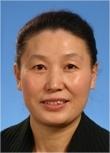 Zefen Xiao (肖泽芬)合作论文数Cancer Hospital Chinese Academy of Medical Sciences124
 Jima Lv (吕纪马)合作论文数Cancer Hospital, Chinese Academy of Medical Sciences91
 Jun Liang合作论文数Peking Union Medical College89
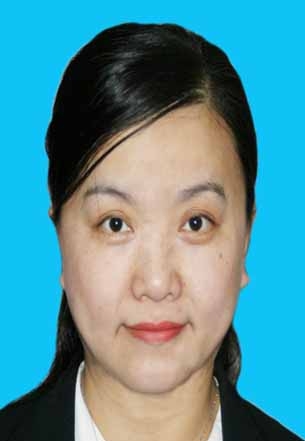 Nan Bi (毕楠)合作论文数Cancer Hospital, Chinese Academy of Medical Sciences62Hong-Xing Zhang合作论文数52
 Zhouguang Hui (惠周光)合作论文数Cancer Hospital Chinese Academy of Medical Sciences50L. Wang合作论文数47Wenqing Wang合作论文数45Lei Deng合作论文数42
 Yin Wei-Bo (殷蔚伯)合作论文数.Department of Radiation Oncolgy,Cancer Institute%%#Hospital%%#,Chinese Academy of Medical Sciences,Peking Union Medical College,Beijing ,China42
 Lvhua Wang (王绿化)合作论文数Cancer Hospital, Chinese Academy of Medical Sciences35Zhang Tao合作论文数30Jianyang Wang合作论文数29Q. Feng合作论文数28
 Wencheng Zhang (章文成)合作论文数Tianjin Medical University Cancer Institute and Hospital28Xiaozhen Wang合作论文数28J. F. Liang合作论文数28
 Xin Wang (王昕)合作论文数Cancer Hospital, Chinese Academy of Medical Sciences27
 Jie He (赫捷)合作论文数Chinese Academy of Medical Sciences & Peking Union Medical College;Cancer Hospital, Chinese Academy of Medical Sciences27Yirui Zhai合作论文数27Z. Hui合作论文数26
 Hongxing Zhang (张红星)合作论文数Cancer Hospital Chinese Academy of Medical Sciences25N. Bi合作论文数24Wenjie Ni合作论文数23
 Wen-Yang Liu合作论文数23Guangfei Ou (欧广飞)合作论文数22Xishan Wang合作论文数20
 Yousheng Mao (毛友生)合作论文数Cancer Hospital Chinese Academy of Medical Sciences20
 Shugeng Gao (高树庚)合作论文数Cancer Hospital Chinese Academy of Medical Sciences17C Li合作论文数16Weiming Han合作论文数16
 Jingbo Wang合作论文数16
 Qi Xue (薛奇)合作论文数Cancer Hospital Chinese Academy Of Medical Sciences16Wei-Hu Wang (王维虎)合作论文数16Kelin Sun合作论文数16
 Wei Deng合作论文数14
 Zhijian Xiao (肖志坚)合作论文数SKLEH, Chinese Academy of Medical Sciences;Chinese Academy of Medical Sciences Peking Union Medical College14Shufei Yu合作论文数13Dekang Fang合作论文数13Xiao Chang (常晓)合作论文数13Yu Men合作论文数12Xiangyang Liu合作论文数12JunQiang Chen (陈钧强)合作论文数12




